The best mountain hikes in South Korea
4.5
(551)
2,228
hikers
182
hikes
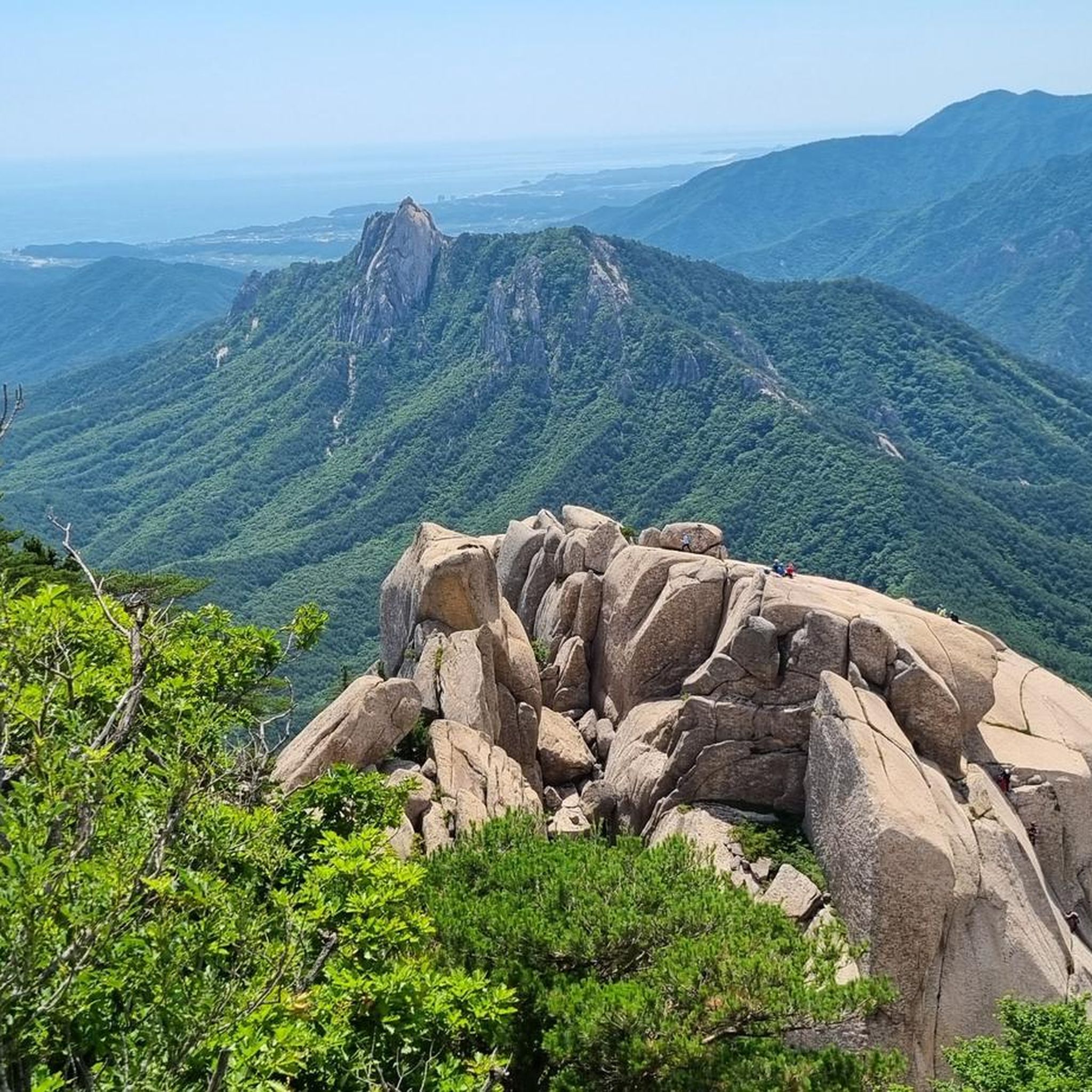
Mountaineering in South Korea is characterized by rugged, picturesque landscapes and an extensive network of national parks. The country's terrain features prominent mountain ranges like the Taebaek and Sobaek, offering diverse natural features for exploration. Granite peaks, deep valleys, and dense forests define much of the mountainous regions, providing varied challenges for mountaineers. Many routes traverse protected areas, including 23 national parks, which preserve unique ecosystems and geological formations.
Best mountaineering routes in South Korea
- The most popular mountaineering route is 검단산 loop from Hanam, a 4.8 miles (7.8 km) trail that takes 3 hours 10 minutes to complete, offering views over forested slopes.
- Another top favourite among local mountaineers is Mountaineering loop from Dobongsan, a moderate 4.3 miles (7.0 km) path. This route features granite peaks and panoramic vistas near the capital city.
- Local mountaineers also love the 서장대 – 가야산칠불봉 loop from Gayasan National Park, a 5.7 miles (9.1 km) trail leading through mountainous landscapes, often completed in about 4 hours 3 minutes.
- Mountaineering in South Korea is defined by rugged granite peaks, dense forests, and ancient temples. The network offers options for easy, moderate, and difficult routes, catering to various skill levels.
- The routes in South Korea are highly rated by the komoot community with an average score of 4.5 stars from over 400 reviews. More than 1,900 mountaineers have used komoot to explore South Korea's varied terrain.
Last updated: August 20, 2026
3.9
(7)
46
hikers
7.65km
03:08
600m
600m
Moderate mountaineering route. Good fitness required. Easily-accessible paths. Suitable for all skill levels.
4.5
(8)
54
hikers
7.05km
03:02
620m
620m
Moderate mountaineering route. Good fitness required. Easily-accessible paths. Suitable for all skill levels.

Sign up for free
4.8
(10)
46
hikers
9.61km
04:12
870m
870m
Moderate mountaineering route. Good fitness required. Easily-accessible paths. Suitable for all skill levels.
4.7
(9)
40
hikers
11.9km
06:05
1,260m
1,260m
Hard mountaineering route. Very good fitness required. Mostly accessible paths. Sure-footedness required.
4.8
(6)
37
hikers
11.8km
03:37
370m
370m
Moderate mountaineering route. Good fitness required. Mostly accessible paths. Sure-footedness required.
4.8
(8)
40
hikers
8.20km
03:45
660m
660m
Moderate mountaineering route. Good fitness required. Mostly accessible paths. Sure-footedness required.
4.8
(4)
33
hikers
7.68km
03:13
630m
630m
Moderate mountaineering route. Good fitness required. Easily-accessible paths. Suitable for all skill levels.
4.7
(15)
42
hikers
Moderate mountaineering route. Good fitness required. Easily-accessible paths. Suitable for all skill levels.
4.2
(13)
41
hikers
7.29km
03:32
800m
800m
Moderate mountaineering route. Good fitness required. Easily-accessible paths. Suitable for all skill levels.
4.3
(8)
32
hikers
7.40km
03:24
720m
720m
Moderate mountaineering route. Good fitness required. Mostly accessible paths. Sure-footedness required.
Get access to more routes and recommendations from other explorers.
Sign up for free
Already have an account?
Our route recommendations are based on thousands of hikes, rides, and runs completed by other people on komoot.
Start today with a free account
Your next adventure awaits.
Login or Signup



Tips from the Community

A stunning view from the summit of the highest mountain on the Korean Peninsula. Despite the cold November weather, the summit was quite busy.
0
0
The highest mountain on the Korean Peninsula, offering correspondingly good views. The climb shouldn't be underestimated, and the temperature is quite cold and windy due to the high altitude. Snow can also linger at the summit for a long time.
0
0

The Baekmudong to Cheonwangbong section has many stone steps, so shoes with good grip are essential.
0
0

Easy climbing from Wontergol!
0
0

This entrance of Cheonggyesan is the easiest one to access because it is close to the metro station. There are hiking equipment stores and restaurants, too. The best choice!
0
0
Frequently Asked Questions
How many mountaineering routes are available in South Korea?
South Korea offers a diverse range of mountaineering experiences, with nearly 200 routes documented on komoot. These routes cater to various skill levels, including 8 easy, 135 moderate, and 44 difficult trails, ensuring there's something for every mountaineer.
What kind of terrain can I expect on mountaineering routes in South Korea?
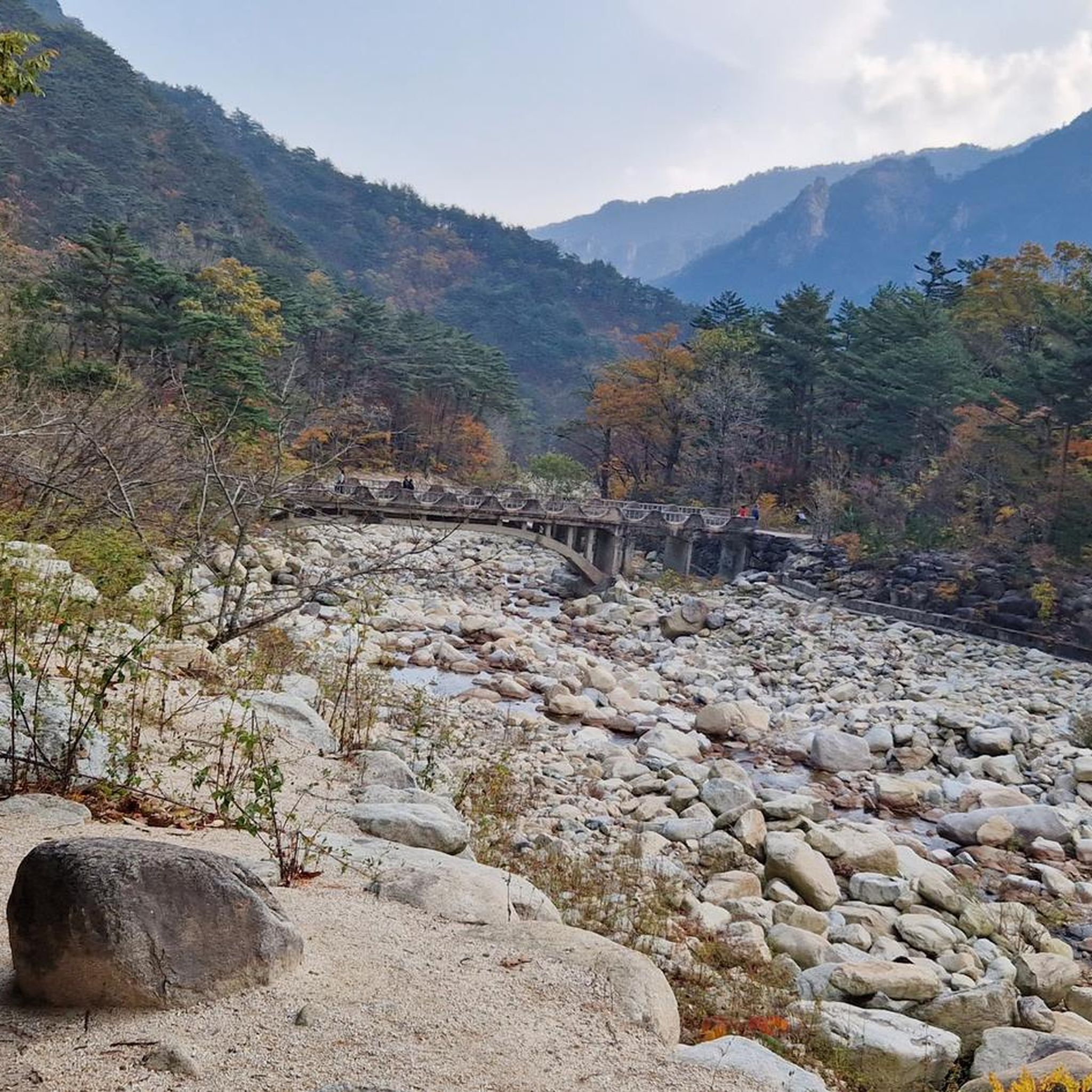
You can expect rugged and picturesque landscapes, characterized by prominent mountain ranges like the Taebaek and Sobaek. Many routes feature soaring granite peaks, deep valleys, and dense forests. Some areas, like Hallasan National Park on Jeju Island, offer unique volcanic features and crater lakes, while others, such as Seoraksan, are known for dramatic rock formations and majestic waterfalls.
Are there any family-friendly mountaineering routes in South Korea?
While many mountaineering routes can be challenging, there are options suitable for families looking for a less strenuous experience. Parks like Bukhansan, located near Seoul, offer accessible trails with panoramic city views. For specific routes, you can explore some of the 8 easy trails available, which are generally shorter and have less elevation gain.
What is the best time of year for mountaineering in South Korea?
The best seasons for mountaineering in South Korea are typically spring (April-May) and autumn (September-October). During these times, the weather is generally mild, and the landscapes are particularly stunning. Autumn is especially popular for its vibrant fall foliage, with places like Seoraksan and Jirisan National Parks becoming a sea of red and gold.
Are there any circular mountaineering routes in South Korea?
Yes, many mountaineering routes in South Korea are designed as loops, allowing you to start and end at the same point. For example, the 검단산 loop from Hanam is a popular moderate route offering views over forested slopes. Another excellent option is the Mountaineering loop from Dobongsan, which features granite peaks and panoramic vistas near the capital city.
What are some notable natural attractions or landmarks I might see along these routes?
South Korea's mountaineering routes often pass through or near significant natural and cultural landmarks. You might encounter the unique volcanic features and crater lake at Baengnokdam Crater, Hallasan Summit, or the dramatic granite formations of Ulsanbawi Peak, Seoraksan National Park. Many trails also lead to ancient temples nestled within the mountains, offering a blend of natural beauty and cultural heritage.
Are there any challenging routes for experienced mountaineers?
Absolutely. For experienced mountaineers seeking a challenge, South Korea offers 44 difficult routes. An example is the Korean yew – Jirisan loop from 지리산국립공원매표소, which covers nearly 12 km with significant elevation gain. Parks like Seoraksan and Jirisan are renowned for their more strenuous ascents, including peaks like Daecheongbong and Cheonwangbong, which require good physical condition and preparation.
What do other mountaineers enjoy most about the routes in South Korea?
The mountaineering routes in South Korea are highly rated by the komoot community, with an average score of 4.5 stars from over 400 reviews. Reviewers often praise the stunning natural beauty, the well-maintained paths, and the rewarding panoramic views from the summits. The blend of challenging terrain with serene natural environments and occasional cultural sites like temples is frequently highlighted as a unique aspect of the experience.
Can I access mountaineering trailheads using public transport?
Many national parks and popular mountaineering areas in South Korea are accessible via public transport, especially from major cities. For instance, Bukhansan National Park is uniquely located near and within Seoul, making it very convenient to reach by subway and bus. Other major parks like Seoraksan and Jirisan also have bus services connecting them to nearby towns and cities, though some more remote trailheads might require additional planning.
Are there specific permits required for mountaineering in South Korea?
While general hiking on most trails doesn't require a permit, certain areas within national parks, especially those with sensitive ecosystems or during specific seasons (e.g., fire prevention periods), might have restrictions or require advance registration. It's always advisable to check the official website of the specific national park you plan to visit for the most up-to-date information on permits and access regulations.
Are there less crowded mountaineering routes available?
While popular parks can get busy, especially on weekends and during peak seasons, South Korea has many mountains and trails that offer a more secluded experience. Exploring routes in less-visited national parks or opting for trails that are not the main summit routes can lead to a quieter adventure. The Taebaek Mountains, for example, offer a vast network of trails beyond the most prominent peaks, providing opportunities for solitude.
What are some of the highest peaks I can reach on a mountaineering tour?
South Korea is home to several impressive peaks. Hallasan, a dormant volcano on Jeju Island, is the tallest at 1,947 meters. On the mainland, Daecheongbong Peak in Seoraksan National Park stands at 1,708 meters, and Cheonwangbong in Jirisan National Park is another significant summit. Many mountaineering routes will take you to these and other high points, offering incredible views.
Most popular routes in South Korea
Most popular attractions in South Korea

Get inspired with the komoot mobile app


Didn’t find what you were looking for?
Check out more Mountain Hikes & Routes throughout South Korea below and find the perfect route in your destination.
Explore more
Browse the best Mountain Hikes & Routes in other regions.
