Top 20 Natural Monuments in the Philippines
Best natural monuments in the Philippines showcase a diverse landscape characterized by unique geological formations and significant ecological value. The archipelago features a variety of natural wonders, from volcanic peaks and extensive cave systems to distinct hill formations and rich marine ecosystems. These sites offer insights into the country's natural history and support diverse flora and fauna. The Philippines' natural monuments are integral to its geography and cultural heritage.
Best natural monuments in the Philippines
- The most popular natural monuments is Hinulugang Taktak, a waterfall that is a protected landscape and a well-loved destination. This site is home to an iconic waterfall and offers activities like wall climbing, alongside picnic spots to enjoy the view.
- Another must-see spot is Chocolate Hills, a natural monument consisting of more than 1200 conical hills spread over 50 km². Visitors can expect panoramic views of these unique geological formations, which turn brown during the dry season.
- Visitors also love Hanging Coffins of Sagada, a historical site that is a natural monument. This site is notable for its unusual burial practice, where coffins are suspended from cliffs, reflecting a unique cultural tradition.
- The Philippines is known for its waterfalls, unique geological formations, and historical sites. The country offers a variety of natural monuments to see and explore, including lakes, rice terraces, and volcanic landscapes.
- The natural monuments in the Philippines are appreciated by the komoot community, with 19 upvotes and 53 photos shared across 21 highlights.
Last updated: July 7, 2026
Mayon Volcano
Highlight • Volcano
It is said that the volcano grew from the burial grounds of lovers Magayon and Panganoron. Thus, the ancient Bicolanos named it after the legendary princess-heroine Daragang Magayon (Beautiful Lady). After some time, the volcano was chosen as the abode of the supreme god of the Bicolano people, Gugurang, who also chose Mayon as the repository of the sacred fire of Ibalon.
Numerous festivals and rituals are associated with the volcano and its landscape.
Tip by

Chocolate Hills
Highlight • Natural Monument
The Chocolate Hills (German "Chocolate Hills") are an unusual geological formation that is one of the most important sights on the Philippine island of Bohol. In total, the formation includes 1268 almost perfectly hemispherical or conical shaped hills of approximately the same height and dimensions, which are spread over an area of more than 50 km². All of them are just covered with green grass, which turns brown during the dry season and gives the hills their name.
Source: Wikipedia
Translated by Google •
Tip by

Sign up now to discover places like this
Get recommendations on the best single tracks, peaks, & plenty of other exciting outdoor places.
Sign up for free
Hinulugang Taktak
Highlight • Waterfall
Tip by

Hanging Coffins of Sagada
Highlight • Historical Site
Tip by

Kawasan Falls
Highlight • Waterfall
Translated by Google •
Tip by

Batad Rice Terraces (UNESCO World Heritage Site)
Highlight • Natural Monument
Translated by Google •
Tip by

Pinatubo Crater Lake
Highlight • Lake
Translated by Google •
Tip by

Mount Batulao Summit
Highlight • Summit
You can not actually run, it is always signposted.
Translated by Google •
Tip by

Mount Pulag Summit
Highlight • Summit
Tip by

Ayala Triangle Gardens
Highlight • Natural
Tip by

Sign up for free to discover even more natural monuments in the Philippines.
Sign up for free
Already have an account?
Start today with a free account
Your next adventure awaits.
Login or Signup
Tips from the Community

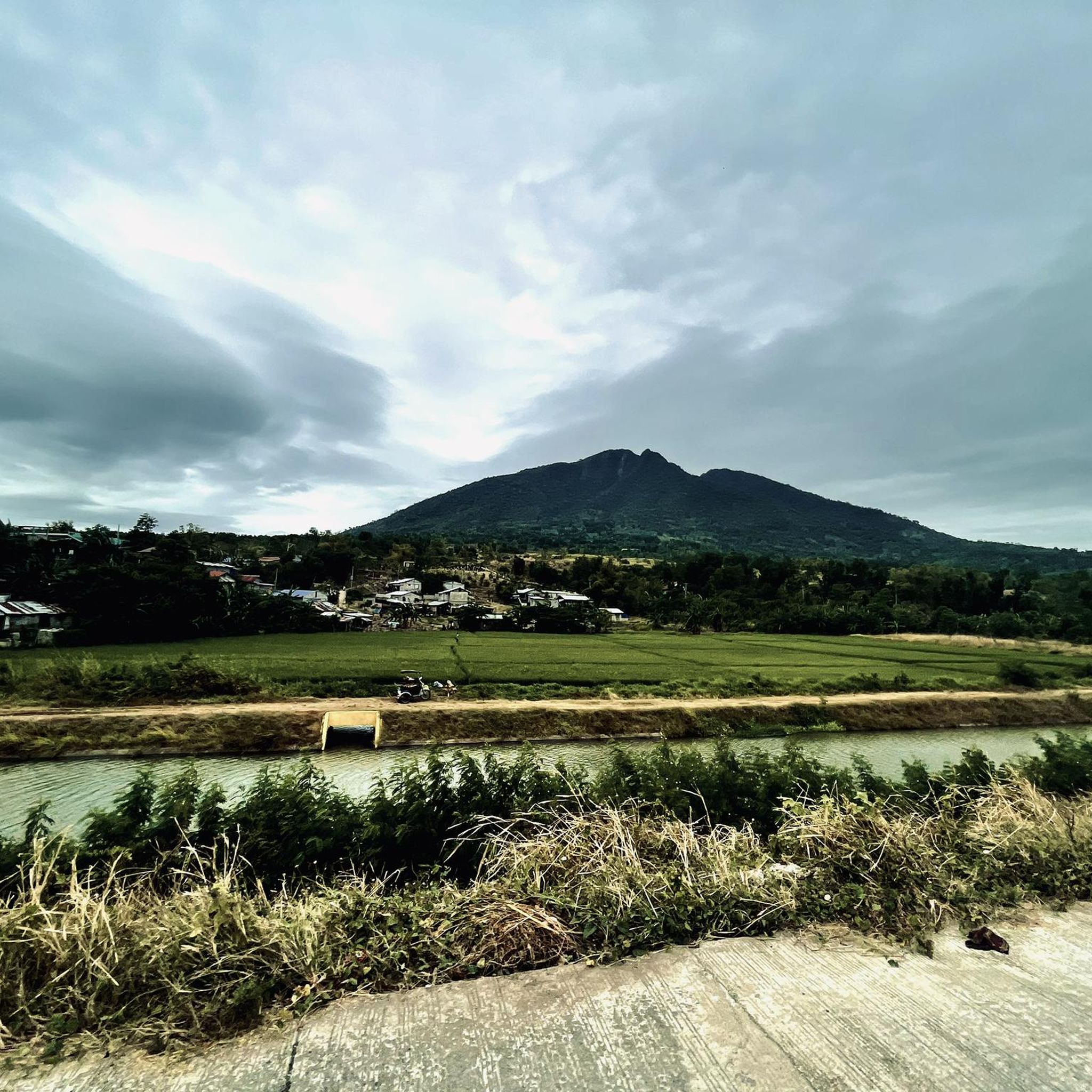
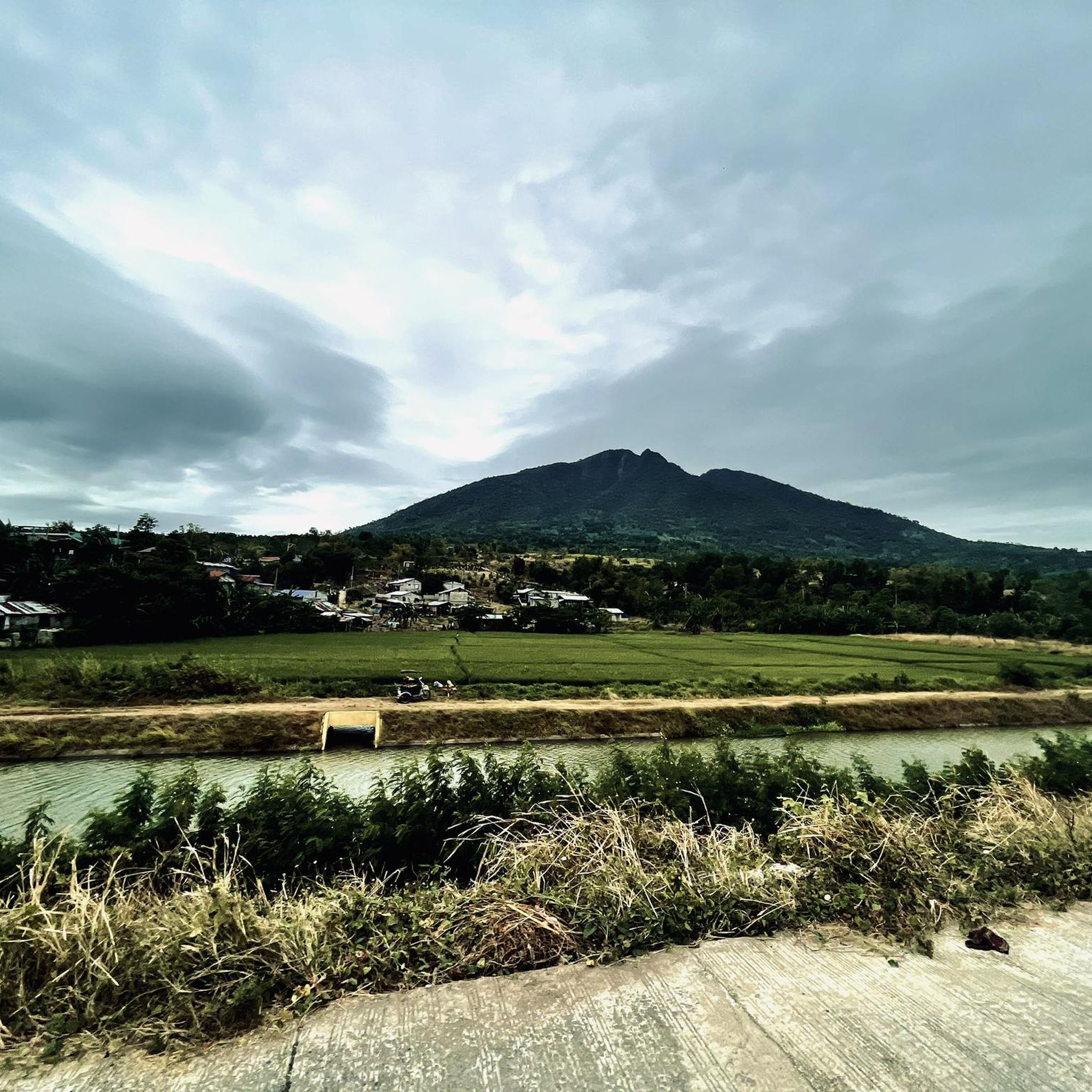
Mayon is a main landmark and highest point of the province of Albay and the whole „Bicol Region“ in Philippines. Rising 2460 meters from the shores of Albay Gulf (round about 10 km away). Mayon is a classic stratovolcano with a small central summit crater. Mayon is the most active volcano in the Philippines, erupting over 52 times in the past 500 years. Three telemetric units are installed on Mayon's slopes, which send information to the seven seismometers in different locations around the volcano. It is said that the volcano grew from the burial grounds of lovers Magayon and Panganoron. Thus, the ancient Bicolanos named it after the legendary princess-heroine Daragang Magayon (Beautiful Lady). After some time, the volcano was chosen as the abode of the supreme god of the Bicolano people, Gugurang, who also chose Mayon as the repository of the sacred fire of Ibalon. Numerous festivals and rituals are associated with the volcano and its landscape.
0
0

The believed the people has is that l, they are closer to heaven being buried hanging.
1
0

Beautiful turquoise-green Kawasan Falls 🫶 Entrance to this waterfall (Level 1) costs 200 php (approx. 4 euros). Those who want to continue up to Level 2 and Level 3 must book a canyoning tour with a guide. It costs 2,100 pesos (approx. 33 euros). A helmet, life jacket, and sturdy shoes or water shoes are mandatory; they can be rented and are included in the price. Those who opt for the 3-4 hour tour should definitely be sure-footed. We booked without food and negotiated the price down a bit. Avoid lunchtime, as it's a real spectacle, so the earlier you start, the better 😉 We had a lot of fun on the canyoning tour, and with the optional 7-10m rock jumps, it was an absolute highlight ❤️
0
0

Really very special and simply fascinating!
1
0
The hills are beautiful to look at from the vantage point, but it's also great fun to whizz around them on a quad bike.
0
0

Summit, great view of the sunrise and sea of clouds if weather permits. Best time to climb would be January to March). Cold temps (~10-15 degrees), bring enough layers for warmth.
0
0

This protected landscape is home to the iconic Hinulugang Taktak waterfall and a well-loved weekend destination across generations of Filipinos. They have activities like wall climbing but you can also just sit down with friends on a picnic and enjoy the view.
0
0

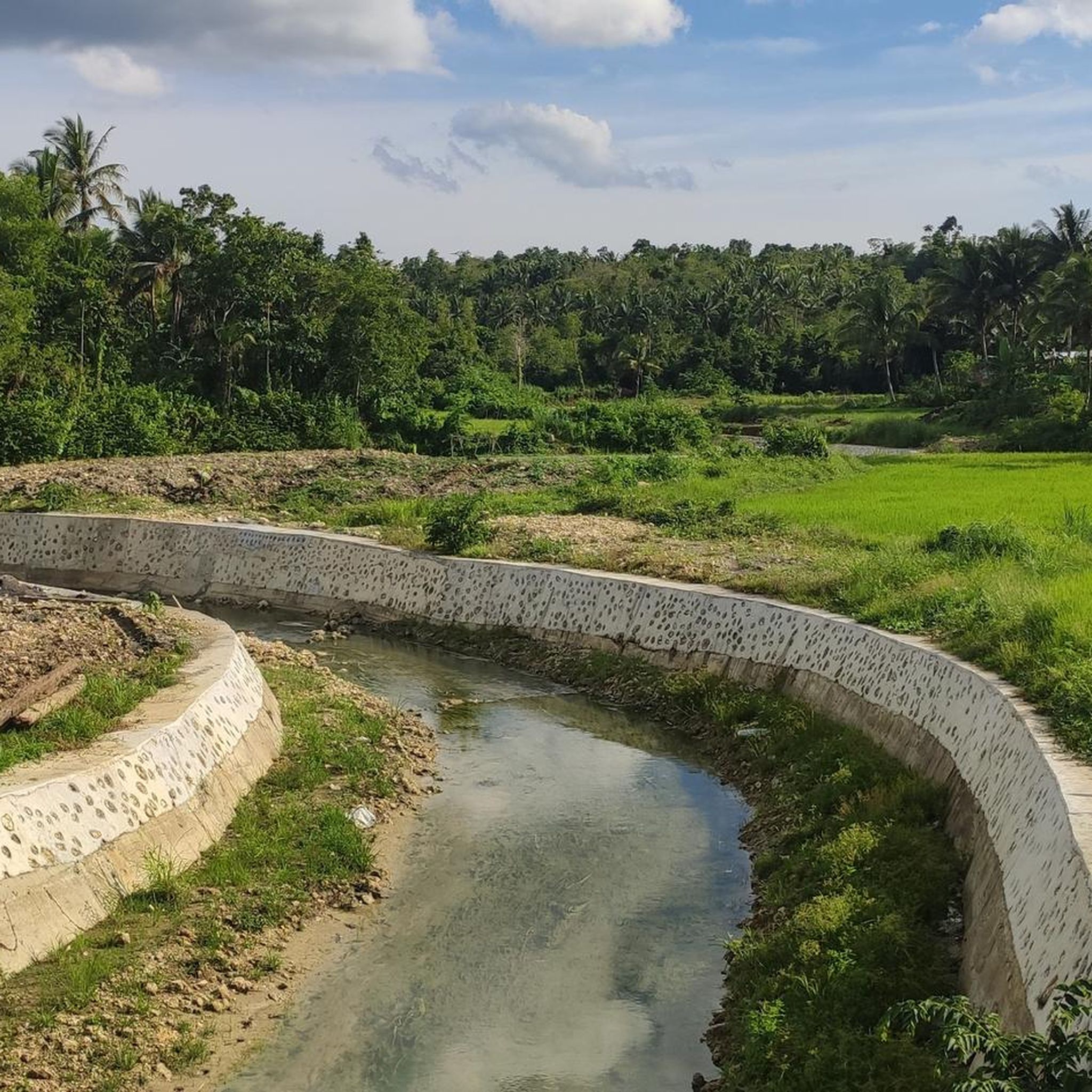
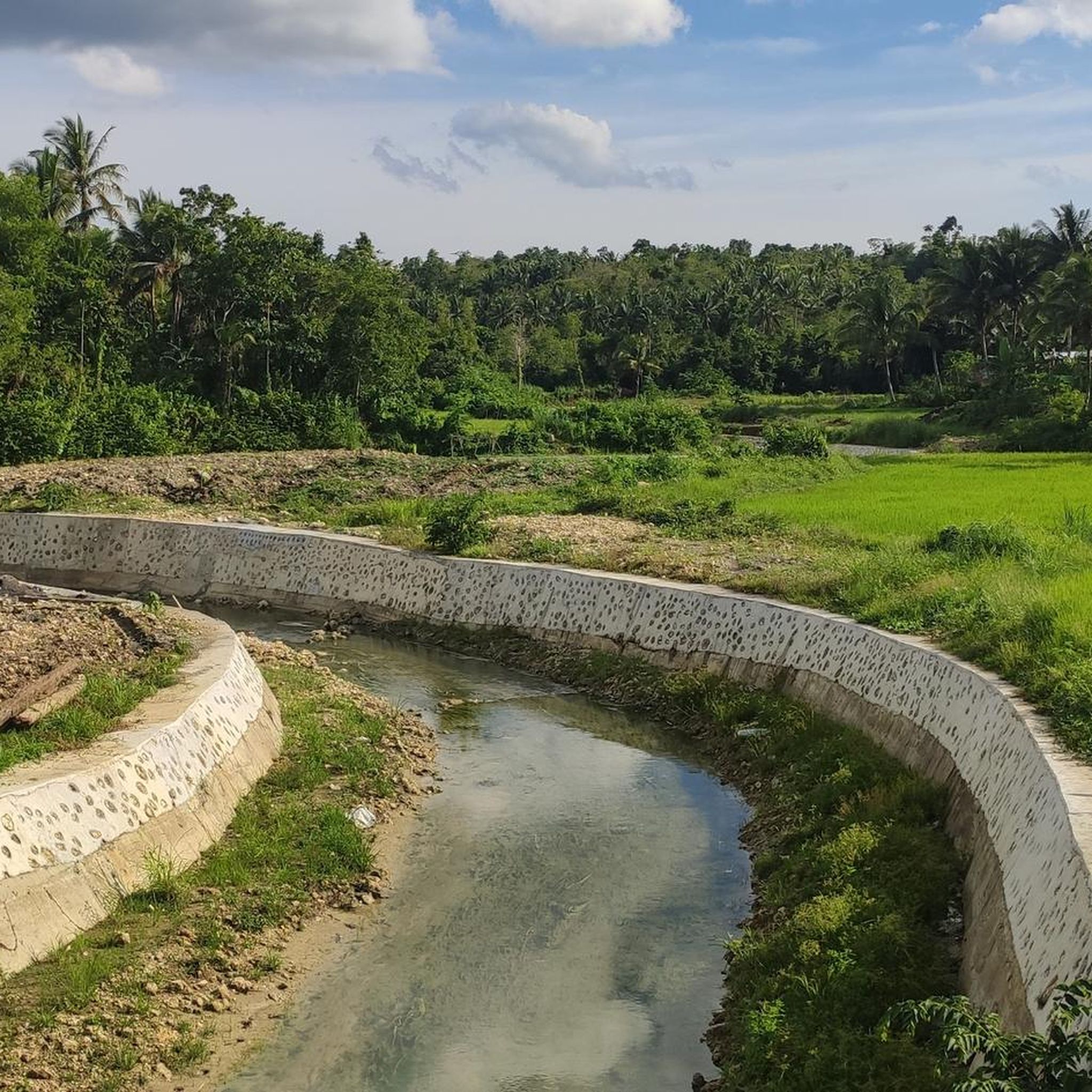
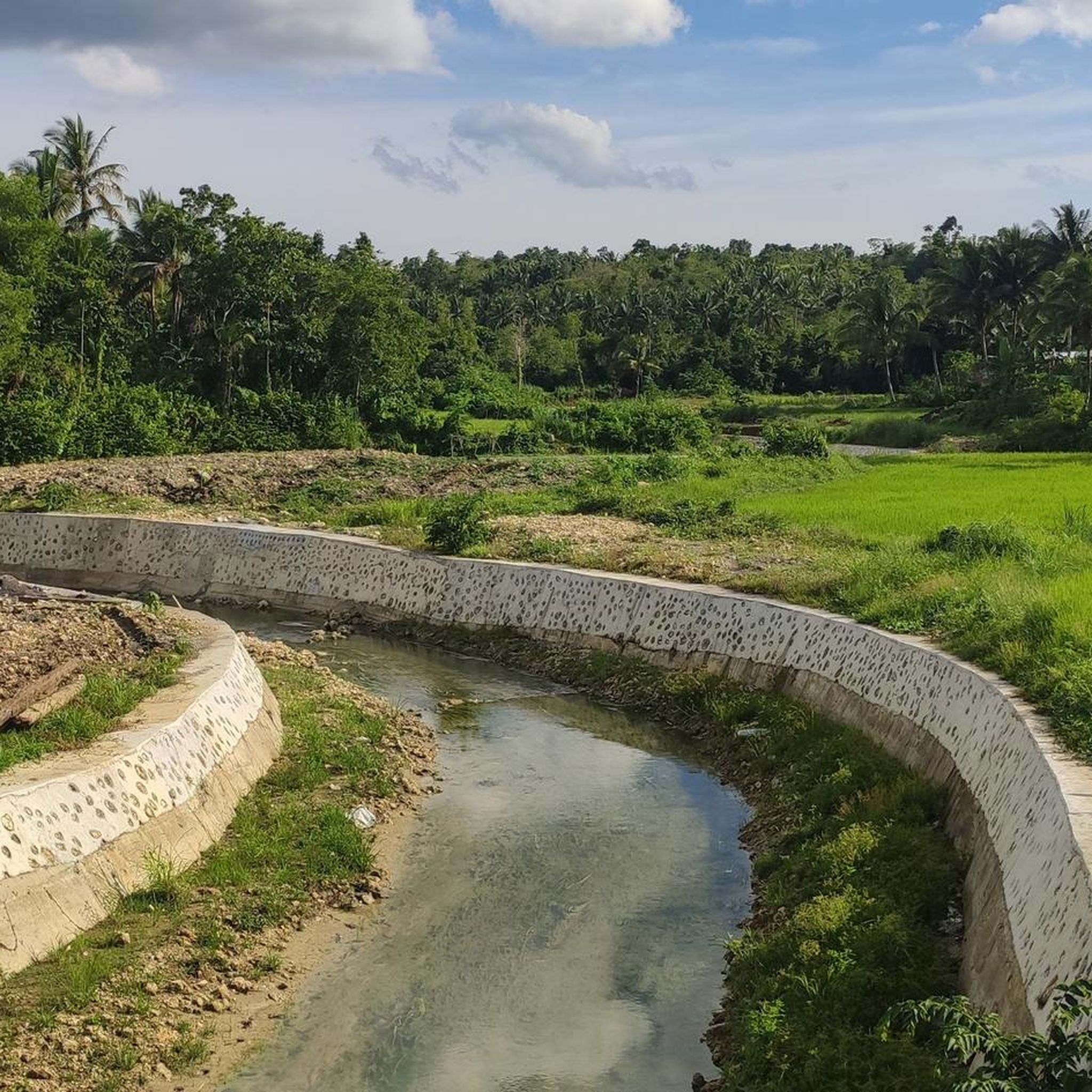
Very senic and unique country side perfect for cycling
0
0
Frequently Asked Questions
What are some of the most unique geological formations to see in the Philippines?
The Philippines boasts several unique geological wonders. The Chocolate Hills in Bohol are world-renowned for their 1,200+ conical mounds that turn chocolate brown in the dry season. Another marvel is the Mayon Volcano, known for its almost perfectly symmetrical cone shape. The Taal Volcano also presents a unique formation, being a volcano within a lake, which is itself on an island.
Are there family-friendly natural monuments in the Philippines?
Yes, many natural monuments in the Philippines are suitable for families. For instance, Hinulugang Taktak, a protected waterfall, is a popular weekend destination with picnic spots. The Chocolate Hills offer viewing decks that are accessible for all ages. Additionally, the Philippine Tarsier and Wildlife Sanctuary provides an opportunity to see unique wildlife in a family-friendly setting.
What kind of wildlife can I expect to see at natural monuments in Palawan?
Palawan's natural monuments are rich in biodiversity. At the Puerto Princesa Subterranean River National Park, you can encounter unique wildlife within its pristine old-growth forests and cave systems, including bats and swallows. The Tubbataha Reefs Natural Park is a marine haven, home to over 600 species of fish, 360 species of coral, and numerous sharks, whales, dolphins, and sea turtles.
What is the best time to visit the Puerto Princesa Subterranean River National Park?
The dry season, typically from November to May, is generally considered the best time to visit the Puerto Princesa Subterranean River National Park. During these months, the weather is more stable, making boat tours into the underground river more comfortable and ensuring better accessibility to the park's attractions.
Are there any historical or cultural sites integrated with natural monuments?
Yes, the Philippines has natural monuments with significant historical and cultural ties. The Hanging Coffins of Sagada is a historical site within a natural monument, notable for its unique cultural tradition of suspending coffins from cliffs. The Batad Rice Terraces, a UNESCO World Heritage Site, are also a natural monument reflecting centuries of indigenous agricultural practices.
What outdoor activities can I do near natural monuments in the Philippines?
Many natural monuments offer opportunities for outdoor activities. Near areas like Hinulugang Taktak, you can find options for wall climbing and picnicking. For those interested in more extensive adventures, the Philippines offers numerous running trails, road cycling routes, and MTB trails. You can explore various routes, such as those found in the Running Trails in the Philippines guide or the MTB Trails in the Philippines guide.
What should I wear when visiting natural monuments in the Philippines?
Given the tropical climate, light, breathable clothing is recommended. For sites involving hiking or exploration, comfortable walking shoes or sandals are essential. If visiting marine parks like Tubbataha Reefs, swimwear and sun protection are a must. For volcanic areas or higher elevations like Mount Pulag, layers might be useful as temperatures can vary.
How can I get to the Taal Volcano and what can I do there?
Taal Volcano is often accessed via Tagaytay City, which offers breathtaking views of the volcano and Taal Lake. Public transport options to Tagaytay are available from Manila. From there, you can take a boat across Taal Lake to get closer to the volcano island. While trekking to the crater is sometimes restricted due to volcanic activity, boat tours on the lake provide excellent views and a unique perspective of this volcano within a lake.
Are there any natural monuments in Luzon that are particularly worth visiting?
Luzon, the largest island, hosts several significant natural monuments. The Mayon Volcano in Albay is famous for its perfect cone shape. The Pinatubo Crater Lake offers stunning turquoise waters within a volcanic caldera. For hikers, Mount Pulag Summit provides challenging trails and panoramic views, while Mount Batulao Summit is another popular hiking destination.
What do visitors enjoy most about the natural monuments in the Philippines?
Visitors frequently express awe at the unique geological formations and the stunning natural beauty. For instance, the Chocolate Hills are praised for their extraordinary appearance, while the Hanging Coffins of Sagada are found to be fascinating and very special. The Pinatubo Crater Lake is often described as stunning, making the climb worthwhile. The overall diversity, from waterfalls like Hinulugang Taktak to ancient rice terraces, consistently impresses.
Are permits required to visit Tubbataha Reefs Natural Park?
Yes, Tubbataha Reefs Natural Park is a protected marine area and a UNESCO World Heritage Site. Due to its remote location and conservation efforts, visitors typically need to book liveaboard diving trips well in advance through authorized operators, which usually handle the necessary permits and fees as part of the package. Its remote location has helped preserve its marine biodiversity, making it a model for coral reef conservation.
Can I find cafes or amenities near the Chocolate Hills in Bohol?
Yes, the Chocolate Hills are a major tourist attraction in Bohol, and as such, there are amenities available. Viewing decks often have small shops and cafes where you can purchase refreshments and snacks. Nearby towns and tourist centers in Bohol also offer a wider range of dining and accommodation options.
Most popular routes in the Philippines
Most popular attractions in the Philippines

Get inspired with the komoot mobile app


Explore more
Extend your search for the best caves by checking out these guides of the top ones in the Philippines:
