Top 11 Natural Monuments in Jersey
Best natural monuments in Jersey showcase the island's diverse landscapes, from rugged coastlines to ancient historical sites. Jersey, the largest of the Channel Islands, features a blend of geological formations, ecological importance, and prehistoric structures. These locations offer insights into the island's natural history and human heritage. The varied terrain provides opportunities to explore coastal paths, sandy coves, and significant archaeological sites.
Best natural monuments in Jersey
- The most popular natural monuments is Le Pinacle and Les Landes Cliffs, a natural monument featuring a more than 60 m high, menhir-shaped rock. This area is notable for its cliffs, the Les Landes sanctuary, and historical remains like Battery Moltke.
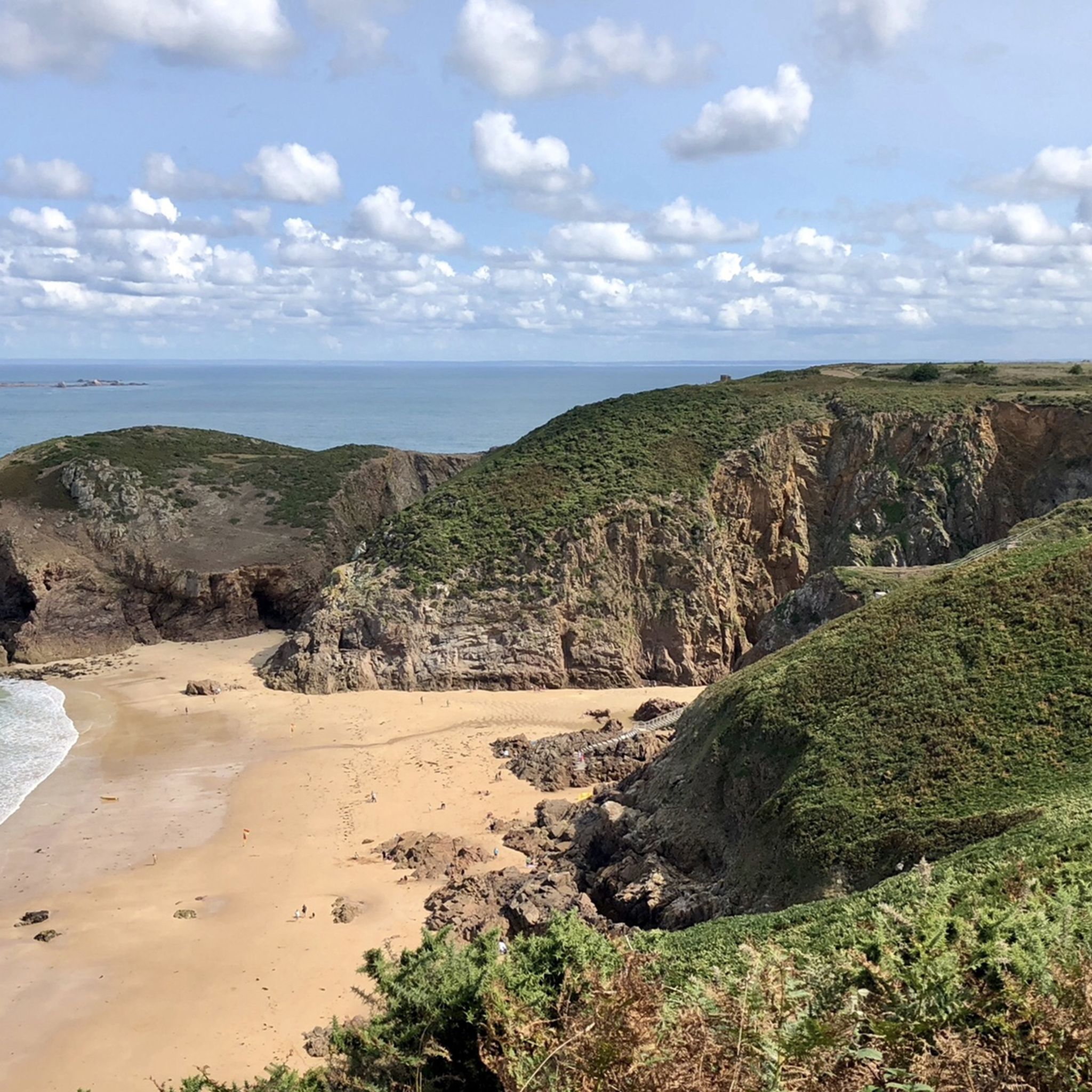
- Another must-see spot is Plémont Bay, a beach, natural monument, and cave system. Visitors can explore caves and rock pools at low tide, and enjoy views from the cliff path.
- Visitors also love La Hougue Bie Neolithic burial mound, a historical site and natural monument. This passage tomb is one of the largest and best-preserved megalithic tombs in Europe, with the sun shining into its chambers during the equinoxes.
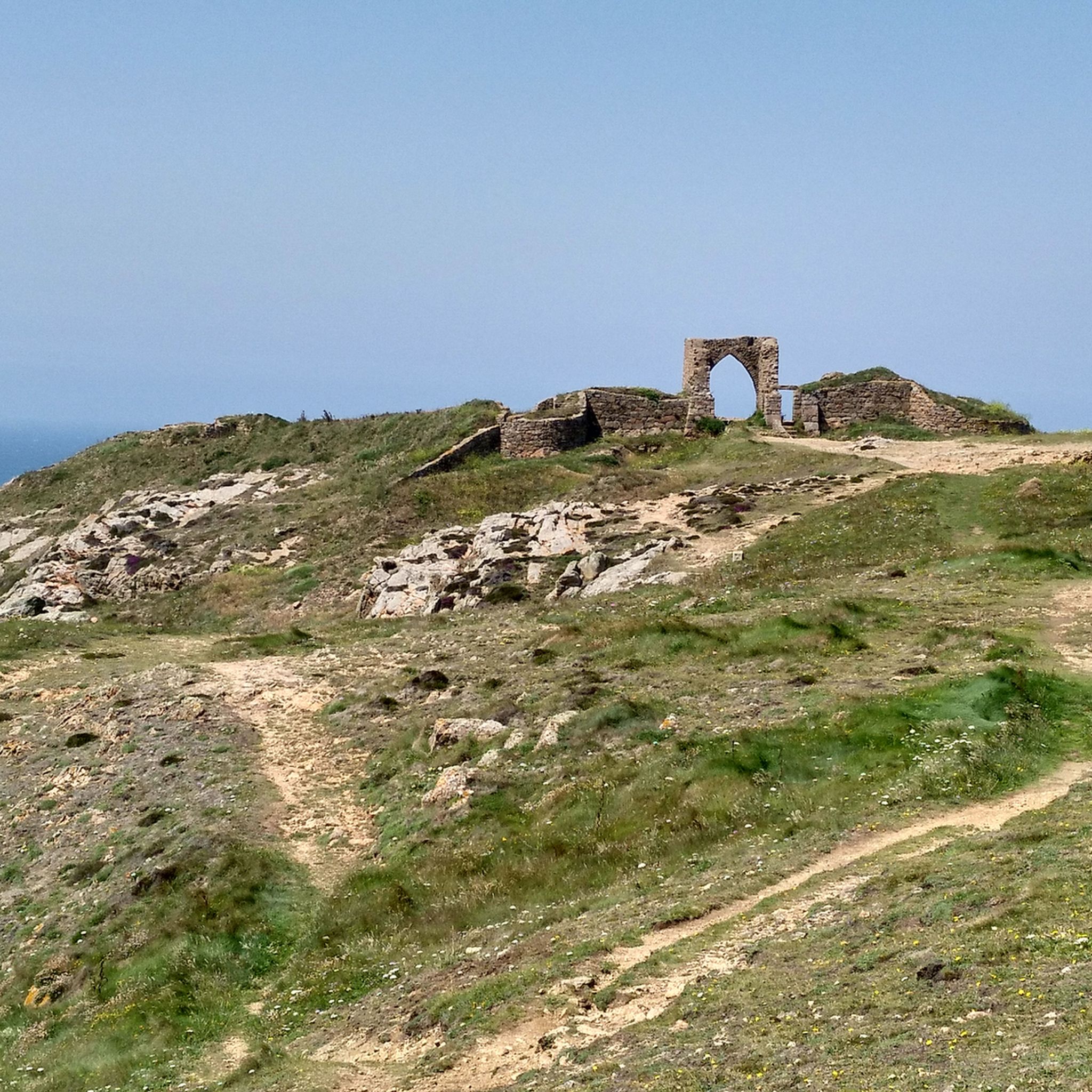
- Jersey is known for its ancient burial mounds, dramatic cliffs, and coastal formations. The island offers a variety of natural monuments, including historical sites, viewpoints, and beaches.
- The natural monuments in Jersey are appreciated by the komoot community, with 63 upvotes and 152 photos shared by visitors.
Last updated: August 17, 2026
Le Pinacle and Les Landes Cliffs
Highlight (Segment) • Natural Monument
Translated by Google •
Tip by

Plémont Bay
Highlight • Beach
For the times of the tides check out "Weather": jerseyeveningpost.com and guernseypress.com
Translated by Google •
Tip by
Sign up now to discover places like this
Get recommendations on the best single tracks, peaks, & plenty of other exciting outdoor places.
Sign up for free
La Hougue Bie Neolithic burial mound
Highlight • Historical Site
Summer opening hours: 10: 00-17: 00, entrance fee / More info: jerseyheritage.org
Translated by Google •
Tip by
Les Blanches Banques Standing Stones and Burial Chamber
Highlight • Historical Site
The earliest likely settlers of Les Blanches Banques were the Neolithic (6,000-4,500 years ago) and their flint scatters can be found outside rabbit burrows to this day. Evidence of settlers since this early date include several menhirs or standing stones and a burial chamber known as the Ossuary where the jumbled bones of 20 people have been uncovered. For more information please see blog.gov.je
Tip by
Devil's Hole
Highlight • Natural Monument
Translated by Google •
Tip by

Botanical Gardens of Samarès Manor
Highlight • Natural Monument
The guided tour of the mansion costs extra, no photos may be taken.
Translated by Google •
Tip by

La Pouquelaye de Faldouet Passage Tomb
Highlight • Historical Site
The central chamber contains stone coffins on the sides, in which human remains have been found.
Source: nl.m.wikipedia.org/wiki/Dolmen_du_Faldouet
Translated by Google •
Tip by

The Pinnacle
Highlight • Historical Site
Tip by

La Belle Hougue Point
Highlight (Segment) • Viewpoint
Translated by Google •
Tip by

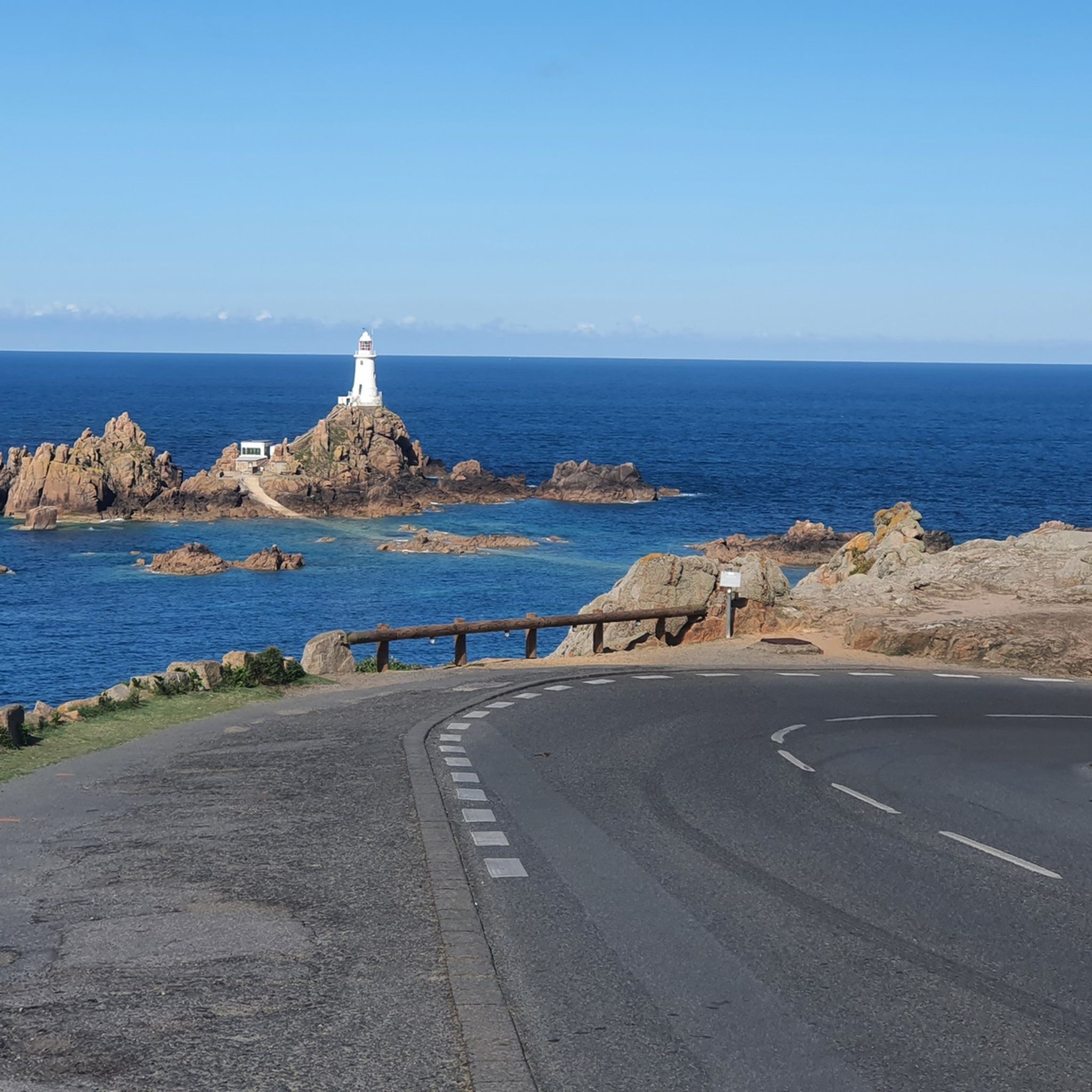
Sorel Point Lighthouse
Highlight • Monument
Geographically, Ronez Point is next door to Jersey's northernmost point, but the quarry, owned by ronez.com, is denied access.
Translated by Google •
Tip by
Sign up for free to discover even more natural monuments in Jersey.
Sign up for free
Already have an account?
Start today with a free account
Your next adventure awaits.
Login or Signup

Tips from the Community

Founded in the 1920s by the millionaire and philanthropist Sir James Knott, the Botanical Gardens house numerous unique plant collections that thrive magnificently in this exceptionally fertile location.
0
0


This is arguably one of Jersey's most beautiful beaches. Plémont boasts a unique natural beauty and enchanting beauty. A sandy bay on the northwest tip of the island, it is home to numerous rock pools, fascinating sea caves, and even a freshwater waterfall. Plémont is a popular beach among locals, sheltered by high cliffs and gentle surf. At low tide, hidden caves reveal themselves, making for a refreshing adventure, and little ones can explore rocky pools with sandy bottoms. Check the tide times before your trip to Plémont to find the right time for your beach adventure. At high tide, the sand is covered, and locals retreat to the rocks, where Royal Navy (RNLI) lifeguards patrol the beach throughout the summer. Source: https://www.jersey.com/de/things-to-do/points-of-interest/listings/plemont-bay/
0
0
Samarès Manor (Jèrriais Mangni d’Sanmathès) is a manor house with medieval elements located in the Vingtaine de Samarès of the parish of St. Clement on the Channel Island of Jersey and is the traditional seat of the Lord of Samarès. The manor house is one of the island's most important monuments. In 1924, James Knott acquired the property and redesigned the building, as well as transforming a large part of the grounds into a garden in the 1920s and 1930s. This became famous as a botanic garden and is open to the public between April and October. The round tower in this area, known as the Colombier, is a dovecote, believed to be the oldest of its kind on the island. It is also thought to date from the early 12th century. Source: https://de.m.wikipedia.org/wiki/Samar%C3%A8s_Manor
1
0
The Dolmen du Faldouet is a prehistoric monument in Jersey, located in the parish of St. Martin. It is a Neolithic passage grave dating from around 4000–3250 BC. The monument consists of a five-meter-long passage terminating in an unusual double chamber, shaped like the figure 8 in plan. The rear section is still covered by a huge capstone estimated to weigh 23 tons. The central chamber contains stone coffins on the sides, in which human remains have been found. Source: https://nl.m.wikipedia.org/wiki/Dolmen_du_Faldouet
0
0

Historic site: Two earth and rubble ramparts habe been attributed to the neolithic/chalcolithic periods and a third to the Bronze Age. Before the Bronze Age, a copper axe found proves that this site was also inhabited during the Copper Age period. Iron Age occupation is attributed by six pieces of iron found at this place. In Roman times, a Gallo-Roman temple was built here. Extensive, careful excavations have brought hundreds of artifacts from the five different peoples to light.
0
0

The Jungle Path is recommended for visitors with children or those looking for adventure 😉 The guided tour of the mansion costs extra, no photos may be taken.
1
0

Super beautiful and photogenic bay that you have to see.
2
0
Frequently Asked Questions
What are some of the most unique natural features to explore in Jersey?
Jersey offers a diverse range of natural features. You can explore the dramatic cliffs and the more than 60-meter-high, menhir-shaped rock at Le Pinacle and Les Landes Cliffs. Another unique spot is Plémont Bay, known for its extensive sea caves, rock pools, and a freshwater waterfall that cascades onto the beach at low tide.
Are there any natural monuments in Jersey that are particularly family-friendly?
Yes, several natural monuments are great for families. Plémont Bay is ideal for children to explore rock pools and caves at low tide. La Hougue Bie Neolithic burial mound offers an engaging historical experience with its ancient tomb and museum, and the Kissing Puffins sculpture at Petit Plémont provides a fun viewpoint for all ages.
What historical or ancient sites are considered natural monuments in Jersey?
Jersey is rich in ancient history. La Hougue Bie Neolithic burial mound is a significant site, being one of Europe's largest and best-preserved megalithic tombs, with its chambers aligning with the sun during the equinoxes. Similarly, La Pouquelaye de Faldouet Passage Tomb, also Neolithic, features an impressive figure-eight-shaped chamber and a massive capstone, showcasing ancient engineering and astronomical understanding.
Where can I find impressive viewpoints among Jersey's natural monuments?
For breathtaking views, visit La Belle Hougue Point, a rugged headland offering varied coastal walks and stunning vistas. The area around Sorel Point Lighthouse also provides panoramic views of the coastline.
What is the best time of year to visit Jersey's natural monuments?
The spring and autumn equinoxes (around March 20-21 and September 21-22) offer a unique experience at sites like La Hougue Bie and La Pouquelaye de Faldouet, as the sun aligns with their ancient burial chambers. Generally, late spring to early autumn provides pleasant weather for exploring coastal paths and outdoor sites.
Are there opportunities for wildlife spotting near Jersey's natural monuments?
Yes, Jersey's natural monuments are often havens for wildlife. Plémont Bay is known for puffins on its cliffs and diverse marine life in its waters, including cuckoo wrasse and short-snouted seahorses. The dunes behind the beach are also home to the western green lizard. The Les Blanches Banques area, near the standing stones and burial chamber, is exceptionally rich in plant diversity and boasts a high invertebrate diversity, including rare insect species.
What kind of walking and hiking trails are available near these natural monuments?
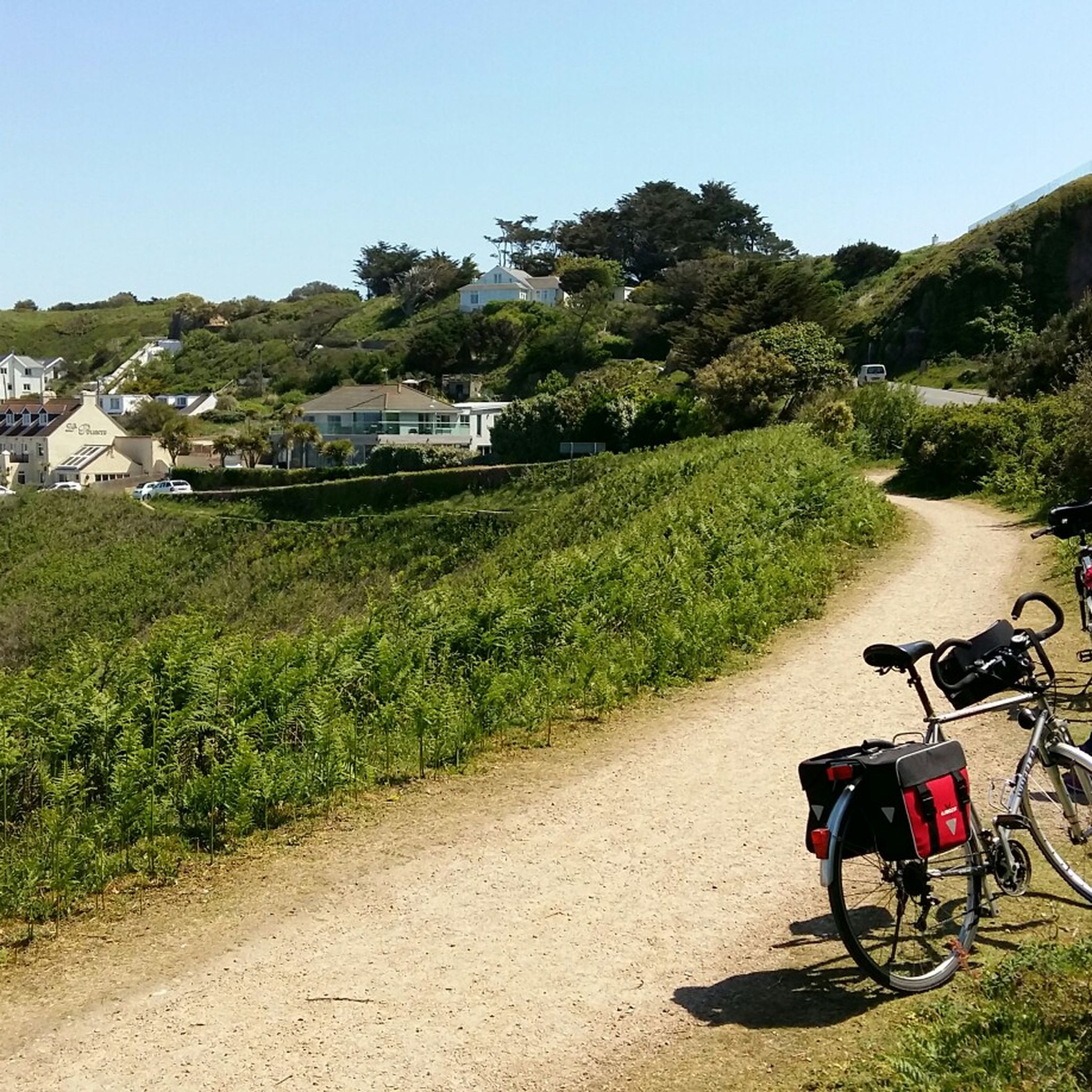
Jersey offers a variety of walking and hiking trails, many of which pass by or through natural monuments. You can find easy hikes like the Grève de Lecq Tower and Beach to Plémont Bay loop, or explore the rugged coastal paths around La Belle Hougue Point. For more options, explore the easy hikes in Jersey guide.
Can I find routes for other outdoor activities near Jersey's natural monuments?
Absolutely. Beyond hiking, Jersey provides excellent opportunities for other outdoor pursuits. For running enthusiasts, there are various routes, including the Saint-Aubin’s Bay Promenade loop from St Helier, as detailed in the Running Trails in Jersey guide. Gravel biking is also popular, with routes like the St. Aubin’s Harbour to Corbière Railway Walk loop, which you can find in the Gravel biking in Jersey guide.
Are there any natural monuments in Jersey that are particularly important for their ecological value?
Yes, the area around Les Blanches Banques Standing Stones and Burial Chamber is part of one of the most important natural sites in the Channel Islands. This dune system is exceptionally rich in plant diversity, with over 400 recorded species, including rare wildflowers like the Lizard Orchid and Dwarf Pansy, and a very high invertebrate diversity.
What should I know about visiting coastal natural monuments, especially regarding tides?
When visiting coastal natural monuments like Plémont Bay, it's crucial to be aware of tide times. The beach at Plémont Bay, for instance, is submerged at high tide, and its caves and rock pools are only accessible at low tide. Always check local tide schedules before exploring coastal areas to ensure safety and access.
Are there any natural monuments in Jersey that are also significant historical sites from more recent times?
While many natural monuments are ancient, some also feature more recent historical elements. For example, the area around Le Pinacle and Les Landes Cliffs includes the remains of Battery Moltke, part of the Atlantic Wall fortifications from World War II. Similarly, the grounds of La Hougue Bie also house a command bunker from the German Occupation, now a memorial.
Most popular attractions in Jersey

Get inspired with the komoot mobile app


Didn’t find what you were looking for?
Find even more amazing natural monuments in Jersey by checking out the top Highlights region by region:
Explore more
Extend your search for the best caves by checking out these guides of the top ones in Jersey:
