Top 20 Natural Monuments around Disentis/Mustér
Best natural monuments around Disentis/Mustér are found in the Swiss canton of Graubünden, an area characterized by its diverse alpine landscapes. This region features unique geological formations, high-altitude lakes, and significant natural landmarks. Visitors can explore a variety of natural attractions that showcase the area's ecological value and scenic beauty. The landscape offers opportunities for experiencing alpine ecosystems and serene environments.
Best natural monuments around Disentis/Mustér
- The most popular natural monuments is Muttsee Reservoir, a lake that features the…
Last updated: May 11, 2026
Kistenstöckli
Highlight • Summit
Translated by Google •
Tip by

Lake Oberalp
Highlight • Lake
Translated by Google •
Tip by

Sign up now to discover places like this
Get recommendations on the best single tracks, peaks, & plenty of other exciting outdoor places.
Sign up for free
Griesslisee
Highlight • Lake
Claridensee: The secret glacier lake on the Klausenpass at 2098 m
Glacier lake at the foot of the Clariden north face and the rock formation “Tyyfelsfriedhof”.
Translated by Google •
Tip by

Muttsee Reservoir
Highlight • Lake
Translated by Google •
Tip by

Lag Serein
Highlight • Lake
Translated by Google •
Tip by
Sign up for free to discover even more natural monuments around Disentis/Mustér.
Sign up for free
Already have an account?
Start today with a free account
Your next adventure awaits.
Login or Signup
Popular around Disentis/Mustér
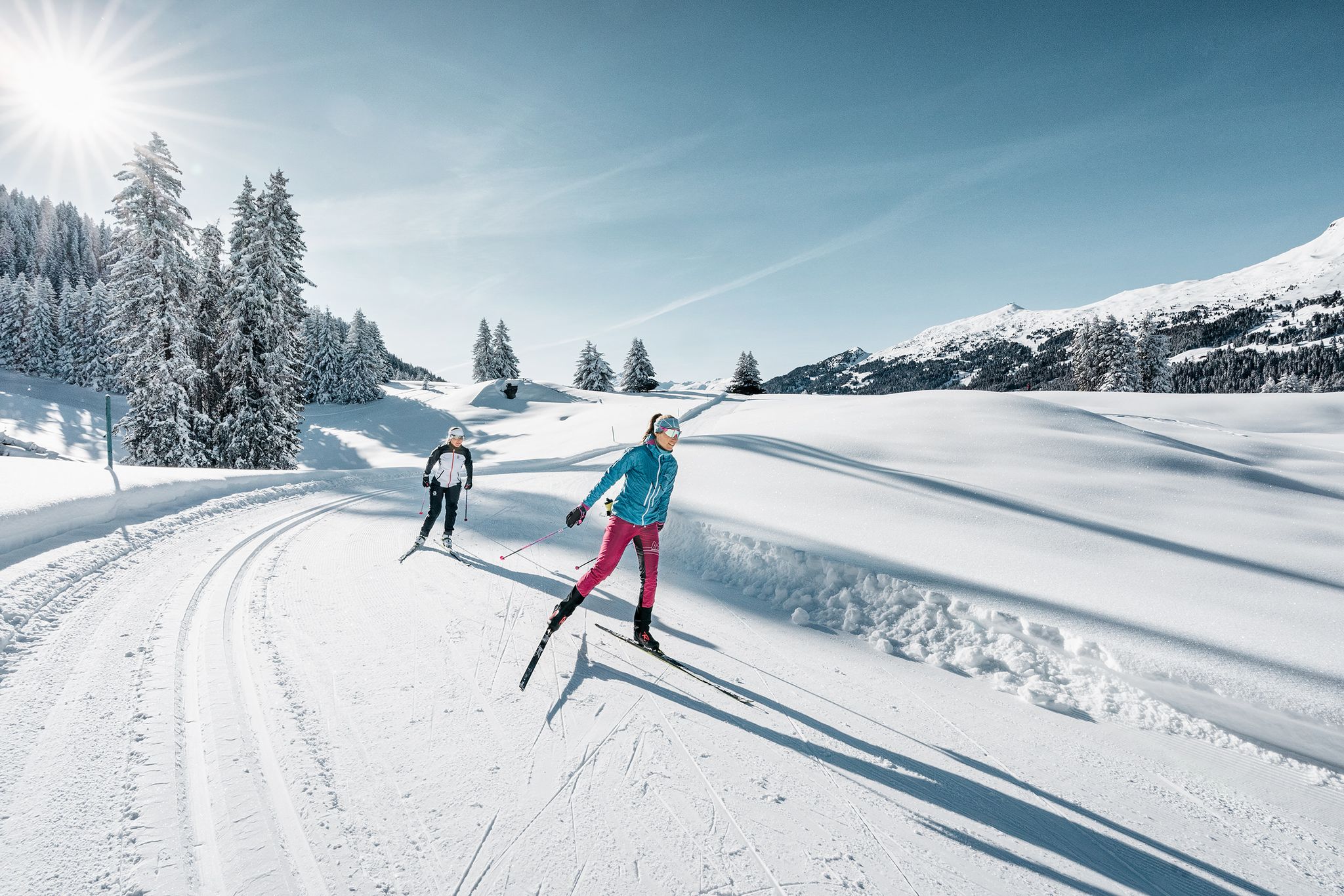
Cross-country skiing fever in the Graubünden region
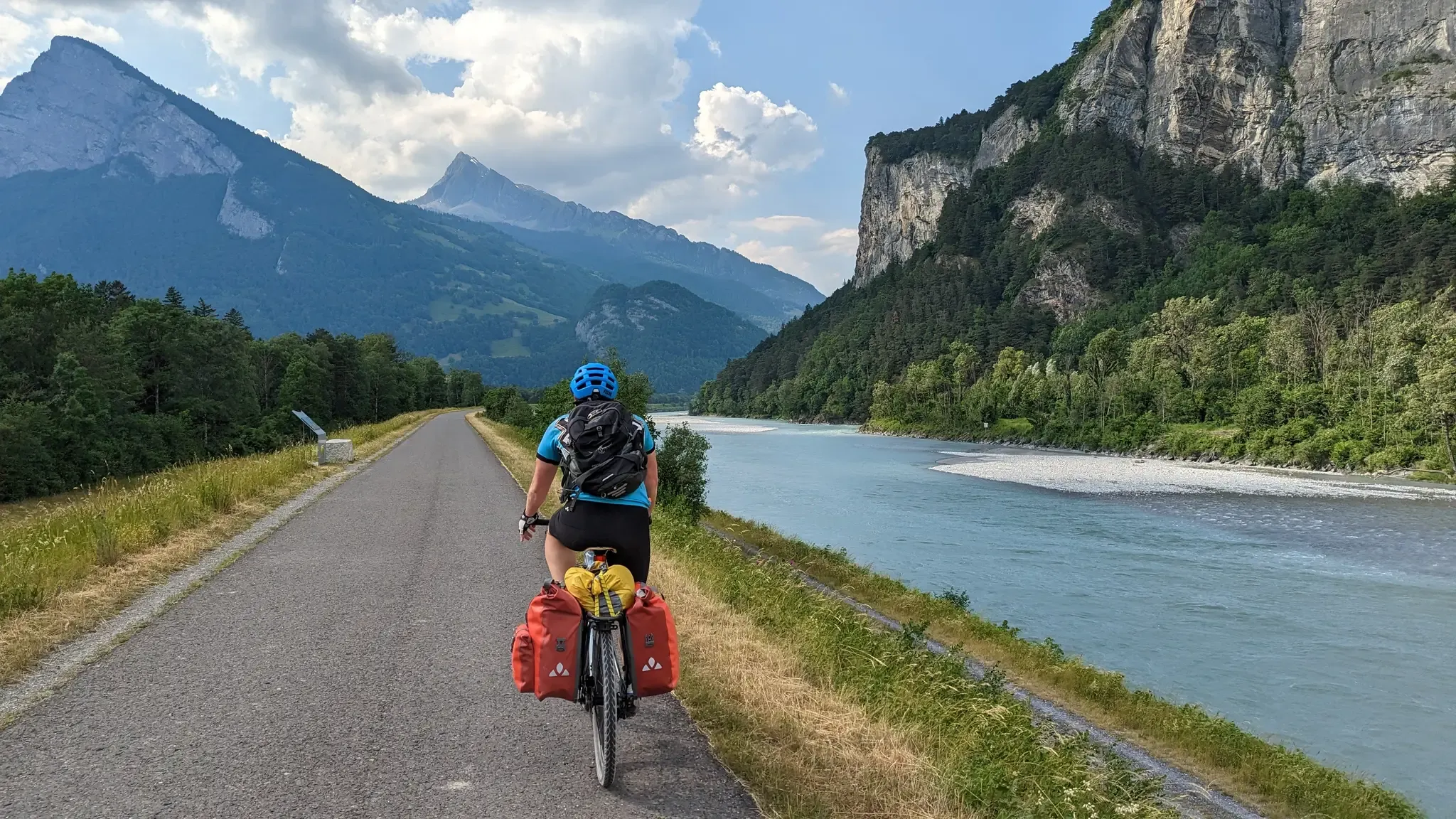
The Rhine Cycle Path — From the source to the North Sea
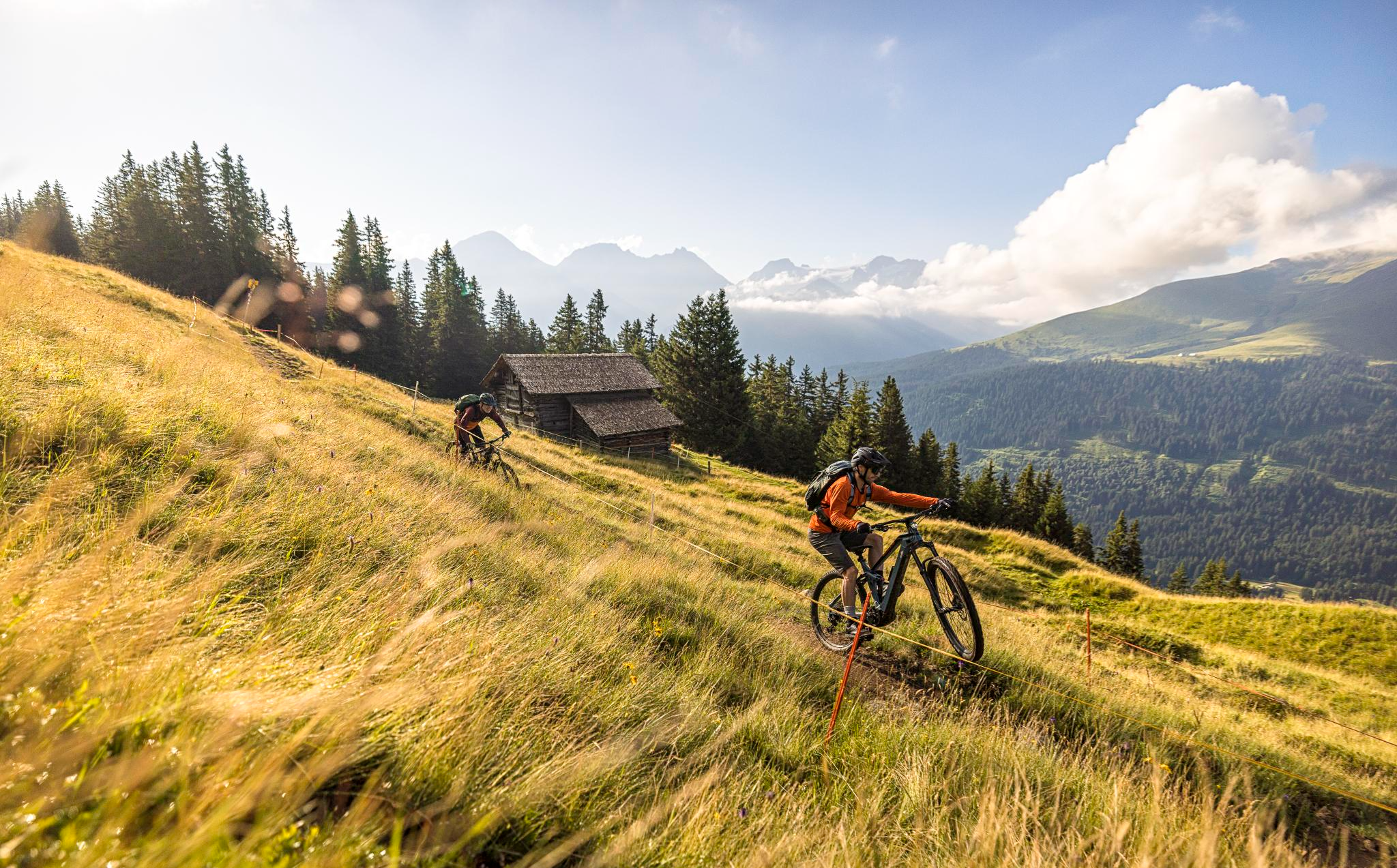
Flowy MTB trails with wonderful views – the best of Disentis Sedrun
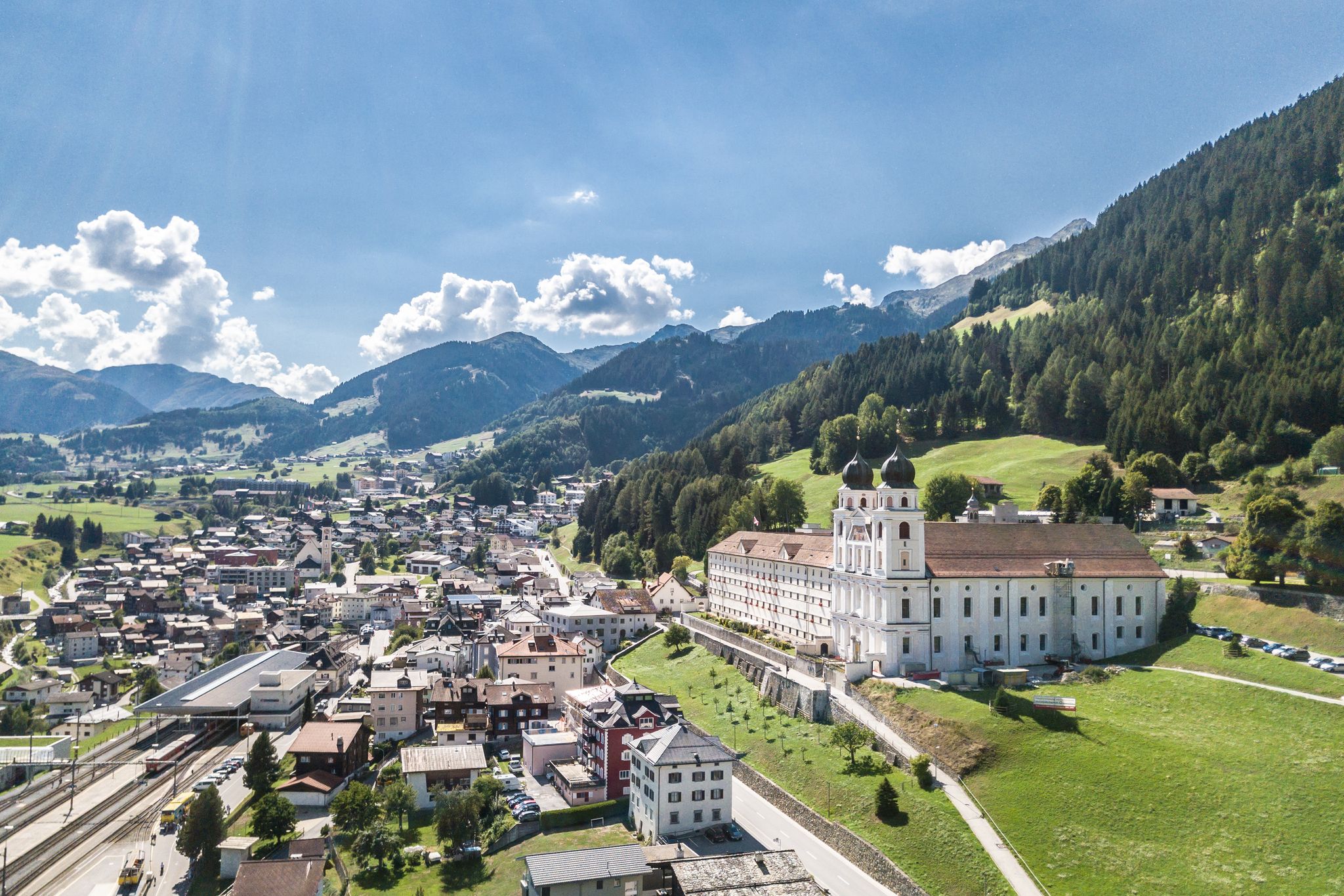
Between water, rock and forest - Grischun Cultura Surselva
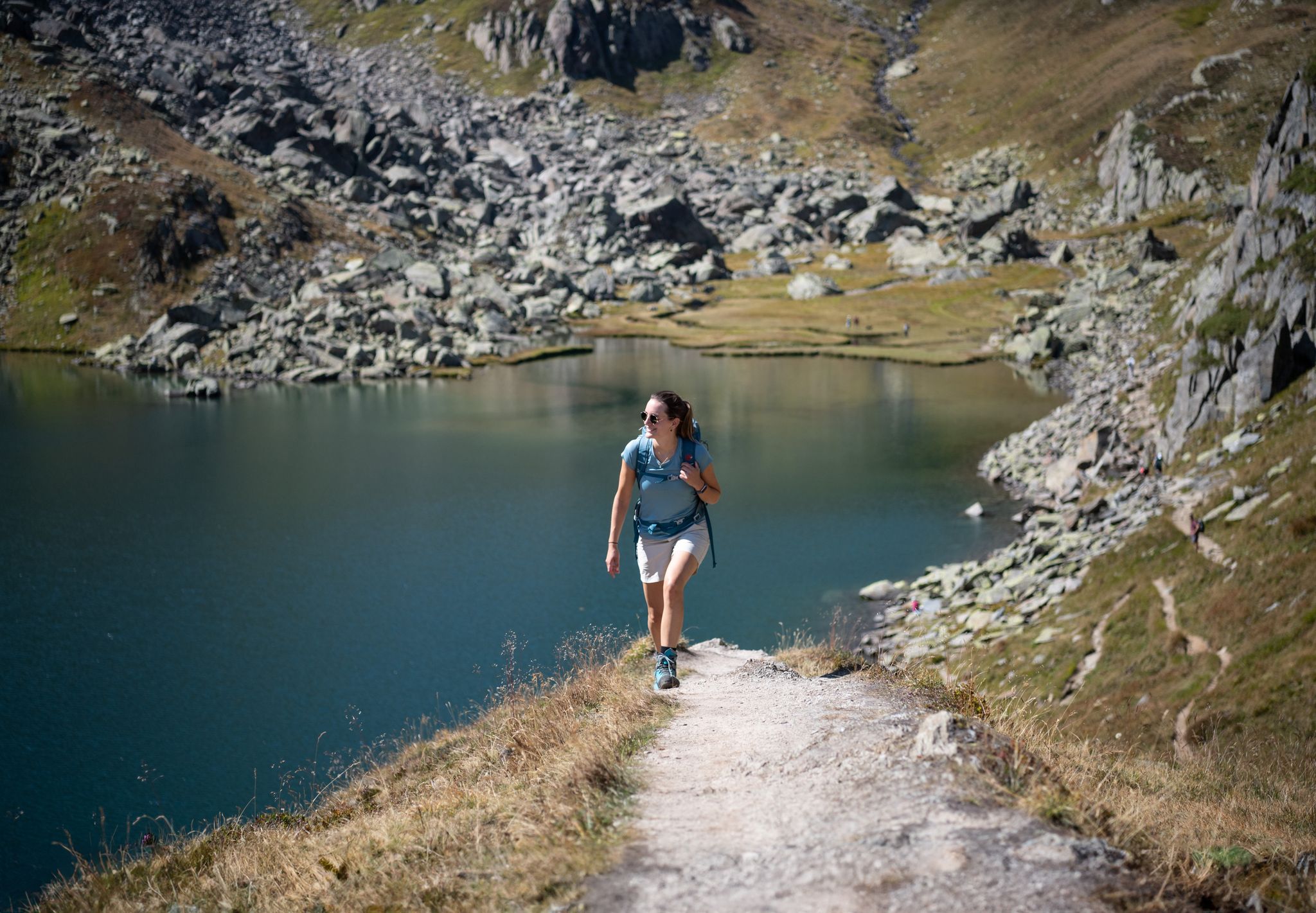
Varied hikes around the source of the mighty Rhine
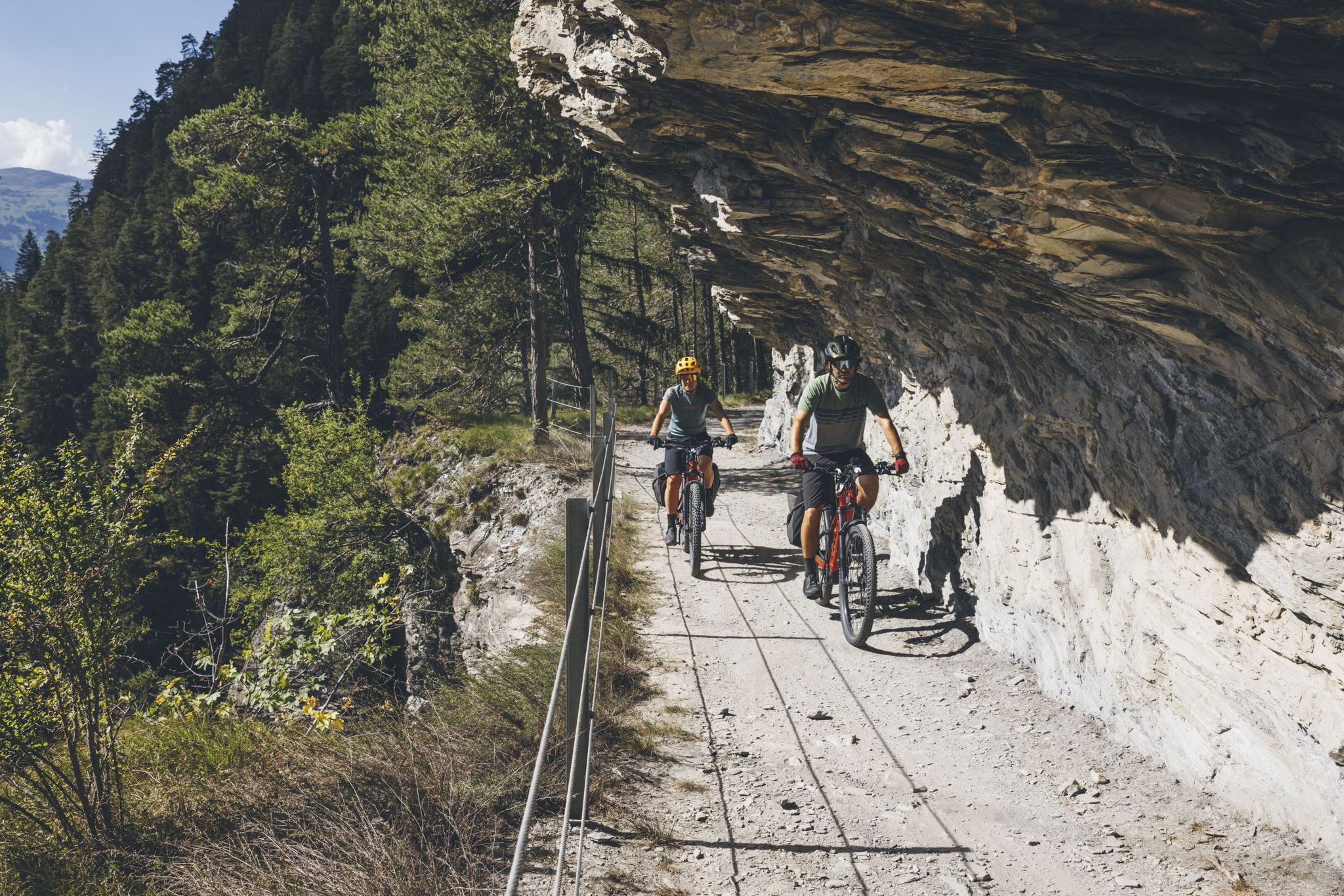
Experience the great adventure of the Glacier Bike Tour
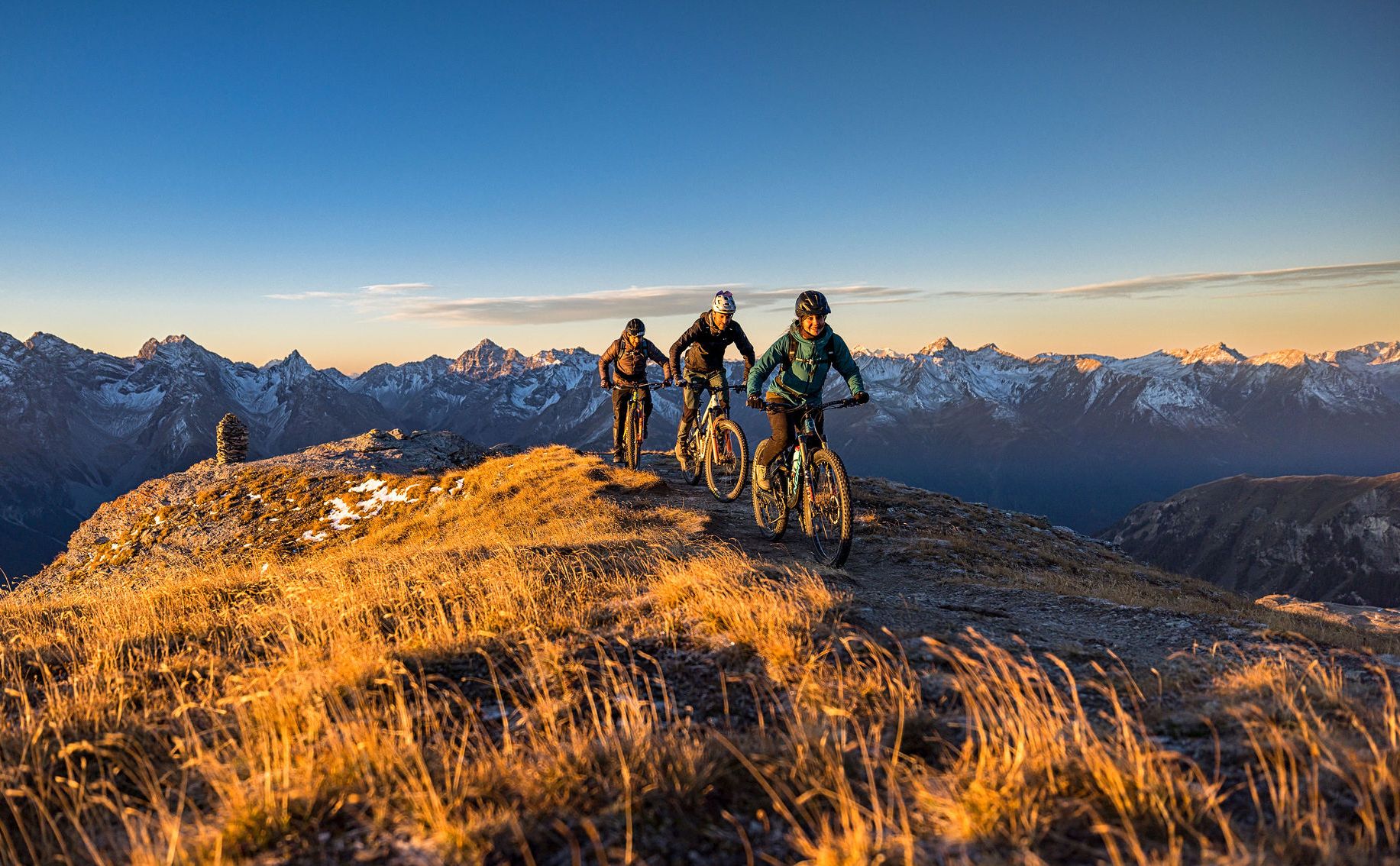
These 5 enduro bike tours will make you happy
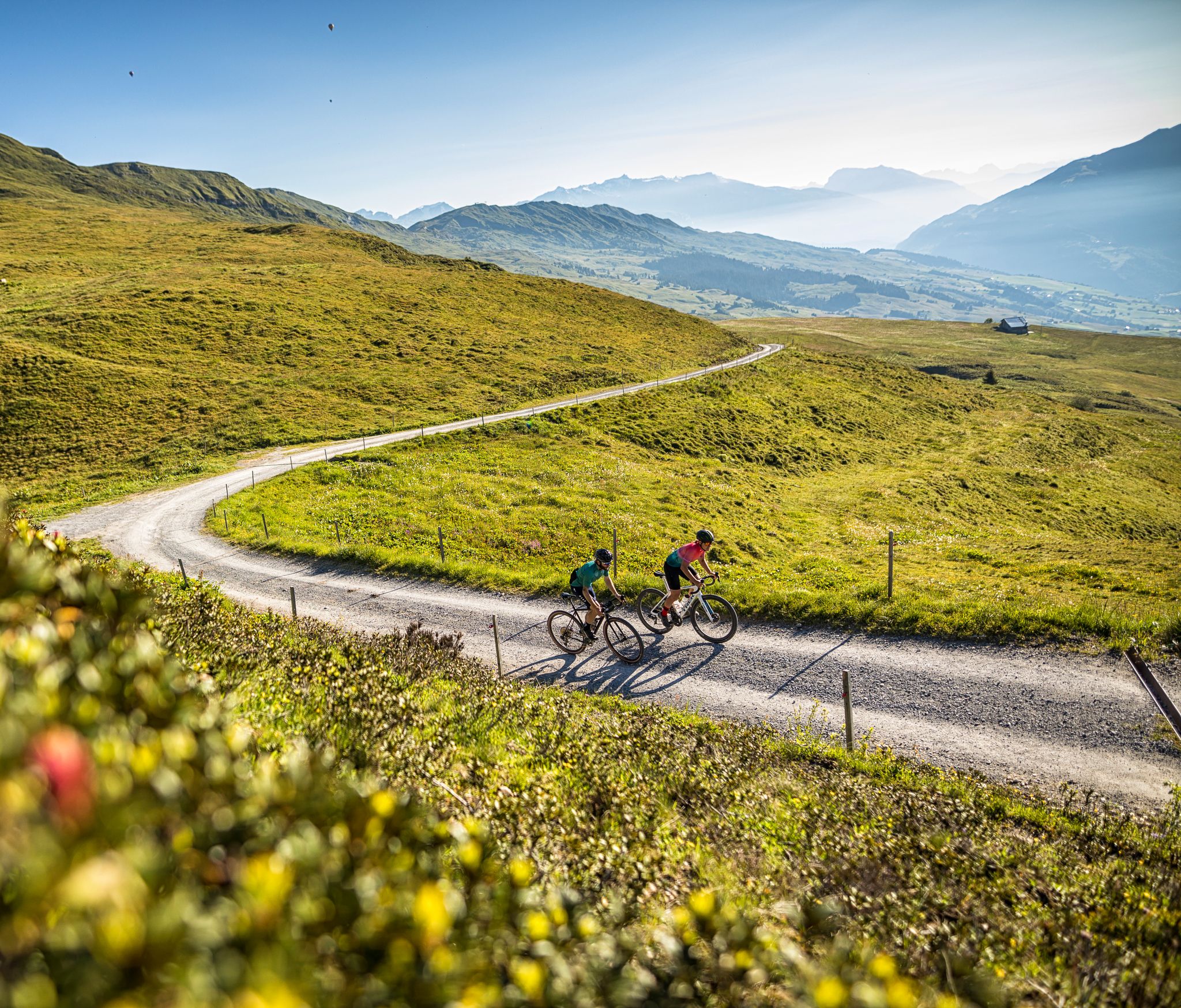
The six most beautiful gravel routes in Graubünden
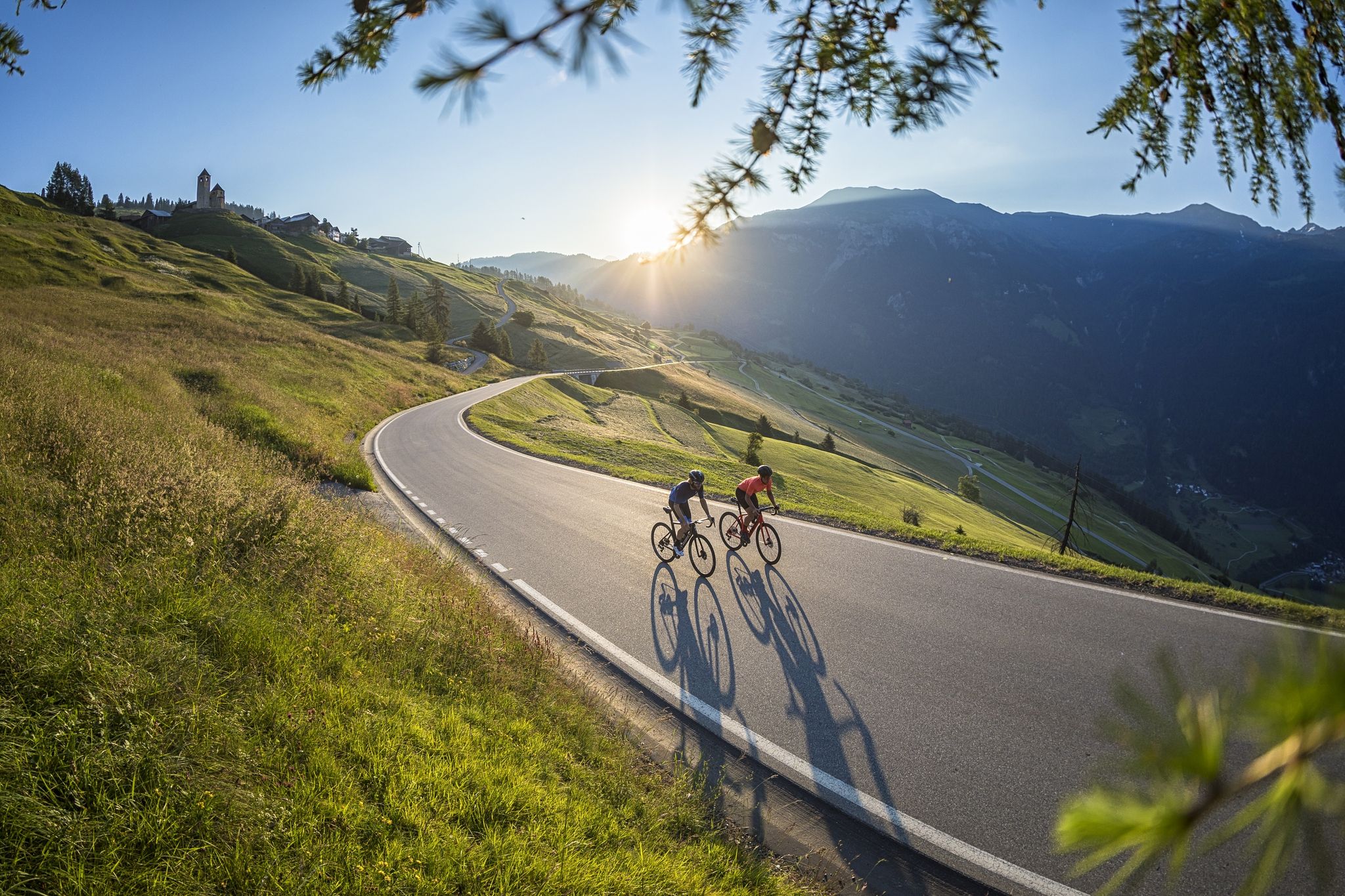
A cyclists’ menu – road cycling in Switzerland’s Grisons
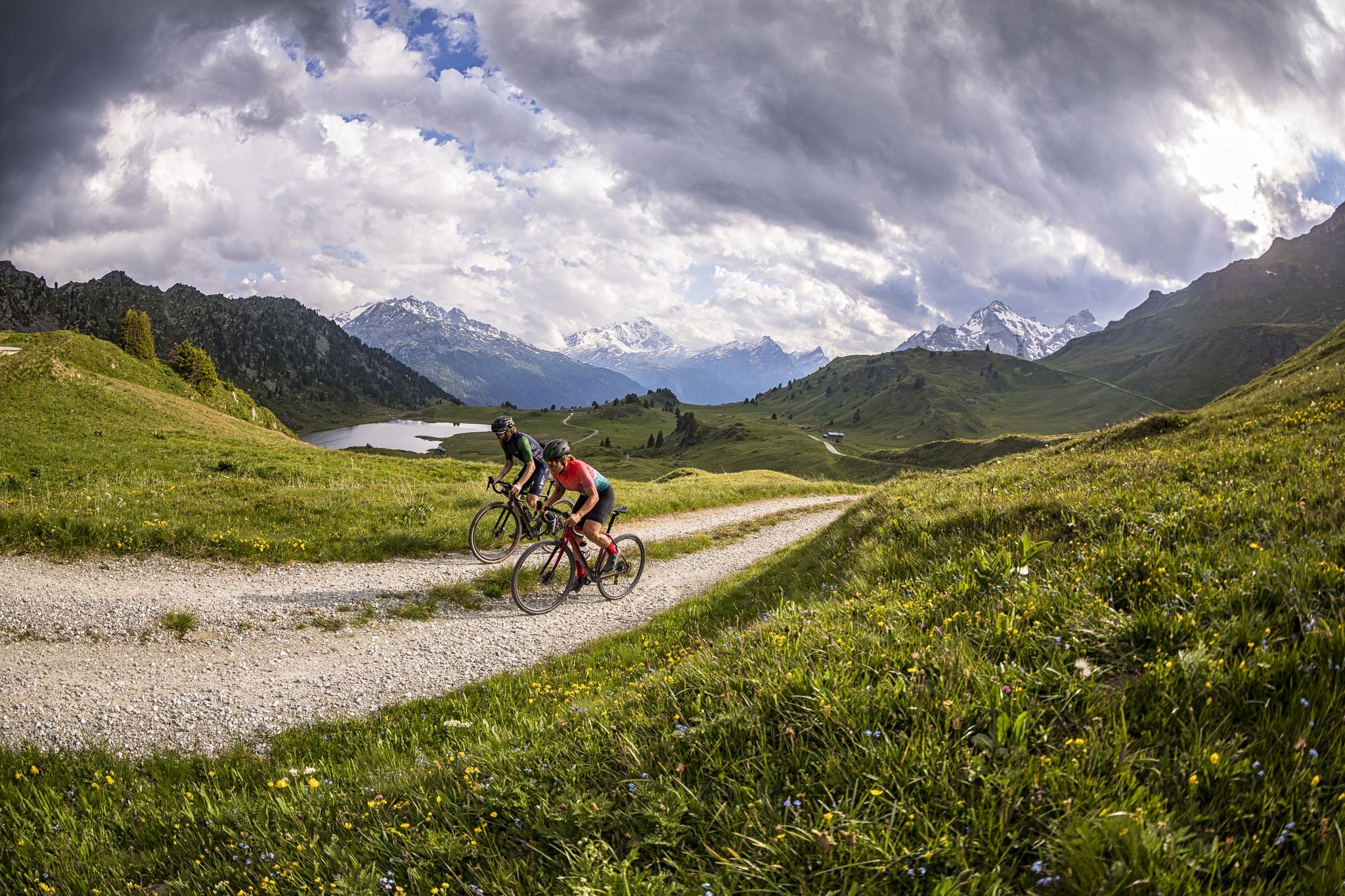
A gravel biking Menu for Switzerland’s Grisons
Other adventures around Disentis/Mustér


Tips from the Community

Cold lake great for cooling feet and a great place to take a break with a view of the glacier and the mountains
1
0

The Muttsee (formerly Mutten See, Muttensee) is a reservoir on the Muttenalp in the southernmost part of the municipality of Glarus South in the canton of Glarus in Switzerland.
2
0
In 1957, the newly founded Kraftwerke Linth-Limmern AG (KLL) began to realize the power plants that had been planned since the beginning of the 1940s by the Nordostschweizerische Kraftwerke (NOK), into which the Muttensee was to be integrated.
2
0
Until 1917, the official name was "Mutten See", then the spelling "Muttensee" appeared. From 1963, the spelling "Muttsee" appeared. The Hühnerbühl is now known in dialect as Hüenderbüel.[3] The kidney-shaped mountain lake was about 1000 meters long and 400 to 500 meters wide. On the Muttenalp plateau known as Hühnerbühl, it covered an area of about 42 hectares. The height of the lake surface was given as 2442 m until 1899, and 2448 m from 1900 to 1962. In the southeast, the lake was drained by a stream, which after a few hundred meters, at about 2400 m, disappeared into the Muttsee cave in the karst subsoil of the Muttenalp.[6] A little to the south, from about 2450 m, the Muttenbach collected the snow water from the Latten via various small tributaries.[5] It led this into the Limmernbach via the Mörthal and the Ochsenblanken.
2
1
The lake is registered in the cantonal landscape register as a landscape of regional importance.[4] In the karst area of the Muttenalp there are - in addition to the Muttsee cave and the Muttsee hut - various other small lakes, most of them distributed southwest of the Muttsee over the Hüenderbüel. The largest neighbor, the Ober See, lies north of the Muttsee at 2474 m. It is the only lake on the Muttenalp that is connected to the Muttsee via its outflow.
2
0
The lake is located at the crossing from Linthal-Tierfehd over the Kistenpass to Brigels. It lies in the 2.95 square kilometer basin of the Muttenalp above the Hüenderbüel. The alp is surrounded by high mountains such as Nüschenstock (2892 m) in the west, Rüchi (2849 m) in the northwest, Hinter Sulzhorn (2737 m) in the northeast, Ruchi (3105 m) in the east and Muttenstock (3088 m) in the southeast. The arena opens to the southwest. It drops steeply over the Muttenwand into the Limmerental and over the Muttenchopf (2482 m) to the Limmerensee.
2
0
As part of significant expansion measures for the power plants between 2009 and 2017, the dam built in 1963 was replaced by a concrete dam wall. This has a length of 1054 meters, making it the longest dam wall in Switzerland. The water level reaches a height of 2474 m when fully filled. This makes the Muttsee the highest reservoir in Switzerland, with a capacity of more than 10 million m³. The highest reservoir under the supervision of the federal authorities is the Viderjoch reservoir in the Silvretta Arena, which lies at 2664 m.[1][2] Since 2021, the largest alpine photovoltaic system in Switzerland has been under construction on the dam wall.
3
0
The original mountain lake has been integrated into the concept of energy generation through hydropower of the Linth-Limmern power plants since 1968.
2
0
Frequently Asked Questions
What are some of the most notable natural monuments to visit around Disentis/Mustér?
Beyond the well-known Rhine Gorge and Lake Toma, you can explore the impressive Muttsee Reservoir, which features Switzerland's longest dam wall and is its highest reservoir. Another serene spot is Lag Serein, a clear, small lake perfect for quiet contemplation. For panoramic views, consider the summit of Kistenstöckli.
Are there family-friendly natural monuments around Disentis/Mustér?
Yes, several natural monuments are suitable for families. Lake Oberalp is a great starting point for a family-friendly hike towards Lake Tomasee, the source of the Rhine. The Rhine Gorge also offers safe hiking trails suitable for families, and Val Medel provides a peaceful setting for family outings with opportunities to observe local wildlife.
What kind of natural features can I expect to see in the Disentis/Mustér region?
The region is rich in diverse natural features. You'll find dramatic geological formations like the Rhine Gorge, pristine alpine lakes such as Lake Oberalp, Lag Serein, and the glacial Griesslisee. There are also high-altitude reservoirs like Muttsee Reservoir, and challenging summits like Kistenstöckli offering extensive views.
What outdoor activities can I do near these natural monuments?
The area around Disentis/Mustér is ideal for various outdoor activities. You can enjoy extensive cycling tours, such as the 'Oberalp Pass – View of Lake Oberalp loop' or the 'Lukmanier Pass summit – Rheinquelle Lighthouse loop'. For hikers, there are numerous trails, including mountain hikes like the 'Medelserhütte loop' or more moderate hikes like the 'Lag Serein – Aclettabach Waterfall loop'. Find more routes in the Hiking around Disentis/Mustér and Cycling around Disentis/Mustér guides.
Are there specific hiking trails to natural monuments like the Rhine Gorge or Lake Toma?
Yes, the Rhine Gorge offers various hiking trails with breathtaking views, suitable for different difficulty levels. For Lake Toma, known as the 'Cradle of the Rhine', there's a popular family-friendly hike that leads directly to this pristine alpine lake. Lake Oberalp is a common starting point for the hike to Lake Tomasee.
What is the best time to visit the natural monuments around Disentis/Mustér?
The best time to visit is generally during the warmer months, from late spring to early autumn (June to October), when hiking trails are clear of snow and alpine lakes are accessible. This period offers pleasant temperatures for outdoor activities and the best conditions for enjoying the scenic beauty. Some areas, like the Zervreila Dam, are also impressive in late autumn.
Are there options for public transport to reach natural monuments like the Rhine Gorge or Lake Toma?
Public transport options are available to reach key areas. The Rhine Gorge is accessible via train to stations along its length, allowing for linear hikes. For Lake Toma, you can often reach the Oberalp Pass by public transport, which serves as a starting point for the hike to the lake. It's advisable to check local bus and train schedules for the most current information.
Can I find cafes or restaurants near the natural monuments?
While many natural monuments are in remote alpine settings, some popular spots do have facilities nearby. For instance, near Lake Oberalp, you can find places to enjoy coffee and cake. Mountain huts along hiking routes, such as the Badushütte near Lake Tomasee, also offer refreshments. In general, it's recommended to carry your own provisions, especially for longer or more remote excursions.
Are dogs allowed on trails to natural monuments in Disentis/Mustér?
Many trails in the Disentis/Mustér region are dog-friendly, but specific regulations may apply, especially in nature protection areas or around sensitive wildlife habitats. It's generally recommended to keep dogs on a leash, particularly near livestock or in areas with ground-nesting birds. Always check local signage for specific rules regarding dogs at individual natural monuments like the Rhine Gorge or Lake Toma.
What do visitors enjoy most about the natural monuments in Disentis/Mustér?
Visitors frequently praise the stunning natural beauty and the tranquility of the region. The dramatic vistas of the Rhine Gorge, the serene atmosphere of lakes like Lag Serein, and the impressive engineering of the Muttsee Reservoir are often highlighted. Many appreciate the opportunity for refreshing dips in the cold alpine waters and the panoramic views from summits like Kistenstöckli.
Are there any hidden natural gems around Disentis/Mustér worth exploring?
While not entirely 'hidden,' Val Medel is a lesser-known valley near Disentis/Mustér that offers beautiful landscapes and rich local wildlife in a peaceful, untouched setting. It's an excellent choice for those seeking a quieter natural escape away from more frequented spots, providing a deep immersion in the natural environment.
What are the parking facilities like for accessing these natural monuments?
Parking facilities are available at various access points for natural monuments. For instance, Lake Oberalp has parking nearby, serving as a convenient starting point for hikes. For the Rhine Gorge, parking can be found at several villages along its length. It's advisable to check specific locations for parking availability and any associated fees before your visit.
Most popular routes around Disentis/Mustér
Most popular attractions around Disentis/Mustér

Get inspired with the komoot mobile app


Explore more
Extend your search for the best caves by checking out these guides of the top ones around Disentis/Mustér:
