Top 20 Natural Monuments around Witzenhausen
Best natural monuments around Witzenhausen offer diverse landscapes within the Werra Valley. This region features the confluence of the Werra and Fulda rivers, extensive cherry orchards, and significant geological formations. The area is characterized by lush forests and rolling hills, providing a varied natural environment for exploration. These natural monuments around Witzenhausen are ideal for those seeking to explore the region's natural beauty.
Best natural monuments around Witzenhausen
- The most popular natural monuments is Lake Kalbe, a lake that…
Last updated: May 11, 2026
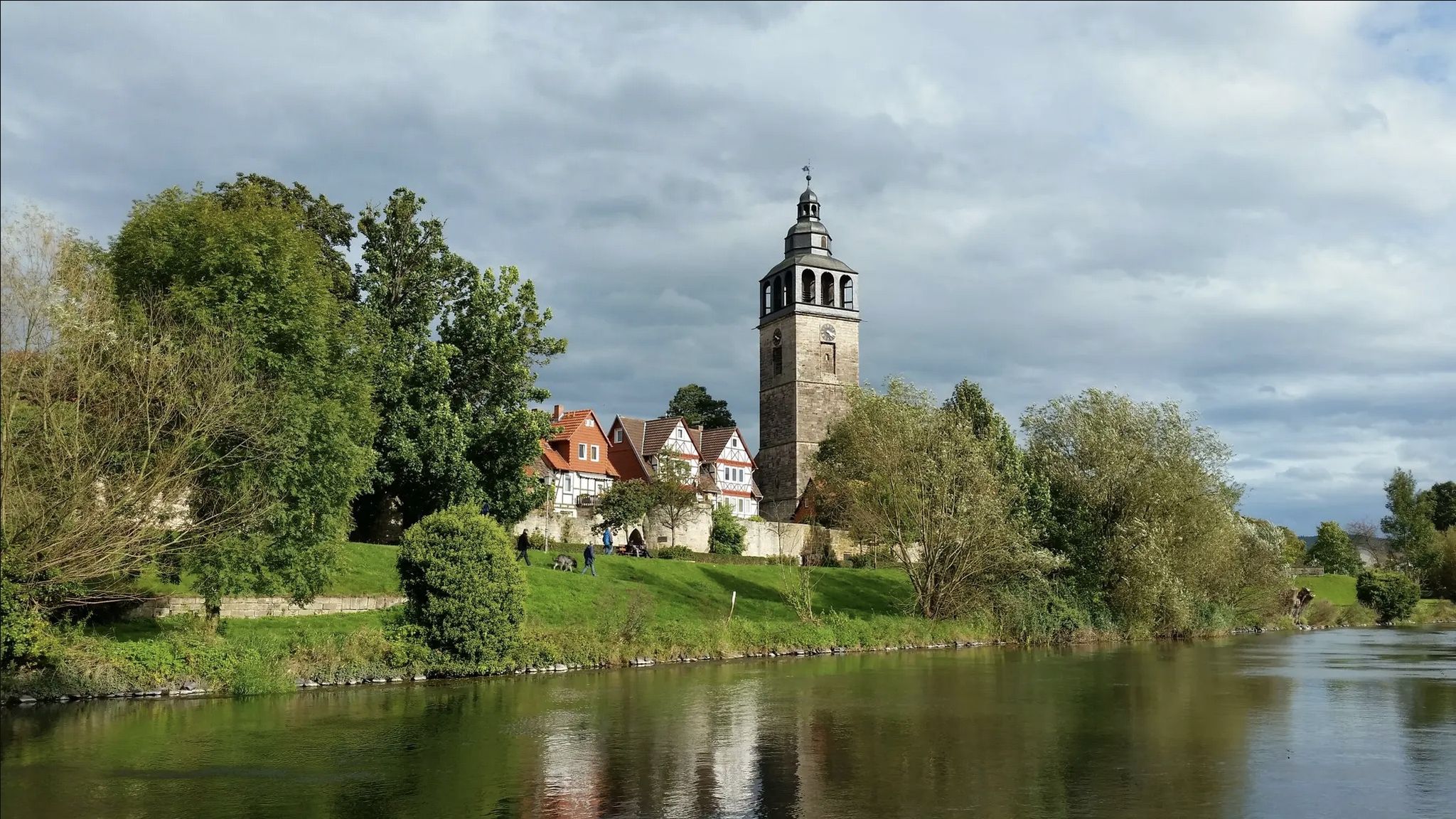
Confluence of the Werra and Fulda rivers
Highlight • Monument
Translated by Google •
Tip by

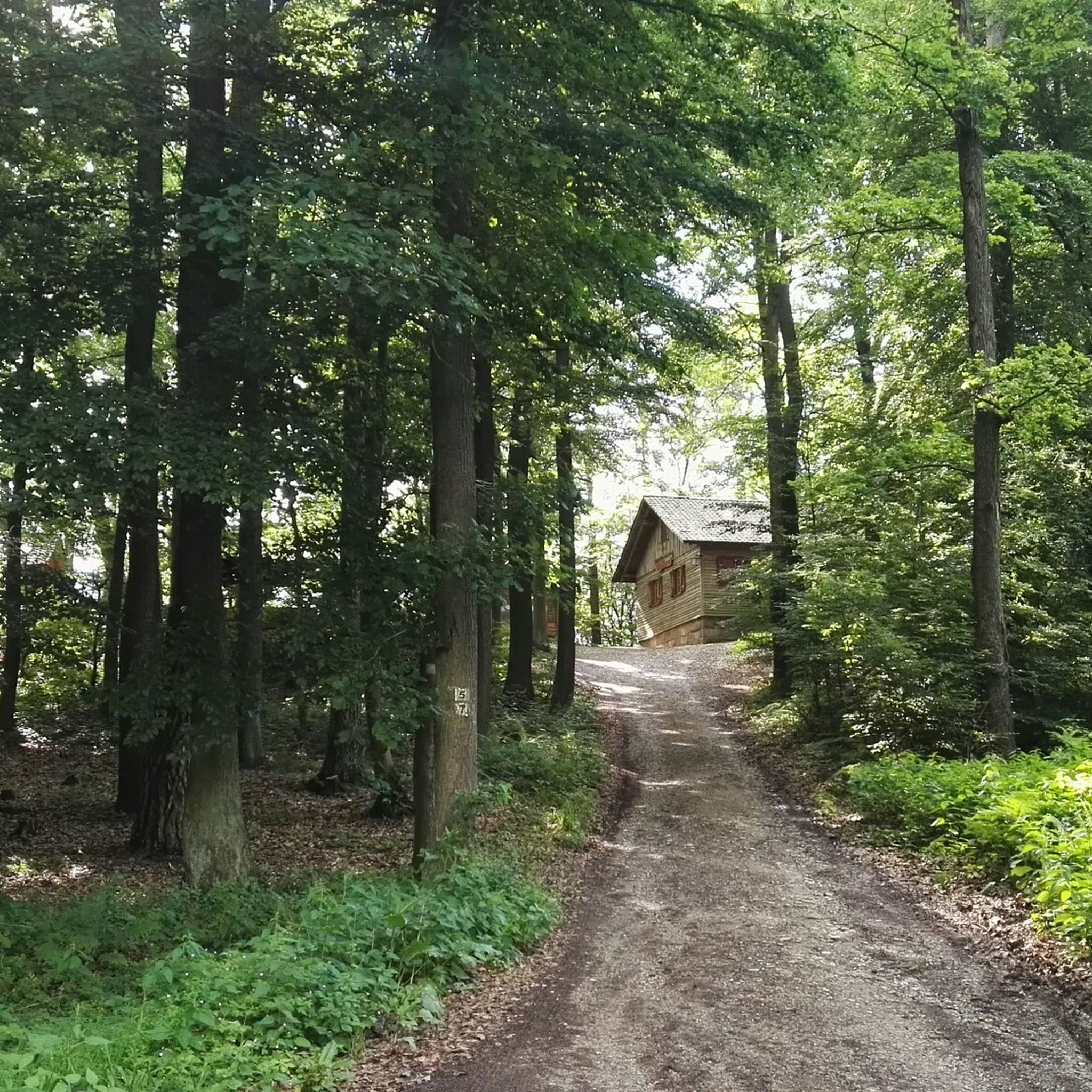
Werra River Bend Trail
Highlight (Segment) • Trail
Showing Translation
Tip by

Sign up now to discover places like this
Get recommendations on the best single tracks, peaks, & plenty of other exciting outdoor places.
Sign up for free
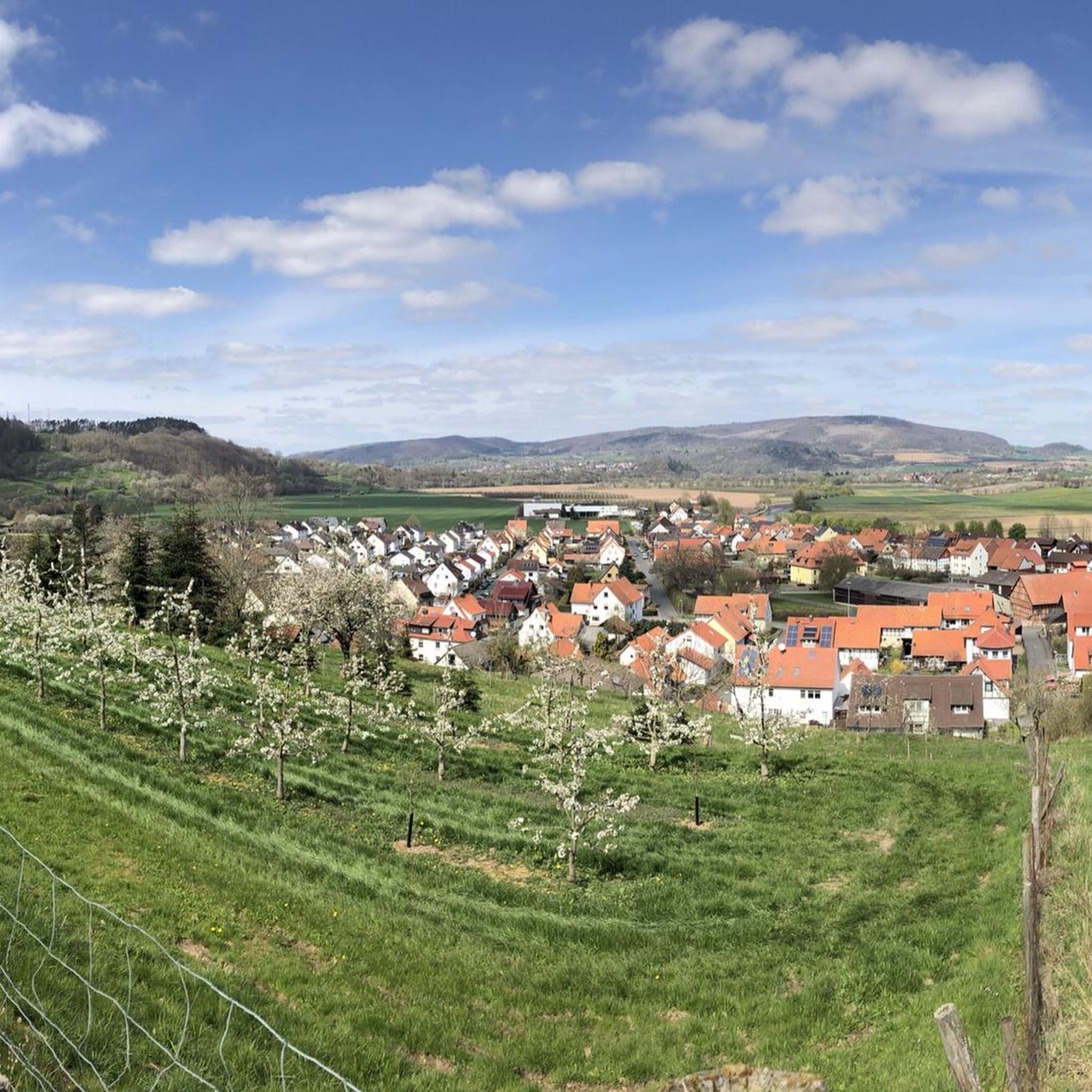
Teufelskanzel
Highlight • Viewpoint
Translated by Google •
Tip by

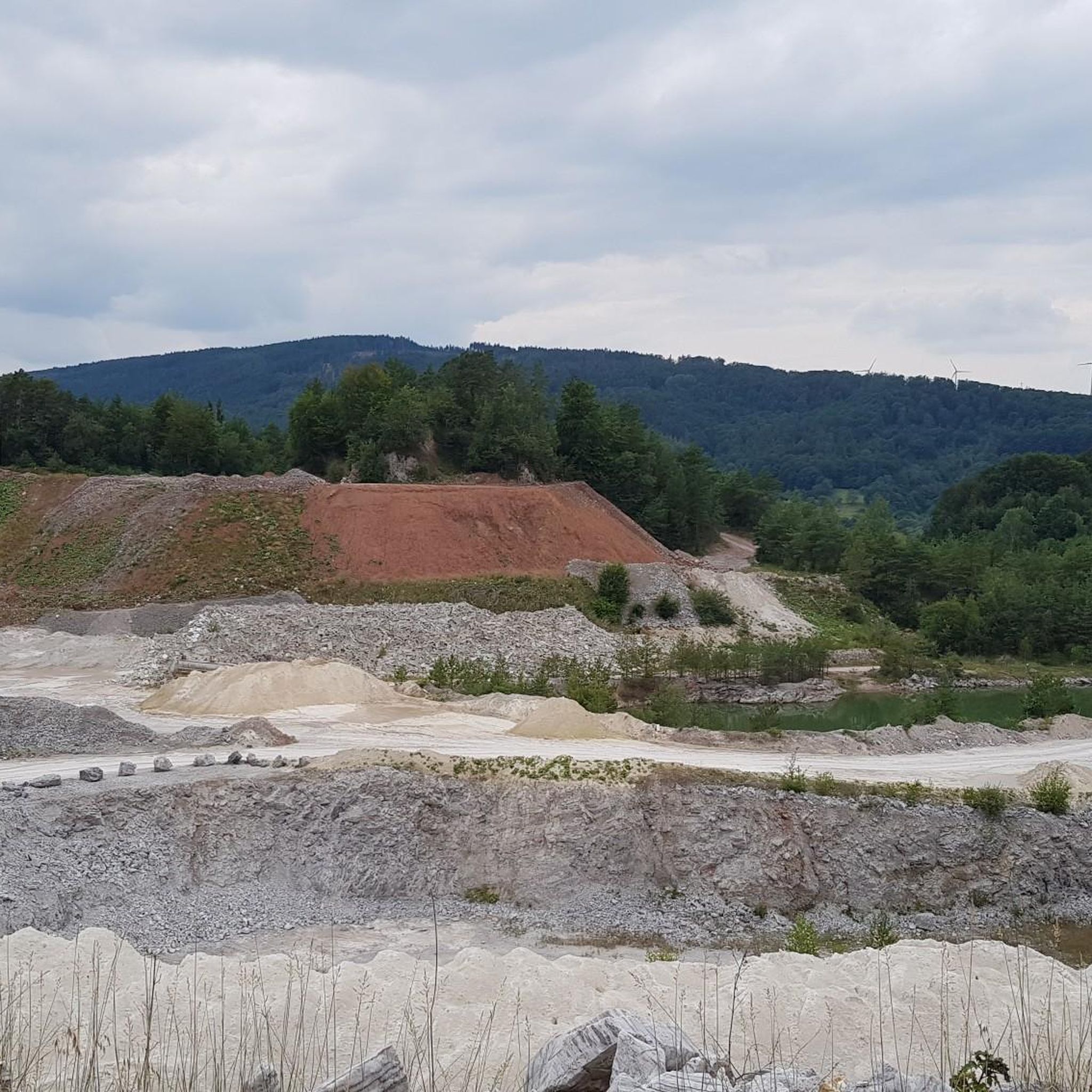
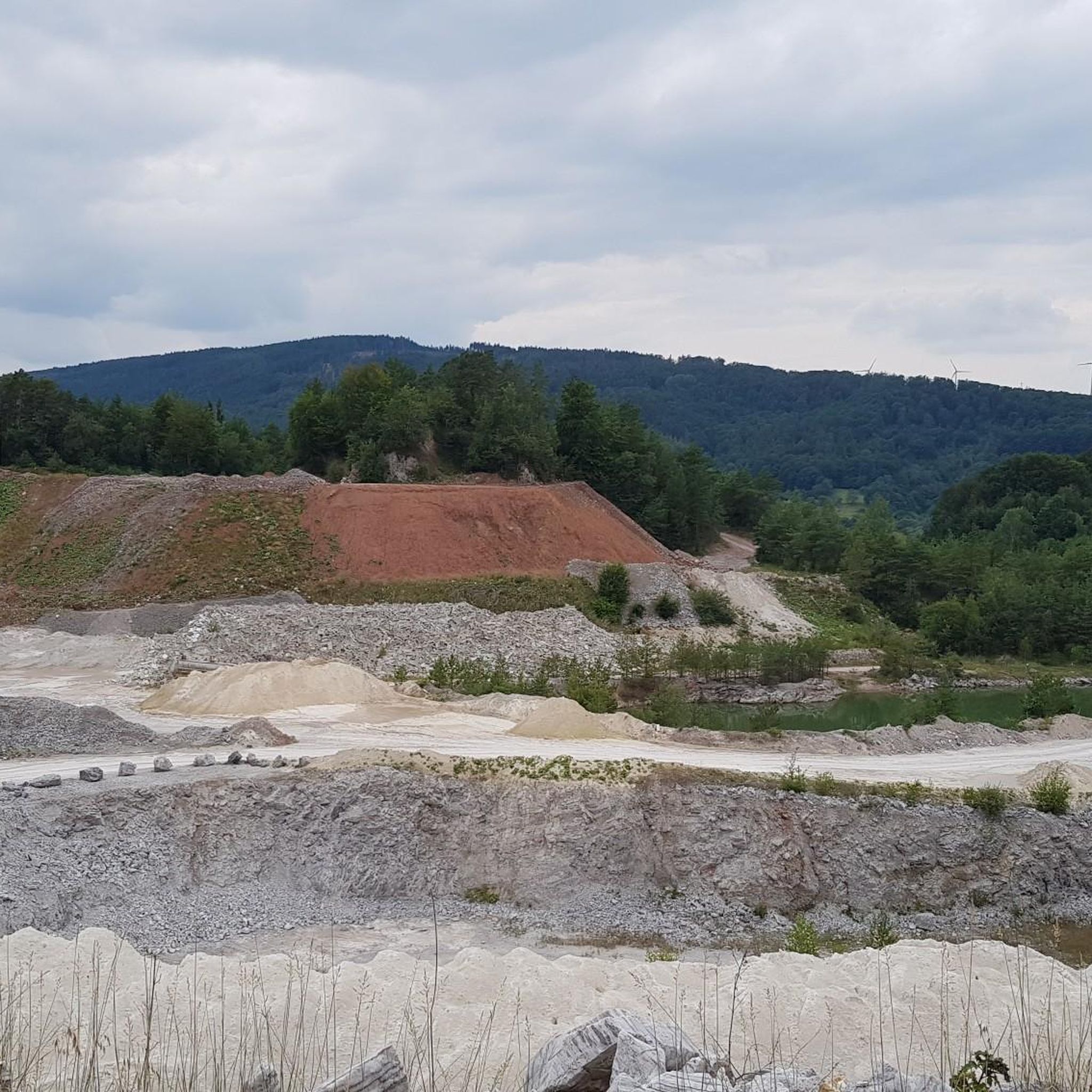
Lake Kalbe
Highlight • Lake
Translated by Google •
Tip by

Niester Riesen Giant Sequoias
Highlight • Natural Monument
Translated by Google •
Tip by

Sign up for free to discover even more natural monuments around Witzenhausen.
Sign up for free
Already have an account?
Start today with a free account
Your next adventure awaits.
Login or Signup
Other adventures around Witzenhausen

Tips from the Community

It's really nice to be standing where Fulda and Werra "kiss" and the Weser is formed. You have an even better overview from the car bridge with bicycle and pedestrian path across the street.
10
0

Here the Weser begins at the confluence of the Fulda and Werra - the cycle path to Bremen is mostly well developed and recommendable.
15
1

For the Niester giants, the giant legend of the two castles Sichelnstein and Sensenstein is spun on. Burg Sensenstein, which prevented Otto the Quaden from invading Hesse, was a thorn in his side. In his anger he made a pact with the devil. In exchange for his soul, the devil threw a huge stone at the Scythe Stone. But he was protected by God and the stone fell into the Niestetal. The devil flew away, but Otto did not give up and made a pact with the giants. At night they should sneak to the scythe stone and smash it. However, the forest around the castle was protected by a ghost and his dwarves and elves. They confronted the giants, but when they attacked anyway, the spirit froze them and grew into mighty trees. The real story, however, is a bit less spectacular. The Niester Riesen is a test area from 1887. At that time, the Kaufunger Forest forestry office planted various exotic species on behalf of Prussia in order to investigate the growth and wood quality of exotic tree species. The Niester giants are actually a scenic highlight, as they are in the middle of the normal forest and the site with the redwoods, Douglas firs and more clearly stands out. The small (yet somehow large) arboretum is enhanced by information boards.
11
2

This is certainly one of the most beautiful vantage points in the area. In the foreground is the horseshoe-shaped Werra loop and behind it the Hessian mountains build up. On the right you can see Ludwigstein Castle, opposite is the Kaufunger Forest and on the left is the Hohe Meissner.
34
1

A trip to the huge trees is worthwhile. The pictures do not really capture the actual size. They are gigantic 🌳
5
1

Impressive giant trees can be admired here.
11
2

A rarity in Northern Europe - go there, touch, smell and enjoy
8
1

The end or the beginning of a river bike tour
8
0
Frequently Asked Questions
What are some of the most popular natural monuments to visit around Witzenhausen?
Visitors frequently enjoy the serene beauty of Lake Kalbe, which offers impressive views and insights into the region's open-cast mining history. Another favorite is the Werra River Bend Trail, an idyllic, unpaved section of the Werra cycle path known for its tranquility. The unique Niester Riesen Giant Sequoias also draw many, showcasing very old and impressive trees.
Are there family-friendly natural monuments in the Witzenhausen area?
Yes, several natural monuments are suitable for families. The Weserstein – Confluence of Werra and Fulda is a family-friendly spot where you can observe the meeting of two rivers. Lake Kalbe is also considered family-friendly, offering both scenic views and historical information. Additionally, the Niester Riesen Giant Sequoias provide an engaging natural sight for all ages.
What kind of geological features can I explore near Witzenhausen?
The region offers diverse geological features. The Teufelskanzel (Devil's Pulpit) is a prominent viewpoint with a unique rock formation, offering stunning vistas of the Werra loop and surrounding mountains. Further afield, the Bilstein, a basalt summit, features the Bilsteinturm observation tower, providing panoramic views from its distinct geological base.
What is the best season to visit the natural monuments around Witzenhausen?
The best season largely depends on what you wish to experience. Spring, particularly April and May, is ideal for witnessing the spectacular cherry blossom festival in the extensive cherry orchards around Witzenhausen. Summer offers pleasant weather for hiking and cycling along the Werra River and through forests. Autumn brings vibrant fall foliage, while winter can offer serene, snow-covered landscapes for those interested in winter hiking.
What outdoor activities can I do near these natural monuments?
The area around Witzenhausen is excellent for various outdoor activities. You can enjoy hiking on trails like the View of Hanstein Castle – View from Hesselberg loop. Cycling is popular, especially along the Werra River, with routes such as the Weserstein – Riverside Path Along the Werra loop. The region's diverse landscapes, from river valleys to forests, provide ample opportunities for exploration.
Are there easy hiking trails suitable for beginners near Witzenhausen's natural monuments?
Yes, there are several easy hiking options. For instance, you can find beginner-friendly routes like the Klippstätte viewpoint – Pretty rest area loop from Kleinalmerode or the View from Silberkopf – Old Wine Cellar loop from Witzenhausen Nord. These trails offer accessible ways to experience the natural beauty of the area.
What makes the cherry orchards around Witzenhausen a natural highlight?
While not always officially designated as a single 'natural monument,' the extensive cherry orchards are a significant natural feature and a major draw. Witzenhausen is renowned as a historic cherry-growing region. During spring, especially April and May, the annual cherry blossom festival transforms the hills into a spectacular landscape of pink and white, offering a unique and beautiful seasonal experience. Special 'Kirschwege' (cherry paths) allow for exploration.
Can I find viewpoints with panoramic scenery among the natural monuments?
Absolutely. The Teufelskanzel is celebrated for its breathtaking views of the horseshoe-shaped Werra loop, the Hoher Meißner, and the Kaufunger Forest. The Bilstein, with its Bilsteinturm observation tower, also provides expansive panoramic views of the surrounding Werra Valley landscape.
What historical context can be found at the natural monuments?
At Lake Kalbe, information boards explain the region's history of open-cast mining, adding a historical layer to the impressive natural view. The Weserstein marks the confluence of the Werra and Fulda rivers, a historically significant geographical point where the Weser River begins.
What do visitors enjoy most about the natural monuments in Witzenhausen?
Visitors particularly appreciate the tranquility and natural beauty. For example, the Werra River Bend Trail is loved for its 'absolute tranquility' and the landscape cooled by the river and forest. The Teufelskanzel is frequently praised as 'one of the most beautiful vantage points in the area' for its fabulous views.
Are there any natural monuments that feature unique tree species?
Yes, the Niester Riesen Giant Sequoias are a standout natural monument, featuring very old and impressive giant trees that are a unique sight in the forest. This offers a chance to see tree species not commonly found in the region.
Can I find natural monuments that are part of a larger protected area?
Yes, Witzenhausen is a gateway to the Meißner-Ohm Mountains Nature Park, a protected area known for its diverse flora and fauna, including some of Germany's best-preserved beech forests. While specific monuments within the park are numerous, the park itself offers a broader context for the region's natural heritage.
Most popular routes around Witzenhausen
Most popular attractions around Witzenhausen

Get inspired with the komoot mobile app


Explore more
Extend your search for the best caves by checking out these guides of the top ones around Witzenhausen:
