Top 20 Natural Monuments around Freilassing
Best natural monuments around Freilassing are situated within the Berchtesgadener Land district, providing access to diverse natural features. The city is located near the Saalach and Sur rivers, which include significant floodplain areas designated for protection. Freilassing also maintains extensive urban green spaces and a substantial tree population, contributing to its local natural appeal. These areas offer opportunities for recreation and engagement with the natural environment.
Best natural monuments around Freilassing
- The most popular natural monuments is Nockstein Summit,…
Last updated: October 10, 2026
Mirabell Gardens
Highlight • Natural Monument
Translated by Google •
Tip by

Nockstein Summit
Highlight • Summit
Translated by Google •
Tip by

Sign up now to discover places like this
Get recommendations on the best single tracks, peaks, & plenty of other exciting outdoor places.
Salzach Rapids
Highlight • River
Translated by Google •
Tip by

St. Peter's Cemetery (Petersfriedhof)
Highlight • Historical Site
Translated by Google •
Tip by

Neubichler Alpine Hut
Highlight • Restaurant
Translated by Google •
Tip by

Sign up for free to discover even more natural monuments around Freilassing.
Already have an account?
Start today with a free account
Your next adventure awaits.
Popular around Freilassing
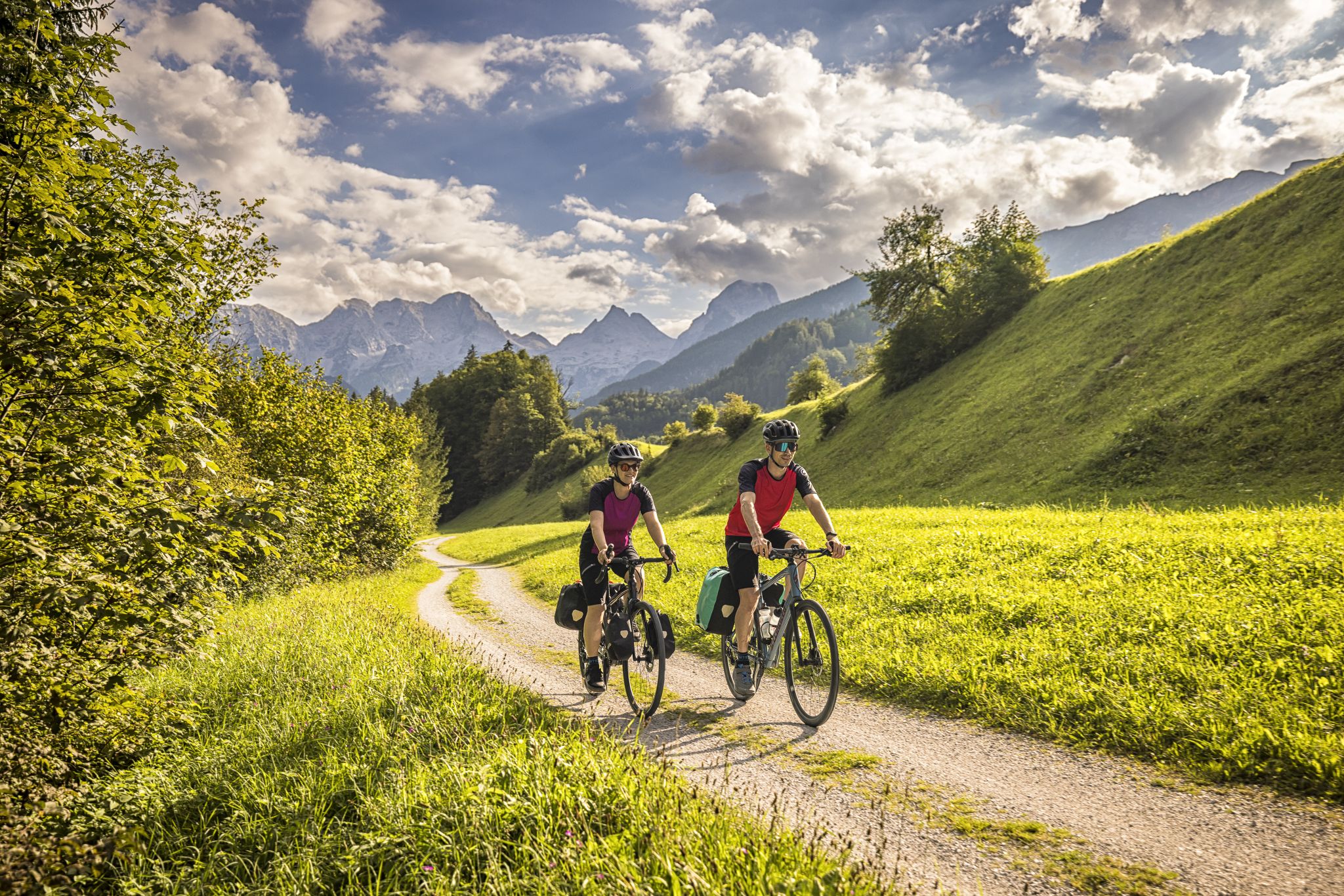
Classic and fantastic – Mozart Cycle Route
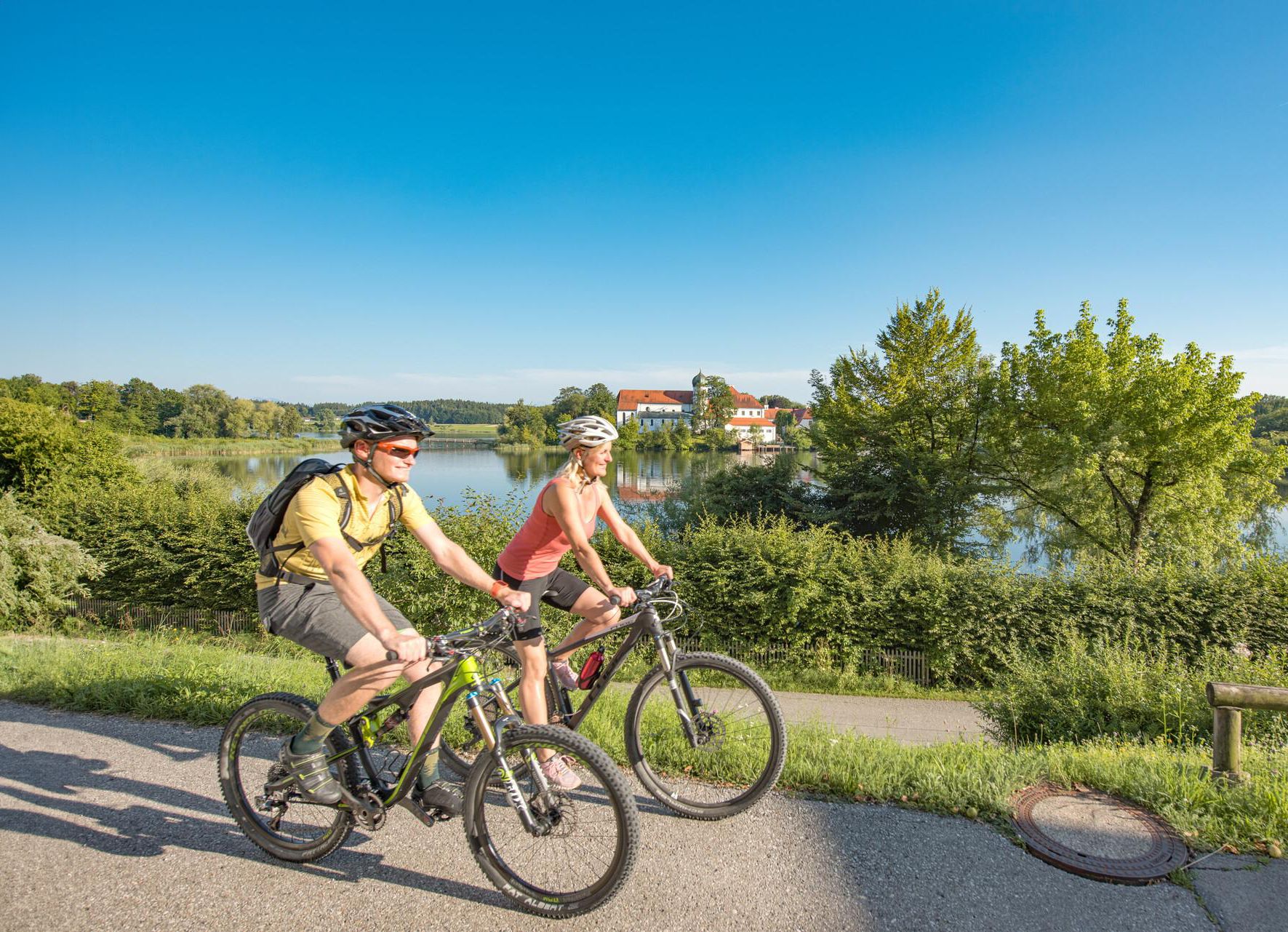
Cycling for a half – 5 Tours to breweries and beer gardens in Germany’s Bavaria
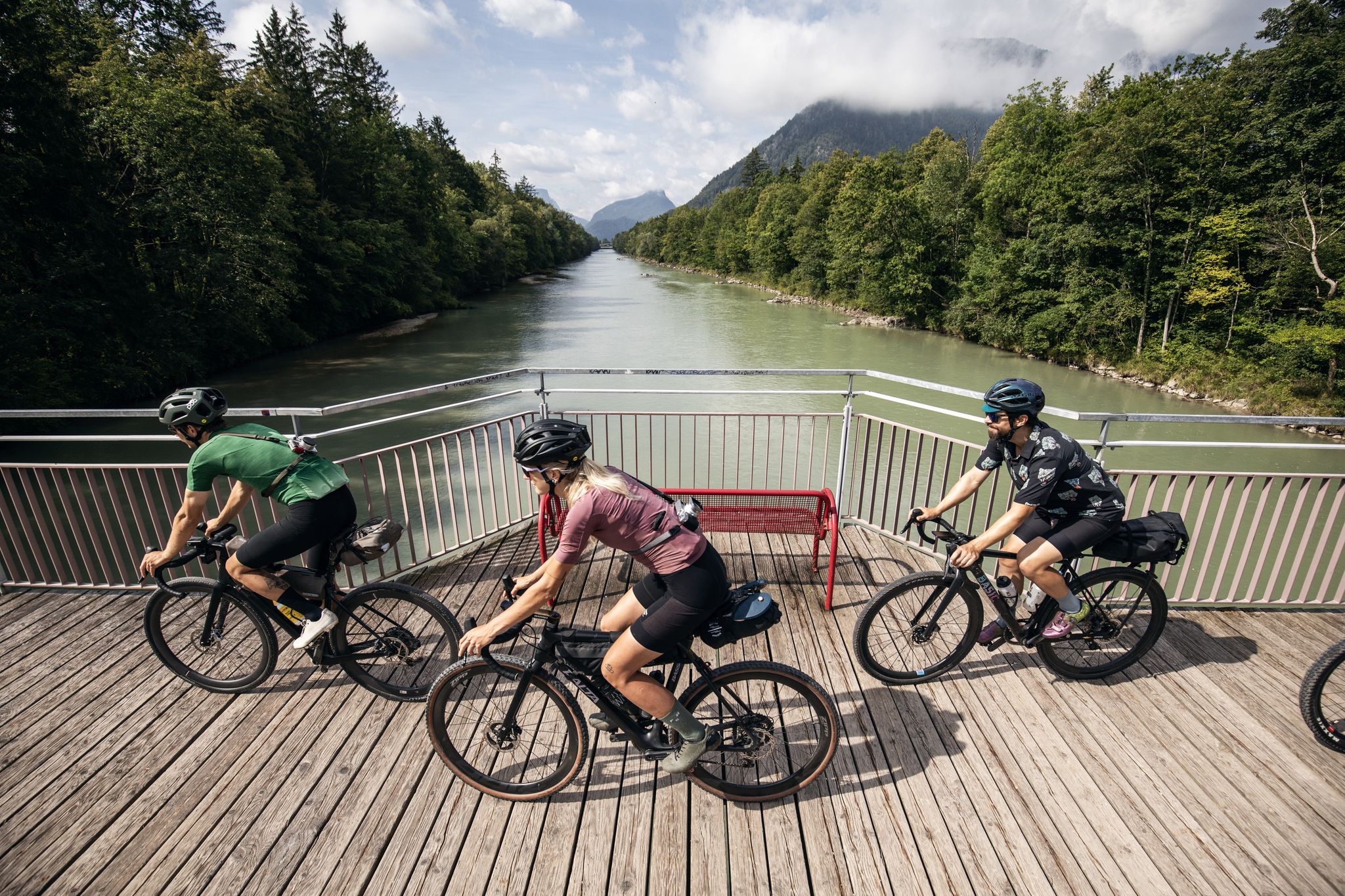
Salzschleife – Wasser-Radlwege Oberbayern
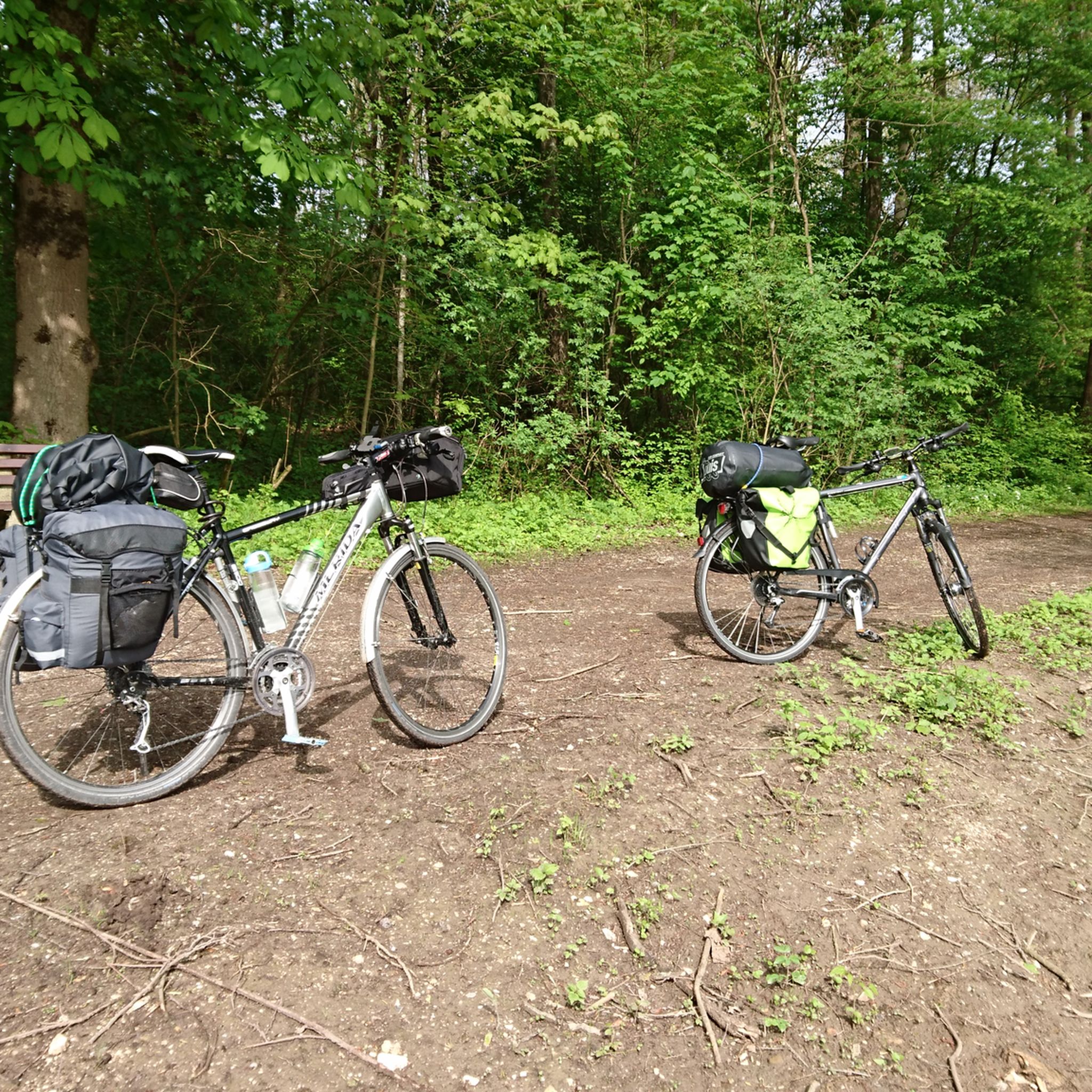
Cycling around Freilassing
Road Cycling Routes around Freilassing
MTB Trails around Freilassing
Running Trails around Freilassing
Hiking around Freilassing
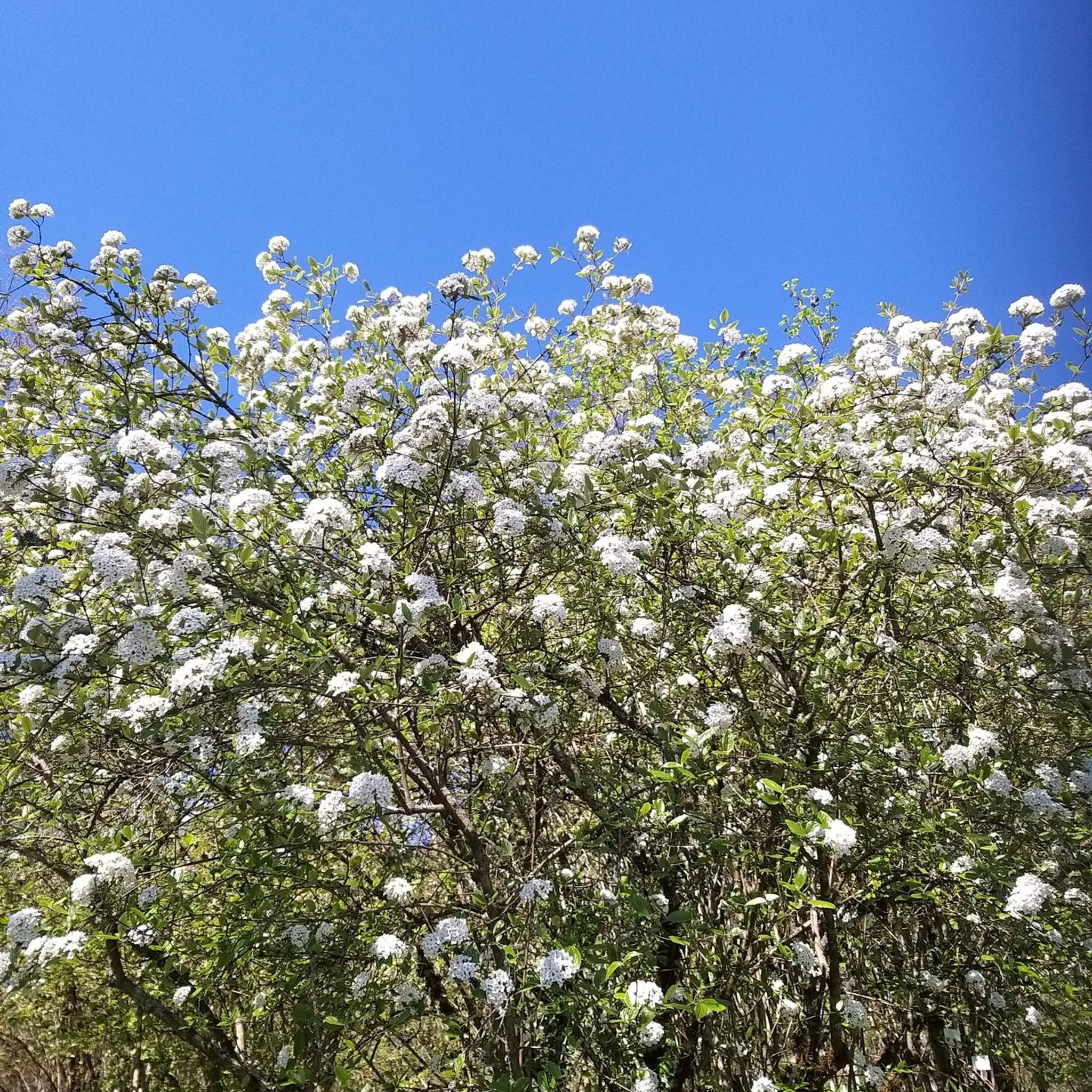
Gravel biking around Freilassing
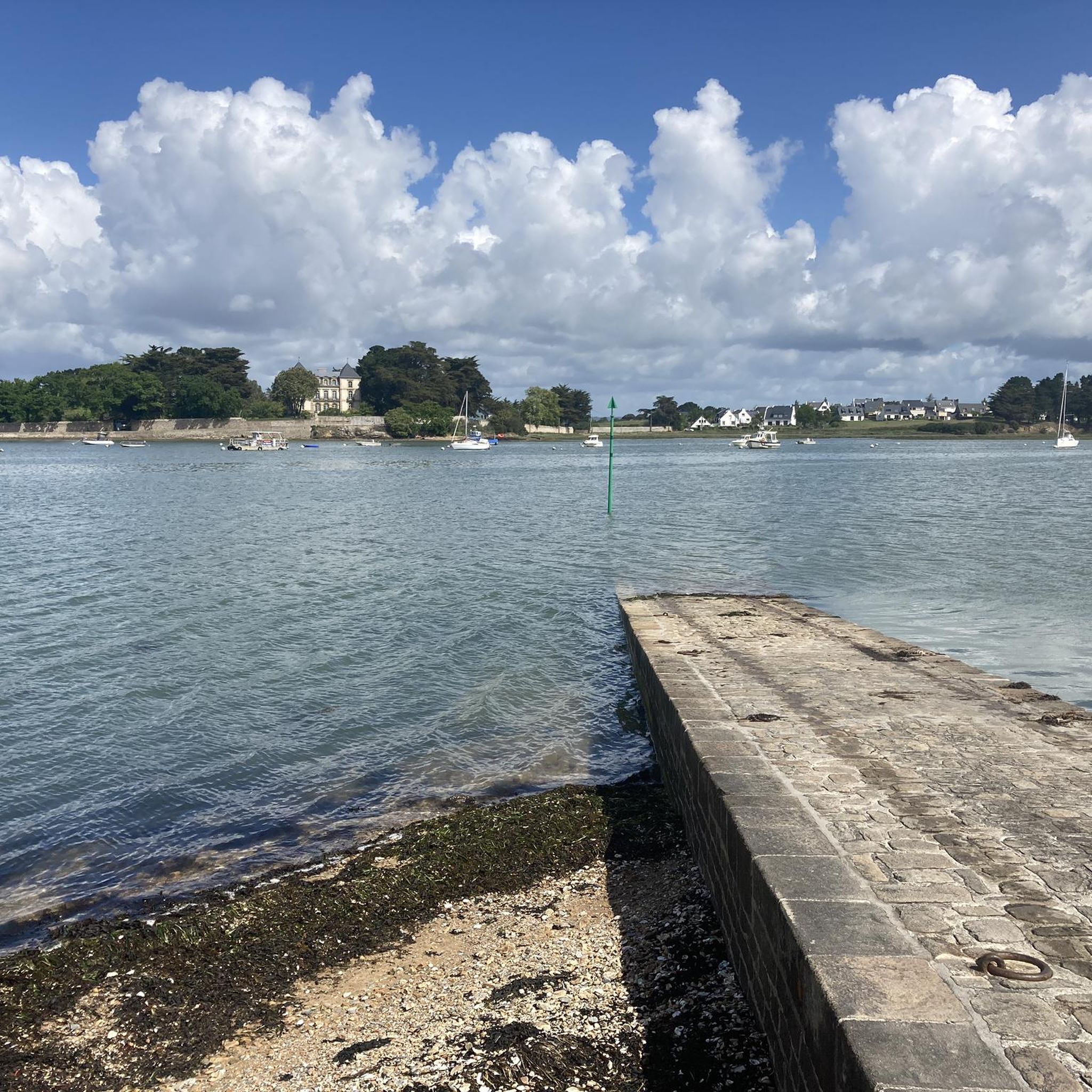
Mountain Hikes around Freilassing
Other adventures around Freilassing


Tips from the Community

Restaurant is open. Great view from the terrace
0
1

Orangery in the Mirabell Gardens, Mirabell Palace, Salzburg The Orangery in the Mirabell Gardens is more of an insider tip. It is located in the southern part of Mirabell Palace. The palm house was built around 1725 next to the large garden parterre. The name Orangery comes from the time when orange trees and exotic ornamental woods were still being cultivated. Precious, non-hardy plants were brought back to the Orangery to overwinter. Orange trees were seen as a metaphor for wealth in the Baroque period and for this reason were a must even then. The eastern part of the Orangery was used for other purposes after the Second World War and was not put back together again until 1980. The Baroque Museum is now located in the southern part of the Orangery. Today, in the northern part of the building, somewhat hidden, there is a small, beautiful tropical garden. A small pool with turtles and goldfish and for bird lovers there is a very large birdcage with numerous birds to marvel at. Opening hours of the Orangery in the Mirabell Gardens Open all year round, daily from 9 a.m. to 4 p.m. Text / Source: Salzburger Saalachtal. com https://www.salzburger-saalachtal.com/ausflugsziele/stadt-salzburg/mirabellgarten/orangerie-mirabellgarten
14
0
Mirabell Gardens & Mirabell Park (Mirabell Palace), Salzburg The world-famous Mirabell Gardens were laid out along a north-south axis and are oriented towards Salzburg Cathedral and Hohensalzburg Fortress. The original gardens were designed by Johann Bernhard Fischer von Erlach in 1689, commissioned by Prince-Archbishop Johann Ernst Count von Thun. In 1730, the gardens were significantly altered, with Franz Anton Danreiter responsible for the new plans. Even at this time, the "Mirabell Gardens" were known as one of the most beautiful parks in Europe. In the 19th century, the Mirabell Gardens underwent another major transformation, this time resulting in the destruction of parts of the garden. This included the original Dwarf Garden in its 18th-century form, some arcades facing Mirabellplatz, and the so-called Sala Terena northwest of Mirabell Palace. The "Grand Parterre" is not only the largest enclosed section of the Mirabell Gardens but is also one of its oldest parts. If you enter the Mirabell Gardens from the Market Square, you will encounter two pairs of Borghese swordsmen on the Grand Parterre. The inner pair is by A. Götzinger, the outer pair by M. B. Mandl; both pairs were created in the 17th century. Text / Source: TSG Tourismus Salzburg GmbH, Auerspergstraße 6, Salzburg https://visit-salzburg.net/deutsch/sehenswuerdig/mirabellgarten.htm
13
0


A dream! Sunny winter garden, friendly and competent service, lovingly prepared dishes of high quality and a breathtaking view - what more could you want? I give it 3 🤩
1
0

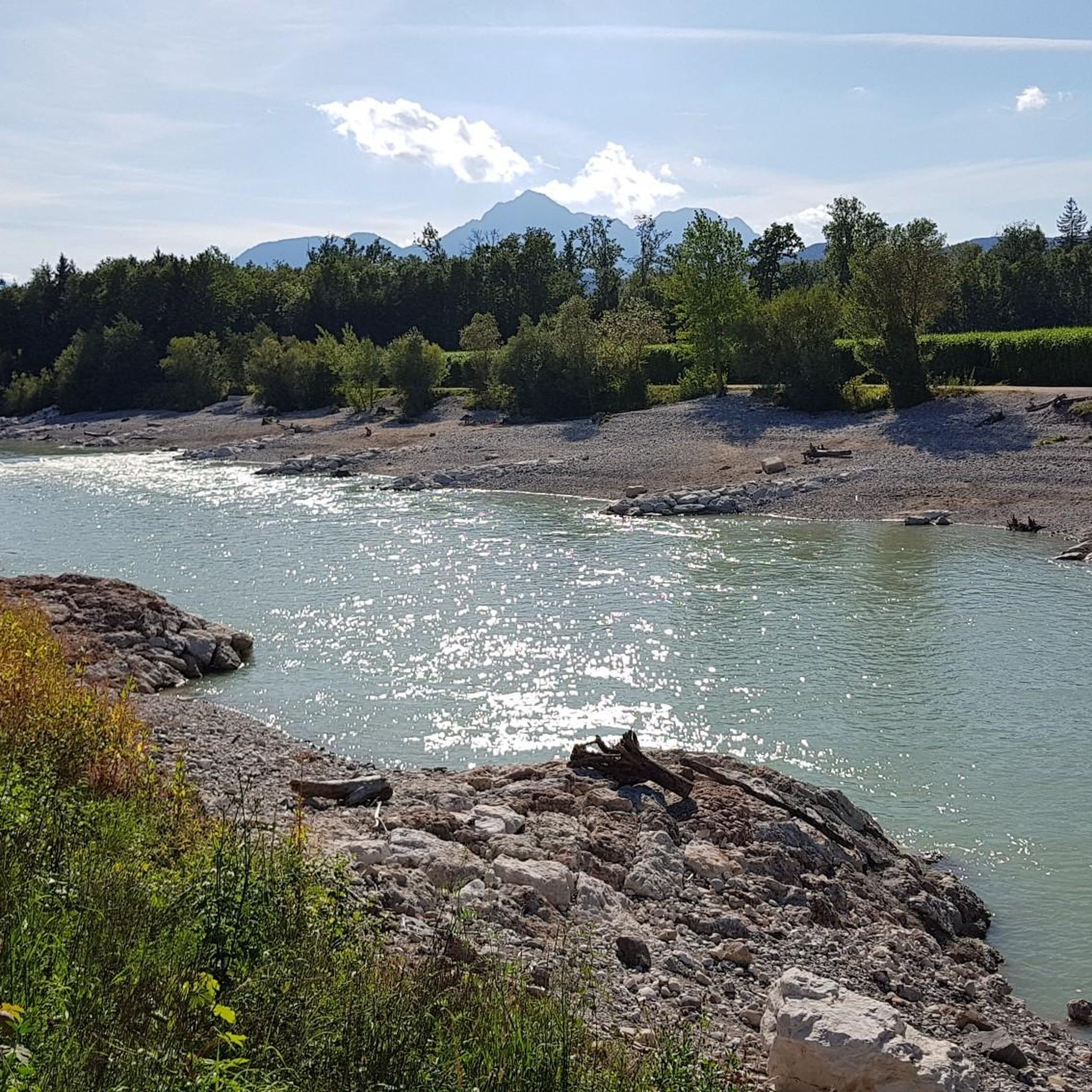
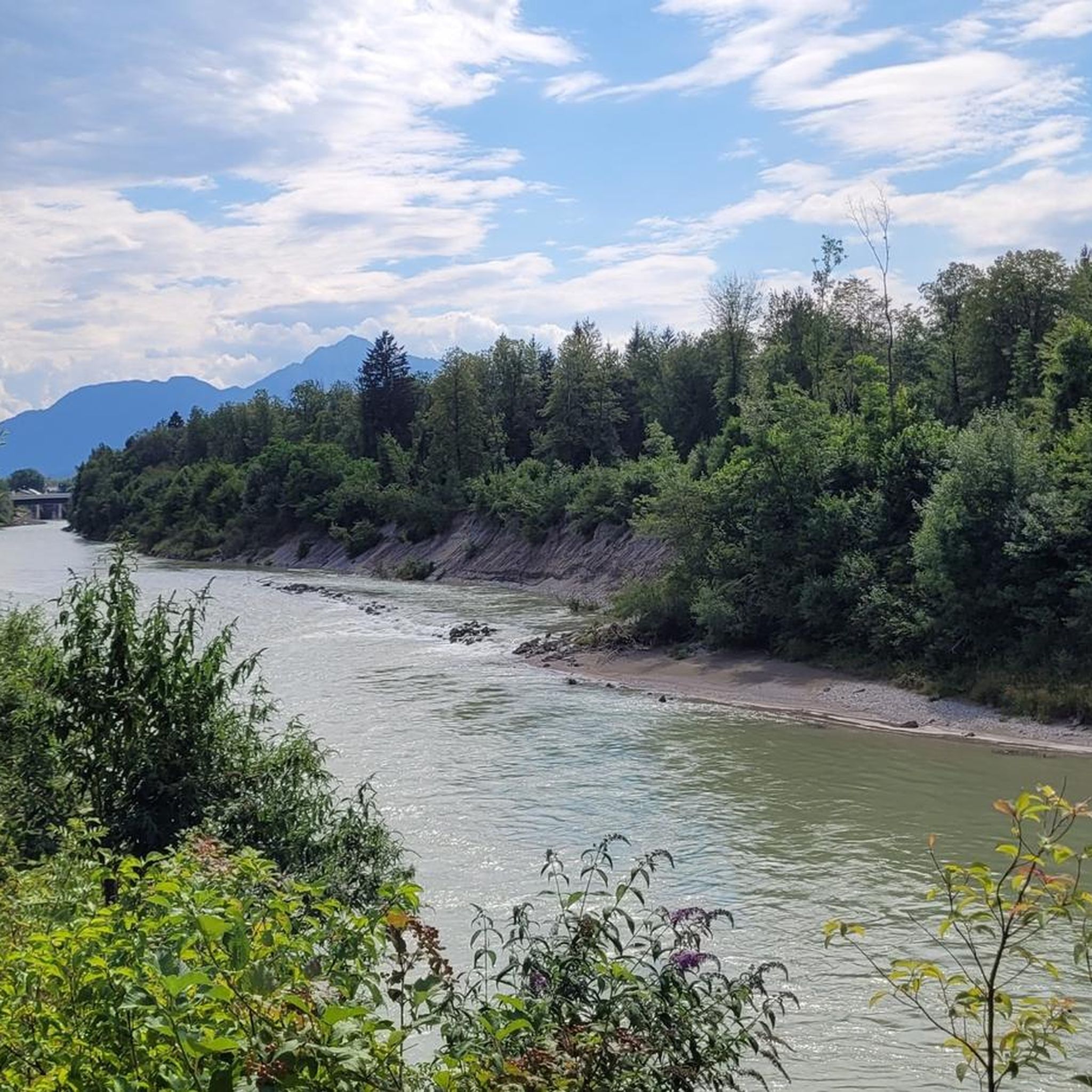
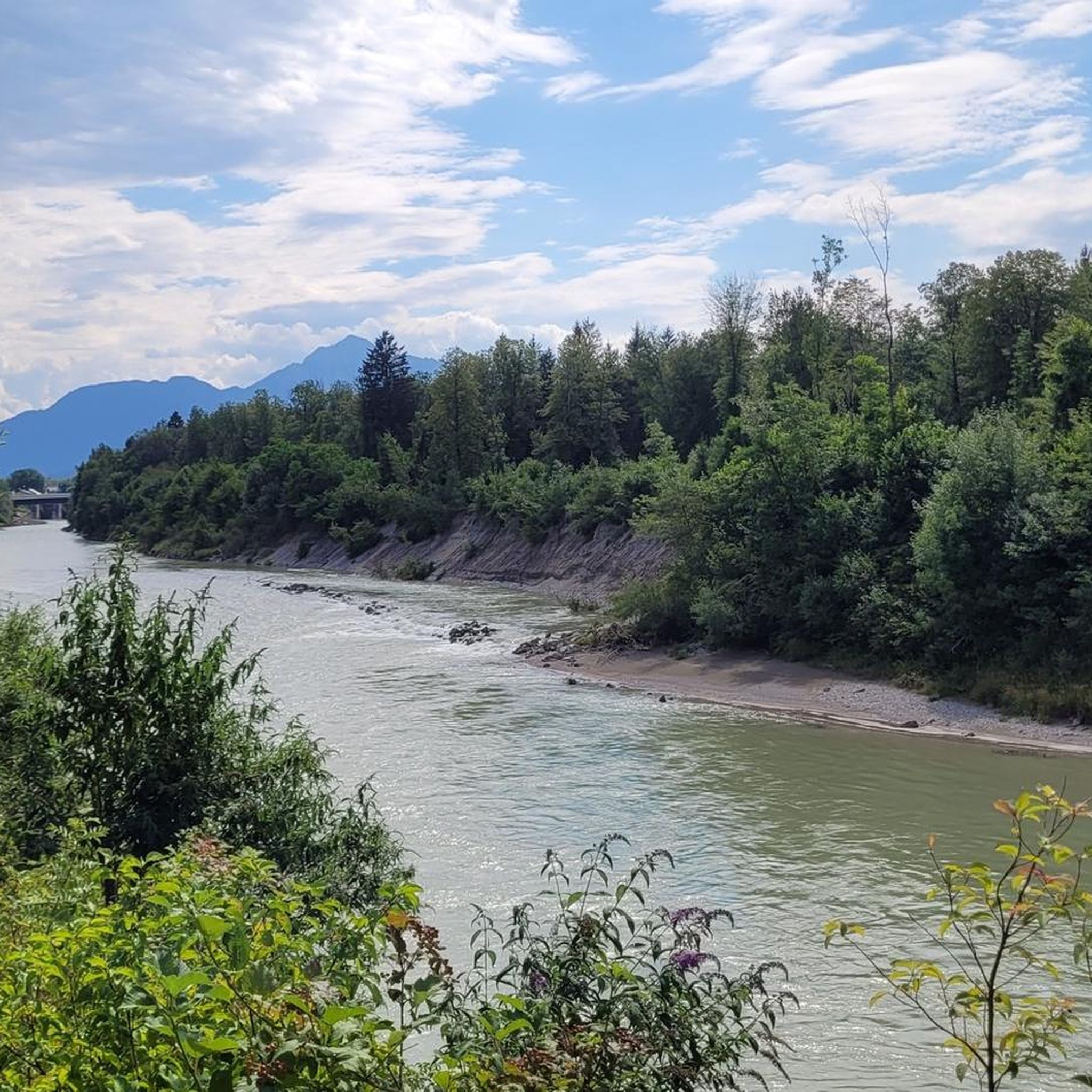
Very beautiful landscape on the Salzach, municipality of Bergheim. Great for hiking and being active outdoors.
2
0


07/27/2023 - The garden is very nicely laid out and right now in summer the flowers are blooming beautifully. But it is worth a visit. The small covered area with turtles, birds and exotic plants is also nice.
8
0
Frequently Asked Questions
What are some of the most popular natural monuments around Freilassing?
Visitors frequently enjoy the diverse natural features in the region. Among the most popular are Nockstein Summit, which offers expansive views and sometimes demanding passages, and Mirabell Gardens, a beautiful man-made park with a variety of plants and fountains. Another favorite is Neubichler Alpine Hut, a restaurant with a terrace offering impressive views of the surrounding mountains.
Are there any family-friendly natural monuments in the Freilassing area?
Yes, several natural monuments are suitable for families. Mirabell Gardens is a wonderful option, known for its variety of plants, fountains, and marble balustrades, making it an engaging place for all ages. The Pegasus Fountain, Mirabell Gardens is also family-friendly and wheelchair accessible. Additionally, the Neubichler Alpine Hut offers a welcoming atmosphere and great views for families.
What kind of natural features can I expect to see around Freilassing?
Freilassing offers a mix of natural and cultivated green spaces. You'll find significant individual trees, such as the historic Friedenseiche (Peace Oak) at the northern entrance of the pedestrian zone. The city is also close to the Saalach and Sur river floodplains, which are important FFH protection areas. Within the city, there are extensive urban green spaces, numerous perennial flower meadows, and a substantial tree population including various maples, oaks, and even special species like Ginkgo and sequoia.
Are there historical natural monuments or sites with natural elements near Freilassing?
Yes, the region blends natural beauty with historical significance. The Friedenseiche in Freilassing, planted in 1871, serves as a living historical monument. Additionally, St. Peter's Cemetery (Petersfriedhof), while primarily a historical site, features natural elements and offers unique views, including its ancient catacombs carved into the mountain.
What outdoor activities can I do near the natural monuments around Freilassing?
The area around Freilassing is excellent for various outdoor activities. You can enjoy hiking on trails like the easy Saalach Cycle Path – Saalach Riverbank Trail loop or the moderate Weir on the Saalach – Hammerauer Bridge loop. Cycling is also popular, with options like the easy Abtsdorfer See – Beer garden at Lake Abtsdorf loop or the moderate Stroblalm Viewpoint – View of the Mountains loop.
Are there any natural areas around Freilassing that are good for wildlife spotting?
The riverine landscapes of the Saalach and Sur rivers, designated as FFH protection areas, are important for biodiversity and offer opportunities for wildlife observation. The numerous perennial flower meadows within the city also attract pollinators like wild bees and birds, providing 'nature experiences in the middle of the city'.
What is the best time of year to visit the natural monuments near Freilassing?
The best time to visit depends on your preferred activities. Spring and summer are ideal for enjoying the lush greenery of the urban parks, flower meadows, and the shade of the large trees like the Friedenseiche. The Mirabell Gardens are particularly vibrant during these seasons. Autumn offers beautiful foliage, while some hiking trails remain accessible for winter walks, though good footwear is always recommended for more challenging routes like Nockstein Summit.
Are there any natural monuments around Freilassing that are wheelchair accessible?
Yes, the Pegasus Fountain, Mirabell Gardens is noted as wheelchair accessible, allowing visitors to enjoy its beauty and historical significance. Many of Freilassing's urban green spaces and well-maintained paths within areas like the Freilassinger Au also offer accessible routes for enjoying nature.
Can I find cafes or restaurants near the natural monuments in Freilassing?
Yes, you can. For example, the Neubichler Alpine Hut is a restaurant and natural monument itself, offering delicious food and impressive views. In Freilassing's pedestrian zone, near the Friedenseiche, you'll find various cafes and eateries. Many of the cycling and hiking routes around Freilassing also pass by or lead to places where you can find refreshments.
What do visitors enjoy most about the natural monuments and areas around Freilassing?
Visitors appreciate the blend of accessible urban green spaces and the more challenging natural features in the wider Berchtesgadener Land district. The impressive views from spots like Nockstein Summit and the beautiful, well-maintained Mirabell Gardens are frequently praised. The opportunity for local recreation within the city's green infrastructure and along the protected riverine landscapes is also highly valued.
Are there dog-friendly trails or natural areas near Freilassing?
Many of the hiking and cycling trails around Freilassing are dog-friendly, allowing you to explore the natural surroundings with your pet. It's always recommended to keep dogs on a leash, especially in protected areas like the Saalach and Sur river floodplains, and to respect local regulations regarding waste disposal. The extensive urban green spaces and the Freilassinger Au also provide pleasant areas for walks with dogs.
Most popular routes around Freilassing
Most popular attractions around Freilassing

Get inspired with the komoot mobile app


Explore more
Extend your search for the best caves by checking out these guides of the top ones around Freilassing:
