Top 20 Natural Monuments in the Stubaital
Natural monuments in the Stubaital, an alpine valley in Tyrol, Austria, showcase a dramatic landscape of waterfalls, geological formations, and pristine mountain environments. The region is characterized by its impressive natural features, including powerful waterfalls, unique rock formations, and high alpine lakes. These sites offer insights into the geological history of the Stubai Alps and provide diverse outdoor experiences. The Stubaital's natural monuments are integral to its appeal as a destination for outdoor enthusiasts.
Best natural monuments in the Stubaital
…Last updated: May 10, 2026
Starkenburger Hut
Highlight • Mountain Hut
Translated by Google •
Tip by

View of the Grawa Waterfall
Highlight • Waterfall
Translated by Google •
Tip by

Sign up now to discover places like this
Get recommendations on the best single tracks, peaks, & plenty of other exciting outdoor places.
Sign up for free
Grawa Waterfall
Highlight • Waterfall
Translated by Google •
Tip by

Elfer Walkable Sundial
Highlight • Monument
Translated by Google •
Tip by
Serles Summit
Highlight • Summit
Translated by Google •
Tip by

Panorama Lake Schlick
Highlight • Lake
Translated by Google •
Tip by

Grawa Alm with view of the Grawa Waterfall
Highlight • Mountain Hut
The hospitality also left nothing to be desired. Parking and bus stop directly in front of the Alm.
Translated by Google •
Tip by

Zuckerhütl Summit
Highlight • Summit
Translated by Google •
Tip by

Wild Water Trail – Ruetz Cataract
Highlight • Waterfall
Translated by Google •
Tip by

Ruetz Waterfall
Highlight • Waterfall
Translated by Google •
Tip by
Sign up for free to discover even more natural monuments in the Stubaital.
Sign up for free
Already have an account?
Start today with a free account
Your next adventure awaits.
Login or Signup
Popular around Stubaital
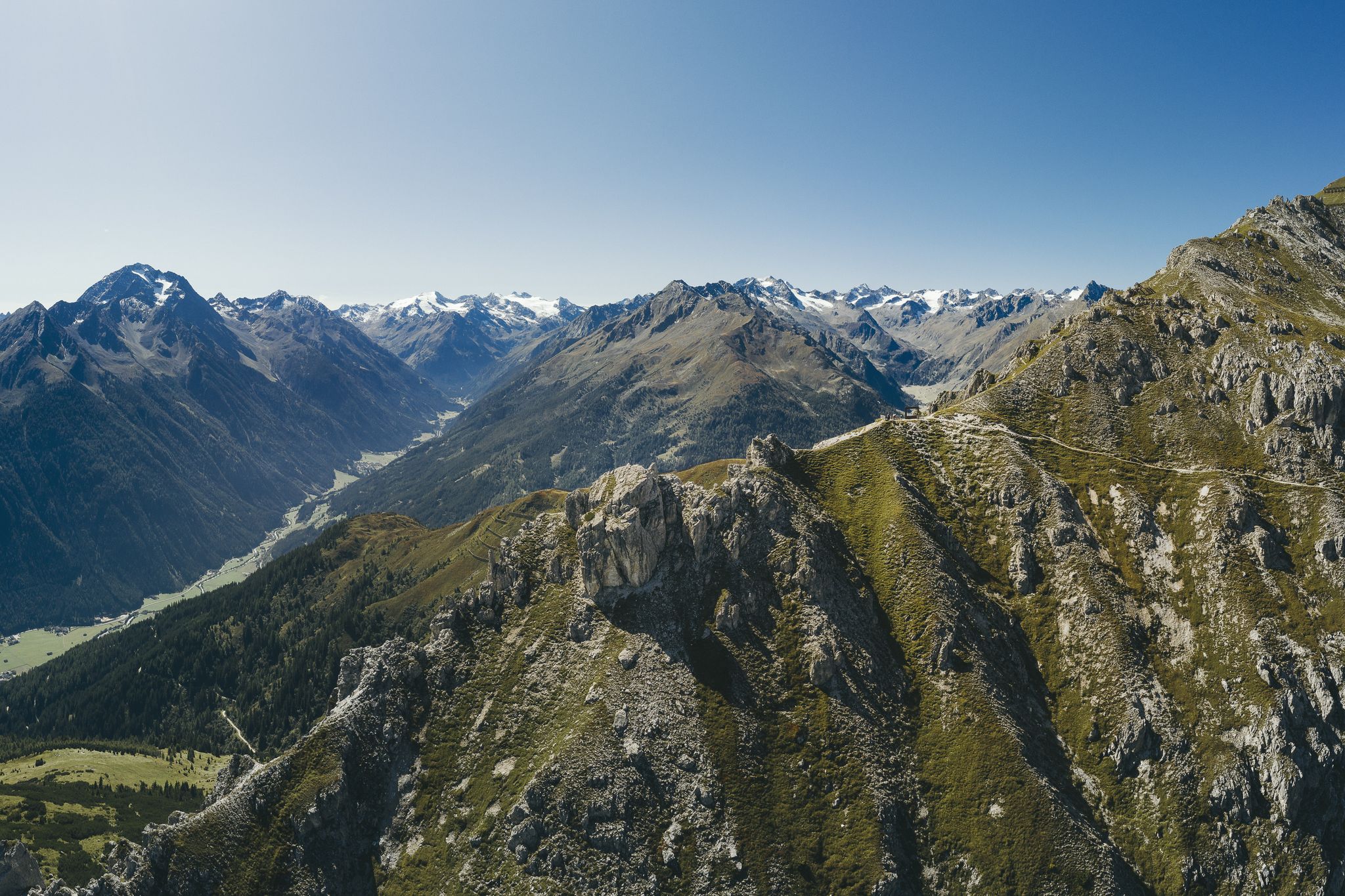
Hiking up high with the Stubai cable cars
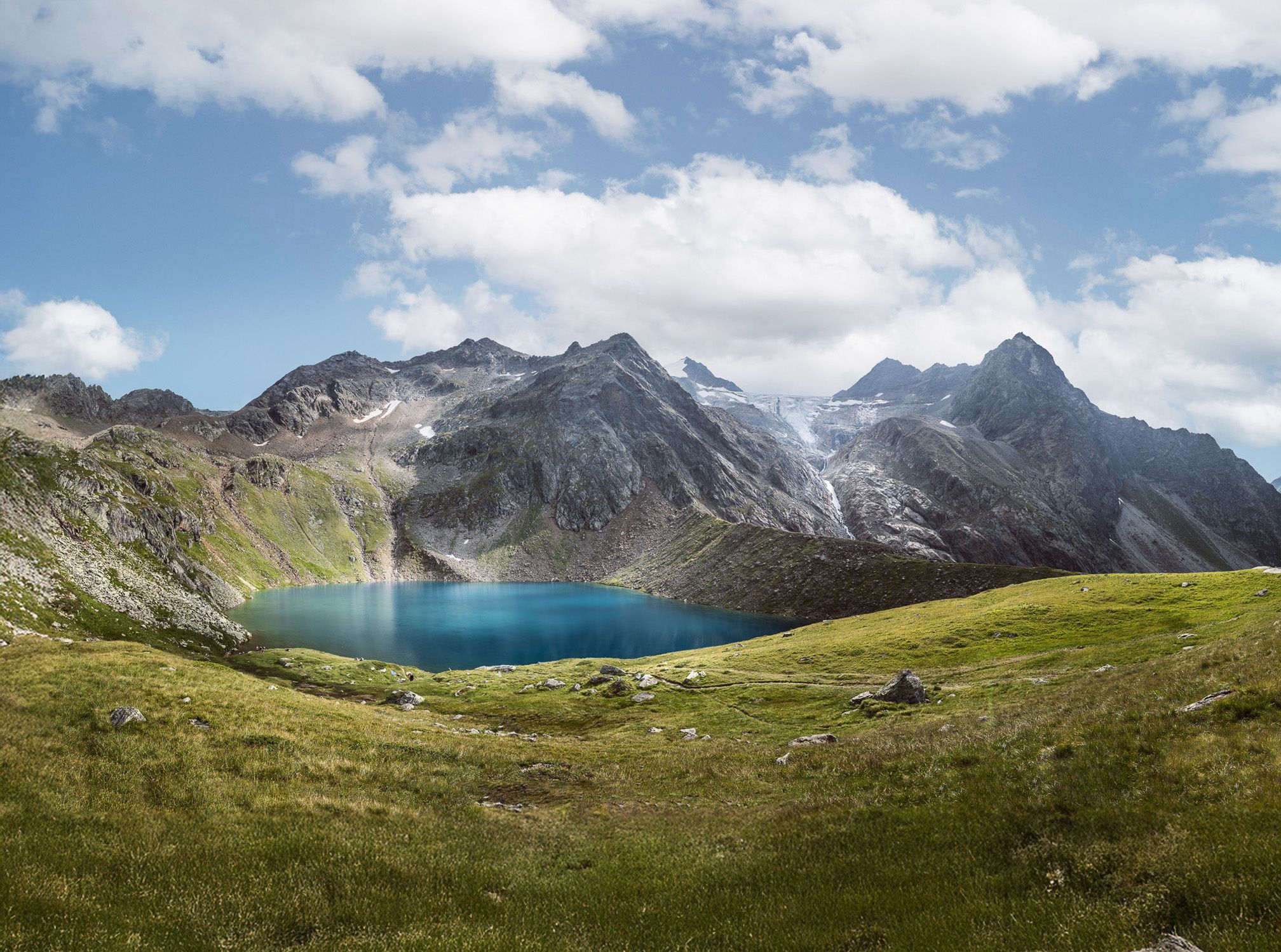
Stubai's mountain lakes – hiking to Tyrol's alpine gems
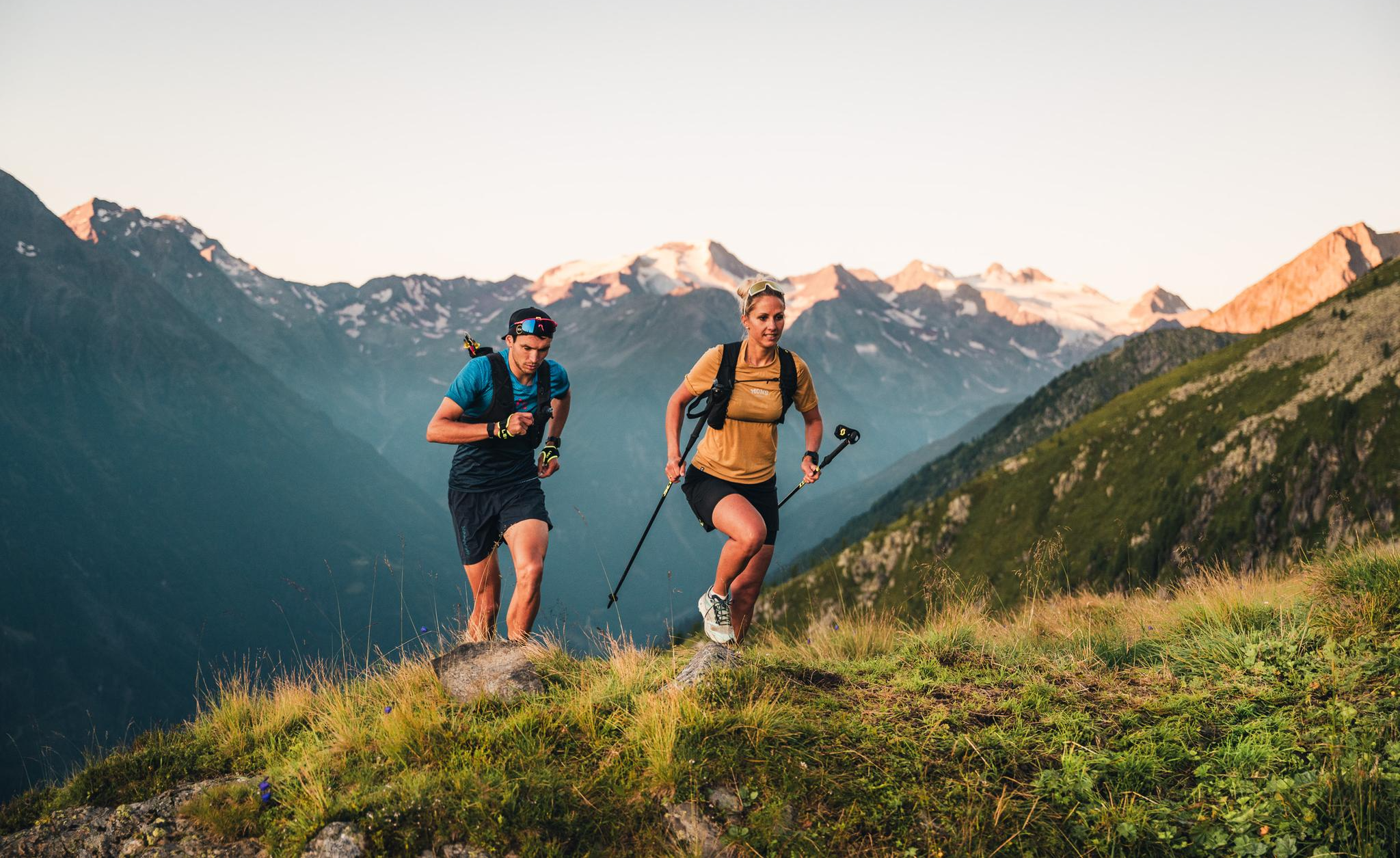
STUBAI ULTRATRAIL 2026
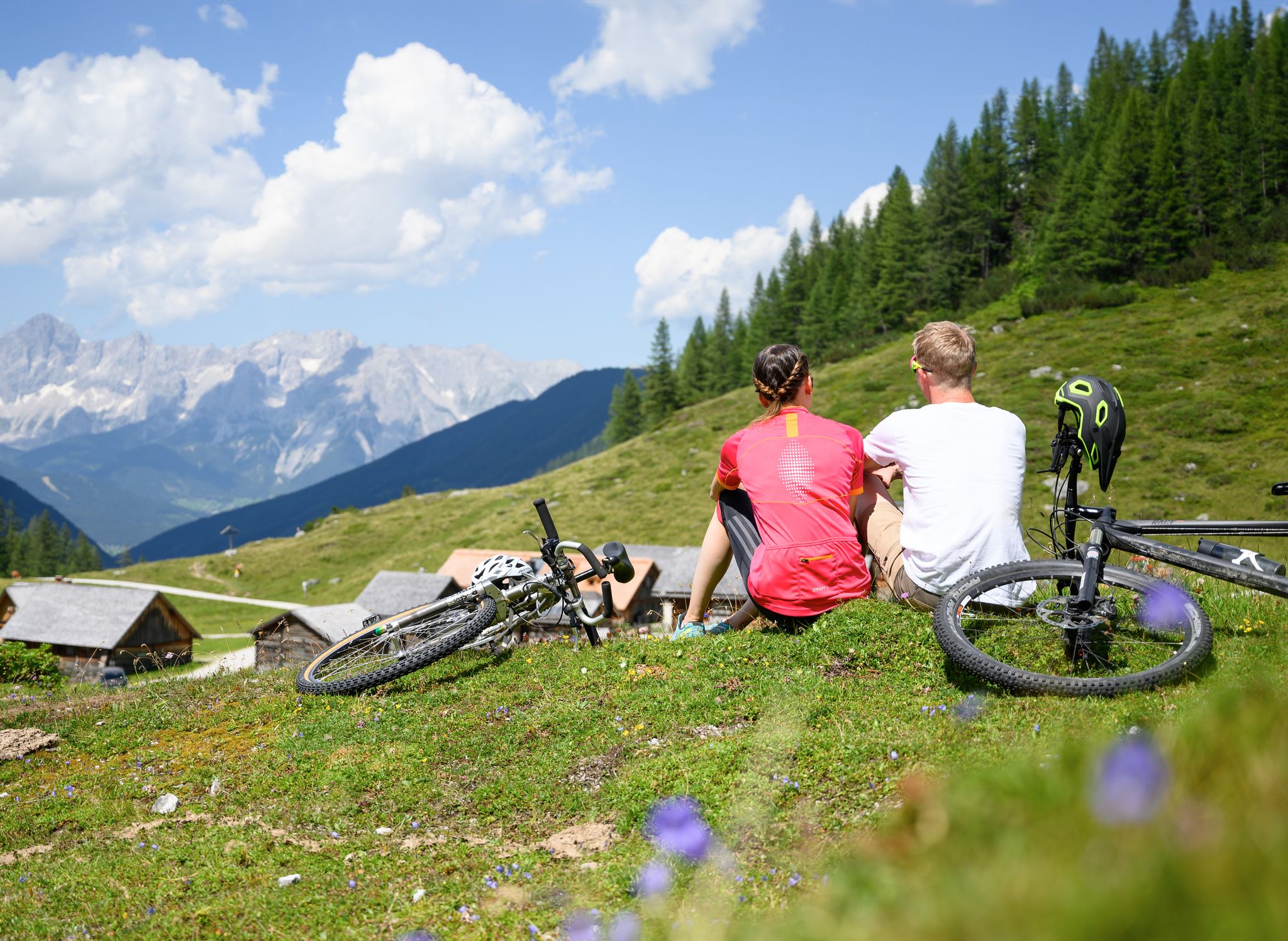
Magnificent mountain biking on Austria's alpine pastures
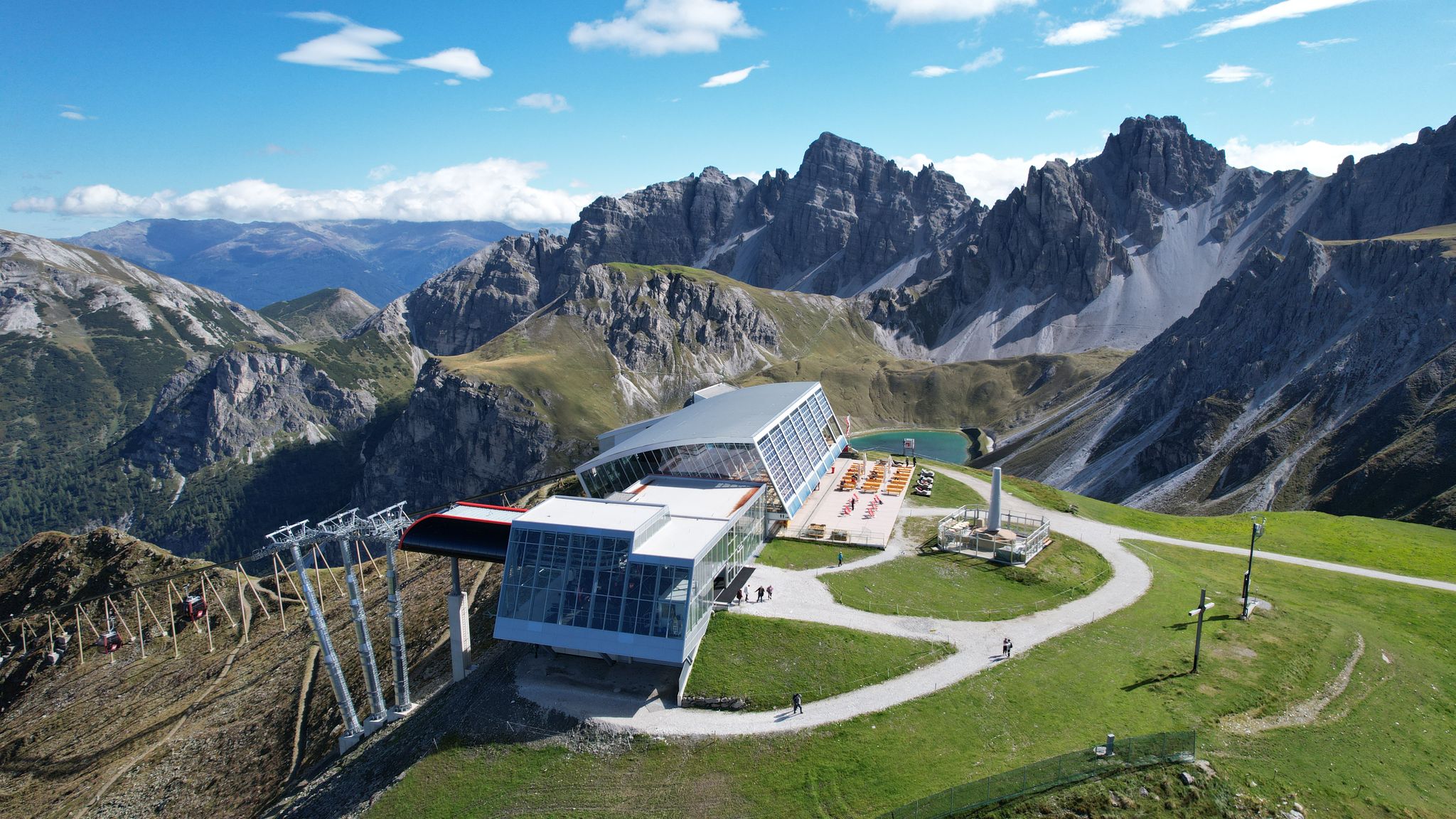
In the ‘Dolomites of North Tyrol’ – hiking in Axamer Lizum
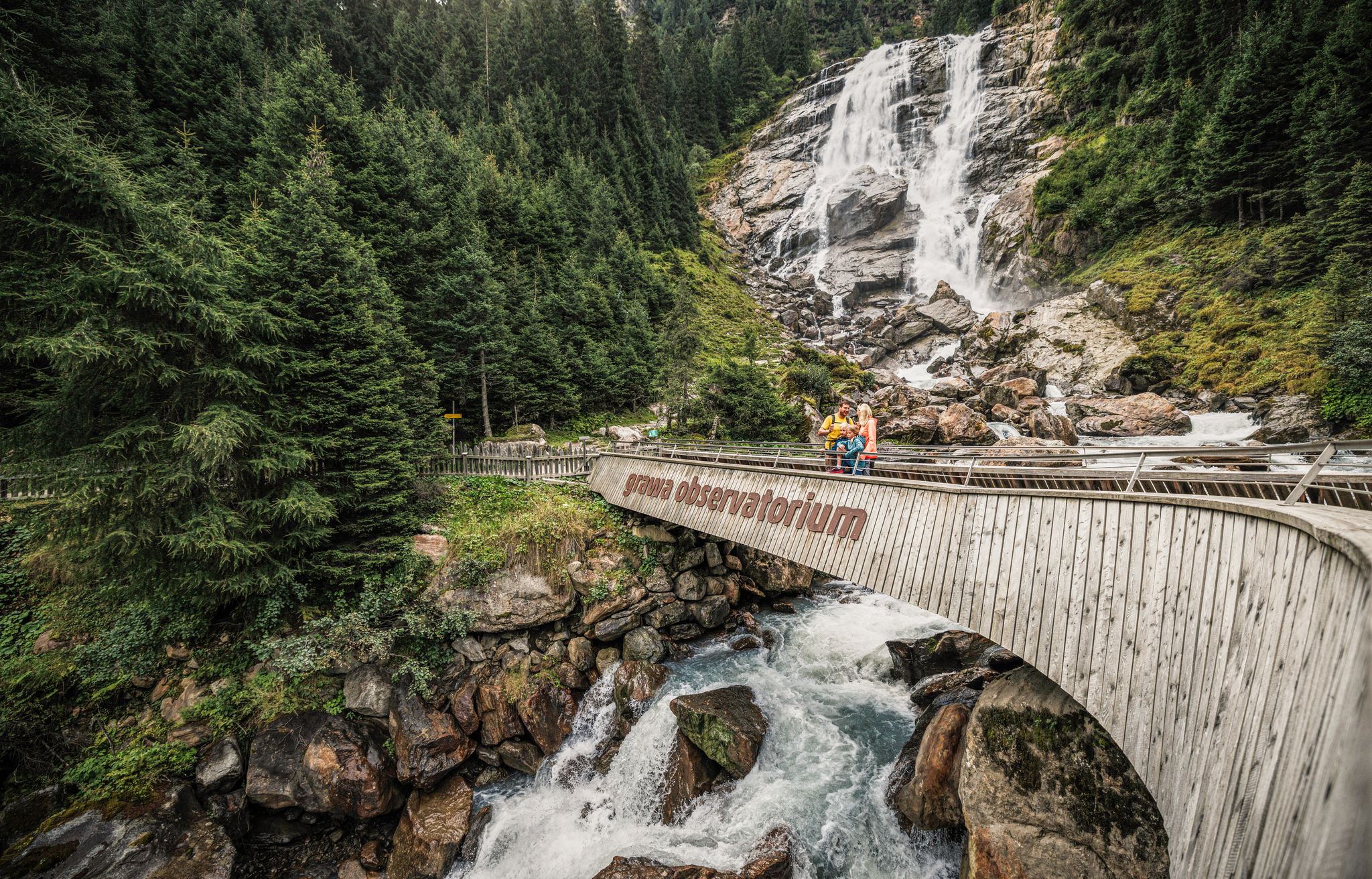
Wild water hiking in Austria – WildeWasserWeg
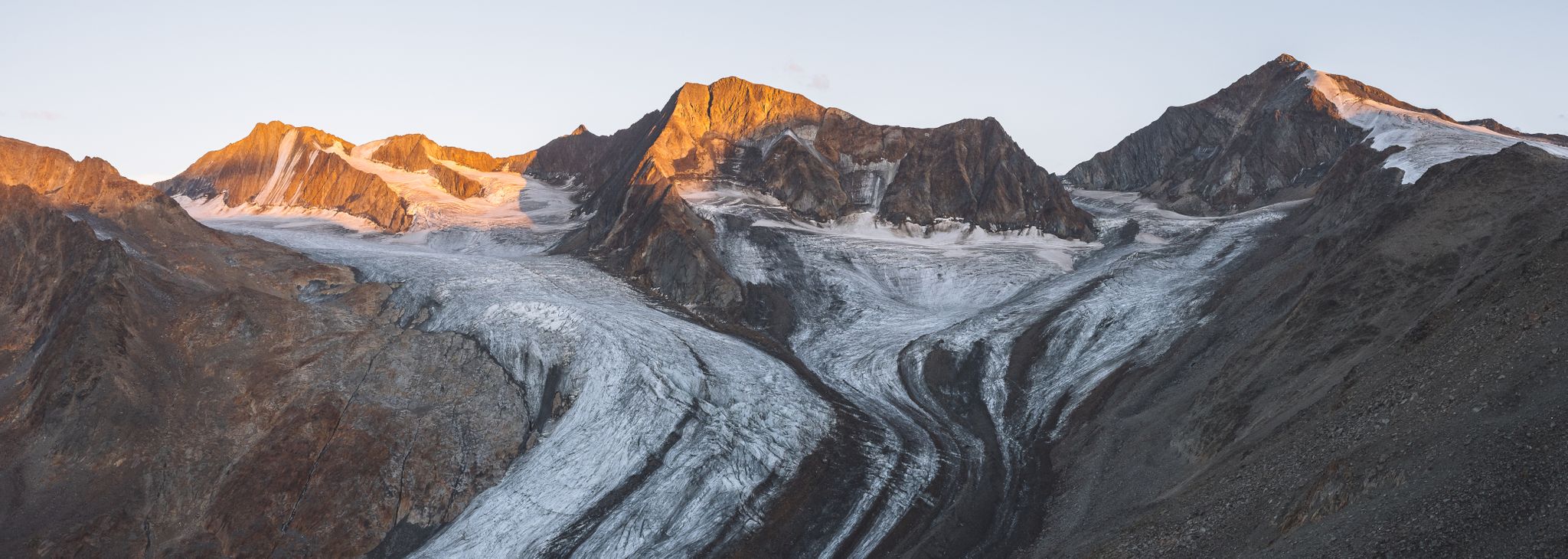
Hikes to the melting giants of the Alps – glaciers
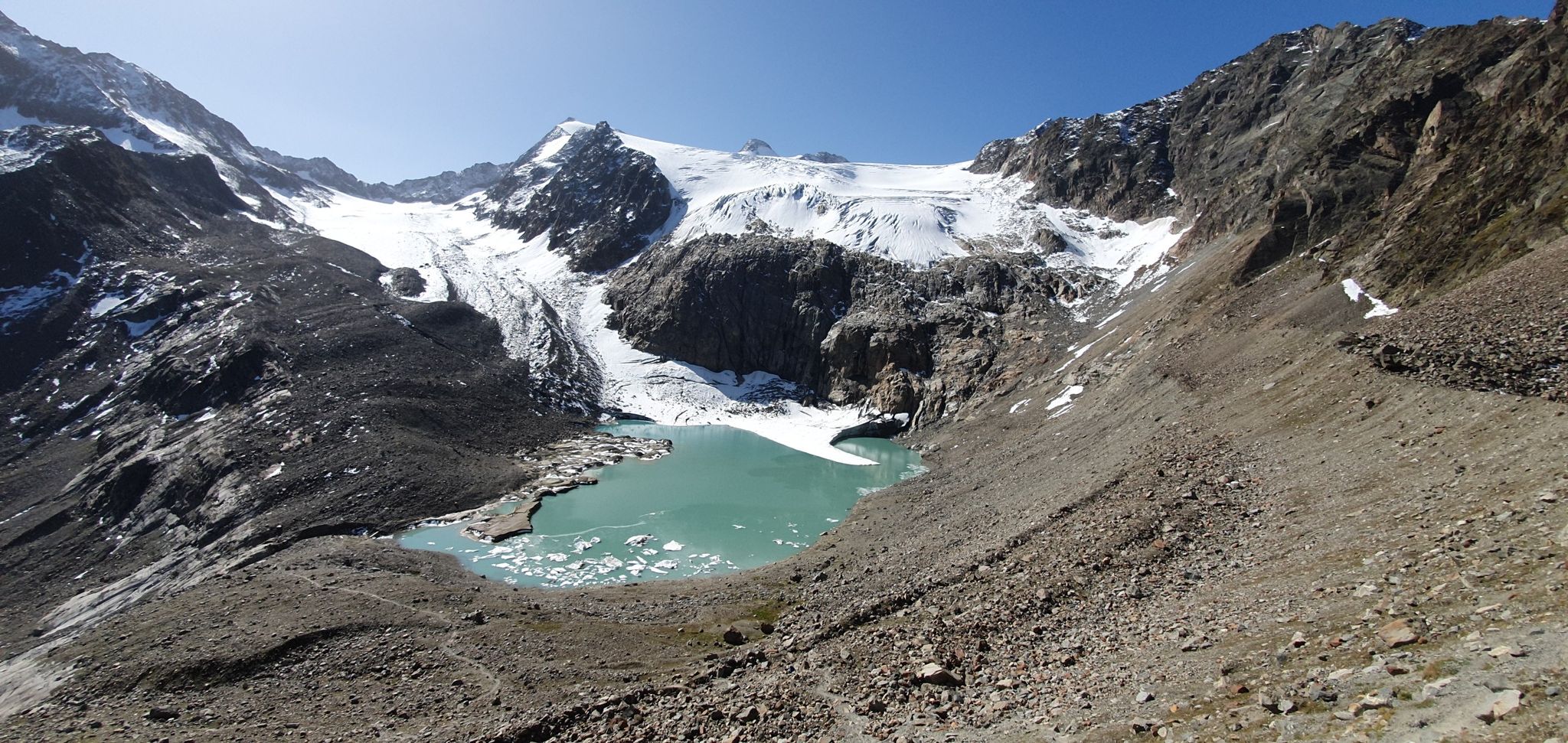
Stubai Alps Crossing – 10 days of pure adventure
Lower Austria to Carinthia — our favourite huts in Austria
Bike paradise in Stubaital — the 10 most beautiful mountain bike rides
Other adventures in the Stubaital


Tips from the Community


The waterfall is still very gigantic now in spring.
1
0

Also worth seeing in winter.
0
0


Beautiful reservoir with loungers and other seating options. It's a great place to linger and take a break.
2
0
Very nice, easy hiking trail. The entire first section was designed so that it is easy to walk with a stroller and for older hikers. Wheelchair users can also manage the trail with help. From the viewing platforms and bridges you can watch the waterfalls and rapids from the unbridled power of the water. There are also rest stops along the trail. At the exit of the cataract you come to the rustic Tschangelair Alm. Here you have the opportunity to take a short rest before heading to the end of the first stage.
2
1

Also a place that should be seen.
2
0

Simply a dream, I can only recommend it
2
1
Frequently Asked Questions
What are some unique geological formations to explore in the Stubaital?
The Stubaital offers fascinating geological sites. The Elfer Gratzengrübl on Neustift's local mountain showcases a striking meeting point of rugged limestone towers and prehistoric crystalline rock. Another notable formation is the Gespaltener Stein (Split Rock) in the Pinnistal Valley, a massive dolomite boulder split in two, illustrating ancient geological forces.
Which natural monuments in the Stubaital are particularly family-friendly?
Several natural monuments are great for families. The View of the Grawa Waterfall is easily accessible with panoramic platforms. The Wild Water Trail – Ruetz Cataract and the Ruetz Waterfall are also part of the popular WildWaterTrail, offering refreshing experiences. Additionally, the Panorama Lake Schlick and the Elfer Walkable Sundial are noted as family-friendly.
Where can I experience the power of water in the Stubaital?
The Stubaital is renowned for its powerful water features. The Grawa Waterfall is the widest in the Eastern Alps, cascading dramatically. The Ruetz Cataract and Ruetz Waterfall showcase the raw force of the Ruetz River as it carves through narrow gorges. These are all part of the WildWaterPark and WildWaterTrail.
Are there any high alpine lakes that are considered natural monuments in the Stubaital?
Yes, the Stubaital is dotted with crystal-clear mountain lakes. While specific lakes like Blaue Lacke, Mutterberger See, and Grünausee are known for their beauty, the Panorama Lake Schlick is a notable natural monument offering idyllic scenery and opportunities for relaxation.
What kind of unique ecosystems can be found among the natural monuments?
Beyond waterfalls and rock formations, the Stubaital also features mysterious high alpine moors. These unique and ecologically valuable landscapes offer a chance to discover specific local flora and fauna, providing a different perspective on the valley's natural beauty.
What are the options for hiking and outdoor activities near the natural monuments in the Stubaital?
The Stubaital offers a wide range of outdoor activities. You can explore various hiking trails, including those along the WildWaterTrail which connects many natural monuments. For more specific routes, consider the Waterfall hikes in the Stubaital guide. Mountain biking is also popular, with routes like the 'Split Rock and Stone Figures – View of Stubai Valley loop' mentioned in the MTB Trails in the Stubaital guide. Road cycling routes are also available, such as those found in the Road Cycling Routes in the Stubaital guide.
What do visitors enjoy most about the natural monuments in the Stubaital?
Visitors frequently praise the impressive natural spectacles and the refreshing atmosphere. For instance, at the Grawa Waterfall, people enjoy chilling on the viewing platform and observing the powerful water volumes, often showered by the soothing mist. The Wild Water Trail – Ruetz Cataract is described as a wonderful and varied hike along the ever-changing Ruetz River.
Are there any challenging natural monuments for experienced hikers?
Yes, for experienced hikers seeking a challenge, the Stubaital offers several demanding natural monuments. The Serles Summit is a challenging climb with steel cables and a ladder near the top, rewarding with tremendous views. The Zuckerhütl Summit also presents a challenging ascent for those seeking high alpine experiences.
What is the best time to visit the Grawa Waterfall?
The Grawa Waterfall is impressive year-round, but its appearance changes significantly with water levels. It becomes a particularly powerful spectacle during snowmelt in early summer and after heavy rainfall. In winter, it transforms into an attraction for ice climbers and spectators.
Can I find places to rest or eat near the natural monuments?
Yes, for example, near the Grawa Waterfall, the Grawa Alm hut is a popular spot. While the Tschangelair Alm is not a natural monument itself, it's a scenic stop along the WildeWasserWeg, renowned for its regional cuisine and traditional alpine setting, offering a charming place to rest and eat amidst the natural beauty.
Are there any natural monuments that offer extensive panoramic views?
Many natural monuments in the Stubaital provide breathtaking panoramic views. The Hoher Burgstall summit offers extensive vistas and is relatively accessible. The Serles Summit provides a tremendous view of the Stubai Valley, Wipptal, and Innsbruck. Even the Grawa Waterfall has panoramic platforms for close-up views of the cascading water and surrounding landscape.
What is the Sulzenaubach High Valley and what makes it a natural monument?
The Sulzenaubach High Valley is recognized as a natural monument for its pristine river landscape, meadows, and often features smaller waterfalls within its valley. It offers a serene and picturesque environment, showcasing the natural beauty of the Stubai Alps.
Most popular routes in the Stubaital
Most popular attractions in the Stubaital

Get inspired with the komoot mobile app


Didn’t find what you were looking for?
Find even more amazing natural monuments in the Stubaital by checking out the top Highlights region by region:
Explore more
Extend your search for the best caves by checking out these guides of the top ones in the Stubaital:
