Top 20 Natural Monuments in Landkreis Bad Kissingen
Best natural monuments in Landkreis Bad Kissingen are found within Lower Franconia, a region characterized by its diverse natural landscape, including river valleys, forested hills, and geological formations. The area features a variety of protected natural sites, from ancient trees to unique rock formations and significant natural areas. These monuments offer opportunities for recreation and insight into the region's ecological and geological heritage. Landkreis Bad Kissingen is part of the Rhön Biosphere Reserve, further highlighting its natural significance.
Best natural…
Last updated: July 7, 2026
in the rose garden
Highlight • Natural Monument
Translated by Google •
Tip by

Franconian Saale Riverside Cycle Path
Highlight (Segment) • Cycleway
One was not welcome in the Hurzfurt, the section across the street was very ugly and dangerous on top of that. …
Translated by Google •
Tip by

Sign up now to discover places like this
Get recommendations on the best single tracks, peaks, & plenty of other exciting outdoor places.
Sign up for free
Bad Kissingen spa gardens
Highlight • Monument
the spa garden, the rose garden and the Luitpoldpark.
Translated by Google •
Tip by
Basalt Lake Tintenfass
Highlight • Lake
Translated by Google •
Tip by

Fountain in the Rosengarten, Bad Kissingen
Highlight • Natural Monument
Translated by Google •
Tip by

Platzer Kuppe summit
Highlight • Summit
Translated by Google •
Tip by

Bad Brückenau Spa Park
Highlight • Natural Monument
Translated by Google •
Tip by

Kaskadentalbach (Ilgenbach)
Highlight (Segment) • River
Translated by Google •
Tip by

Wichtelhöhlen Rock Formations
Highlight • Natural Monument
Translated by Google •
Tip by

Basalt Lake Stangenroth
Highlight • Lake
Translated by Google •
Tip by

Sign up for free to discover even more natural monuments in Landkreis Bad Kissingen.
Sign up for free
Already have an account?
Start today with a free account
Your next adventure awaits.
Login or Signup
Popular around Landkreis Bad Kissingen
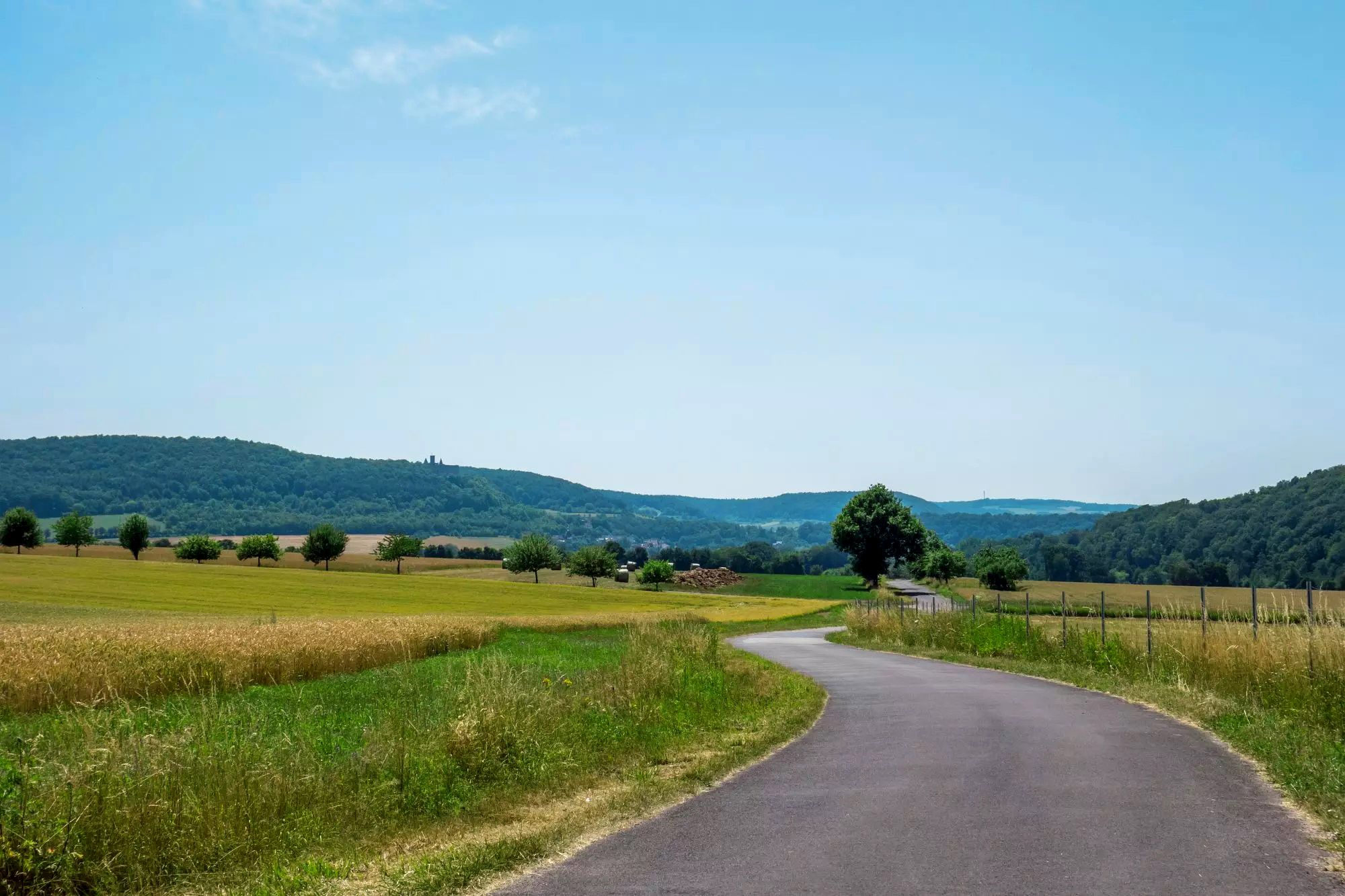
Rhön Cycleway in Germany – Cycling in the Land of Open Distances
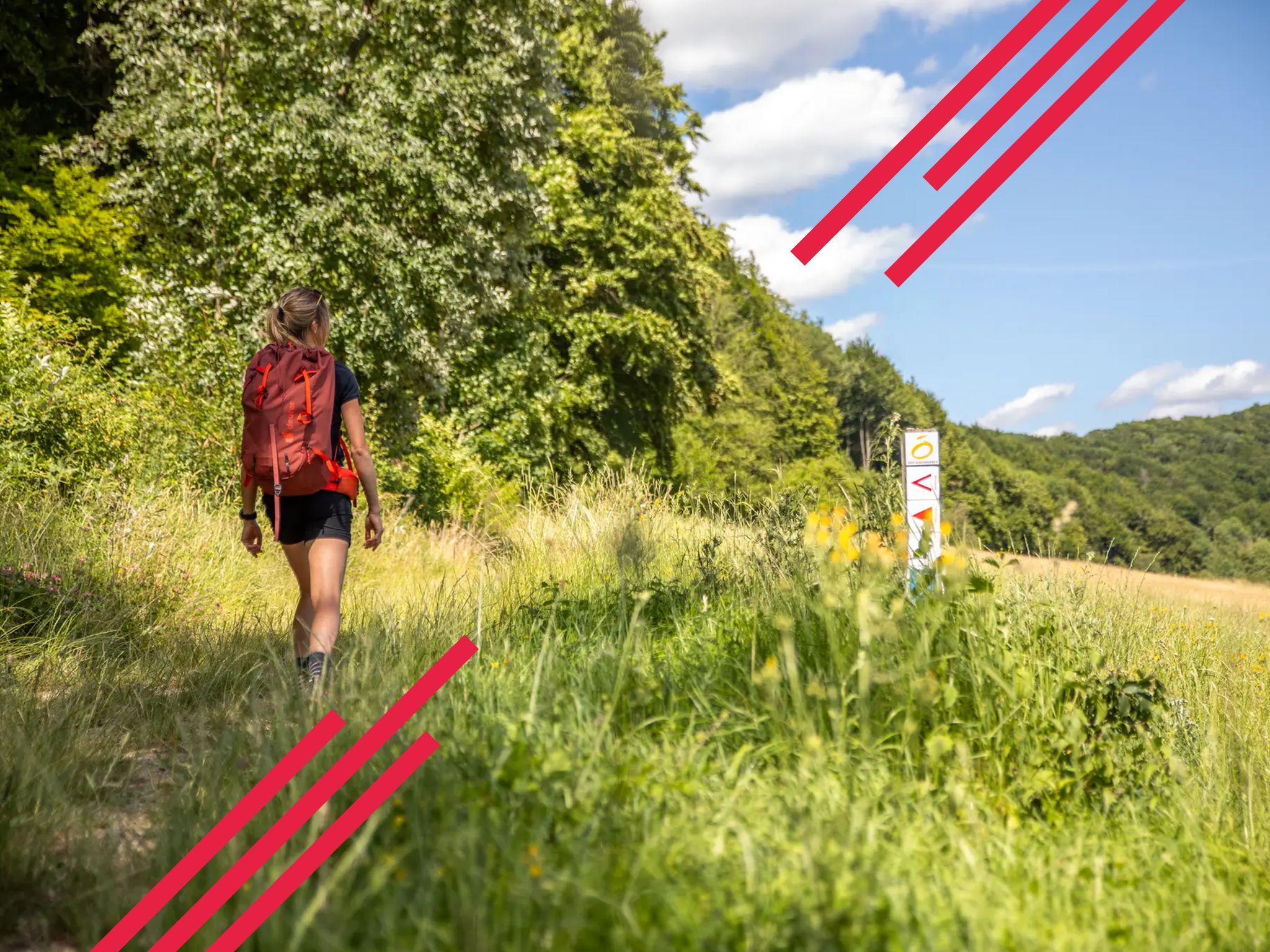
Stages of the HOCHRHÖNER Premium Hiking Trail
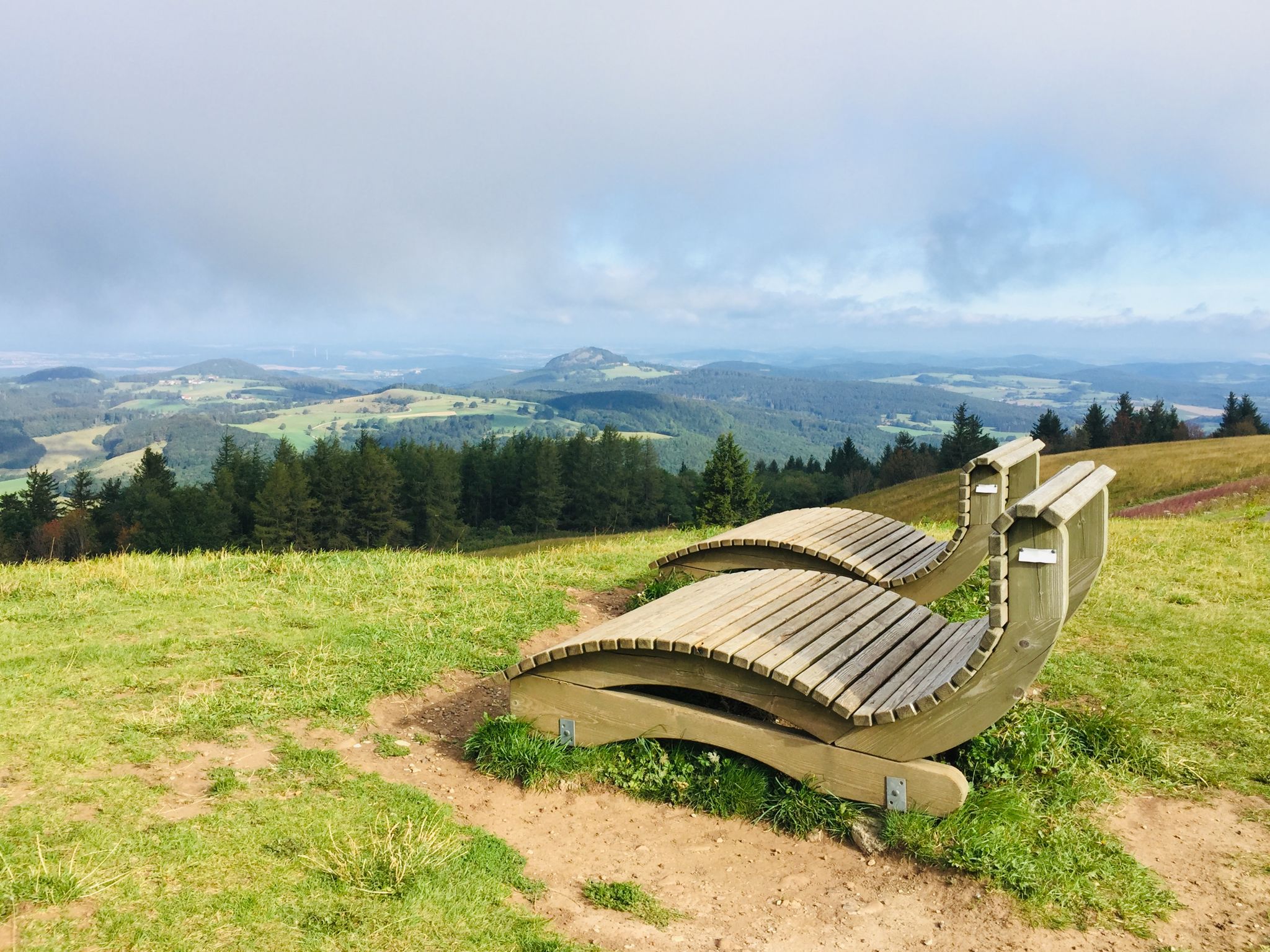
The National Natural Landscapes in Hessen
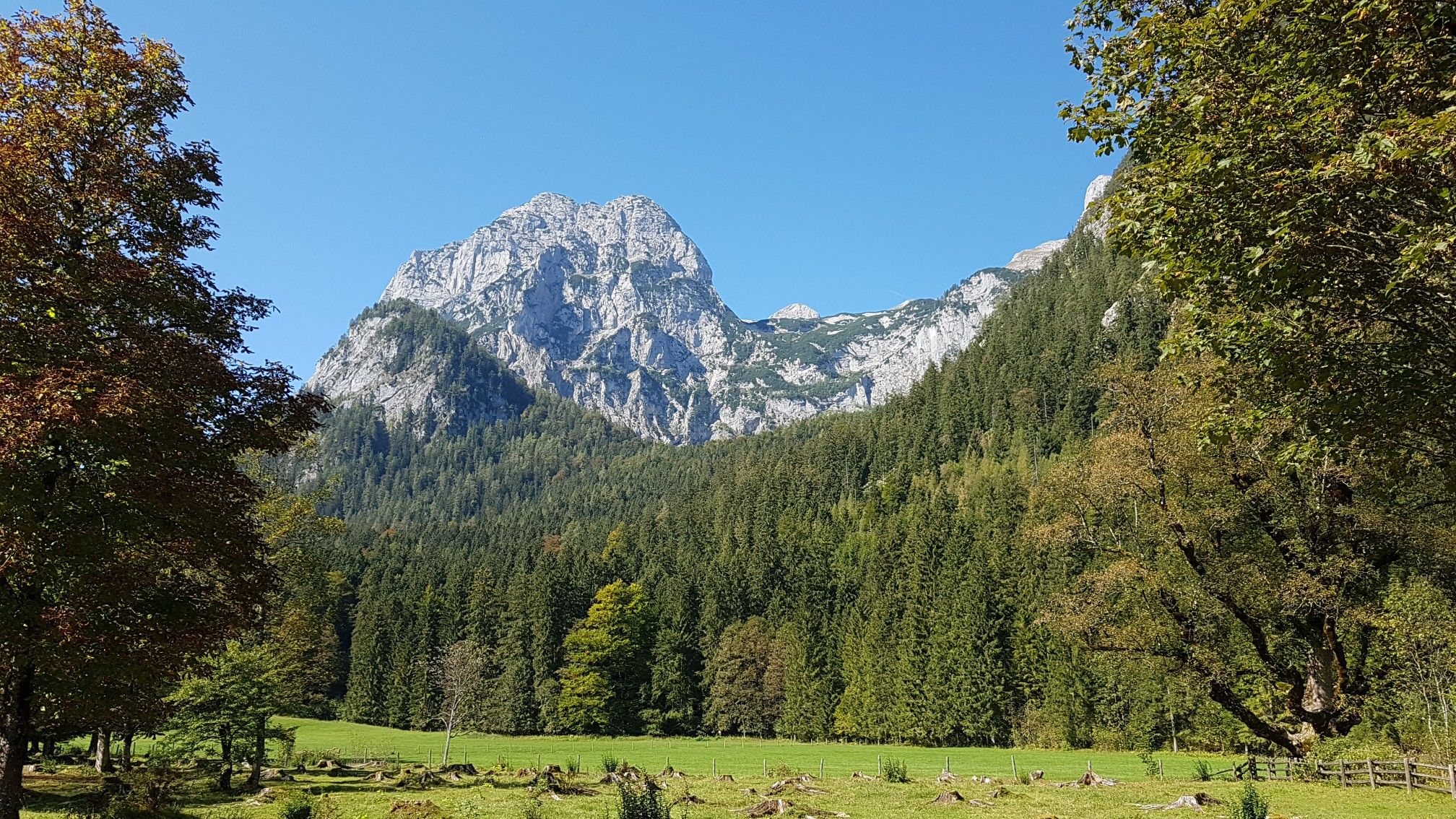
The National Natural Landscapes in Bavaria
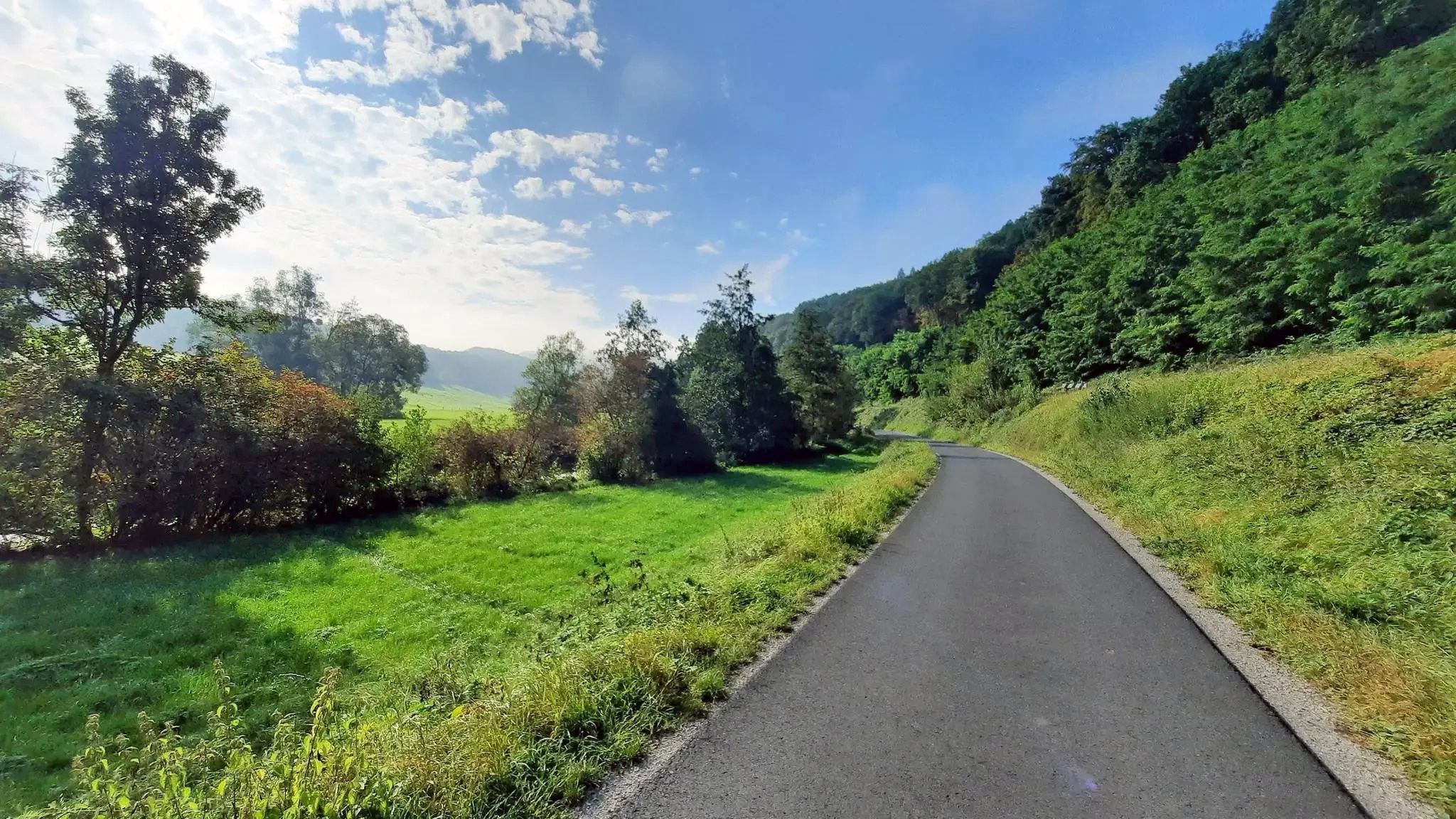
Ride from Grabfeld to the Main in Germany – Franconian Saale Cycle Route
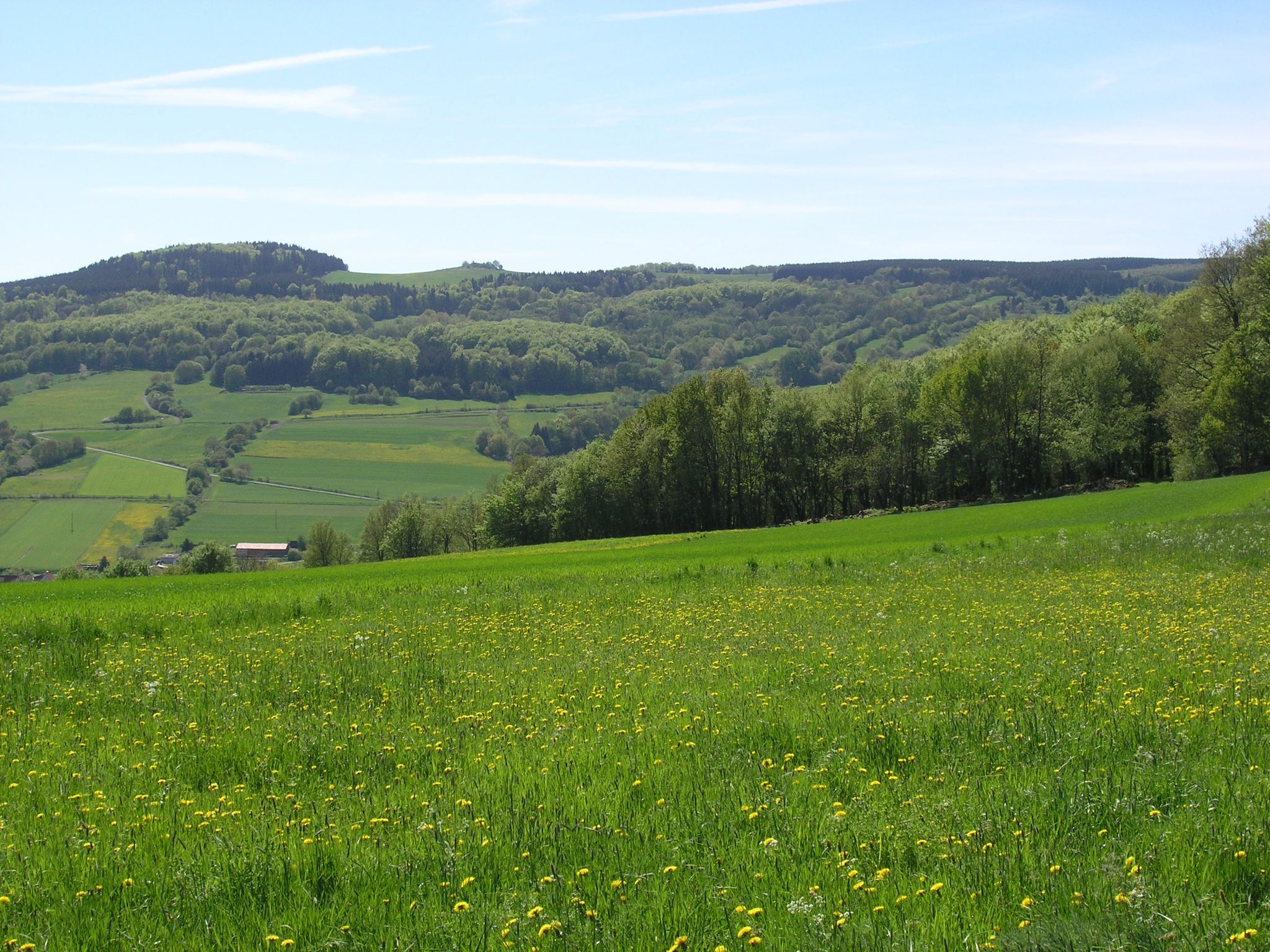
Extra tours South - Excellent premium hiking trails of the Rhön
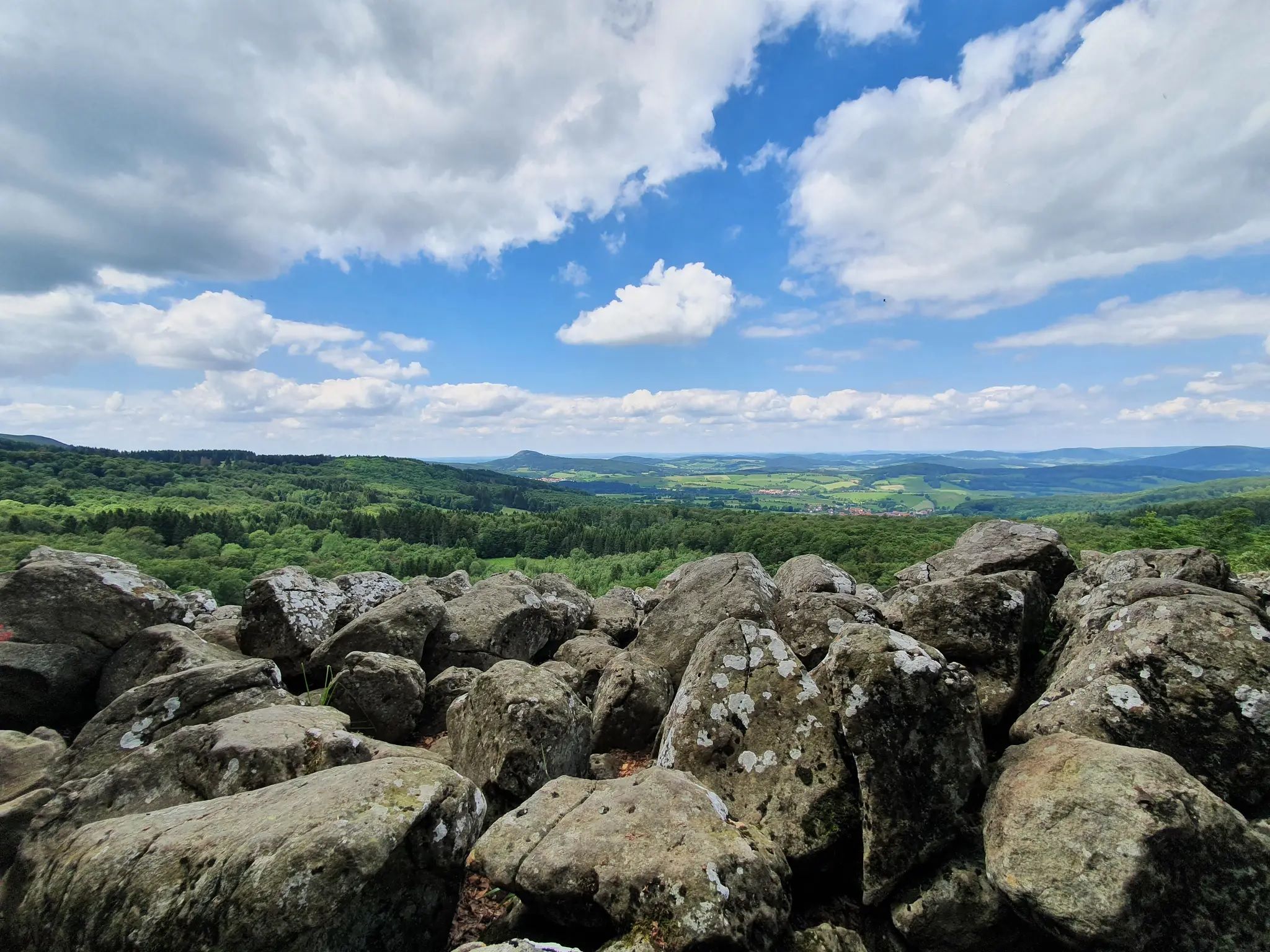
Discover Rhön - Half-day tours through the biosphere reserve
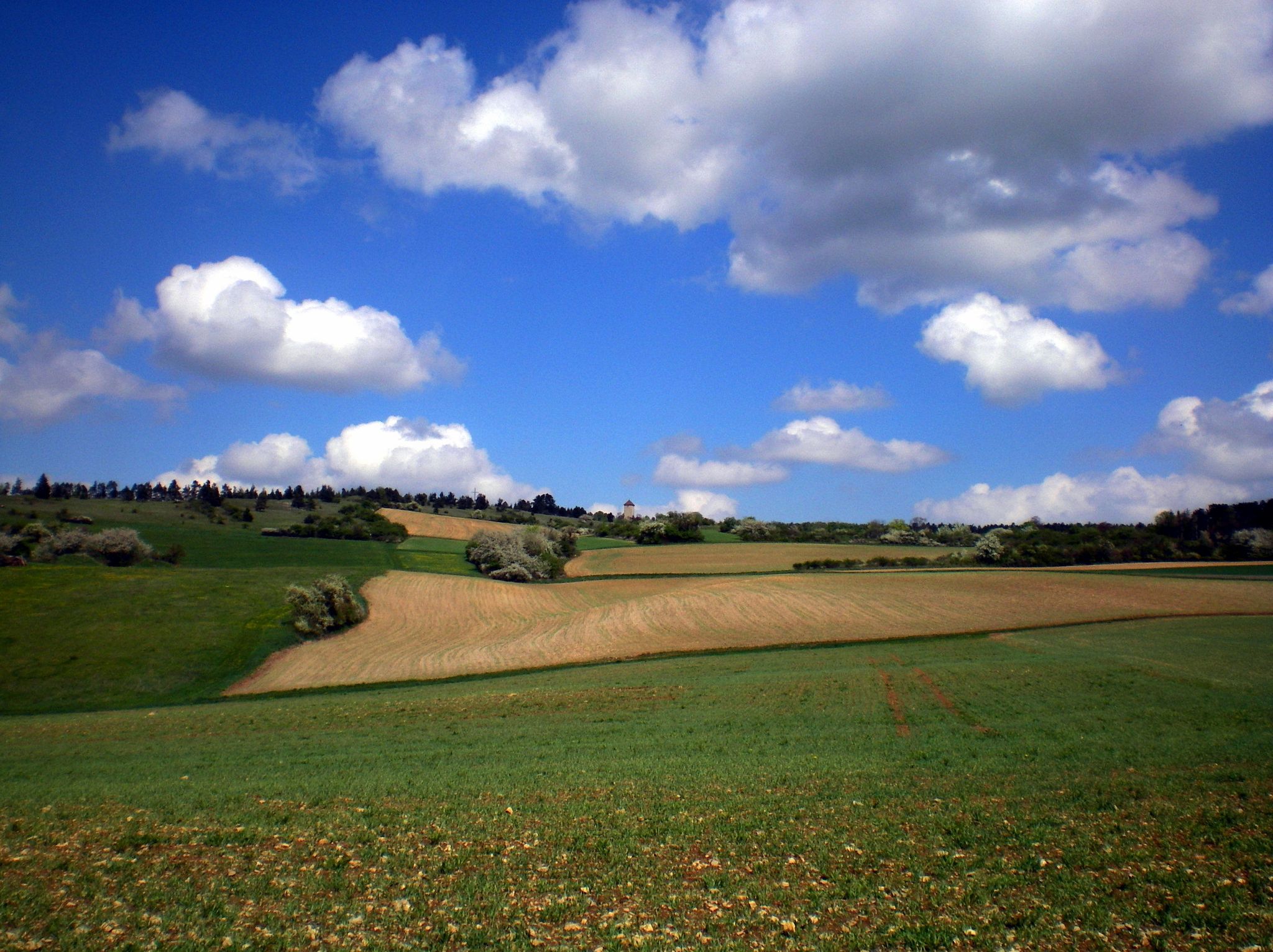
Naturlehrpfade – Natur und Wissen
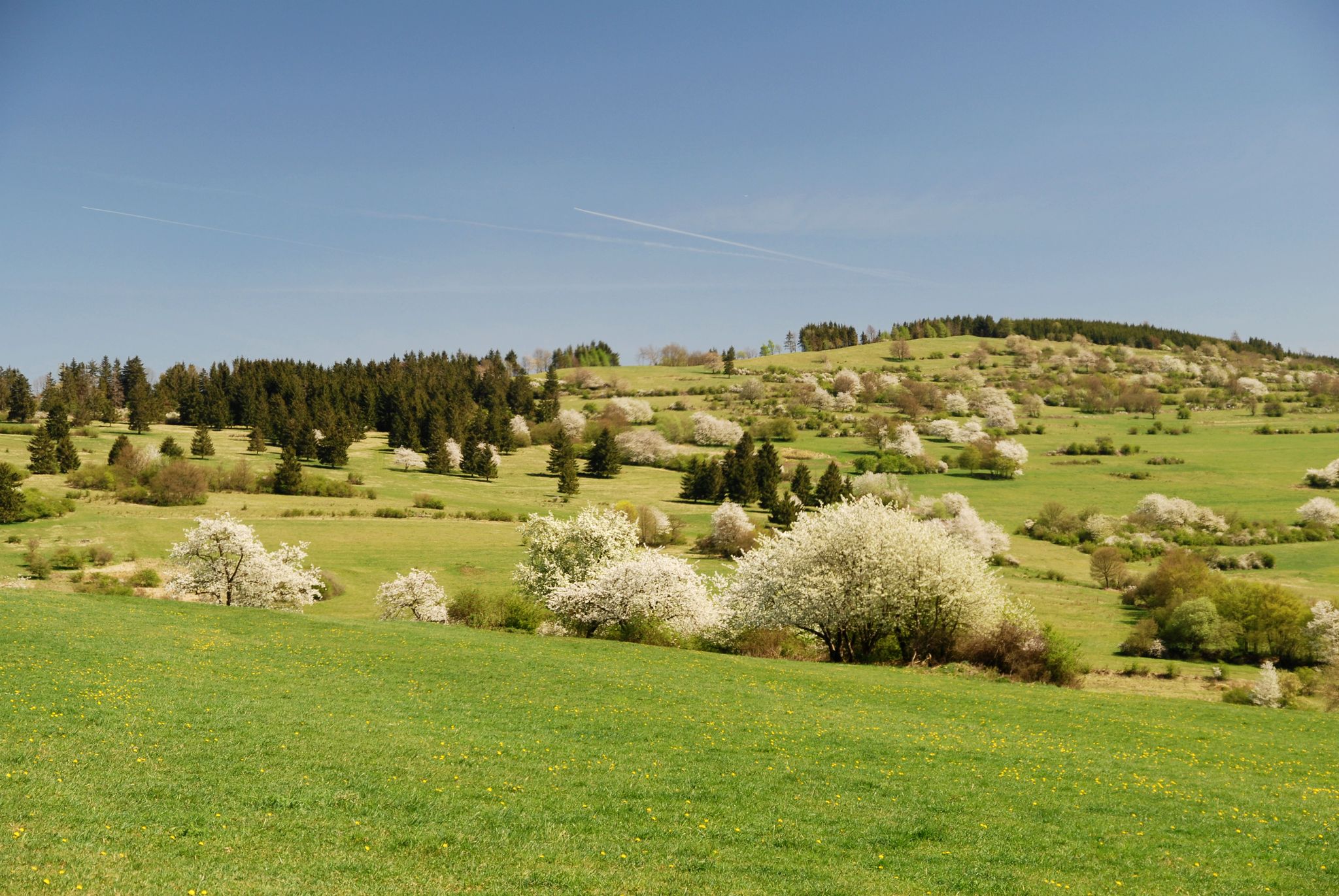
Extra tours North - excellent premium hiking trails of Rhön
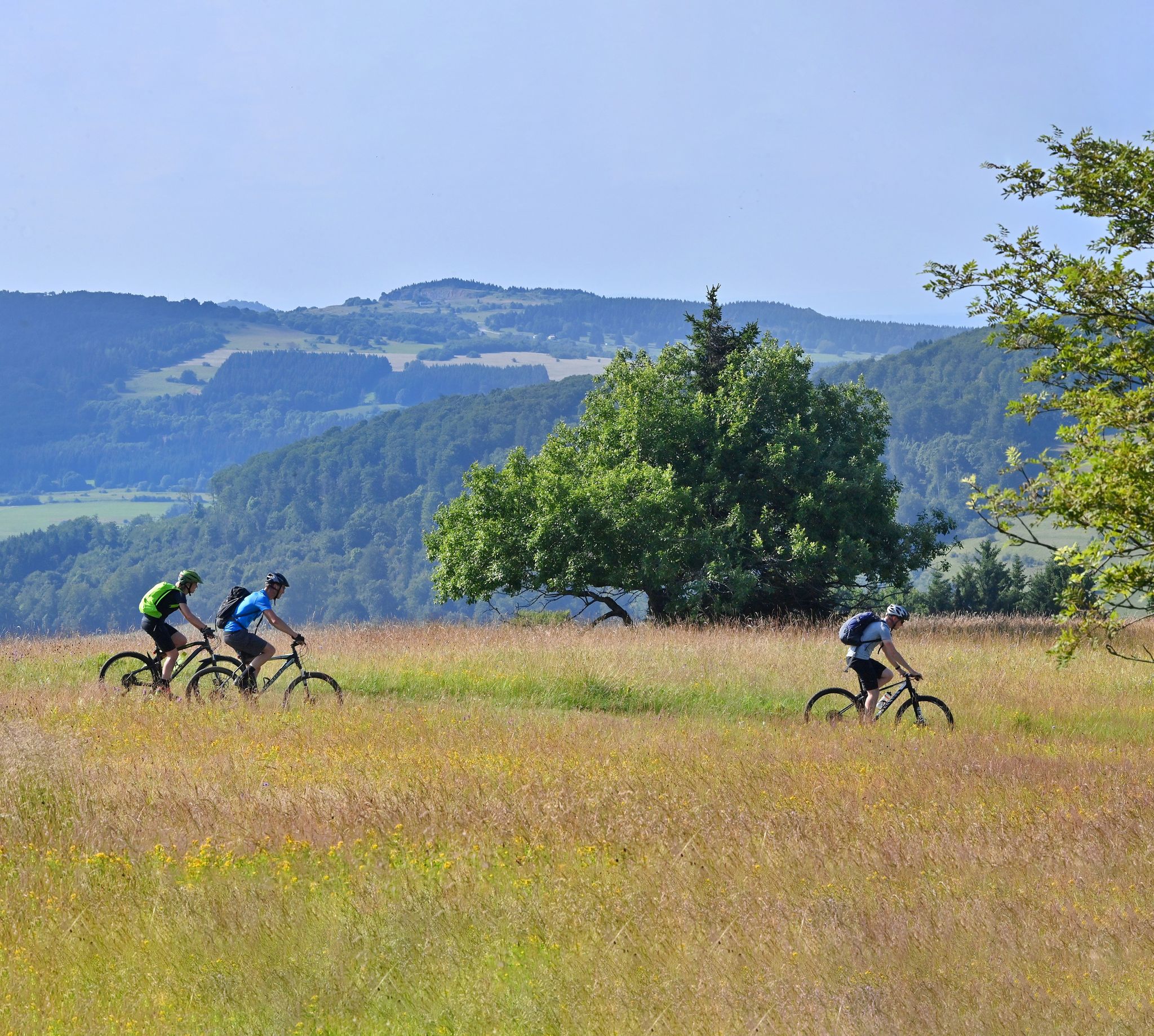
Mountain bike routes in the Rhön
Other adventures in Landkreis Bad Kissingen


Tips from the Community

The Wichtelhöhlen (Gnome Caves) near Bad Kissingen are an impressive rock formation made of red sandstone, created by erosion. It's especially lovely to take a few minutes to explore the winding caves and crevices up close. The place has a mystical quality and invites you to linger for a while. The Wichtelhöhle (Gnome Cave) is also a little adventure for children, as there's so much to discover.
8
0
At the Wichtelhöhlenhütte (Witch Cave Hut), there's a lovely seating area with benches, perfect for a short rest. If you take your time, you can not only enjoy the view of the rock formations, but with a little luck, you might also hear the birds chirping in the quiet forest. Ideal for a quick break with provisions before continuing on.
7
0

Very well maintained and sophisticated looking facility, worthwhile.
7
0

2. Today's plantings are based on the structure of the historical model in terms of new planting and care. The chestnut trees on the avenue are cut strictly in a box shape, and the lime tree arcade below the Fürstenhof also corresponds to the historical specifications. Old and rare trees can be admired in the park, including a "thousand-year-old oak" near the herb garden with a circumference of seven meters[1], as well as the ginkgo tree, the cucumber magnolia and the "oak-leaved hornbeam" (a mutation). Around 60 tree species are listed in the tree register created in 1992. Source:https://de.m.wikipedia.org/wiki/Staatsbad_Br%C3%BCckenau
11
0
1. In 1747, the Ticino Andrea Gallasini, court architect to the Prince Abbots of Fulda, designed a strictly symmetrically arranged garden, the main feature of which was the central axis, which still extends across the state spa today. Over the course of time, additions were made to the building ensemble, particularly by King Ludwig I. This also involved enlargements of the gardens. The baroque gardens were partially converted into an English garden. Despite many changing garden trends, the structure has been preserved to this day and is a defining feature of the park. In contrast to the unspoiled nature of the surrounding meadows and forests, it gives the ensemble a special charm. Source:https://de.m.wikipedia.org/wiki/Staatsbad_Br%C3%BCckenau
12
0

The origins of the spa park (more correctly the castle park) go back to the designs of the court architect Andrea Gallasini. According to these plans, a French garden was created between 1747 and 1749 for the prince abbots/prince-bishops of Fulda. After the dissolution of the Fulda monastery and the new borders during and after the Napoleonic era, the Brückenau office became part of the Kingdom of Bavaria in 1816. The Bavarian King Ludwig I, who reigned until 1848, used the site as a summer residence. During this time, numerous buildings flanking the park were built, such as the Kursaal building and the Badhotel.
6
0

For me it is always fascinating to look into the Grater.
6
2

Wonderful view from the Platzer Kuppe! There are many rest benches here to enjoy the view.
14
0
Frequently Asked Questions
What are some of the most popular natural monuments in Landkreis Bad Kissingen?
Visitors frequently enjoy the Franconian Saale Riverside Cycle Path, which offers a tranquil setting along the river. Another favorite is the Kaskadentalbach (Ilgenbach), a stream flowing through a romantic valley. The Sodenberg Basalt Crater is also highly rated for its geological insights and views.
Are there family-friendly natural monuments in the region?
Yes, several natural monuments are suitable for families. The Franconian Saale Riverside Cycle Path is excellent for leisurely walks or bike rides. The Kaskadentalbach (Ilgenbach) offers a playful stream where children can cool their feet. The Basalt Lake Tintenfass and Platzer Kuppe summit are also noted as family-friendly spots.
Which natural monuments are easily accessible or wheelchair-friendly?
The Rose Garden in Bad Kissingen and the Bad Brückenau Spa Park are both noted as wheelchair-accessible. These locations offer paved paths and facilities, making them enjoyable for a wider range of visitors.
What kind of geological features can I explore in Landkreis Bad Kissingen?
The region is rich in geological history. You can visit the Sodenberg Basalt Crater, a former basalt quarry offering insights into the area's volcanic past. The Wichtelhöhlen Rock Formations, southwest of Bad Kissingen, showcase unique sandstone structures and cavities, providing a glimpse into Earth's formation.
Are there opportunities for walking or hiking near these natural monuments?
Absolutely. The Cascade Valley features an 8.5 km Nordic walking route. The Franconian Saale river offers idyllic paths perfect for leisurely walks. For more extensive hiking, the region is part of the Rhön Biosphere Reserve, which provides numerous well-signposted trails. You can find more hiking options in the Hiking in Landkreis Bad Kissingen guide.
What kind of wildlife can be observed around the natural monuments?
The diverse landscapes of Landkreis Bad Kissingen, including river valleys, forests, and meadows, provide habitats for various flora and fauna. Along the Franconian Saale, you can observe local wildlife and rare flowers. The Kaskadental also leads to the Klaushof Wildlife Park, offering further opportunities to see animals.
Are there any historical natural monuments or sites with historical significance?
Yes, many natural monuments in the region have historical importance. Ancient trees like the Bildeiche bei Albertshausen, Dreifaltigkeitseiche, and Tausendjährige Eiche bei Reith are cherished for their age and historical significance. The Bad Brückenau Spa Park also features historical buildings and gardens, reflecting its past as a royal summer residence.
What outdoor activities can I do near the natural monuments?
Besides walking and hiking, the Franconian Saale Riverside Cycle Path is ideal for cycling. The river itself also offers opportunities for canoeing or boat trips. For runners, there are various routes available, such as those detailed in the Running Trails in Landkreis Bad Kissingen guide.
Are there any natural monuments that offer panoramic views?
Yes, the Platzer Kuppe summit provides excellent vistas. Additionally, the Altenberg, a forested hill near Bad Kissingen, offers splendid views of the town, the Saale valley, and the foothills of the Rhön. The Sodenberg Basalt Crater also offers views from its summit.
What is the best time to visit the natural monuments in Landkreis Bad Kissingen?
The natural monuments can be enjoyed throughout the year. Spring and summer are ideal for lush greenery, blooming flowers, and outdoor activities like cycling and walking. Autumn offers beautiful foliage, while winter can provide a serene experience for those interested in winter hikes, especially in areas like the Rhön Biosphere Reserve.
Can I find circular walks around the natural monuments?
Yes, many areas offer circular walking routes. The Cascade Valley has a Nordic walking route that can be done as a loop. The Rhön Biosphere Reserve, which covers a significant portion of Landkreis Bad Kissingen, is known for its well-signposted hiking trails, many of which are circular. You can explore options in the Hiking in Landkreis Bad Kissingen guide.
Are there any natural monuments that are particularly good for dog owners?
The Platzer Kuppe summit is listed as dog-friendly, offering trails suitable for walks with your pet. Generally, many of the forest paths and riverside trails, such as those along the Franconian Saale, are suitable for dogs, provided they are kept on a leash where required.
Most popular routes in Landkreis Bad Kissingen
Most popular attractions in Landkreis Bad Kissingen

Get inspired with the komoot mobile app


Didn’t find what you were looking for?
Find even more amazing natural monuments in Landkreis Bad Kissingen by checking out the top Highlights region by region:
Explore more
Extend your search for the best caves by checking out these guides of the top ones in Landkreis Bad Kissingen:
