Top 7 Mountain Passes in the Teutoburg Forest
Best mountain passes in the Teutoburg Forest traverse a distinctive low mountain range in Germany, characterized by its diverse natural landscapes and historical significance. The region features strategically important gaps, ridges, and notable geological formations that have served as crucial crossings for centuries. Visitors can explore a blend of natural beauty, historical sites, and unique geological formations, making it a compelling destination for outdoor activities. The area offers well-developed hiking trails and scenic routes through forests and hills.
Best mountain…
Last updated: May 26, 2026
Gauseköte Pass
Highlight • Mountain Pass
The slope is a little gentler from Snakes towards Berlebeck, but of course longer.
Translated by Google •
Tip by

Wittekind Bridge
Highlight • Bridge
Translated by Google •
Tip by

Sign up now to discover places like this
Get recommendations on the best single tracks, peaks, & plenty of other exciting outdoor places.
Sign up for free
Dörenschlucht Pass Through the Teutoburg Forest
Highlight • Mountain Pass
Translated by Google •
Tip by

13 Curves (Brevörde Serpentines)
Highlight • Mountain Pass
Translated by Google •
Tip by

Rehberg Pass (427 m) – Teutoburg Forest / Eggegebirge Nature Park
Highlight (Segment) • Mountain Pass
Translated by Google •
Tip by

Sign up for free to discover even more mountain passes in the Teutoburg Forest.
Sign up for free
Already have an account?
Start today with a free account
Your next adventure awaits.
Login or Signup
Popular around Teutoburg Forest
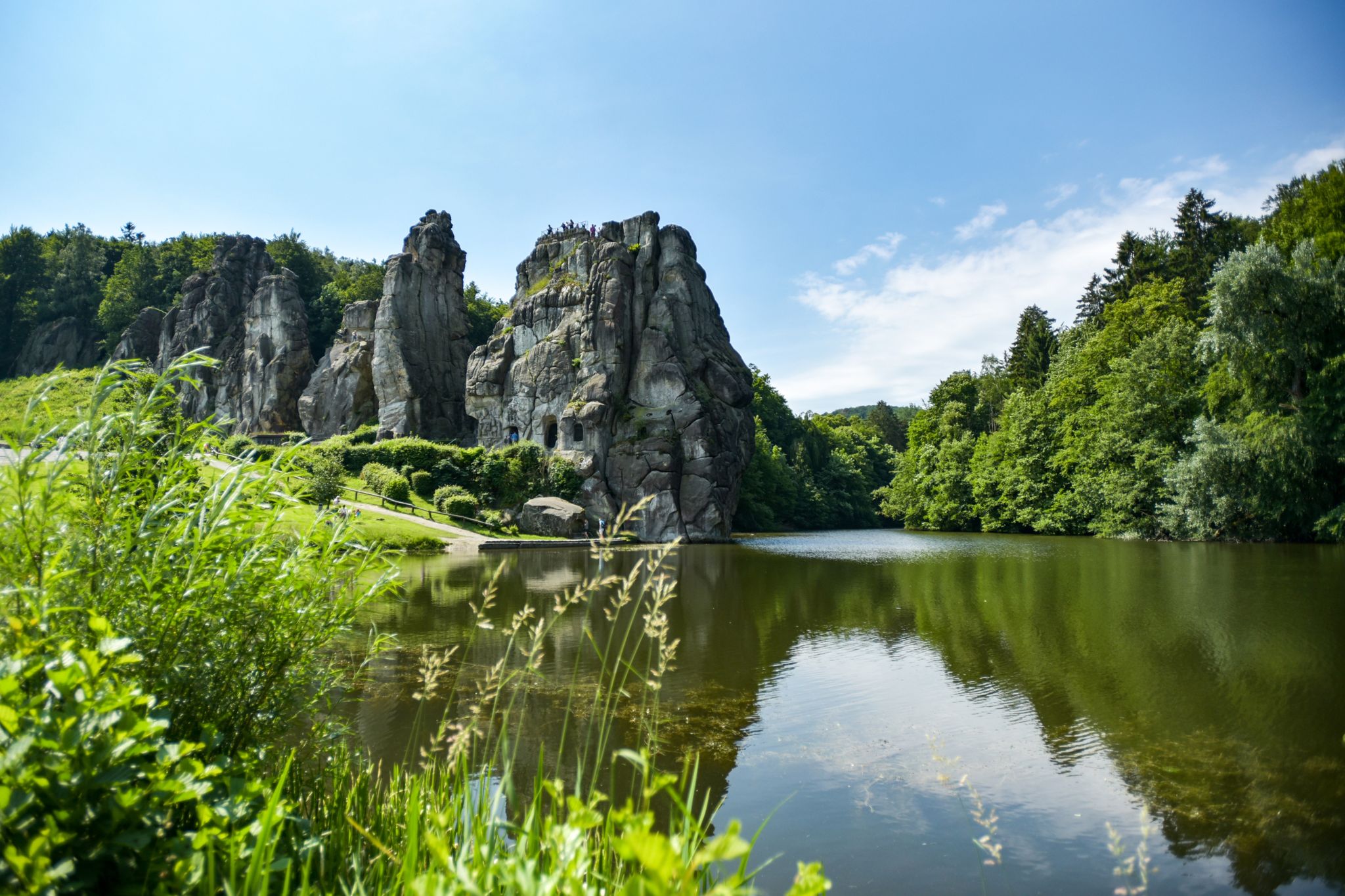
Hiking Germany's Hermannsweg – In the footsteps of the Cheruscan
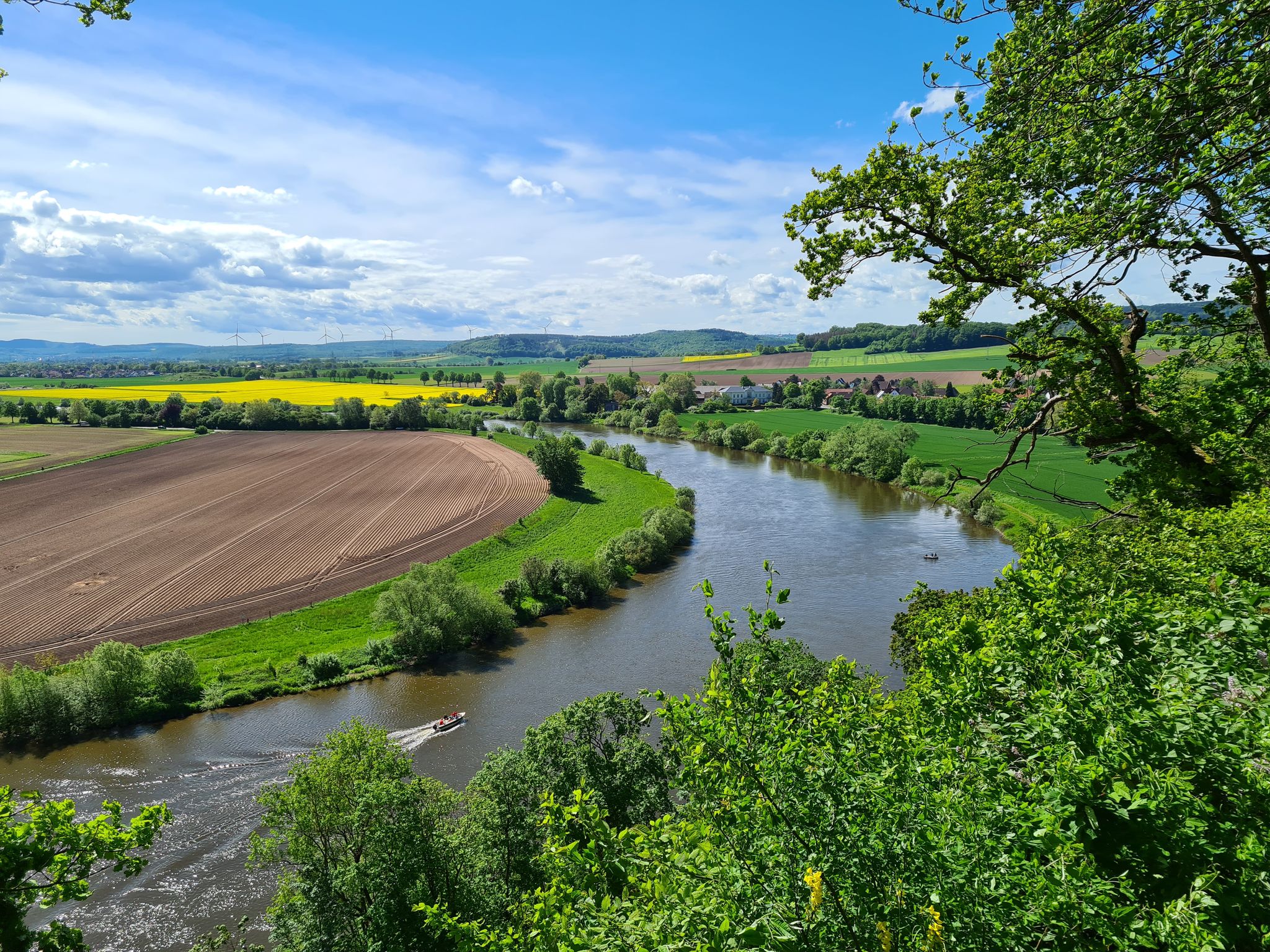
Loccum-Volkenroda pilgrim's way – From monastery to monastery
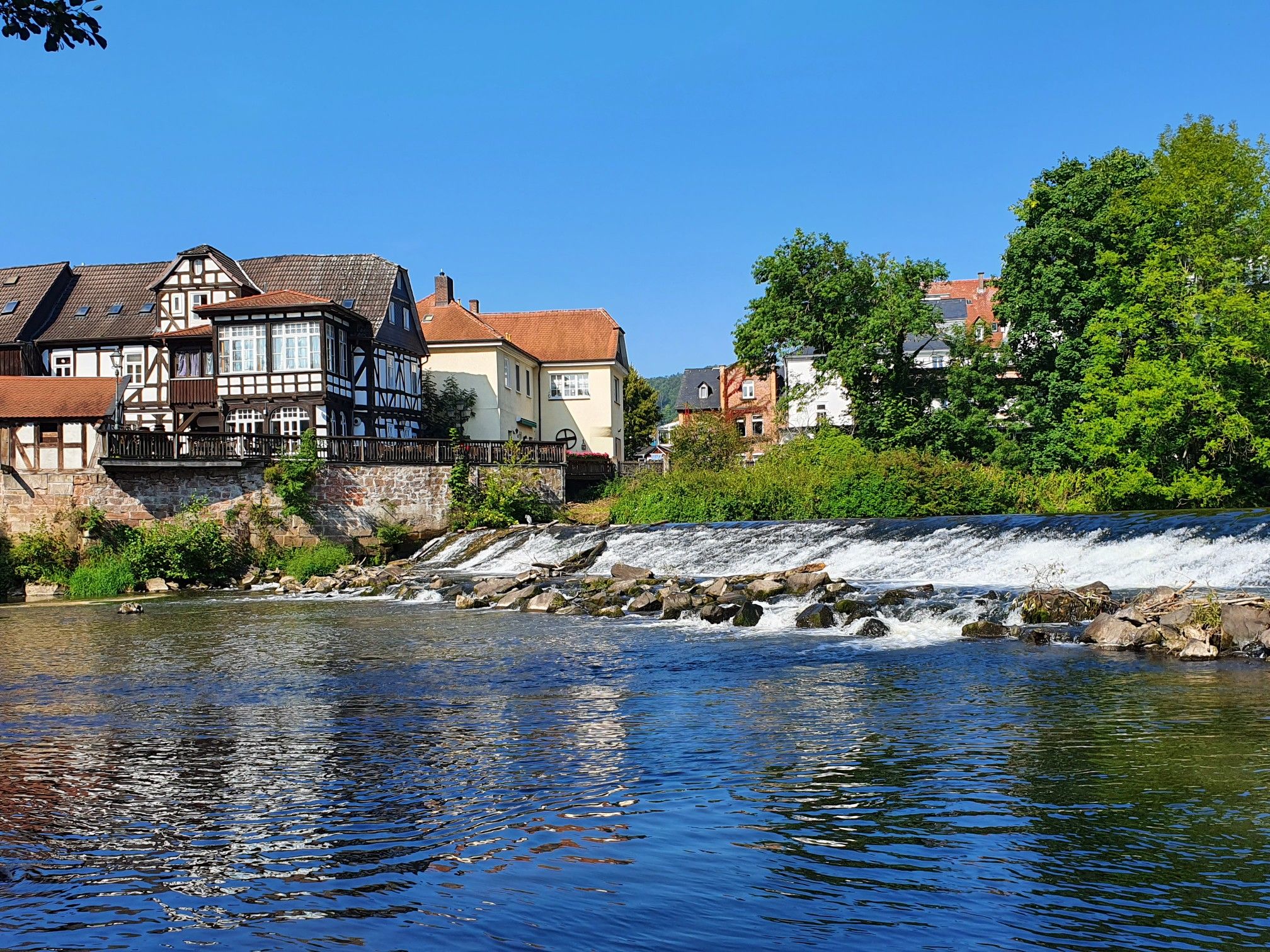
11 Hessen trails – criss-cross through the countryside
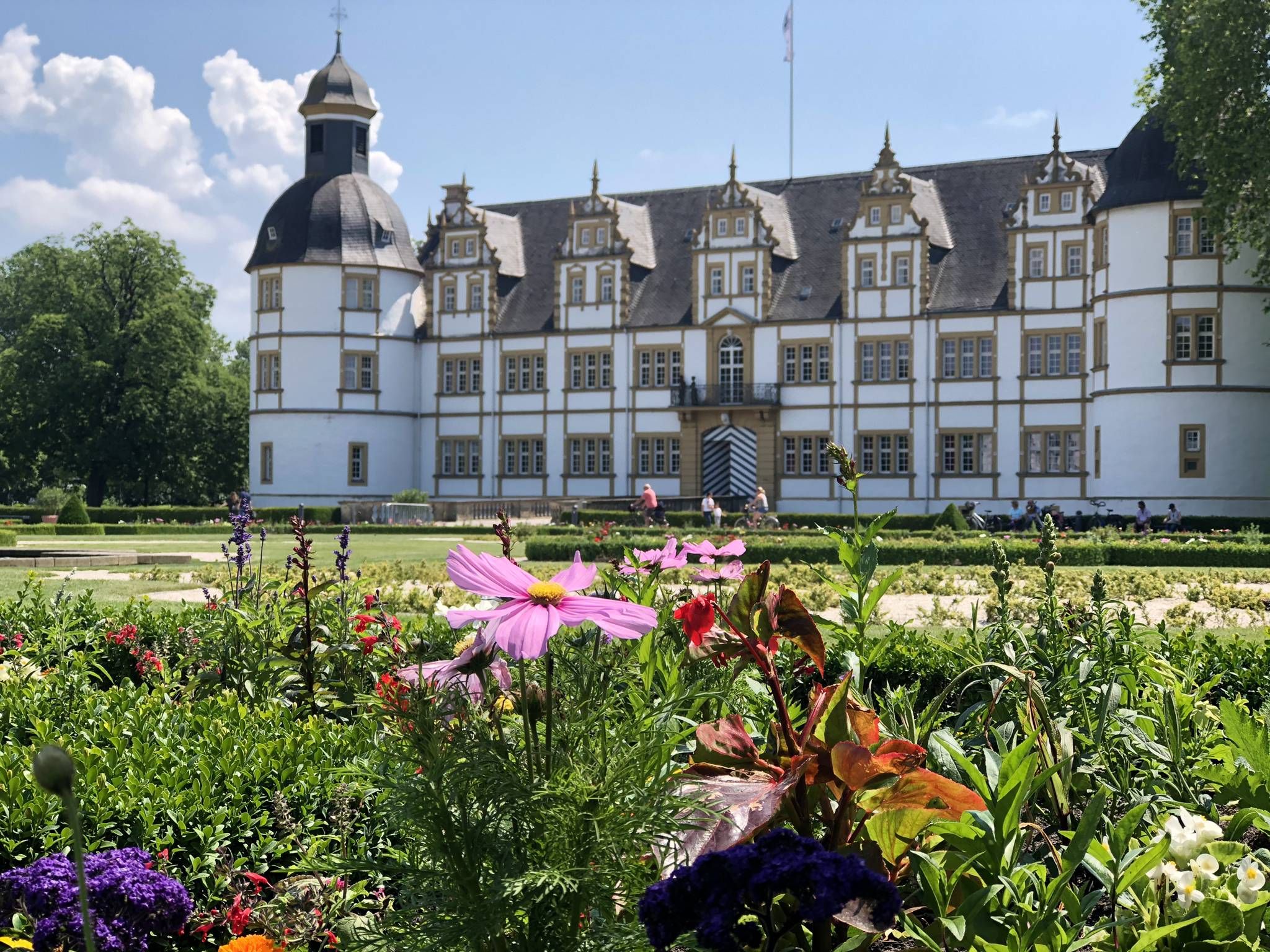
LandesGartenSchau Route – Westphalian Dream Parks
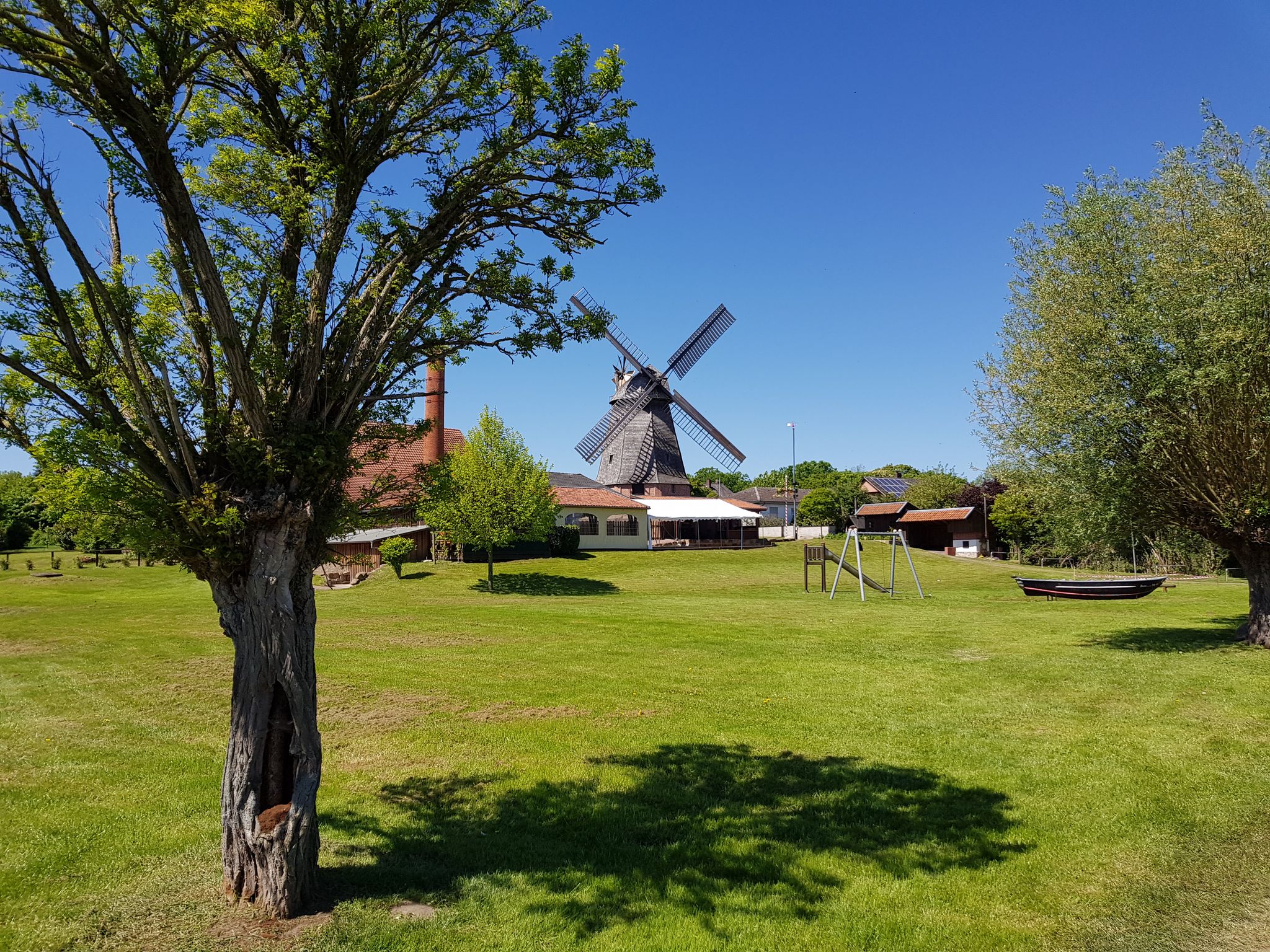
Cycle Germany's Mill Route — Open-air museums and Teutoberg forest
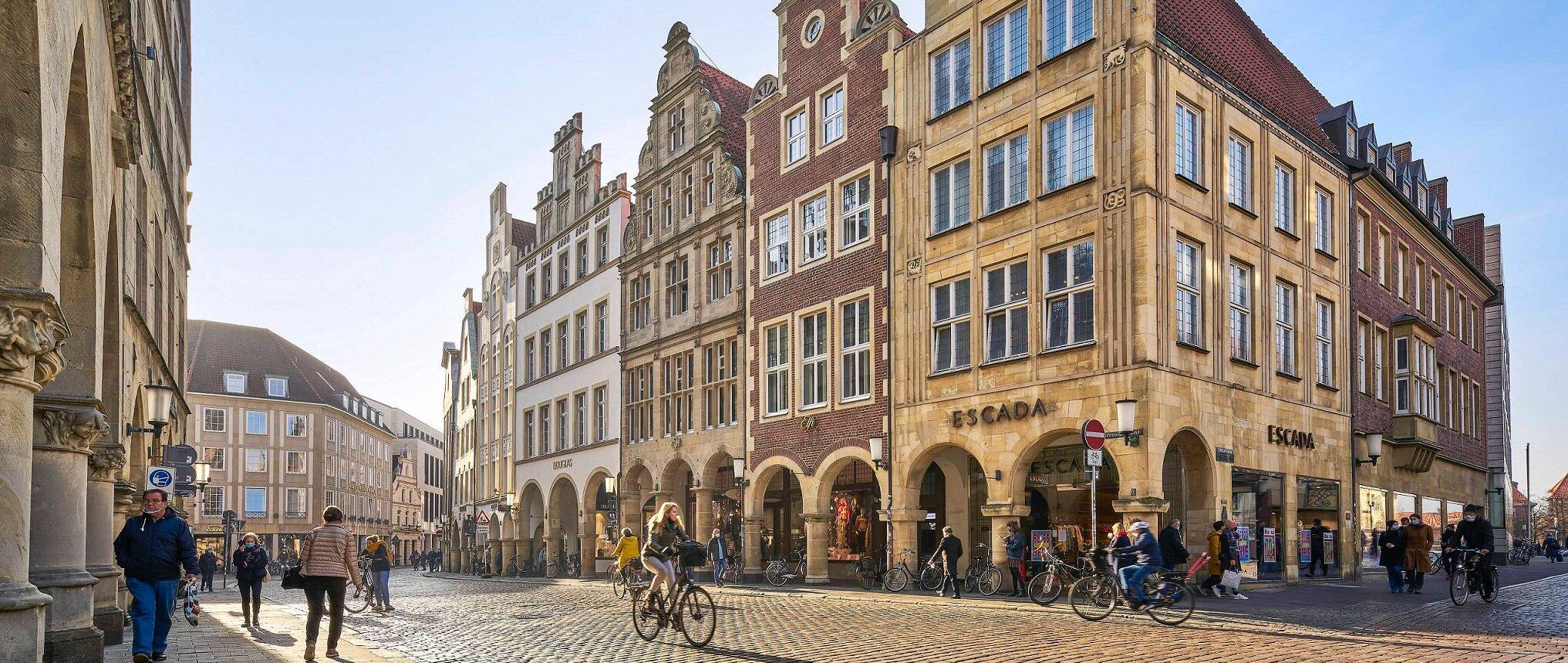
Germany's Westphalian City Tour — linking historic town centres
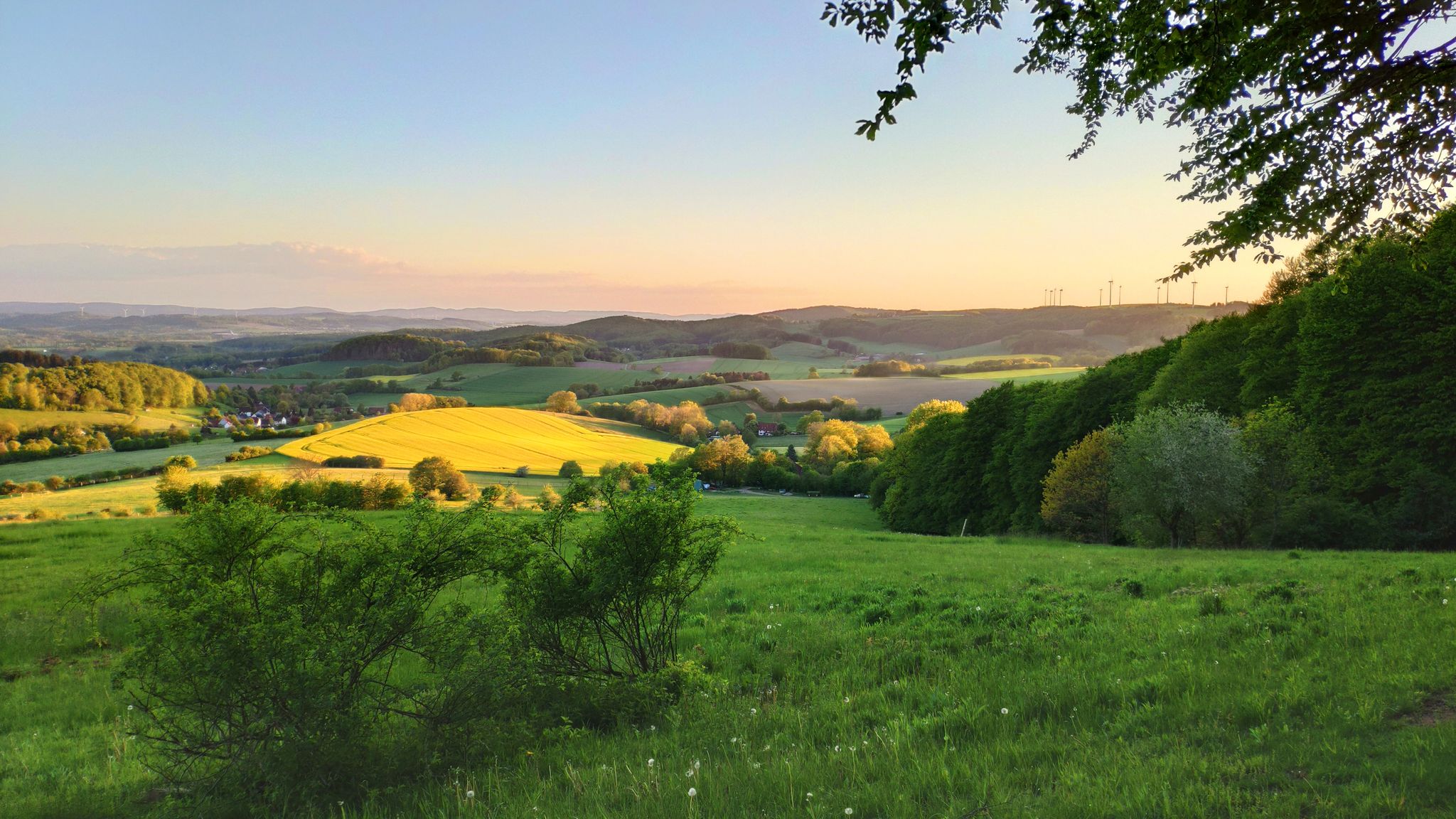
Hansa Trail in 6 stages – Hills and fun in Germany's Lipper Bergland
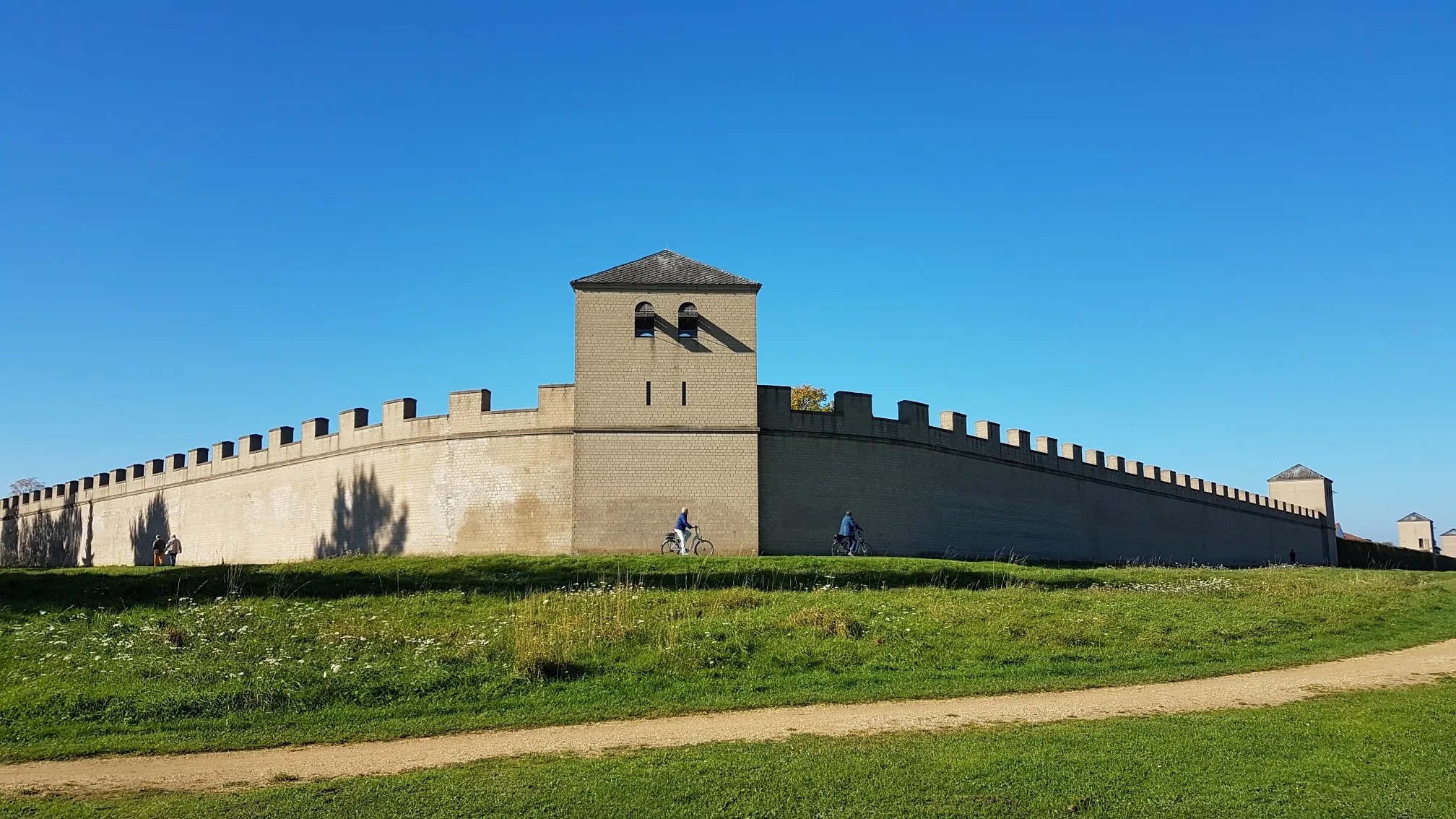
Römer‑Lippe Route – Water and history – 6 days
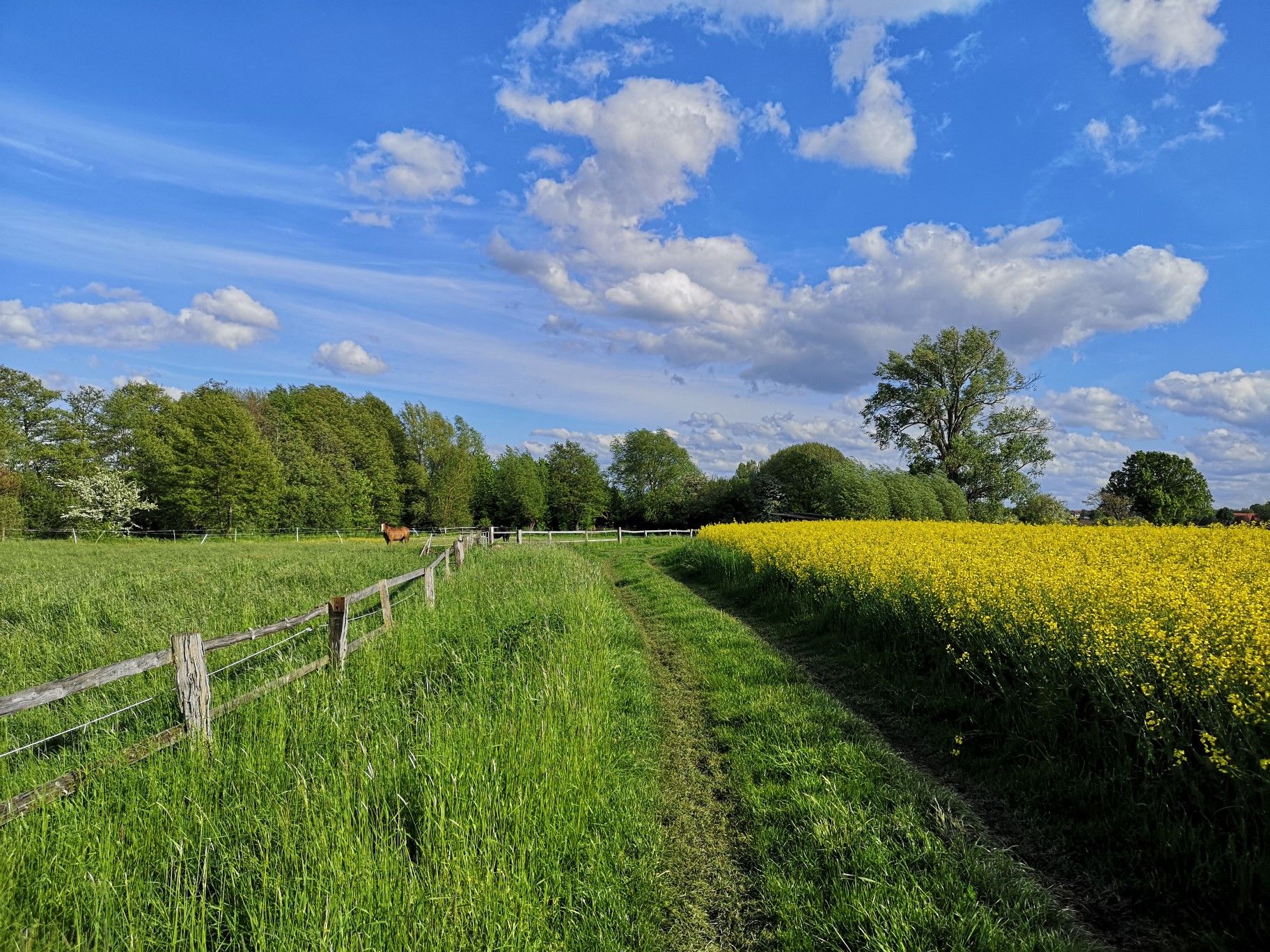
Hiking on Germany's Bückeberg Trail – Gentle hills and green forests
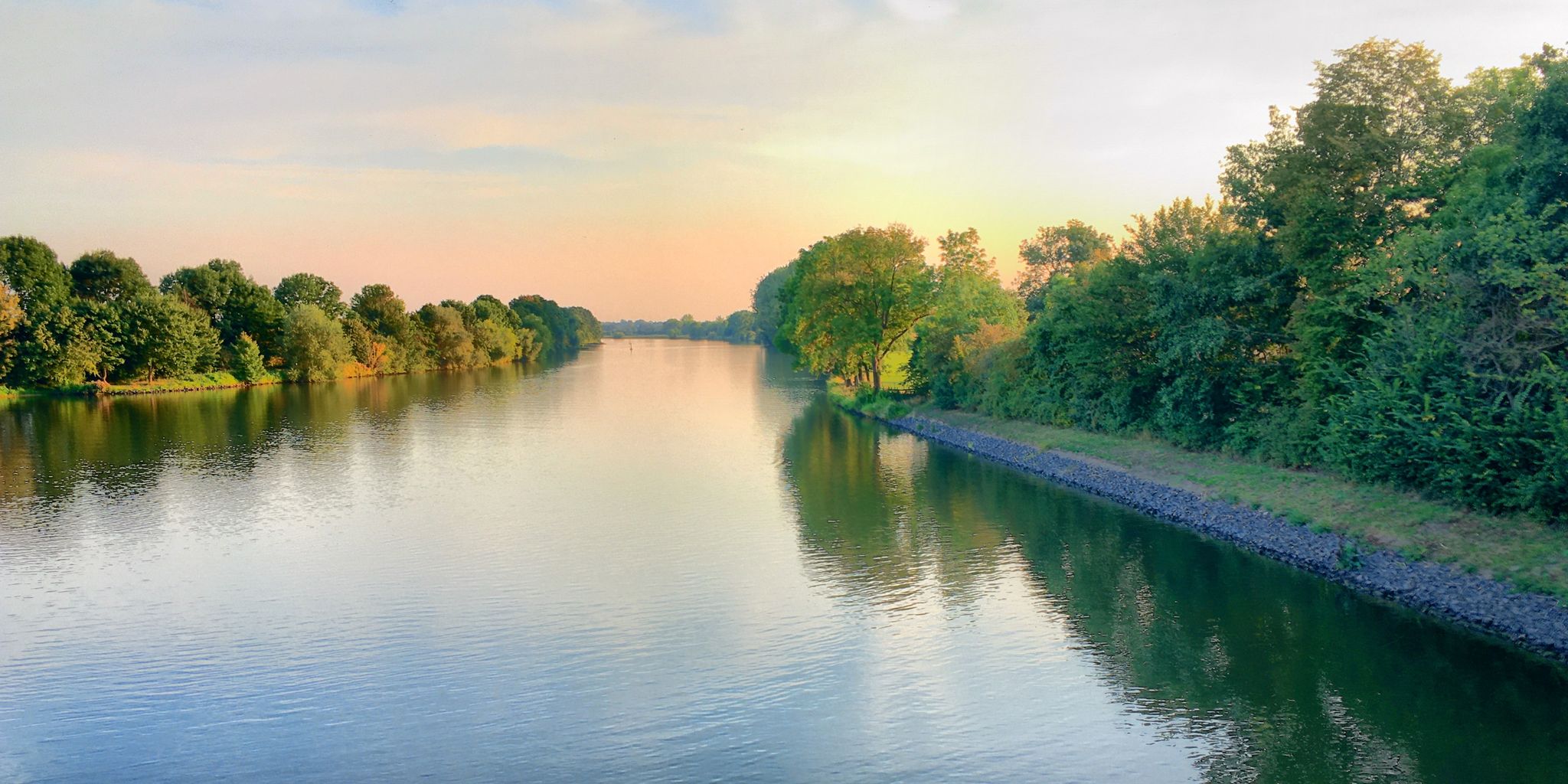
Germany's Weser Trail — Floodplains, dykes and old towns in 8 days
Other adventures in the Teutoburg Forest


Tips from the Community

The road is closed to motorcycles on Saturdays and Sundays from 12:00 PM. It's a lovely ride then.
0
0

Quiet street, entrance to the Solling
0
0

Nice climb, one of the few possibilities to cross the Egge
0
0

The Wittekind Bridge is a well-known bridge in Lübbecke, North Rhine-Westphalia, Germany. Here are some details: Location: The bridge is located on the B239 and offers a view of the federal highway between Lübbecke and Hüllhorst. Use: It is often used by cyclists and mountain bikers to cross the B239. There are many beautiful cycling and mountain bike tours that lead over this bridge. Environment: The bridge is located in a protected area, the TERRA.vita Nature and Geopark. There is a beautiful path to the Wittekind Bridge through the forest.
0
0

Not exactly recommended as a highlight, but the least strenuous way to cross the Teuto. This can be done easily even without motor support
1
0

I did the 13 turns descent today. The descent is steep and the bends are tight, so a lot of braking is required. The advantage is that it gives you more time to enjoy the views. First you see the Köterberg in the distance and as you descend you get the Weser in view. Very varied.
2
0

The best way to cross the B239 at this point is the Wittekindsbrücke at Horst's Höhe. Otherwise you have to go down at Barre-Bräu and climb back up again.
1
0

Horsthöhe (also Horsts Höhe) is a pass road on the federal highway 239, which leads over the Wiehengebirge and connects the Hüllhorst village of Niedringhausen in the south with the town of Lübbecke, north of the Wiehengebirge. The pass is named after the former district administrator of the Lübbecke district, Adolf August Ernst Ludwig Freiherr von der Horst. This prompted the construction of the first developed district road of that time from Lübbecke through the Wiehengebirge to Oberbauerschaft. Due to the construction of the B 239, the Sölter family's “Horst's Höhe” inn had to be demolished in 1976. The European long-distance hiking trail E11 and the Wittekindsweg run over the “Wittekindsbrücke” pedestrian bridge at the top of the pass. A little east of the bridge there is an explosives house hidden in the wall, where during the Cold War the wall masters stored explosives to equip the prepared explosive shafts. Source: https://de.wikipedia.org/wiki/Horst_H%C3%B6he
2
0
Frequently Asked Questions
What are some of the most distinctive passes or crossings in the Teutoburg Forest?
The Teutoburg Forest features unique geographical formations and historical crossings rather than traditional high-altitude passes. Notable examples include the historically significant Kalkriese area, the impressive Externsteine rock formation, and the extended ridge trails of the Hermannsweg and Eggeweg. These offer a blend of natural beauty, historical depth, and panoramic views.
Are there any challenging mountain passes for cyclists in the Teutoburg Forest?
Yes, for cyclists seeking a challenge, the Gauseköte Pass is known for its demanding terrain and is considered a real test for every cyclist. Another option is the 13 Curves (Brevörde Serpentines), which offers a long, moderate incline over 13 bends with great views.
What kind of natural features can I expect to see around the passes in the Teutoburg Forest?
The passes and ridges of the Teutoburg Forest are characterized by diverse natural landscapes. You'll find dense forests, striking rock formations like the Externsteine, and rolling hills. The Stapel Lage Gorge, for instance, offers a varied experience through old beech forests and limestone ridges, with opportunities to observe natural forest development.
Are there historical sites associated with the mountain passes in the Teutoburg Forest?
Absolutely. The Teutoburg Forest is rich in history. The area near Kalkriese Mountain is the likely site of the Battle of the Teutoburg Forest in 9 AD, a pivotal historical event. The Dörenschlucht Pass Through the Teutoburg Forest also has traces of early human settlement and was part of ancient trade routes. The Externsteine are believed to have been a pagan cult site and later a hermitage.
What are the best times to visit the mountain passes in the Teutoburg Forest?
The Teutoburg Forest is beautiful year-round. Spring and autumn offer pleasant temperatures for hiking and cycling, with vibrant foliage in autumn. Summer is ideal for longer days outdoors, though some routes might offer shade. Even in winter, the trails can be explored, offering a different, tranquil experience, though conditions may vary.
Are there family-friendly options for exploring the Teutoburg Forest passes?
While specific passes might vary in difficulty, many trails along the ridges and through the forest are suitable for families. The region offers well-maintained paths, and sites like the Wittekind Bridge are categorized as family-friendly and wheelchair accessible, providing easy access to scenic views.
What outdoor activities can I do near the mountain passes in the Teutoburg Forest?
The Teutoburg Forest is excellent for various outdoor activities. You can enjoy extensive hiking on trails like the Hermannsweg and Eggeweg. There are also numerous cycling opportunities, including road cycling and touring bicycle routes. For more detailed routes, explore guides like Hiking in the Teutoburg Forest or Road Cycling Routes in the Teutoburg Forest.
Where can I find routes for beginner hikers around the Teutoburg Forest passes?
Many sections of the long-distance hiking trails, such as the Hermannsweg, offer varied terrain suitable for different fitness levels, including beginners. Look for routes categorized as 'easy' in guides like Hiking in the Teutoburg Forest, which feature options like 'The romantic Furlbach Valley' or 'Blueberry Route Quality Trail'.
What do visitors enjoy most about the mountain passes in the Teutoburg Forest?
Visitors appreciate the diverse experience offered by the Teutoburg Forest's passes. Many enjoy the challenging climbs for cycling, the panoramic views from various points, and the blend of natural beauty with rich historical significance. The well-maintained trails and the opportunity to explore unique geological formations like the Externsteine are also highly valued.
Are there any passes that offer particularly good viewpoints?
Yes, several passes and elevated sections provide excellent viewpoints. The 13 Curves (Brevörde Serpentines) offers great views of the Weser. The Hermannsweg and Eggeweg ridge trails continuously traverse elevated sections, providing breathtaking panoramic views of the surrounding area. The Rehberg Pass (427 m) also offers scenic vistas through the forest.
Can I find circular hiking routes that incorporate these passes?
While specific loop trails directly over every 'pass' might vary, the Teutoburg Forest is well-equipped with numerous circular hiking routes that traverse its ridges and valleys. The Hermannsweg and Eggeweg, for example, are long-distance trails that can be broken into shorter circular sections, allowing you to experience the diverse landscapes and formations of the region.
Most popular routes in the Teutoburg Forest
Most popular attractions in the Teutoburg Forest

Get inspired with the komoot mobile app


Explore more
See even more epic mountain passes by checking out these guides in the Teutoburg Forest:
