Top 20 Natural Monuments in Stuttgart
Natural monuments in Stuttgart are defined by the city's unique topography and extensive green spaces. The region features a diverse landscape, including designated nature reserves, significant geological formations, and prominent viewpoints. These areas offer ecological value and opportunities to experience the natural heritage of the Stuttgart region.
Best natural monuments in Stuttgart
- The most popular natural monuments is Birkenkopf Memorial Plaque, a man-made monument that commemorates the victims of war. This site offers a 360-degree panoramic view over Stuttgart.
- Another must-see spot is Grüner Heiner Viewing Platform, a viewpoint artificially raised from rubble. Visitors can expect a unique 360-degree all-round view from this location.
- Visitors also love East Shore of Pfaffensee, a lake that is the oldest and largest of Stuttgart's three park lakes. It is considered visually the most original, formed by damming the Glems river in 1566.
- Stuttgart is known for its nature reserves, geological formations, and scenic viewpoints. The city offers a variety of natural monuments to see and explore, from ancient oak groves to artificial lakes.
- The natural monuments in Stuttgart are appreciated by the komoot community. With more than 2300 upvotes and over 1300 photos, the komoot community appreciates these natural monuments.
Last updated: June 23, 2026
Heslacher Waterfalls
Highlight • Waterfall
Translated by Google •
Tip by

East Shore of Pfaffensee
Highlight • Lake
Translated by Google •
Tip by

Sign up now to discover places like this
Get recommendations on the best single tracks, peaks, & plenty of other exciting outdoor places.
Sign up for free
Bridge between Neuer See and Pfaffensee
Highlight • Viewpoint
Translated by Google •
Tip by
Grüner Heiner Viewing Platform
Highlight • Viewpoint
Translated by Google •
Tip by

Red deer enclosure, Red Deer Park Stuttgart
Highlight • Forest
Translated by Google •
Tip by

Peninsula with an Ancient Oak on Pfaffensee
Highlight • Viewpoint
Translated by Google •
Tip by

Birkenkopf Viewpoint
Highlight • Viewpoint
Translated by Google •
Tip by

Neuer See
Highlight • Lake
Translated by Google •
Tip by

Kotzenloch Geological Outcrop
Highlight • Natural Monument
Translated by Google •
Tip by

Birkenkopf Memorial Plaque
Highlight • Monument
The memorial was built in 1957/1958 based on designs by the architect Professor Manfred Pahl.
The rubble, which is still clearly visible today, is part of the memorial. At the time, it was deliberately created as clearly recognizable piles of rubble as part of the memorial. They are symbolic of the local history that needs to be researched both scientifically and artistically.
Translated by Google •
Tip by

Sign up for free to discover even more natural monuments in Stuttgart.
Sign up for free
Already have an account?
Start today with a free account
Your next adventure awaits.
Login or Signup
Popular around Stuttgart
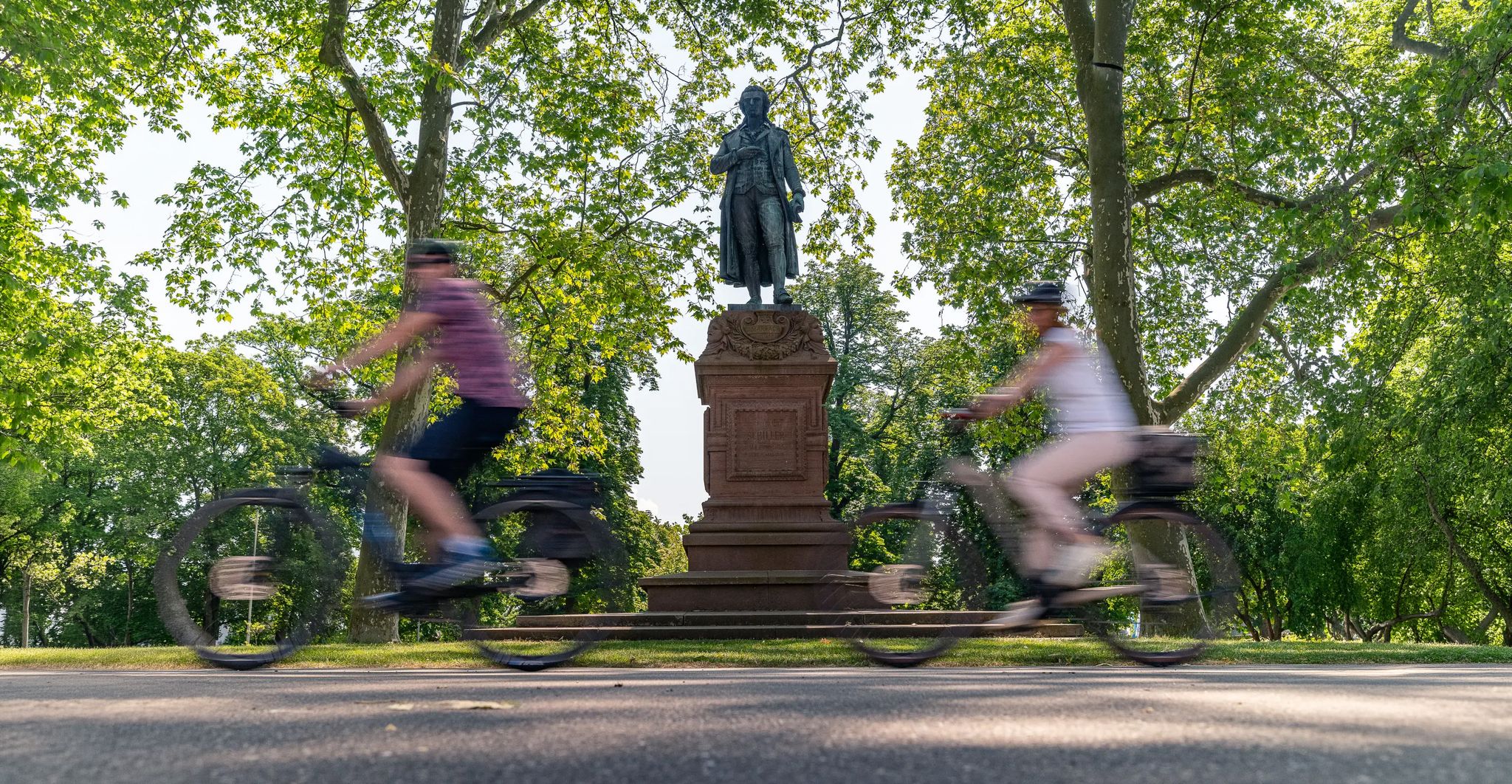
Culture over mileage – cultural Highlights on the Neckar Valley Cycle Path
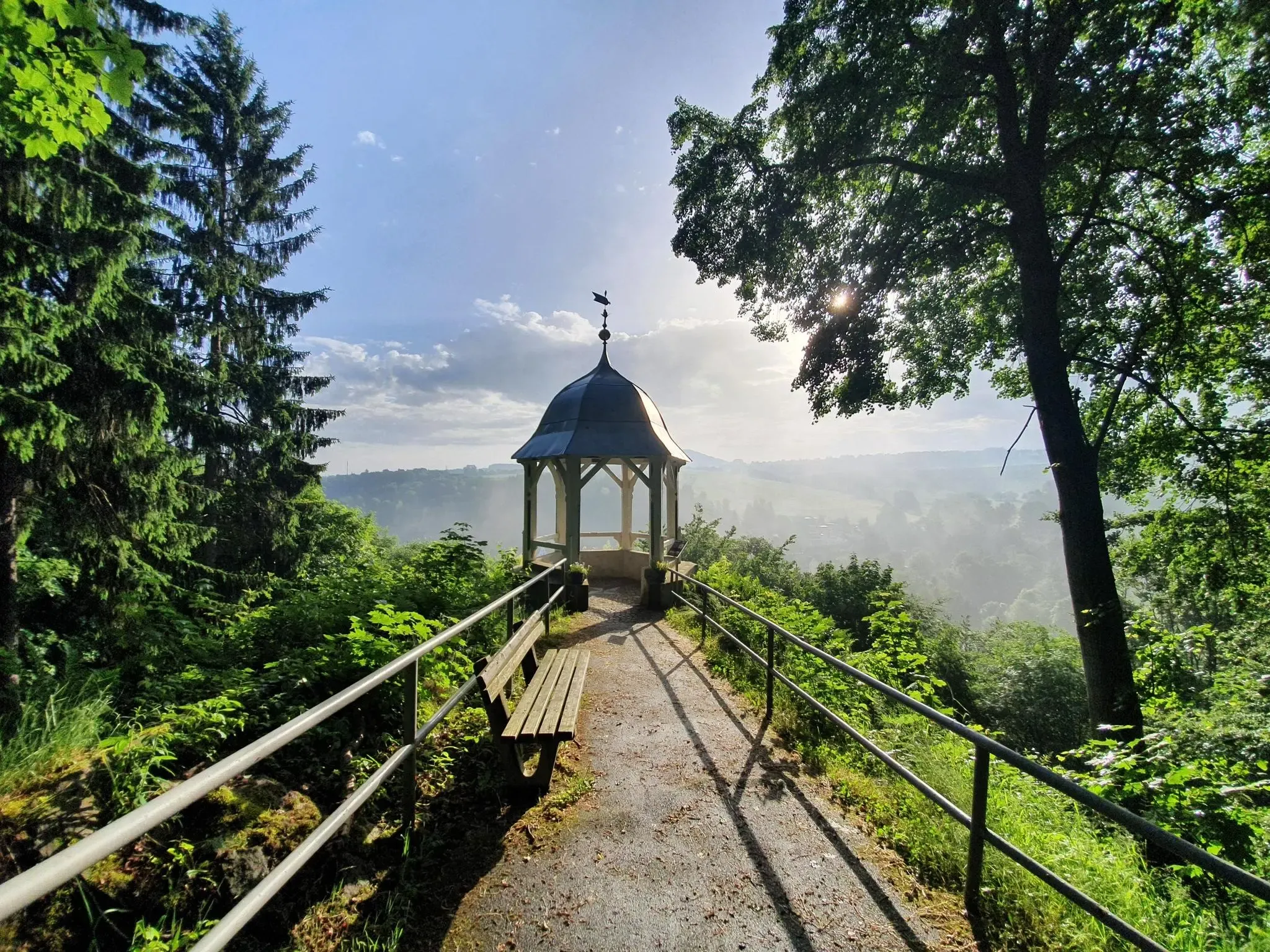
#GoFurther – discover the views of Germany!
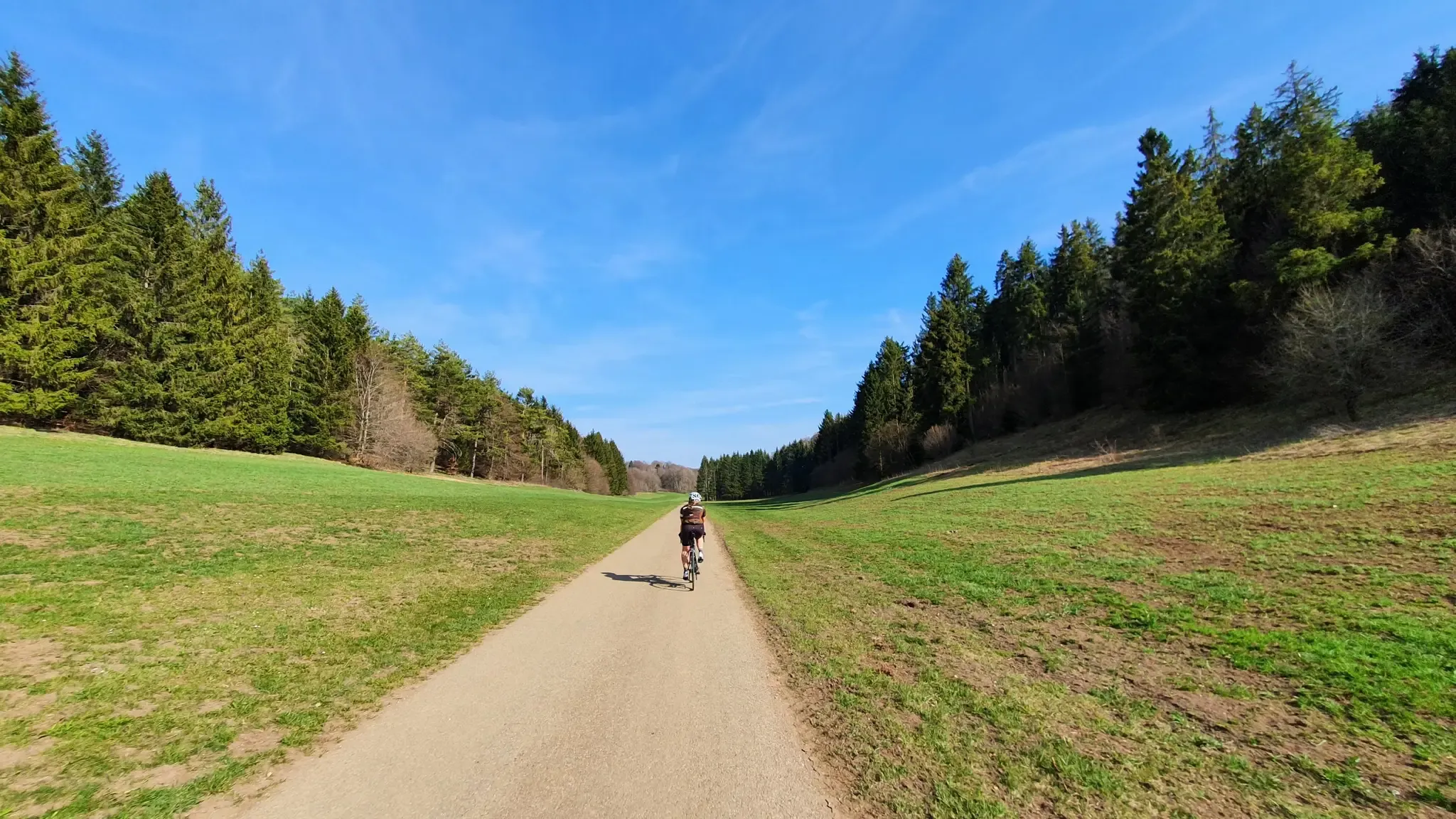
Cycle from Stuttgart to Ulm in Germany
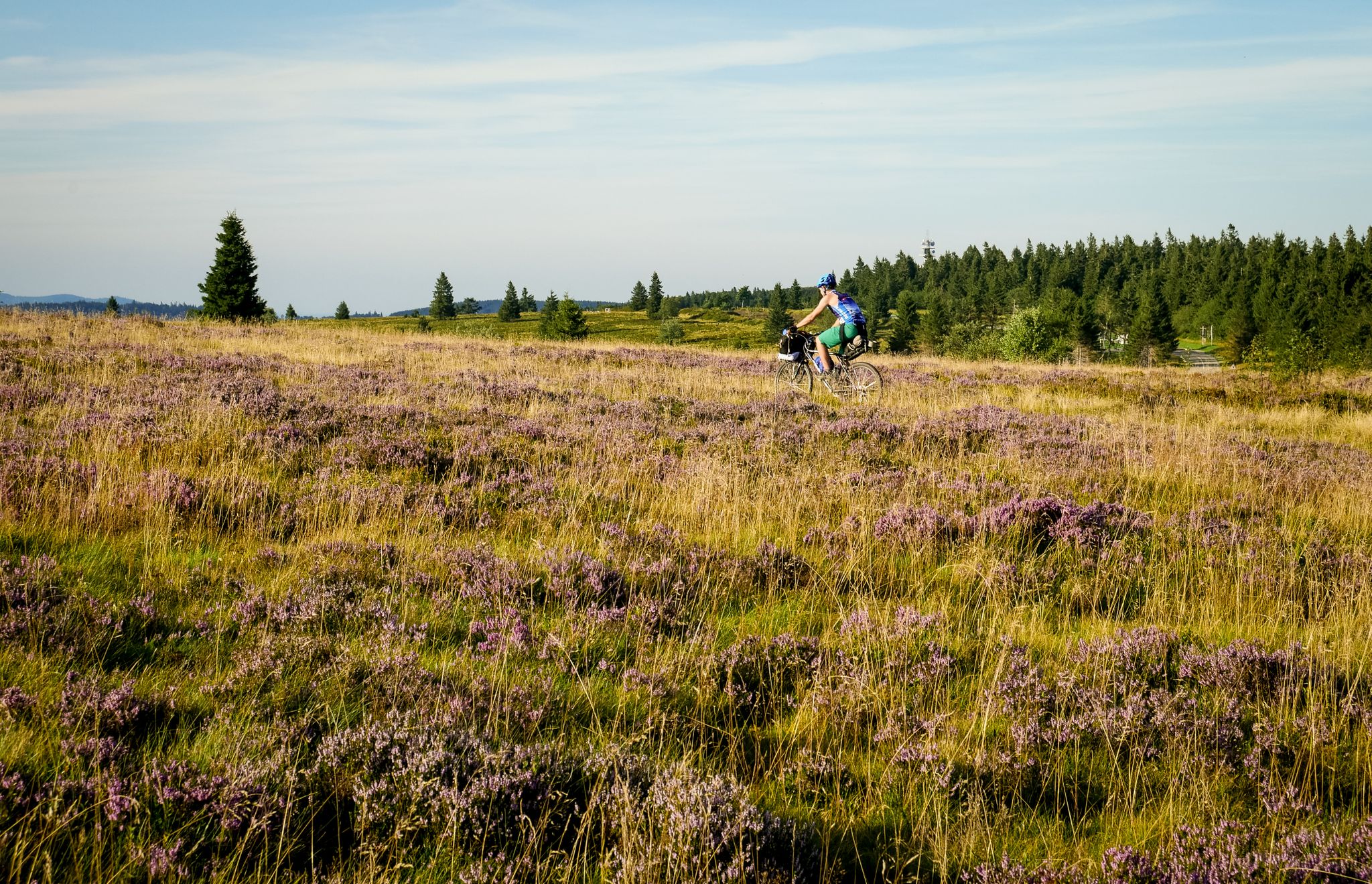
Between two twin cities - From Stuttgart to Strasbourg
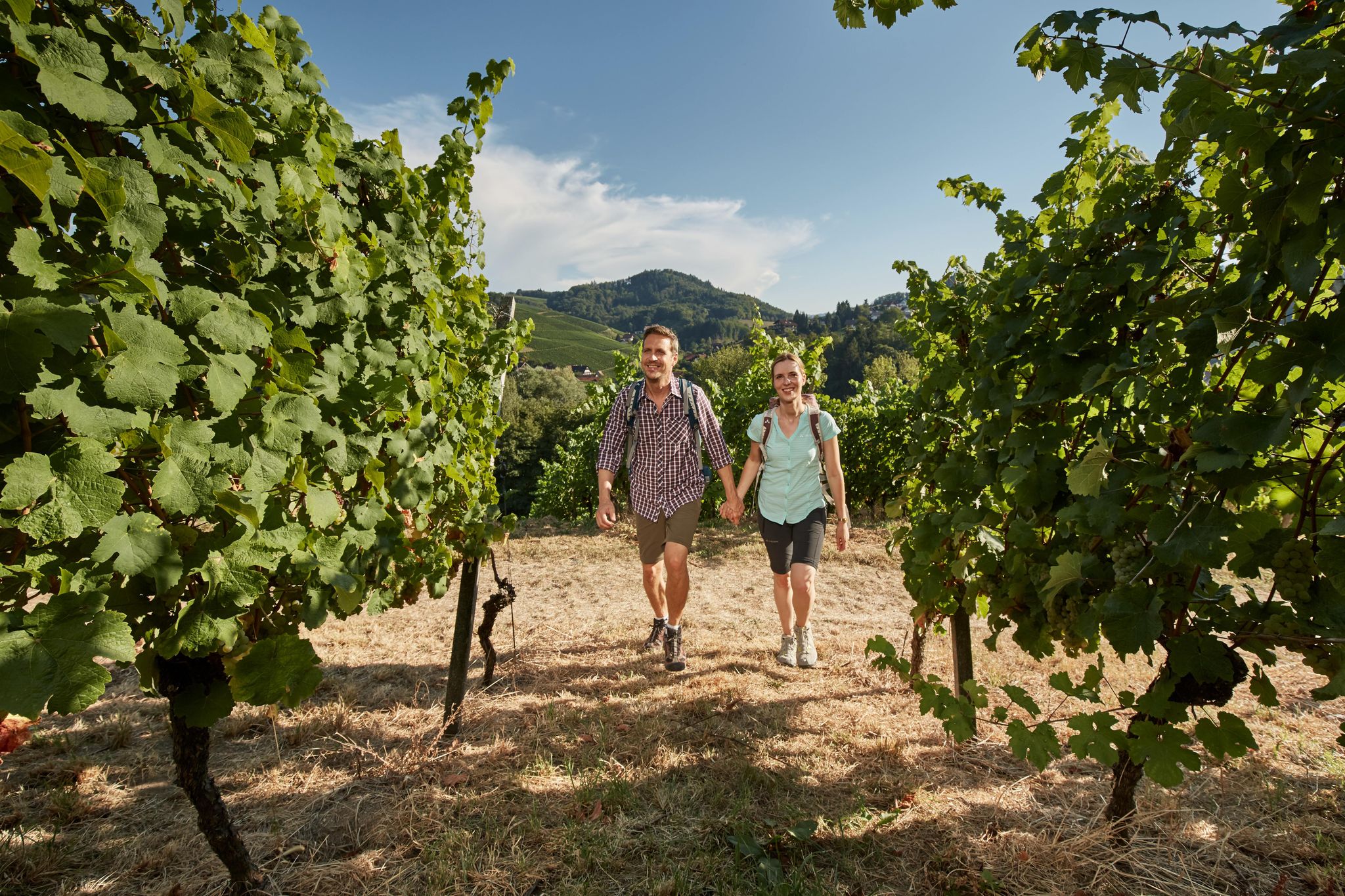
Foodie walks in southern Germany — hiking in Baden-Württemberg
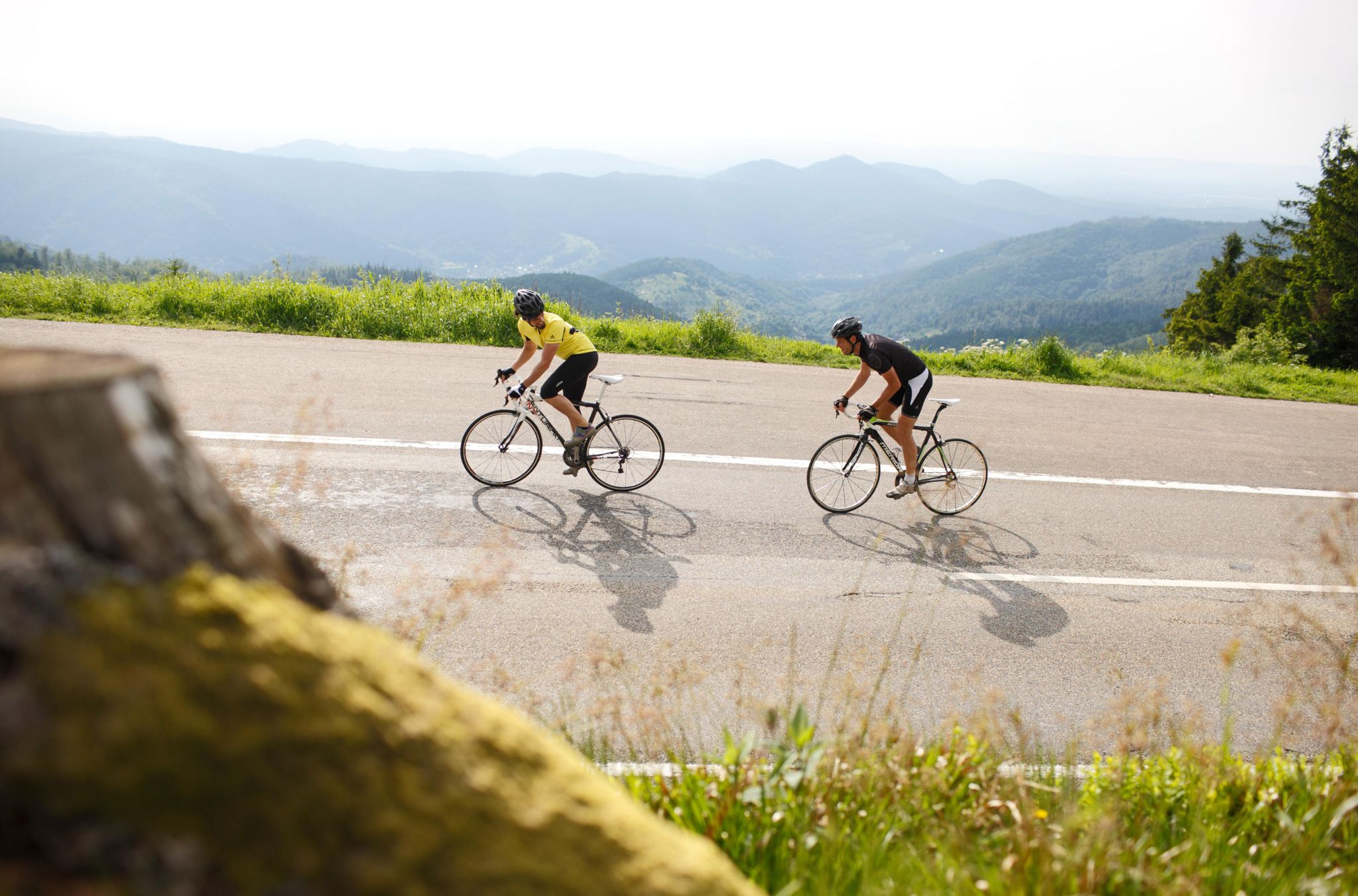
Discover Germany’s Baden-Württemberg by road bike
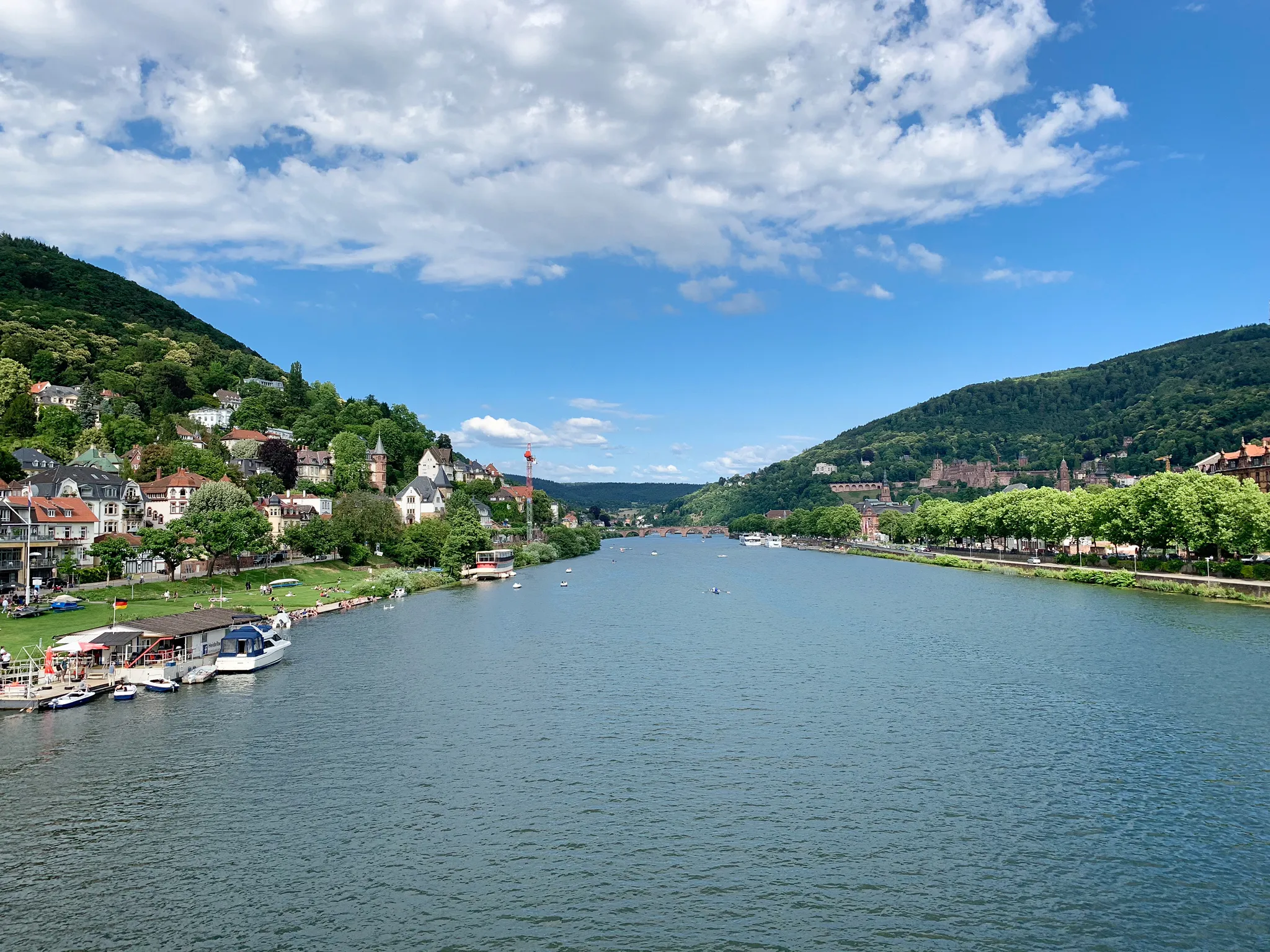
Natural idylls near cities — hiking in Southern Germany
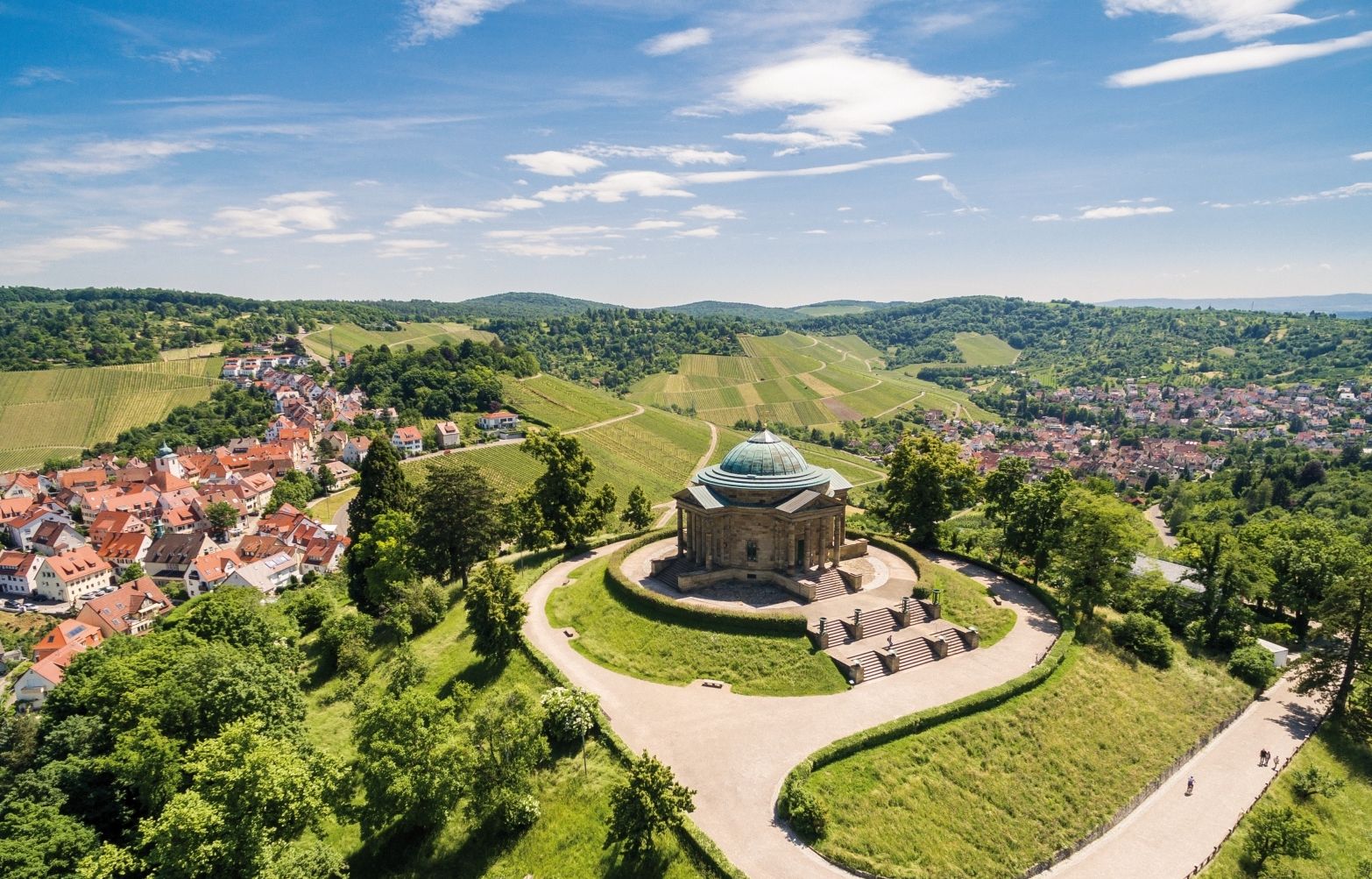
From grape to glass — 8 wine hikes in Württemberg
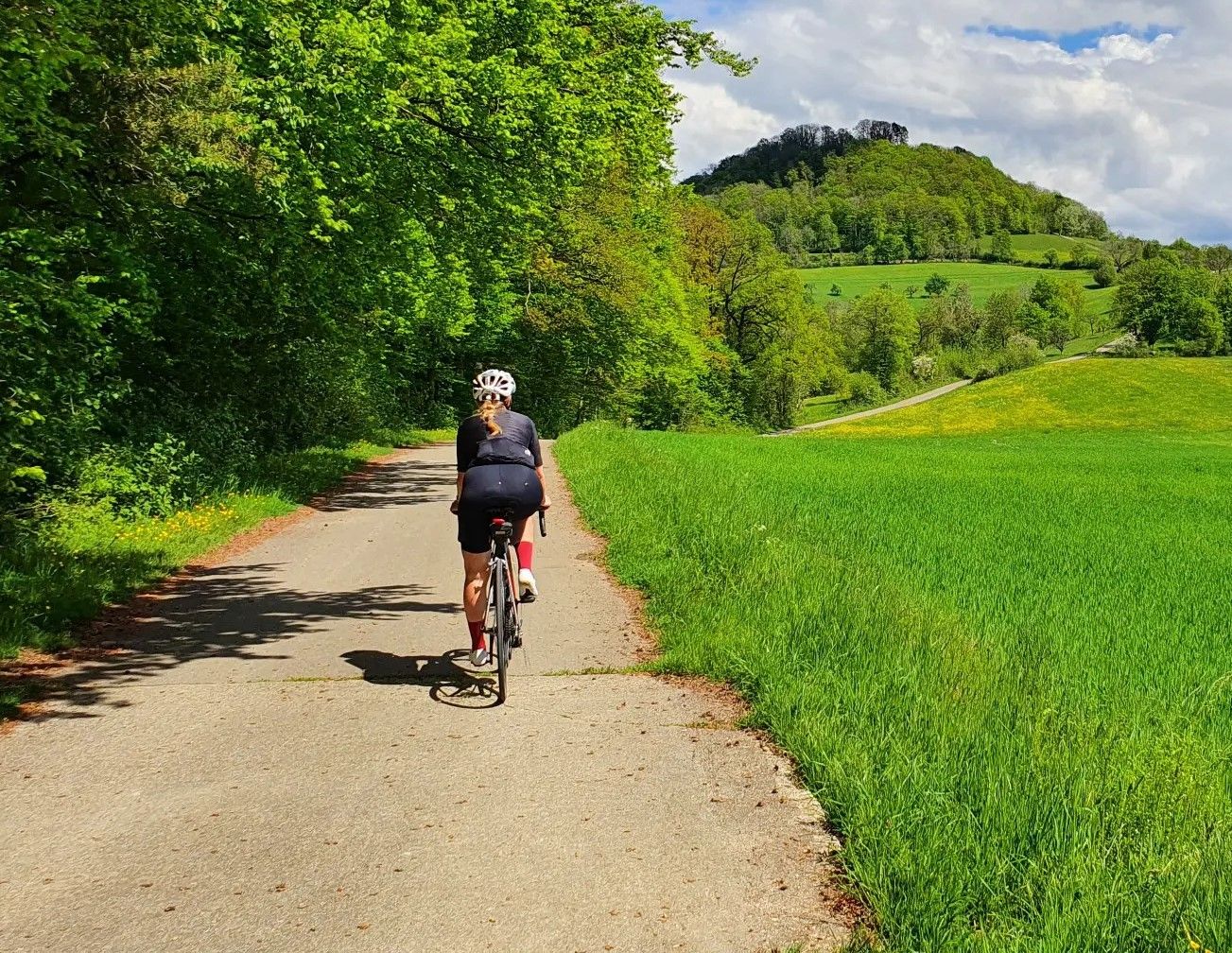
On your bike and out of the cauldron – racing bike fun around Stuttgart
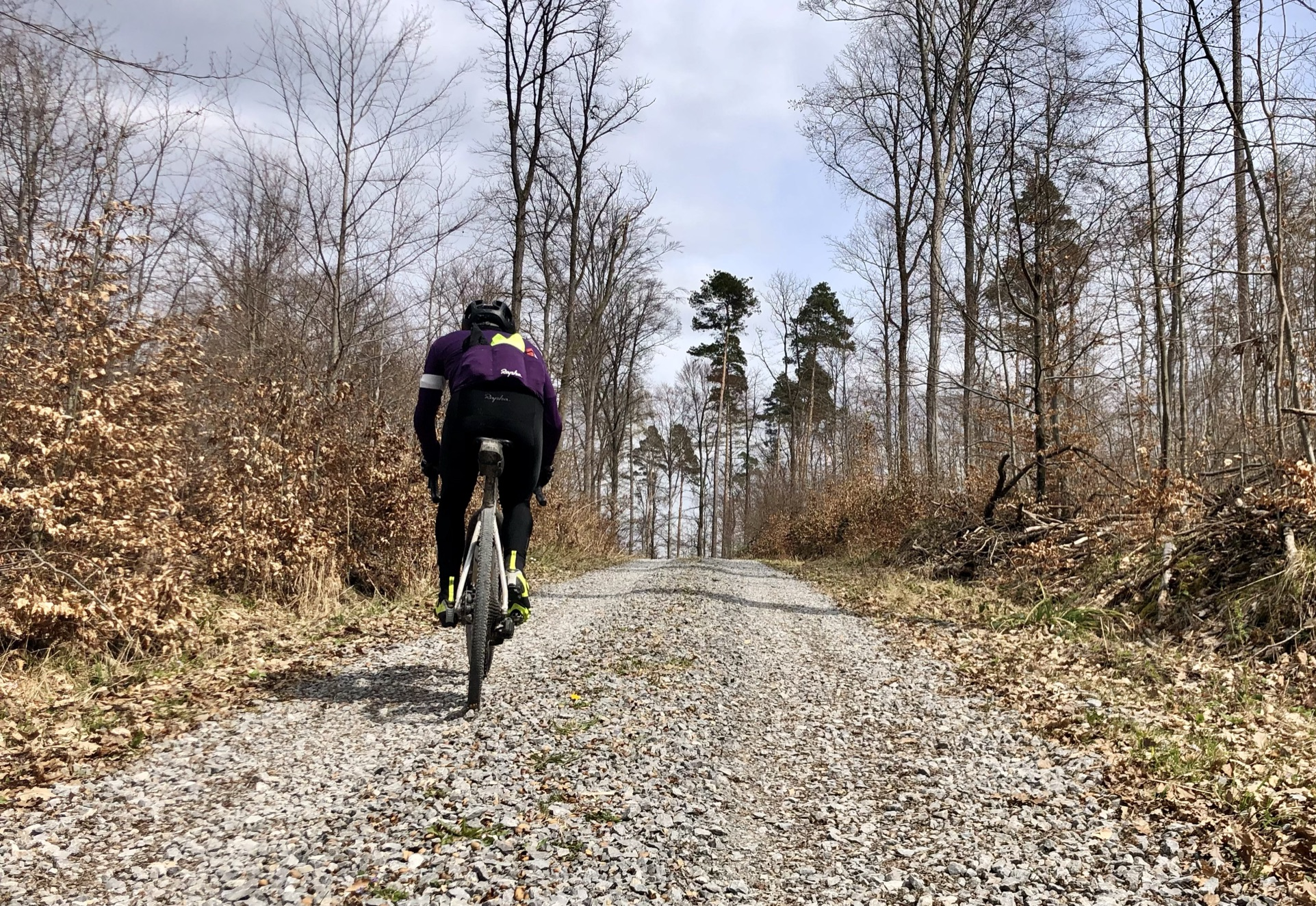
Stuttgarter Gravel Luck - Gravel Tours around the Basin
Other adventures in Stuttgart


Tips from the Community

The Kotzenloch geological outcrop impressively showcases the rock layers of the Upper Gipskeuper. Particularly striking are the variously colored mudstones and light gray dolomites exposed by erosion.
6
0

The name "Kotzenloch" was originally "Fossenloch" in earlier centuries. In 1827, this name was changed to Kozenloch. The syllable -loch comes from the old terms "lach" or "loche," meaning "district boundary" (here between Feuerbach and Weilimdorf). In 1900, the Feuerbach Beautification Association constructed the descent from the Hornkopf. Since then, these steps have provided the best view of the rock layers of the marl pit.
6
0
A crossing point between the centrally located Neuer See and the Pfaffensee. At the dam, there is a gated access point with a view of the lake, marked with the year 1930.
8
0
Shortly before the summit, there is a memorial plaque attached directly to the rubble in memory of the victims of the war. The plaque is part of the memorial, which also includes the summit cross and the stepped structure on the summit. The memorial was built in 1957/1958 based on designs by the architect Professor Manfred Pahl. The rubble, which is still clearly visible today, is part of the memorial. At the time, it was deliberately created as clearly recognizable piles of rubble as part of the memorial. They are symbolic of the local history that needs to be researched both scientifically and artistically.
19
1
The three-and-a-half hectare red deer enclosure is located right next to the Glemsquelle and corresponds to the natural habitat of the largest wild species in our country. Up to twelve animals find enough space, food and exercise here.
11
1

It is impressive that parts of the rubble used to raise the Birkenkopf by 40 m between 1953 and 1957 are also visible. This gives this vantage point a very special atmosphere.
6
0
The hill was artificially raised in the 1950s, mainly using large amounts of rubble. The new hill that was created was initially called Heiner by the locals and soon became a destination for excursions. After it was overgrown with grass and other vegetation, the new conical hill was given the new nickname Green Heiner because of its more pleasing appearance. It owes its popularity in particular to the good view in clear weather.
10
0

Probably the most beautiful, freely accessible viewpoint on Stuttgart and a wonderful rest area. The “shards” of the past make you think, but these days they offer great places to sit and play for the children.
9
2
Frequently Asked Questions
What are some of the most popular natural monuments in Stuttgart?
Beyond the Birkenkopf Memorial Plaque, Grüner Heiner Viewing Platform, and East Shore of Pfaffensee mentioned in the guide's introduction, visitors also highly appreciate the Heslacher Waterfalls for their charming natural setting, and the Red deer enclosure, Red Deer Park Stuttgart for wildlife observation. The Neuer See and Katzenbachsee are also popular for tranquil walks.
Are there family-friendly natural monuments in Stuttgart?
Yes, many natural monuments in Stuttgart are suitable for families. The Red deer enclosure, Red Deer Park Stuttgart is a great spot to observe wildlife. The East Shore of Pfaffensee, Neuer See, and Katzenbachsee offer pleasant walks around lakes. The Grüner Heiner Viewing Platform and Birkenkopf Memorial Plaque also provide accessible viewpoints with engaging history.
What kind of natural features can I expect to see in Stuttgart's natural monuments?
Stuttgart's natural monuments showcase a diverse range of features. You'll find expansive forests like Rotwildpark, ancient oak groves at Eichenhain, and diverse meadow landscapes at Büsnauer Wiesental. There are also charming water features such as the Heslacher Waterfalls and the historic park lakes like East Shore of Pfaffensee. Many sites also offer panoramic viewpoints over the city and surrounding areas.
Are there any unique geological formations to explore in Stuttgart?
Yes, Stuttgart is home to interesting geotopes. One notable example is the Erdgeschichtlicher Aufschluss "Rote Wand" im Gebäude Hausmannstr. 44 B, a specific geological outcrop. While details are limited, geotopes generally provide insights into the Earth's development, often documenting formations from periods like the Triassic, known for preserving fossils. Another geological feature is the Kotzenloch Geological Outcrop.
What outdoor activities can I do near Stuttgart's natural monuments?
The natural monuments in Stuttgart are excellent starting points for various outdoor activities. You can enjoy easy hikes, such as the route connecting Heslacher Waterfalls to the Birkenkopf Memorial Plaque. There are also numerous road cycling routes and mountain hikes available. For more detailed routes, you can explore the Easy hikes in Stuttgart, Road Cycling Routes in Stuttgart, and Mountain Hikes in Stuttgart guides.
Are there easy walking or hiking routes available near Stuttgart's natural monuments?
Absolutely. Many natural monuments offer easy walking paths. For instance, the area around East Shore of Pfaffensee and Katzenbachsee are perfect for leisurely strolls. The Easy hikes in Stuttgart guide features routes like the Heslacher Waterfalls to Birkenkopf Memorial Plaque loop, and walks around Max Eyth Lake and Bärensee, all categorized as easy.
Can I visit Stuttgart's natural monuments with my dog?
Many natural areas in Stuttgart are dog-friendly, especially those with extensive trails like Rotwildpark. The Neuer See is specifically listed as dog-friendly. It's always recommended to keep dogs on a leash, especially in nature reserves, to protect wildlife and ensure a pleasant experience for all visitors.
What is the best time of year to visit Stuttgart's natural monuments?
Stuttgart's natural monuments offer beauty throughout the year. Spring and summer are ideal for lush greenery, blooming flora, and enjoying the lakes. Autumn brings vibrant fall colors to the forests, while winter can offer a serene and quiet experience, especially around the lakes like Pfaffensee. The Katzenbachsee is noted for being contemplative and calm, particularly in winter.
How can I reach Stuttgart's natural monuments using public transport?
Stuttgart has a well-developed public transport system (VVS) that connects many natural monuments. While specific routes vary, areas like Rotwildpark, Pfaffensee, and Karlshöhe are generally accessible via bus or S-Bahn connections followed by a walk. It's advisable to check the VVS website or a local transport app for the most current and specific connections to your chosen destination.
Are there historical aspects to Stuttgart's natural monuments?
Yes, several natural monuments have significant historical value. The Birkenkopf Memorial Plaque is a powerful historical site, formed from WWII rubble. The Eichenhain (Oak Grove) is a cultural-historical testament to early economic forms, with oaks dating back 300-400 years. The East Shore of Pfaffensee was created in 1566 to improve the city's water supply, reflecting historical infrastructure. Rotwildpark also has a history as a former grazing forest.
Where can I find cafes or refreshments near these natural areas?
While some natural monuments are more secluded, popular spots often have nearby options. For example, the area around Pfaffensee includes the Bärenschlössle, which is a reconstructed pleasure palace and likely offers refreshments. Karlshöhe features a park with a beer garden. For other areas, it's best to check local listings or plan to bring your own provisions, especially for longer hikes in nature reserves like Greutterwald or Büsnauer Wiesental.
Are there any lesser-known or 'hidden' natural monuments worth discovering in Stuttgart?
Beyond the main attractions, Stuttgart has several valuable nature reserves that offer a more secluded experience. Greutterwald, for instance, is an ecologically valuable compensation area with diverse forest ecosystems and rare species. Büsnauer Wiesental, despite its small size, boasts exceptional species richness with over 300 plant and 150 bird species, making it a critical refuge within the urban area and a hidden gem for nature observation.
Are any of Stuttgart's natural monuments wheelchair accessible?
While many natural monuments involve trails and varied terrain, some areas offer more accessible paths. The main paths around the park lakes like East Shore of Pfaffensee and Neuer See are generally flatter and wider, making them more suitable for wheelchairs. However, specific accessibility details for each location should be verified before visiting, as terrain can vary.
Most popular routes in Stuttgart
Most popular attractions in Stuttgart

Get inspired with the komoot mobile app


Didn’t find what you were looking for?
Find even more amazing natural monuments in Stuttgart by checking out the top Highlights region by region:
Explore more
Extend your search for the best caves by checking out these guides of the top ones in Stuttgart:
