The best traffic-free bike rides in Stuttgart
4.5
(857)
4,946
riders
194
rides
Gravel biking in Stuttgart offers diverse terrain across its unique topography, characterized by gently rolling hills, extensive woodlands, and vineyards. The city is nestled in a valley basin, providing varied elevation changes and scenic lookouts. This region features a network of trails that traverse forest paths, quiet side roads, and vineyard trails, ideal for no traffic gravel bike trails.
Best no traffic gravel bike trails in Stuttgart
- The most popular no traffic gravel bike trail is Solitude Palace via the…
Last updated: June 26, 2026
4.6
(74)
410
riders
Hard gravel ride. Very good fitness required. Mostly paved surfaces. Suitable for all skill levels.
4.8
(67)
308
riders
35.6km
02:49
530m
530m
Tackle a difficult 22.1-mile gravel biking route around Stuttgart, featuring the Bismarck Tower and Monte Scherbelino viewpoints.

Sign up for free
4.6
(44)
179
riders
35.4km
03:05
700m
700m
Tackle the difficult Häslachwald in Körschtal via Frauenkopf gravel biking route, a 22.0-mile (35.4 km) loop with 2297 feet (700 metres) of
4.4
(16)
82
riders
23.5km
01:52
330m
330m
Moderate gravel ride. Good fitness required. Mostly paved surfaces. Suitable for all skill levels.
4.4
(8)
33
riders
55.4km
04:56
870m
870m
Hard gravel ride. Very good fitness required. Mostly paved surfaces. Suitable for all skill levels.
Get access to more routes and recommendations from other explorers.
Sign up for free
Already have an account?
Our route recommendations are based on thousands of hikes, rides, and runs completed by other people on komoot.
Start today with a free account
Your next adventure awaits.
Login or Signup
Popular around Stuttgart
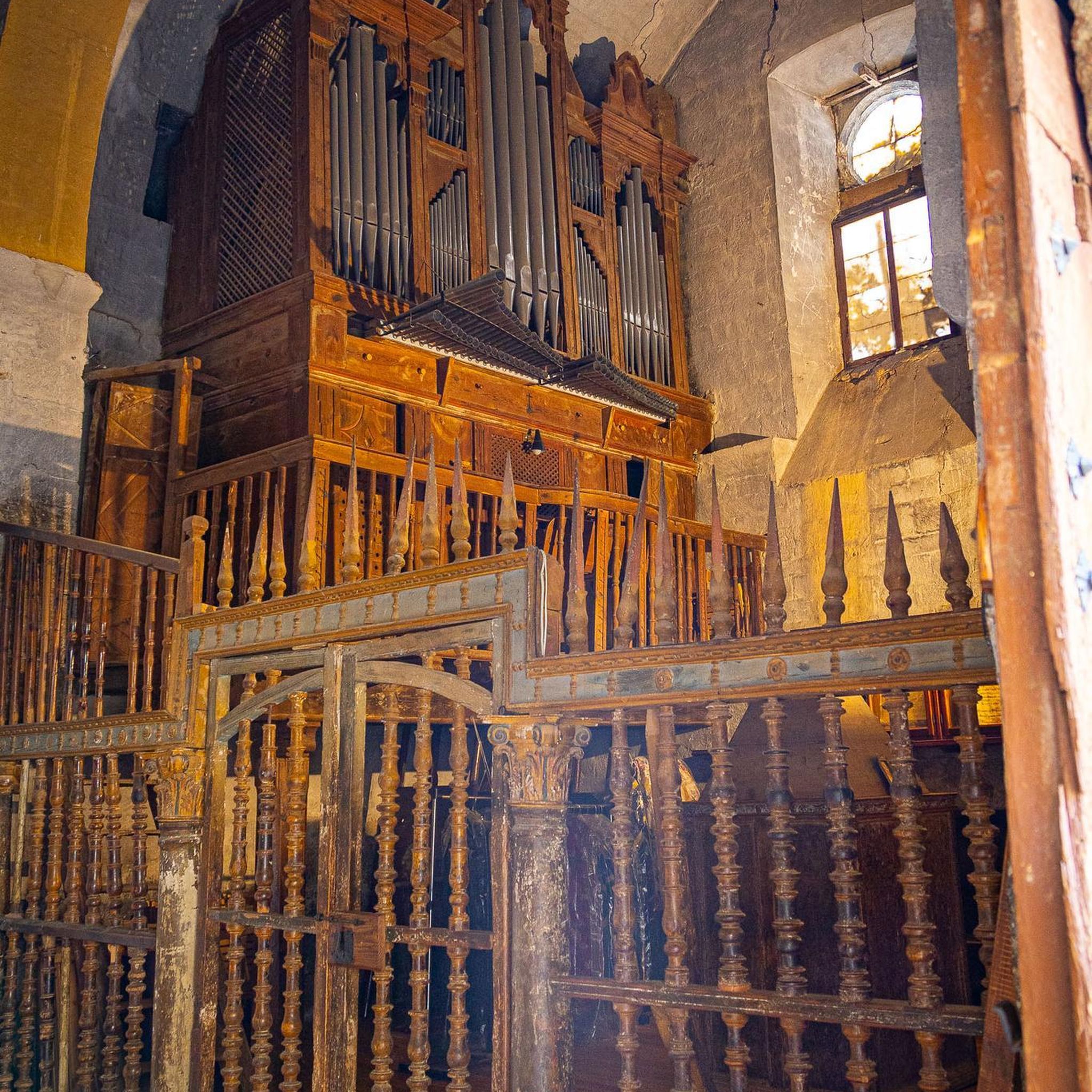
Traffic-free bike rides around Max-Eyth-See
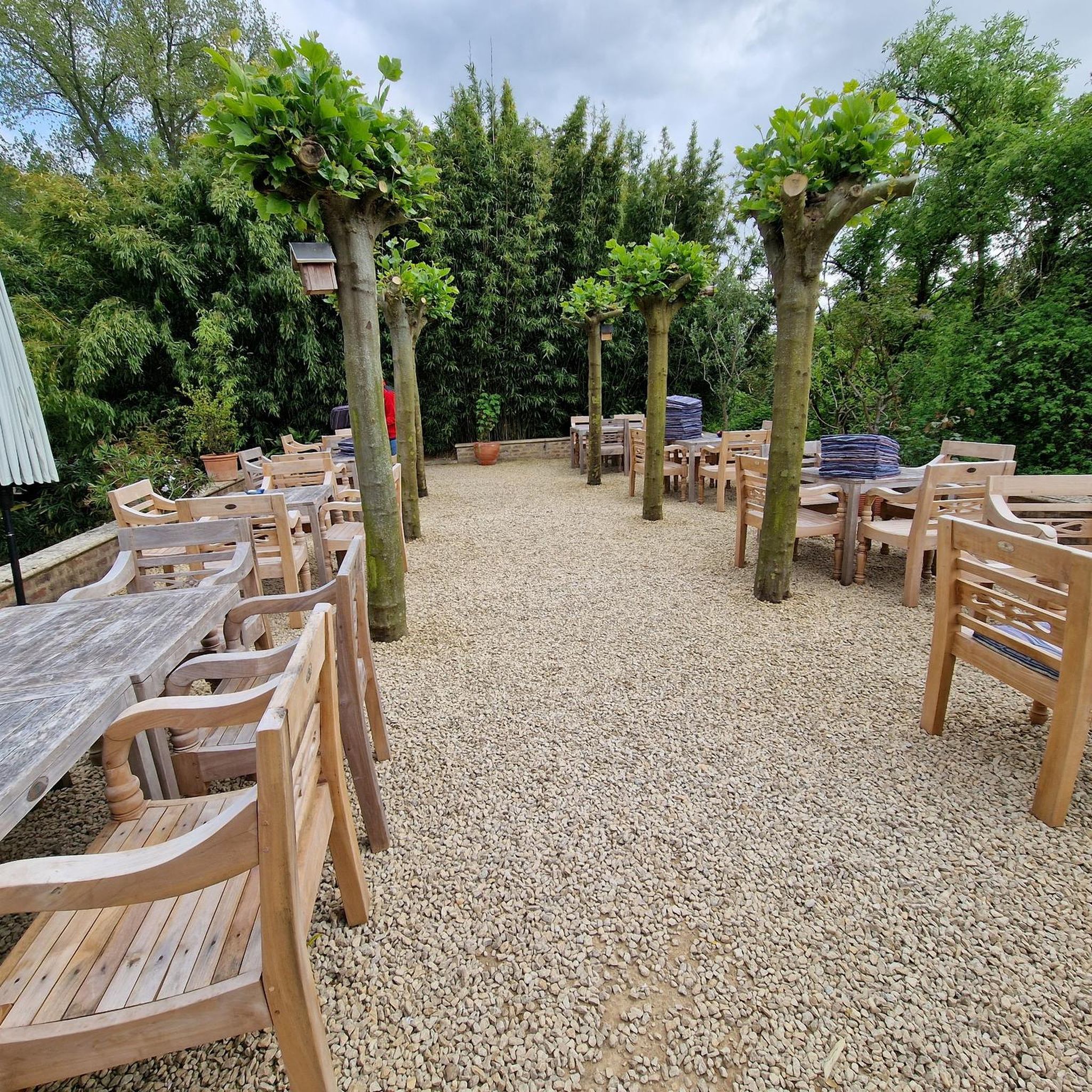
Traffic-free bike rides in Weidach- Und Zettachwald
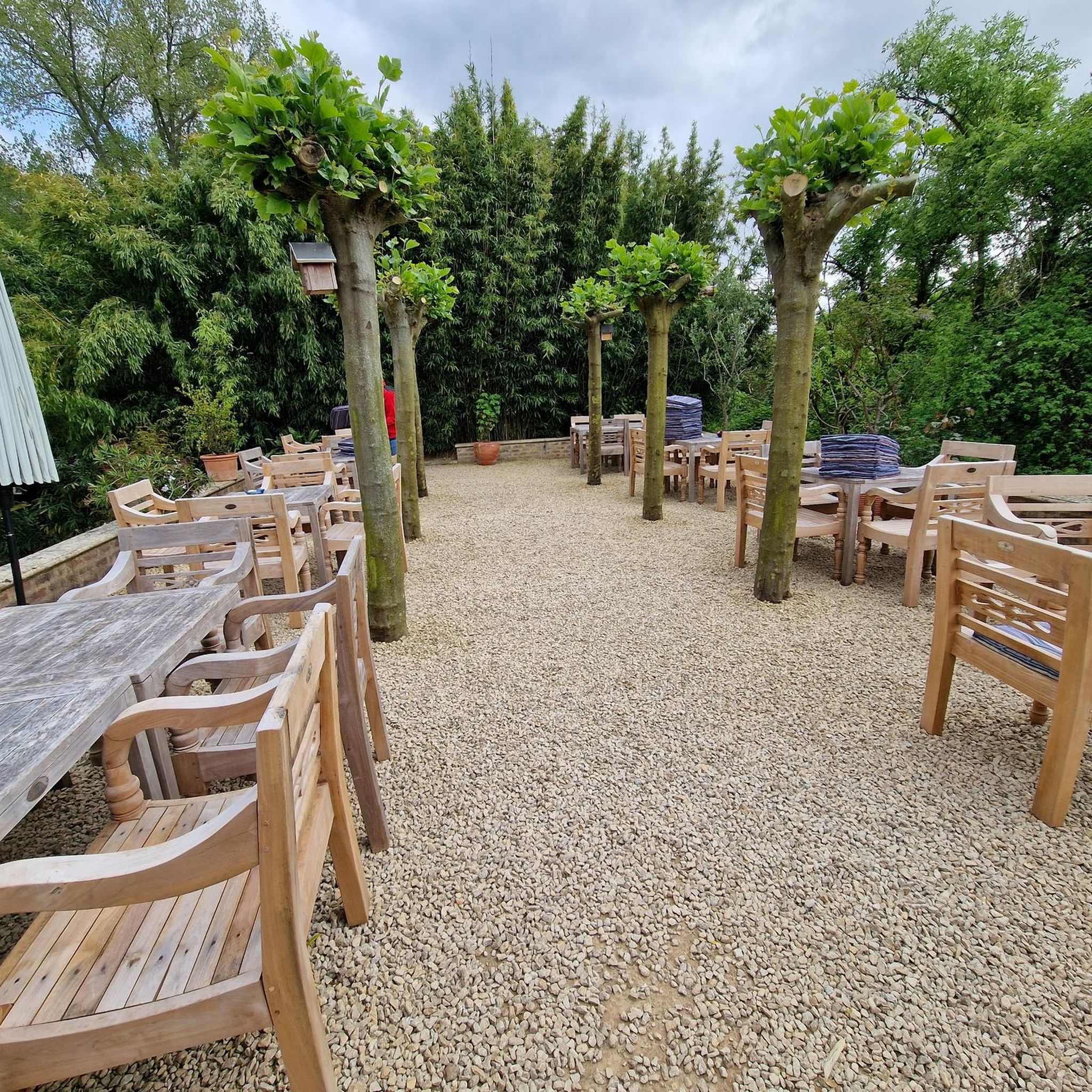
Traffic-free bike rides around Häslachwald

Traffic-free bike rides around Zettachwald
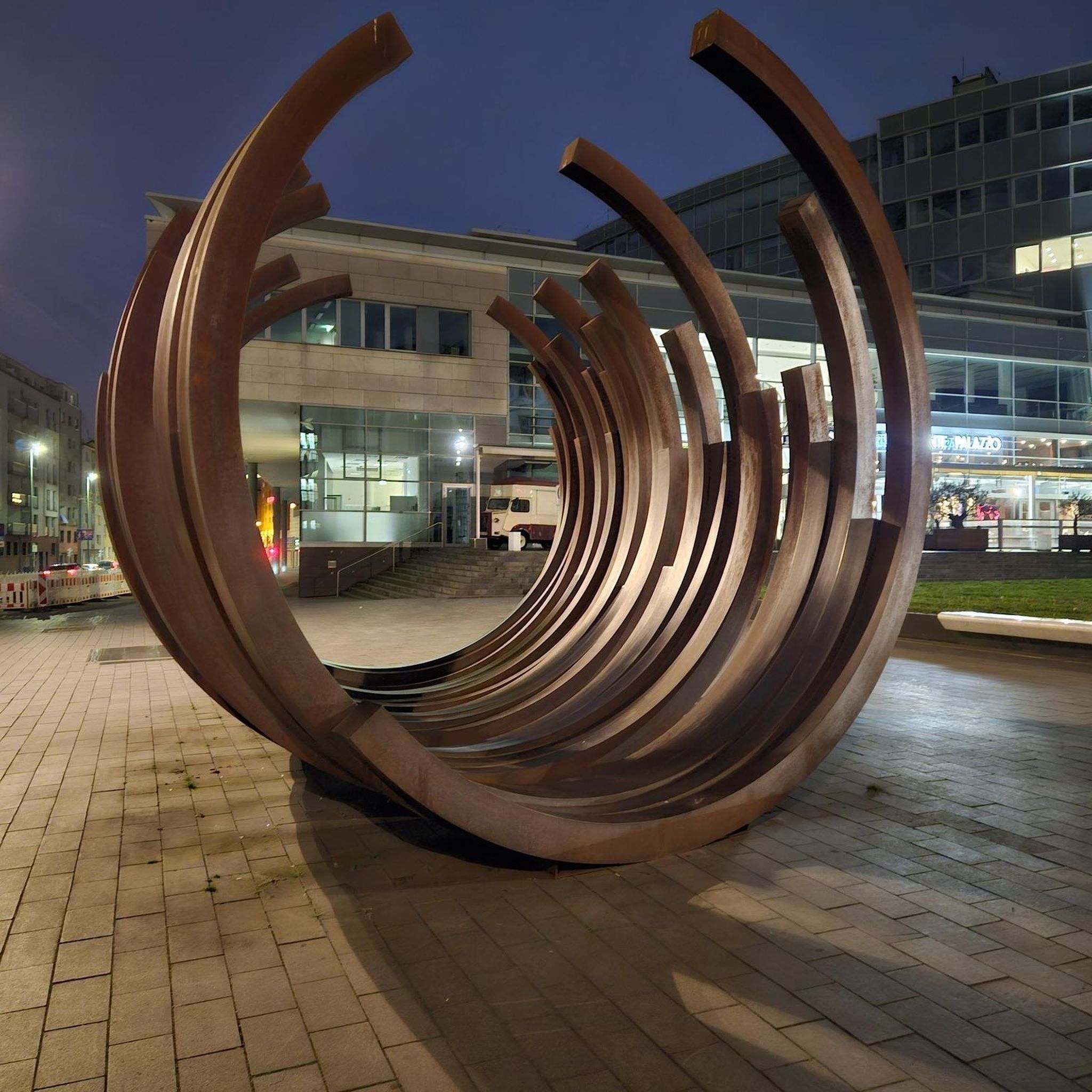
Traffic-free bike rides around Rotwildpark bei Stuttgart
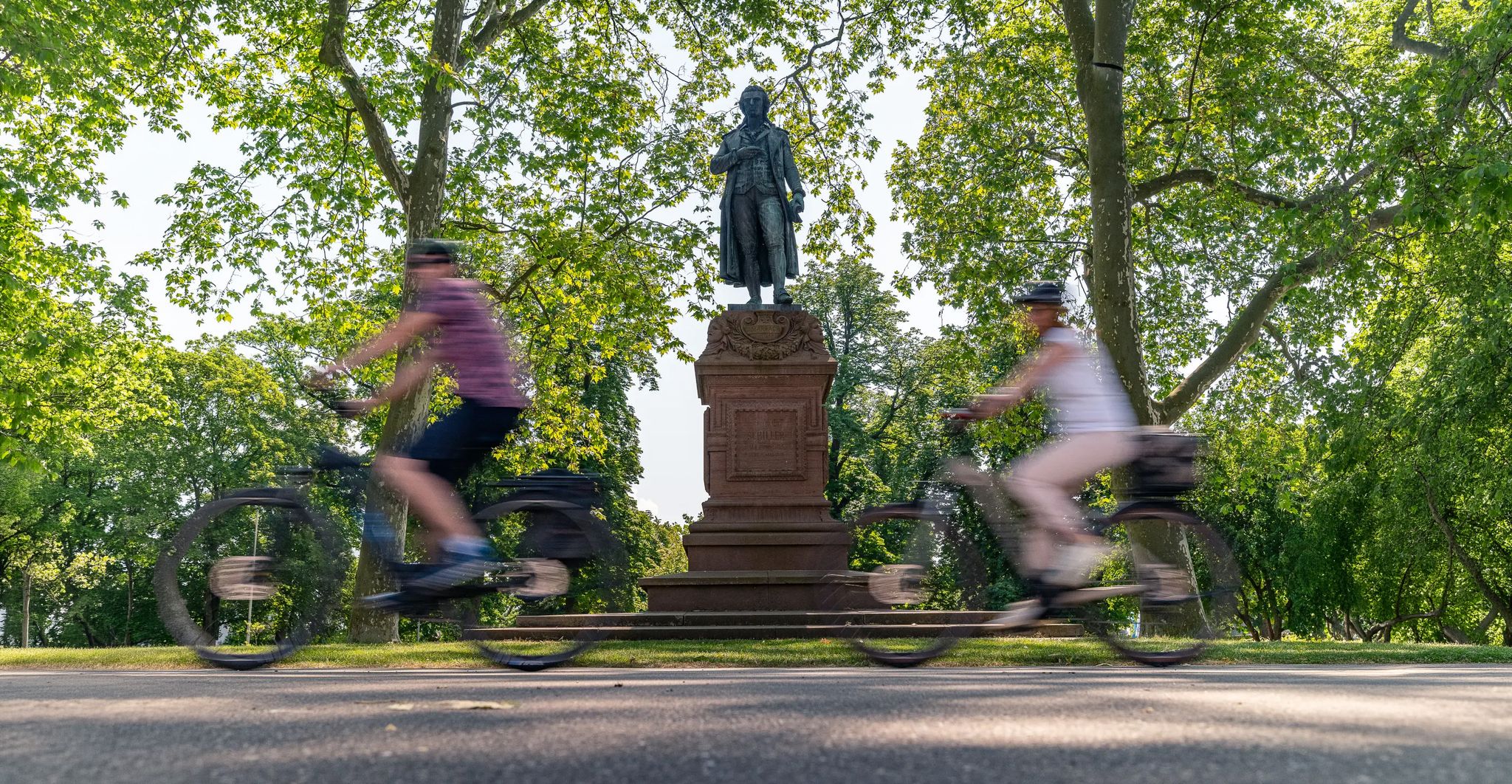
Culture over mileage – cultural Highlights on the Neckar Valley Cycle Path
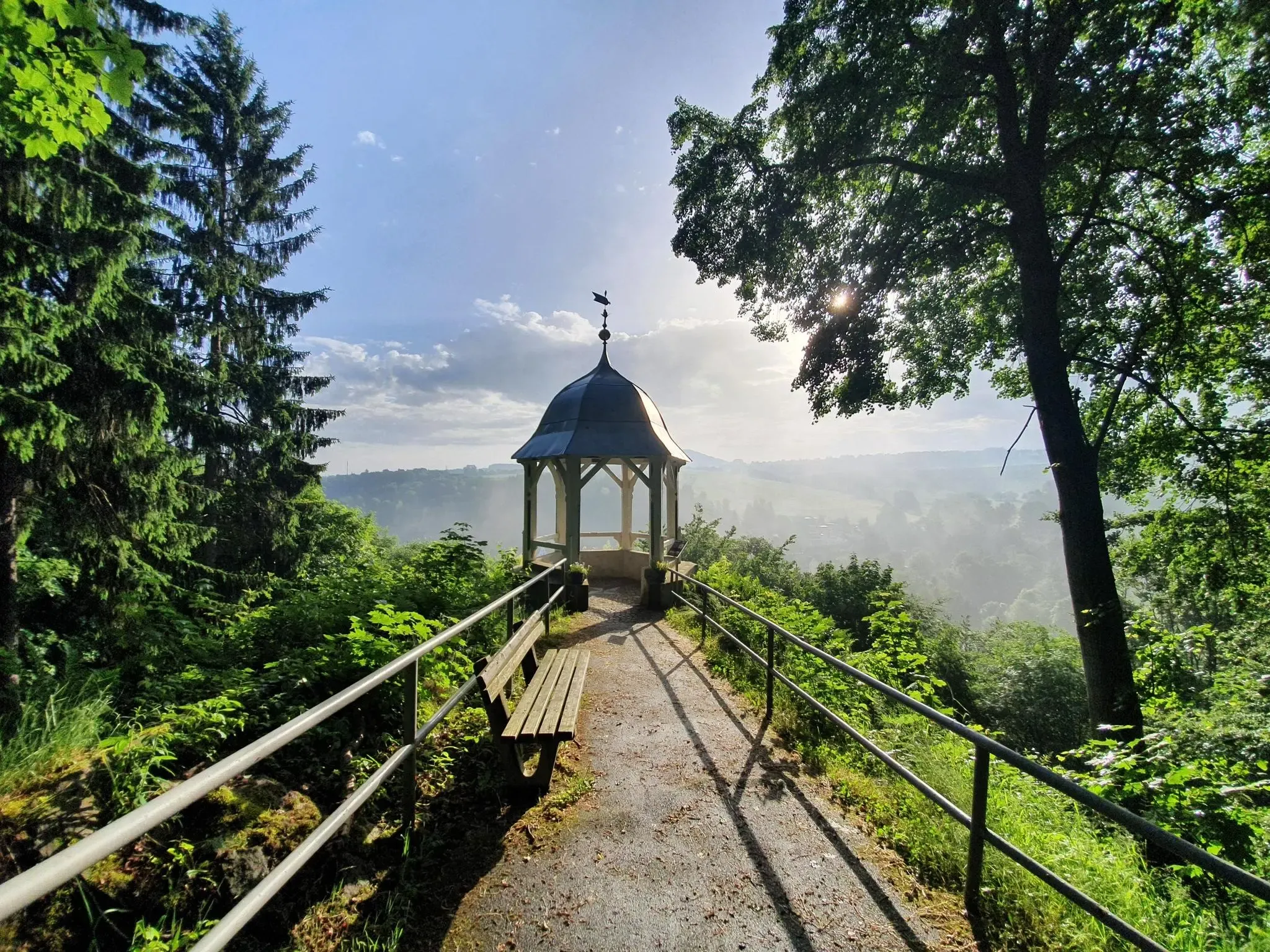
#GoFurther – discover the views of Germany!
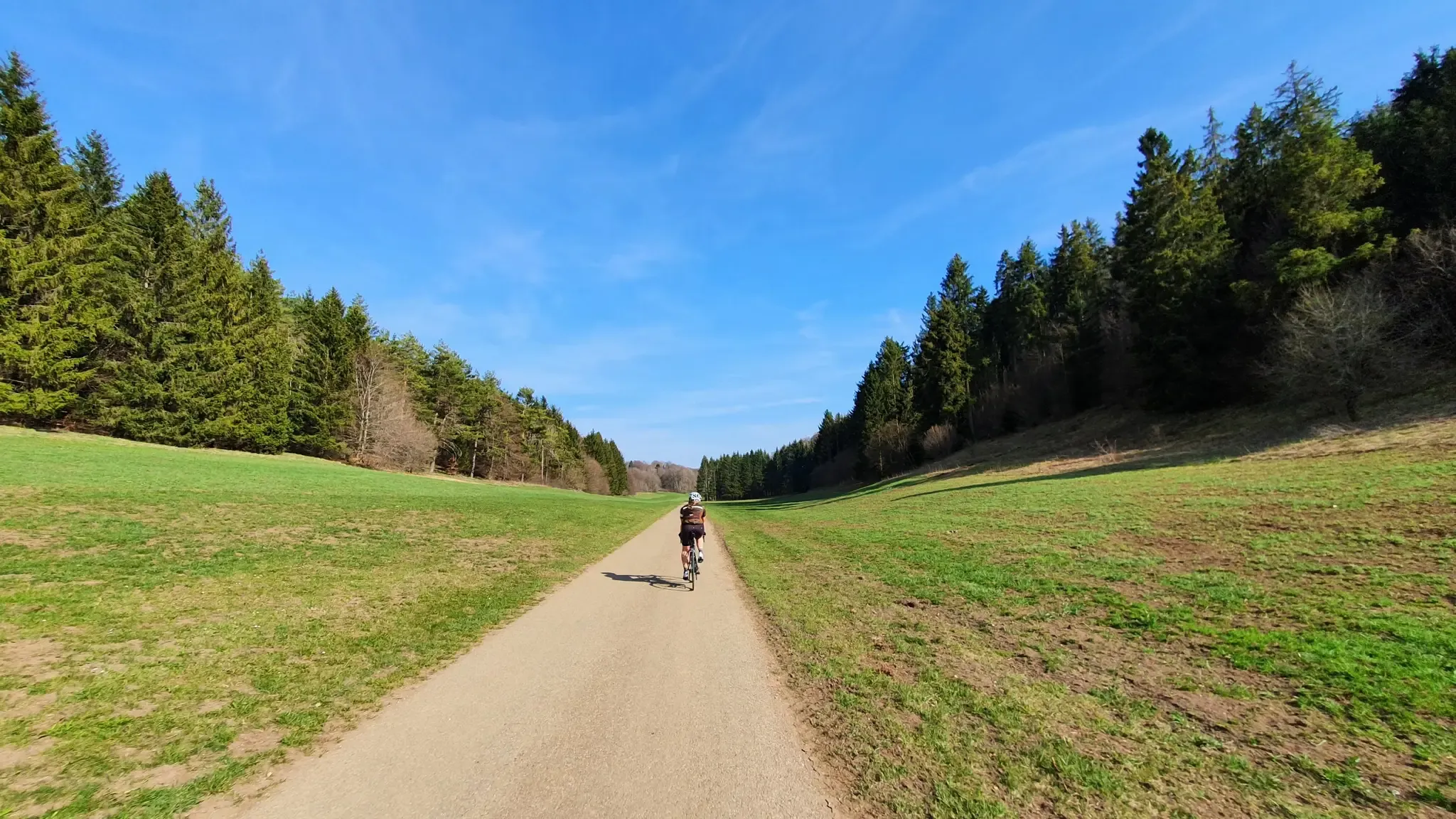
Cycle from Stuttgart to Ulm in Germany
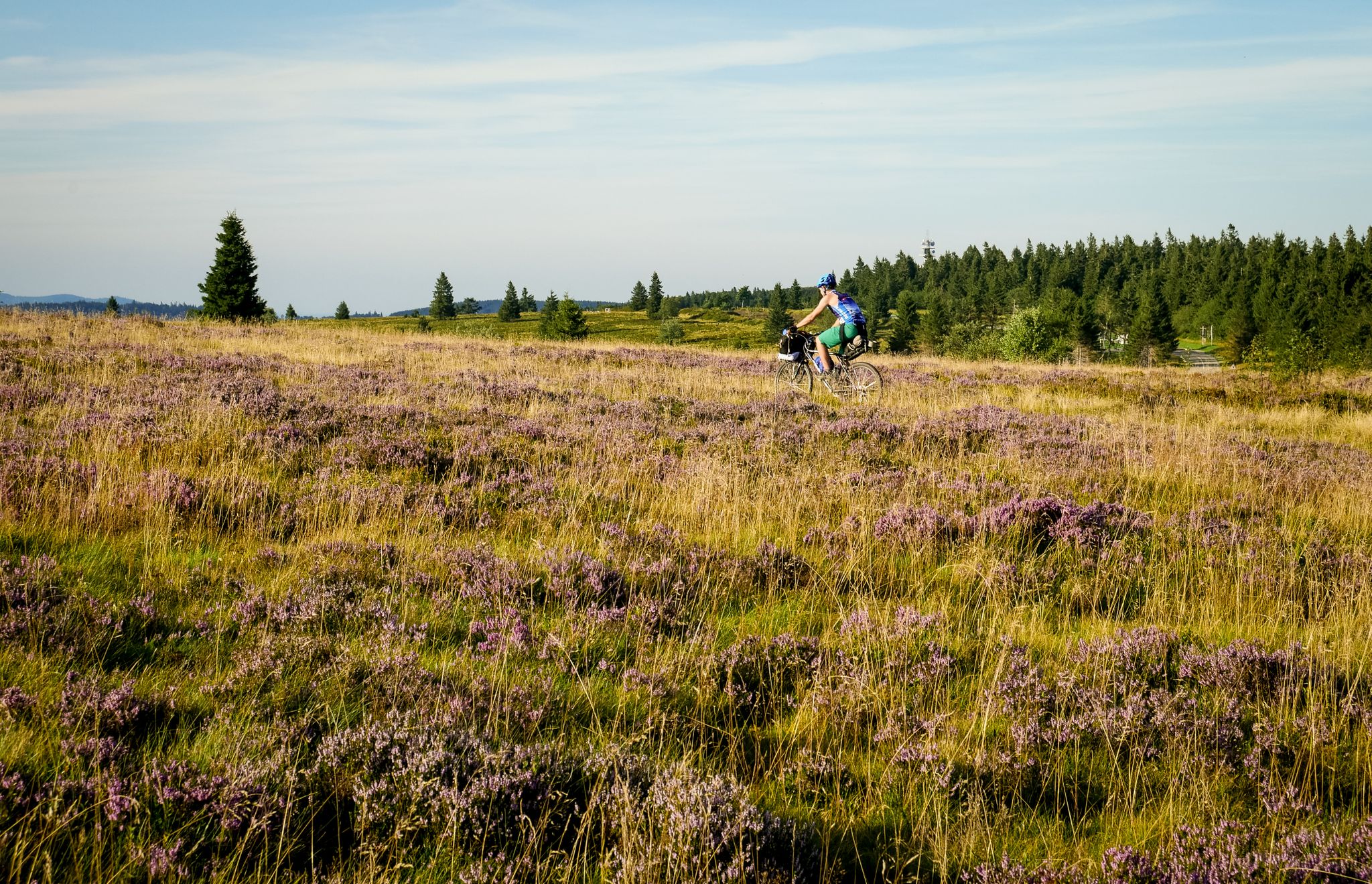
Between two twin cities - From Stuttgart to Strasbourg
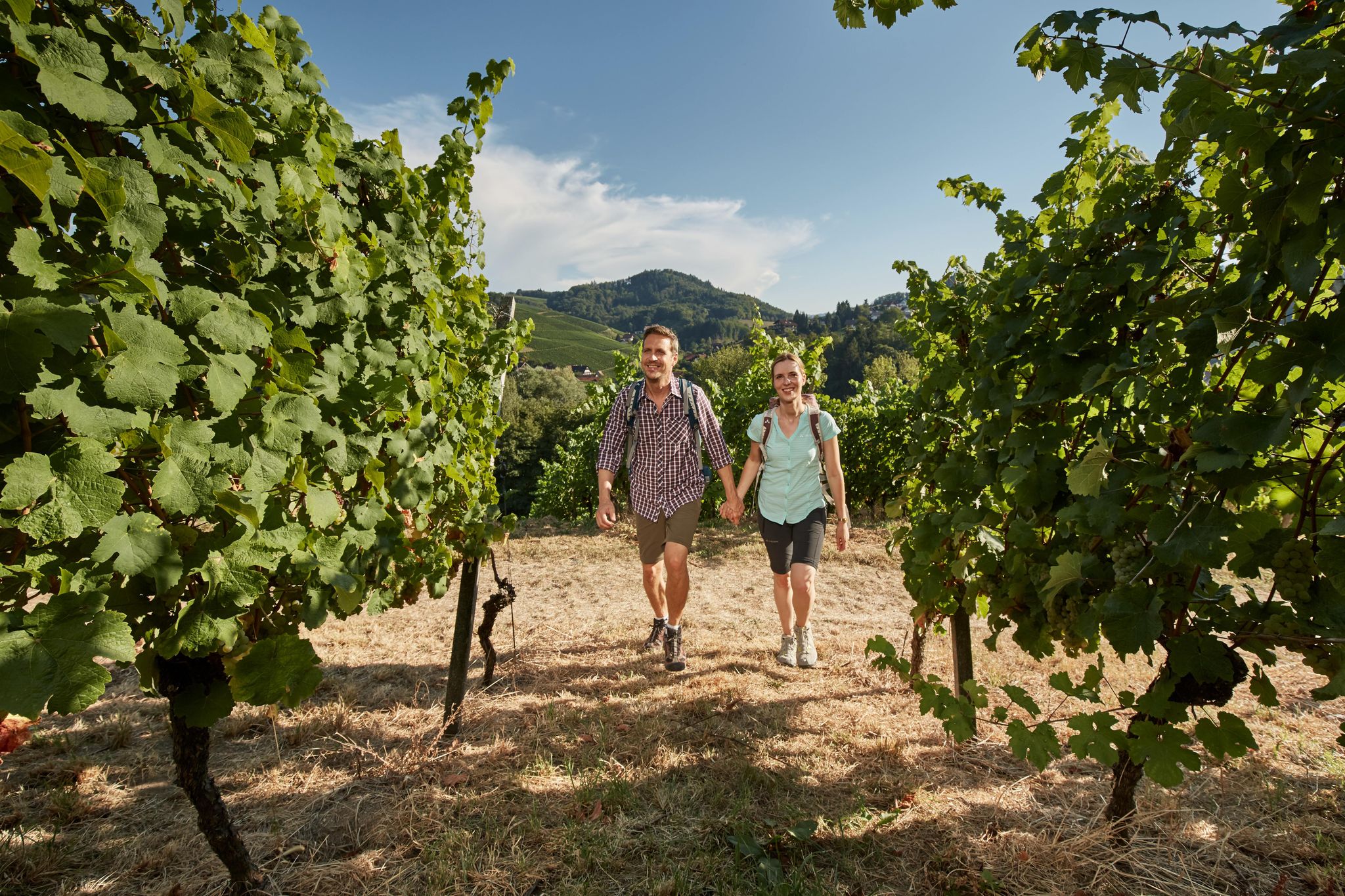
Foodie walks in southern Germany — hiking in Baden-Württemberg
Other adventures in Stuttgart


Tips from the Community

A walk through the Weissenhof Estate reveals the diverse ideas behind the houses built in 1927 and explains their significant role in architectural history. A wayfinding system guides visitors through the estate, providing information about the privately owned houses that are therefore not open to the public. Only the double house by Le Corbusier and Pierre Jeanneret can be visited as a museum. The floor plans from the 1927 book "Building and Living" form the basis for the information displayed on the wayfinding system's steles. Ten of the original 33 houses were destroyed during and after the war and replaced with new buildings.
3
0

This was my third visit to the museum. This time, I enjoyed an excellent guided tour led by a very friendly young woman—I believe she's an art historian. I'll double-check this and correct myself if necessary. She provided a wealth of detailed information about the period and, of course, the museum itself. The tour lasted about an hour and a half, and the time flew by. Highly recommended!
5
0
What's special about this museum is that the exhibition brings to life the revolutionary ideas that were at odds with the zeitgeist of the time. The crowning glory, of course, is the LeCorbusier House, restored to its original condition. I recognize his formal language in many of today's modern buildings.
5
0
A must-see for art and architecture enthusiasts, and for those who simply want to experience the contemporary history of the 1920s in a tangible way. Curiously, many of the building techniques pioneered at that time were forgotten for decades. It's astonishing how buildings that are considered modern today were actually built in this form a hundred years ago.
5
0
It's very interesting to see the revolutionary housing and building ideas presented in Stuttgart around 100 years ago. The "Grand Tour," which also includes a short walk past other buildings in the ensemble, is worthwhile. Much of what we consider modern or practical living today was already being put into practice by the Werkbund architects back then, and they were far ahead of their time.
5
0
From the Blue Trail there are always beautiful views towards Heslach, the TV tower and the landscape in the valley.
5
0
The Hasenbergsteige trail once formed the main traffic route to Calw, along which wine was once grown. Starting at the Gänsepeterbrunnen fountain, the Hasenbergsteige first runs to the saddle between Hasenberg and Karlshöhe. From there, it continues uphill, crossing the Schwab Tunnel and later admiring the impressive view of the Vogelsang Valley and the north and east of the city from a viewing platform (Hasenbergsteige 50).
8
0

Good to know that bikers, hikers and pedestrians meet there, there are also delicious snacks here, great idea.
0
0
Frequently Asked Questions
How many no-traffic gravel bike trails are available in Stuttgart?
Stuttgart offers a wide selection of car-free gravel biking experiences. You can explore over 200 dedicated routes, ranging from easy to difficult, ensuring there's something for every skill level. These trails often wind through the city's extensive green spaces, vineyards, and forests.
What makes Stuttgart ideal for no-traffic gravel biking?
Stuttgart's unique topography, with its valley basin surrounded by rolling hills, extensive woodlands, and vineyards, creates a diverse and picturesque environment perfect for gravel biking. The city is known for its 'Green U' of parks and gardens, providing continuous green areas and a network of trails that keep you away from traffic, offering a peaceful and scenic ride.
Are there any easy or beginner-friendly no-traffic gravel routes in Stuttgart?
Yes, while many routes offer a challenge, there are several options suitable for beginners or those looking for an easier ride. The region features paths through parks and along river valleys that are less demanding. For example, routes like the East Stuttgart tour offer a moderate experience with manageable elevation changes, perfect for building confidence.
Can I find circular no-traffic gravel bike routes in Stuttgart?
Absolutely! Many of Stuttgart's no-traffic gravel trails are designed as loops, allowing you to start and finish at the same point. A notable example is the Stuttgart Circular Trail, which provides a comprehensive tour of the area's diverse landscapes. Another great option is the Solitude Palace via the Lindental valley and Kräherwald forest - loop from Marienplatz, offering a rewarding circular journey.
What kind of viewpoints can I expect on these gravel bike trails?
Stuttgart's hilly terrain means many trails offer spectacular panoramic views. You'll often find yourself riding through vineyards and elevated forests that open up to vistas over the city, the Neckar Valley, and the surrounding countryside. Iconic spots like the Killesberg Tower or the Royal Burial Chapel on the Württemberg, while not directly on every gravel route, are indicative of the stunning elevated perspectives you can encounter throughout the region.
Are there family-friendly no-traffic gravel routes in Stuttgart?
Yes, the extensive network of parks and green spaces within and around Stuttgart provides excellent opportunities for family-friendly gravel biking. Routes that stick to the 'Green U' or follow the gentler paths in areas like Rosenstein Park or along the Neckar River are often suitable for families, offering safe, car-free environments to enjoy together.
What is the best time of year for no-traffic gravel biking in Stuttgart?
Stuttgart is beautiful for gravel biking year-round, but spring and autumn are particularly delightful. In spring, the vineyards and forests burst with new life, while autumn offers stunning foliage and pleasant temperatures, making it ideal for exploring the wine region. Summer can be warm, but the shaded forest trails provide a cool escape. Even in winter, many trails remain accessible, offering a serene experience in the snow.
What attractions or landmarks can I see along the no-traffic gravel bike trails?
Many routes pass by or near significant historical and natural landmarks. You might cycle past impressive structures like Solitude Palace or Hohenheim Palace. The trails also lead through beautiful natural areas such as the Körsch valley, offering a mix of cultural and scenic highlights. Keep an eye out for charming forest taverns like the Sieben Linden Forest Tavern for a break.
Are there places to stop for refreshments or food along the routes?
Given Stuttgart's integration of nature and urban areas, you'll often find opportunities for refreshments. Many routes traverse vineyards, where you might discover local 'Besenwirtschaften' (seasonal wine taverns) or cafes. Forest taverns and picnic areas, such as the Sieben Linden Forest Tavern or the Bopserhütte Picnic and Playground Area, are also scattered throughout the green spaces, perfect for a break.
How can I access these no-traffic gravel trails using public transport?
Stuttgart has an excellent public transport network (VVS) that can get you close to many trailheads. Many S-Bahn and U-Bahn stations are located near green areas and parks, making it convenient to start your ride without a car. Check the VVS website for specific routes and bike transport regulations, as rules can vary during peak hours or on certain lines.
What do other gravel bikers enjoy most about the no-traffic trails in Stuttgart?
The komoot community highly rates gravel biking in Stuttgart, with an average score of 4.56 stars. Reviewers frequently praise the diverse landscapes, the extensive network of car-free paths, and the rewarding climbs that lead to stunning panoramic views. The ability to escape city traffic and immerse oneself in nature, from dense forests to picturesque vineyards, is a recurring highlight.
Are there any specific routes that combine historical sites with natural beauty?
Yes, many routes beautifully blend history with nature. The Kräherwald via Solitude Palace - loop from Stuttgart is an excellent example, taking you through the serene Kräherwald forest and past the magnificent Solitude Palace. This allows you to enjoy both the tranquility of the woods and the grandeur of historical architecture on a single ride.
Most popular routes in Stuttgart
Most popular attractions in Stuttgart

Get inspired with the komoot mobile app


Didn’t find what you were looking for?
Check out more Gravel rides throughout Stuttgart below and find the perfect route in your destination.
Explore more
Browse the best Gravel rides in other regions.
