Top 5 Natural Monuments in Salt Point State Park
Best natural monuments in Salt Point State Park are found along its dramatic coastline in Sonoma County, California. The park features diverse ecosystems, including unique geological formations and distinctive botanical areas. Visitors can explore the renowned Tafoni rock formations and the intriguing Pygmy Forest. These natural wonders make the park a notable destination for those interested in geology and unique ecosystems.
Best natural monuments in Salt Point State Park
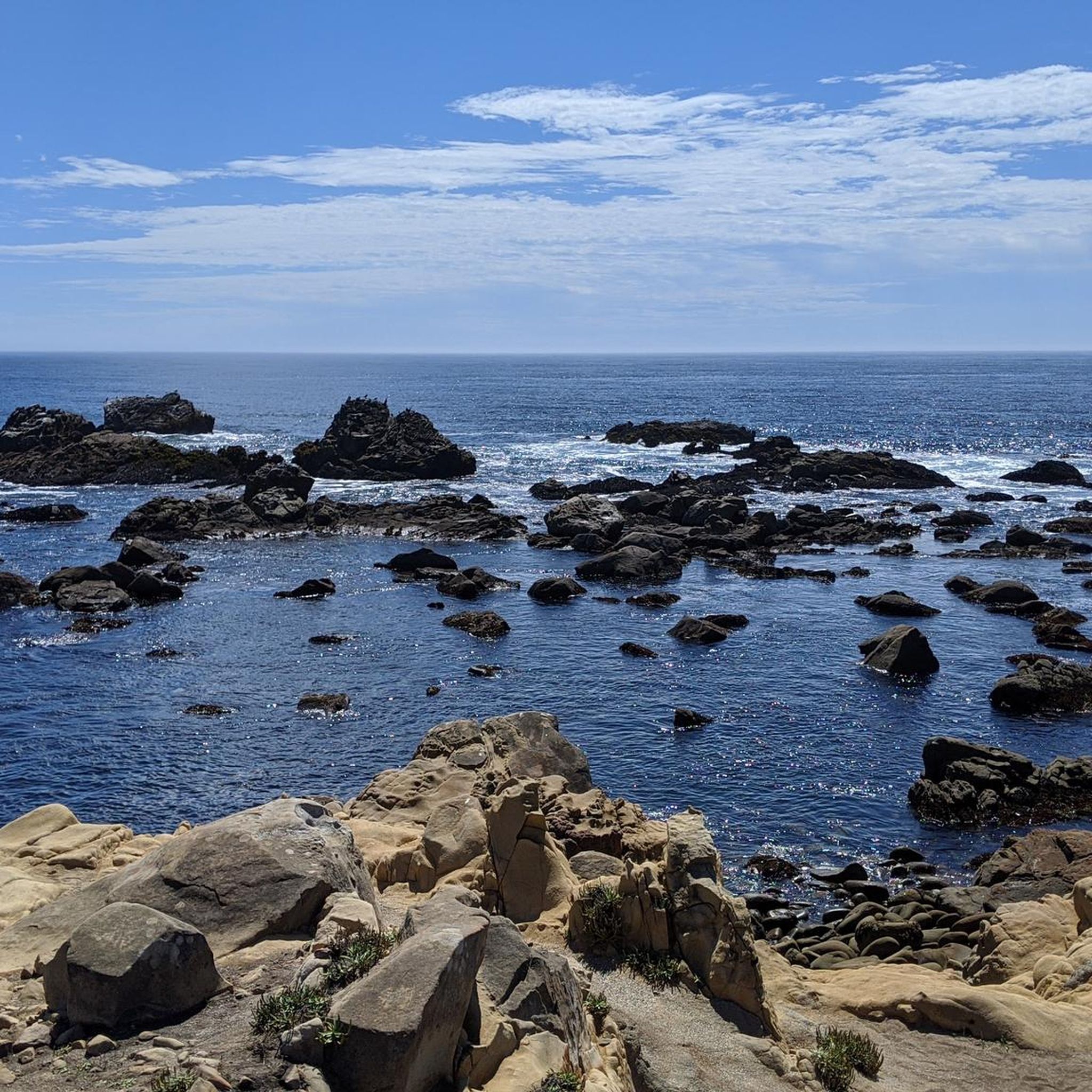
- The most popular natural monuments is Gerstle Cove Marine Reserve, a beach that features Tafoni, honeycomb-like weathering patterns in sandstone. These formations are believed to involve the interaction of salt crystals with the sandstone, creating intricate, pitted networks.
- Another must-see spot is North Trail — Salt Point State Park, a forest trail characterized by fully mature, yet stunted trees like Bishop pine and Mendocino cypress, some over a century old, growing only a few feet tall. This unique growth is due to highly acidic, nutrient-poor soil and a hardpan layer that prevents deep root growth.
- Visitors also love Salt Point Rock Formations, a natural monument featuring dramatic sea cliffs and offshore rocks along the Sonoma coast. The area is known for its unique geological features, including Tafoni formations, sculpted by natural forces.
- Salt Point State Park is known for Tafoni rock formations, Pygmy Forests, and rugged coastlines. The park offers diverse natural monuments, from unique geological features to distinctive botanical ecosystems.
- The natural monuments in Salt Point State Park are appreciated by the komoot community. With 3 upvotes and 3 photos, these highlights showcase the park's unique geological and botanical features.
Last updated: May 26, 2026
Gerstle Cove Marine Reserve
Highlight • Beach
Sandstone from Salt Point was used in the construction of San Francisco's streets and buildings during the mid-1800s. At the rocks at Gerstle Cove are still eyebolts where the ships anchored, where sandstone slabs were loaded on board. Quarried rocks can still be seen scattered along the marine terrace north of Gerstle Cove. Drill holes along the edges of the rocks were used to separate the large rocks into smaller slabs.
Tafoni is the Italian word for ‘cavern’. It is a natural phenomenon that is common along the sandstone near the ocean's edge at Gerstle Cove and Fisk Mill. They have a honeycomb-type network carved into the rocks forming pits, knobs, ribs, and ridges.
Tip by

North Trail — Salt Point State Park
Highlight (Segment) • Forest
These trees’ stunted growth is caused by an inhospitable combo of highly-acidic, nutrient-free soil and a below-surface hardpan layer that blocks soil drainage and prevents the trees from setting the deep roots they need to thrive.
The 3.8-mile, two-hour loop of the Pygmy Forest Trail takes you through a mixed evergreen forest, a grassy prairie surrounded by pines, and lots of mushrooms and wildflowers (in season) before you reach pygmy tree territory.
Start out on Central Trail, located near the ranger station. You’ll pass madrone, Douglas fir, tan oaks, and eucalyptus as you ascend steadily upward. The occasional interpretive signs are interesting, describing various plants and the way they were used by the area’s first residents, the Kashaya Pomo.
After you’ve walked about one-and-a-half miles you’ll come to an intersection; turn left onto this North Trail, which brings you through the pygmy forest. Turn left again at the Water Tank Trail; it’s short, less than a quarter mile, at which time you rejoin the Central Trail by turning right. This brings you back to the ranger station parks.ca.gov/?page_id=453
Tip by
Sign up now to discover places like this
Get recommendations on the best single tracks, peaks, & plenty of other exciting outdoor places.
Sign up for free
Salt Point Rock Formations
Highlight • Natural Monument
Tip by

Kruse Rhododendron State Natural Reserve
Highlight • Natural Monument
Tip by
Start today with a free account
Your next adventure awaits.
Login or Signup
Popular around Salt Point State Park
Tips from the Community

This is a key segment of one of Salt Point State Park's world wonders: a pygmy forest. The Bishop and Bolander pines, Mendocino cypresses, and redwoods here are fully mature (and in some cases, more than a century old), but at only a few feet tall, are uniquely miniature. These trees’ stunted growth is caused by an inhospitable combo of highly-acidic, nutrient-free soil and a below-surface hardpan layer that blocks soil drainage and prevents the trees from setting the deep roots they need to thrive. The 3.8-mile, two-hour loop of the Pygmy Forest Trail takes you through a mixed evergreen forest, a grassy prairie surrounded by pines, and lots of mushrooms and wildflowers (in season) before you reach pygmy tree territory. Start out on Central Trail, located near the ranger station. You’ll pass madrone, Douglas fir, tan oaks, and eucalyptus as you ascend steadily upward. The occasional interpretive signs are interesting, describing various plants and the way they were used by the area’s first residents, the Kashaya Pomo. After you’ve walked about one-and-a-half miles you’ll come to an intersection; turn left onto this North Trail, which brings you through the pygmy forest. Turn left again at the Water Tank Trail; it’s short, less than a quarter mile, at which time you rejoin the Central Trail by turning right. This brings you back to the ranger station https://www.parks.ca.gov/?page_id=453
2
0

Salt point is located on the Sonoma coast. Be careful, because the waves can be quite big, so it can be dangerous here.
0
0

Salt point is located on the Sonoma coast. The sea can be dangerous here. Be extremely cautious, because the waves can be quite big especially in winter.
1
0
Rocky but beautiful cove under tall cliffs. Sandstone from Salt Point was used in the construction of San Francisco's streets and buildings during the mid-1800s. At the rocks at Gerstle Cove are still eyebolts where the ships anchored, where sandstone slabs were loaded on board. Quarried rocks can still be seen scattered along the marine terrace north of Gerstle Cove. Drill holes along the edges of the rocks were used to separate the large rocks into smaller slabs. Tafoni is the Italian word for ‘cavern’. It is a natural phenomenon that is common along the sandstone near the ocean's edge at Gerstle Cove and Fisk Mill. They have a honeycomb-type network carved into the rocks forming pits, knobs, ribs, and ridges.
0
0
Wonderful area to see the white and rose-colored coast rhododendron in their natural coastal habitat. The blossoming is between April and early June. Free entrance
0
0

Frequently Asked Questions
What unique geological formations can I see in Salt Point State Park?
Salt Point State Park is renowned for its unique geological features, most notably the Tafoni rock formations. These are distinctive, honeycomb-like weathering patterns found in the sandstone cliffs, particularly visible at Gerstle Cove and Salt Point Rock Formations. They are formed by the interaction of salt crystals with the sandstone, creating intricate, pitted networks.
What makes the Pygmy Forest in Salt Point State Park unique?
The Pygmy Forest, accessible via the North Trail, is characterized by fully mature, yet remarkably stunted trees. Species like Bishop pine, Bolander pine, and Mendocino cypress, some over a century old, grow only a few feet tall. This unique growth is due to highly acidic, nutrient-poor soil and a dense hardpan layer that prevents deep root growth and drainage.
When is the best time to visit Salt Point State Park's natural monuments?
The best time to visit depends on what you want to see. For viewing the white and rose-colored coast rhododendrons in their natural habitat at Kruse Rhododendron State Natural Reserve, the blossoming period is typically between April and early June. Generally, the park offers diverse experiences year-round, but coastal weather can be unpredictable, with spectacular but potentially dangerous waves during winter.
Are there family-friendly natural monuments in Salt Point State Park?
Yes, Kruse Rhododendron State Natural Reserve is considered family-friendly. It offers a wonderful area to see the coast rhododendrons and has free entrance. The Pygmy Forest Trail, while a 3.8-mile loop, is also a unique and engaging experience for families.
What are the main natural features of Salt Point State Park's coastline?
The coastline of Salt Point State Park is a natural monument in itself, featuring dramatic sea cliffs and offshore rocks constantly shaped by the Pacific waves. It also includes California's first underwater preserves, offering a rich habitat for marine life. The Salt Point Rock Formations highlight these rugged coastal features.
What outdoor activities can I do near these natural monuments?
Salt Point State Park offers a variety of outdoor activities. You can explore numerous hiking trails, including easy options like the Bluff Trail Loop or moderate hikes like the Pygmy Forest Trail. Road cycling is also popular, with routes like the Gerstle Cove Marine Reserve – Stump Beach loop available.
Are there hiking trails that lead to the natural monuments?
Absolutely. The North Trail is a key segment of the Pygmy Forest Trail, a 3.8-mile loop that takes you through the unique pygmy tree territory. For coastal formations, trails around Gerstle Cove Marine Reserve and Salt Point Rock Formations provide access to the Tafoni and dramatic sea cliffs. You can find more hiking options in the Hiking in Salt Point State Park guide.
What do visitors enjoy most about Salt Point State Park's natural monuments?
Visitors frequently appreciate the otherworldly appearance of the Tafoni rock formations and the geological mystery surrounding their creation. The striking visual contrast of the Pygmy Forest, with its mature yet miniature trees, also captivates many. The park's rugged coastline, with its dramatic sea cliffs and offshore rocks, is another highlight, offering mesmerizing views and a sense of raw natural beauty.
Is there parking available for visiting the natural monuments?
Yes, Salt Point State Park has various parking areas. For instance, the Pygmy Forest Trail can be accessed from near the ranger station, which typically has parking. Coastal access points like Gerstle Cove also have designated parking. It's advisable to check the park's official website or signage upon arrival for specific parking locations and any associated fees.
What kind of wildlife can be observed near the natural monuments?
Salt Point State Park's diverse ecosystems support various wildlife. Along the coastline and near marine reserves like Gerstle Cove, you might spot marine mammals and a variety of seabirds. The forests, including the Pygmy Forest and mixed evergreen areas, are home to deer, various bird species, and smaller forest creatures. The underwater preserves also host rich marine life for divers.
Are there any less crowded natural monuments to explore in Salt Point State Park?
While the main attractions like Tafoni formations and the Pygmy Forest can draw crowds, exploring the broader network of trails can lead to quieter experiences. The Kruse Rhododendron State Natural Reserve, while popular during bloom season, might offer a more serene forest experience outside of peak times. Exploring different sections of the extensive coastline can also provide secluded spots.
How long does it take to hike to the Pygmy Forest?
The Pygmy Forest Trail, which includes the North Trail segment, is a 3.8-mile loop. It typically takes about two hours to complete, allowing time to appreciate the unique stunted trees and the surrounding mixed evergreen forests and grassy prairies.
Most popular attractions in Salt Point State Park

Get inspired with the komoot mobile app


Explore more
Extend your search for the best caves by checking out these guides of the top ones in Salt Point State Park:
