Top 5 Mountain Passes in Larrako Erreserba Naturala/Reserva Natural De Larra
Best mountain passes in Larrako Erreserba Naturala/Reserva Natural De Larra are characterized by extensive karstic formations, dramatic limestone scenery, and black pine forests. This region in the Navarrese Pyrenees offers natural thoroughfares and gateways to diverse ecosystems. The passes hold cultural significance, serving as historical communication routes and locations for ancient traditions. Exploring these mountain passes provides access to the unique geological wonders of the area.
Best mountain passes in Larrako Erreserba Naturala/Reserva Natural De Larra
- The most popular mountain…
Last updated: July 5, 2026
Pierre Saint-Martin Pass
Highlight • Mountain Pass
Translated by Google •
Tip by

Ascent of the Col de la Pierre Saint-Martin from Arette
Highlight (Segment) • Mountain Pass
Translated by Google •
Tip by

Sign up now to discover places like this
Get recommendations on the best single tracks, peaks, & plenty of other exciting outdoor places.
Sign up for free
Larreria Pass
Highlight • Mountain Pass
Translated by Google •
Tip by

ChimneyTable3Kings
Highlight (Segment) • Climb
Translated by Google •
Tip by

Ascent to Col de la Pierre Saint-Martin from Isaba
Highlight (Segment) • Mountain Pass
Translated by Google •
Tip by

Start today with a free account
Your next adventure awaits.
Login or Signup
Popular around Larrako Erreserba Naturala/Reserva Natural De Larra
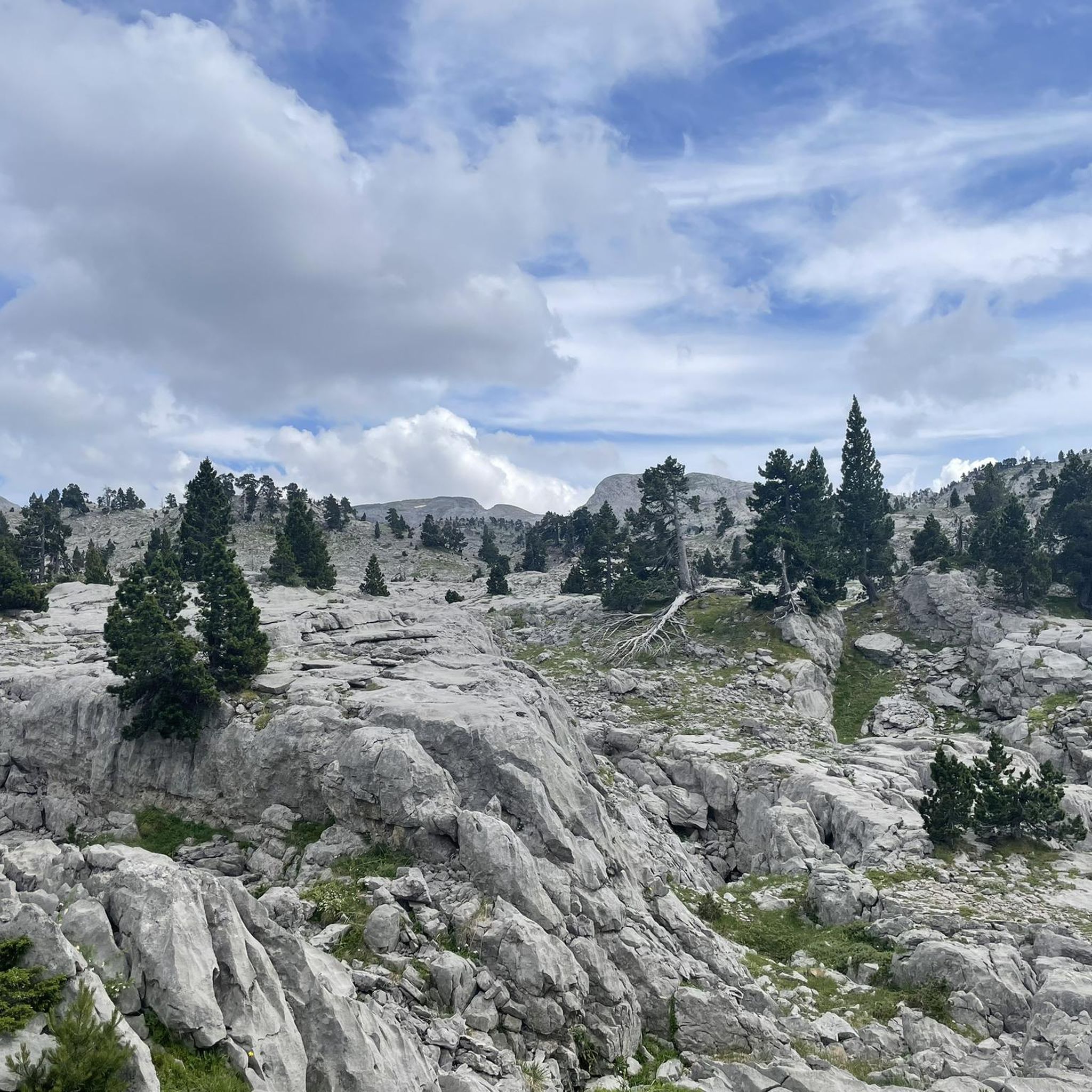
Hiking in Larrako Erreserba Naturala/Reserva Natural De Larra
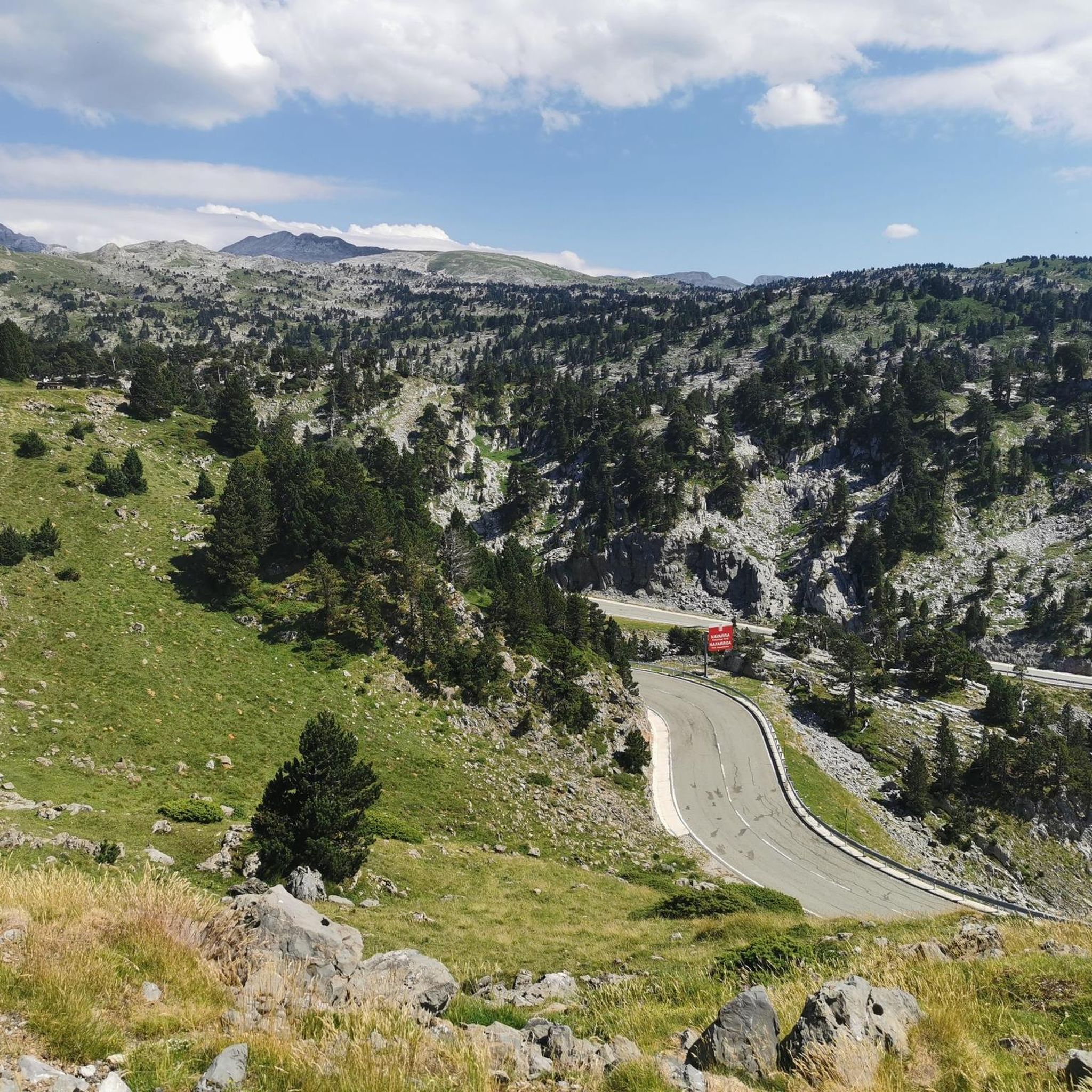
Running Trails in Larrako Erreserba Naturala/Reserva Natural De Larra
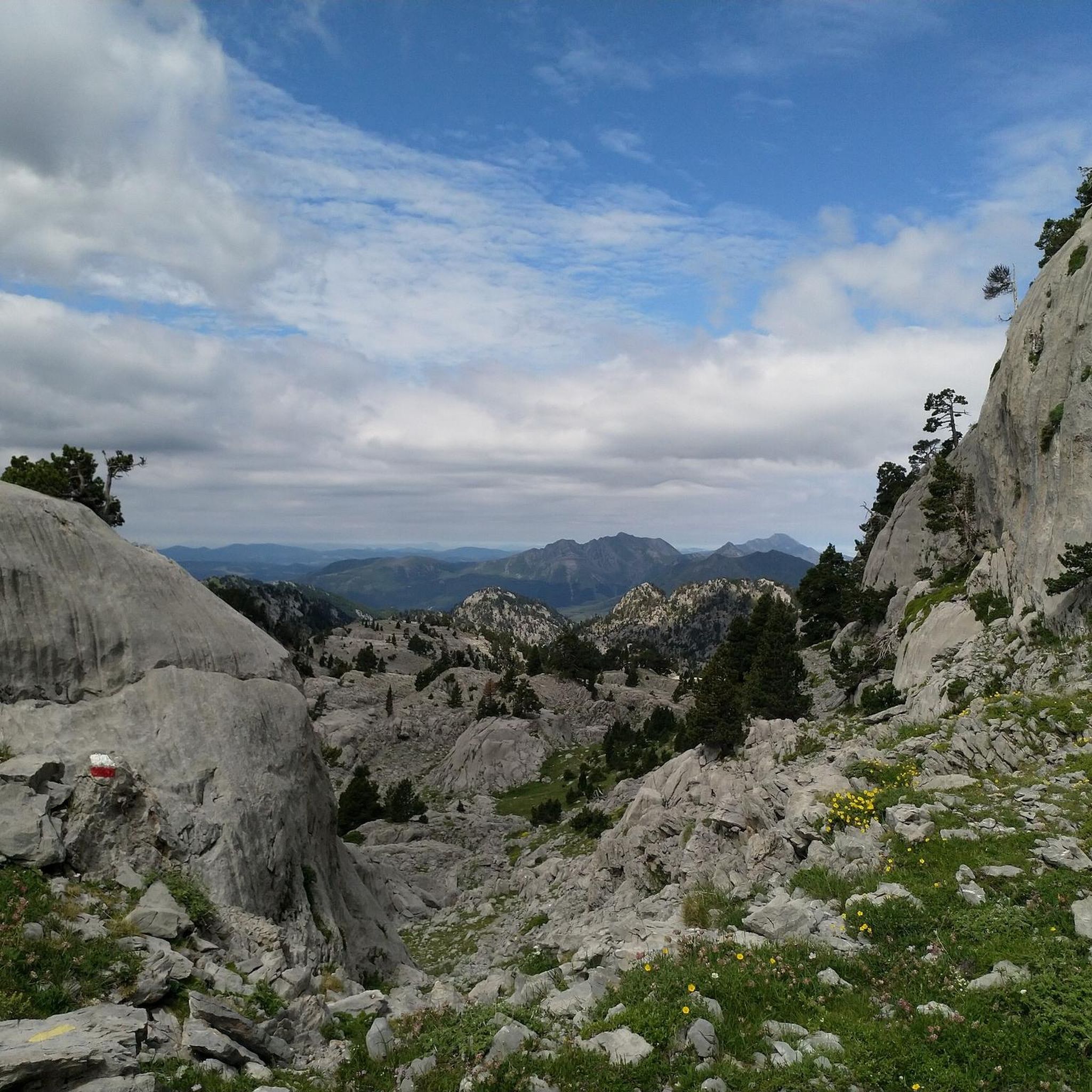
Cycling in Larrako Erreserba Naturala/Reserva Natural De Larra
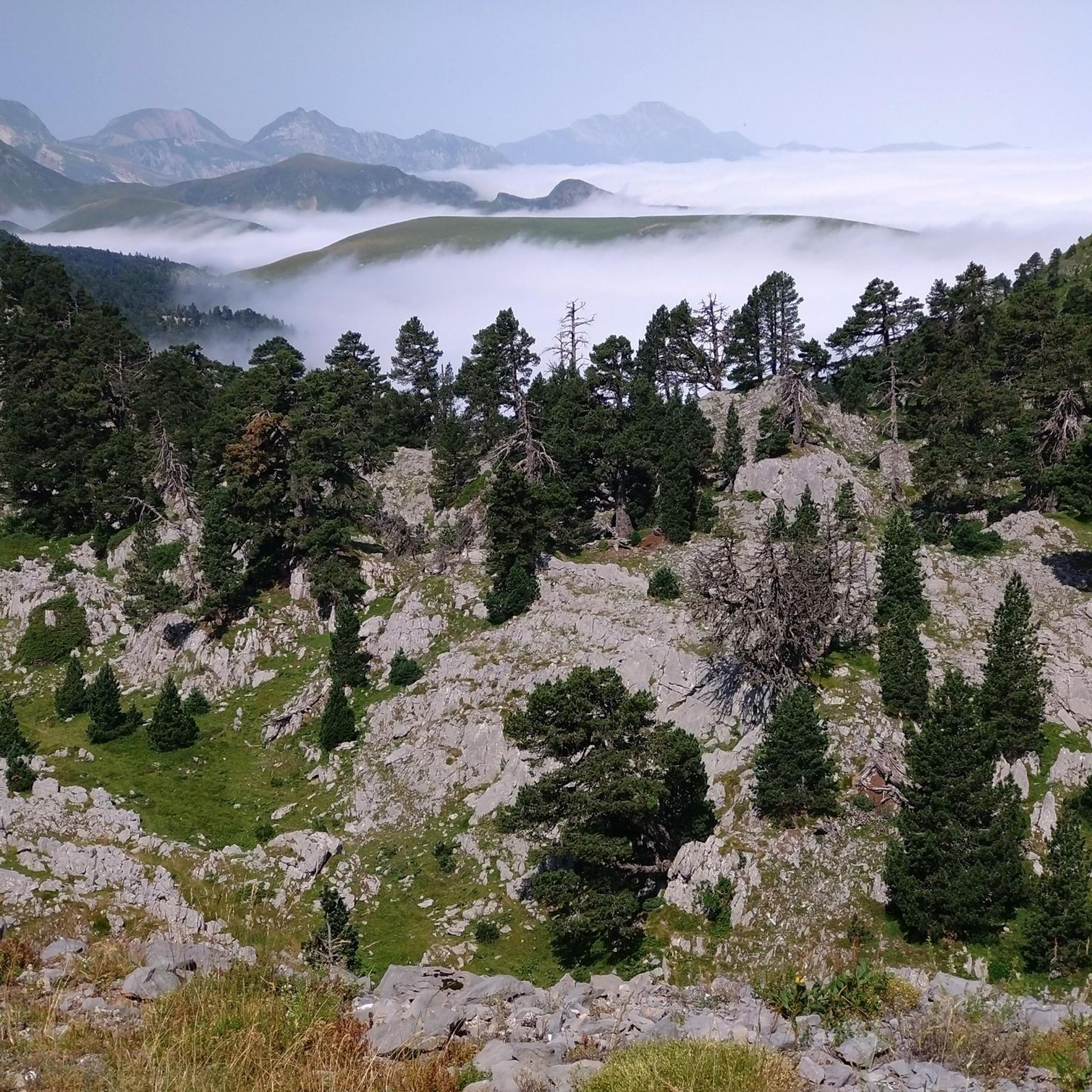
Road Cycling Routes in Larrako Erreserba Naturala/Reserva Natural De Larra
MTB Trails in Larrako Erreserba Naturala/Reserva Natural De Larra

Mountain Hikes in Larrako Erreserba Naturala/Reserva Natural De Larra
Tips from the Community

On the French-Spanish border, the Col de la Pierre Saint-Martin is a more challenging climb on the French side. From Arette, this hors catégorie climb is 25 kilometers long and averages 5.8%. The steepest section is between the 8th and 18th kilometers.
1
0

Up to kilometer 12, the climb is gentle. From there, it becomes more difficult, and you'll face some slopes with a 10% gradient. The total climb is 26 kilometers, and the total ascent is 1,048 meters. During the climb, you'll find good road surfaces and beautiful scenery.
0
0

Without a doubt, the Col de la Piedra de Saint Martin or Pierre Saint-Martin is one of the Top 10 in the whole of the Pyrenees. Without exceeding 2000 metres of altitude, it is a very long pass, with a lot of accumulated gradient (due to the innumerable French slopes, the gradient is 1,450 metres), with very hard slopes and several kilometres above 10%, with wonderful landscapes and panoramic views and with little traffic, except for the slopes crossed by the main road (D132 in France, the NA 137 in Spain). It is a pass with many slopes; in Europe there are few other passes that have as many slopes as this one (col de Turini, Passo delle Erbe, would be comparable in number of slopes approximately). I have only climbed it by 2 slopes: (i) my first time was from Lourdios Ichère, crossing the col de Labays and the col de Soudet. Simply spectacular; (ii) I have subsequently climbed the Spanish side on several occasions, which is unique, and which starts from Belagua and crosses the Belagua cross-country ski resort to reach the mountain pass. It is also very beautiful, with a landscape and views different from the north-east side. If I had to choose one of the two, I liked the north-west side better because it is more remote, harder and in my opinion more authentic. It is also a culturally special mountain pass because the Tribute of the 3 cows takes place on its summit every 13th of July, which is considered the oldest treaty in force in Europe. So... you know... you cannot miss the opportunity to come here and enjoy this wonderful jewel of the Pyrenees!!!!
1
0

As they say...complicated part to climb
0
0

The last stretch to "the table" is an easy climb but, like everything in high mountains, it is not without risk if you stumble. It is not uncommon to hear the cry of "stone" from someone who slips when stepped wrong.
1
0

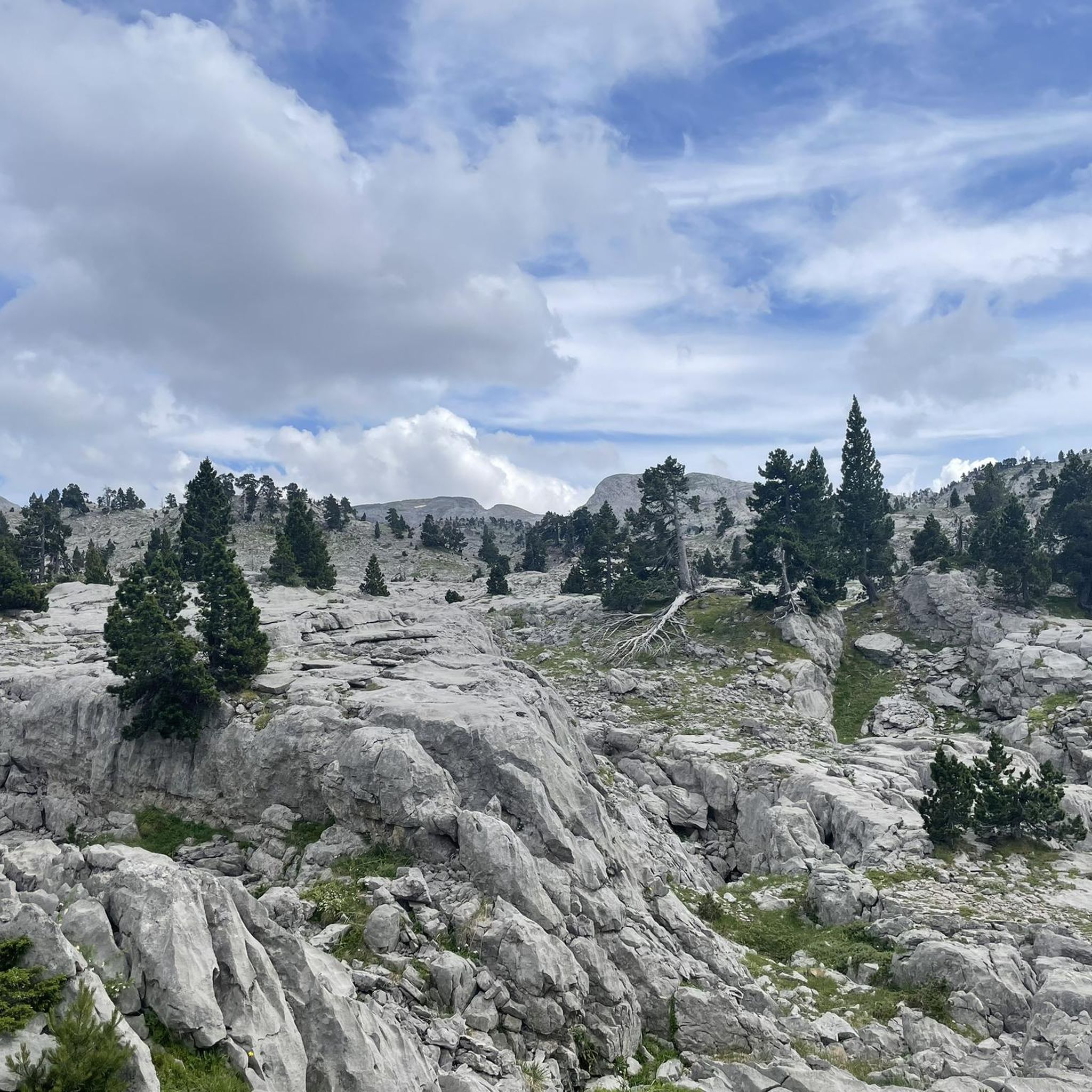
The trail goes down through lapiaz land towards the Puerta de Larra “Larrako Ateak”, a tricky spot due to the textures of the mountains and the contrasts of colours. On the way there are poles of the variants that go down to the Linza Refuge, Zuriza and other areas of the karst kingdom of Larra. The GR-12 markings continue through the Hoya de la Solana valley and down to the channel that enters the Ukerdi Integral Reserve, a unique space with a special declaration of conservation within the Larra massif due to the values geological and forestry, where there is an important grove of black pine quite scattered over the lapiaz floor, the sinkholes and the labyrinth of closed valleys that make up the highest and most complicated sector of Larra. The trunks of dead trees put striking touches of authenticity in the desolate karst desert. The route reaches the hardest and most technical section of the itinerary, where choosing the right footwear and experience walking on rough terrain is essential.
1
0

Different port. It combines high mountain green meadows with stony areas. A very photogenic 360 degree curve.
1
0
Frequently Asked Questions
What makes the mountain passes in Larrako Erreserba Naturala unique?
The mountain passes in Larrako Erreserba Naturala are renowned for their extensive karstic formations, dramatic limestone scenery, and black pine forests. They serve as natural thoroughfares and gateways to diverse ecosystems and geological wonders within the Navarrese Pyrenees.
Which mountain passes offer challenging climbs for cyclists?
For cyclists seeking a challenge, the Ascent of the Col de la Pierre Saint-Martin from Arette is particularly notable. This 'hors catégorie' climb spans 25 kilometers with an average gradient of 5.8%. Another challenging option is the Ascent to Col de la Pierre Saint-Martin from Isaba, which covers 26 kilometers with a total ascent of 1,048 meters, featuring sections with 10% gradients.
Are there any mountain passes with historical or cultural significance in the region?
Yes, the Pierre Saint-Martin Pass holds significant cultural importance. Every July 13th, it hosts the 'Tribute of the 3 cows' (Tributo de las Tres Vacas), an ancient treaty considered the oldest in force in Europe. Additionally, Col d'Anaye / Col d'Insole is historically recognized as an important communication route between border valleys.
What kind of landscapes can I expect to see when exploring these passes?
You can expect a variety of striking landscapes. The region is characterized by its extensive karstic formations, dramatic limestone scenery, and black pine forests. Passes like Larreria Pass lead through unique 'lapiaz' terrain, noted for intricate mountain textures and striking contrasts in color, often dotted with the trunks of dead trees in a desolate karst desert.
What is the best time of year to visit the mountain passes in Larrako Erreserba Naturala?
The best time to visit for hiking and exploring the passes is generally from late spring to early autumn when the weather is milder and trails are clear. However, the Belagua area near Pierre Saint-Martin Pass is popular for cross-country skiing in winter, offering a different seasonal experience.
Are there hiking opportunities directly from these mountain passes?
Absolutely. From Pierre Saint-Martin Pass, hikers can access prominent peaks like Pico de Arlas, offering panoramic views. Larreria Pass is an integral part of scenic trails, serving as a junction for routes leading to destinations like Linza Refuge and Zuriza. Col d'Anaye also provides access to further exploration into different valleys.
What outdoor activities are available in the Larrako Erreserba Naturala region besides driving through passes?
The region is a paradise for outdoor enthusiasts. Besides exploring the passes, you can enjoy extensive hiking, with trails like the GR-12 traversing the reserve. Mountaineering is also popular, with peaks over 2,000 meters. In winter, the Belagua area near Pierre Saint-Martin Pass offers excellent cross-country skiing opportunities with over 22 km of slopes. For more detailed hiking routes, you can explore the Hiking in Larrako Erreserba Naturala guide.
What should I know about the terrain when hiking near Collado Larreria?
The terrain near Collado Larreria can be tricky, especially as the trail descends through 'lapiaz' land towards Puerta de Larra. This area is known for its intricate mountain textures and requires appropriate footwear and experience walking on rough ground. The GR-12 markings are helpful for navigation through the fractured karst.
Are there family-friendly options or easier trails near the mountain passes?
While many passes offer challenging routes, the broader Larrako Erreserba Naturala region does provide easier hiking options suitable for families. You can find several easy trails, such as the Ibonet de la Contienda loop or the Larra-Belagua Ski Center loop. For more details, refer to the Easy hikes in Larrako Erreserba Naturala guide.
Where can I find accommodation or amenities near the mountain passes?
The Belagua area, particularly near Pierre Saint-Martin Pass, is a good starting point for amenities. The nearby town of Isaba also offers accommodation, cafes, and restaurants, serving as a base for exploring the region's mountain passes.
What kind of wildlife or flora can be observed around the mountain passes?
The Larrako Erreserba Naturala is known for its diverse ecosystems. You can expect to see black pine forests, especially in areas like the Ukerdi Integral Reserve near Larreria Pass. The unique geological values of the region support specific flora adapted to the karstic environment. Keep an eye out for various Pyrenean wildlife that inhabit these mountainous areas.
Are there any specific viewpoints that offer panoramic views of the Pyrenees?
Yes, many of the passes themselves offer stunning panoramic views. From Pierre Saint-Martin Pass, you can access Pico de Arlas (2,044 meters), which provides extensive vistas of the surrounding Pyrenean landscape. The varied approaches to the passes, such as the Spanish side of Pierre Saint-Martin from Belagua, also present distinct and beautiful views.
Most popular routes in Larrako Erreserba Naturala/Reserva Natural De Larra
Most popular attractions in Larrako Erreserba Naturala/Reserva Natural De Larra

Get inspired with the komoot mobile app


Explore more
See even more epic mountain passes by checking out these guides in Larrako Erreserba Naturala/Reserva Natural De Larra:
