Larrako Erreserba Naturala/Reserva Natural De Larra
Larrako Erreserba Naturala/Reserva Natural De Larra
Top 5 Natural Monuments in Larrako Erreserba Naturala/Reserva Natural De Larra
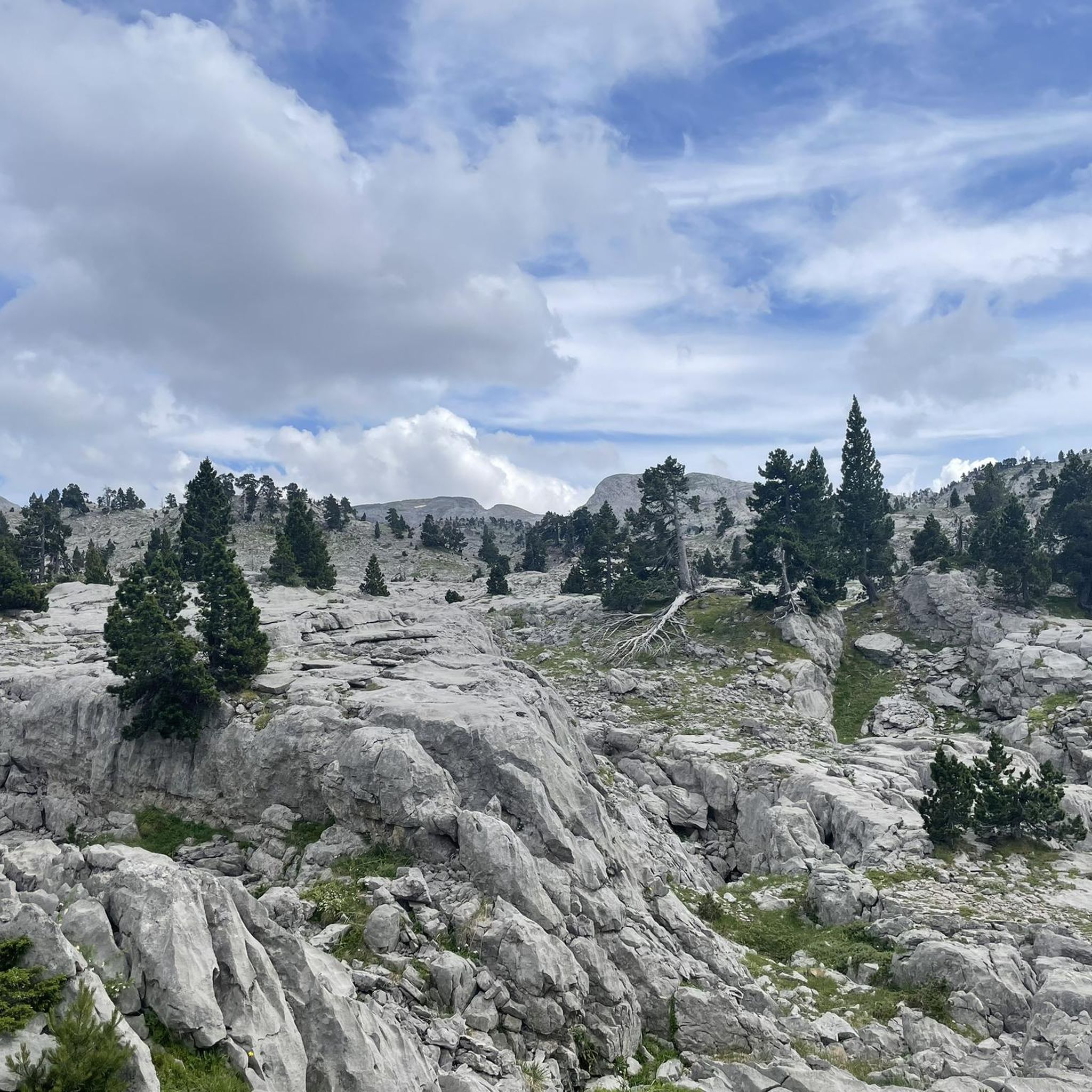
Natural monuments in Larrako Erreserba Naturala/Reserva Natural De Larra encompass one of Europe's most significant karstic landscapes, spanning 120 square kilometers in Navarre, Spain. This area features large limestone rock formations, black pine forests, and expansive mountain pastures. The region is characterized by an intricate network of underground galleries and deep chasms. It offers diverse geological formations and unique ecosystems for observation.
Best natural monuments in Larrako Erreserba Naturala/Reserva Natural De Larra
- The most popular natural monuments is Table of…
Last updated: July 5, 2026
Table of the Three Kings (Hiru Erregen Mahaia)
Highlight • Summit
Translated by Google •
Tip by

Pic d'Arlas
Highlight • Summit
The …
Translated by Google •
Tip by

Sign up now to discover places like this
Get recommendations on the best single tracks, peaks, & plenty of other exciting outdoor places.
Sign up for free
Larreria Pass
Highlight • Mountain Pass
Translated by Google •
Tip by

View of the South Face of Pic d'Anie
Highlight • Viewpoint
You will be surrounded by vegetation on the HRP Variant 7.1 track.
Translated by Google •
Tip by

Table of the Three Kings
Highlight • Summit
A demanding hike to get there
Translated by Google •
Tip by

Sign up for free to discover even more natural monuments in Larrako Erreserba Naturala/Reserva Natural De Larra.
Sign up for free
Already have an account?
Start today with a free account
Your next adventure awaits.
Login or Signup
Popular around Larrako Erreserba Naturala/Reserva Natural De Larra
Hiking in Larrako Erreserba Naturala/Reserva Natural De Larra
Running Trails in Larrako Erreserba Naturala/Reserva Natural De Larra
Cycling in Larrako Erreserba Naturala/Reserva Natural De Larra
Road Cycling Routes in Larrako Erreserba Naturala/Reserva Natural De Larra
MTB Trails in Larrako Erreserba Naturala/Reserva Natural De Larra

Mountain Hikes in Larrako Erreserba Naturala/Reserva Natural De Larra
Tips from the Community


The Mesa de los Tres Reyes is the highest peak in Navarra with 2444 meters. It starts from the Linza refuge, being a hard and demanding climb due to the distance (17 km round trip) and the difference in altitude (1309 meters); and the last climb to reach the top in which you inevitably have to put your hands down on a steep slope with loose stones, although it is even more impressive on the way down. But the effort is rewarded by the areas that are crossed and the views throughout the journey.
1
0

It is best to put the bag down before climbing to the table.
0
0

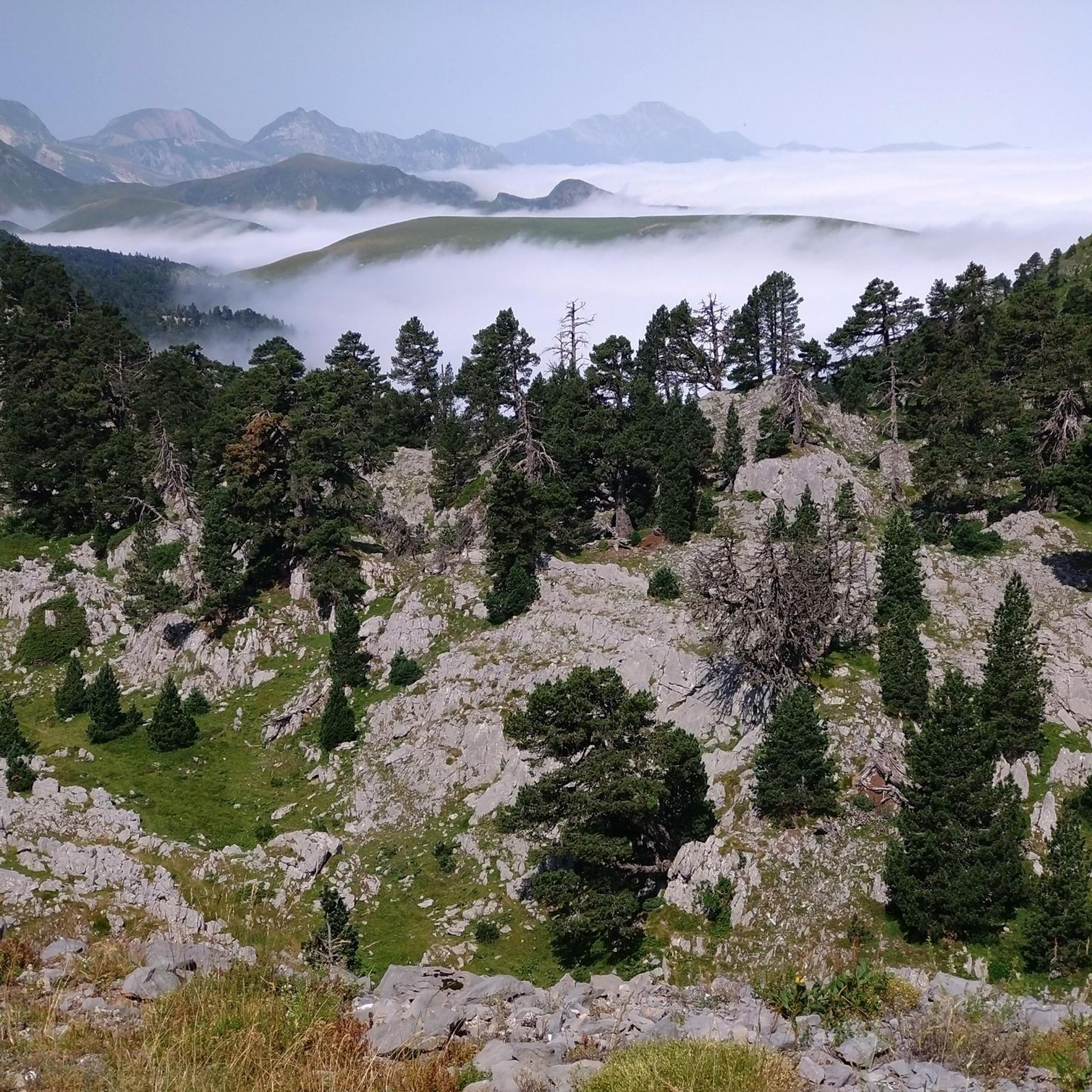
The peak of Arlas forms a beautiful, incisive tooth, which stands out particularly well in the surrounding panoramas. On this point, you are ideally placed to admire his profile. The peak rises to an altitude of 2,044 meters and is located between Navarre in Spain and the Pyrénées-Atlantiques in France.
0
0

One of the "must do" summits if you live "not so far" from it.
5
0

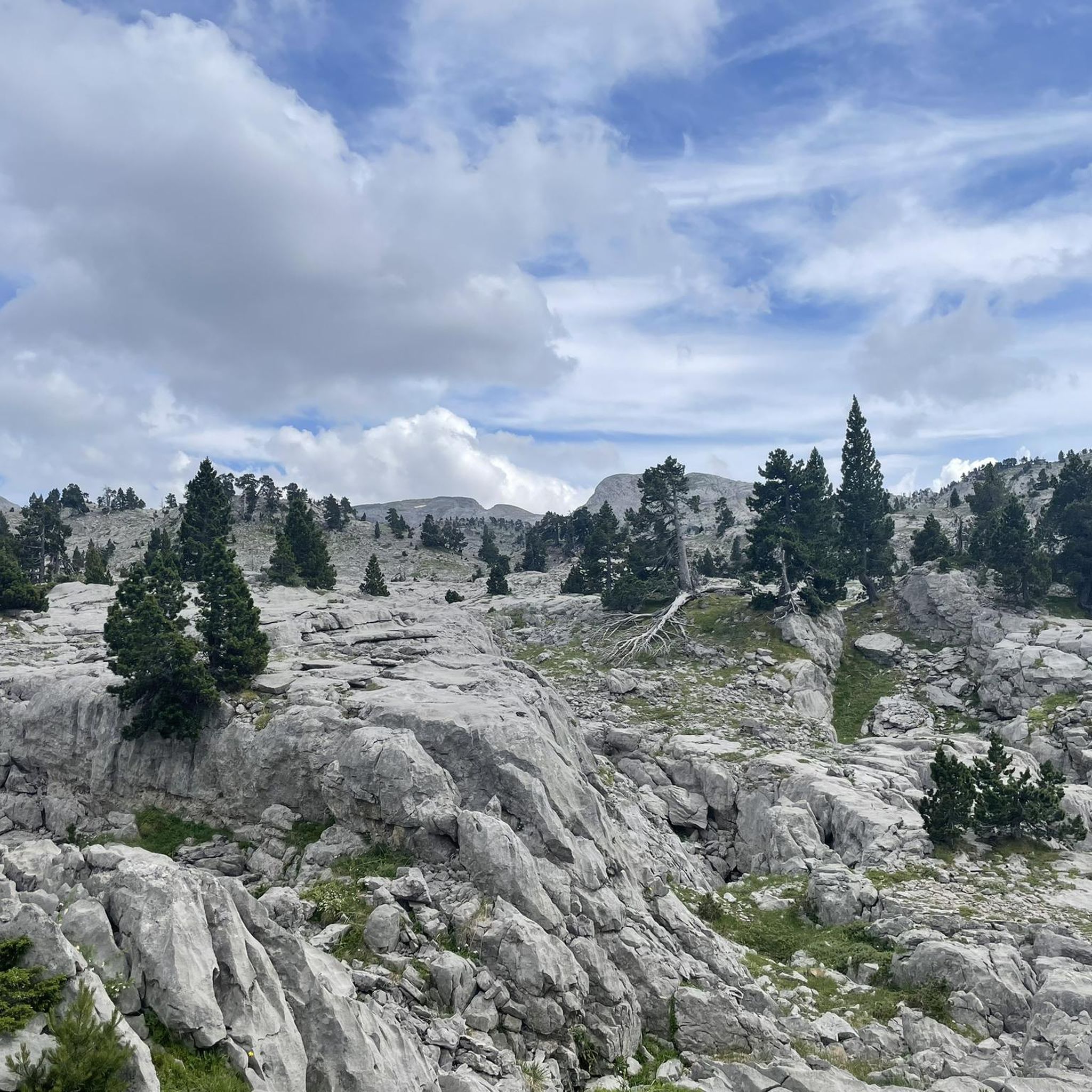
The trail goes down through lapiaz land towards the Puerta de Larra “Larrako Ateak”, a tricky spot due to the textures of the mountains and the contrasts of colours. On the way there are poles of the variants that go down to the Linza Refuge, Zuriza and other areas of the karst kingdom of Larra. The GR-12 markings continue through the Hoya de la Solana valley and down to the channel that enters the Ukerdi Integral Reserve, a unique space with a special declaration of conservation within the Larra massif due to the values geological and forestry, where there is an important grove of black pine quite scattered over the lapiaz floor, the sinkholes and the labyrinth of closed valleys that make up the highest and most complicated sector of Larra. The trunks of dead trees put striking touches of authenticity in the desolate karst desert. The route reaches the hardest and most technical section of the itinerary, where choosing the right footwear and experience walking on rough terrain is essential.
1
0

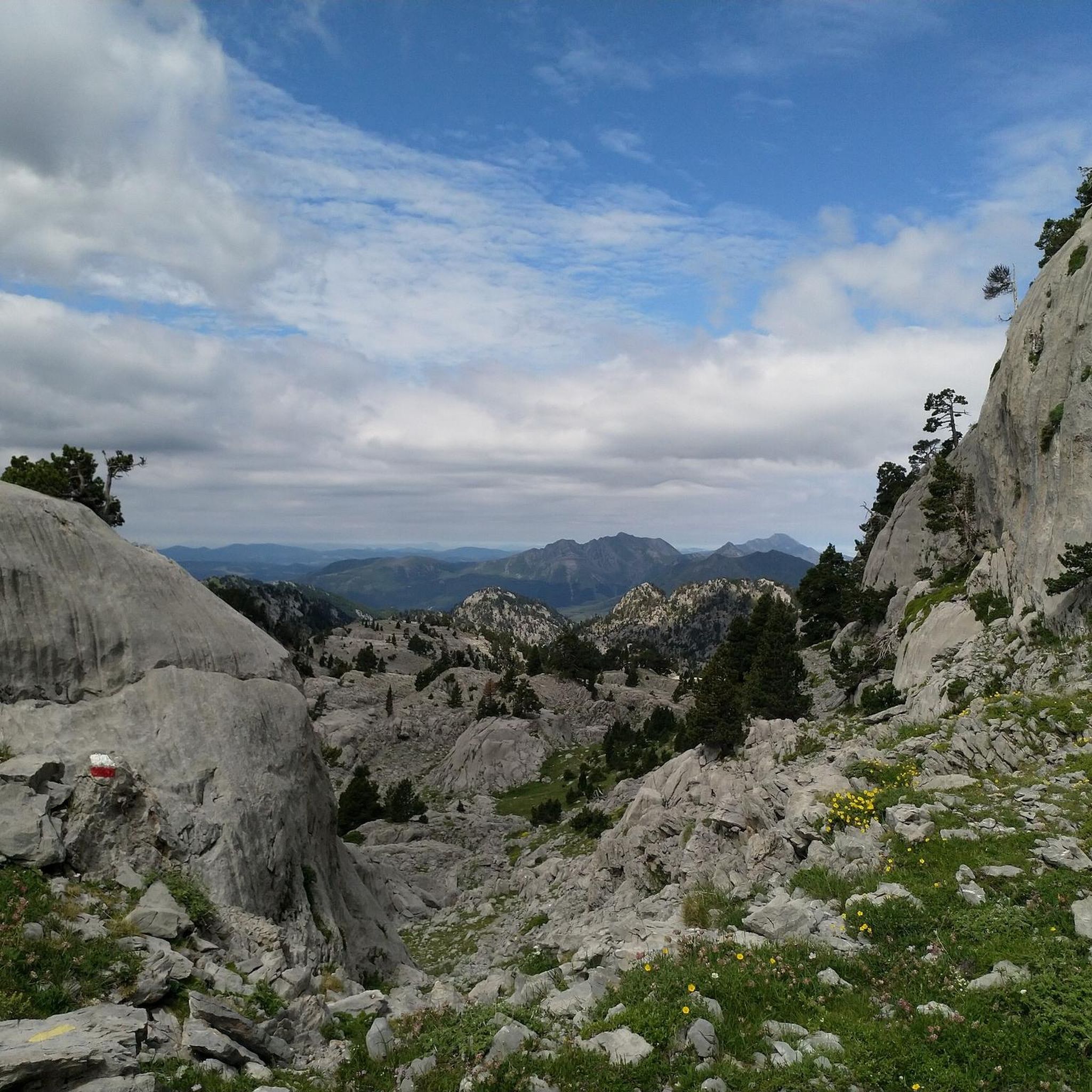
In this area you can stop to see the incredible views towards Anie peak, one of the most iconic peaks in the Pyrenees. You will be surrounded by vegetation on the HRP Variant 7.1 track.
1
1

Summit at 2,421 m above sea level! It is located east of the border between Spain and France. A demanding hike to get there
2
0
Frequently Asked Questions
What are some of the most challenging natural monuments to visit in Larrako Erreserba Naturala?
Many of the natural monuments in Larrako Erreserba Naturala/Reserva Natural De Larra involve demanding ascents. For example, the Table of the Three Kings (Hiru Erregen Mahaia), the highest peak in Navarra at 2444 meters, requires good physical condition and can be a hard and demanding climb. Similarly, the Pic d'Arlas, at 2,044 meters, offers a challenging ascent with rewarding panoramic views.
Are there family-friendly natural monuments or trails in Larrako Erreserba Naturala?
While many routes in Larrako Erreserba Naturala are challenging, the region offers diverse landscapes. For easier options, consider exploring areas with less elevation gain or shorter loop trails. The running trails guide includes an easy 3.3 km loop from Gouffre de la Pierre-Saint-Martin, which might be suitable for families looking for a less strenuous walk.
What is the best time of year to visit the natural monuments in Larrako Erreserba Naturala?
The best time to visit largely depends on your planned activities. Summer and early autumn generally offer the most stable weather conditions for hiking and exploring the high mountain areas. However, the region's unique karstic landscape and forests can be beautiful in spring with blooming alpine flowers, or in late autumn for vibrant foliage, though weather can be more unpredictable.
What unique flora and fauna can I expect to see in Larrako Erreserba Naturala?
Larrako Erreserba Naturala is rich in biodiversity. The Ukerdi Integral Reserve is known for its black pine groves and various alpine flowers, alongside wildlife such as chamois, capercaillie, and ptarmigan. The Aztaparreta Integral Reserve, with its well-preserved beech and fir forest, is home to characteristic species like the black woodpecker, white-backed woodpecker, and even bears.
What geological features make Larrako Erreserba Naturala unique?
The region is renowned for being one of Europe's most impressive karstic morphological landscapes. The Larra Karst Massif features spectacular limestone formations, rising over 2,000 meters, with an intricate network of underground galleries stretching over 125 km. It includes some of the world's deepest chasms, such as the San Martín chasm and the Illamina pass chasm, making it a significant site for geology and speleology.
What outdoor activities can I do near these natural monuments?
Beyond exploring the natural monuments themselves, Larrako Erreserba Naturala offers a variety of outdoor activities. You can find numerous running trails, challenging road cycling routes, and exciting mountain biking trails throughout the area.
Are there any notable mountain passes to explore in the region?
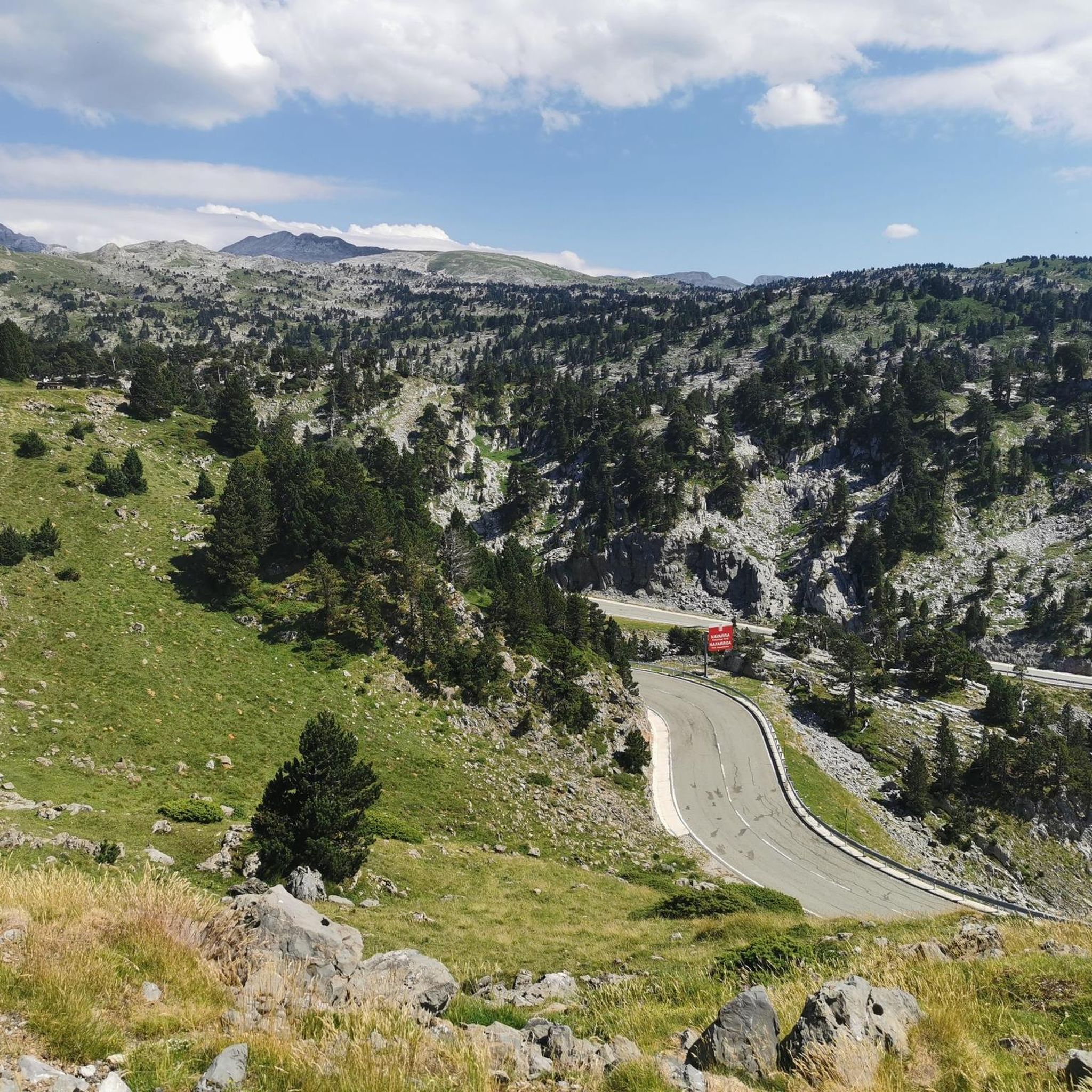
Yes, the region is known for its mountain passes. The Larreria Pass offers a challenging trail through unique lapiaz terrain and leads towards the Ukerdi Integral Reserve. Additionally, the Col de la Pierre Saint-Martin (Piedra de San Martín Pass) on the French-Spanish border is a celebrated pass in the Pyrenees, known for its challenging climbs and highly photogenic landscapes.
What are some of the most scenic viewpoints in Larrako Erreserba Naturala?
For breathtaking vistas, consider visiting the View of the South Face of Pic d'Anie, which offers incredible views towards the iconic Anie peak. The Pic d'Arlas also provides exceptional panoramic views from its 2,044-meter summit, allowing you to appreciate the surrounding mountainous terrain.
Is parking available near the natural monuments in Larrako Erreserba Naturala?
Specific parking availability can vary depending on the exact natural monument or trailhead you wish to access. Generally, in natural reserves, designated parking areas are provided at key access points or refuges. It is advisable to check local information or specific route descriptions for details on parking near your chosen destination.
Are permits required for hiking to the natural monuments in Larrako Erreserba Naturala?
Generally, permits are not required for standard hiking on marked trails within Larrako Erreserba Naturala. However, for specific activities like speleology in the deeper chasms or for accessing certain integral reserves with stricter conservation rules, special permissions might be necessary. Always check with local authorities or visitor centers for the most current regulations.
What should I pack for a visit to Larrako Erreserba Naturala?
Given the mountainous and karstic terrain, it's essential to pack appropriate gear. This includes sturdy hiking boots, layers of clothing suitable for varying weather conditions, rain gear, sun protection, sufficient water, and snacks. For more challenging routes, a map, compass or GPS, and a first-aid kit are highly recommended. If exploring underground systems, specialized equipment would be necessary.
Are there any lesser-known natural reserves or 'hidden gems' within the area?
Beyond the prominent peaks and passes, the Ukerdi Integral Reserve and Aztaparreta Integral Reserve are considered valuable and unique spaces within Larrako Erreserba Naturala. Ukerdi is noted for its distinct geology and black pine groves, while Aztaparreta boasts one of the finest preserved beech and fir forests in the Pyrenees, offering a different kind of natural beauty and ecological interest.
What do visitors particularly appreciate about the natural monuments in Larrako Erreserba Naturala?
Visitors frequently appreciate the challenging yet rewarding nature of the ascents, with many describing the views throughout the journey as exceptional. The unique geological formations, such as the incisive tooth-like shape of Pic d'Arlas, and the extensive karstic landscapes are also highly valued. The komoot community has shared 28 photos and given 18 upvotes across the highlights, indicating a strong appreciation for the region's natural beauty and adventurous spirit.
Most popular routes in Larrako Erreserba Naturala/Reserva Natural De Larra
Most popular attractions in Larrako Erreserba Naturala/Reserva Natural De Larra

Get inspired with the komoot mobile app


Explore more
Extend your search for the best caves by checking out these guides of the top ones in Larrako Erreserba Naturala/Reserva Natural De Larra:
