Top 20 Natural Monuments in Kühkopf-Knoblochsaue
Best natural monuments in Kühkopf-Knoblochsaue are found within Hesse's largest nature reserve, a significant floodplain ecosystem shaped by the Rhine river. This European reserve features a dynamic natural landscape, including extensive riparian forests and the Old Rhine Arm. The area is characterized by its rich biodiversity, serving as a critical habitat for numerous species. It offers a diverse environment for experiencing natural processes and ecological restoration.
Best natural monuments in Kühkopf-Knoblochsaue
- The most popular natural monuments is Stockstadt Bridge over…
Last updated: July 5, 2026
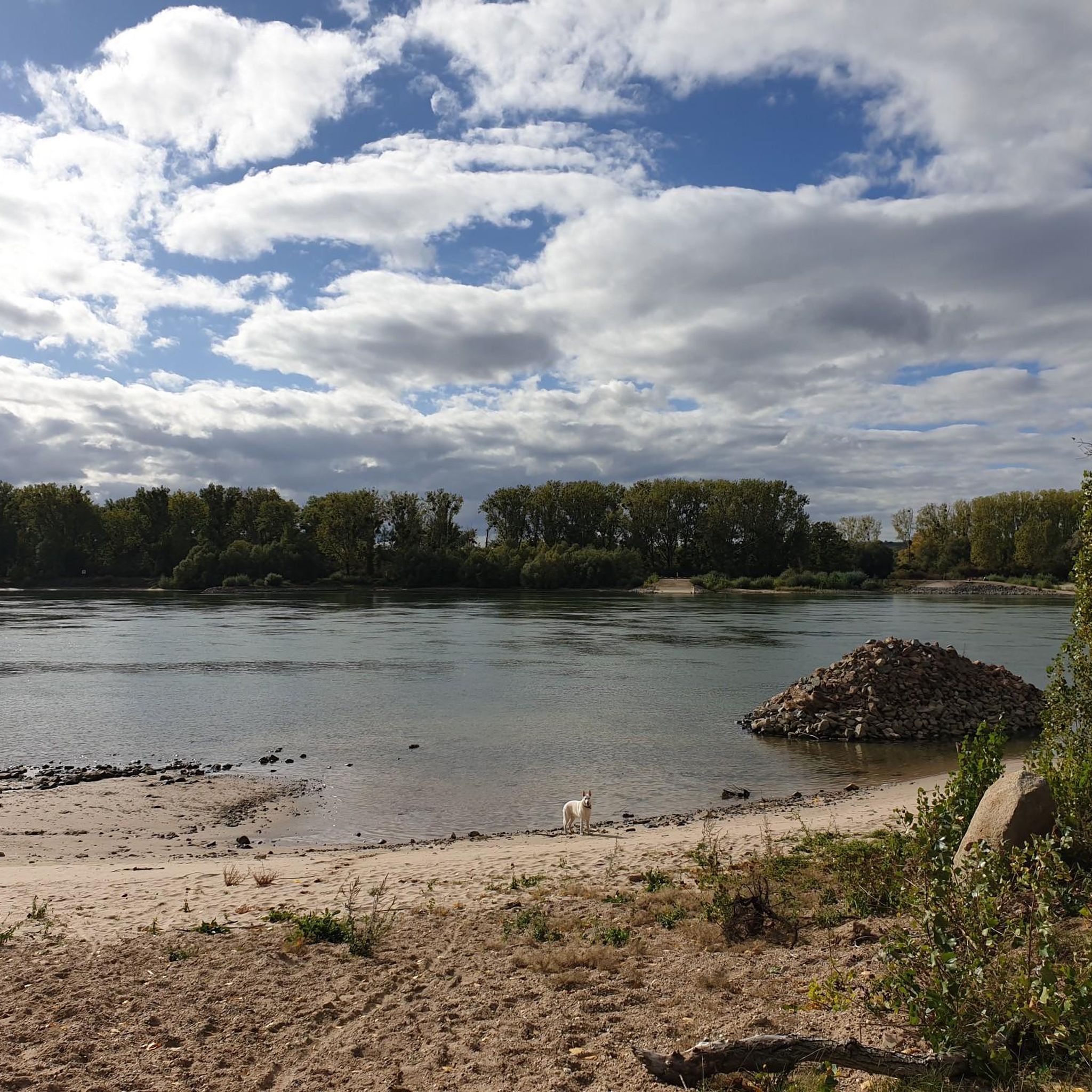
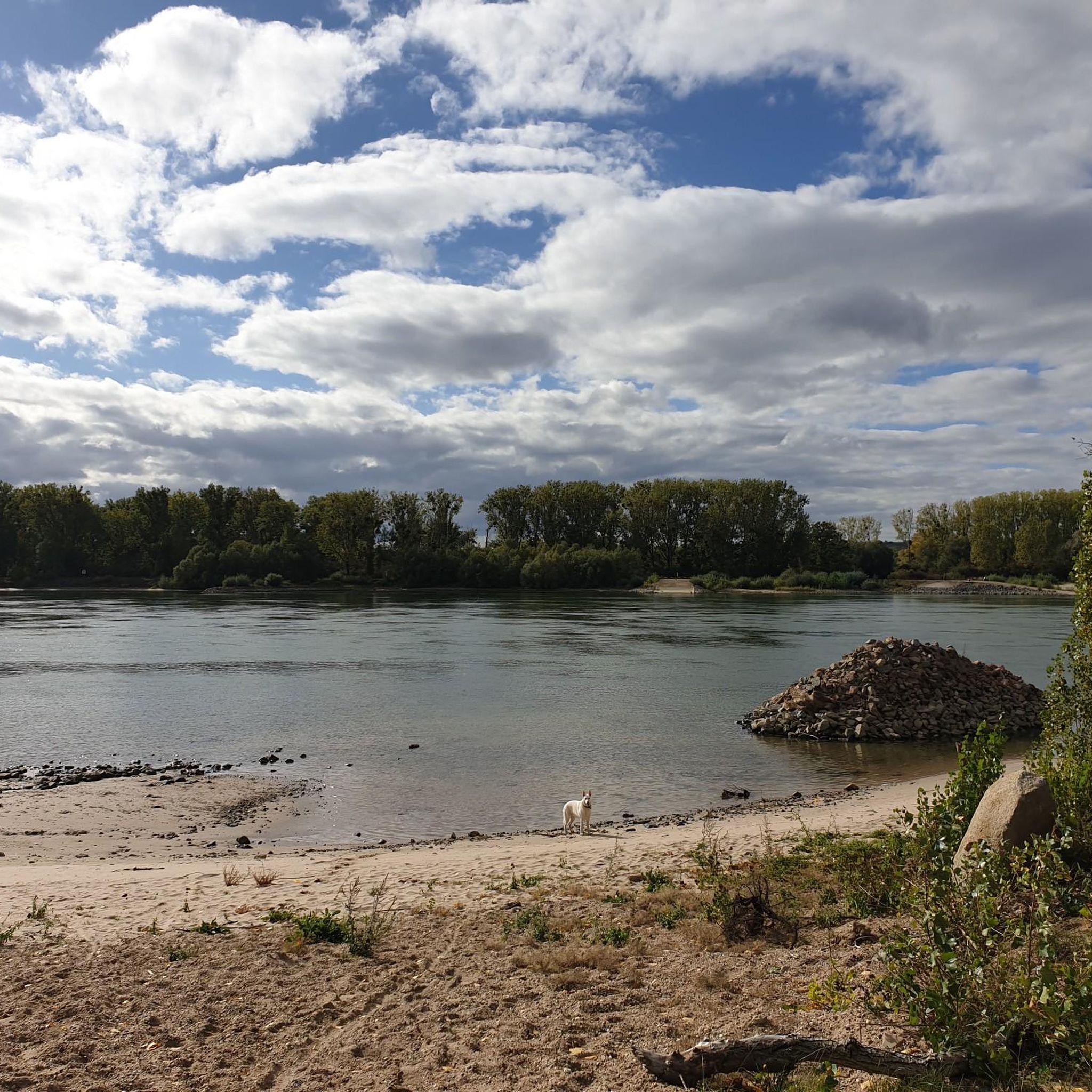
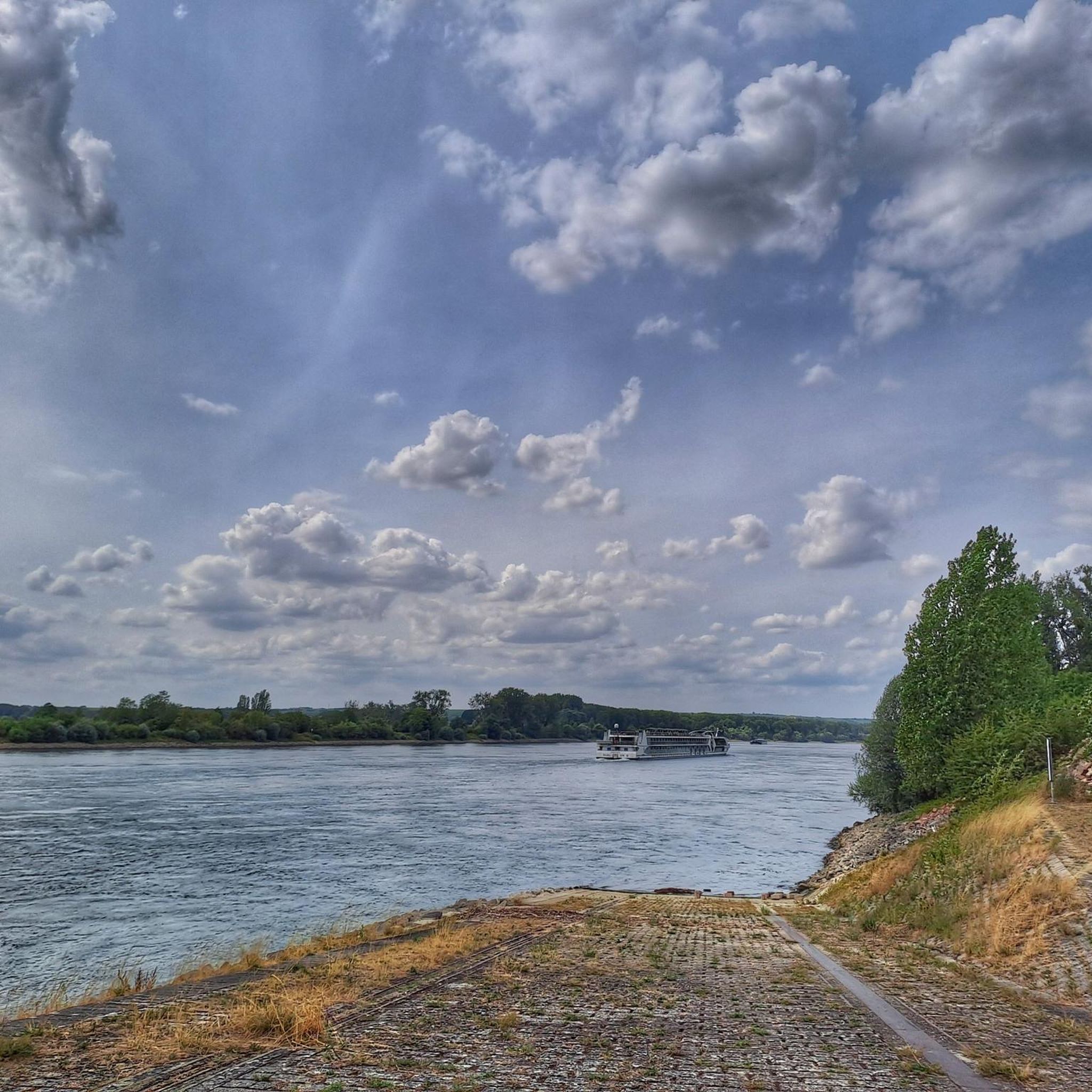
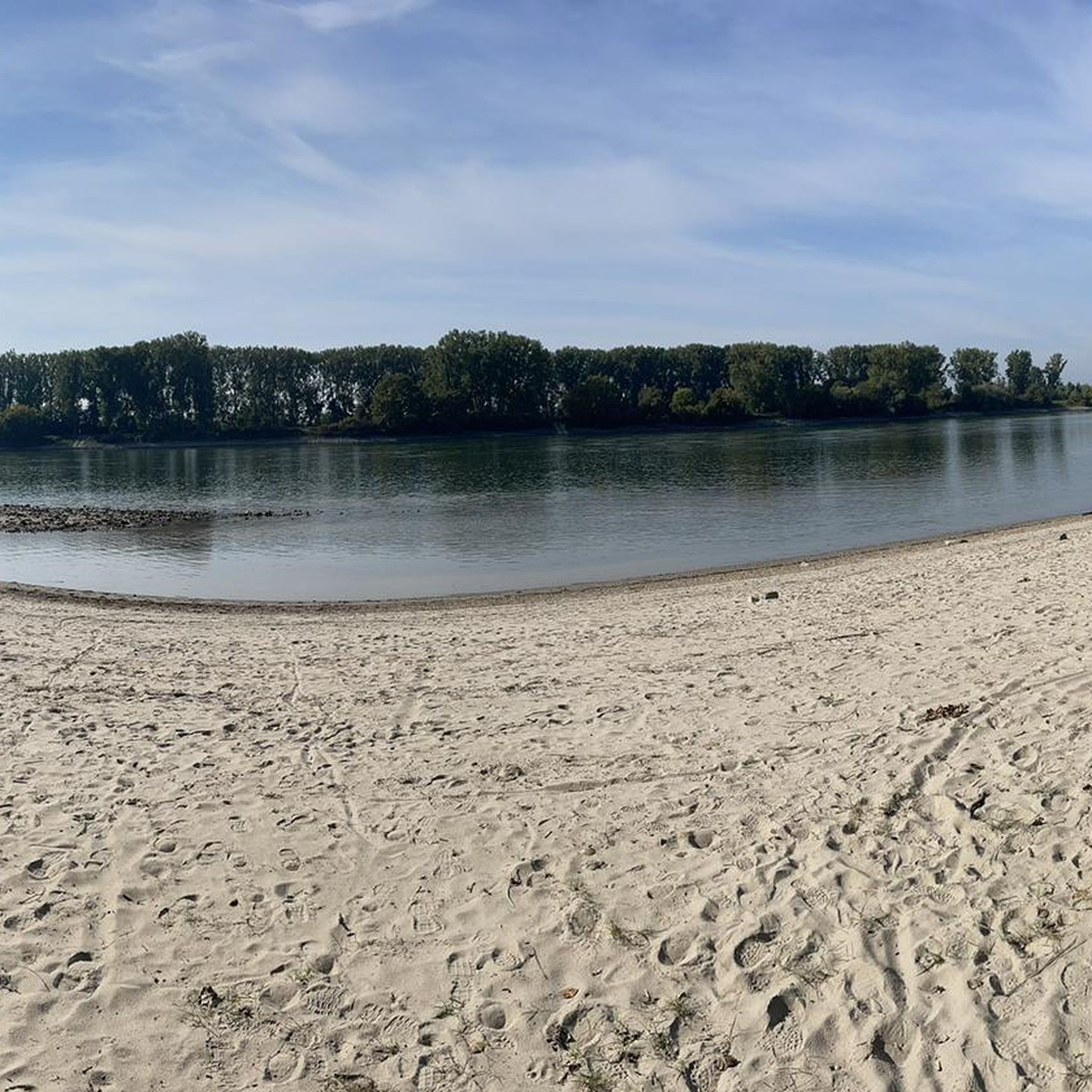
Stockstadt–Erfelden Old Rhine at Kühkopf-Knoblochsaue
Highlight • River
Translated by Google •
Tip by

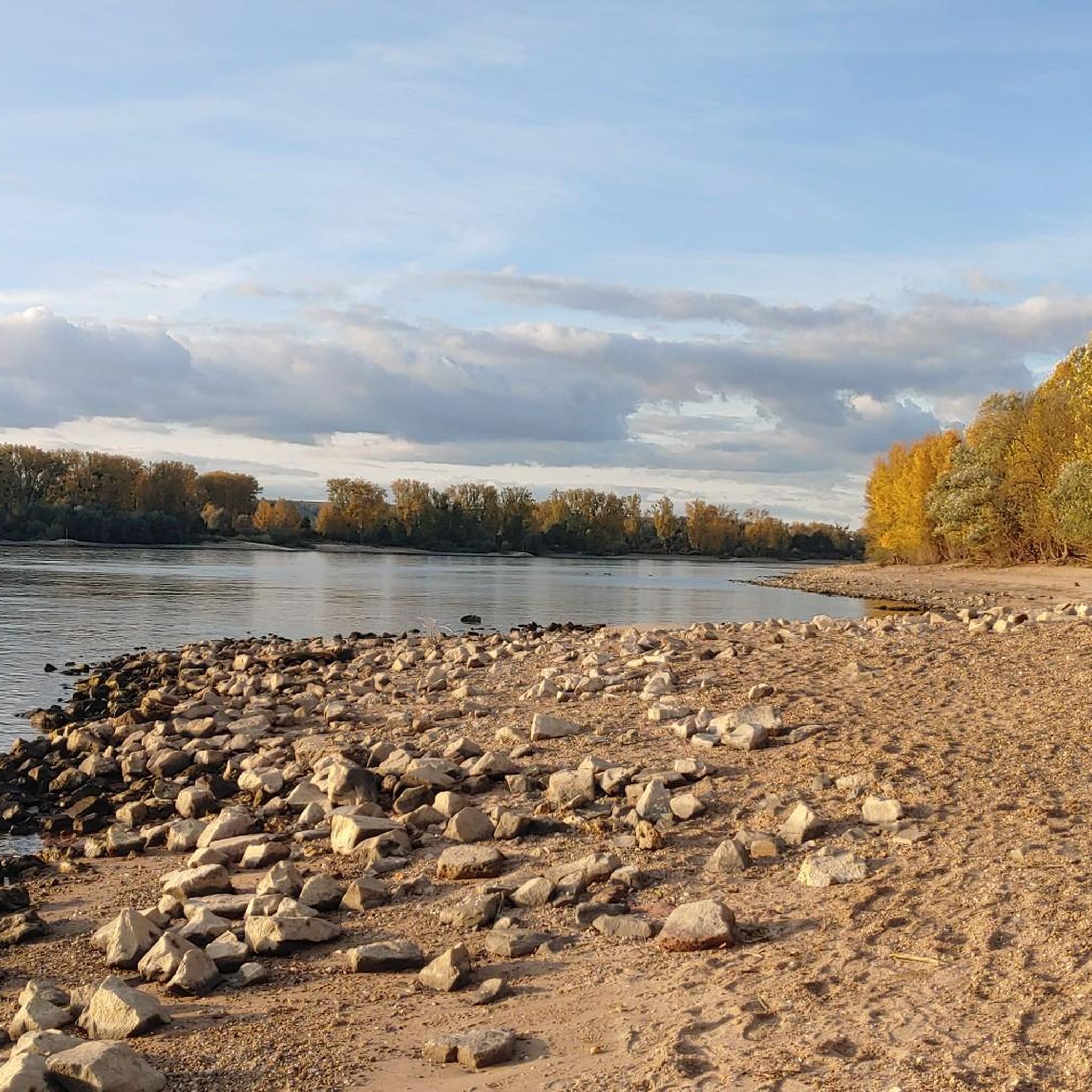
Beautiful trail through the Kühkopf-Knoblochsaue nature reserve
Highlight • Natural Monument
Translated by Google •
Tip by

Sign up now to discover places like this
Get recommendations on the best single tracks, peaks, & plenty of other exciting outdoor places.
Sign up for free
Forest Trail of Ancient Oaks (Kühkopf‑Knoblochsaue)
Highlight • Forest
Translated by Google •
Tip by

Schlappeswörth Birdwatching Platform
Highlight • Viewpoint
Translated by Google •
Tip by
Ancient pollarded willows at Kühkopf-Knoblochsaue
Highlight • Natural Monument
Translated by Google •
Tip by

Sign up for free to discover even more natural monuments in Kühkopf-Knoblochsaue.
Sign up for free
Already have an account?
Start today with a free account
Your next adventure awaits.
Login or Signup

Tips from the Community

Kühkopf is always worth a tour
2
0

Beautiful path, especially the old trees at the beginning create a wonderful atmosphere.
3
0

In the spring, I was there at the end of May and it was pretty good, there were hardly any mosquitoes around. In the summer it is almost impossible to walk through in peace as there is a plague of mosquitoes.
1
0

Outside of mosquito season it is fun to walk along here 🤣
8
0

The pollards look great. Reminds me of the Shire with the Hobbits😅🤩
5
0

Nature reserve, peace, fresh air.
3
1

The Kühkopf - the European bird reserve on the Rhine Today's Kühkopf was originally an inland peninsula near Guntersblum, with Rhine islands to the east, north and south. In the course of the straightening of the Rhine (1828/1829), a straightening breakthrough was made to the west of the peninsula and the area was completely separated from the mainland on the left bank of the Rhine, making the peninsula a river island. The Rhine islands that used to be in front of the peninsula now have a connection to the rest of the section due to silting up. The former main course of the Rhine is now an old bend in the Rhine. The almost undeveloped Kühkopf today forms the nature reserve "Kühkopf-Knoblochsaue" together with the Knoblochsaue to the north and some smaller islets in the Old Rhine. The Kühkopf alone accounts for around 1,700 hectares of the 2,440-hectare nature reserve. The island can be reached via two bridges.
7
0

If there are no ornithologists around, this observation spot is also ideal for a rest
9
0
Frequently Asked Questions
What are the main natural features to explore in Kühkopf-Knoblochsaue?
Kühkopf-Knoblochsaue is characterized by its dynamic floodplain ecosystem. Key features include the Old Rhine Arm (Stockstadt-Erfelder Altrhein), a 16.4-kilometer-long former meander of the Rhine, and extensive riparian forests, which are among the largest in Central Europe. You'll also find diverse meadow landscapes and numerous bodies of water, all shaped by the Rhine's natural flood dynamics.
What kind of wildlife can I expect to see in Kühkopf-Knoblochsaue?
The reserve boasts exceptional biodiversity, making it a significant bird sanctuary with over 250 different bird species, including blue throats, ospreys, and the black kite. Lucky visitors might also spot rare beetles like the stag beetle, over 400 species of large butterflies, 13 bat species, and larger mammals such as deer, wild boars, and foxes. Observation stands, like the one at Schlappeswörth Birdwatching Platform, offer excellent opportunities for wildlife viewing.
When is the best time of year to visit Kühkopf-Knoblochsaue?
The reserve offers unique experiences throughout the year. April is particularly beautiful for the extensive wild garlic bloom covering the forest floor. September is ideal for seeing over 2,000 fruit trees, including more than 30 apple varieties, laden with fruit. Birdwatching is excellent year-round, especially for migratory birds. Generally, spring and autumn offer pleasant temperatures for exploring the trails.
Are there easy walking trails suitable for beginners or families?
Yes, Kühkopf-Knoblochsaue offers numerous easy walking trails. The reserve has approximately 60 kilometers of well-maintained paths, including paved sections and natural trails suitable for all ages. For specific easy hiking routes, you can explore options like the "Hiking loop from Stockstadt am Rhein" or "The hardwood floodplain – Kühkopf Forester's House loop from Riedstadt" found in the Easy hikes in Kühkopf-Knoblochsaue guide.
Can I bring my dog to the natural monuments in Kühkopf-Knoblochsaue?
Yes, dogs are generally welcome in Kühkopf-Knoblochsaue, but it's important to keep them on a leash, especially given the area's status as a nature reserve with abundant wildlife. This helps protect the diverse flora and fauna, particularly ground-nesting birds and other sensitive species.
What outdoor activities are available near these natural monuments?
Beyond exploring the natural monuments themselves, Kühkopf-Knoblochsaue offers a wide range of outdoor activities. You can enjoy extensive hiking and cycling on the 60 kilometers of trails. For cycling, consider routes like "Arch Oak on the Kühkopf loop from Stockstadt" from the Cycling in Kühkopf-Knoblochsaue guide. Road cycling is also popular, with routes like "Gernsheim Harbor – View of the Rhine loop from Stockstadt" available in the Road Cycling Routes in Kühkopf-Knoblochsaue guide.
Are there any specific viewpoints for observing the landscape or wildlife?
Yes, the reserve features several excellent viewpoints. The Schlappeswörth Birdwatching Platform offers a wonderful view of the water surface and numerous waterbirds. Other spots along the Stockstadt–Erfelden Old Rhine also provide serene environments for observing wildlife and the river landscape.
What are some of the most popular natural monuments recommended by visitors?
Visitors frequently highlight the Stockstadt–Erfelden Old Rhine at Kühkopf-Knoblochsaue for its serene environment and wildlife observation. The Beautiful trail through the Kühkopf-Knoblochsaue nature reserve is also highly rated for its diverse nature, paved paths, and picnic spots. The Stockstadt Bridge over the Old Rhine (Altrhein) is a popular starting point for explorations.
What is the significance of the Old Rhine Arm in the reserve?
The Stockstadt–Erfelden Old Rhine is a 16.4-kilometer-long former meander of the Rhine, cut off from the main flow during river straightening in 1828/29. This historical change created a unique, tranquil environment that is now crucial for waterbirds and other wildlife, showcasing the powerful impact of both natural processes and human intervention on the landscape.
Are there facilities like cafes or picnic spots available within Kühkopf-Knoblochsaue?
While the reserve focuses on natural preservation, there are areas with picnic spots, particularly along trails like the Beautiful trail through the Kühkopf-Knoblochsaue nature reserve. For cafes or more extensive amenities, you would typically find them in the nearby towns surrounding the reserve, such as Stockstadt am Rhein or Erfelden.
What makes the riparian forests in Kühkopf-Knoblochsaue special?
The riparian forests (Auwälder) in Kühkopf-Knoblochsaue are the only remaining ones in Hesse and are considered among the three largest floodplain protected areas in Central Europe. They are characterized by their 'jungle-like' appearance, with soft and hard wood species like willows, black poplars, oaks, and elms, often intertwined with climbing plants. These forests are vital habitats and demonstrate the natural dynamics of a riverine landscape, especially visible along the Auenlehrpfad (floodplain nature trail).
Are there accessible trails for visitors with mobility considerations?
Kühkopf-Knoblochsaue offers a network of trails, some of which are paved, making them more accessible. While not all trails are universally accessible, the presence of well-maintained, flatter paths provides options for visitors with mobility considerations. It's advisable to check specific trail conditions or inquire locally for the most suitable routes.
Most popular routes in Kühkopf-Knoblochsaue
Most popular attractions in Kühkopf-Knoblochsaue

Get inspired with the komoot mobile app


Explore more
Extend your search for the best caves by checking out these guides of the top ones in Kühkopf-Knoblochsaue:
