Wälder Und Trockenstandorte Bei Bad Kissingen Und Münnerstadt
Wälder Und Trockenstandorte Bei Bad Kissingen Und Münnerstadt
Top 20 Natural Monuments in Wälder Und Trockenstandorte Bei Bad Kissingen Und Münnerstadt
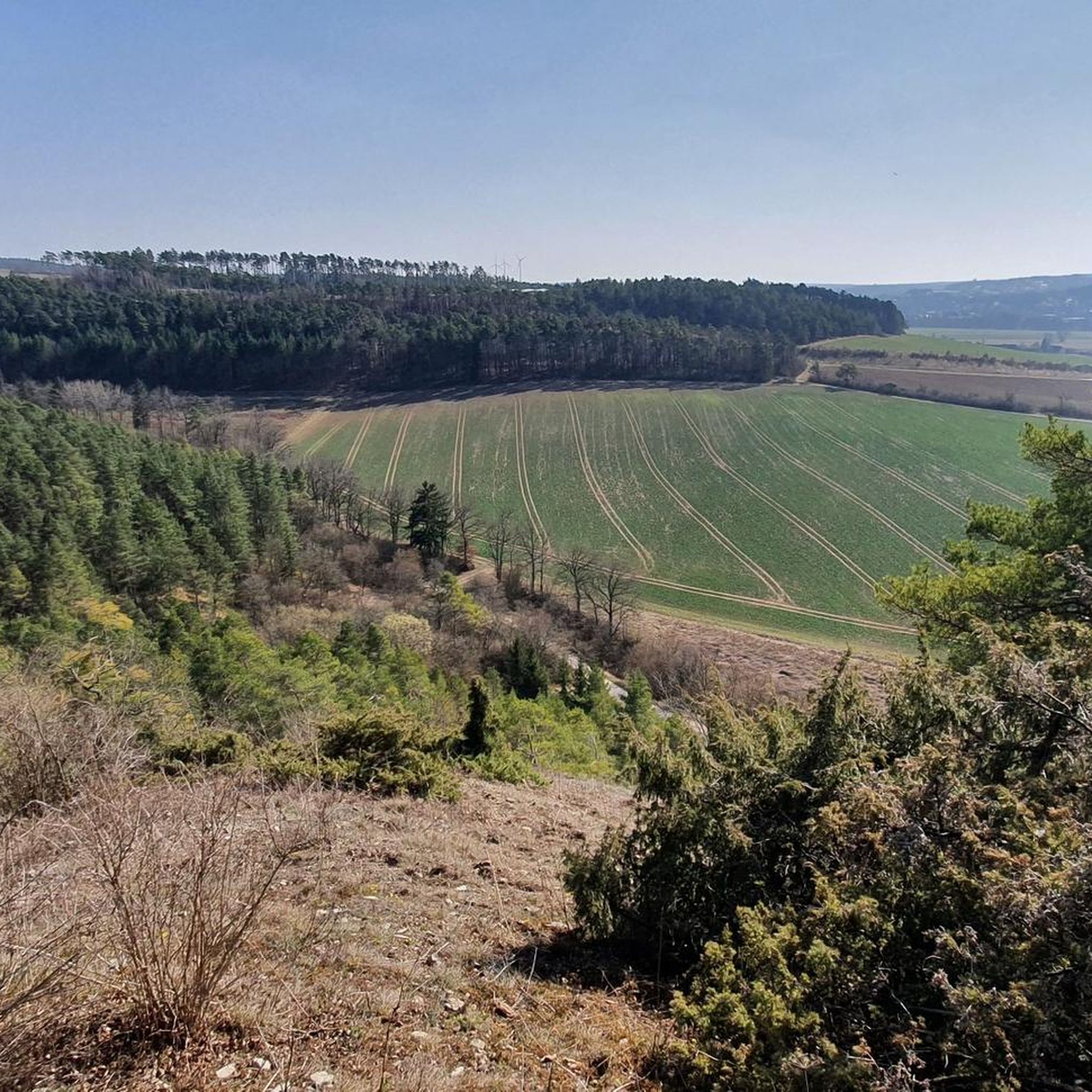
Best natural monuments in Wälder Und Trockenstandorte Bei Bad Kissingen Und Münnerstadt is an FFH-area covering over 4,400 hectares. This region features diverse landscapes, including extensive forests, dry habitats, and clear streams, influenced by the Rhön UNESCO biosphere reserve. It provides a valuable natural setting for outdoor recreation and offers a variety of natural landmarks. The area is characterized by its ecological significance and opportunities for exploring diverse natural features.
Best natural monuments in Wälder Und Trockenstandorte Bei Bad Kissingen…
Last updated: July 5, 2026
Kaskadentalbach (Ilgenbach)
Highlight (Segment) • River
Translated by Google •
Tip by

Kaskadental
Highlight • Gorge
Translated by Google •
Tip by

Sign up now to discover places like this
Get recommendations on the best single tracks, peaks, & plenty of other exciting outdoor places.
Sign up for free
Rough beauty (juniper hiking trail)
Highlight • Natural
Translated by Google •
Tip by

Ludwig Tower
Highlight • Monument
Translated by Google •
Tip by
Queen Marie Oak
Highlight • Natural Monument
Translated by Google •
Tip by

Sign up for free to discover even more natural monuments in Wälder Und Trockenstandorte Bei Bad Kissingen Und Münnerstadt.
Sign up for free
Already have an account?
Start today with a free account
Your next adventure awaits.
Login or Signup
Popular around Wälder Und Trockenstandorte Bei Bad Kissingen Und Münnerstadt
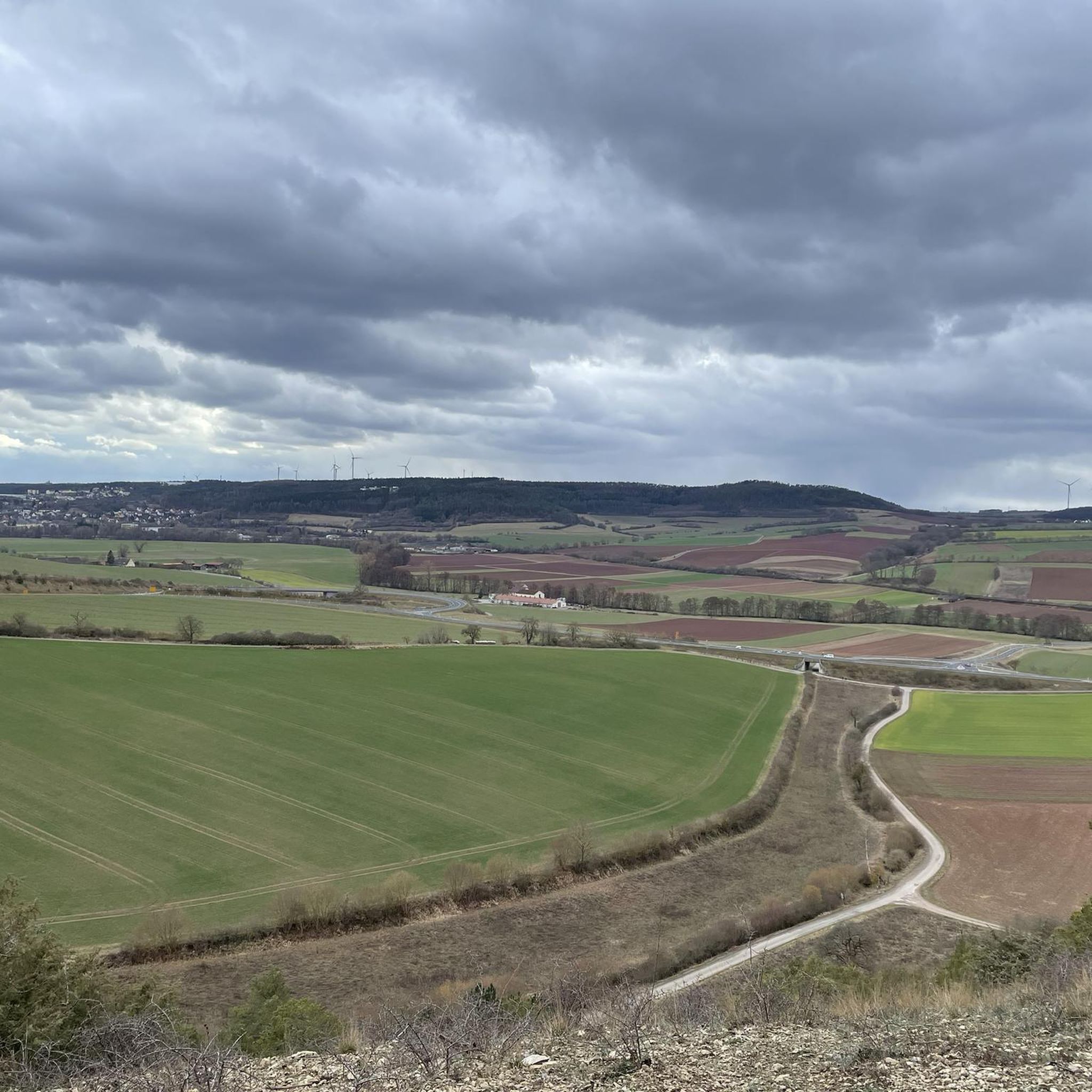
Cycling in Wälder Und Trockenstandorte Bei Bad Kissingen Und Münnerstadt
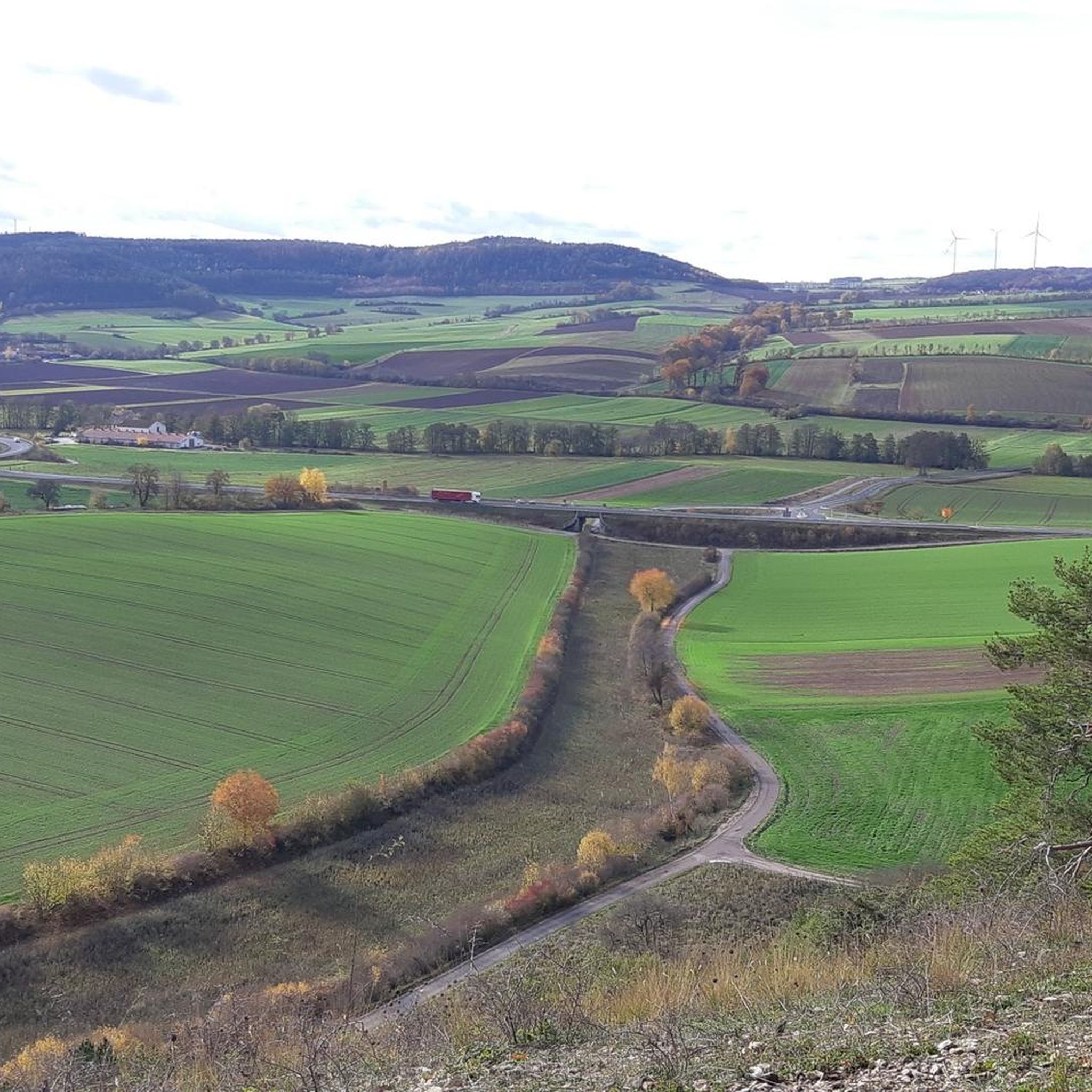
MTB Trails in Wälder Und Trockenstandorte Bei Bad Kissingen Und Münnerstadt
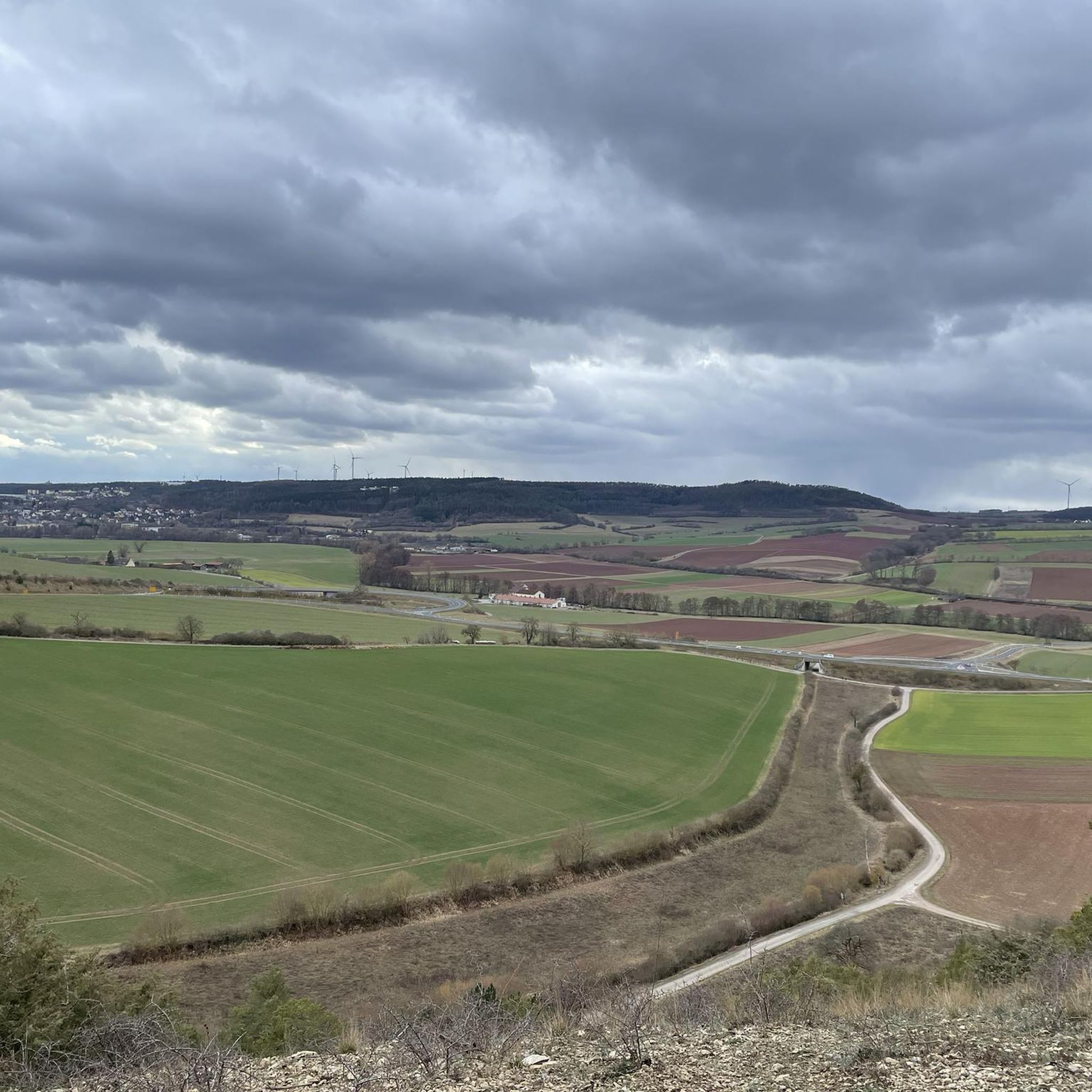
Hiking in Wälder Und Trockenstandorte Bei Bad Kissingen Und Münnerstadt
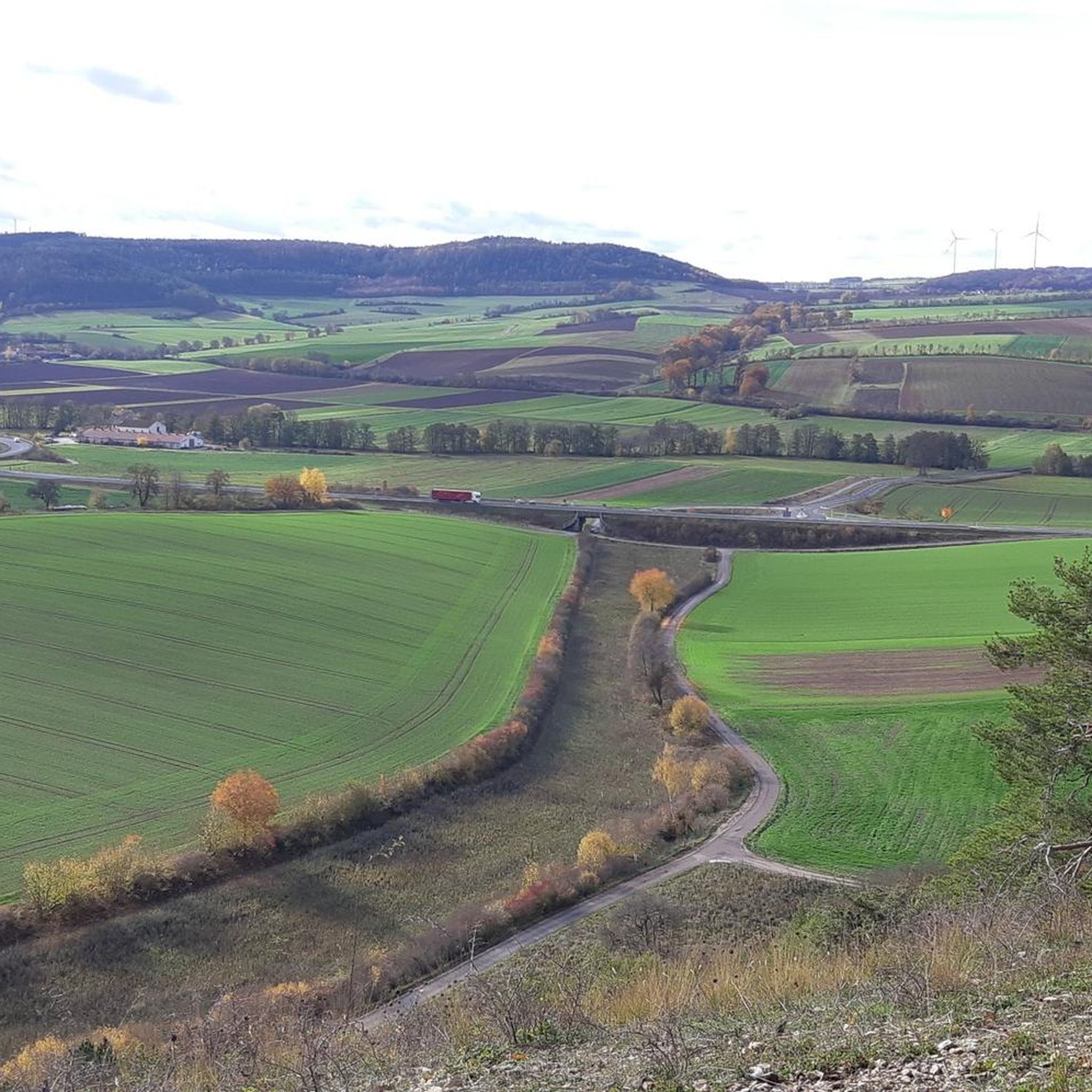
Road Cycling Routes in Wälder Und Trockenstandorte Bei Bad Kissingen Und Münnerstadt

Gravel biking in Wälder Und Trockenstandorte Bei Bad Kissingen Und Münnerstadt
Running Trails in Wälder Und Trockenstandorte Bei Bad Kissingen Und Münnerstadt
Tips from the Community

Very beautiful hiking trails through the juniper heath near Münnerstadt
1
0

Unfortunately not accessible and in need of renovation
1
0

A really nice walk - with more elevation gain than Komoot says...
0
0

A great (MTB) trail
0
0

Typical dry area with juniper heath, the first pasqueflowers, golden yellow rapeseed fields, black pine stands. Everything is very varied.
0
0

Whether coming from below or from above: the paths along the cascading brook offer plenty of biking fun (of course, taking walkers and hikers into consideration). The route along the Kaskadenbach is also part of the "Hochrhöner" long-distance hiking trail.
4
0
The oak is named after Queen Marie of Hanover, who regularly visited this oak during her spa stays in Bad Kissingen from 1885 to 1908. In February 2010 the oak fell over.
5
0

The juniper heaths, which developed in numerous regions of Germany as a result of pasture management, are now among the areas most worthy of protection. Since juniper grows on both calcareous and acidic soils, the other flora in these heaths can vary considerably. Many rare animal, plant, and insect species live here, deserving of our unconditional protection in this era of species extinction. They originated because sheep and other grazing animals avoided the thorny plants. After this type of management was abandoned, the heaths were threatened by scrub encroachment and afforestation. The resulting darkness then led to the disappearance of the light-dependent juniper. Today, the heaths are maintained through specific landscape management practices (grazing by goats and sheep). There is also another viewpoint overlooking Münnerstadt before the trail leads back to the starting point through orchards.
2
0
Frequently Asked Questions
What are some of the most popular natural monuments to visit in Wälder Und Trockenstandorte Bei Bad Kissingen Und Münnerstadt?
Visitors frequently enjoy the Kaskadentalbach (Ilgenbach), a scenic river where you can cool your feet after a hike, and the Kaskadental gorge, known for its beautiful and comfortable routes. Another highly appreciated spot is the Rough beauty (juniper hiking trail), offering wonderful paths through unique juniper heath landscapes.
Are there any family-friendly natural monuments or trails in the region?
Yes, several natural monuments are suitable for families. The Kaskadentalbach (Ilgenbach) and Kaskadental offer pleasant paths, though some sections in Kaskadental may have raised roots. Additionally, the Queen Marie Oak, despite having fallen, remains a point of interest in a forest setting that families can explore. The "Pfad der Baumgiganten" near Klaushof is also excellent for families, providing educational insights among ancient trees.
What kind of unique natural features can I expect to see?
The region is rich in diverse natural features. You can explore the flowing waters of the Kaskadentalbach (Ilgenbach) and the picturesque Kaskadental gorge. The Rough beauty (juniper hiking trail) showcases unique juniper heaths, which are protected areas home to rare animal and plant species. You'll also find ancient trees like the Bildeiche near Münnerstadt and the impressive specimens along the "Pfad der Baumgiganten".
Are there any historical or culturally significant natural monuments?
Absolutely. The Bildeiche (Picture Oak) near Münnerstadt is a significant landmark, adorned with images of saints, reflecting local folk religiosity. While no longer standing, the Hutbuche in Frauenroth was a celebrated natural monument until 2017, known for its unique triple-trunk form and the annual "Hutbuchenfest." Its story highlights the deep cultural value these natural features hold. The Hutbuche's memory lives on.
What outdoor activities can I do near these natural monuments?
The area offers a variety of outdoor activities. You can enjoy easy hikes, such as the "Stream in Kaskadental – Kaskadentalbach (Ilgenbach) loop" or the "Hainberg Tower – picture oak loop." For mountain biking, routes like the "Rhön MTB Rundweg 6 | Drei-Flüsse-Runde" are available. Road cyclists can explore options like the "Schmalwassergrund – Saale Weir in Unterebersbach loop." You can find more details on these activities in the easy hikes guide, MTB trails guide, and road cycling routes guide.
Are there any viewpoints to enjoy panoramic scenery?
Yes, several natural monuments offer excellent viewpoints. The Kaskadentalbach (Ilgenbach) and Kaskadental are noted for their scenic routes. The Rough beauty (juniper hiking trail) includes viewpoints overlooking Münnerstadt. Additionally, the Ludwig Tower, though its observation deck is closed, is situated in a location that protrudes from the forest, suggesting potential scenic views in its vicinity.
What is the best time of year to visit the natural monuments?
The region's diverse landscapes, from forests to dry habitats and streams, offer beauty throughout the year. Spring and autumn are particularly pleasant for hiking, with mild temperatures and vibrant foliage or blooming flora. Summer allows for cooling your feet in streams like the Kaskadentalbach, while winter can offer a serene, snow-covered landscape, though some paths might be more challenging.
Can I bring my dog to the natural monuments and trails?
Many natural areas and trails in the region are dog-friendly, allowing you to explore with your canine companion. However, it's always recommended to keep dogs on a leash, especially in protected areas like the juniper heaths, to protect wildlife and maintain the natural environment. Always check local signage for specific regulations.
Are there any easy walks or circular routes available?
Yes, there are several easy walks and circular routes. For instance, the "Stream in Kaskadental – Kaskadentalbach (Ilgenbach) loop" is an easy 5.2 km hike. Another easy option is the "Hainberg Tower – picture oak loop from Wurmberg-Possenberg," which is about 6.5 km. The Kaskadental itself offers easily accessible paths for gentle exploration. You can find more easy hikes in the easy hikes guide.
What do visitors appreciate most about the natural monuments in this region?
Visitors highly appreciate the natural beauty and tranquility of the area. Many enjoy the scenic routes along streams, the opportunity to cool their feet in the water, and the comfortable paths through gorges. The unique juniper heaths are also a highlight, offering wonderful trails and a chance to experience protected ecosystems. The blend of natural grandeur and opportunities for outdoor recreation makes the region very appealing.
Is there wildlife to observe in the Wälder Und Trockenstandorte Bei Bad Kissingen Und Münnerstadt area?
Yes, the region, designated as an FFH-area and influenced by the Rhön Biosphere Reserve, is ecologically significant. The juniper heaths, for example, are home to many rare animal, plant, and insect species. While specific wildlife sightings can vary, the diverse habitats, including forests, dry grasslands, and streams, support a variety of local fauna, making it a good area for nature observation.
What is the 'Pfad der Baumgiganten' and where is it located?
The "Pfad der Baumgiganten" (Path of the Giant Trees) is an immersive experience among ancient trees, some up to 250 years old. It's located near Klaushof (Bad Kissingen) and forms part of the core zone of the Rhön Biosphere Reserve. It's particularly interesting for families and nature enthusiasts, offering educational insights into the forest ecosystem.
Most popular routes in Wälder Und Trockenstandorte Bei Bad Kissingen Und Münnerstadt
Most popular attractions in Wälder Und Trockenstandorte Bei Bad Kissingen Und Münnerstadt

Get inspired with the komoot mobile app


Explore more
Extend your search for the best caves by checking out these guides of the top ones in Wälder Und Trockenstandorte Bei Bad Kissingen Und Münnerstadt:
