Fränkische Saale Zwischen Heustreu Und Steinach
Fränkische Saale Zwischen Heustreu Und Steinach
Top 8 Natural Monuments in Fränkische Saale Zwischen Heustreu Und Steinach
Best natural monuments in Fränkische Saale Zwischen Heustreu Und Steinach are found within a significant natural area, designated as a Natura 2000-Area and FFH-Gebiet. This region largely overlaps with the Rhön Biosphere Reserve, underscoring its broad ecological significance. The Fränkische Saale river, with its natural course and associated floodplains, contributes to a unique and ecologically rich riverine landscape. Visitors can experience a landscape managed for conservation, offering insights into the natural heritage of the region.
Best natural monuments in Fränkische…
Last updated: May 24, 2026
Eagle and Snake Sculpture at Karl-Theodor Spring
Highlight • Monument
I could well imagine that the artist who created the …
Translated by Google •
Tip by

200-Year-Old Weeping Beech
Highlight • Natural Monument
Translated by Google •
Tip by

Sign up now to discover places like this
Get recommendations on the best single tracks, peaks, & plenty of other exciting outdoor places.
Sign up for free
Fränkische Saale at Bad Neustadt
Highlight • River
Translated by Google •
Tip by

Peace Linden Salz
Highlight • Natural Monument
Source: Wikipedia
Translated by Google •
Tip by
Fish Ladder at the Mill Weir
Highlight • Structure
Translated by Google •
Tip by

Sign up for free to discover even more natural monuments in Fränkische Saale Zwischen Heustreu Und Steinach.
Sign up for free
Already have an account?
Start today with a free account
Your next adventure awaits.
Login or Signup
Popular around Fränkische Saale Zwischen Heustreu Und Steinach
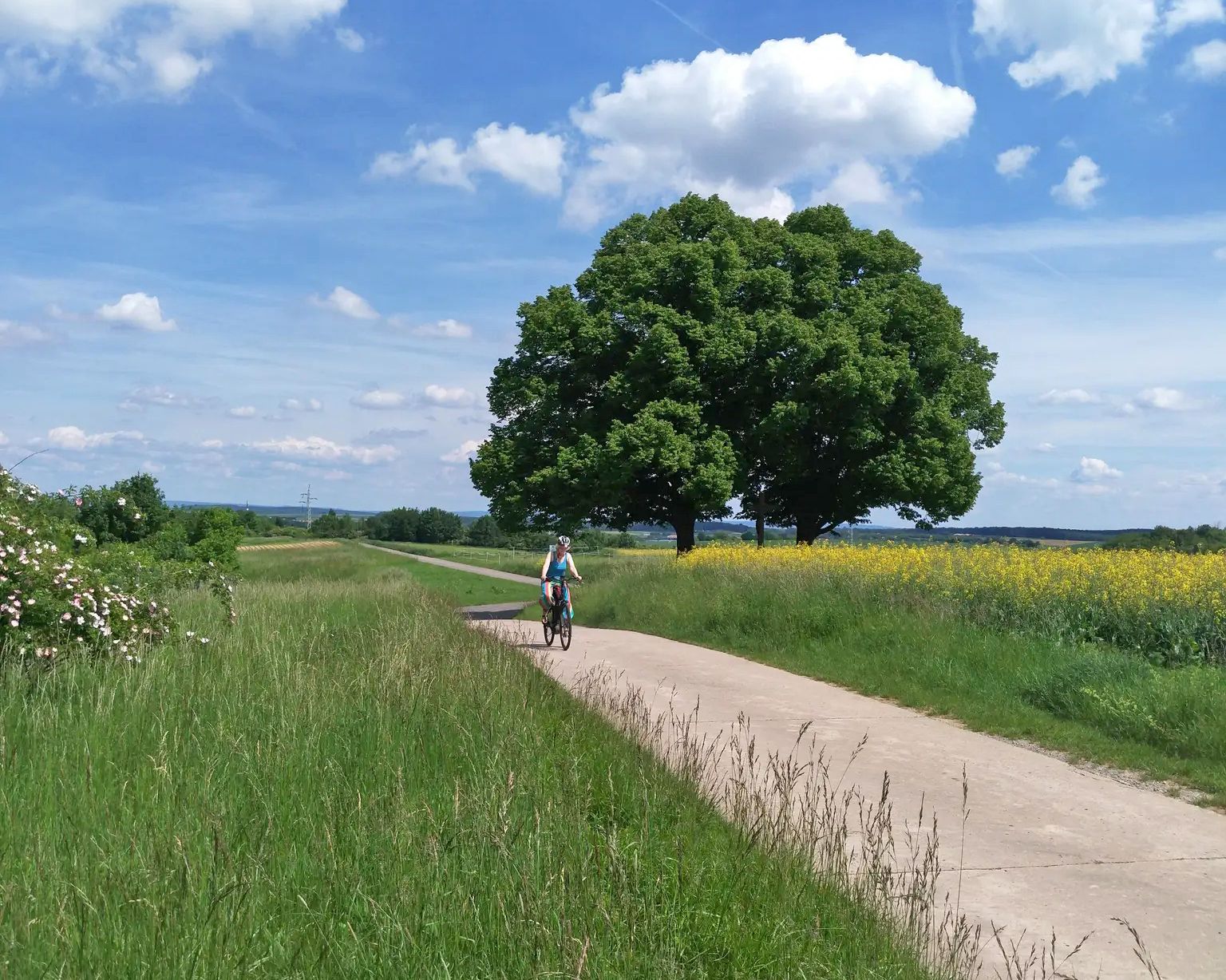
Main-Werra cycle path – From river to river
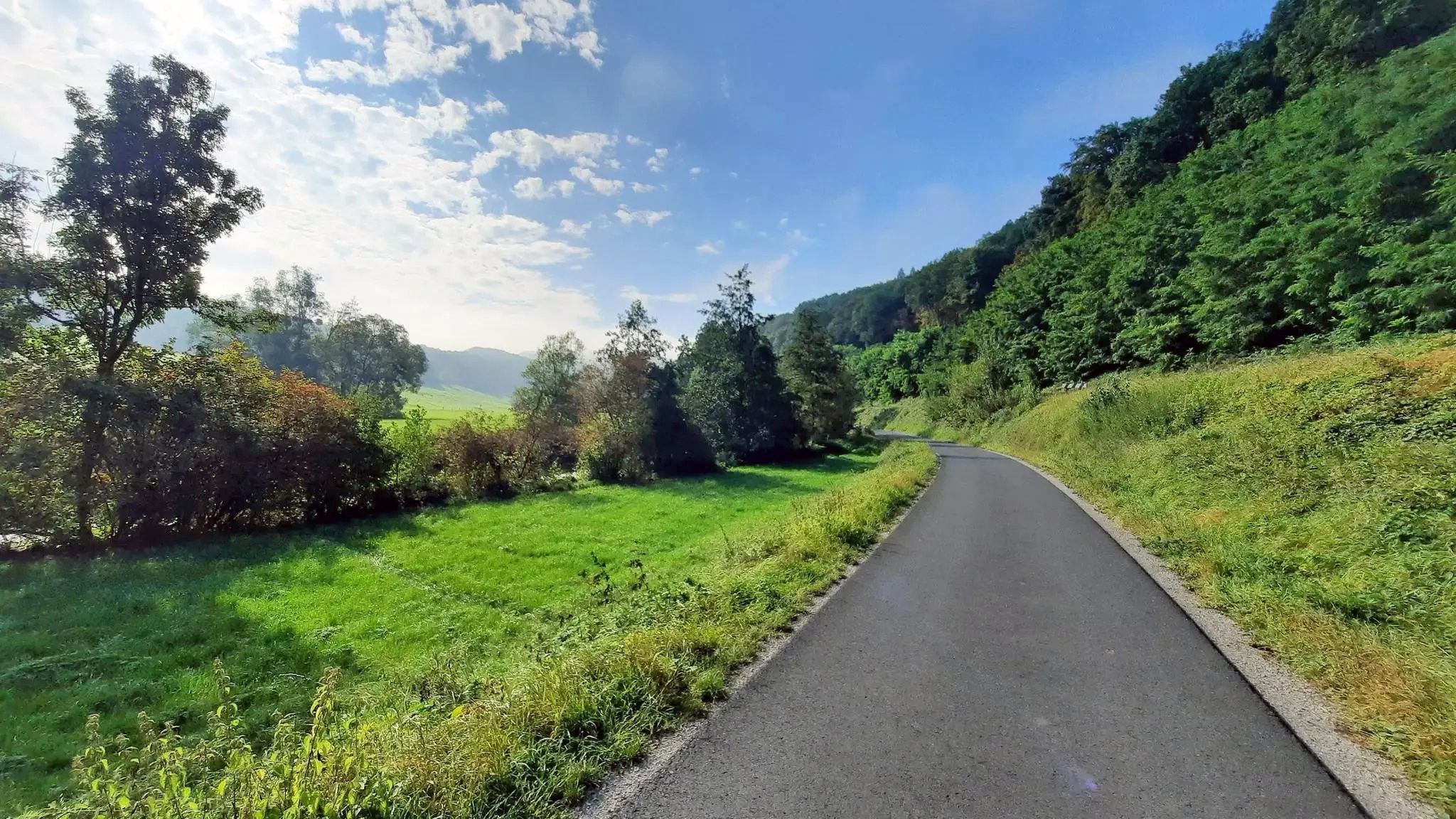
Ride from Grabfeld to the Main in Germany – Franconian Saale Cycle Route
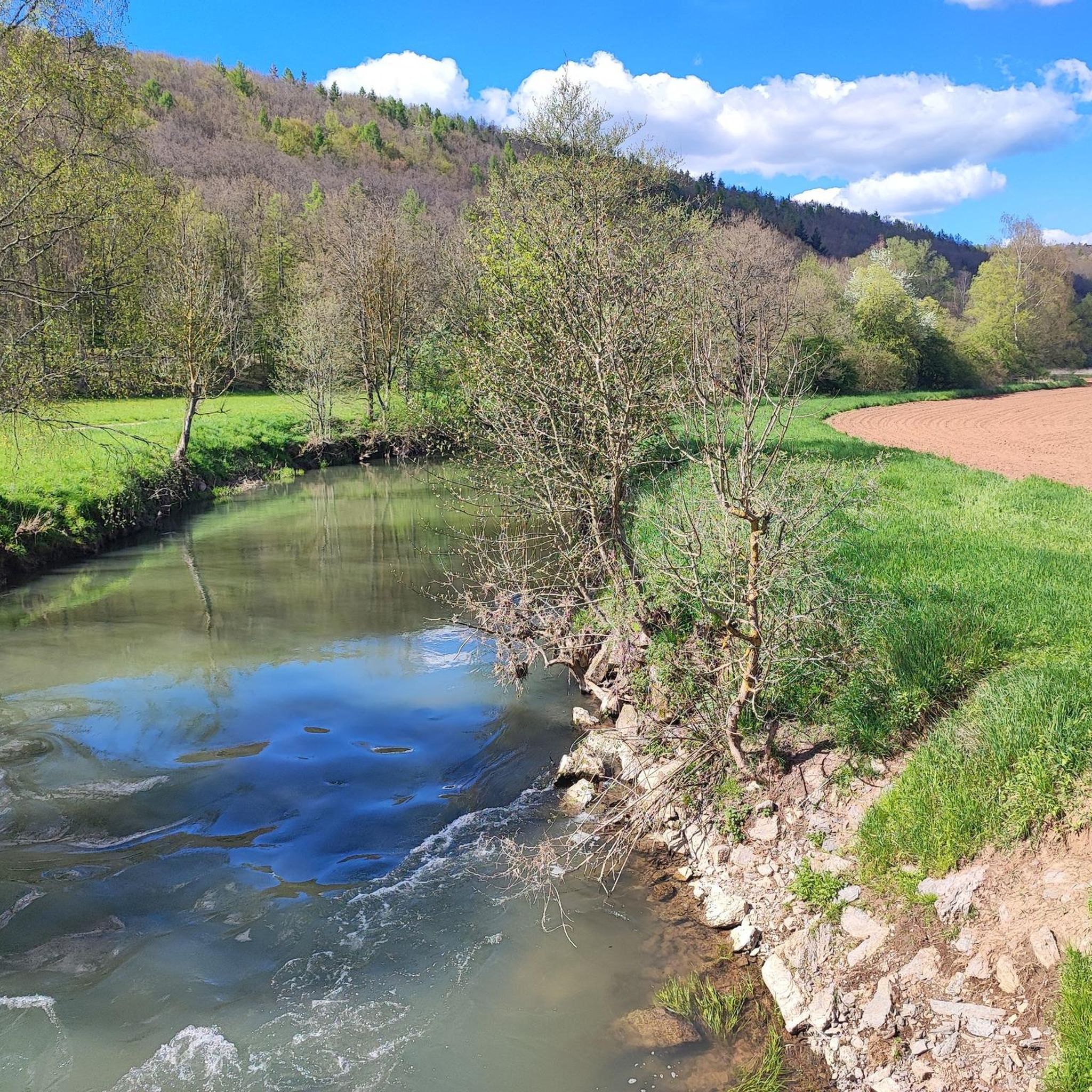
Road Cycling Routes in Fränkische Saale Zwischen Heustreu Und Steinach
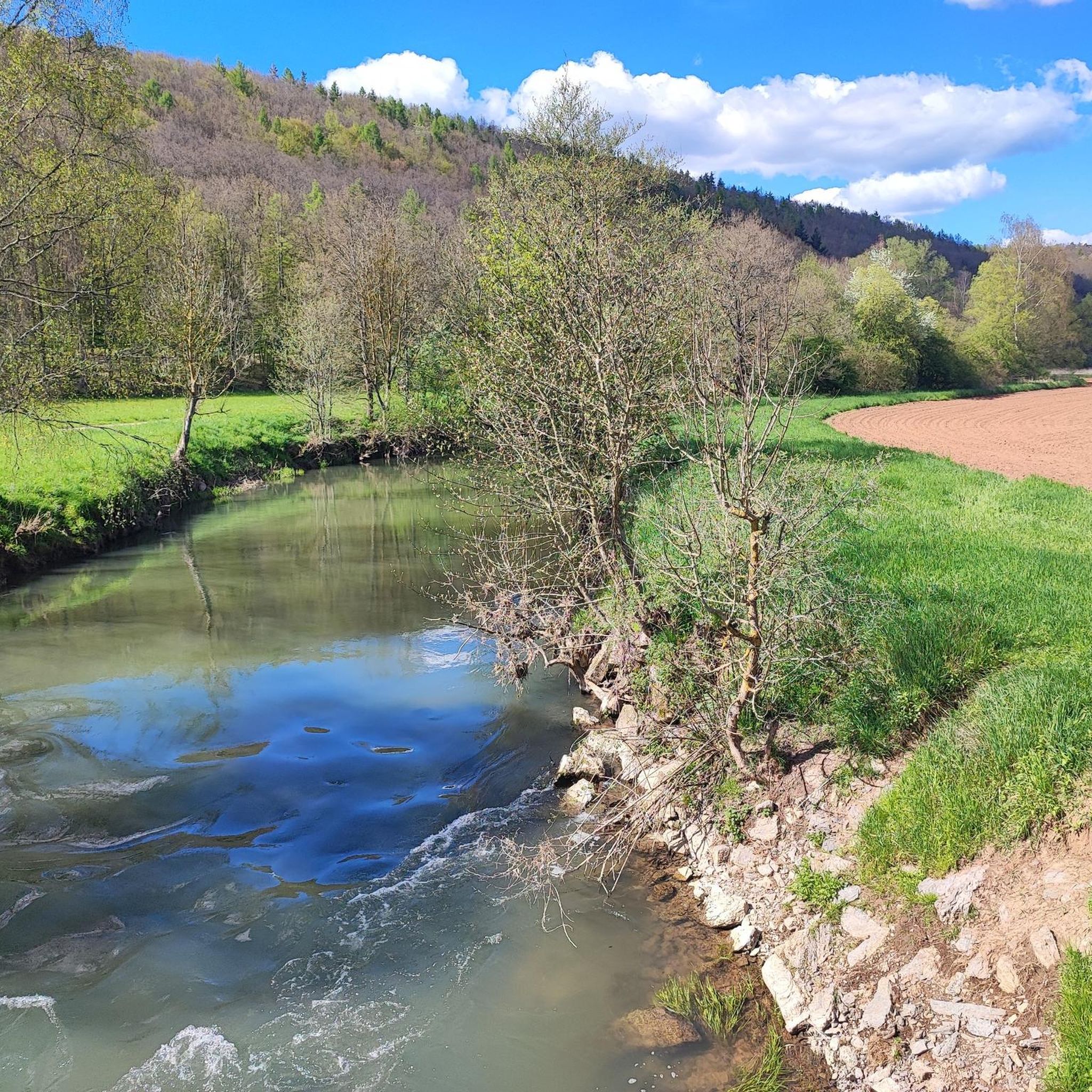
MTB Trails in Fränkische Saale Zwischen Heustreu Und Steinach
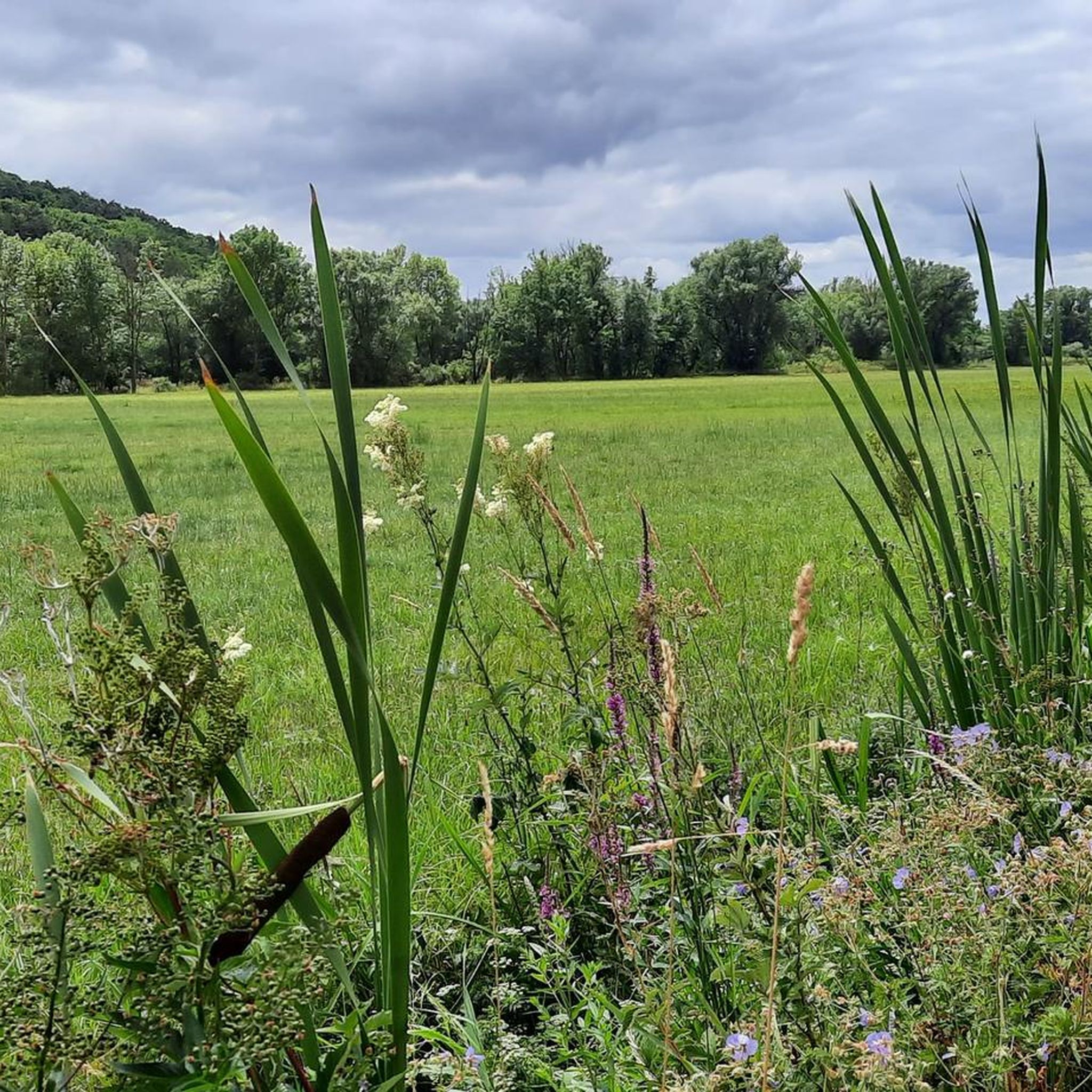
Hiking in Fränkische Saale Zwischen Heustreu Und Steinach
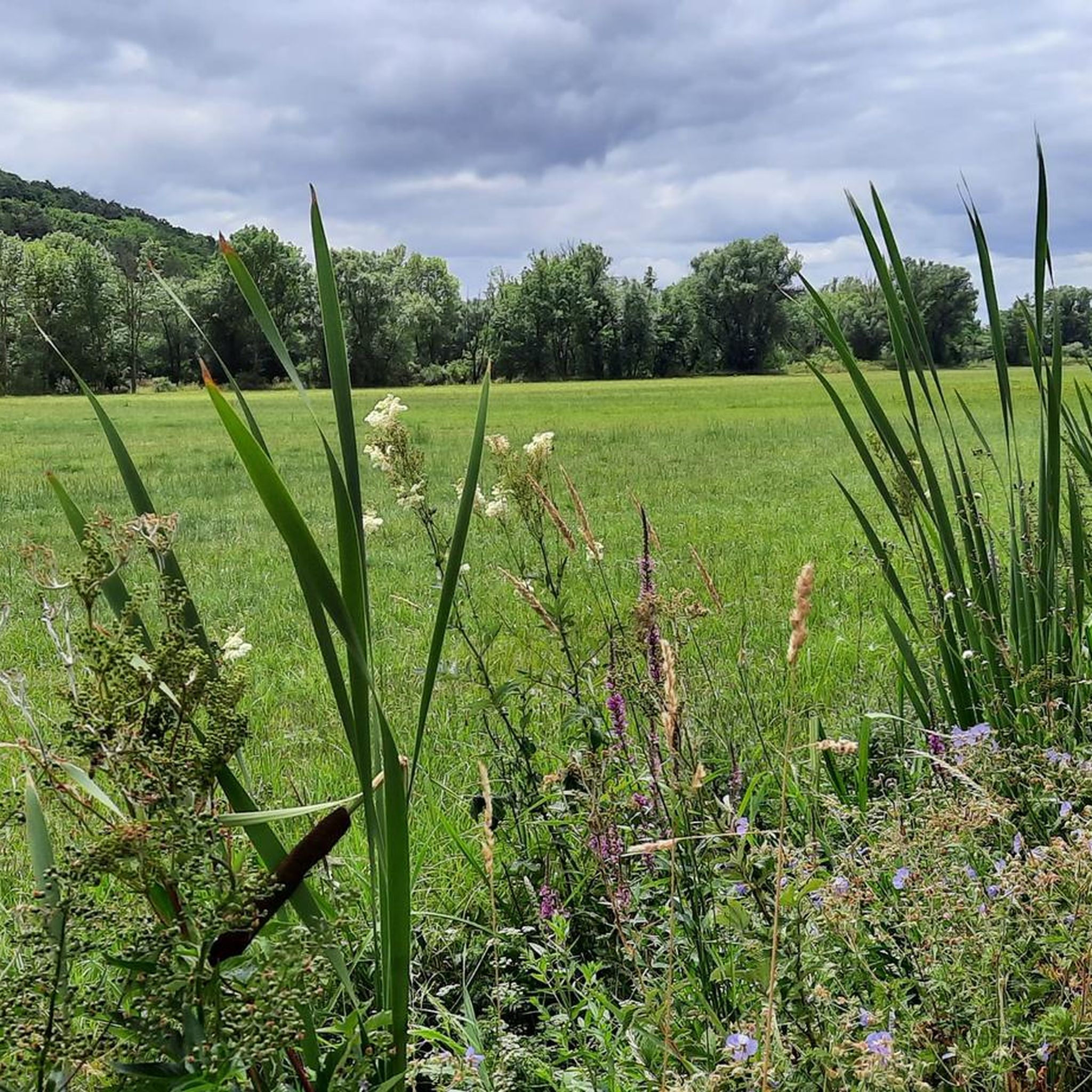
Running Trails in Fränkische Saale Zwischen Heustreu Und Steinach
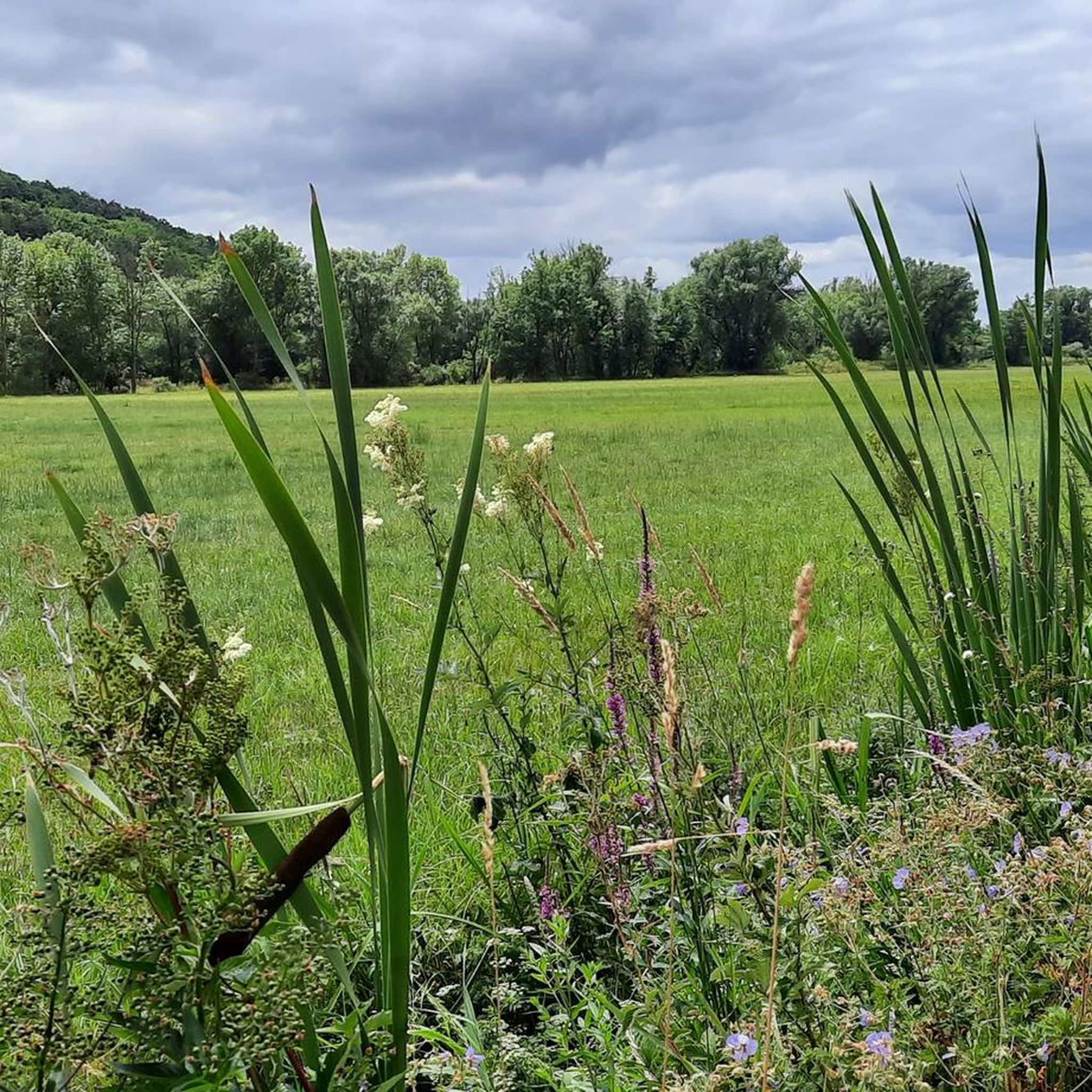
Cycling in Fränkische Saale Zwischen Heustreu Und Steinach
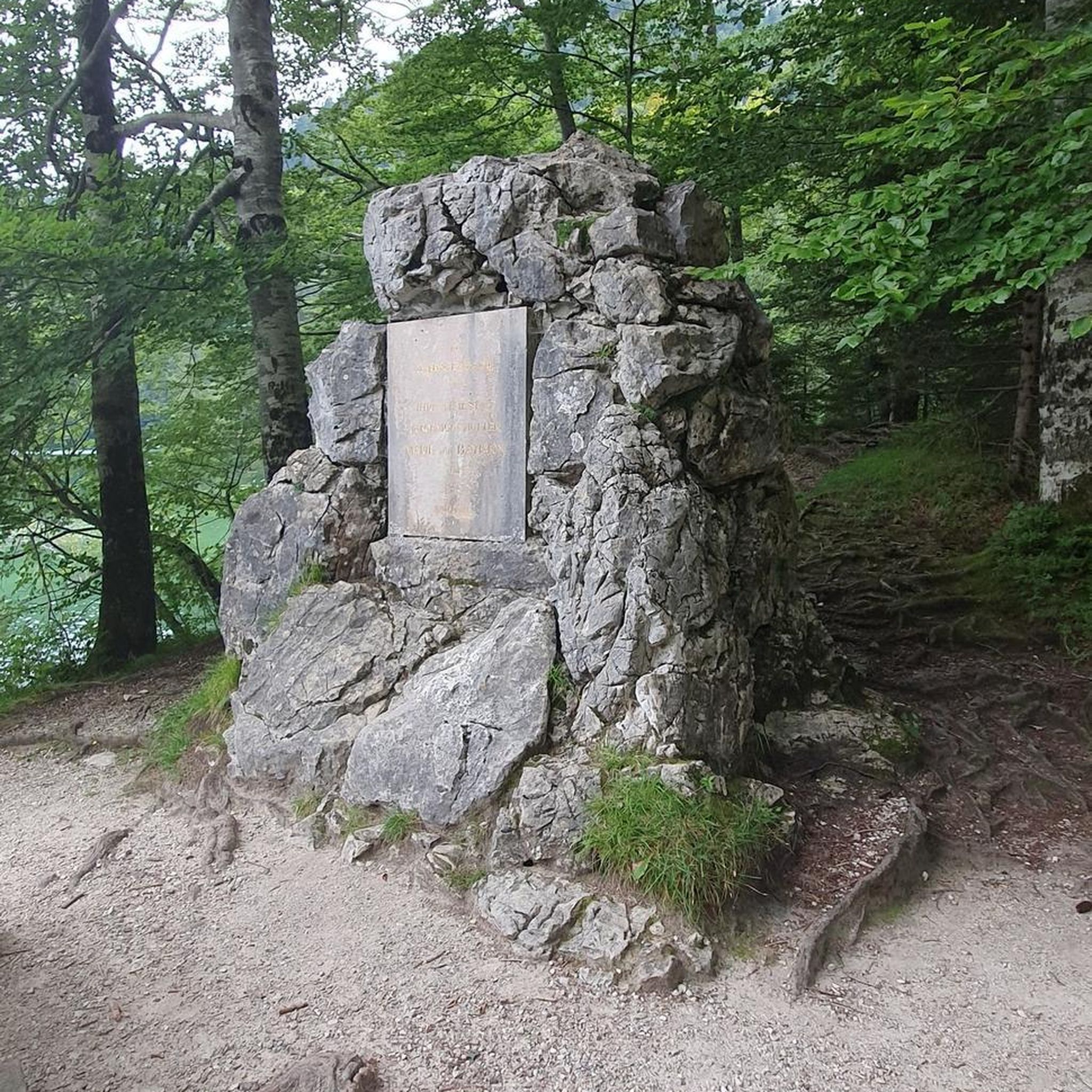
Gravel biking in Fränkische Saale Zwischen Heustreu Und Steinach
Other adventures in Fränkische Saale Zwischen Heustreu Und Steinach

Tips from the Community

Nice place! Relax and perfect for mindfulness
1
0

The Saale meanders beautifully through the valley.
19
1

This is craftsmanship.. Great stainless steel sculpture.. Above all rust-free
1
0

Very nice view of the Saale. The shady spot invites you to take a short rest.
4
0

Due to its high brine content, the Karl-Theodor spring is only suitable for external use.
2
1
The suspension bridge is probably 200 years old. Its branches are widely branched, already touch the ground and have to be supported by auxiliary structures. Such a tree is naturally inviting for children. However, climbing is strictly prohibited to protect the old tree.
4
0

A very good solution to enable natural fish migration. It also makes for a great photo opportunity with a view of the former mill.
13
0

A fish ladder was built here to bypass the old weir. Simply a good idea.
10
0
Frequently Asked Questions
What are the most notable natural monuments to visit in the Fränkische Saale Zwischen Heustreu Und Steinach region?
The region is rich in natural beauty. Among the most notable are the Fränkische Saale at Bad Neustadt, offering scenic river views and shady resting spots. You can also visit the impressive 200-Year-Old Weeping Beech, an ancient tree with widely branched limbs, and the Fish Ladder at the Mill Weir, which aids fish migration and provides a unique photo opportunity.
Are there any unique trees or geological features to see in the area?
Yes, a prominent natural monument is the 200-Year-Old Weeping Beech, known for its distinctive shape and age. Its branches touch the ground and are supported by auxiliary structures. Another significant tree is the Peace Linden Salz, a well-maintained linden tree with historical associations, though not as ancient as the beech.
What kind of riverine natural features can I expect along the Fränkische Saale?
The Fränkische Saale itself is a central natural feature, particularly the stretch at Bad Neustadt, where it meanders beautifully through the valley. The area is characterized by its natural river course and associated floodplains, such as the Saalewiesen, which are part of a nature reserve. The Fish Ladder at the Mill Weir is a man-made structure that integrates with the river's ecosystem, enabling natural fish migration.
Are there family-friendly natural monuments in the Fränkische Saale Zwischen Heustreu Und Steinach region?
Many natural monuments in the region are suitable for families. The 200-Year-Old Weeping Beech is naturally inviting for children, though climbing is prohibited to protect the tree. The Fränkische Saale at Bad Neustadt offers pleasant spots for rest. The Fish Ladder at the Mill Weir can also be an interesting stop for families to observe the river's ecosystem.
What outdoor activities can I do near these natural monuments?
The region offers various outdoor activities. You can find numerous running trails, including routes like 'Stone Monument in Saalewiese – Kurpark Bad Neustadt loop' or 'View of the Brend loop'. For cycling enthusiasts, there are routes such as 'Saale River Pedestrian Bridge – View of Salz (Lower Franconia) loop'. If you prefer hiking, explore easy trails like 'Arch Bridge at the Saale Meadows – Ruins of Salzburg Castle loop'. You can find more details on these activities in the running trails guide, cycling guide, and easy hikes guide for the region.
Are there easy hiking trails suitable for all skill levels near the natural monuments?
Yes, the region provides several easy hiking trails. For instance, you can explore the 'Arch Bridge at the Saale Meadows – Ruins of Salzburg Castle loop' or the '200-Year-Old Weeping Beech – Arch Bridge at the Saale Meadows loop'. These routes are generally accessible and offer a pleasant way to experience the natural surroundings. More options are available in the easy hikes guide for Fränkische Saale Zwischen Heustreu Und Steinach.
What is the best time of year to visit the natural monuments in Fränkische Saale Zwischen Heustreu Und Steinach?
The region, being part of the Rhön Biosphere Reserve and a Natura 2000-Area, offers natural beauty throughout the year. Spring and summer are ideal for enjoying the lush riverine landscapes and observing flora and fauna. Autumn brings vibrant colors, while winter can offer serene, frosty views. The best time depends on your preferred outdoor activity and scenery.
How can I access the natural monuments using public transport?
While specific public transport routes directly to every natural monument may vary, the towns within the Fränkische Saale Zwischen Heustreu Und Steinach region, such as Bad Neustadt an der Saale, Heustreu, and Steinach, are generally connected by local bus services. For detailed schedules and connections to trailheads or specific sites, it's advisable to check local transport provider websites.
Are there parking facilities available near the natural monuments or trailheads?
Parking facilities are generally available in the towns and villages near the natural monuments and popular trailheads. For example, when visiting sites around Bad Neustadt an der Saale, you can typically find parking in or near the town center, which often provides access to the river and nearby attractions. Specific parking information for individual trailheads might be found on local tourism websites or komoot tour descriptions.
Are there any historical or cultural sites integrated with the natural monuments?
Yes, some sites blend natural and historical elements. The Peace Linden Salz is a natural monument with historical associations, though the current tree is not as old as the legends suggest. Additionally, the Eagle and Snake Sculpture at Karl-Theodor Spring combines a man-made monument with a natural healing spring, depicting an eagle fighting a snake.
Are there any regulations or permits required to visit the FFH-Gebiet?
The region is designated as an FFH-Gebiet (Fauna-Flora-Habitat area) and Natura 2000-Area, indicating its high ecological importance. While no specific permits are typically required for general access to public paths, visitors are expected to respect conservation guidelines. This includes staying on marked trails, not disturbing wildlife, and refraining from picking plants. These measures help maintain the favorable conservation status of species and their habitats.
What kind of wildlife or biodiversity can I observe in this protected area?
As an FFH-Gebiet and part of the Rhön Biosphere Reserve, the area supports a rich variety of flora and fauna. The riverine landscape and floodplains provide diverse habitats for aquatic species, birds, and insects. Nature observation is a key aspect of visiting, offering insights into the region's ecological systems and the efforts to protect its biodiversity.
Where can I find viewpoints to appreciate the landscape?
Several spots offer excellent views of the surrounding landscape. The 200-Year-Old Weeping Beech serves as a natural viewpoint, offering vistas over the Saalewiesen towards Bad Neustadt. The Fränkische Saale at Bad Neustadt also provides very nice views of the meandering river.
Most popular routes in Fränkische Saale Zwischen Heustreu Und Steinach
Most popular attractions in Fränkische Saale Zwischen Heustreu Und Steinach

Get inspired with the komoot mobile app


Explore more
Extend your search for the best caves by checking out these guides of the top ones in Fränkische Saale Zwischen Heustreu Und Steinach:
