Bellebroek En Dendermeersen Tussen Oudegem En Wieze
Bellebroek En Dendermeersen Tussen Oudegem En Wieze
Top 5 Natural Monuments in Bellebroek En Dendermeersen Tussen Oudegem En Wieze
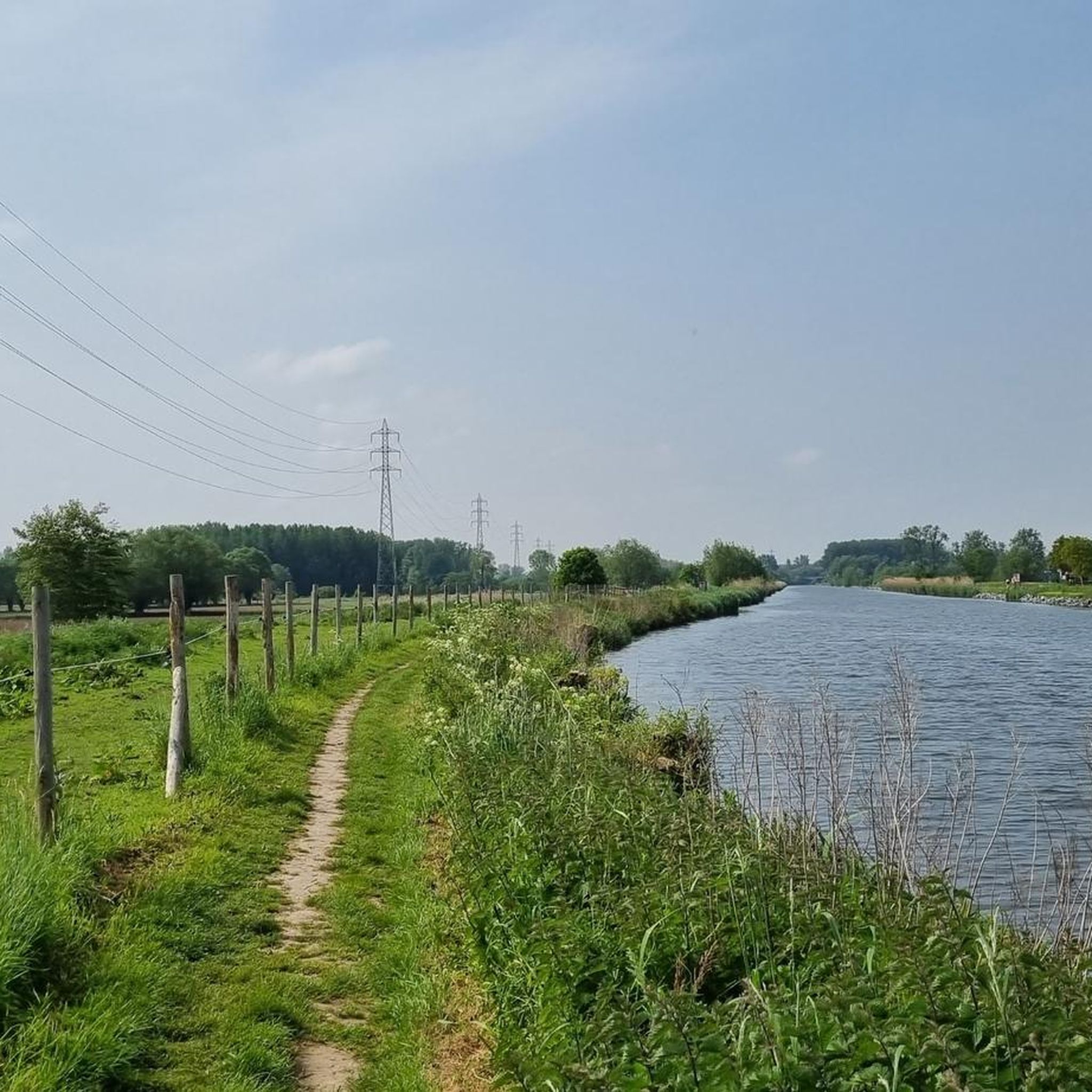
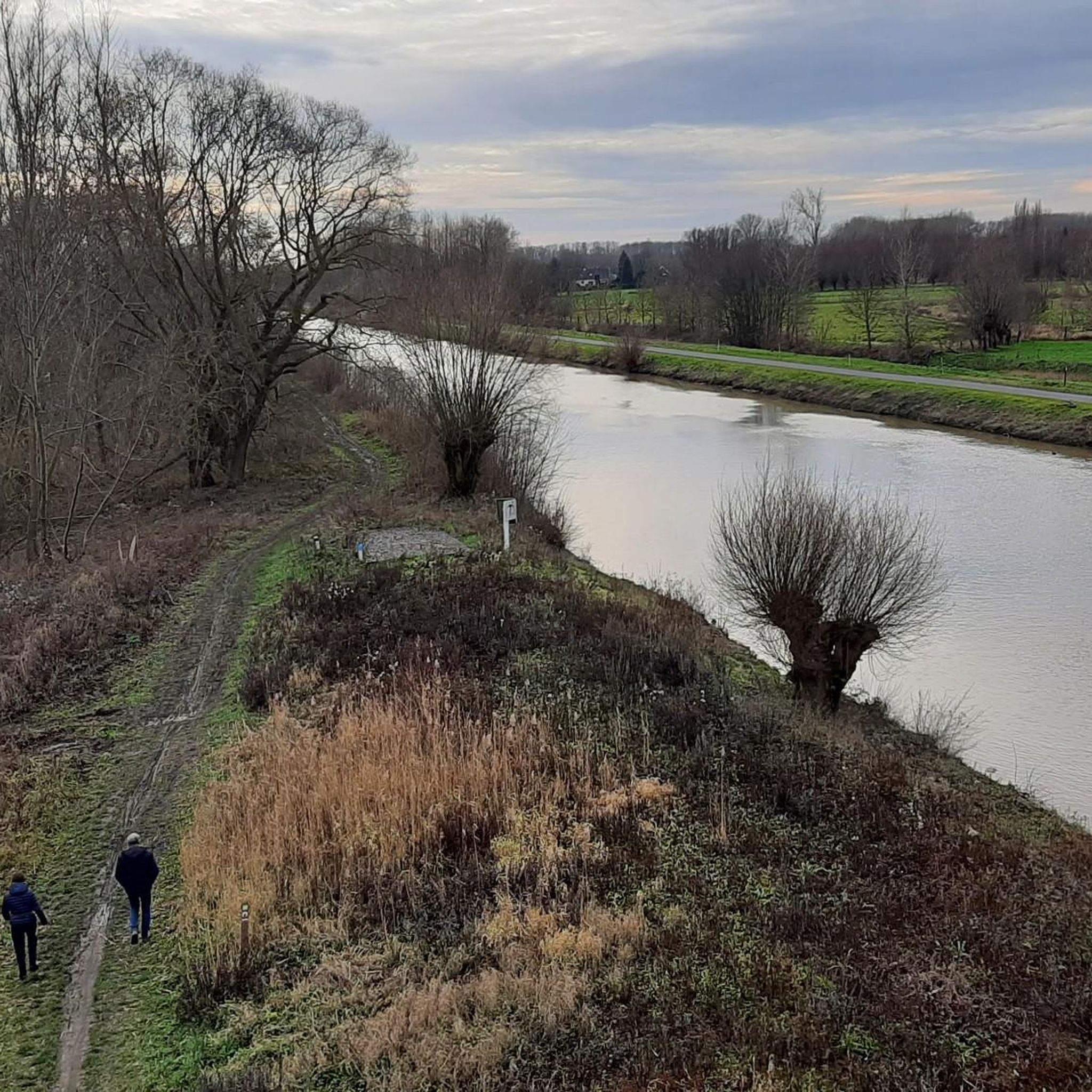
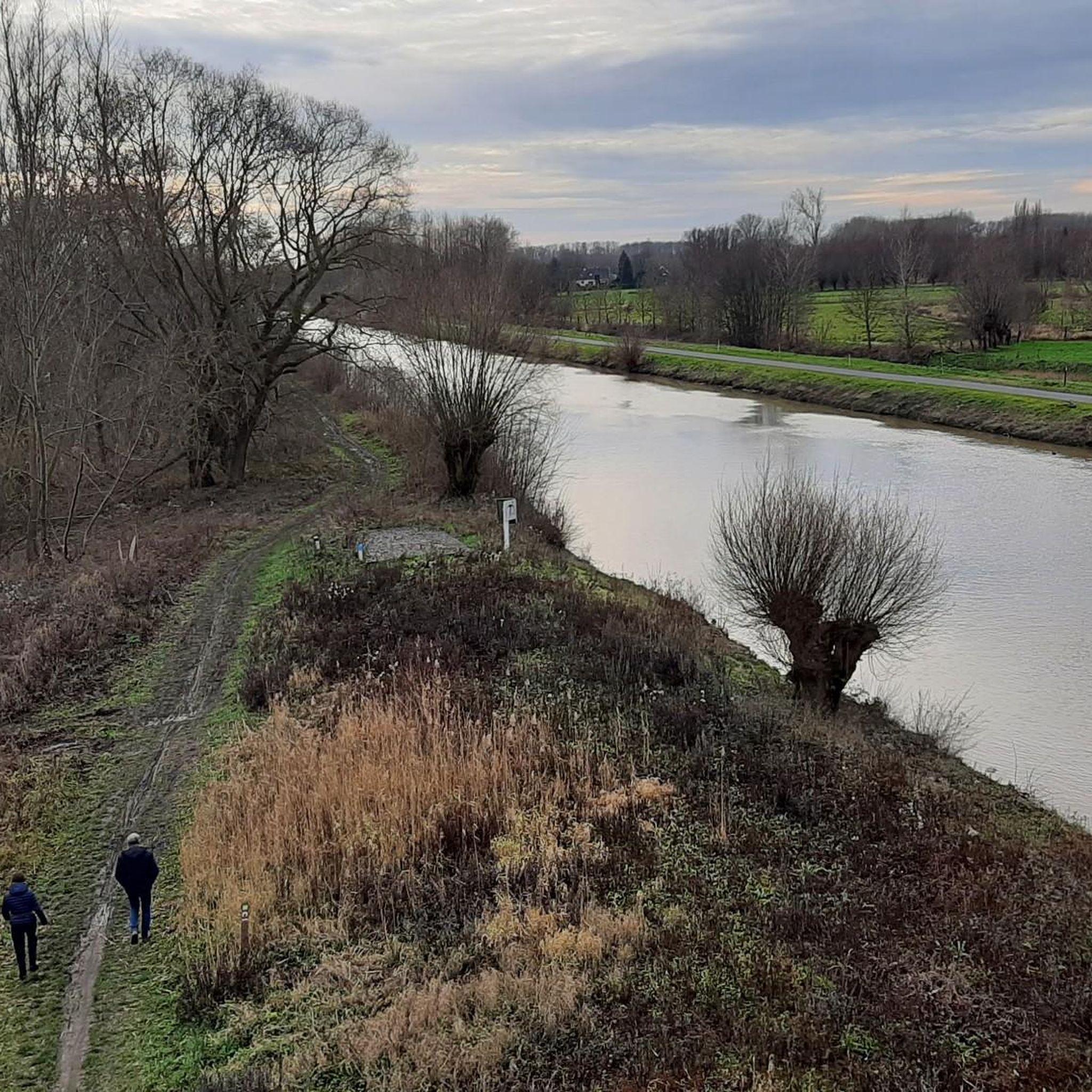
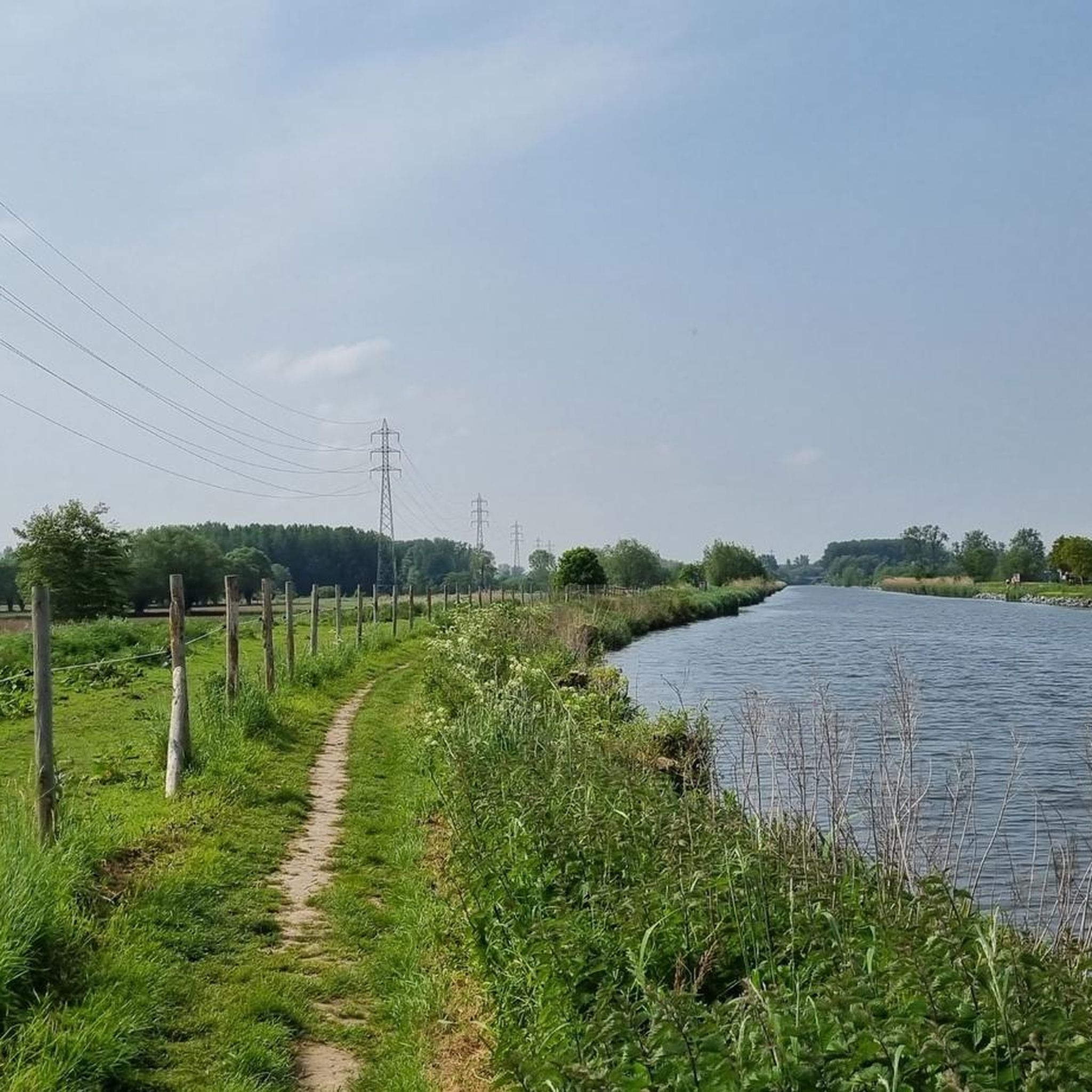
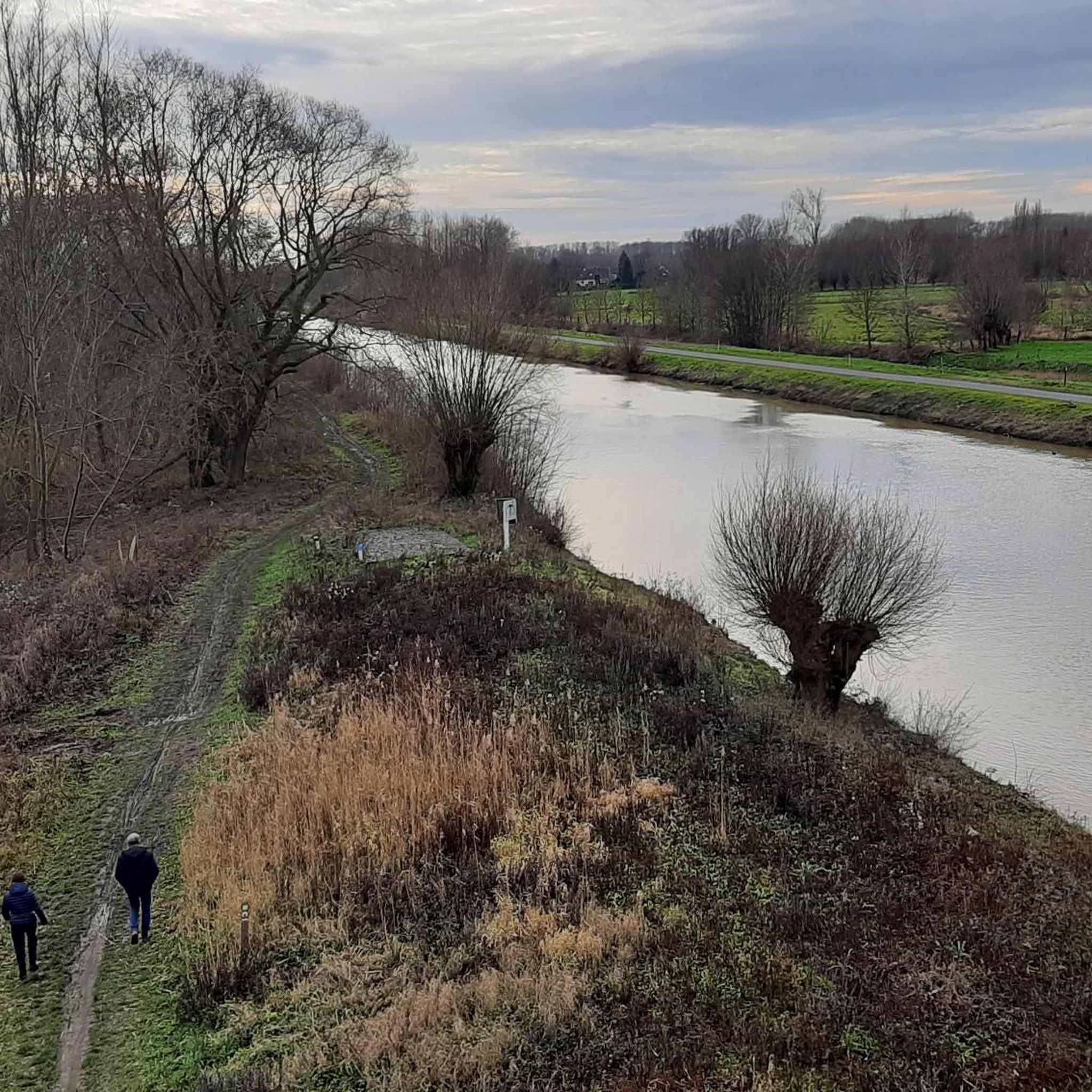
Natural monuments in Bellebroek En Dendermeersen Tussen Oudegem En Wieze encompass a region recognized for its significant natural value and biodiversity. The area features characteristic valley forests, particularly between the Dender river and the Windgatbeek, distinguished by indigenous shrubs. Expansive open grasslands and wetlands, such as Denderbellebroek, showcase vegetation typical of marshlands. This combination of varied landscapes provides opportunities for nature exploration and supports diverse flora and fauna.
Best natural monuments in Bellebroek En Dendermeersen Tussen Oudegem En Wieze
- The…
Last updated: July 5, 2026
Miller's Oak
Highlight • Monument
Translated by Google •
Tip by

Swallow tower
Highlight • Structure
Near the Dender River in Denderbelle, not far from the lock crossing, you can see a large swallow house. This swallow house was installed …
Translated by Google •
Tip by

Sign up now to discover places like this
Get recommendations on the best single tracks, peaks, & plenty of other exciting outdoor places.
Sign up for free
The Honey Forest
Highlight • Forest
Translated by Google •
Tip by
The Thick Oak
Highlight • Natural Monument
Translated by Google •
Tip by
Stork Nest on Dead Tree
Highlight • Natural Monument
Translated by Google •
Tip by

Start today with a free account
Your next adventure awaits.
Login or Signup
Popular around Bellebroek En Dendermeersen Tussen Oudegem En Wieze
Road Cycling Routes in Bellebroek En Dendermeersen Tussen Oudegem En Wieze
Cycling in Bellebroek En Dendermeersen Tussen Oudegem En Wieze
Running Trails in Bellebroek En Dendermeersen Tussen Oudegem En Wieze
Hiking in Bellebroek En Dendermeersen Tussen Oudegem En Wieze

Gravel biking in Bellebroek En Dendermeersen Tussen Oudegem En Wieze
MTB Trails in Bellebroek En Dendermeersen Tussen Oudegem En Wieze
Tips from the Community

If you see movement here...summer is coming.
1
1

This work of art by Thijs Van der Linden tells the story of the origins of the well-known “Dikke Eik” (fat oak) from the village square in Wieze, which was once planted on the corner of 4 roads to indicate the access road to the now disappeared wooden corn mill. Planting different types of wood in the immediate vicinity of a mill to incorporate them was also common at the time. This oak could therefore have been planted there to be used as the sails of the mill. On the way to this mill there is also a miller’s chapel, which was once erected to pray for a good harvest. At the bottom of this work of art there is a miller’s stone that can also be used as a bench. In this concrete form, oak branches have been worked vertically into it as filling, which will decay over time. A random summer oak has been planted in the centre of this miller’s stone, onto which branches of the “Dikke Eik” will be grafted at a later stage. The tree itself is surrounded by a steel construction in which the miller's chapel and the disappeared mill are depicted. This work is located on a walking path towards the village and therefore the Oude Eik van Wieze from where the story will hopefully be told further by the local population and passers-by. (Thijs Van der Linden)
13
0

Indeed Dirk, stork's nest thank you.
1
0

It is indeed a stork's nest and not a heron's. That is why a name change is proposed...
1
0
This road (Derdebochtstraat] runs further along next to the Molenbeek but is not maintained for a short distance and is overgrown with nettles etc. Then along the meadow to the next path (Banhoveweg). Then you can continue on the original road next to the Molenbeek.
0
1

This imposing pedunculate oak stands in the eastern corner of the village square of Wieze, right next to the café 'Den Dikken Eik'. A church path used to leave from here to the mill and Molenkapel. The oak forms a defining element in the village center of Wieze. The tree has been protected since 1951. Source: https://www.lebbeke.be/dikke-eik
6
0
Pupils from the local schools helped with planting the honey forest, setting up a wall of branches and making "bee hotels". Natuurpunt has also built a cozy picnic spot in the Wiestermeers, on an old Denderarm where a honey grove was also planted. The Wiestermeers nature trail was also constructed a few years ago. The trail passes through a forest complex that is very old and valuable. The trees and shrubs are the descendants of trees and shrubs that settled after the last ice age, 13,000 years ago. The path offers a view of the right bank of an Oude Dender, rows of pollard willows and passes a castle park and a historic farm. Source: https://www.natuurpunt.be/natuurgebied/beneden-dender-bellebroek-hannaerden-wiestermeers-hoekske-en-hogedonk
4
0
A prime location for welcoming swallows. Near the Dender River in Denderbelle, not far from the lock crossing, you can see a large swallow house. This swallow house was installed by the Waterways and Sea Canal. The house was placed there due to major works on the nearby lock. The lock needs to be modified because the Dender is being widened and deepened to allow for heavier vessels. However, the lock modifications also mean the current lock houses will have to be removed, which is bad news for the house martins. For years, the birds have been building their nests against the facades of these buildings. Swallows are protected birds and very sedentary. The disappearance of their nesting site is seriously disrupting the swallow's habitat. To give them the chance to continue living and breeding nearby, an alternative is being provided. The Waterways & Sea Canal Department and the Scheldt-Durme Regional Landscape hope that the swallows will find a new home at the swallow house before the lock houses disappear. Swallow calls are played on the swallow house to attract them to their new location. Hopefully, they will find their way to their new hotel. Tip: Take a moment and enjoy the swallows' aerial acrobatics on summer evenings. Swallows are champions at eating insects. More information can be found on the information board at the Swallow Hotel.
4
0
Frequently Asked Questions
What are some of the most popular natural monuments to visit in Bellebroek En Dendermeersen?
Visitors frequently enjoy The Thick Oak, an imposing pedunculate oak in Wieze protected since 1951. Another favorite is The Honey Forest, an area planted by local schoolchildren with a picnic spot and ancient trees. The Stork Nest on Dead Tree also attracts interest for wildlife observation.
What kind of natural features can I expect to see in the Bellebroek En Dendermeersen region?
The region is characterized by diverse natural features, including characteristic valley forests with indigenous shrubs like blackthorn and field maple, particularly between the Dender river and the Windgatbeek. You'll also find expansive open grasslands and wetlands, such as Denderbellebroek, featuring marsh marigold grasslands and large sedge vegetation.
Are there family-friendly natural monuments or activities in Bellebroek En Dendermeersen?
Yes, several natural monuments are family-friendly. The Honey Forest, for example, was planted with the help of local schoolchildren and includes a picnic spot. The Miller's Oak, an art installation telling the story of the original 'Dikke Eik', also offers an engaging stop for families. The entire region provides opportunities for easy walks suitable for all ages.
What outdoor activities can I do near the natural monuments in Bellebroek En Dendermeersen?
The area is excellent for both hiking and road cycling. For hiking, you can explore routes like the easy 4 km "Boardwalk Denderbellebroek – Denderbelle Lock Complex loop from Denderbelle" or the 6.1 km "The Honey Forest – Boardwalk Denderbellebroek loop from Wieze." Cyclists can enjoy routes such as the "Doorsteeklaan – Along the Dender River loop from Oudegem." You can find more details on these activities in the dedicated guides for Hiking and Road Cycling in the region.
When is the best time to visit Bellebroek En Dendermeersen for wildlife spotting?
The Walputbeek-Dendermeersen area, within the larger region, is particularly important for overwintering, migratory, and breeding birds. Spring and autumn are generally excellent for birdwatching, with species like teal, common snipe, and various birds of prey present. Summer evenings are ideal for observing swallows around the Swallow tower, where they perform aerial acrobatics.
Are there specific walking paths or trails to explore the natural monuments?
Yes, the Walputbeek-Dendermeersen Nature Reserve is freely accessible via walking paths. The Wiestermeers nature trail also passes through a forest complex with ancient trees and offers views of the Dender and pollard willows. Many of the natural monuments, like The Honey Forest, are integrated into walking routes.
What kind of wildlife can be observed in the Bellebroek En Dendermeersen area?
The region is rich in diverse wildlife. Mammals such as roe deer, fox, weasel, rabbit, hare, hedgehog, and mole have been observed. Birdlife is particularly varied, including teal, common snipe, shoveler, and various birds of prey. You might also spot the orange-tip butterfly and amphibians like toads and common frogs.
What is the significance of the indigenous shrubs and trees in the valley forests?
The indigenous shrubs and trees, such as blackthorn, two-styled hawthorn, buckthorn, and wild elm, are crucial as a gene reservoir for the region. These pure representatives of their species enhance the ecological significance of the area, contributing to its rich biodiversity and natural heritage.
Is there a specific location for observing swallows?
Yes, near the Dender River in Denderbelle, not far from the lock crossing, you can find a large Swallow tower. This structure was installed to provide an alternative nesting site for house martins whose original habitats were affected by construction. It's an excellent spot to watch swallows, especially on summer evenings.
What makes the Denderbellebroek area unique?
Denderbellebroek is notable for its expansive open grasslands. In its wettest zones, it features characteristic vegetation typical of marshlands, including marsh marigold grasslands, large sedge vegetation, and reed canary grass vegetation, making it a significant ecological site within the region.
Are there any historical elements associated with the natural monuments?
While primarily natural, some sites have historical connections. For instance, Miller's Oak is an artwork that tells the story of the original 'Dikke Eik' which was planted to mark the access road to a now-disappeared wooden corn mill. A miller’s chapel, erected to pray for a good harvest, was also historically nearby.
What efforts are made to preserve the natural heritage of Bellebroek En Dendermeersen?
Ongoing efforts include the maintenance of grasslands, pollard willows, and amphibian ponds. The planting of areas like The Honey Forest and the installation of the Swallow tower demonstrate active conservation to protect and enhance the region's diverse flora and fauna.
Most popular routes in Bellebroek En Dendermeersen Tussen Oudegem En Wieze
Most popular attractions in Bellebroek En Dendermeersen Tussen Oudegem En Wieze

Get inspired with the komoot mobile app


Explore more
Extend your search for the best caves by checking out these guides of the top ones in Bellebroek En Dendermeersen Tussen Oudegem En Wieze:
