Top 5 Natural Monuments in Wakenitzniederung
Best natural monuments in Wakenitzniederung include a diverse landscape shaped by the Wakenitz River and unique inland dunes. This region features a 14.9 km long river, known for its meandering course and historical significance as a former border. The area encompasses wild alder marshes, moorland, and sand dry grasslands, providing varied natural features. It serves as a habitat for various animal species and offers opportunities for observing wildlife.
Best natural monuments in Wakenitzniederung
- The most popular natural monuments is Wakenitz…
Last updated: July 5, 2026
Wakenitz River (former border river)
Highlight • River
The bridge connects Schleswig-Holstein with Mecklenburg-West Pomerania.
Translated by Google •
Tip by

Lenschow Memorial Stone
Highlight • Monument
Today, there is almost nothing left to see from the former inner-German border.
Translated by Google •
Tip by
Sign up now to discover places like this
Get recommendations on the best single tracks, peaks, & plenty of other exciting outdoor places.
Sign up for free
Parking Area Herrnburger Binnendüne and Duvennester Moor
Highlight • Parking
A shelter for pausing is also available.
Translated by Google •
Tip by
Former inland dunes in Wakenitzniederung
Highlight • Natural Monument
But here you can hike barefoot for tens of kilometers 👣😊
Translated by Google •
Tip by
Alder Carr in the Wakenitz Lowlands
Highlight (Segment) • Forest
Translated by Google •
Tip by

Start today with a free account
Your next adventure awaits.
Login or Signup
Tips from the Community

Right at the entrance is a large panel that tells you all about the nature and history of the Duvenester Moor.
2
0

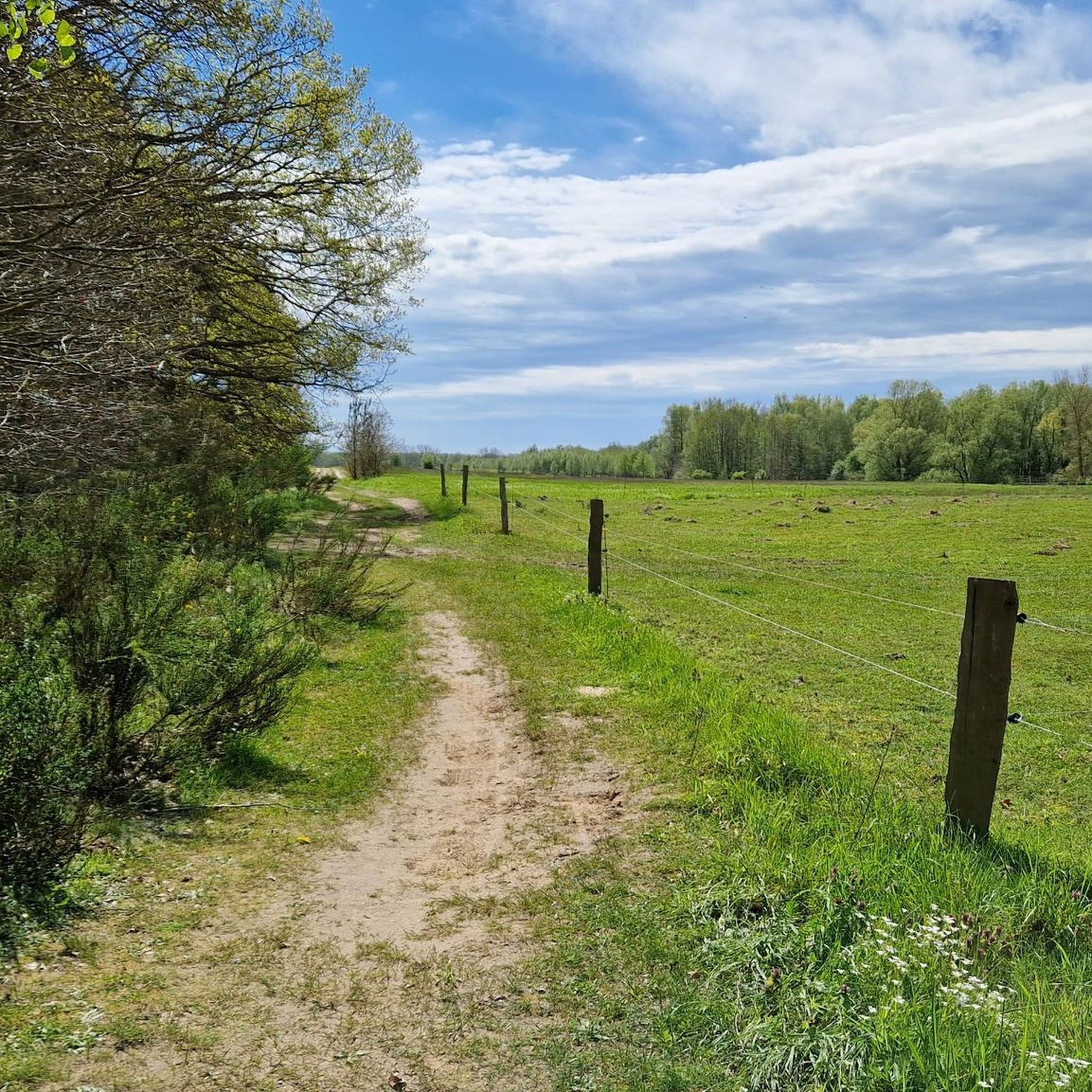
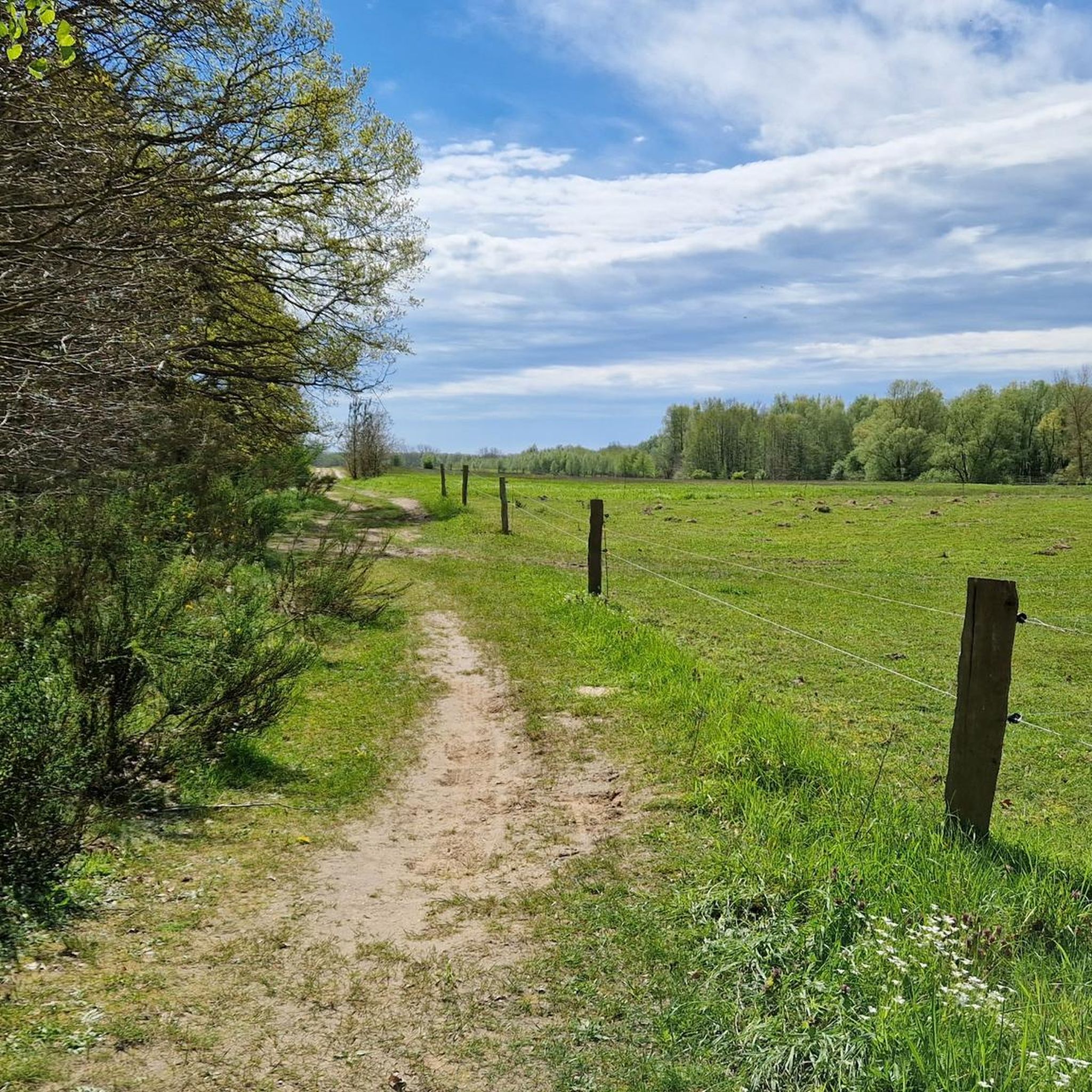
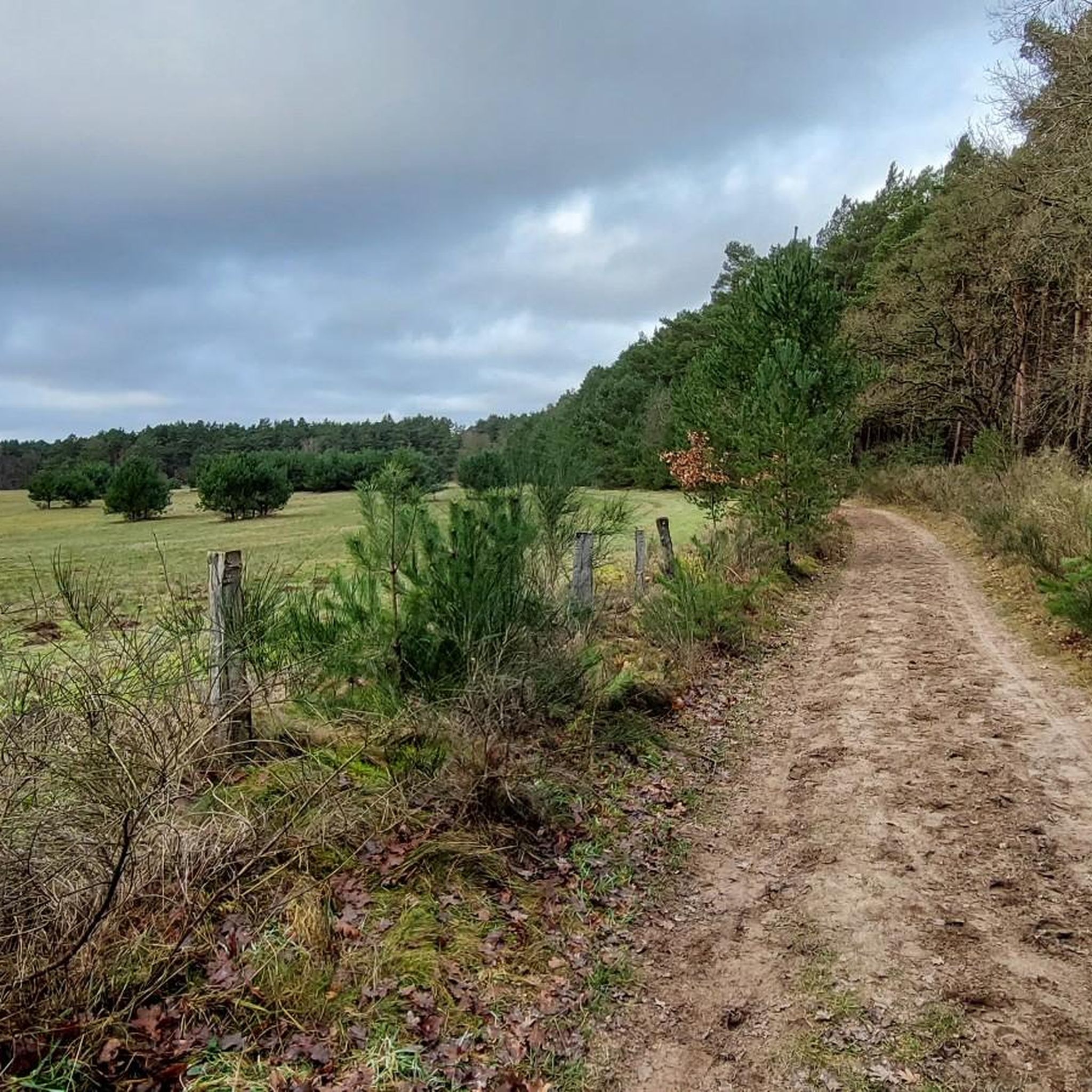
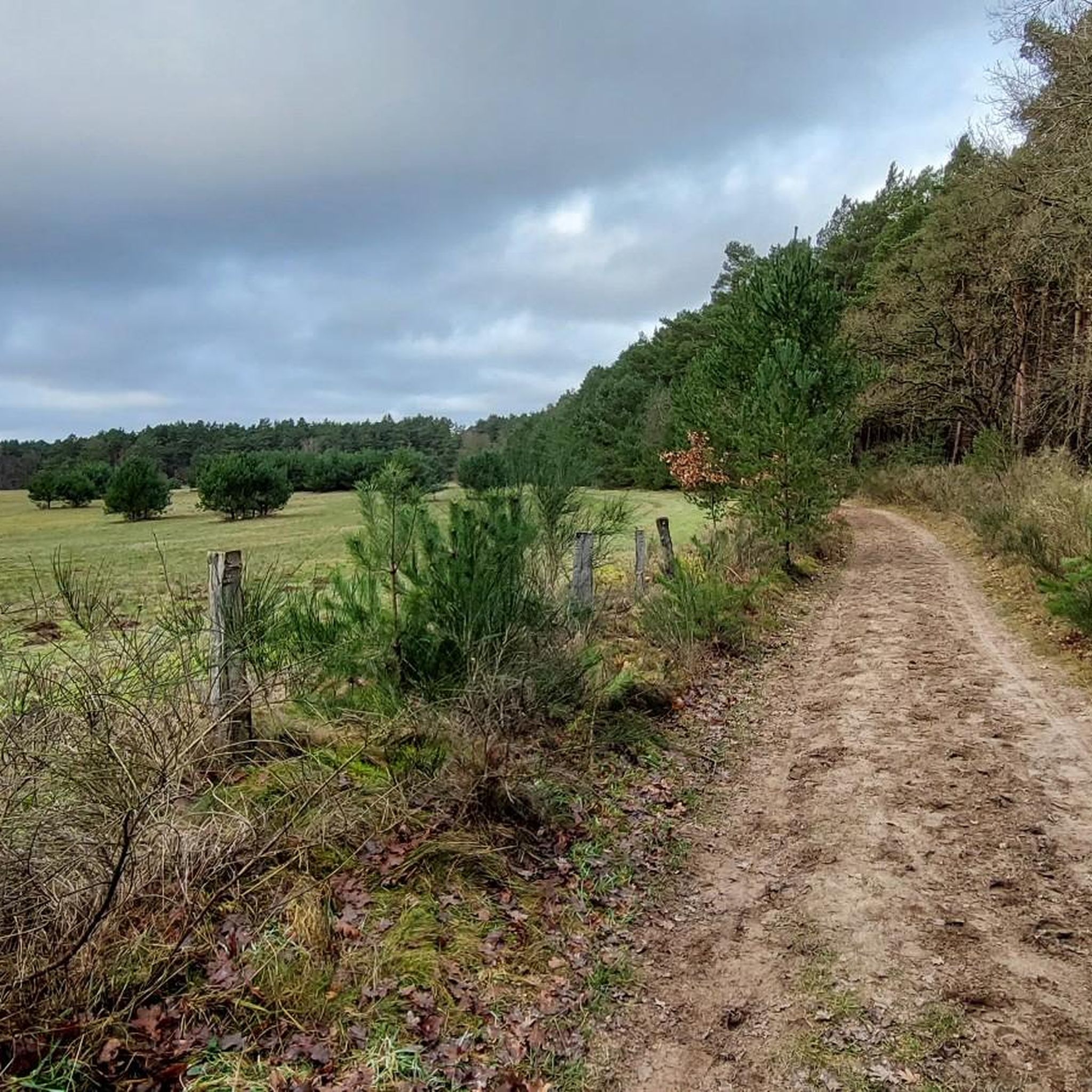
You can follow the former border along the Wakenitz. Before the fall of the Wall, nature lay asleep here for more than 30 years and was able to largely preserve its original appearance.
2
0

Beautiful nature - the m.W. only crossing of Wakenitz between Utecht and St. Jürgen and well suited if you want to cycle from the Hamburg area to the east side of the Bay of Lübeck
2
1

In 1952 a total of 471 families were forced to leave their home in the border districts of Gadebusch, Grevesmühlen and Hagenow. In 1961 the SED leadership organized a second wave of resettlement. "This affected another 616 people in the three border districts," says Dr. Andreas Wagner from Grenzhus Schlagsdorf. The forced resettlements in the GDR border area were painful turning points. More than 11,000 people fell victim to them. They had not been judged to be politically reliable. The wounds and scars left by a 40-year border not only include the dead from the wall and barbed wire, but also forced resettlements and razed villages - source: svz.de/13904707 © 2021 Shortly before the resettlement, some residents of Lenschow embarked on the daring escape by swimming through the Wakenitz with children and little belongings and fleeing to the west.
0
0
The Wakenitzniederung nature reserve, a 297 hectare nature reserve in Mecklenburg-Western Pomerania, southwest of Schönberg bei Herrnburg, was created here in 1990. The aim is to preserve this habitat for endangered animal and plant species.
3
0
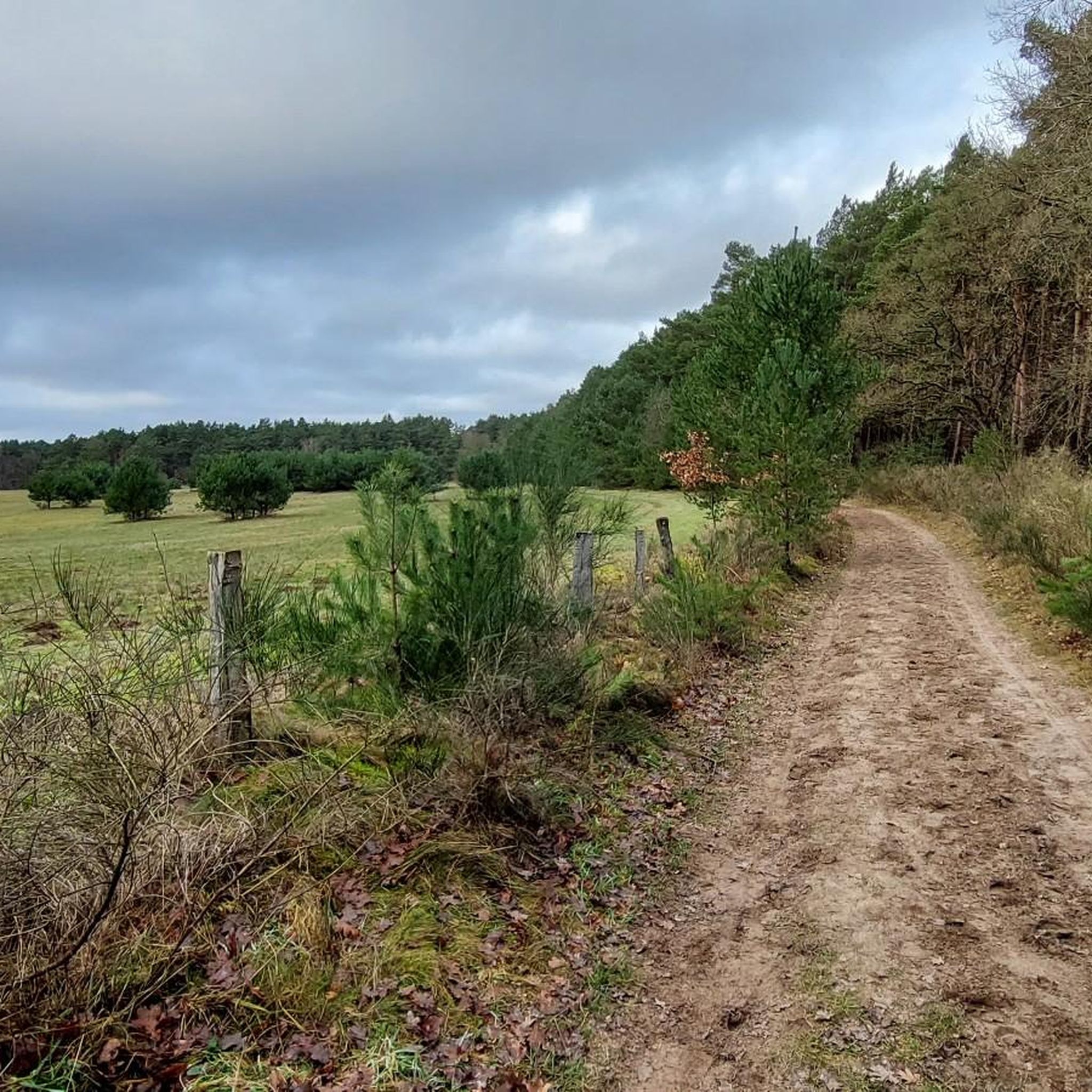
A hiking parking lot that is often used by dog owners as an exercise area, as you are right here in the lonely nature of the former Grend landscape. From here you can start smaller and larger hikes and reach destinations such as the Pommertstein, Wakenitz and Drägerweg, as well as the former border landscape
0
0
In 1952, a total of 471 families were forced to leave their home in the border districts of Gadebusch, Grevesmühlen and Hagenow. In 1961 the SED leadership organized a second wave of resettlement. "This affected another 616 people in the three border districts," says Dr. Andreas Wagner from Grenzhus Schlagsdorf. The forced resettlements in the GDR border area were painful turning points. More than 11,000 people fell victim to them. They had not been judged to be politically reliable. The wounds and scars left by a 40-year border not only include the dead from the wall and barbed wire, but also forced evictions and razed villages - source: https://www.svz.de/13904707 © 2021 Shortly before the resettlement, some residents of Lenschow embarked on the daring escape by swimming through the Wakenitz with children and little belongings and fleeing to the west.
1
0
For years this bridge over the Wakenitz was a border bridge and closed because of the division of Germany within Germany. Today it connects an old with a new federal state and offers interesting views of the former border river Wakenitz, which slowly flows under it. It is a moving feeling when you walk the short distance over this little bridge and think about how far apart, over almost five decades, the distance between these two river banks once was.
2
0
Frequently Asked Questions
What unique natural features can I discover in Wakenitzniederung?
The Wakenitzniederung is renowned for its diverse natural features. You can explore the meandering Wakenitz River, often called the “Amazon of the North,” with its wild alder marshes and moorland. Another distinct feature is the Former inland dunes in Wakenitzniederung, which host unique sand dry grasslands with specialized flora like lichens and bristly bentgrass.
Are there any historical sites among the natural monuments in Wakenitzniederung?
Yes, the region holds significant historical context. The Wakenitz River itself served as a natural border, and its preservation is partly due to its role as a former inner-German border. You can also visit the Lenschow Memorial Stone, which commemorates the village of Lenschow, razed in 1975 due to its proximity to the border.
What kind of wildlife can I expect to see in the Wakenitzniederung?
The Wakenitzniederung is a haven for wildlife. The Wakenitz River landscape is a crucial habitat for endangered species such as fish otters, grass snakes, golden orioles, and kingfishers. The area is also known for a population of wild greater rheas that have established themselves in the region.
Are there family-friendly natural monuments or activities in the area?
Absolutely! Many natural monuments in Wakenitzniederung are family-friendly. The Wakenitz River is great for canoe or kayak trips. The Alder Carr in the Wakenitz Lowlands offers an easy-to-walk hiking trail suitable for families. The Former inland dunes also provide an interesting landscape for exploration.
Where can I park when visiting the natural monuments?
A convenient starting point for exploring the natural monuments is the Parking Area Herrnburger Binnendüne and Duvennester Moor. It offers ample parking and often serves as a starting point for various hikes into the surrounding nature, including the former border landscape.
What outdoor activities can I do near these natural monuments?
The Wakenitzniederung offers a variety of outdoor activities. You can enjoy easy hikes, such as those found in the Easy hikes in Wakenitzniederung guide. For cycling enthusiasts, there are options for Gravel biking in Wakenitzniederung and MTB Trails in Wakenitzniederung, allowing you to explore the diverse landscapes.
Are there specific viewpoints to appreciate the natural beauty of Wakenitzniederung?
Yes, several spots offer beautiful views. From the bridge crossing the Wakenitz River, you get a picturesque panorama of the river, especially where it widens. The Former inland dunes also provide elevated perspectives over the unique sandy landscape.
What is the best time of year to visit the Wakenitzniederung natural monuments?
The Wakenitzniederung is beautiful in every season. While the lush greenery and active wildlife are prominent in spring and summer, the changing colors of autumn and the tranquil, often snow-covered landscapes of winter also offer unique experiences. The Wakenitz River, in particular, maintains its charm year-round.
Can I bring my dog to the natural monuments?
Yes, the Wakenitzniederung is generally dog-friendly. The Wakenitz River area is suitable for walks with dogs. When visiting, please ensure your dog is kept on a leash, especially in nature reserve areas, to protect wildlife and respect other visitors.
What do visitors enjoy most about the natural monuments in Wakenitzniederung?
Visitors frequently praise the unspoiled nature and tranquility of the Wakenitzniederung. The opportunity to observe diverse wildlife, explore the unique river and dune landscapes, and experience the historical significance of the area, particularly along the Wakenitz River, are often highlighted as favorite aspects.
Are there easy walking trails suitable for all fitness levels?
Yes, there are several easy walking trails. The Alder Carr in the Wakenitz Lowlands features an easy-to-walk hiking trail through an interesting river and forest landscape. Additionally, the Easy hikes in Wakenitzniederung guide provides further options for leisurely strolls.
Most popular routes in Wakenitzniederung
Most popular attractions in Wakenitzniederung

Get inspired with the komoot mobile app


Explore more
Extend your search for the best caves by checking out these guides of the top ones in Wakenitzniederung:
