Top 20 Castles around Altnau
Castles around Altnau offer a journey through history in the picturesque Thurgau canton, situated near the shores of Lake Constance. While Altnau itself is a charming municipality, the surrounding region is rich with historically significant castles and ruins. These landmarks provide insights into centuries of regional heritage, from medieval fortresses to stately homes. The area's landscape, characterized by the lake and rolling hills, complements the historical exploration.
Best castles around Altnau
- The most popular castles is Meersburg State Winery and…
Last updated: September 26, 2026
Meersburg State Winery
Highlight • Historical Site
Translated by Google •
Tip by

Meersburg Lower Town Gate
Highlight • Monument
Translated by Google •
Tip by
Sign up now to discover places like this
Get recommendations on the best single tracks, peaks, & plenty of other exciting outdoor places.
Meersburg State Winery and Castle Park
Highlight • Historical Site
STATE SEGUTUT MEERSBURG
Seminar Street 6
D-88709 Meersburg …
Translated by Google •
Tip by

Hersberg Castle
Highlight • Castle
de.wikipedia.org/wiki/Schloss_Hersberg
Translated by Google •
Tip by

Hagenwil Moated Castle
Highlight • Castle
Since 1806 it has been owned by the Angehm family, who …
Translated by Google •
Tip by

Sign up for free to discover even more castles around Altnau.
Already have an account?
Start today with a free account
Your next adventure awaits.
Popular around Altnau
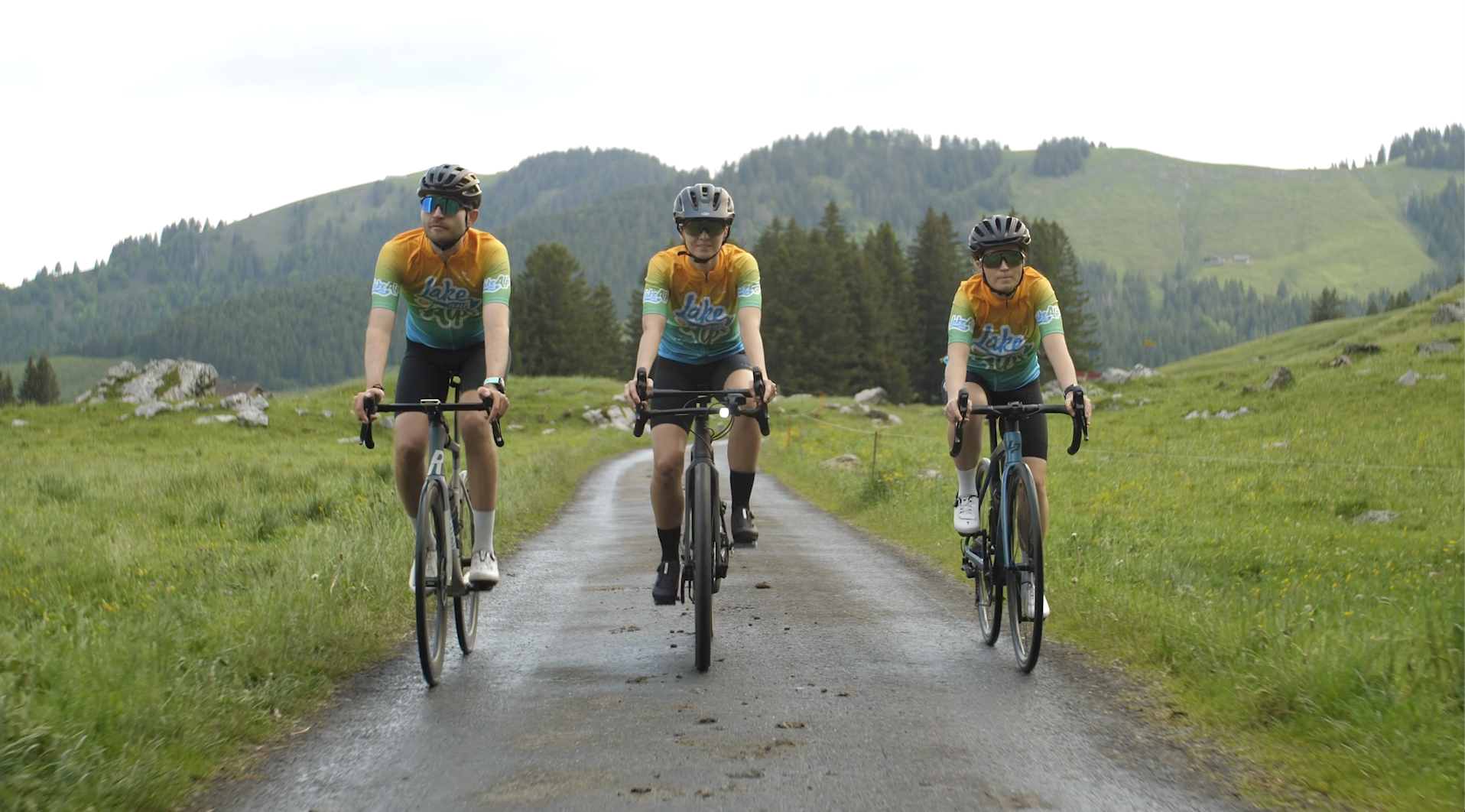
Lake and Alps Adventure – explore 100 dreamy places in our cycling region!
Culinary delights and magical flowers – hikes in Thurgau
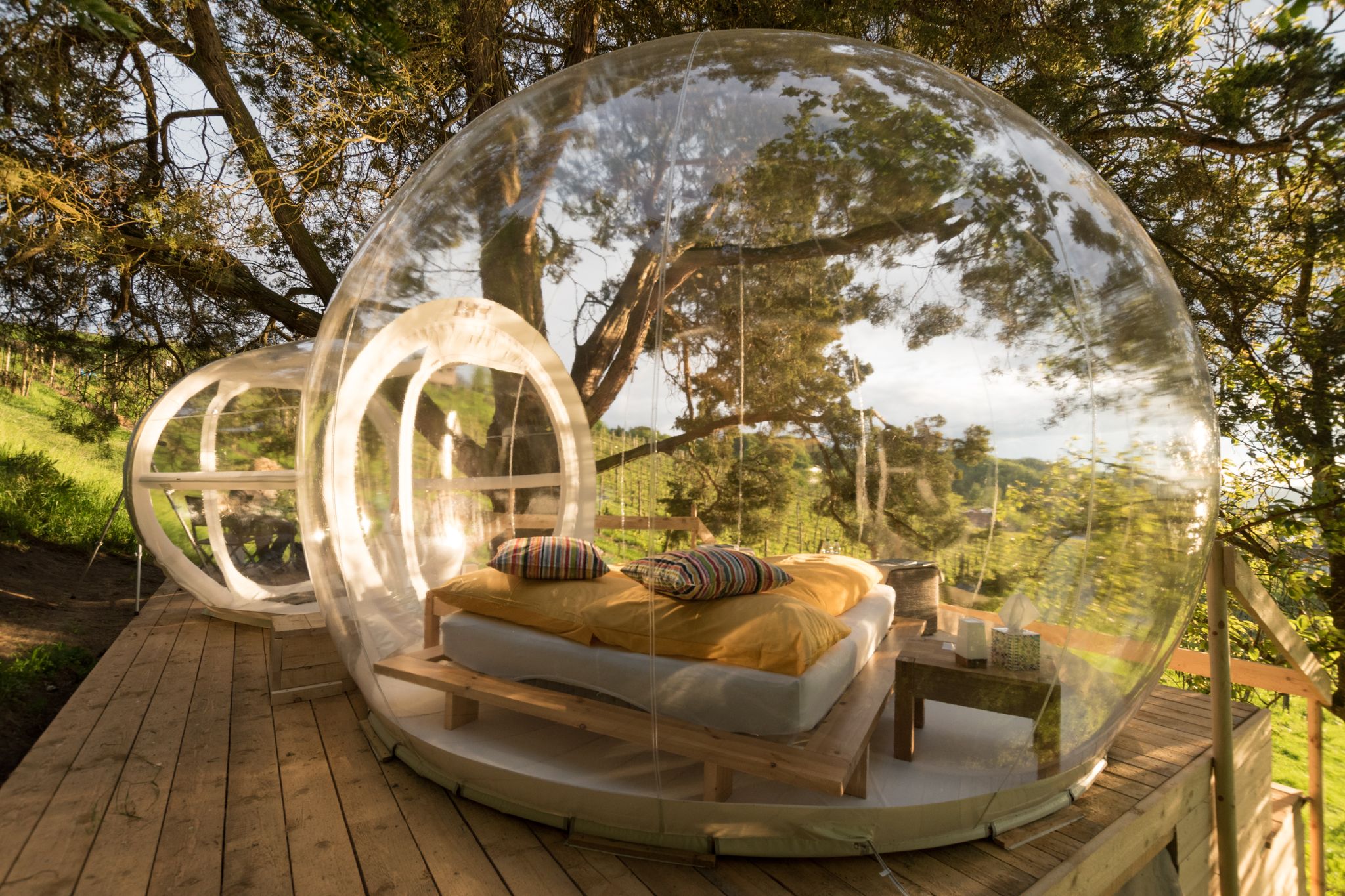
From circus wagons to treehouses — unusual accommodation in Thurgau
Running Trails around Altnau
Road Cycling Routes around Altnau
Hiking around Altnau
Cycling around Altnau
MTB Trails around Altnau
Gravel biking around Altnau
Other adventures around Altnau


Tips from the Community

There is documented evidence of winegrowing in Meersburg since 1324. The historic buildings from the early 18th century and the vineyards were owned by the Prince-Bishops of Constance until 1802/1803. During secularization, the winery fell to the Grand Duchy of Baden and became the first wine-growing domain in Germany as the Grand Ducal Baden Domain Winery. After the First World War, in 1919, it was renamed Meersburg State Winery. As the legal successor to the state of Baden, the state winery now belongs to the state of Baden-Württemberg. Text: Wikipedia
4
0


Impressive building on the vineyard
4
1

The Meersburg State Winery towers above vineyards.
5
1


The name Hersberg is probably derived from the Old High German root word hari/heri for mountain range.[1] The first unsecured written reference is a mention of the brothers Berctoldus and Heinricus von Herisberg in 1276. What is certain is that in 1466 the Hersberg was in the fief of the Überlingen citizen and later Fürstenberg vassal Konrad Rudolf von Härsberg. In 1621 the Benedictines of the Ochsenhausen monastery bought the Hersberg from Härsberg's descendants. After secularization, the monastic property passed to Prince Franz Georg Karl von Metternich in 1803, father of the Austrian State Minister Prince von Metternich. Hersberg was then bought by the House of Württemberg[2] in 1806 and by Prince Konstantin zu Salm-Reifferscheidt in 1838. In an exchange with Waggershausen near Friedrichshafen, the Württemberg exclave of Herrschberg - the name of the territory around Hersberg Castle - became Baden in 1846. Franz zu Salm-Reifferscheidt-Dyck, the descendant of Constantine, sold the castle property on February 7, 1929 to the Pallottines (“Society of the Catholic Apostolate”), who ran the “St. Josef-Hersberg” maintained school operations.[3] In 1994 it was reopened as the Pallottine Spiritual House (Wikipedia).
8
1

Hagenwil is a well-preserved, well-maintained moated castle and a worthy representative of the olden days
3
0

The Meersburg State Winery combines all of this, with wine lovers and gourmets getting their money's worth. Over 800 years of tradition are embedded in the walls and vineyards of the winery. The imposing wine cellar with a view of the lake was built in the former moat. The large wooden barrels in which the wine can mature are still stored there today.
7
0
Frequently Asked Questions
Which castles near Altnau offer a glimpse into imperial history?
For a deep dive into imperial history, visit Schloss Arenenberg in Salenstein. It was the home of Hortense de Beauharnais and her son, Louis Napoleon (later Emperor Napoleon III). The castle houses the Napoleon Museum, featuring opulent interiors, historical furniture, and beautiful parks with stunning views of Lake Constance.
Are there any medieval moated castles near Altnau?
Yes, Hagenwil Moated Castle is a well-preserved medieval moated castle dating back to the 13th century, with some parts approximately 1,000 years old. It features an original moat and an elevation bridge. The castle also hosts an excellent restaurant serving regional cuisine.
Which castles near Altnau are good for families with children?
Several castles offer family-friendly experiences. Meersburg State Winery and Castle Park provides historical insights within a beautiful park setting. Frauenfeld Castle houses the Thurgau Historical Museum with interactive multimedia exhibitions that bring history to life for all ages. The ruins of Neuburg Mammern also feature a barbecue area, seating, and play opportunities, making it a suitable excursion for families.
What kind of historical museums can I find in castles near Altnau?
Frauenfeld Castle, located in the cantonal capital, houses the Thurgau Historical Museum. It offers a multimedia exhibition across three floors, illustrating the region's history from a medieval bailiwick to a federal common lordship with interactive animations and sound and light shows. Schloss Arenenberg also hosts the Napoleon Museum, showcasing 19th-century imperial French life.
Can I combine a castle visit with outdoor activities like hiking or cycling?
Absolutely! Many castles are situated in scenic areas perfect for outdoor activities. For instance, a beautiful hiking trail leads to the ruins of Neuburg Mammern. You can also explore the region's diverse landscapes by combining a castle visit with routes from our guides like MTB Trails around Altnau, Running Trails around Altnau, or Cycling around Altnau.
Are there castles near Altnau that offer dining options?
Yes, Hagenwil Moated Castle is renowned for its excellent restaurant, which serves high-quality cuisine with regional products within its historic walls. Schloss Arenenberg also features a museum bistro for refreshments.
What are some castles near Altnau with great viewpoints?
Schloss Arenenberg offers splendid parks with stunning views of Lake Constance. Meersburg State Winery and Castle Park also provides views over Lake Constance and the surrounding area. From a nearby hill at Hagenwil Moated Castle, you can enjoy views of Lake Constance and the German mountains in the distance.
What is the best time of year to visit castles around Altnau?
The region around Altnau, with its proximity to Lake Constance, is beautiful throughout the warmer months, from spring to autumn, when the gardens are in bloom and outdoor activities are most enjoyable. However, some castles like Hagenwil Moated Castle and Frauenfeld Castle are open year-round, offering unique experiences even in winter.
Are there any castle ruins to explore near Altnau?
Yes, you can explore the ruins of Neuburg Mammern near Mammern, Thurgau. It is the largest castle ruin in Thurgau and was once an important fortress. While largely ruined, some wall sections and terracing walls are still visible, offering a historical destination for those interested in medieval archaeology.
What makes the Meersburg State Winery a notable castle-related site?
Meersburg State Winery is a historical site and castle known for its viticulture dating back to 1324. The walls and vineyards have a tradition spanning over 800 years. It offers a unique combination of historical architecture and wine culture, with the imposing wine cellar built in the former city moat.
What kind of events or tours are available at these castles?
Many castles offer guided tours to enhance your visit. Schloss Arenenberg often hosts special exhibitions and guided tours. Hagenwil Moated Castle is an ideal venue for private celebrations and hosts regular cultural events. Frauenfeld Castle also offers special events and guided tours through its historical museum.
Are there any castles near Altnau that were once monasteries or religious institutions?
Yes, Hersberg Castle was originally a representative monastery outpost of the Imperial Abbey of Ochsenhausen. Today, it is used as an educational facility for the Pallottine community. Similarly, Kirchberg Castle Immenstaad served the Salem Monastery as a farm and its abbots as a secondary residence for most of its history.
Most popular attractions around Altnau

Get inspired with the komoot mobile app


Explore more
Looking for the best castles somewhere else? Discover other guides around Altnau:
