Polder I Im Hochwasserrückhaltebecken Salzderhelden
Polder I Im Hochwasserrückhaltebecken Salzderhelden
Top 3 Natural Monuments in Polder I Im Hochwasserrückhaltebecken Salzderhelden
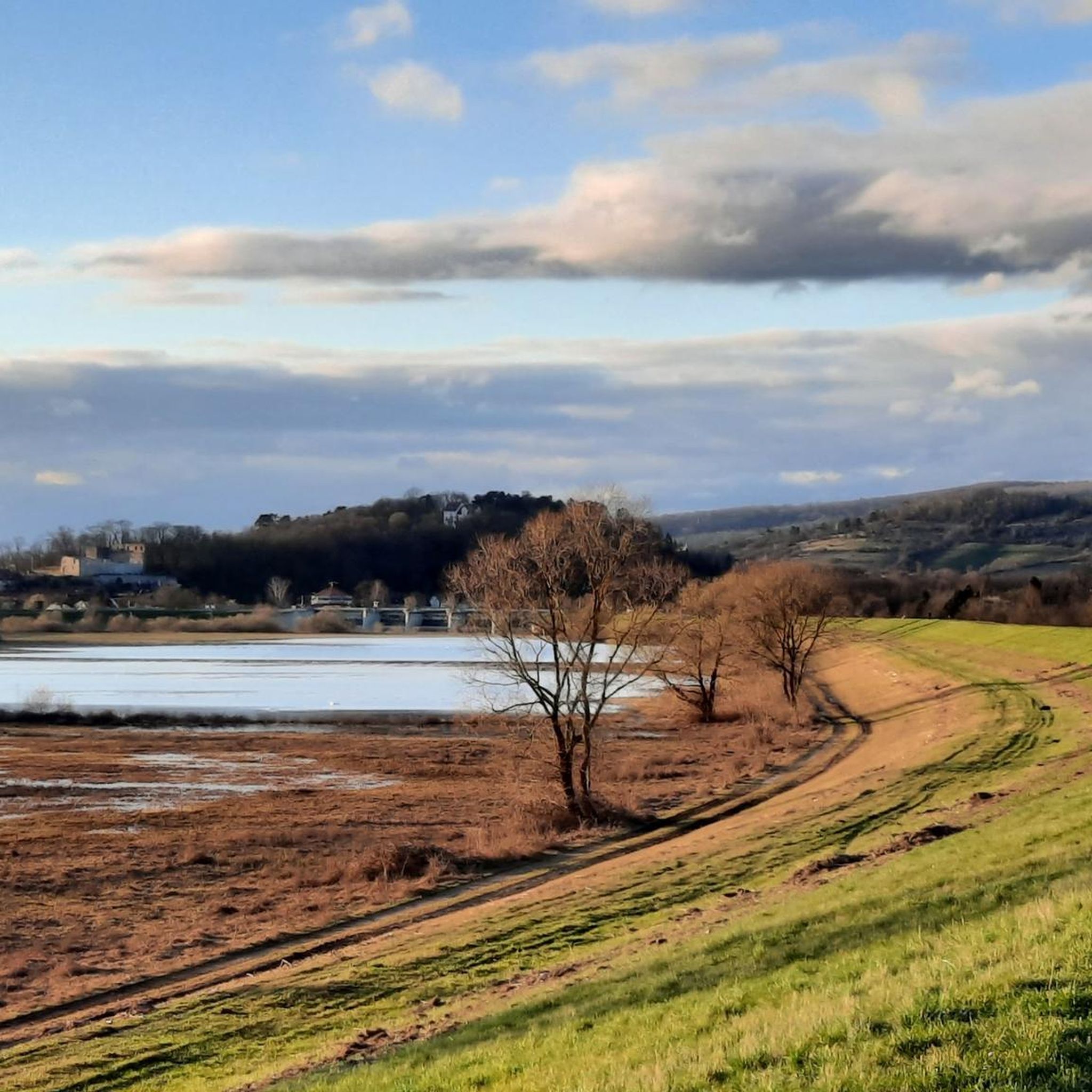
Natural monuments in Polder I Im Hochwasserrückhaltebecken Salzderhelden are primarily recognized for their ecological significance as a nature reserve. This extensive area, encompassing approximately 523 hectares, features wetlands, grasslands, and artificial standing waters, all influenced by the Leine River and its floodplain. It serves as a vital habitat for numerous bird species, making it an important site for bird conservation and renaturation efforts. The area offers accessible paths and observation platforms for visitors to experience its natural features.
Best natural monuments in Polder I Im Hochwasserrückhaltebecken Salzderhelden
- The most popular natural monuments is Birdwatching Point at Leinepolder, a viewpoint that offers excellent opportunities for observing birdlife. This spot is particularly good for viewing geese and other water birds, especially during autumn and winter.
- Another must-see spot is Observation Tower at the Debris Dam, Polder I in the Salzderhelden Flood Retention Basin, a viewpoint. Visitors can expect to find many birdwatchers here, utilizing the excellent observation opportunities and rest areas.
- Visitors also love Stork Colony in Leinepolder Salzderhelden, an other natural feature. This location is notable for its stork nests and the presence of various geese species.
- Polder I Im Hochwasserrückhaltebecken Salzderhelden is known for its viewpoints, other natural features, and man-made structures that contribute to its natural monument status. The area offers a variety of sites to observe birdlife and the unique landscape of a flood retention basin.
- The natural monuments in Polder I Im Hochwasserrückhaltebecken Salzderhelden are appreciated by the komoot community, with more than 650 upvotes and over 200 photos shared by visitors.
Last updated: July 5, 2026
Birdwatching Point at Leinepolder
Highlight • Viewpoint
Translated by Google •
Tip by

Stork Colony in Leinepolder Salzderhelden
Highlight • Natural
Translated by Google •
Tip by

Sign up now to discover places like this
Get recommendations on the best single tracks, peaks, & plenty of other exciting outdoor places.
Sign up for free
Translated by Google •
Tip by

Stork Nest in Polder I (Salzderhelden Flood Retention Basin)
Highlight • Natural
Translated by Google •
Tip by

Leineniederung Salzderhelden Nature Reserve
Highlight • Natural Monument
Translated by Google •
Tip by
Sign up for free to discover even more natural monuments in Polder I Im Hochwasserrückhaltebecken Salzderhelden.
Sign up for free
Already have an account?
Start today with a free account
Your next adventure awaits.
Login or Signup
Popular around Polder I Im Hochwasserrückhaltebecken Salzderhelden
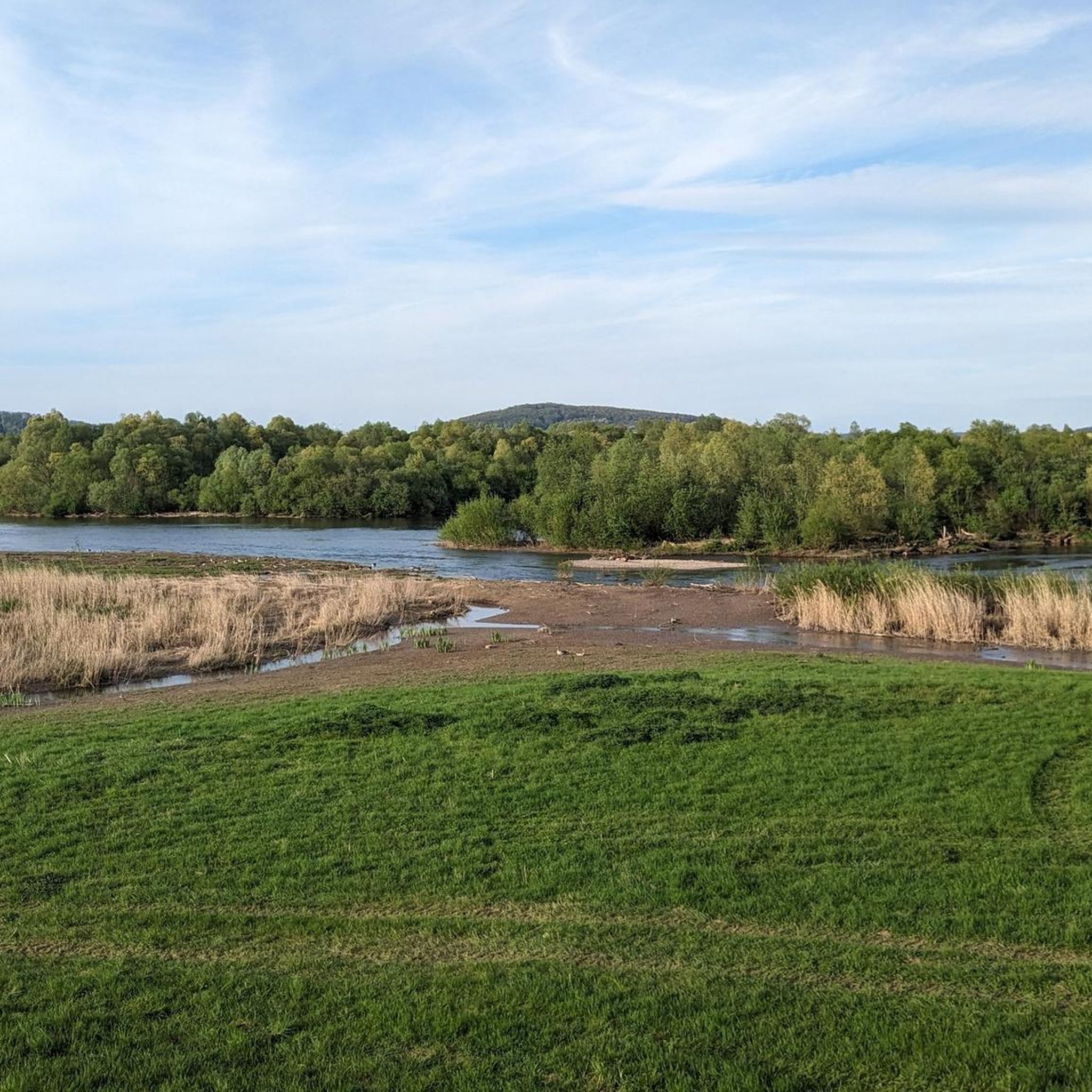
Hiking in Polder I Im Hochwasserrückhaltebecken Salzderhelden
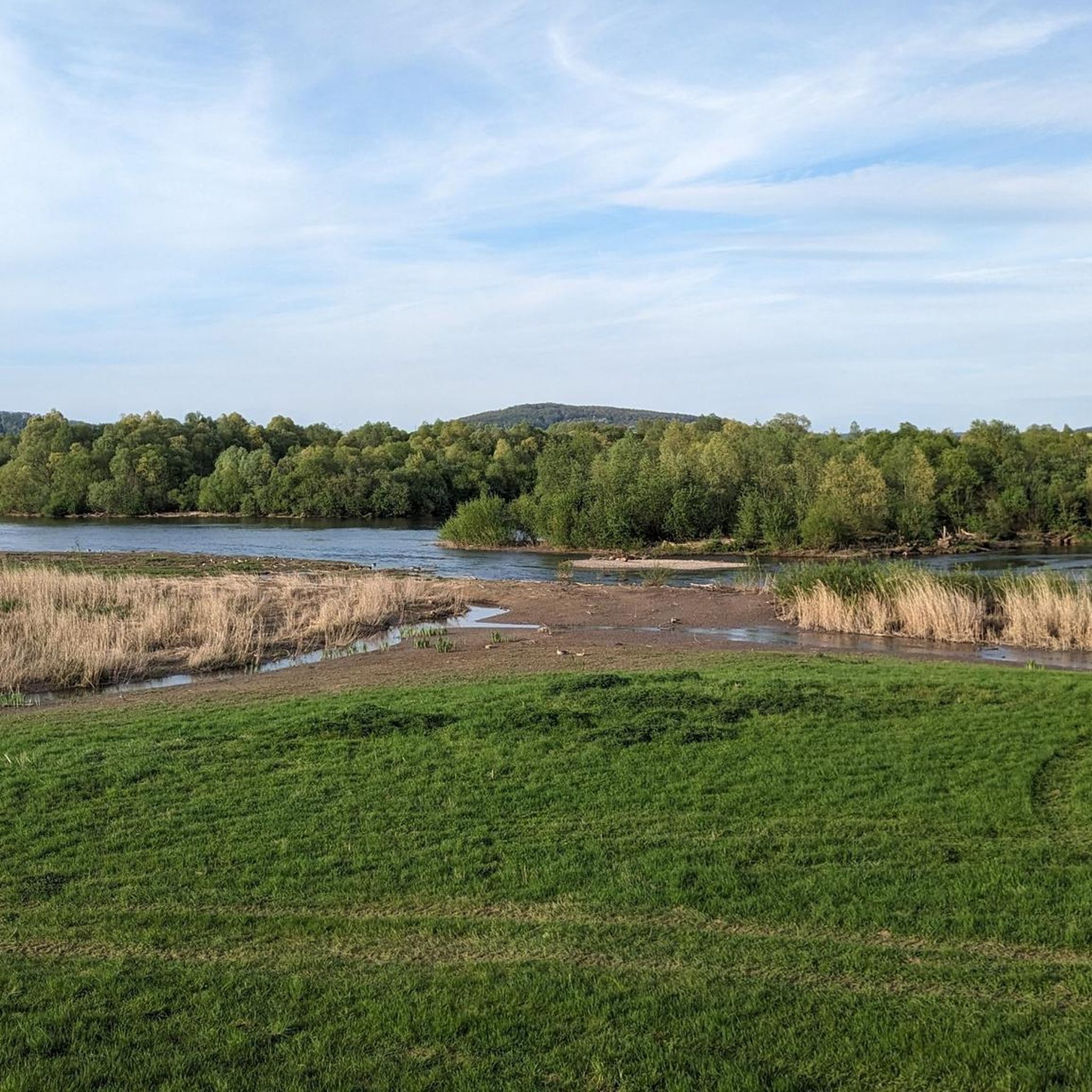
Cycling in Polder I Im Hochwasserrückhaltebecken Salzderhelden
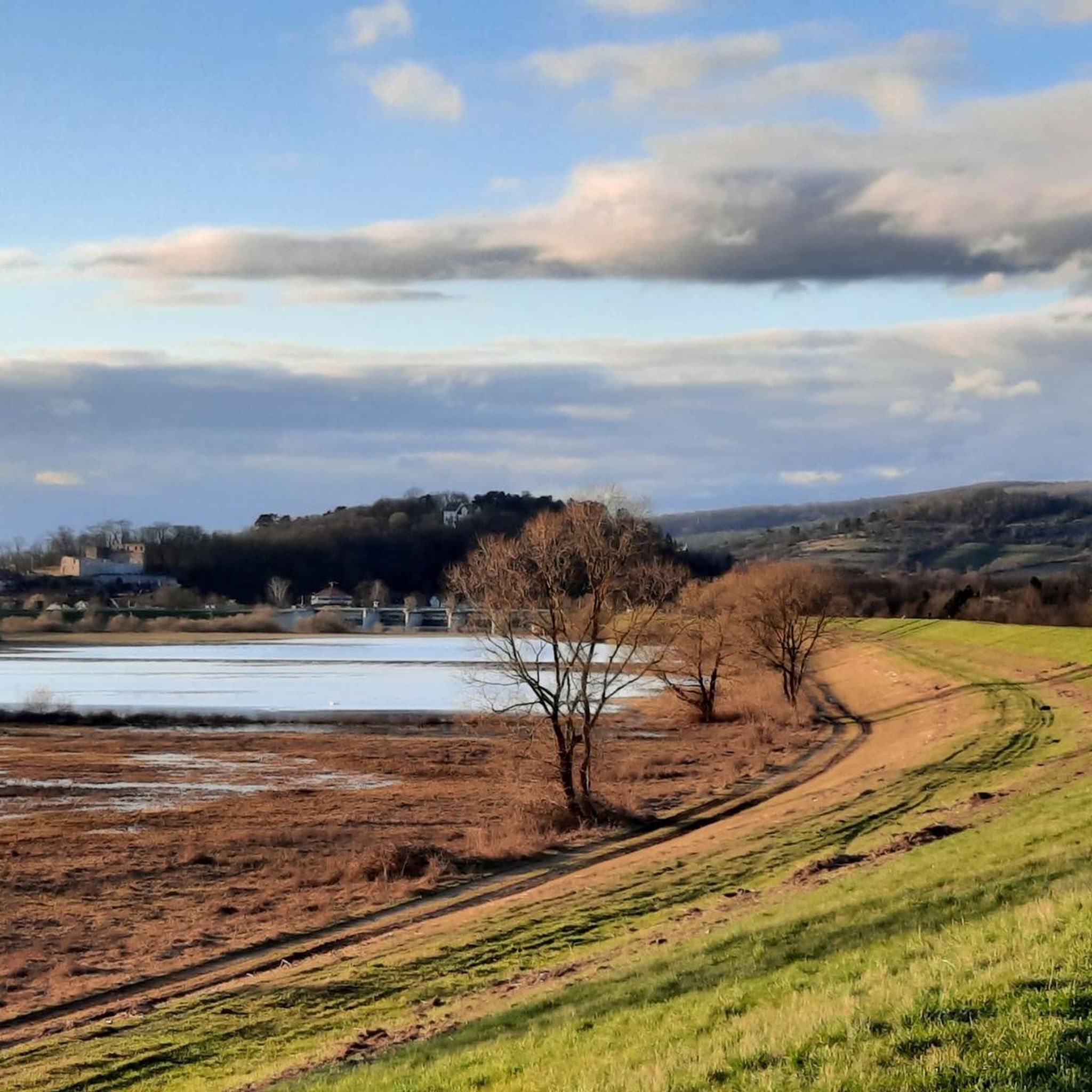
Road Cycling Routes in Polder I Im Hochwasserrückhaltebecken Salzderhelden
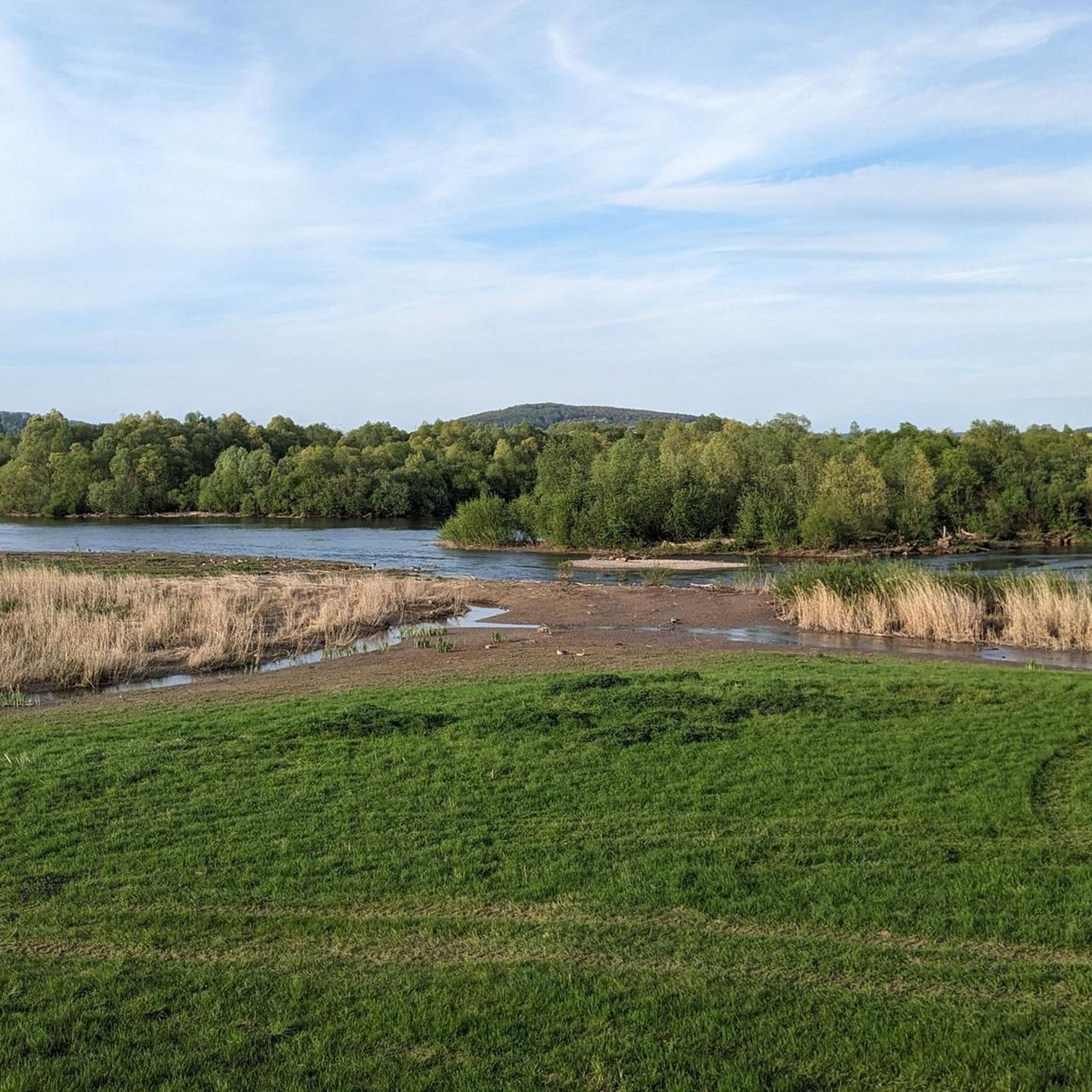
MTB Trails in Polder I Im Hochwasserrückhaltebecken Salzderhelden
Running Trails in Polder I Im Hochwasserrückhaltebecken Salzderhelden
Gravel biking in Polder I Im Hochwasserrückhaltebecken Salzderhelden
Tips from the Community

and there are also geese
1
0
A dike trip brings joy
1
0

I'd like to take this opportunity to clearly declare my allegiance to the anti-stork league: This isn't a highlight. Rather, it's a misguided exaggeration from a bygone era. The storks, which have unfortunately been settling here in very large numbers for many, many years, are undermining the conservation purpose of the area by feeding primarily on the young ground-nesting birds in the polders. In summer, you can regularly see them walking through the meadows in long lines (I counted up to 23 birds), an organized army of animals that are unfortunately overrated in this country, simply preying on what we painstakingly protect, including the corncrake, whose main breeding population is developing here in the Leinepolder.
0
0
Travelling in the animal kingdom
1
0

Great rest area with a beautiful view of the nature reserve. You will also find many information boards here, it is worth a visit.
4
0
When hiking along the polders in the NSG (please stay on the marked paths) you will always find beautiful views and many animals to observe.
2
0
One stork nest after another, here you can discover some during a hike on the polder
3
0

Interesting view of many migratory birds...
4
0
Frequently Asked Questions
What kind of natural monuments can I expect to see in Polder I Im Hochwasserrückhaltebecken Salzderhelden?
Polder I is primarily recognized for its ecological significance as a nature reserve, rather than traditional geological monuments. You'll find extensive wetlands, grasslands, and artificial standing waters, all shaped by the Leine River and its floodplain. These features collectively form a vital habitat for numerous bird species, making the entire area a natural monument of outstanding ecological value.
What makes Polder I Im Hochwasserrückhaltebecken Salzderhelden important for nature and wildlife?
The area holds international importance for bird protection, serving as a crucial breeding ground, resting area, and wintering site for many endangered native and migratory bird species. It's a prime example of successful renaturation, where flood control infrastructure has been integrated with extensive ecological restoration to create rich natural habitats.
What wildlife can I observe in Polder I?
Polder I offers exceptional birdwatching opportunities. You can spot species like storks, kingfishers, greylag geese, herons, and cormorants. During migration periods, the shallow waters of the sediment barrier attract numerous waders, including snipe, sandpipers, plovers, and curlews. Various birds of prey also frequent the area.
Are there specific viewpoints for birdwatching in Polder I?
Yes, there are excellent spots for birdwatching. The Birdwatching Point at Leinepolder is popular for observing geese and water birds, especially in autumn and winter. Another key location is the Observation Tower at the Debris Dam, Polder I in the Salzderhelden Flood Retention Basin, which offers superb views and rest areas for observers.
Are there hiking trails available in Polder I?
Yes, Polder I offers various paths suitable for walking and cycling along the dikes. For specific routes, you can explore options like the 'Salzderhelden Dike Trail loop' or the 'Stork Nest in Salzderhelden loop'. You can find more details on hiking in Polder I Im Hochwasserrückhaltebecken Salzderhelden.
Can I cycle in Polder I Im Hochwasserrückhaltebecken Salzderhelden?
Absolutely. The area is well-suited for cycling, with paths along the dikes providing scenic routes. You can find various cycling tours, such as the 'Salt & Castles Tour' or the 'Leine Cycle Path – Leine Weir loop'. Discover more cycling options on the cycling guide for Polder I Im Hochwasserrückhaltebecken Salzderhelden.
What is the typical terrain and difficulty of trails in Polder I?
The terrain in Polder I is generally flat, consisting of paths along dikes and through grasslands. Most routes are considered easy, making them accessible for a wide range of visitors. The 'Salzderhelden Dike Trail loop', for example, is rated as easy.
Is Polder I suitable for families with children?
Yes, Polder I is very family-friendly. The accessible paths along the dikes are suitable for walks with children, and the numerous birdwatching opportunities, including the Stork Colony in Leinepolder Salzderhelden, provide engaging experiences for all ages. Barrier-free observation platforms also enhance accessibility.
What is the best time of year to visit Polder I for birdwatching?
While birdwatching is good year-round, autumn and winter are particularly excellent for observing large numbers of geese and other water birds, as many species use the unfrozen waters as a vital retreat. During migration periods, the shallow water areas attract numerous waders. Spring and summer are ideal for observing breeding birds like storks.
Can I visit Polder I during winter?
Yes, Polder I is a vital area for wintering birds from southern Lower Saxony, as the depth and flow of the Leine River mean the sediment barrier area does not freeze over. This makes it an important destination for winter birdwatching.
Are the paths in Polder I accessible for everyone?
The area is designed with accessibility in mind. Various paths along the dikes are suitable for walking and cycling, and barrier-free observation platforms are strategically placed to offer optimal views of the birdlife, ensuring an immersive nature experience for a wide range of visitors.
What do visitors enjoy the most about Polder I Im Hochwasserrückhaltebecken Salzderhelden?
Visitors highly appreciate the exceptional birdwatching opportunities and the peaceful natural environment. Many enjoy spotting various bird species, including storks and geese, from the dedicated observation points like the Observation Tower at the Debris Dam. The accessible trails for walking and cycling also contribute to a pleasant outdoor experience.
Are there any man-made structures that are part of the natural monument experience?
Yes, while primarily natural, the area integrates man-made structures that enhance the experience. The Observation Tower at the Debris Dam is a key example, providing excellent vantage points. Additionally, the Sülbeck Sluice and Pumping Station highlight the synergy between flood protection and ecological conservation, offering an interesting point of interest.
Most popular routes in Polder I Im Hochwasserrückhaltebecken Salzderhelden
Most popular attractions in Polder I Im Hochwasserrückhaltebecken Salzderhelden

Get inspired with the komoot mobile app


Explore more
Extend your search for the best caves by checking out these guides of the top ones in Polder I Im Hochwasserrückhaltebecken Salzderhelden:
