Top 20 Natural Monuments in Naturpark Westhavelland
Best natural monuments in Naturpark Westhavelland are defined by its expansive wetlands, the exceptionally dark night sky, and the River Havel. This region, located west of Berlin, features one of Western Central Europe's largest continuous wetlands, supporting a rich diversity of endangered animal and plant species. The park is also recognized as Germany's first Dark Sky Park, offering clear views of the Milky Way. Its landscape is intrinsically linked to the River Havel, which contributes to its status as one…
Last updated: July 5, 2026
Wolzensee, natural swimming spot
Highlight • Lake
Translated by Google •
Tip by

Milow Nature Park Center
Highlight • Rest Area
Showing Translation
Tip by

Sign up now to discover places like this
Get recommendations on the best single tracks, peaks, & plenty of other exciting outdoor places.
Sign up for free
Lonely Oak in Rhinluch
Highlight • Natural Monument
"The specimen that is currently growing in the border area of the old districts of Kyritz, Neuruppin and Nauen - exactly at the intersection of the municipalities …
Translated by Google •
Tip by

Bird Observation Tower at Gülper See
Highlight • Structure
Translated by Google •
Tip by

Grave of Friederike von Bornstedt
Highlight • Historical Site
Translated by Google •
Tip by

Sign up for free to discover even more natural monuments in Naturpark Westhavelland.
Sign up for free
Already have an account?
Start today with a free account
Your next adventure awaits.
Login or Signup
Popular around Naturpark Westhavelland
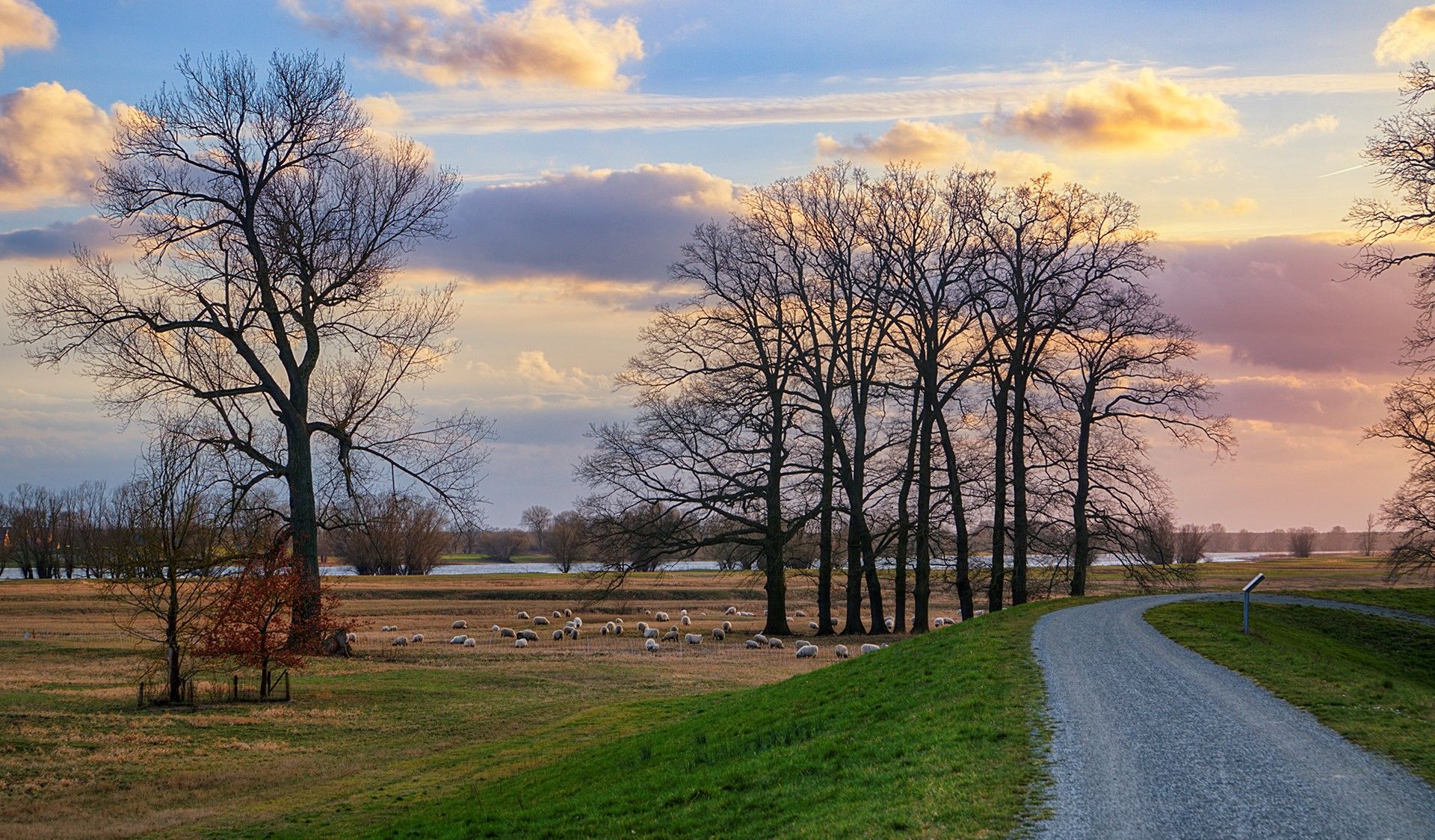
Tour Brandenburg – Cycle around Berlin in 18 stages
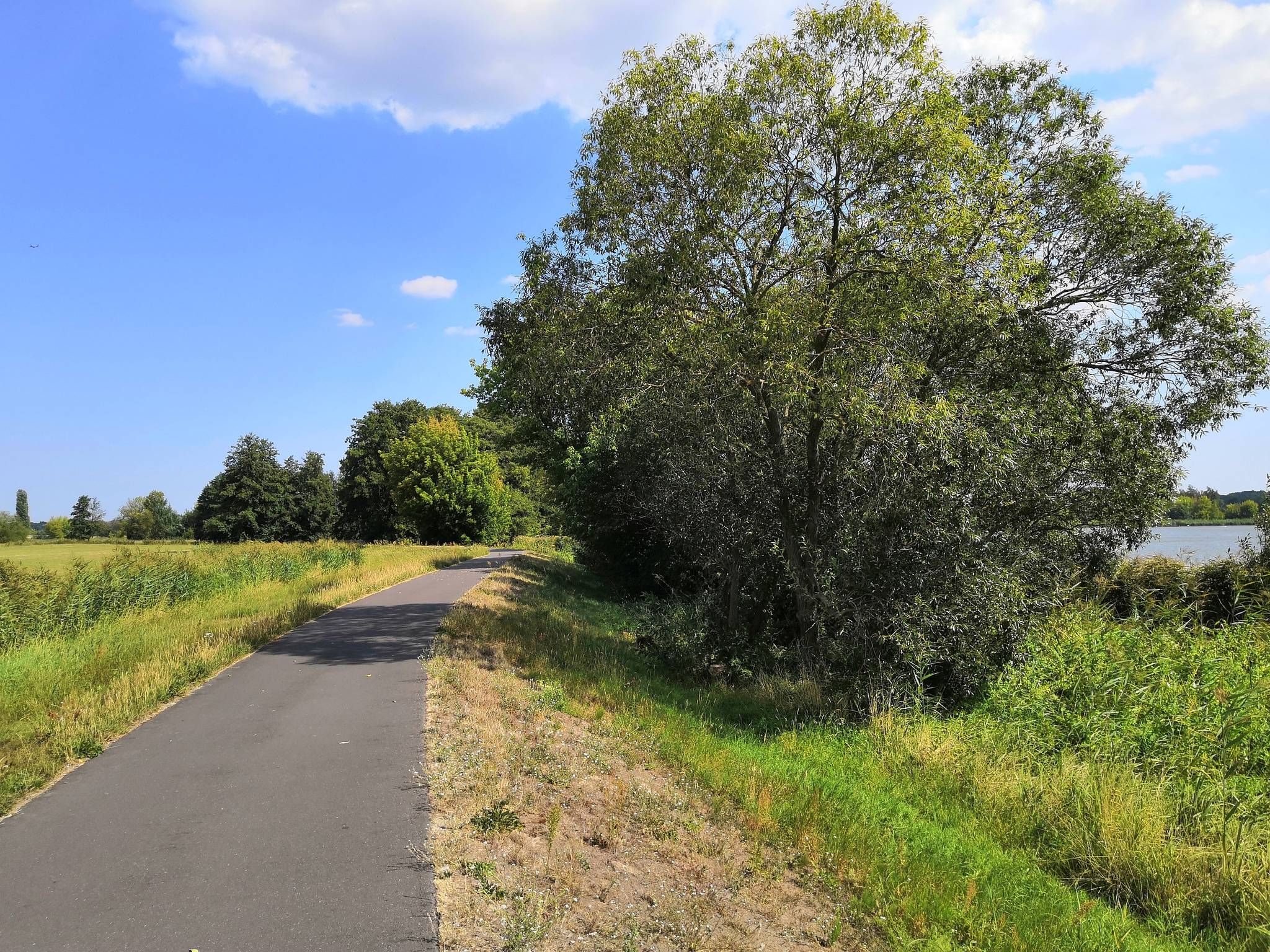
The Havel Cycle Path – in 6 stages from its source to its mouth
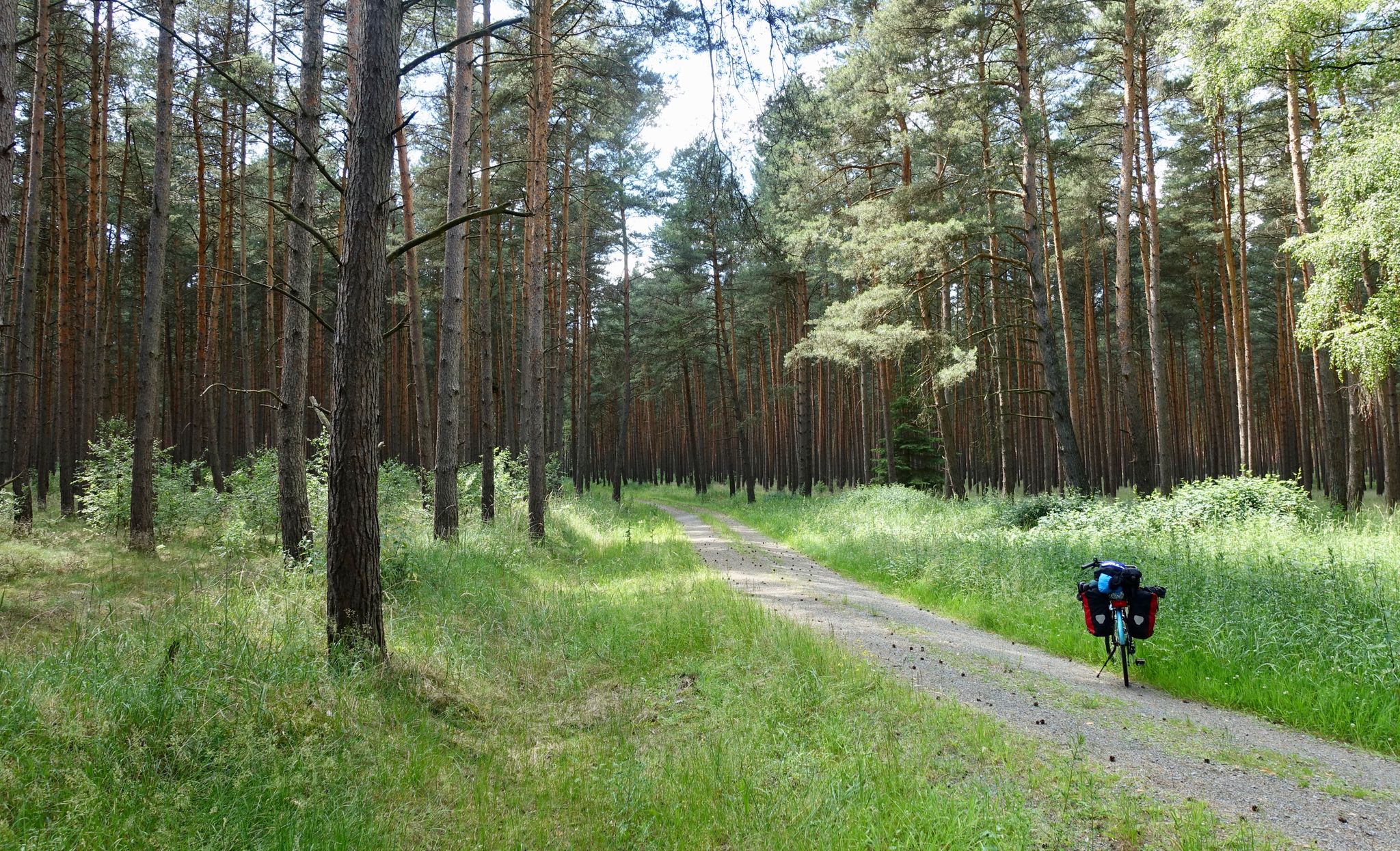
Altmark round-trip in Saxony-Anhalt
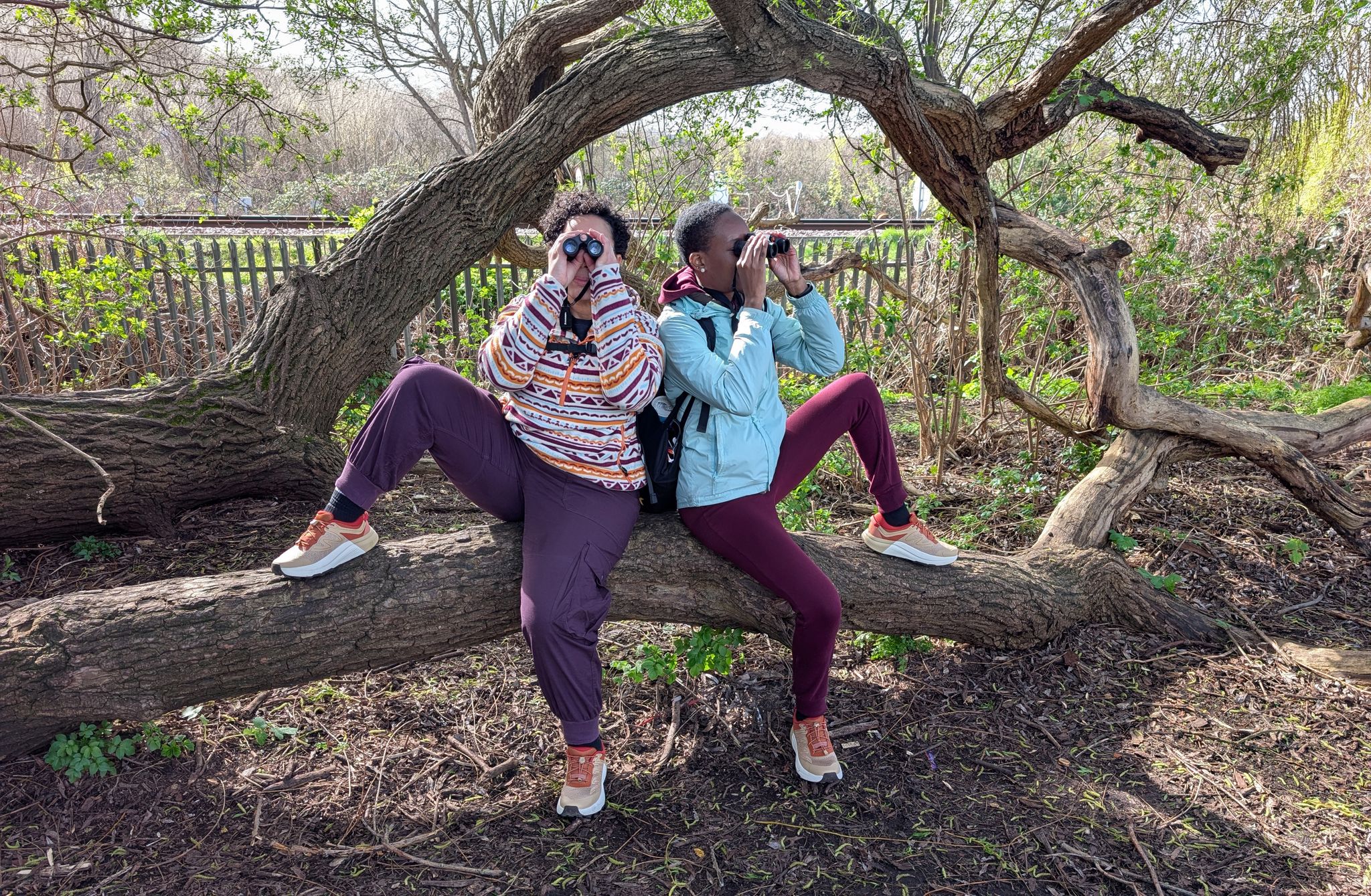
Europe’s Seasonal Birding Hotspots
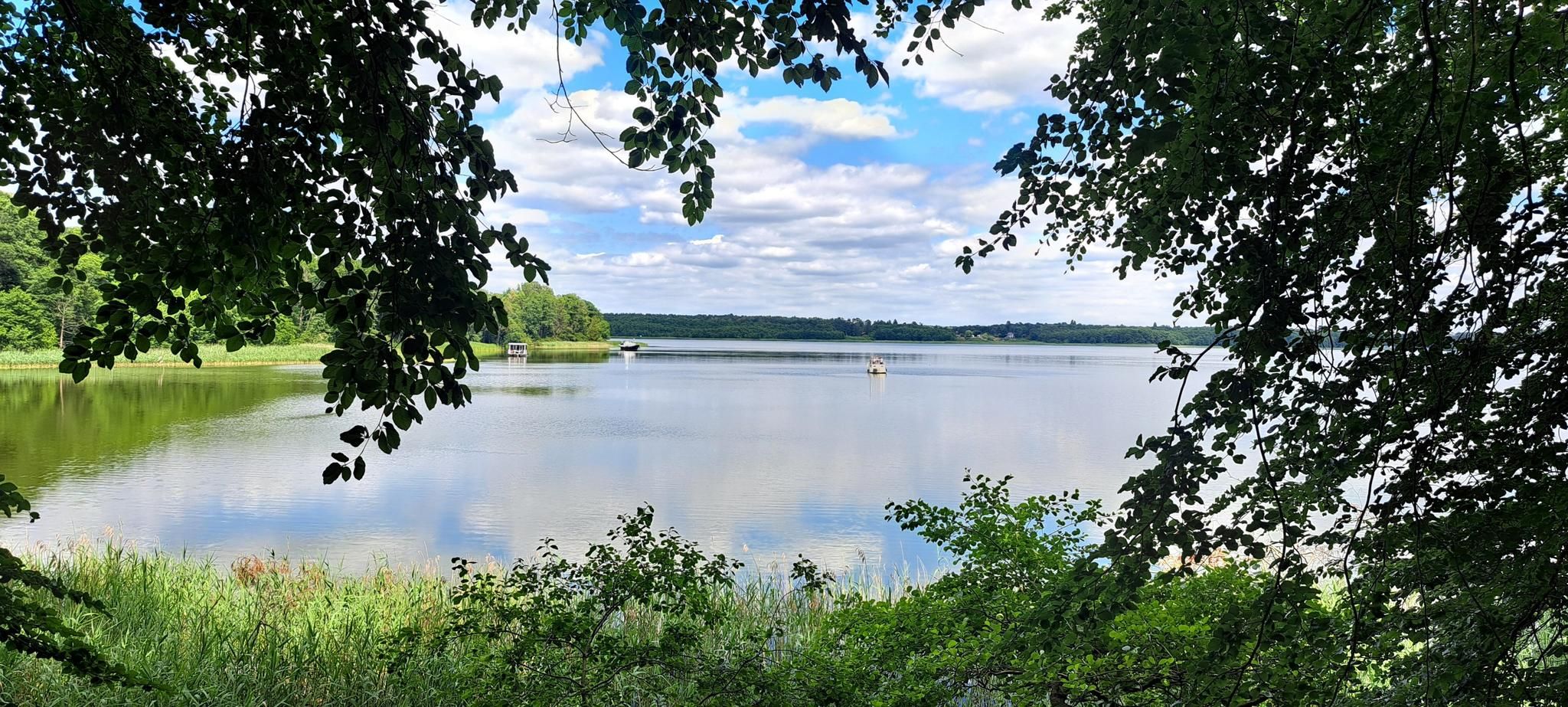
The National Natural Landscapes in Brandenburg
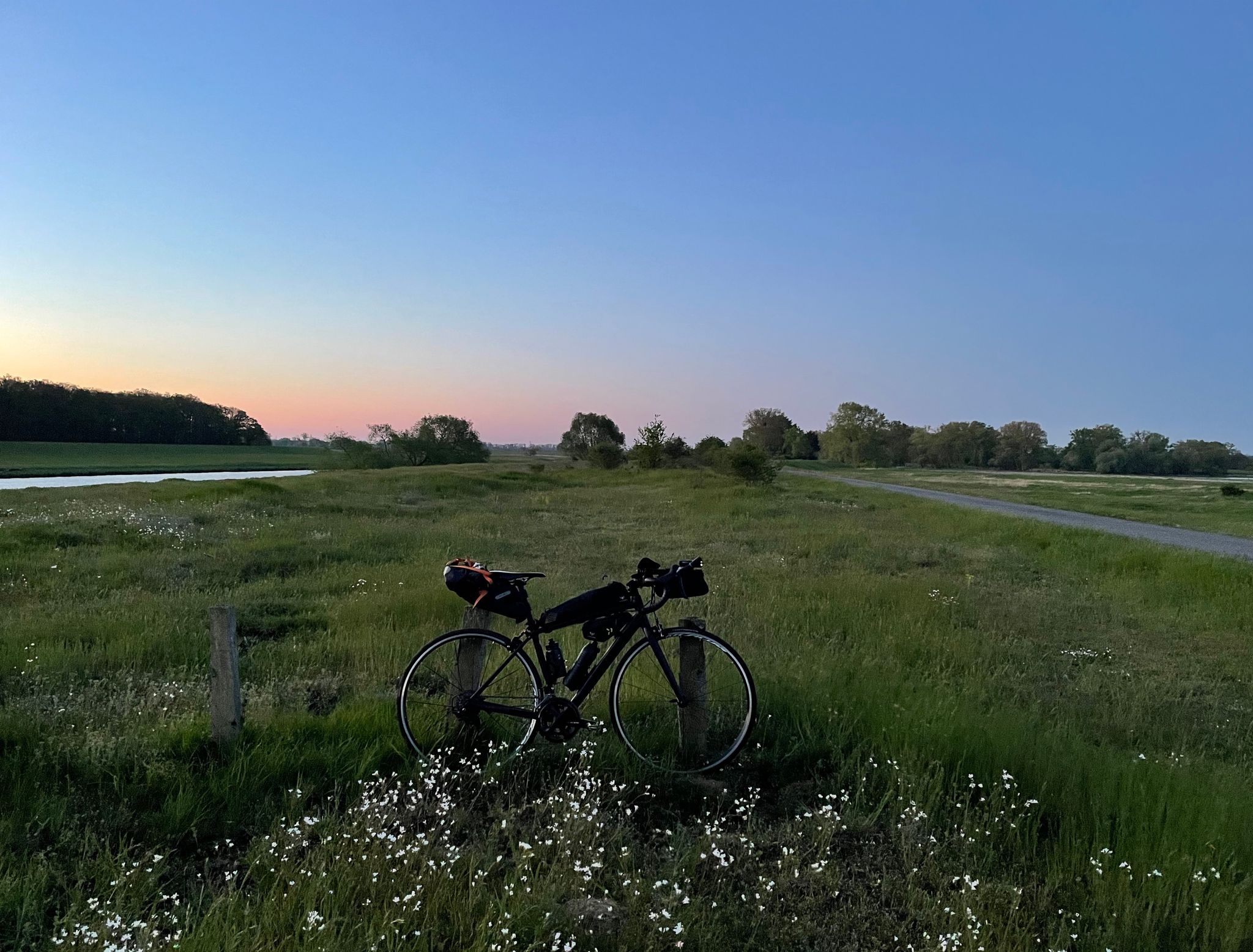
Overnighter between the Havel and Elbe in Germany
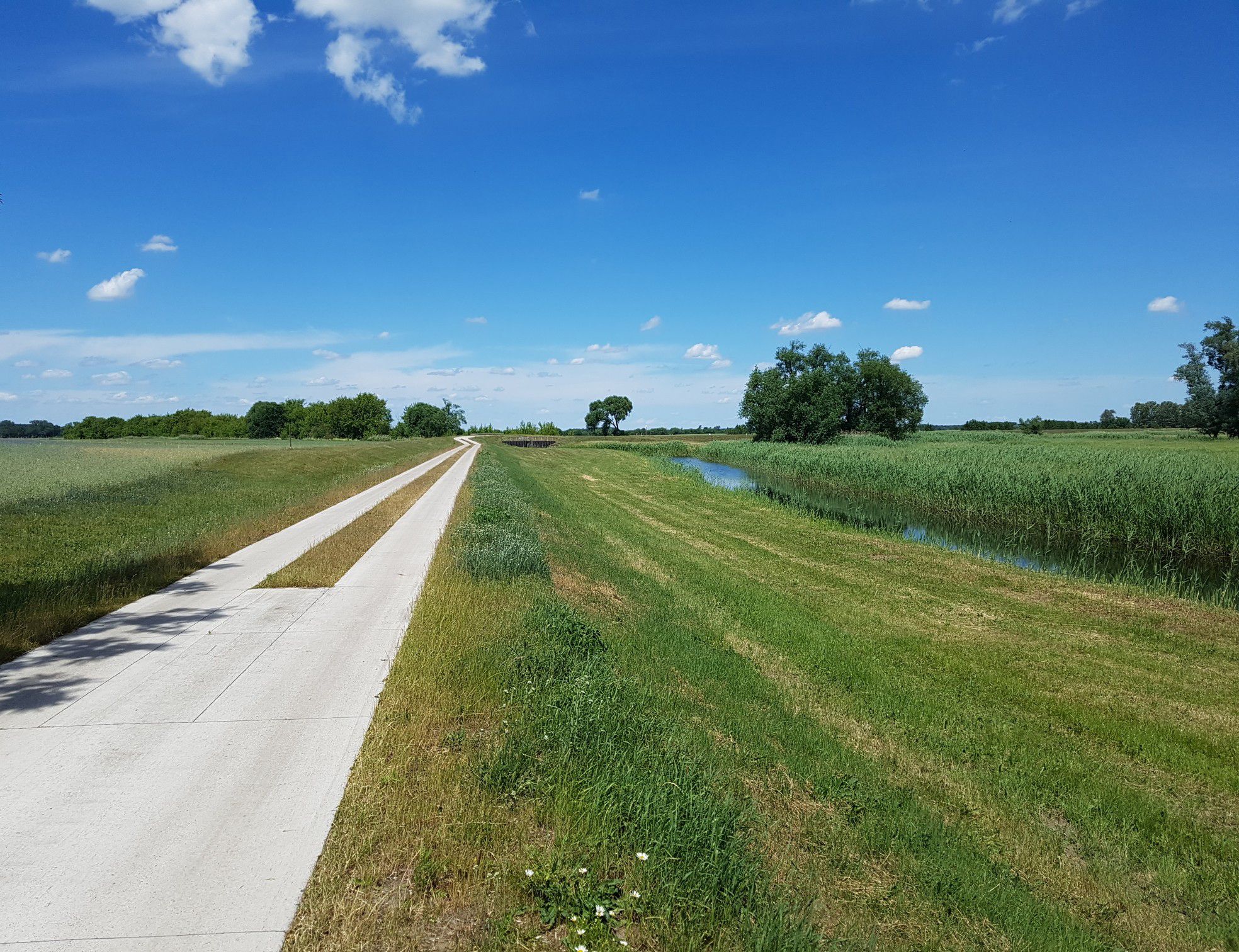
Through vast grasslands – Germany’s Havelland Cycle Route
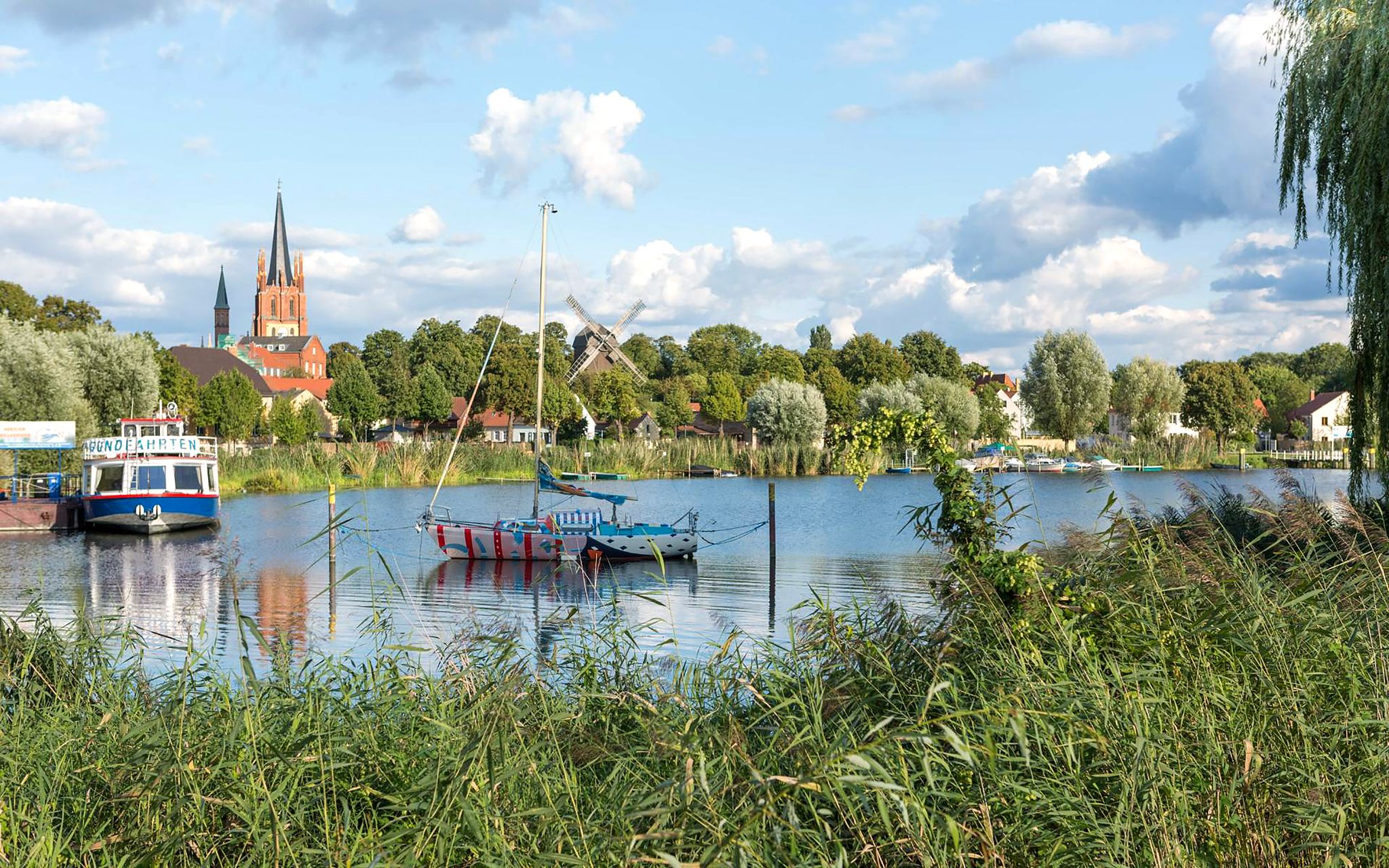
The FONTANE.RAD route – ride in the footsteps of writer Theodor Fontane
Cycling in Saxony-Anhalt – Where nature and culture combine
33 lakes for sunny weekends
Other adventures in Naturpark Westhavelland


Tips from the Community

Unfortunately, this tower is closed due to the risk of collapse. However, there are two other towers nearby. As of March 9, 2025
0
0

Closed due to risk of collapse.
0
0

Beautiful Lake, Beautiful Lake Access. Can get crowded in the afternoon.
0
0

You have to rest here. Do not drive past, because the place is on the other side of the Rhinkkanal.
0
0

Small, fine exhibition about fauna and flora and history on the Havel. Our 8- and 10-year-olds really enjoyed it – there was a lot to try out, touch, and experiment with.
1
0

Interesting exhibition about the Havel rethinking the renaturation process
0
0

(...) Accordingly, Elise Friederike von Bornstedt should have loved this place in the forest under the oak, which was centuries old at the time. Well ill, she wished to be buried here by her brother, who later became the forester of Grünaue. The Bornstedt family, from whom the siblings came, worked in Letzlingen in the Altmark near Gardelegen. The father held the forestry office there. Elise Friederike probably lived near Potsdam. On the way from there to the father she fell ill in 1812 and stayed in Grünaue, where she died on December 8th. "There are all sorts of legends and lyrical transfigurations from long lung suffering to suicide. Teacher Gottschalk from Mögelin dismissed these legends as incorrect, ”said Jürgen Mai. (...) Source: https://www.moz.de/landkreise/havelland/rathenow/rathenow-artikel/dg/0/1/1672793/
3
0

Undisturbed by external influences, you can settle here and look through the hut across the lake. At the end of August, at the beginning of September, the lake is really full of different waterfowl. - A cackling is that then: oD
1
0
Frequently Asked Questions
What are some of the most appreciated natural monuments in Naturpark Westhavelland?
Visitors particularly appreciate the region's unique natural features. Among the most popular are Wolzensee, a natural swimming spot, known for its bathing area and diverse fish population. Another highly regarded site is the Bird Observation Tower at Gülper See, offering excellent opportunities to observe hundreds of Nordic goose species and other waterfowl. The Lonely Oak in Rhinluch is also a notable natural monument, recognized as a peaceful rest area with historical significance.
Are there family-friendly natural monuments in Naturpark Westhavelland?
Yes, several natural monuments in Naturpark Westhavelland are suitable for families. The Wolzensee, a natural swimming spot, offers a bathing area perfect for a family day out. The Bird Observation Tower at Gülper See provides an engaging experience for children to observe wildlife. Additionally, the Milow Nature Park Center features an interactive exhibition about the local flora, fauna, and history, which is very popular with families.
What unique natural features define Naturpark Westhavelland?
Naturpark Westhavelland is characterized by its extensive wetlands, exceptionally dark night skies, and the River Havel. It boasts one of Western Central Europe's largest continuous wetlands, vital for endangered species. The park is also Germany's first Dark Sky Park, offering spectacular stargazing opportunities. The River Havel and its waterways are central to the park's ecological significance, making it one of Germany's most water-rich regions.
Where can I go for birdwatching in Naturpark Westhavelland?
The Bird Observation Tower at Gülper See is an excellent spot for birdwatching. From here, you can observe hundreds of Nordic goose species and other waterfowl, especially during spring and autumn migrations. The Lower Havel Lowlands, as one of Europe's largest wetlands, also offers rich opportunities for observing a diverse range of wading and aquatic birds.
Are there historical sites among the natural monuments in the park?
Yes, some natural monuments also hold historical significance. The Lonely Oak in Rhinluch is a notable rest area where Friedrich Wilhelm, the Great Elector, is said to have had breakfast in 1675. Additionally, the Milow Nature Park Center offers insights into the history of the Havel region and its interaction with nature.
What kind of water-based activities can I enjoy near the natural monuments?
Given the park's extensive waterways, water-based activities are popular. You can enjoy canoe trips, houseboat holidays, or passenger ship cruises along the River Havel and its tributaries. The Wolzensee, a natural swimming spot, is ideal for swimming and relaxation.
What is the best time to visit Naturpark Westhavelland for natural monuments?
The best time to visit depends on your interests. For birdwatching, spring and autumn are ideal due to the large bird migrations, particularly around Gülper See. For stargazing, clear nights throughout the year are best, especially during new moon phases. Summer is excellent for water-based activities and swimming at spots like Wolzensee. The brightly blooming wetlands are picturesque in spring and early summer.
Are there hiking or cycling routes near the natural monuments in Naturpark Westhavelland?
Yes, Naturpark Westhavelland offers various outdoor activities. You can find numerous routes for hiking, cycling, and mountain biking. For example, there are cycling tours like the "Havel cycle path in the Elb-Havel-Winkel" or mountain bike trails such as the "Semlin Bathing Area – Semlin waterfront promenade loop." You can explore more options on the Waterfall hikes in Naturpark Westhavelland, Cycling in Naturpark Westhavelland, and MTB Trails in Naturpark Westhavelland guide pages.
What makes Naturpark Westhavelland a Dark Sky Park?
Naturpark Westhavelland was designated as Germany's first Dark Sky Park due to its exceptionally low light pollution. This allows for remarkable views of the Milky Way and other celestial phenomena in their full glory, providing a unique natural experience that is increasingly rare in populated areas. Starry night walks and talks are often offered to enhance this experience.
What kind of wildlife can I expect to see in the park's natural areas?
The park's extensive wetlands and diverse ecosystems support a rich variety of wildlife. You can observe numerous endangered animal and plant species, including wading and aquatic birds, beavers, Eurasian otters, white-tailed eagles, and red kites. It is also a crucial site for Germany's last remaining great bustards.
Where can I learn more about the conservation efforts in Naturpark Westhavelland?
The Milow Nature Park Center provides an overview of the large protected areas of Brandenburg and specifically about the Westhavelland Nature Park. You can learn about river meadows, river restoration, and the importance of the Havel for flora and fauna. The park is also undergoing one of Europe's largest river renaturation projects to restore the Havel to its natural state.
Are there any specific viewpoints to appreciate the natural landscapes?
Yes, the Bird Observation Tower at Gülper See offers excellent views over the lake and its birdlife. Additionally, the Lonely Oak in Rhinluch is situated in a scenic area, providing a pleasant spot to take in the surrounding natural beauty.
Most popular routes in Naturpark Westhavelland
Most popular attractions in Naturpark Westhavelland

Get inspired with the komoot mobile app


Explore more
Extend your search for the best caves by checking out these guides of the top ones in Naturpark Westhavelland:
