Top 9 Natural Monuments in Galápagos
Best natural monuments in Galápagos are found across these volcanic islands, a UNESCO World Heritage site known for extraordinary biodiversity. The archipelago's unique geological formations and endemic wildlife offer diverse landscapes. Visitors can explore a range of natural features, from dramatic rock formations to ancient lava tunnels. These islands provide a unique insight into natural evolution and geological processes.
Best natural monuments in Galápagos
- The most popular natural monuments is Turtle Bay, a beach that features a beautiful white…
Last updated: July 1, 2026
Turtle Bay
Highlight (Segment) • Beach
Translated by Google •
Tip by

Tijeretas Hill Lookout
Highlight • Viewpoint
Translated by Google •
Tip by

Sign up now to discover places like this
Get recommendations on the best single tracks, peaks, & plenty of other exciting outdoor places.
Sign up for free
Marine Iguana Observation Point
Highlight • Viewpoint
Translated by Google •
Tip by
The Wall of Tears
Highlight • Historical Site
Translated by Google •
Tip by
Magnificent Frigatebird Colony
Highlight • Natural
Translated by Google •
Tip by

Galápagos Giant Tortoises
Highlight • Natural
Translated by Google •
Tip by

El Chato Ranch Tortoise Reserve
Highlight • Natural Monument
Translated by Google •
Tip by
Cave Entrance on Santa Cruz Island
Highlight • Cave
Translated by Google •
Tip by
Giant Tortoise Feeding Area
Highlight • Natural
Translated by Google •
Tip by
Lava Field Formations
Highlight • Natural Monument
Translated by Google •
Tip by

Sign up for free to discover even more natural monuments in Galápagos.
Sign up for free
Already have an account?
Start today with a free account
Your next adventure awaits.
Login or Signup
Popular around Galápagos
Tips from the Community

You rarely see so many male frigatebirds with their red throat sacs inflated during courtship as here!
0
0
Although the lava here is already 200 years old, it looks as if it has just solidified. Everything is still very much alive! Caution: some edges are razor-sharp! Sturdy footwear is required! Be sure to bring plenty of water and sunscreen and follow the marked path with black and white wooden poles! In other places, life-threatening danger exists due to the possibility of falling through.
0
0

A farmer made paths and kept the grass short to make it easy for the tortoises to find food. The giants like to drag themselves across his property, much to the delight of the animal-loving visitors. But they are all wild animals and it is not certain whether one always sees some. But keep your eyes open, you can also see turtles from the car on the side of the road. A lava tunnel on the site completes the picture.
1
0
Tijeras is also used to describe frigate birds that open their tails like scissors (Spanish Tijeras) in flight,
3
0

Well worth a visit. You don't see that every day.
0
0
For nature lovers there is always something to see, you just have to take your time.
0
0
Thanks to the helpers, one or the other turtle can be released back into the wild.
0
0

Super nice view and the national park is also really worth seeing.
1
0
Frequently Asked Questions
What unique wildlife can I expect to see at the natural monuments in Galápagos?
The Galápagos Islands are renowned for their extraordinary biodiversity. You can encounter iconic species such as marine iguanas, especially at the Marine Iguana Observation Point, and giant tortoises at reserves like El Chato Ranch Tortoise Reserve. Other highlights include playful sea lions at Lobería Bay, Galápagos penguins near Pinnacle Rock, and a variety of marine life like hammerhead sharks, eagle rays, and sea turtles when snorkeling or diving around sites like León Dormido or Las Tintoreras. Birdwatchers will also enjoy observing magnificent frigatebirds, particularly at the Magnificent Frigatebird Colony.
Where can I observe Galápagos giant tortoises in their natural habitat?
You can observe the iconic Galápagos giant tortoises in their natural habitat at the El Chato Ranch Tortoise Reserve on Santa Cruz Island. This reserve provides an incredible opportunity to witness these ancient creatures slowly grazing. Another spot to see them is the Giant Tortoise Feeding Area, also on Santa Cruz Island.
What are some unique geological features to explore in the Galápagos natural monuments?
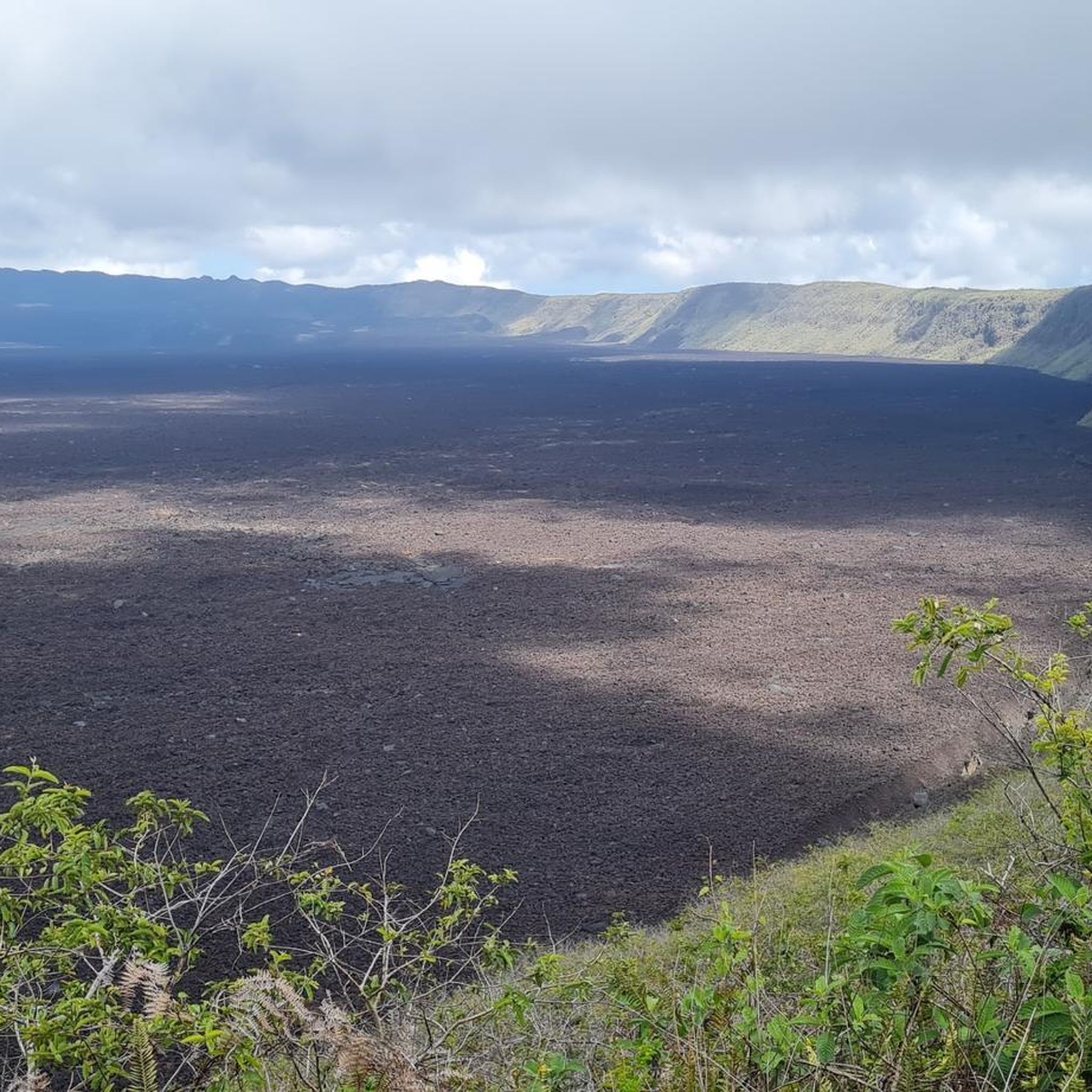
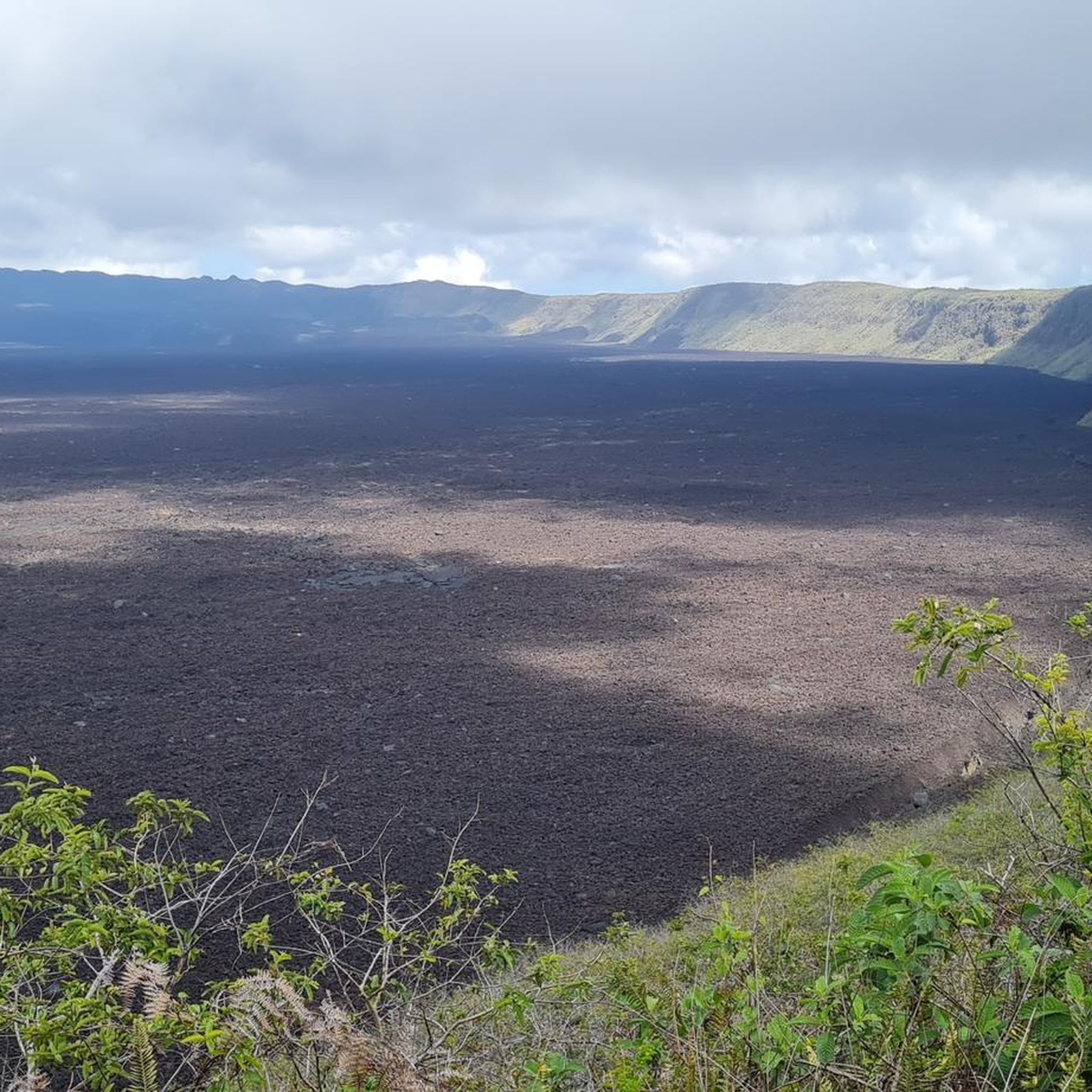
The Galápagos Islands offer a wealth of unique geological formations. You can explore ancient lava tunnels, such as the Cave Entrance on Santa Cruz Island, which provide a glimpse into the volcanic forces that shaped the archipelago. Other notable features include the dramatic rock buttresses of León Dormido, the expansive caldera of Sierra Negra Volcano, and the iconic lava formation of Pinnacle Rock on Bartolomé Island. You can also see diverse Lava Field Formations.
Are there any natural monuments that offer great panoramic viewpoints?
Yes, several natural monuments in Galápagos provide stunning panoramic views. Tijeretas Hill Lookout offers sweeping views over the Bay Area and towards Kicker Rock. Bartolomé Island is famous for its summit hike, providing breathtaking views of the volcanic landscape and the iconic Pinnacle Rock. Hiking to the summit of Sierra Negra Volcano also offers spectacular panoramic views of Isabela Island and the ocean.
What is the best time to visit the natural monuments in Galápagos?
The Galápagos Islands can be visited year-round, as the climate is generally pleasant. However, there are two main seasons. The warm and wet season (December to May) brings warmer air and water temperatures, making it ideal for swimming and snorkeling. The cool and dry season (June to November) is characterized by cooler temperatures and the garúa (misty) season, which is often considered the best time for wildlife viewing, especially marine life, as the cooler waters bring more nutrients and activity.
Are there family-friendly natural monuments in Galápagos?
Many natural monuments in Galápagos are suitable for families. Turtle Bay is a beautiful white sand beach where families can enjoy the serene environment and observe marine iguanas and sea lions (swimming is restricted on the main beach, but a nearby cove allows it). The El Chato Ranch Tortoise Reserve offers an incredible opportunity for children to see giant tortoises up close. Observing the Galápagos Giant Tortoises and the Giant Tortoise Feeding Area are also great family experiences.
What should I pack for a visit to the natural monuments in Galápagos?
For visiting the natural monuments in Galápagos, it's advisable to pack light, breathable clothing, swimwear, and sturdy walking shoes or hiking sandals. Don't forget sun protection essentials like a wide-brimmed hat, sunglasses, and reef-safe sunscreen. A reusable water bottle, insect repellent, and a waterproof bag for electronics are also highly recommended. If you plan on snorkeling or diving, consider bringing your own gear, though it's often available for rent.
Are there specific regulations or permits required to visit natural monuments in Galápagos?
Yes, the Galápagos Islands are a protected national park and marine reserve. All visitors are required to pay a national park entrance fee upon arrival. Additionally, many natural monuments and visitor sites can only be accessed with a licensed naturalist guide. It's crucial to follow all park regulations, such as staying on marked trails, not disturbing wildlife, and not leaving any waste behind, to preserve this unique ecosystem. For detailed information on permits and regulations, it's best to consult official Galápagos National Park resources.
What outdoor activities can I do near the natural monuments in Galápagos?
The Galápagos Islands offer a range of outdoor activities. Hiking is very popular, with trails like the moderate View of Sierra Negra Caldera loop or the easy Tijeretas Hill Lookout – View of Frigatebird Hill loop. Snorkeling and diving are excellent for exploring the rich marine life around sites like León Dormido, Las Tintoreras, and Lobería Bay. Cycling is also an option, with routes such as the easy Lava Field loop from Puerto Villamil.
Are there hiking trails near these natural monuments?
Absolutely. The Galápagos Islands provide numerous hiking opportunities near its natural monuments. For instance, you can hike to the summit of Sierra Negra Volcano on Isabela Island for an 'otherworldly' experience. There are also trails leading to viewpoints like Tijeretas Hill Lookout and paths to pristine beaches like Turtle Bay. For more hiking options, you can explore guides like Hiking in Galápagos or Easy hikes in Galápagos.
What is Lobería Bay known for?
Lobería Bay, near Puerto Baquerizo Moreno on San Cristóbal Island, is famous for hosting one of the largest colonies of sea lions in the Galápagos. Its name, meaning 'Place of the Sea Wolves,' perfectly describes the abundance of these playful creatures. Visitors can observe them sunbathing, swimming, and even surfing waves. The clear turquoise waters also offer excellent snorkeling opportunities to swim alongside sea lions, sharks, rays, and colorful fish.
Can I visit historical sites alongside natural monuments in Galápagos?
While primarily known for its natural wonders, the Galápagos also has some historical significance. For example, The Wall of Tears on Isabela Island is a historical site built by a penal colony, offering a poignant contrast to the natural beauty. Some natural monuments, like El Chato Ranch Tortoise Reserve, also have historical connections to the islands' conservation efforts.
Most popular attractions in Galápagos

Get inspired with the komoot mobile app


Explore more
Extend your search for the best caves by checking out these guides of the top ones in Galápagos:
