Top 11 Natural Monuments in Quindío
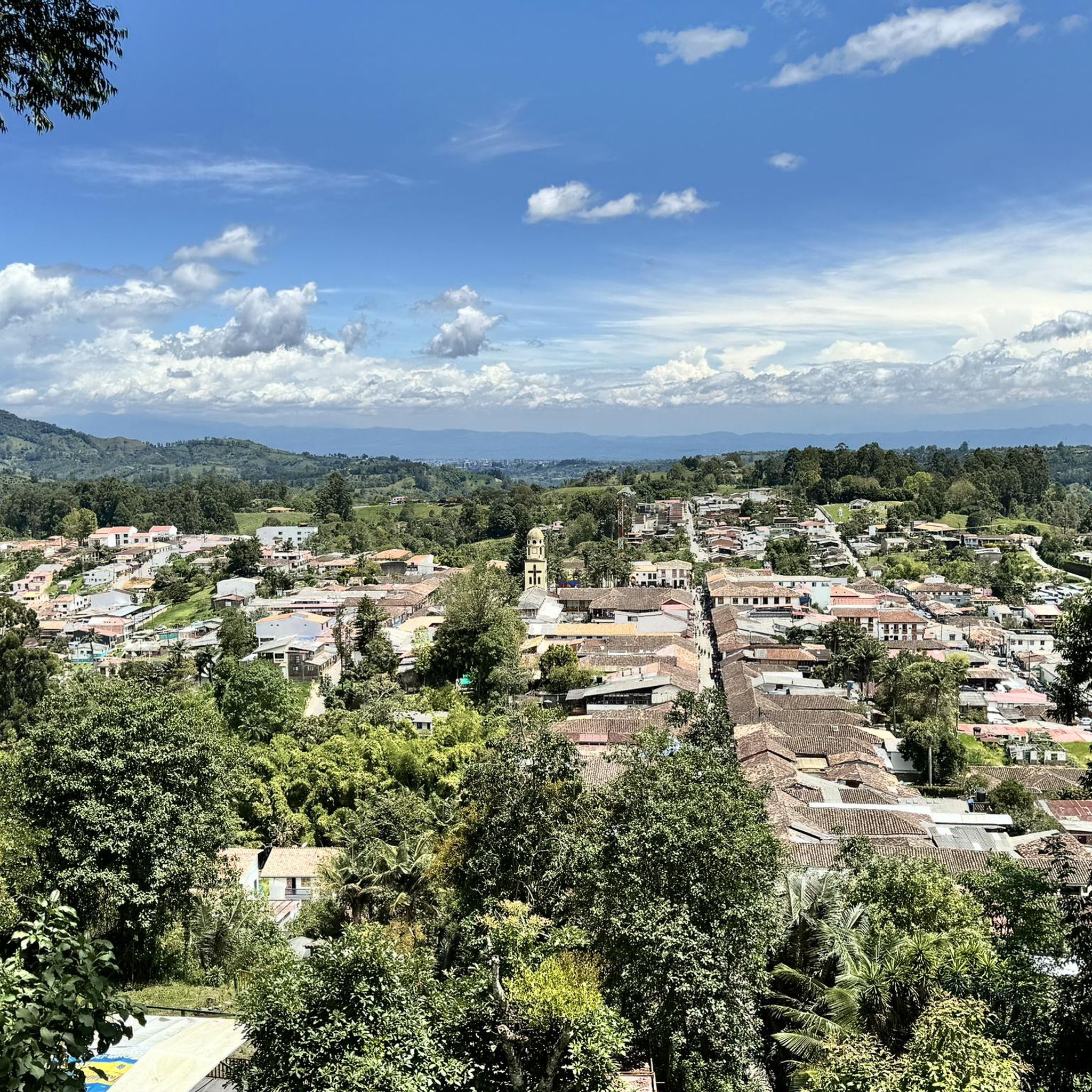
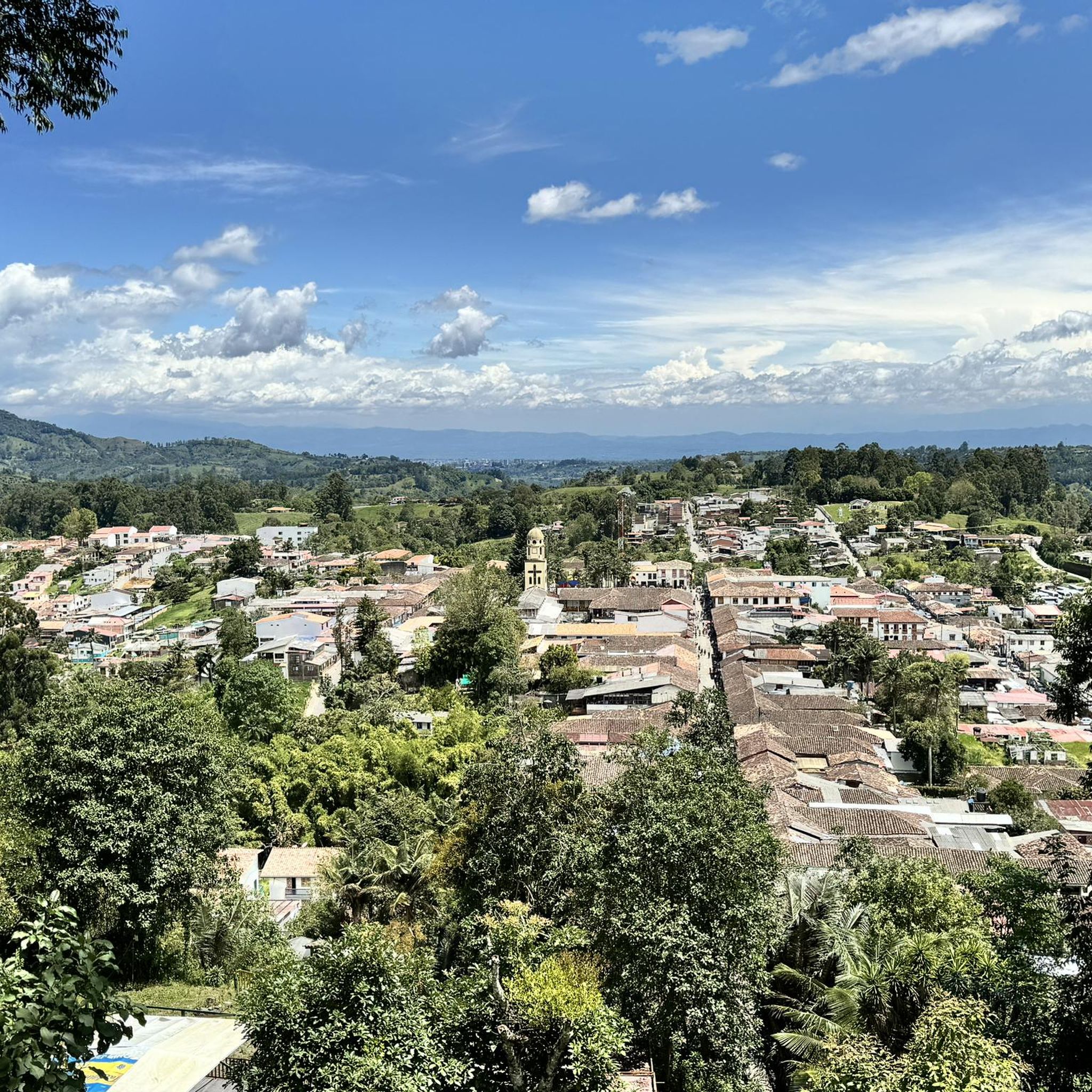
Best natural monuments in Quindío are found in a region characterized by its Andean mountain landscape, cloud forests, and unique biodiversity. The area is part of Colombia's Coffee Cultural Landscape, blending natural beauty with cultural significance. Quindío is home to towering wax palms, high-altitude páramos, and numerous waterfalls. These natural features provide opportunities for outdoor activities and observation of diverse ecosystems.
Best natural monuments in Quindío
- The most popular natural monument is Cocora Valley, a natural monument renowned for…
Last updated: July 1, 2026
Cocora Valley
Highlight • Natural Monument
Translated by Google •
Tip by

Santa Rita Waterfall
Highlight • Waterfall
Tip by

Sign up now to discover places like this
Get recommendations on the best single tracks, peaks, & plenty of other exciting outdoor places.
Sign up for free
Misty Forest Waterfall
Highlight • Waterfall
Translated by Google •
Tip by
Natural pools
Highlight • Natural
Translated by Google •
Tip by
Wax Palms of Cocora Valley
Highlight • Natural Monument
Translated by Google •
Tip by

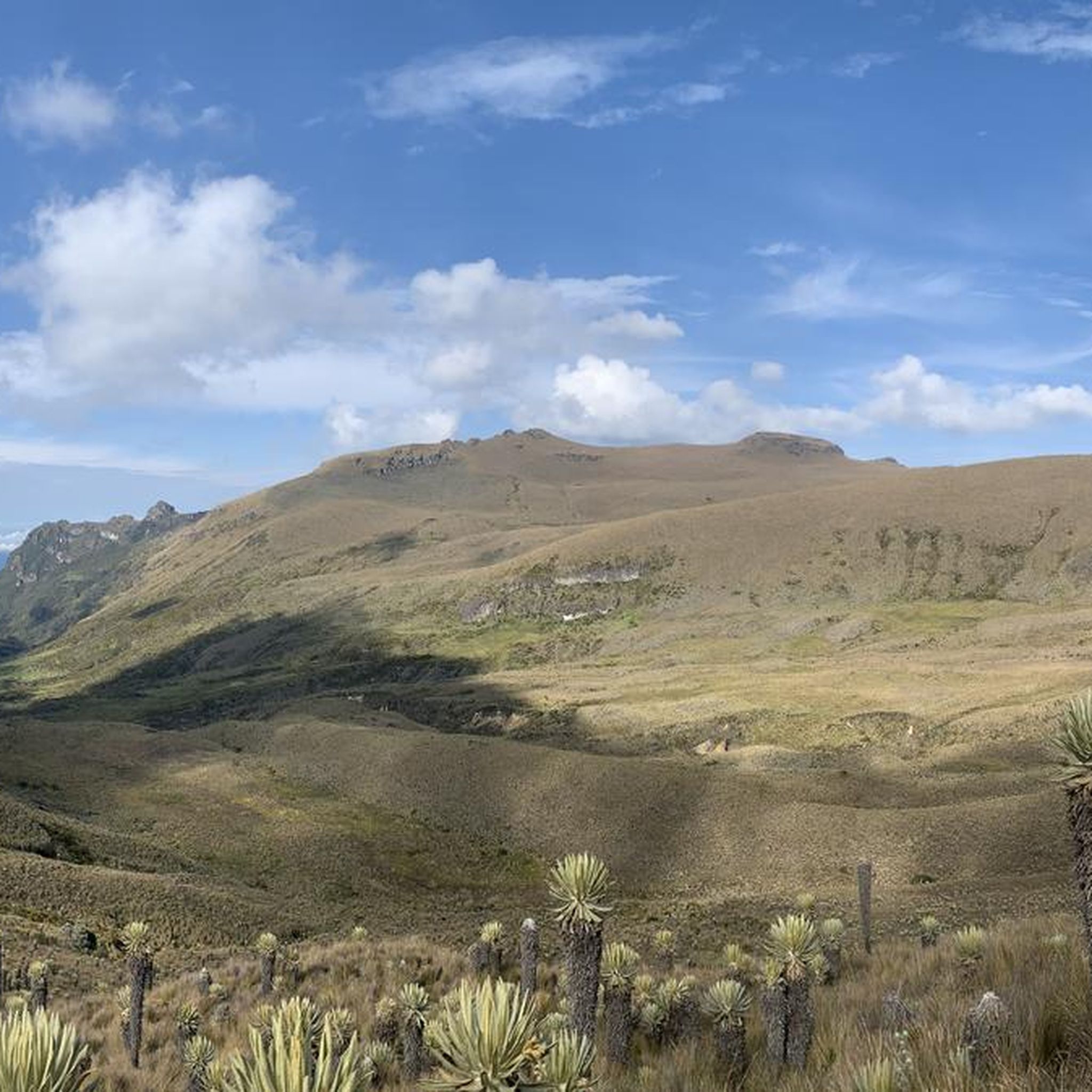
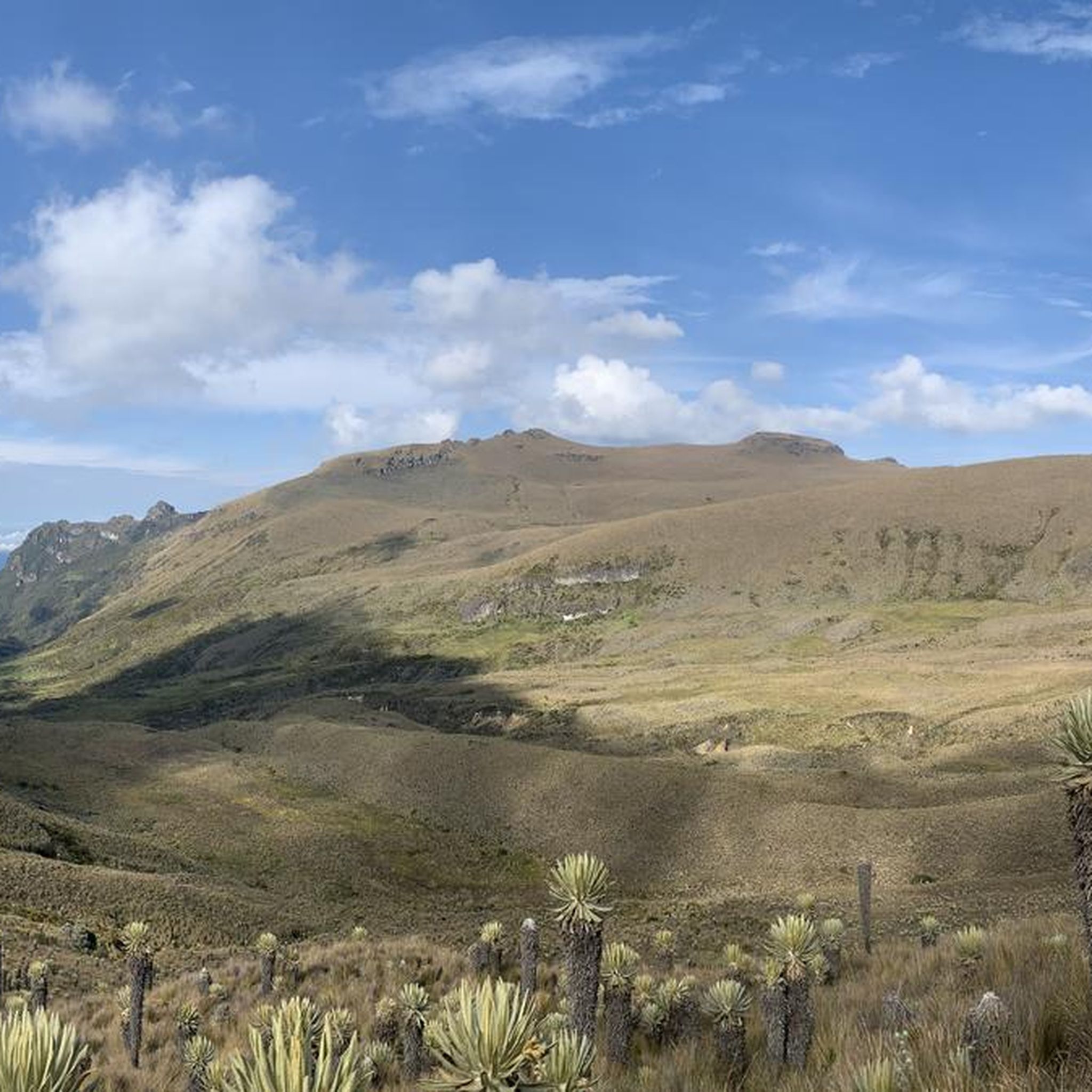
Páramo de Chili
Highlight (Segment) • Natural Monument
Translated by Google •
Tip by

Panoramic view of the Central Andes
Highlight • Viewpoint
Translated by Google •
Tip by

Niels Waterfalls
Highlight • Waterfall
Showing Translation
Tip by

Alto del Castillo
Highlight (Segment) • Summit
Translated by Google •
Tip by
Start today with a free account
Your next adventure awaits.
Login or Signup

Tips from the Community

The Cascada Santa Rita is a popular natural destination in the private nature reserve Reserva Natural Santa Rita in the Boquía sector. The hike to the waterfall is considered relatively easy and leads through a picturesque landscape with cow pastures, rivers, and old tunnels. A popular circular route is about 7.9 km long and takes an average of 3.5 to 4 hours. The approximately 20-meter-high waterfall plunges into a natural pool that invites swimming. Access to the private property is subject to a fee. The price is 11,000 Colombian pesos, with visitors gladly welcomed with a free coffee.
0
0
The waterfall is not very impressive, but the area is a popular destination for hiking and trail running. Visitors often use the excursions to swim in the nearby Río El Roble.
0
0
This part of the valley is particularly dense with the striking wax palms.
0
0
The Cocora Valley is primarily famous for the Quindío wax palm (Ceroxylon quindiuense), the national tree of Colombia. It is considered the tallest palm species in the world and can reach an impressive height of 60 to 80 meters. These palms grow very slowly and can live for over 300 years. The name "Cocora" probably comes from a princess of the Quimbaya culture and translates to "Star of Water".
0
0

Santa Rita Waterfall, in Boquía, is a waterfall surrounded by rainforest, offering a cool and tranquil atmosphere. Access is via an easy trail, and upon arrival, you'll find a pool where you can get a little wet and relax. It's recommended to wear non-slip shoes, as the rocks around the waterfall are often wet.
0
0
The natural pools along the El Silencio trail in Boquía are a tranquil spot where the river forms pools of clear water surrounded by Andean vegetation. It's a perfect place to cool off after a short, easy hike, ideal for combining nature and relaxation. Wear shoes with good traction as the ground can be slippery near the water.
1
0

A beautiful, lush green valley with meter-high wax palms that shoot up from the ground like stalks.
6
0
The Cloud Forest Waterfall is a hidden gem nestled among mountains covered in lush vegetation, at an altitude of 2,490 meters. It is accessed from the Cocora Valley via the Cocora-Estrella de Agua trail, following the Quindío River. Waterproof footwear is essential, and please note that there is an entrance fee for both access and parking, as the waterfall is located on private property.
2
0
Frequently Asked Questions
What are some popular natural monuments in Quindío beyond Cocora Valley?
Beyond the iconic Cocora Valley, Quindío offers other remarkable natural monuments. You can visit the Santa Rita Waterfall, a tranquil spot surrounded by rainforest with an easy trail leading to a relaxing pool. Another beautiful cascade is the Misty Forest Waterfall, nestled among lush mountains and accessible from the Cocora Valley. For a refreshing experience, explore the Natural pools along the El Silencio trail in Boquía, where the river forms clear pools amidst Andean vegetation.
Are there natural monuments suitable for families in Quindío?
Yes, several natural monuments in Quindío are suitable for families. The Santa Rita Waterfall offers an easy trail and a pool for relaxation, making it a pleasant outing. The Natural pools are also great for a short, easy hike and a chance to cool off. For a unique wildlife experience, the Acaime Natural Reserve, located within the Cocora Valley, is famous for its hummingbird feeders, which can be captivating for all ages.
What kind of hiking opportunities do the natural monuments in Quindío offer?
Quindío's natural monuments provide diverse hiking opportunities. The Cocora Valley is renowned for extensive hiking through misty, mountainous terrain, offering a 10km circular route. Trails lead through cloud forests, over rustic bridges, and to natural viewpoints. The Misty Forest Waterfall is accessed via the Cocora-Estrella de Agua trail, following the Quindío River. For more challenging routes, areas within Los Nevados National Natural Park and the Páramo de Chili offer demanding trails.
Where can I see unique wildlife or specific natural features in Quindío?
Quindío is rich in unique natural features and wildlife. The Cocora Valley is home to the towering Quindío wax palms, the national tree of Colombia. For birdwatching, the Acaime Natural Reserve is famous for its diverse hummingbird species, which can be observed up close at feeders. Los Nevados National Natural Park, encompassing diverse ecosystems, is a sanctuary for the Andean condor, mountain tapir, and spectacled bear, along with endemic plant species like frailejones. The Jardín Botánico del Quindío also showcases the region's rich flora, including orchids and butterflies.
What is the best time of year to visit the natural monuments in Quindío?
Quindío generally experiences a mild climate year-round due to its Andean location. However, the region has two main dry seasons (December to March and July to August) and two rainy seasons (April to June and September to November). The dry seasons are often considered the best time to visit for hiking and outdoor activities, as trails are less muddy. Even during dry periods, the cloud forests, like those in Cocora Valley, can be misty and damp, so always be prepared for changing weather.
Are there challenging hikes for experienced adventurers in Quindío's natural monuments?
Yes, Quindío offers challenging hikes for experienced adventurers. The Páramo de Chili is categorized as a challenging natural monument. Additionally, the extensive Los Nevados National Natural Park, which includes parts of Quindío, features high-altitude trails, snow-capped peaks, and glaciers, providing demanding mountaineering and hiking opportunities. The Alto del Castillo is another challenging summit with rewarding views.
What should I wear when visiting natural monuments in Quindío?
Given the often damp and misty conditions in Quindío's natural monuments, especially in areas like the Cocora Valley, it's recommended to wear waterproof footwear and warm clothing. Trails can be muddy and wet year-round. Non-slip shoes are advisable near waterfalls like Santa Rita Waterfall and the Natural pools, as rocks can be slippery. Layers are always a good idea to adapt to changing temperatures.
Are there any natural pools or waterfalls to visit in Quindío?
Absolutely. Quindío is home to several beautiful waterfalls and natural pools. You can visit the Santa Rita Waterfall, which offers a cool, tranquil atmosphere and a pool for relaxation. The Misty Forest Waterfall is another stunning cascade nestled in lush vegetation. For a refreshing dip, the Natural pools along the El Silencio trail provide clear water surrounded by Andean flora, perfect for cooling off after a hike.
What other outdoor activities can I do near the natural monuments in Quindío?
Beyond hiking, Quindío offers a variety of outdoor activities near its natural monuments. You can explore the region by bike with numerous routes available for gravel biking and road cycling. For gravel biking, consider routes like the 'Filandia – Arabia Village Entrance loop' or 'Plaza de Bolívar, Salento – Salento loop'. Cycling options include 'De Salento al valle Cocora Valley' or 'Salento – View of Predio El Tablazo loop'. You can find more details and routes in the Gravel biking in Quindío, Cycling in Quindío, and Road Cycling Routes in Quindío guides.
Where can I find viewpoints with panoramic scenery in Quindío?
Quindío's mountainous terrain offers numerous opportunities for panoramic views. The Cocora Valley itself provides surreal landscapes with its towering wax palms. For specific vantage points, the View of Wax Palms in Cocora Valley offers iconic photo opportunities. You can also find breathtaking vistas from the Panoramic view of the Central Andes and from summits like Alto del Castillo, which provide expansive views of the surrounding mountains and valleys.
Are there any lesser-known or 'hidden gems' among Quindío's natural monuments?
While the Cocora Valley is widely known, Quindío has several lesser-recognized natural gems. The Barbas Bremen Reserve, near Filandia, is a protected area spanning over 5,000 hectares, offering rich biodiversity and a chance to explore the region's nature away from larger crowds. Ecoparque Peñas Blancas provides routes through lush forests and features a 280-meter high rock, appealing to those interested in climbing and nature sports. These spots offer a more secluded experience of Quindío's natural beauty.
Are there dog-friendly natural parks or monuments in Quindío?
While specific regulations for dogs can vary by park and reserve, many outdoor areas in Quindío are generally welcoming to leashed dogs. It's always best to check with local authorities or park management for the most current rules, especially for protected areas like Los Nevados National Natural Park or private reserves. When visiting trails and natural areas, ensure your dog is on a leash, you clean up after them, and they are well-behaved around wildlife and other visitors.
Most popular routes in Quindío
Most popular attractions in Quindío

Get inspired with the komoot mobile app


Didn’t find what you were looking for?
Find even more amazing natural monuments in Quindío by checking out the top Highlights region by region:
Explore more
Extend your search for the best caves by checking out these guides of the top ones in Quindío:
