The best gravel rides in Quindío
5.0
(1)
36
riders
5
rides
Gravel biking in Quindío, nestled in Colombia's Andes Mountains, offers routes through a landscape characterized by rolling hills and lush green valleys. The region is part of the Coffee Cultural Landscape, a UNESCO World Heritage Site, with numerous gravel bike trails winding through verdant coffee plantations. Notable natural features include the Cocora Valley, famed for its towering wax palms, and the Río La Vieja, which boasts diverse flora and fauna. The terrain provides varied riding surfaces, from smooth dirt to…
Last updated: July 7, 2026
20
riders
87.7km
06:09
1,600m
1,600m
Hard gravel ride. Very good fitness required. Mostly paved surfaces. Suitable for all skill levels.
7
riders
28.6km
02:19
640m
650m
Hard gravel ride. Very good fitness required. Mostly paved surfaces. Suitable for all skill levels.

Sign up for free
4
riders
41.8km
03:27
780m
780m
Hard gravel ride. Very good fitness required. Mostly paved surfaces. Suitable for all skill levels.
2
riders
21.9km
02:32
910m
910m
Hard gravel ride. Very good fitness required. Mostly paved surfaces. Suitable for all skill levels.
5.0
(1)
3
riders
29.5km
02:27
790m
790m
Hard gravel ride. Very good fitness required. Mostly paved surfaces. Suitable for all skill levels.
Our route recommendations are based on thousands of hikes, rides, and runs completed by other people on komoot.
Start today with a free account
Your next adventure awaits.
Login or Signup

Tips from the Community

The "Path to the River" refers to a trail leading down from the farm to the Río Quindío. The Finca is located about 4 km (approx. 1 hour on foot or 20 minutes by car/Willy-Jeep) southwest of Salento. A crystal-clear river flows about 300 meters below the farm. A marked path leads through the coffee plantations and a bamboo forest directly to the water. Alternative return route: Hikers often use a flat path along the river, which leads to the village of Boquía in about 35 minutes. From there, you can conveniently take a bus back to Salento to avoid the steep uphill return to the farm. In addition to river access, the farm offers guided tours.
0
0
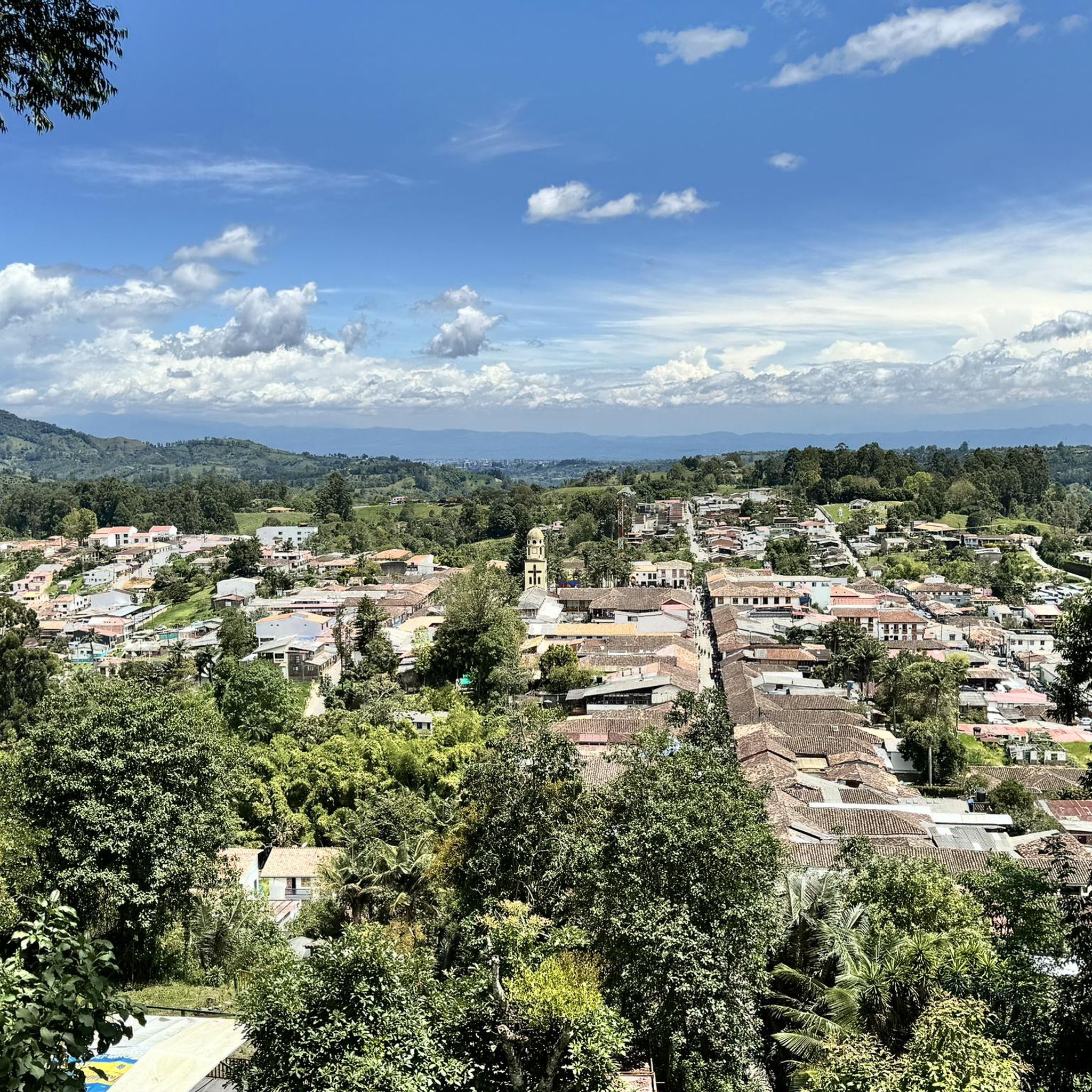
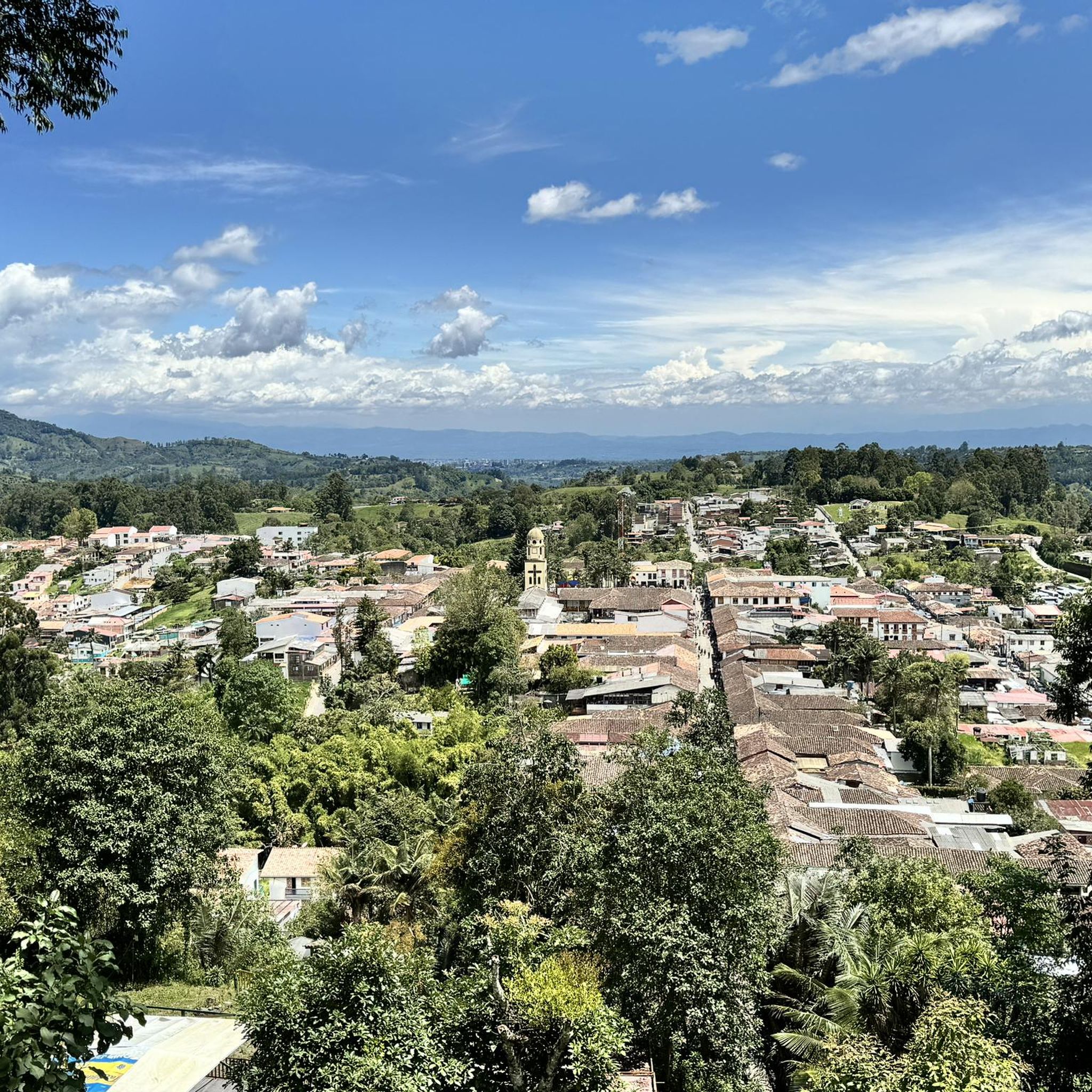
The Calle Real (Carrera 6) is the pulsating heart of Salento and is considered one of the most photogenic streets in Colombia. The street is famous for its well-preserved colonial architecture. The two-story houses with their brightly painted balconies, doors, and window frames are the hallmark of the village. On the ground floors, you will find countless small shops selling traditional handicrafts, jewelry made from coffee beans, hand-woven ponchos (Ruanas), and of course, locally roasted specialty coffee.
0
0
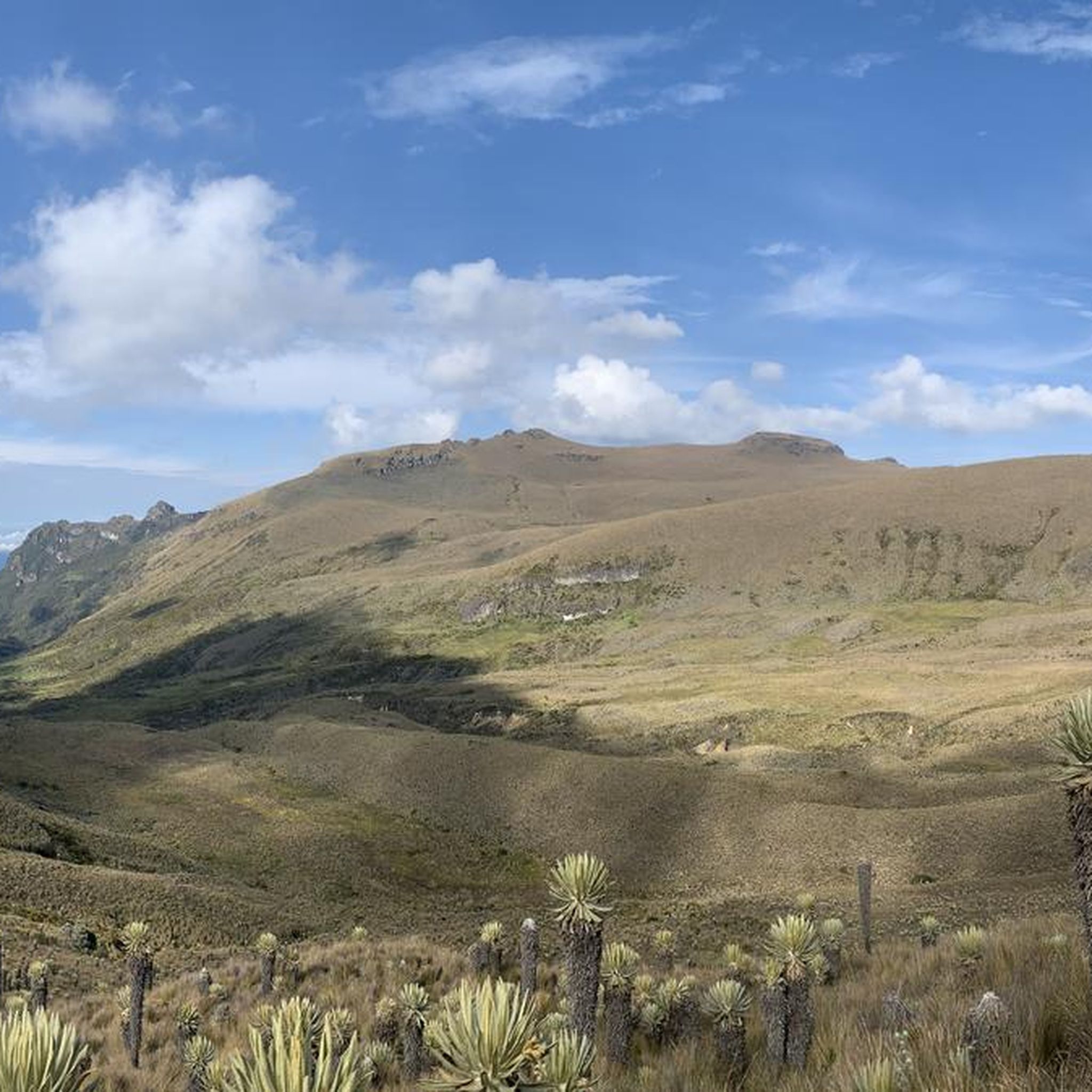
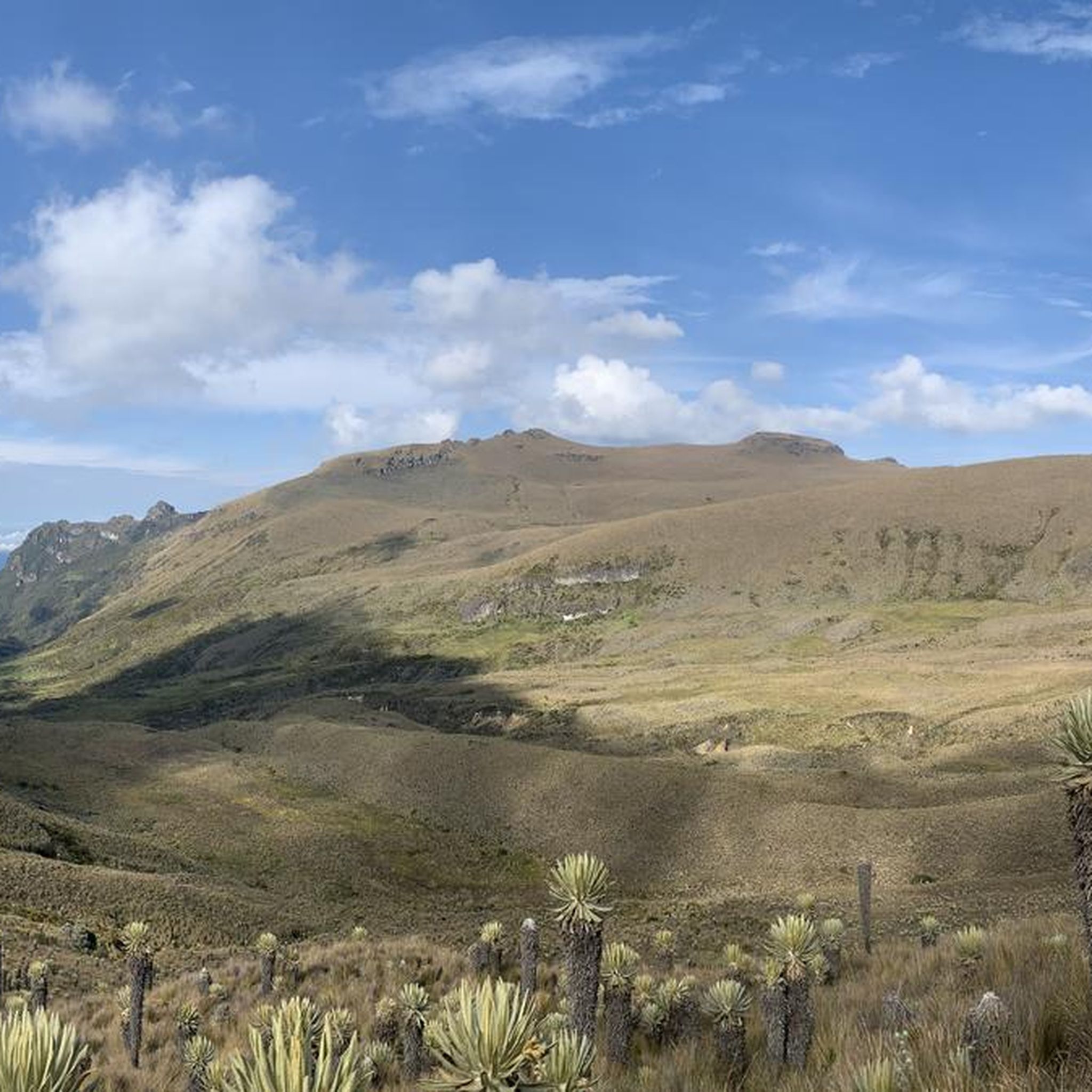
A colorful municipality in the Colombian coffee region (Eje Cafetero), known for its colonial architecture and natural wonders. Famous for the wax palms (national tree of Colombia) up to 60 meters high. Culture: Colorful house facades in the Calle Real and numerous traditional coffee farms (Fincas) offering tours.
1
0
A colorful municipality in Colombia's Coffee Region (Eje Cafetero), known for its colonial architecture and natural wonders. Famous for the wax palms up to 60 meters high (Colombia's national tree). Culture: Colorful house facades in the Calle Real and numerous traditional coffee farms (Fincas) offering tours.
0
0
Plaza de Bolívar is the pulsating heart of Salento. This central square is known for its vibrant atmosphere, surrounded by colorful colonial buildings housing numerous restaurants, cafes, and artisan shops. Directly on the square stands the striking yellowish church of Nuestra Señora del Carmen. In the middle of the park, a statue of the liberator Simón Bolívar is enthroned. The square is the main hub for the famous Willys jeeps that transport hikers to the nearby Cocora Valley. Here you can try the local specialty trout with Patacón (fried plantains). On weekends, the square often transforms into a market with local crafts and street food.
0
0

Calle Real has many shops. It's quite lively and perfect for a leisurely stroll. One of the best places to discover Salento.
0
0
Among colorful houses, gentle hills, and viewpoints that appear unexpectedly, Salento is a charming town. The best way to experience it is to enjoy its surroundings at a leisurely pace.
1
0

Frequently Asked Questions
What kind of terrain can I expect on gravel bike trails in Quindío?
Quindío is known for its diverse terrain, offering a true 'gravel by nature' experience. You'll encounter endless dirt roads, breathtaking mountain landscapes, and a mix of smooth dirt, chunky gravel, and occasional paved sections. Routes often traverse lush coffee plantations and wind through towering peaks, providing panoramic vistas after challenging climbs.
Are there many gravel bike trails in Quindío?
Yes, Quindío offers a good selection of gravel biking routes. Our guide features 5 distinct gravel bike trails, all rated as difficult, catering to experienced riders seeking challenging climbs and descents through the region's unique landscapes.
What is the typical difficulty level for gravel biking in Quindío?
The gravel bike trails in Quindío are generally considered difficult. They are designed for experienced gravel bikers who are comfortable with significant elevation gain and varied surfaces, including challenging climbs and descents through rolling hills and coffee plantations.
Are there any circular gravel bike routes in Quindío?
Yes, all the gravel bike routes featured in our guide are circular. For example, you can explore the Filandia – Arabia Village Entrance loop from Filandia, which is 87.7 km long, or the shorter Filandia – Mirador Altobonito loop from Filandia at 28.6 km.
What are some notable natural attractions I can see while gravel biking in Quindío?
Many routes offer stunning natural sights. You might pass through the iconic Cocora Valley, famous for its towering wax palms, or encounter various waterfalls. The Puentes y sendas del valle del Cocora trail itself features beautiful natural elements, and you can find highlights like the Small waterfall on the Quindío river or the Santa Rita Waterfall nearby.
Are there any coffee farms or cultural sites along the gravel bike trails?
Absolutely. Quindío is the heart of Colombia's Coffee Cultural Landscape. Many gravel routes wind directly through verdant coffee plantations. For a cultural experience, you could visit the El Ocaso Coffee Farm, which is a highlight near some of the trails, offering insight into coffee production.
What do other komoot users say about gravel biking in Quindío?
The gravel biking routes in Quindío are highly rated by the komoot community, with an average score of 5.0 stars. Over 30 gravel bikers have used komoot to explore the varied terrain, often praising the challenging climbs, panoramic views, and the unique experience of riding through coffee country.
What is the longest gravel bike route available in Quindío?
The longest gravel bike route featured in our guide is the Filandia – Arabia Village Entrance loop from Filandia. This challenging trail spans 87.7 km and typically takes about 7 hours and 22 minutes to complete, offering extensive exploration of the region's rolling hills.
Which towns are good starting points for gravel biking in Quindío?
Charming towns like Filandia and Salento serve as excellent bases for gravel biking adventures. Many routes, such as the Filandia – Intertwined Trees loop from Filandia and the La Nubia Trail – Salento loop from Salento, start and end in these picturesque locations, allowing you to easily access the trails and enjoy the local culture.
Are there any trails that offer views of the iconic wax palms?
Yes, the iconic wax palms, especially those in the Cocora Valley, are a defining feature of the region. While specific routes may not go directly through the densest parts of the valley, many trails offer views of this unique landscape, and the Cocora Valley itself is a prominent highlight near the gravel biking areas.
What kind of wildlife might I encounter on the trails?
Quindío is rich in biodiversity. While specific wildlife sightings are never guaranteed, the region's lush forests and natural reserves like Barbas Bremen are havens for birdwatching. You might spot various bird species, and the Río La Vieja area is known for its diverse fauna.
What is the elevation gain like on Quindío's gravel routes?
Gravel biking in Quindío involves significant elevation gain due to its mountainous terrain. For example, the Plaza de Bolívar, Salento – Salento loop from Salento route features over 900 meters of ascent, providing challenging climbs and rewarding descents through the region's rolling hills.
Most popular routes in Quindío
Most popular attractions in Quindío

Get inspired with the komoot mobile app


Didn’t find what you were looking for?
Check out more Gravel rides throughout Quindío below and find the perfect route in your destination.
Explore more
Browse the best Gravel rides in other regions.
