Top 17 Natural Monuments around St. Dogmaels
Best natural monuments around St. Dogmaels are found in a village on the northern border of Pembrokeshire, shaped by its coastal location and the River Teifi estuary. This area offers diverse opportunities for wildlife observation and appreciating geological formations. The landscape includes expansive estuaries, sandy beaches, and dramatic headlands. These sites provide a range of experiences for outdoor exploration.
Best natural monuments around St. Dogmaels
- The most popular natural monuments is Cemaes Head, a dramatic headland that is the northernmost point on the Pembrokeshire coast. This designated nature reserve overlooks the mouth of the Teifi estuary and boasts diverse habitats.
- Another must-see spot is Witches' Cauldron (Pwll-y-Wrach), a gorge featuring a cavernous pool with green water. This spot is located on the Pembrokeshire Coast Path and offers a quiet landscape.
- Visitors also love Ceibwr Bay, a viewpoint known for its wild and dramatic rocky coastline. The bay features impressive rock scenery and is a location for wildlife watching, including grey seals and porpoises.
- St. Dogmaels is known for its estuaries, sandy beaches, and dramatic headlands. The area offers a variety of natural monuments, including geological formations and coastal paths, for exploration.
- The natural monuments around St. Dogmaels are appreciated by the komoot community, with 36 upvotes and 17 photos contributed by visitors.
Last updated: July 1, 2026
Witches' Cauldron (Pwll-y-Wrach)
Highlight • Gorge
Tip by

Ceibwr Bay
Highlight • Viewpoint
Tip by

Sign up now to discover places like this
Get recommendations on the best single tracks, peaks, & plenty of other exciting outdoor places.
Sign up for free
Pembrokeshire Coast Path: Moylgrove to Poppit Sands
Highlight • Trail
Some sections of the path along Cemaes Head (north of here) are close to the cliff edge so you will need to be comfortable with this. Alternatively, there is an option to take a shortcut by heading directly West towards Penrhyn.
Tip by

Cemaes Head
Highlight • Natural
Tip by
Ffynone Waterfall
Highlight • Viewpoint
Tip by

Sign up for free to discover even more natural monuments around St. Dogmaels.
Sign up for free
Already have an account?
Start today with a free account
Your next adventure awaits.
Login or Signup
Popular around St. Dogmaels
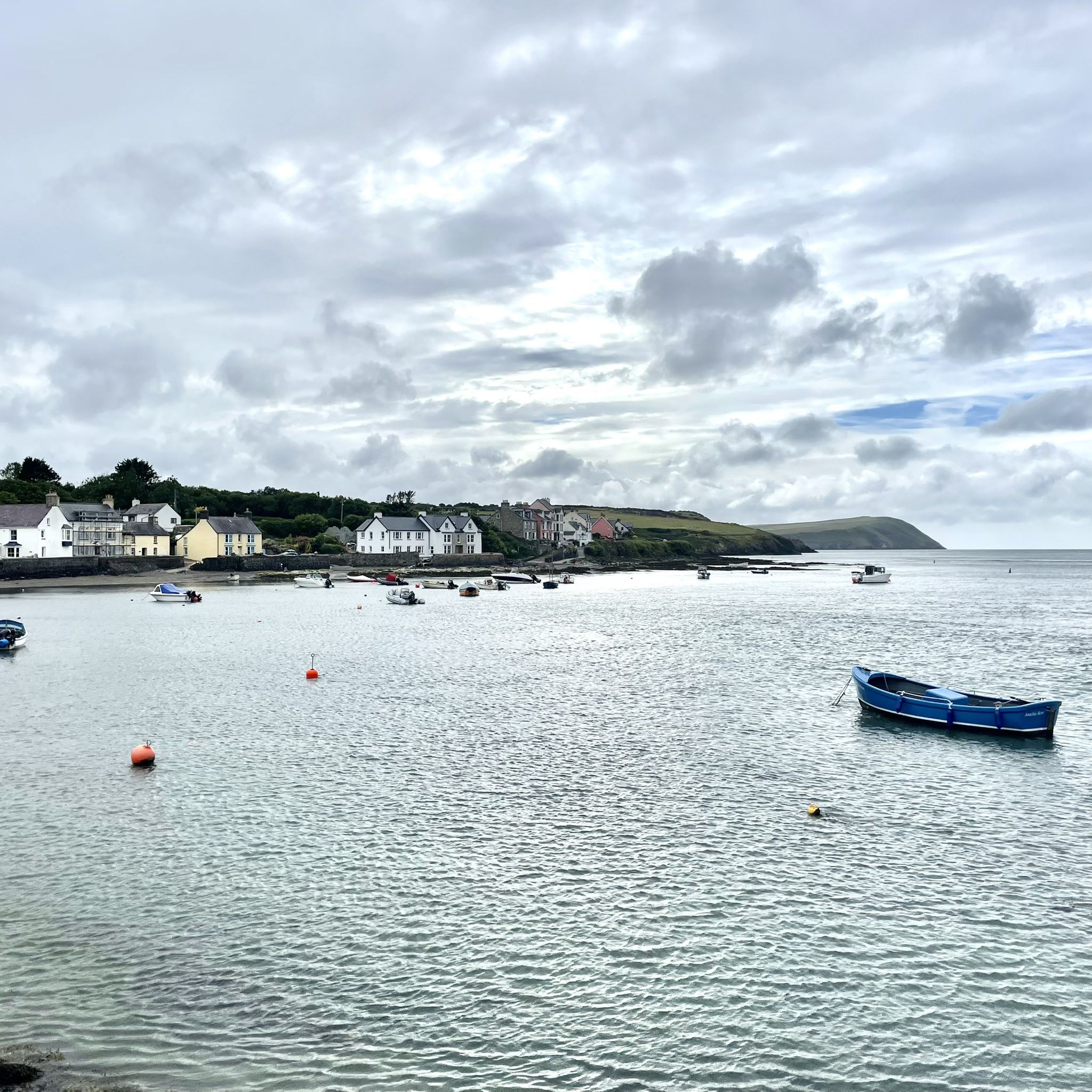
Newport to Cemaes Head – Pembrokeshire walks
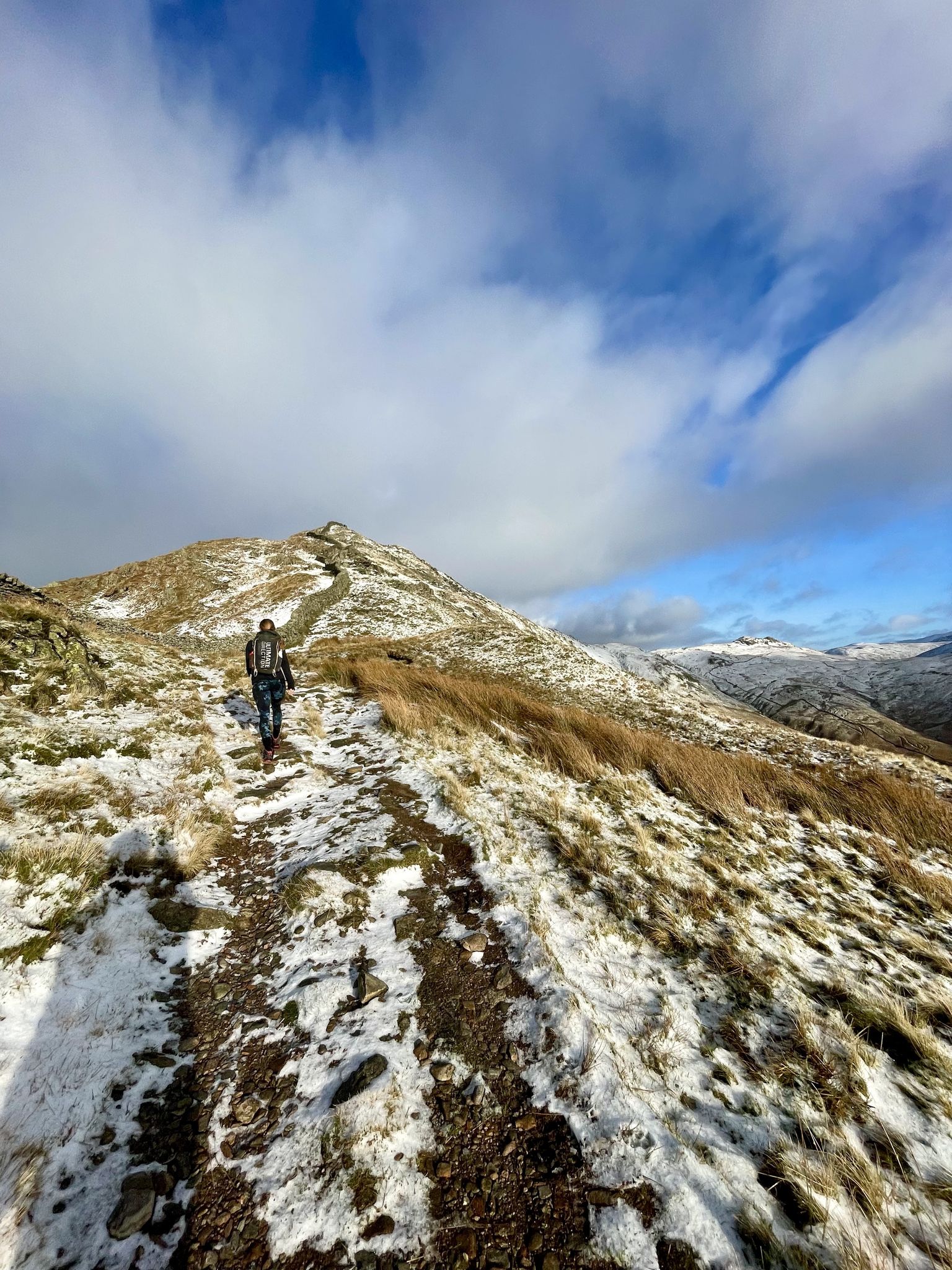
Walk Britain – 90 car-free adventures in England, Wales and Scotland
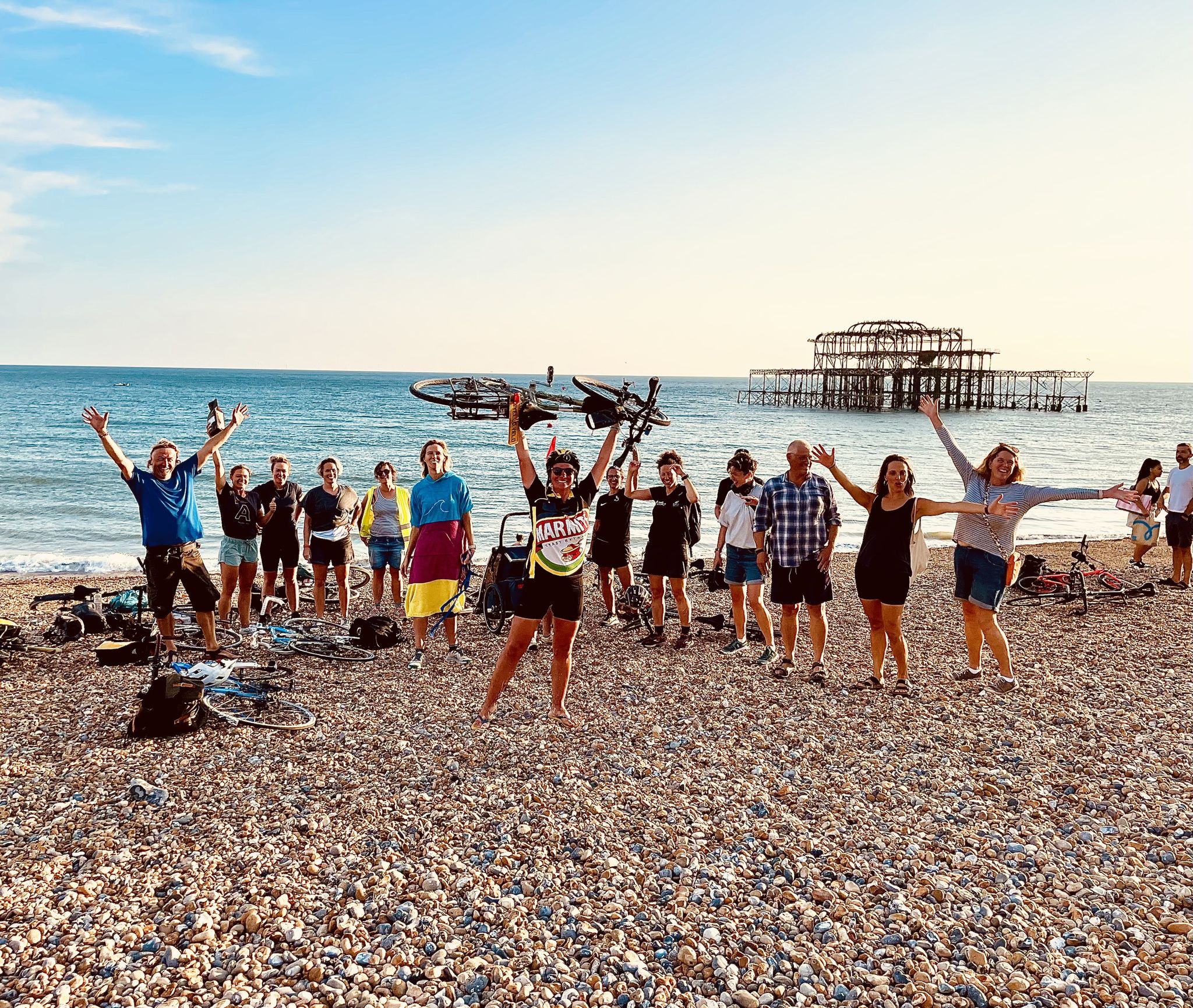
Around the edge in 80 days — cycling the coastline of Britain
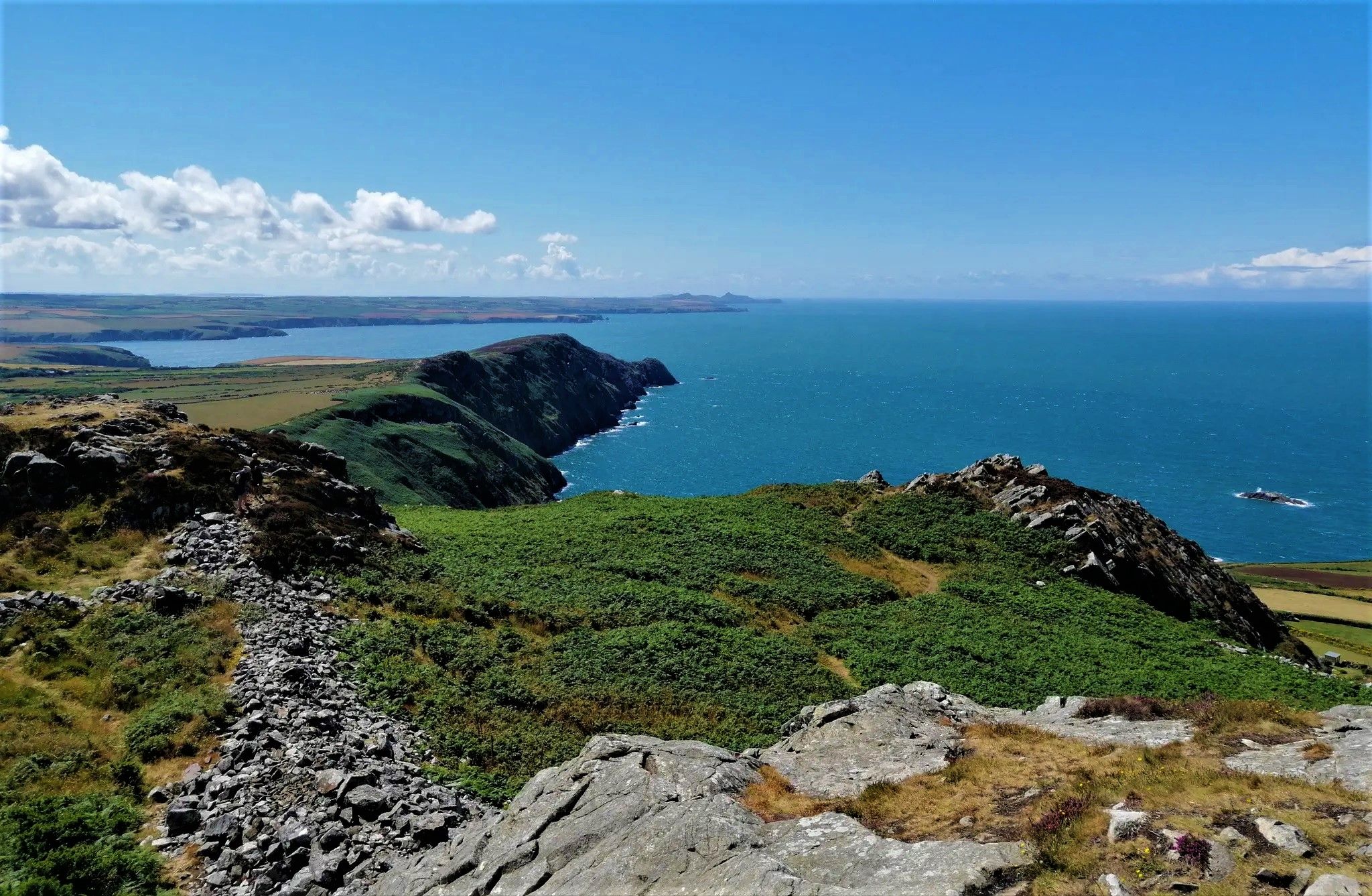
Explore Britain's only coastal national park – Pembrokeshire Coast
Hiking around St. Dogmaels
Road Cycling Routes around St. Dogmaels
Running Trails around St. Dogmaels
Cycling around St. Dogmaels
Other adventures around St. Dogmaels


Tips from the Community

Steep but gorgeous views!
0
0


Ceibwr is a gorgeous little bay towards the northern end of the Pembrokeshire Coast Path. The rocky coastline around Ceibwr is wild and dramatic, with many instances of impressive rock scenery. The bay itself is steep sided and was carved in the last Ice Age by surging meltwater forcing its way through what is now the Cwm Trewyddel valley. It's a great spot for wildlife watching. Grey seals can be spotted close by, while porpoises are often sighted offshore.
0
1


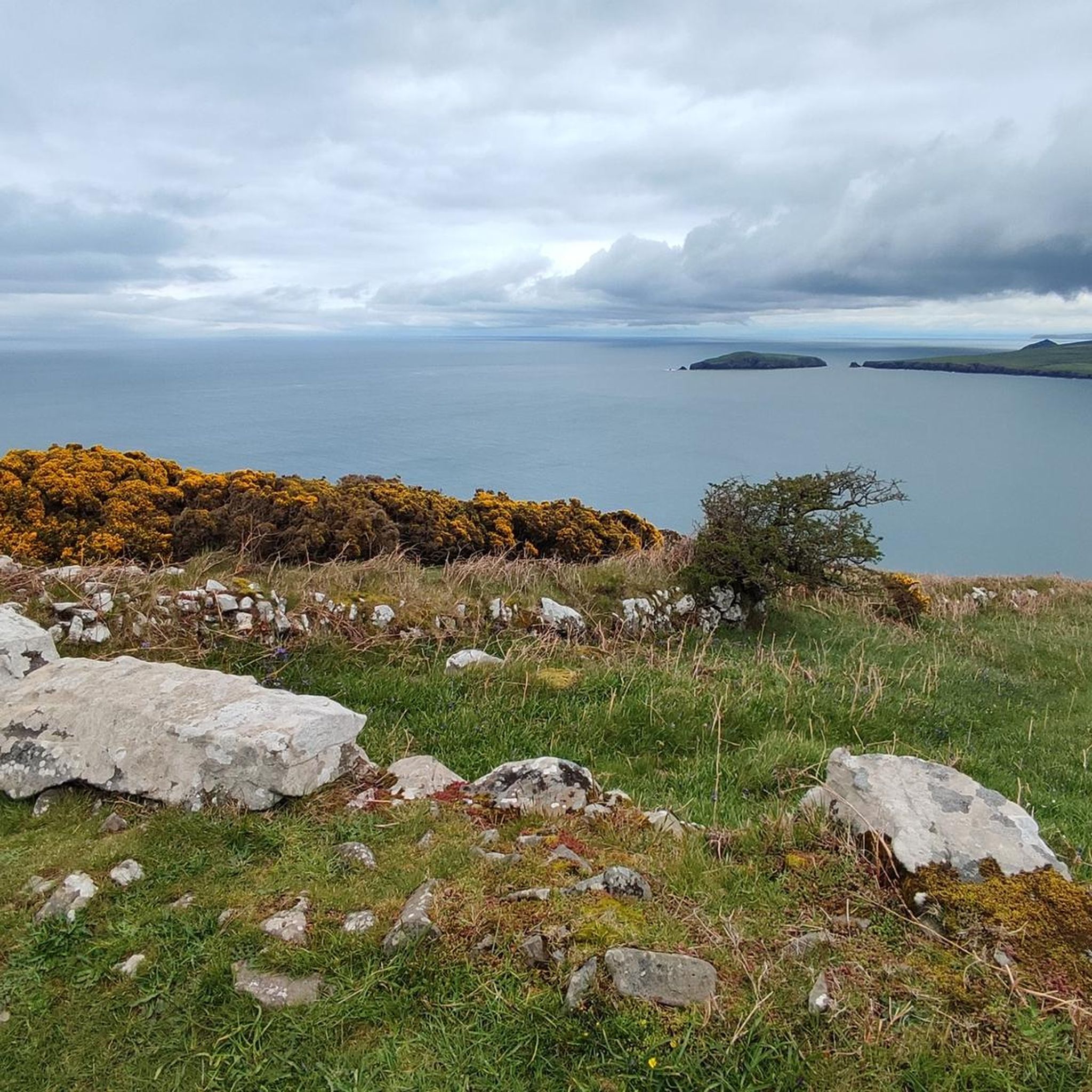
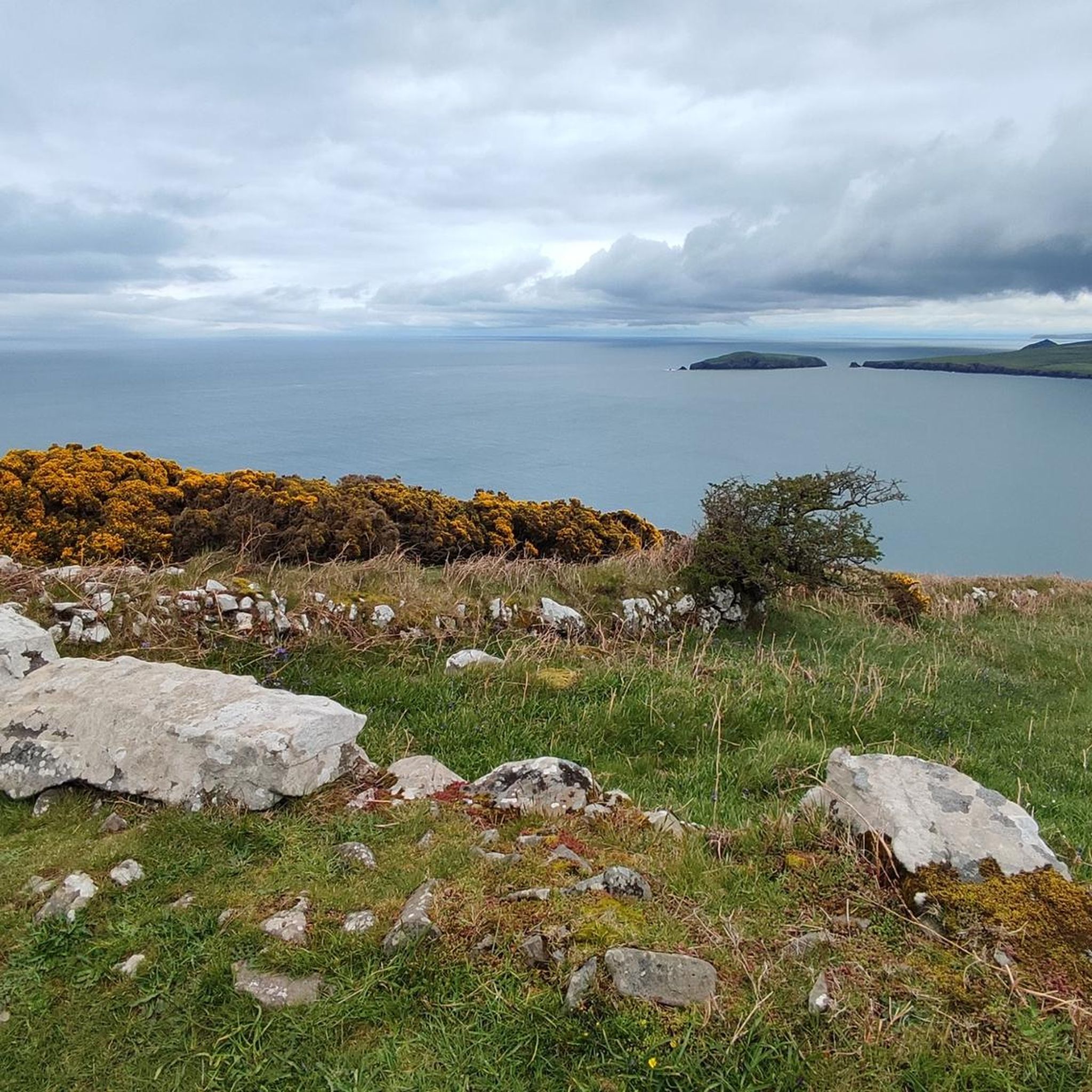
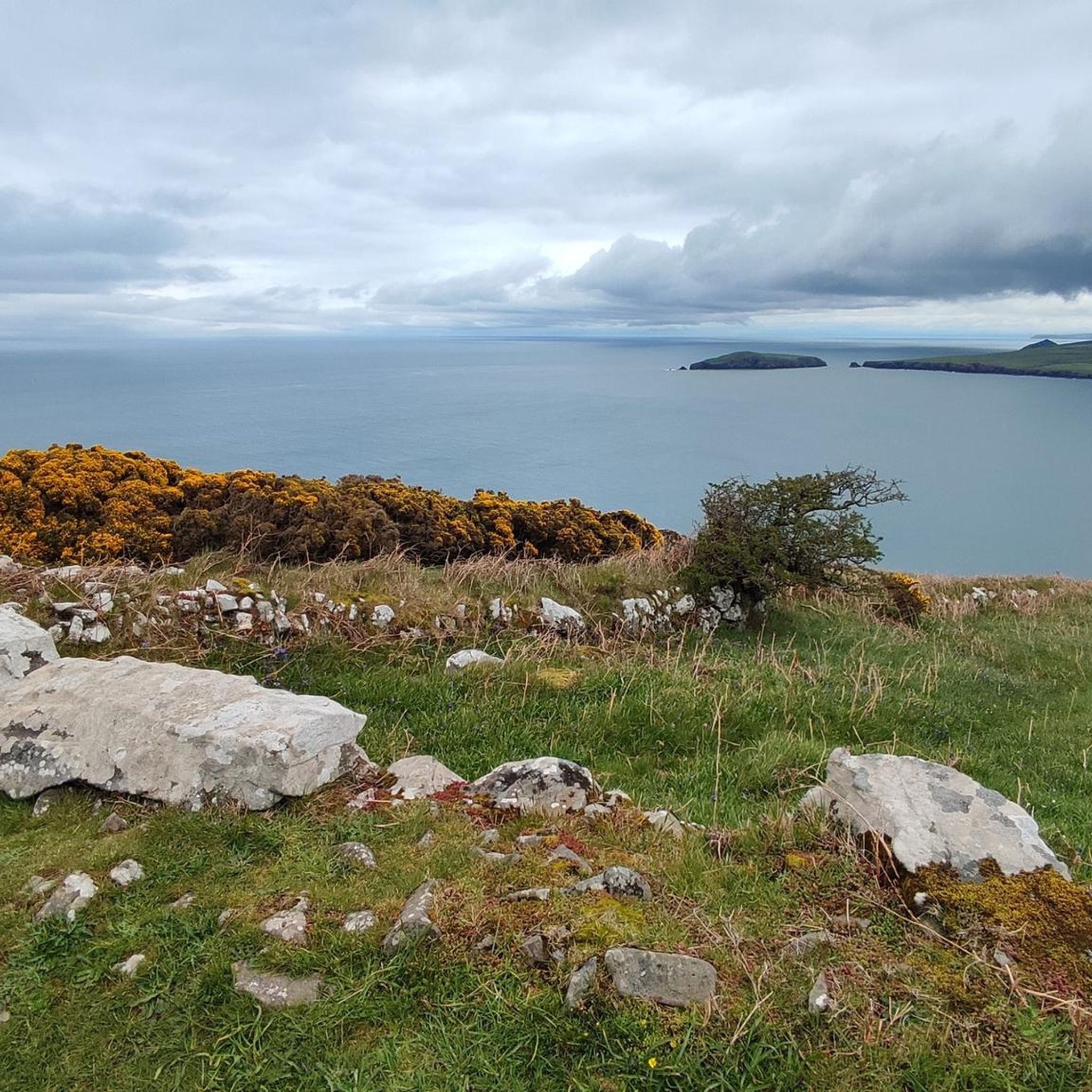
Cemaes Head is the northernmost headland on the Pembrokeshire coast. A designated nature reserve, the headland overlooks the mouth of the Teifi estuary. The headland boasts diverse grassland, maritime heath and cliff habitats. Within the varied reserve, you can spot animals such as ponies, rabbits and voles, plus lots of birdlife.
2
0

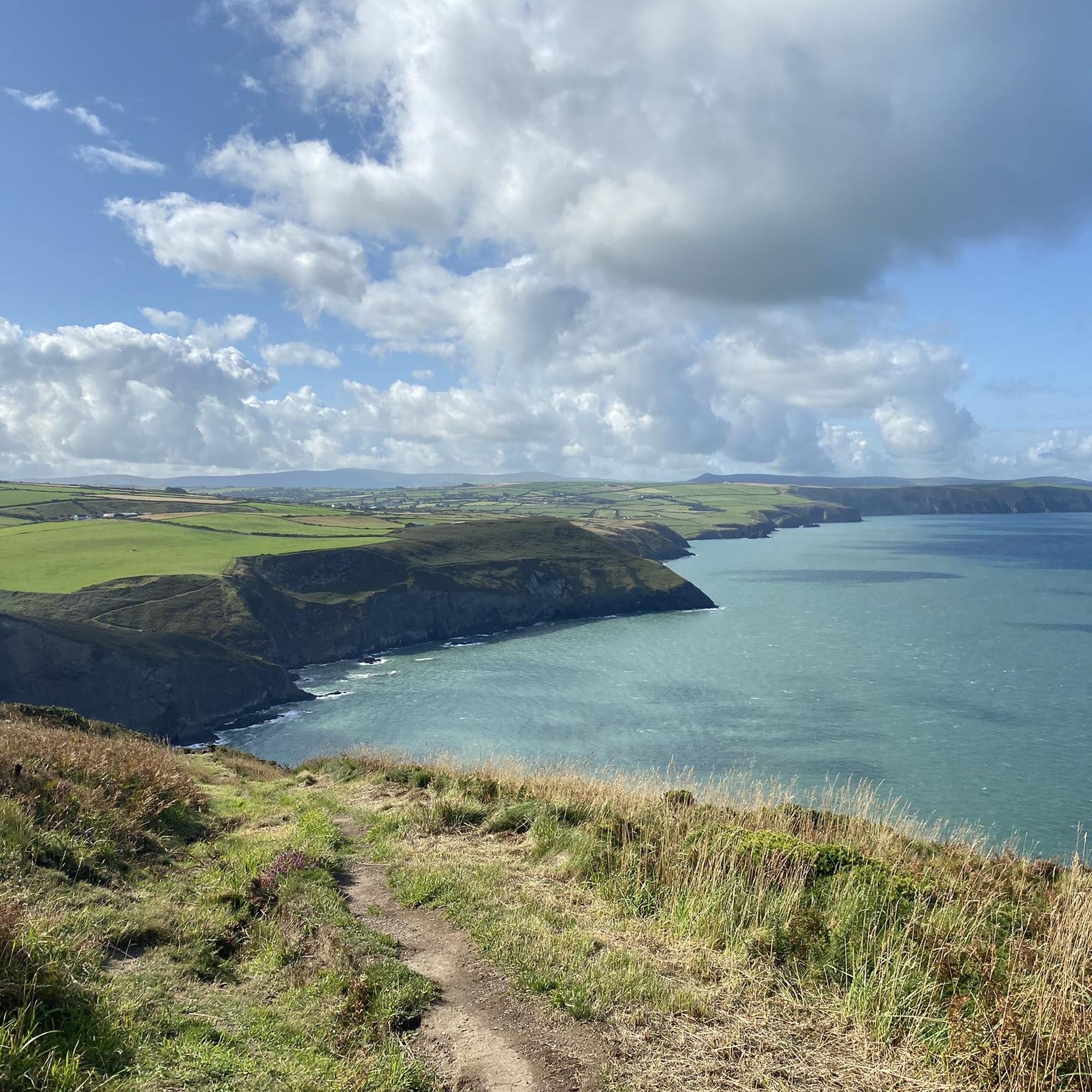
A stunning section of the Pembrokeshire Coast Path. Depending on your direction of travel, you're nearly at the end or just starting! Some sections of the path along Cemaes Head (north of here) are close to the cliff edge so you will need to be comfortable with this. Alternatively, there is an option to take a shortcut by heading directly West towards Penrhyn.
2
0

Beautiful hidden gem in the middle of Ffynone woods which is situated in West Wales, about 7 miles south of Cardigan, in North Pembrokeshire. Located in a secluded valley, the woodlands extend to 325 acres 10% ancient woodland. Ranging from fairly flat valley bottom to steep valley sides, the woods have four rivers and a waterfall, with the remnants of the ancient woodland - including veteran oaks - mainly located around the river system.
1
0

A brilliant walk along the cliffs to reach this place, do be mindful as some of the paths to get to it can get close to the cliff edges. However, once there we had the place to ourselves which gave us plenty of time to explore. Well worth a visit.
1
0
Frequently Asked Questions
What are some popular natural monuments to visit around St. Dogmaels?
St. Dogmaels offers a variety of stunning natural monuments. Highly regarded spots include Cemaes Head, known for its dramatic clifftops and views over the Teifi estuary. Another unique site is the Witches' Cauldron (Pwll-y-Wrach), a collapsed cave forming a cavernous pool with peculiar green water. Ceibwr Bay is also a favorite for its wild, rocky coastline and impressive geological formations.
What kind of natural features can I expect to see around St. Dogmaels?
The area around St. Dogmaels is rich in diverse natural features. You can explore expansive estuaries like the Teifi Estuary, wide sandy beaches such as Poppit Sands, and dramatic headlands like Cemaes Head. There are also fascinating geological formations, including the strikingly folded rock strata at Ceibwr Bay and the unique blowhole of the Witches' Cauldron.
What is the best time of year to visit the natural monuments around St. Dogmaels?
The natural monuments around St. Dogmaels can be enjoyed year-round, but specific seasons offer unique experiences. For wildlife spotting, particularly Atlantic grey seals and their pups, September to November is ideal at Cemaes Head. Spring and summer provide pleasant weather for walking and enjoying the beaches, while clear days can offer extensive views from headlands.
Are there family-friendly natural monuments or activities near St. Dogmaels?
Yes, several natural monuments are suitable for families. Pentre Ifan Dolmen, an ancient burial chamber, is categorized as family-friendly and offers a glimpse into history. Poppit Sands beach is also excellent for families, providing space for walking, playing, and water sports, with Blue Flag facilities. The Teifi Marshes Nature Reserve offers waymarked trails suitable for family walks and wildlife observation.
What hiking opportunities are available near St. Dogmaels' natural monuments?
The region is a hiker's paradise, with the Pembrokeshire Coast Path running through it. You can find sections like the Moylgrove to Poppit Sands route, offering stunning coastal views. For more options, explore the easy hikes around St. Dogmaels, which include routes like the Poppit Sands Adventure Wheelchair Walk and loops around the Welsh Wildlife Centre.
Where can I spot wildlife near St. Dogmaels' natural monuments?
St. Dogmaels is a fantastic area for wildlife spotting. The Teifi Estuary and its nature reserve are home to otters, kingfishers, hen harriers, and peregrines. At Cemaes Head and Ceibwr Bay, you can often see Atlantic grey seals, especially their pups from September to November, and various seabirds like choughs. Porpoises are also occasionally sighted offshore from the coastal paths.
Are there any unique geological formations to see?
Absolutely. Ceibwr Bay is renowned for its strikingly folded and contorted Ordovician rock strata, a testament to millions of years of earth movements. The bay also features the 'Witches' Cauldron' (Pwll-y-Wrach), a dramatic collapsed cave that has formed an impressive blowhole, showcasing the raw power of nature.
What other outdoor activities can I do near these natural monuments?
Beyond hiking, the area offers various outdoor activities. Poppit Sands is popular for water sports like surfing and boogie boarding. For cycling enthusiasts, there are several road cycling routes around St. Dogmaels, including loops to Poppit Sands Beach and Cenarth Falls. Runners can also find suitable running trails, such as routes connecting Poppit Sands Beach to Cemaes Head.
Can I bring my dog to the natural monuments and trails?
Many parts of the Pembrokeshire Coast Path and natural areas around St. Dogmaels are dog-friendly, but it's essential to check specific signage for restrictions, especially during nesting seasons or on certain beaches. Always keep dogs under control, preferably on a lead, to protect wildlife and livestock. Poppit Sands beach has seasonal restrictions for dogs on certain sections.
Are the natural monuments around St. Dogmaels accessible for everyone?
While many natural monuments involve coastal paths and rugged terrain, some areas offer better accessibility. Poppit Sands beach has good facilities and is generally accessible. The Teifi Marshes Nature Reserve features waymarked trails, some of which are suitable for various abilities. For specific accessible routes, you can look into options like the Poppit Sands Adventure Wheelchair Walk mentioned in the easy hikes guide.
Where can I find parking when visiting the natural monuments near St. Dogmaels?
Parking is generally available at key access points for popular natural monuments and trailheads. For instance, Poppit Sands has a dedicated car park. When visiting sites like Pentre Ifan Dolmen, there's a small lay-by car park by the monument entrance. It's advisable to check local information or maps for specific parking locations before your visit, especially for more remote spots.
Are there cafes or facilities near the natural monuments?
Facilities vary by location. Poppit Sands, being a popular beach, has amenities including cafes and toilets. In St. Dogmaels village itself, you'll find cafes and pubs. For more remote natural monuments like Cemaes Head or Ceibwr Bay, facilities are limited, so it's best to plan accordingly and bring your own refreshments.
Most popular routes around St. Dogmaels
Most popular attractions around St. Dogmaels

Get inspired with the komoot mobile app


Explore more
Extend your search for the best caves by checking out these guides of the top ones around St. Dogmaels:
