Top 20 Natural Monuments around Waberthwaite
Best natural monuments around Waberthwaite are found within a region of significant natural beauty in Cumbria, England. The area offers access to notable natural features, particularly the fells of the Lake District and the nearby coastline. This landscape provides diverse geological and ecological sites for exploration. The natural monuments here range from prominent fells to coastal estuaries, offering varied outdoor experiences.
Best natural monuments around Waberthwaite
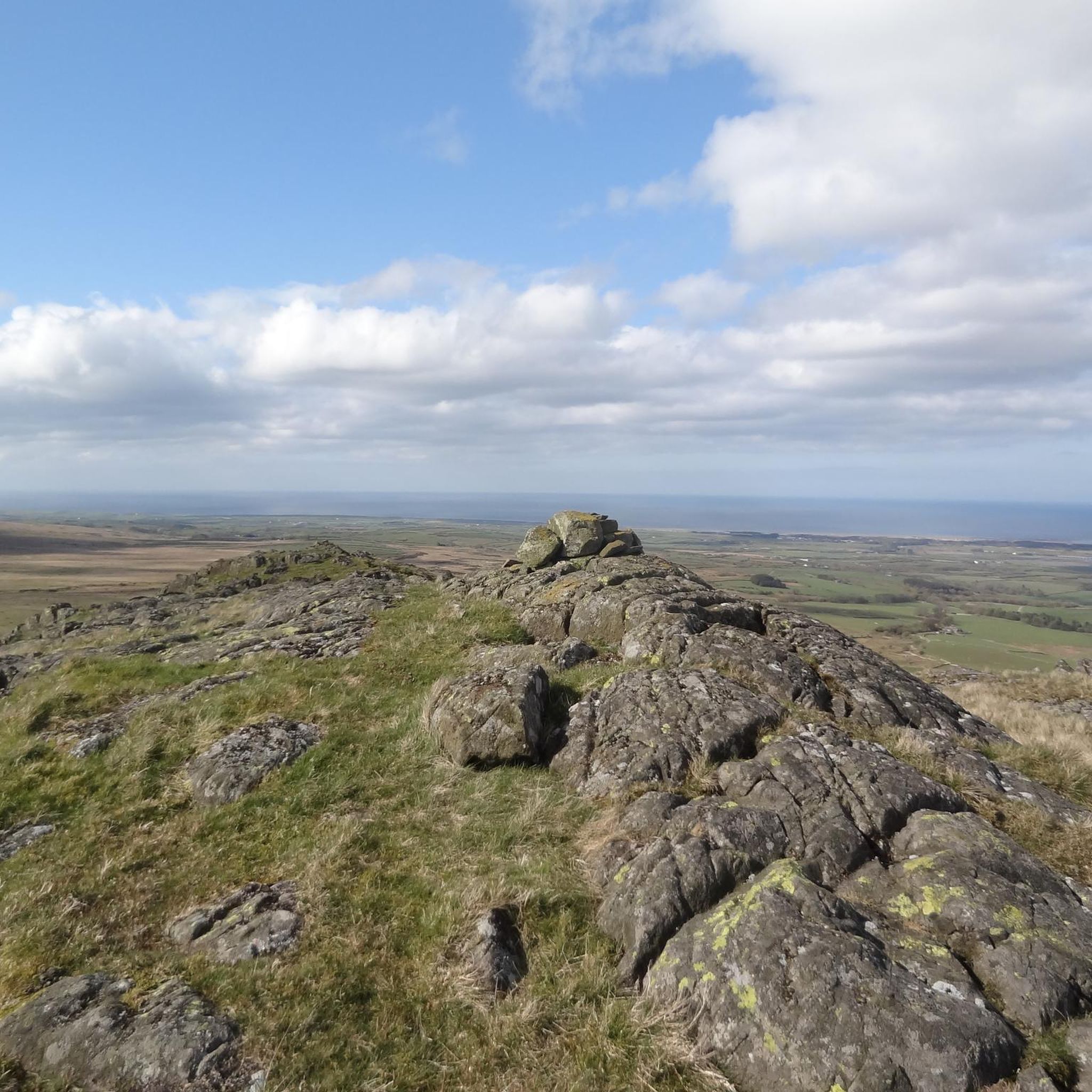
- The most popular natural monuments is Black Combe Summit, a natural monument offering…
Last updated: July 1, 2026
Black Combe Summit
Highlight • Natural Monument
Tip by

Harter Fell Summit (Eskdale)
Highlight • Viewpoint
Tip by
Sign up now to discover places like this
Get recommendations on the best single tracks, peaks, & plenty of other exciting outdoor places.
Sign up for free
Whin Rigg
Highlight • Natural Monument
Tip by
Stickle Pike summit cairn
Highlight • Viewpoint
Tip by
Brat's Hill Stone Circle
Highlight • Historical Site
Tip by

Sign up for free to discover even more natural monuments around Waberthwaite.
Sign up for free
Already have an account?
Start today with a free account
Your next adventure awaits.
Login or Signup

Tips from the Community

Brat's Hill is the largest stone circle of three located on this fell - the other two being White Moss and Low Longrigg located 100m and 500m away respectively. Brat's Hill stone circle has approximately 42 stones forming an irregular circle containing five funerary cairns.
0
0

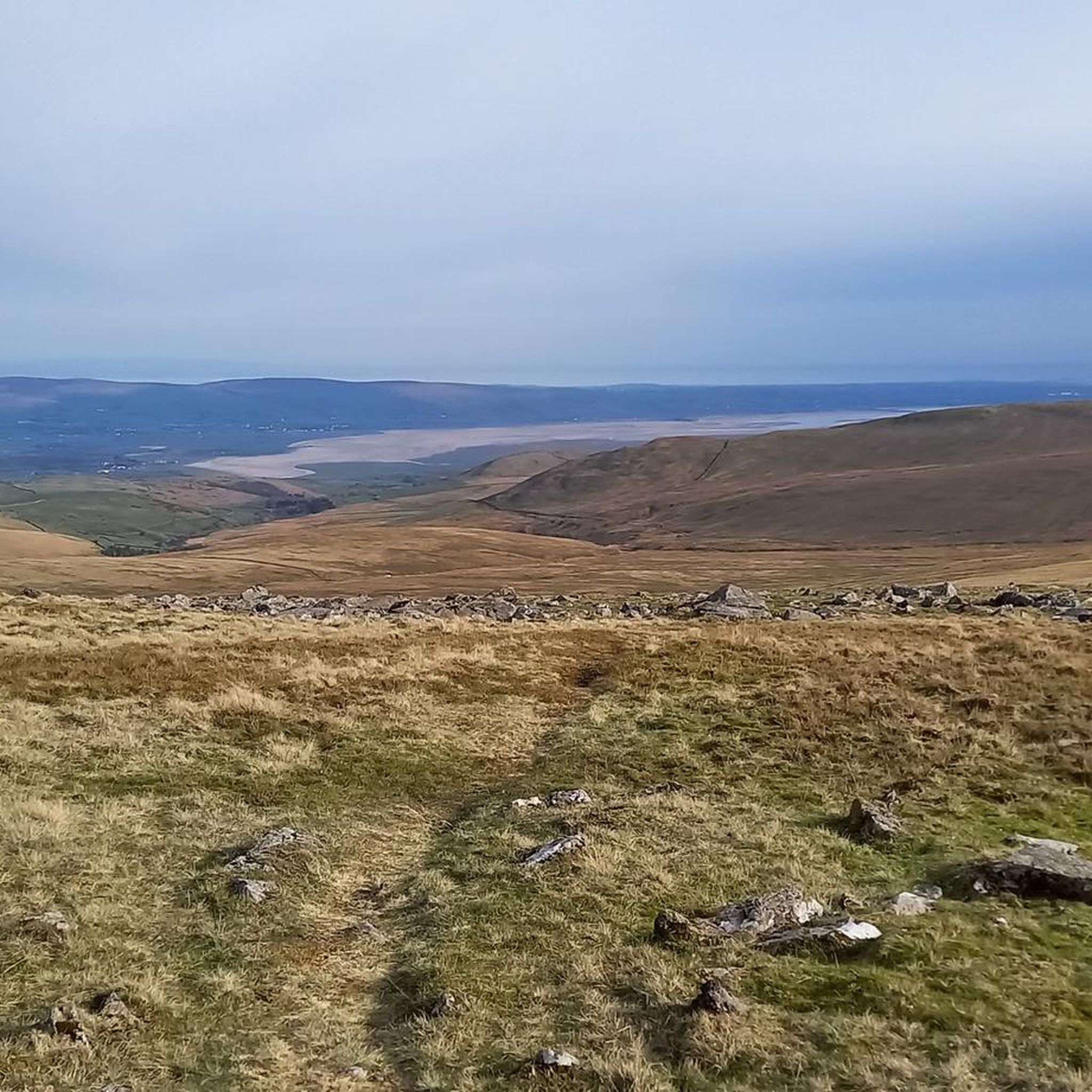
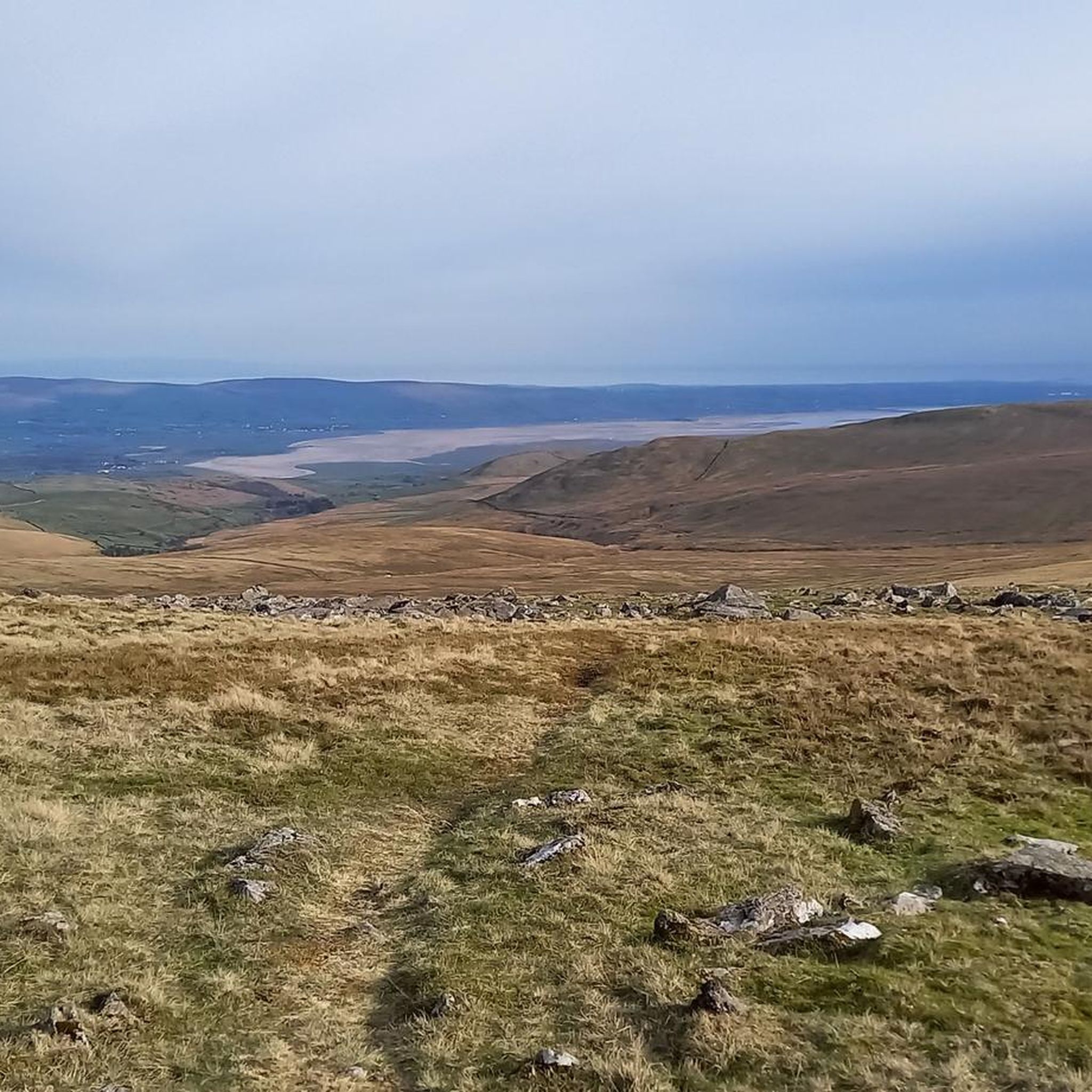
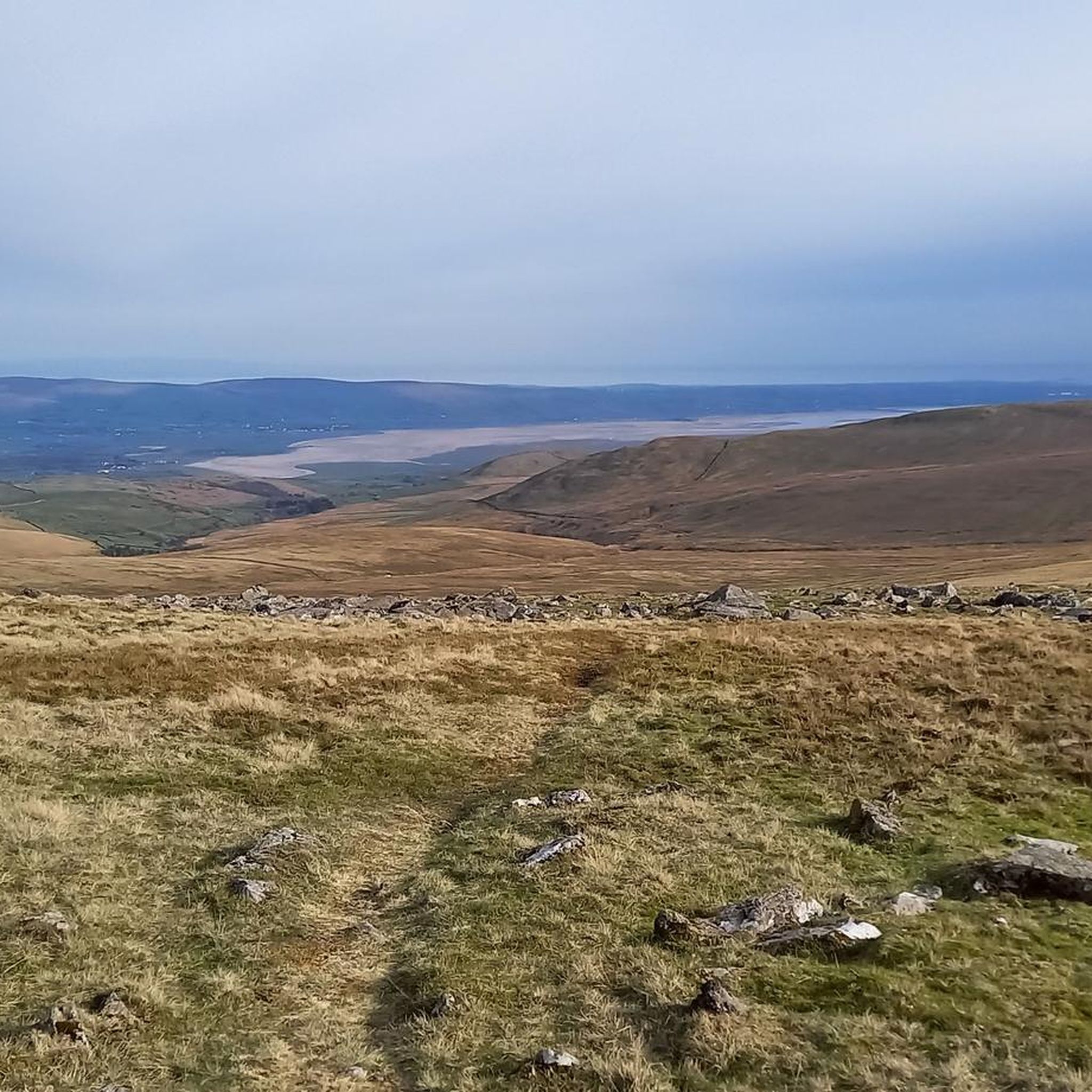
Set out from the National Trust car park at 7.30am in the morning on a blue sky day and by 8.30am we were on the top and couldn't see 50m in front....bummer!
1
0
I had a wonderful outing on Harter Fell. Parking down in the bottom of the valley at Jubilee Bridge I took in the Roman Fort and then went up to to Hard Knott Hill and then over to Harter Fell. All on a sunny blue sky day. The roman fort was very interesting and the views all round were great. The views from Harter Fell topped the lot...plus the little scramble to get to the true summit of course.
0
1

Harter Fell is a fantastic Wainwright at 2,139 feet (654 m) in height. Many head to the trig pillar but the true summit is a short scramble onto the highest of the rocky tors, great fun in dry weather. The views across Eskdale are outstanding. Don't forget to also hike Green Crag while you're in the area.
1
0
Whin Rigg is a 1,755-foot (537m) fell in the South Western Lake District. It forms part of a stretch of high ground that hugs the south-eastern edge of Wast Water which is the deepest body of water in the Lake District. Walking the full ridge to Illgill Head in both directions is recommended so you can fully appreciate the jutting cliffs that curve in and out from the main ridge. Spectacular!
1
0

A real Lake District fell, but one that can be done from Eskdale, by this route, in an afternoon or evening.
0
0
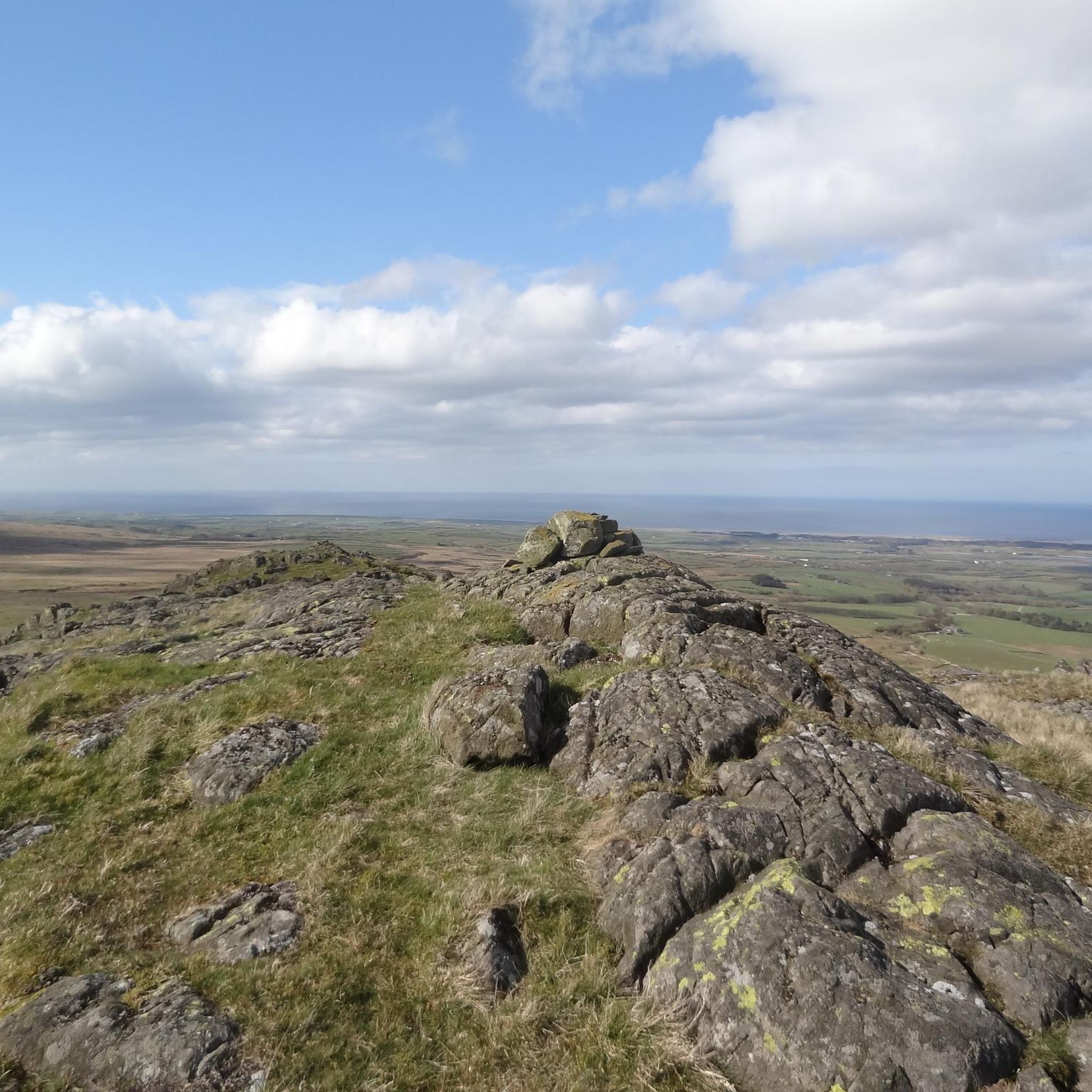
Stickle Pike is a wonderful small fell with a very distinctive profile in the south of the Lake District National Park. It's pyramid-like in shape and from many angles looks like it would be difficult to ascend but it's actually a joy to walk. The cairn on the top sits on a natural plinth of rock. Pillar, Scafell, Bowfell and the Coniston fells can be appreciated from the summit.
2
0
Frequently Asked Questions
What are some of the most notable natural monuments around Waberthwaite?
The region around Waberthwaite boasts several significant natural monuments. Among them, Black Combe Summit stands out, offering panoramic views across Cumbria and the Irish Sea. Another prominent feature is Harter Fell Summit (Eskdale), known for its excellent views across Eskdale and towards the Scafell and Coniston ranges. Whin Rigg is also highly regarded for its dramatic Wastwater Screes and views of Wast Water.
Are there any natural monuments with unique geological features near Waberthwaite?
Yes, the area is rich in geological interest. The Waberthwaite Quarry is a Site of Special Scientific Interest (SSSI) due to its exceptional exposures of garnet-bearing biotite granodiorite, offering insights into the Eskdale pluton. Further afield, the dramatic red sandstone cliffs of St Bees Head, approximately 200 million years old, are also geologically significant.
What kind of wildlife can I expect to see at the natural monuments?
The diverse habitats around Waberthwaite support various wildlife. The River Esk Estuary, an SSSI and Special Area of Conservation, is vital for breeding birds and marine life like crabs and periwinkles. St Bees Head is home to the only colony of cliff-nesting seabirds in North West England, including kittiwakes, fulmars, guillemots, and the sole breeding ground in England for black guillemots.
Are there family-friendly natural monuments or walks around Waberthwaite?
For families, Stickle Pike offers a rewarding walk with a distinctive pyramid-like profile. Despite its modest height, the trails are fairly straightforward, making it a good option for an introduction to fell walking with children. The views from the summit are panoramic and impressive.
What are the best viewpoints among the natural monuments?
Many natural monuments in the area offer stunning viewpoints. Black Combe Summit provides an 'amplest range of unobstructed prospect' as praised by William Wordsworth, with views extending to the Isle of Man and Scotland on clear days. Whin Rigg offers some of England's finest views of Wast Water and the dramatic Wastwater Screes.
What outdoor activities can I do near these natural monuments?
The region provides excellent opportunities for outdoor activities. You can explore various hiking trails, such as those around the Esk Estuary or the fells. For cyclists, there are challenging routes like the Hardknott Pass. You can find detailed routes and guides for hiking, touring cycling, and road cycling in the Waberthwaite area.
What is the best time to visit the natural monuments around Waberthwaite?
The best time to visit largely depends on your preferred activity. Spring and summer offer milder weather, ideal for hiking and enjoying the vibrant flora and fauna, especially around the estuaries and fells. Autumn provides stunning landscapes with changing foliage. While winter can be beautiful, some fell paths may be challenging due to snow and ice, requiring appropriate gear and experience.
Are there any natural monuments that are particularly good for birdwatching?
Absolutely. St Bees Head is an exceptional location for birdwatching, being the only cliff-nesting seabird colony in North West England. You can observe a variety of species including kittiwakes, fulmars, guillemots, and razorbills. The River Esk Estuary also attracts a wide array of breeding birds.
What are some less-known but rewarding natural monuments to explore?
Beyond the most popular spots, Green Crag offers a rewarding experience. Located between the Eskdale and Duddon valleys, it's characterized by rocky peaks amidst marshy moorland. While it can be boggy, the views of the Scafell massif and the sea are well worth the effort, and it's often hiked in conjunction with Harter Fell.
What should I wear for walks to the natural monuments?
Given the varied terrain and often unpredictable weather in Cumbria, it's advisable to wear layers, waterproof outerwear, and sturdy hiking boots. Many trails, especially on the fells like Green Crag, can be wet and boggy, even in warmer months. Always check the weather forecast before heading out.
Are there any natural monuments accessible by public transport?
While many natural monuments in the Lake District require some form of private transport or a longer walk from public transport stops, areas like the River Esk Estuary are more accessible, particularly from nearby villages like Ravenglass which has a railway station. Planning your route in advance with local transport schedules is recommended.
Can I find accommodation or places to eat near the natural monuments?
Waberthwaite and the surrounding villages offer various accommodation options, from guesthouses to self-catering cottages. You'll also find traditional pubs and cafes in these communities, providing places to eat and refresh after exploring the natural monuments. It's advisable to book accommodation, especially during peak seasons.
Most popular attractions around Waberthwaite

Get inspired with the komoot mobile app


Explore more
Extend your search for the best caves by checking out these guides of the top ones around Waberthwaite:
