Top 6 Natural Monuments in Stanglettenschütt
Natural monuments in Stanglettenschütt showcase a diverse landscape, characterized by its riverine environment and rich biodiversity. The region features significant alluvial forests along the Danube, providing crucial habitats and natural flood protection. Visitors can explore a variety of natural features, from ancient trees to valuable biotopes and historical water systems. This area offers insights into ecological revitalization efforts and the natural heritage of the Donauaue.
Best natural monuments in Stanglettenschütt
- The most popular natural monuments is Moat of Fort Rosenschwaig…
Last updated: October 3, 2026
Old black poplar
Highlight • Natural Monument
Translated by Google •
Tip by

Jackl-Brenne Biotope
Highlight • Natural
Translated by Google •
Tip by

Sign up now to discover places like this
Get recommendations on the best single tracks, peaks, & plenty of other exciting outdoor places.
Moat of Fort Rosenschwaig
Highlight • Structure
Translated by Google •
Tip by
Danube Floodplain Forest Revitalization Project
Highlight (Segment) • Forest
Translated by Google •
Tip by

Danube Flood Marker in the Riparian Forest
Highlight • Monument
Translated by Google •
Tip by
Start today with a free account
Your next adventure awaits.
Tips from the Community

The **black poplar** (scientific name: **Populus nigra**), also known as **Saar tree**, is a remarkable plant species in the poplar genus in the willow family (Salicaceae). Here are some interesting facts about the black poplar: ### Characteristics - **Height**: It can grow up to **35 meters** tall. - **Crown**: The crown is very tall, domed, and has spreading, strong branches. Mature trees can develop a multi-segmented crown. - **Bark**: The bark is dark, which gives the species its name. ### Distribution - The black poplar is widespread in **Eurasia** and **North Africa** and is a characteristic tree species of river floodplains. ### Ecological importance - This tree species was originally widespread but is now critically endangered. It plays an important role in its ecosystem, especially in riverine landscapes. ### Uses - Black poplar wood species are often used in the furniture industry and for other wood products. The black poplar is not only a beautiful tree, but also ecologically and economically important!
0
0

Black poplars impress as old trees with their strong, gnarled growth.
5
0
An impressive tree, black poplars impress as old trees with their strong, gnarled growth.
5
0
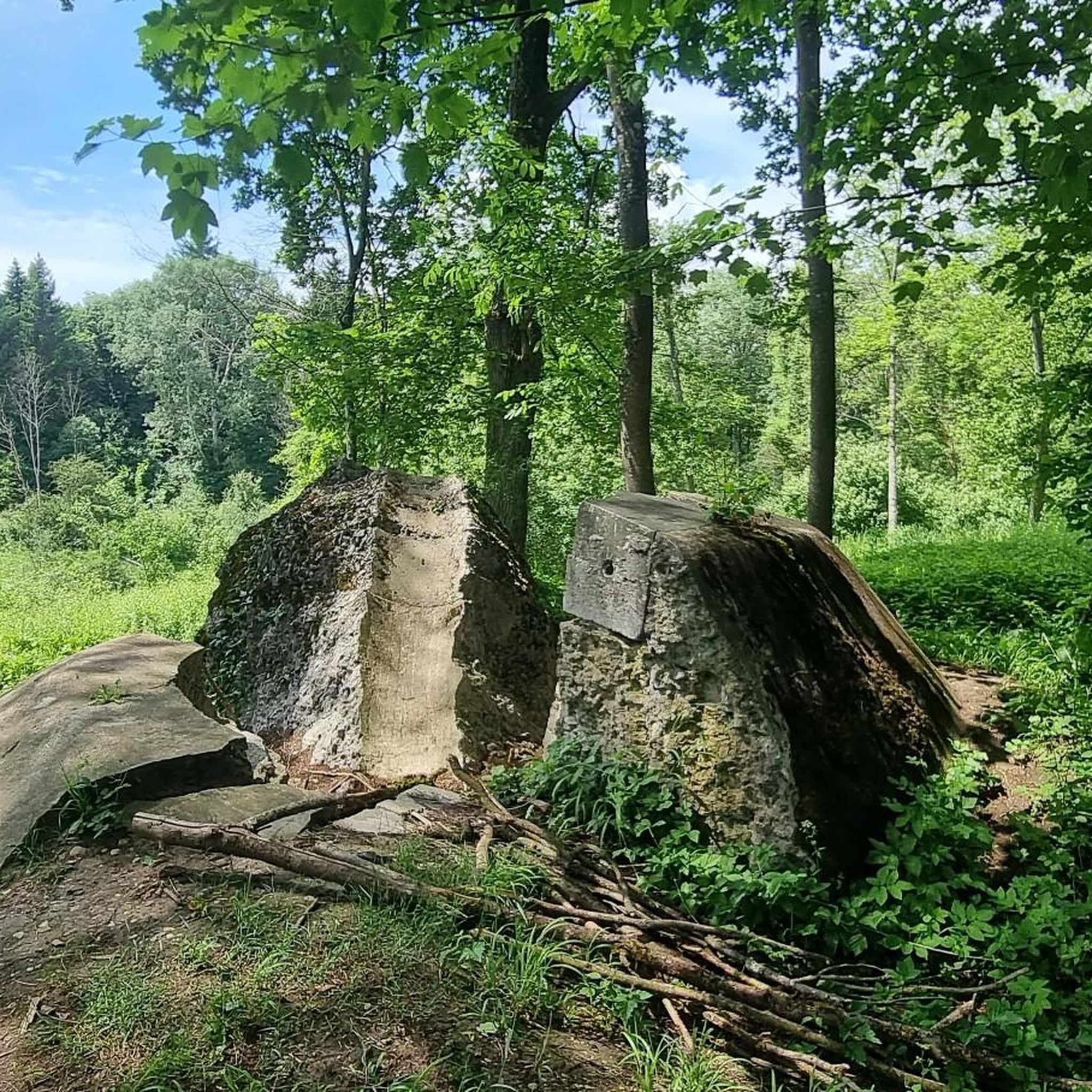
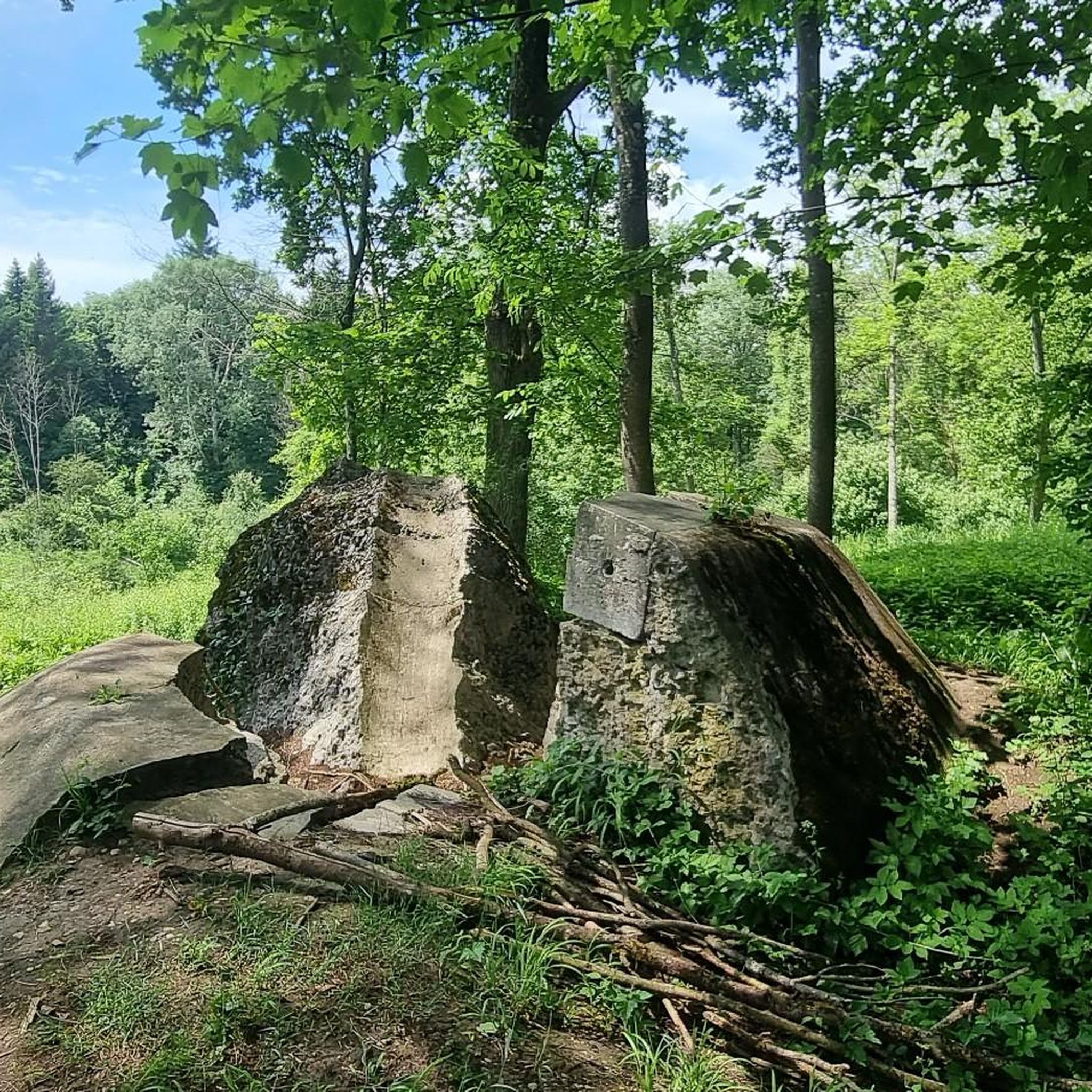
The flood marks show the importance of the floodplain forests as flood protection areas.
1
0

A huge, gnarled poplar (probably) that makes more of an impression on me than the 1000-year-old oak tree in Gerolfing
1
0

Very distinctive tree on the Danube. The tree offers many insects a habitat and is also a way marker. The poplar has an imposing trunk - around 2 meters in diameter. It comes close to the path. Further upstream is an old silver poplar.
1
0

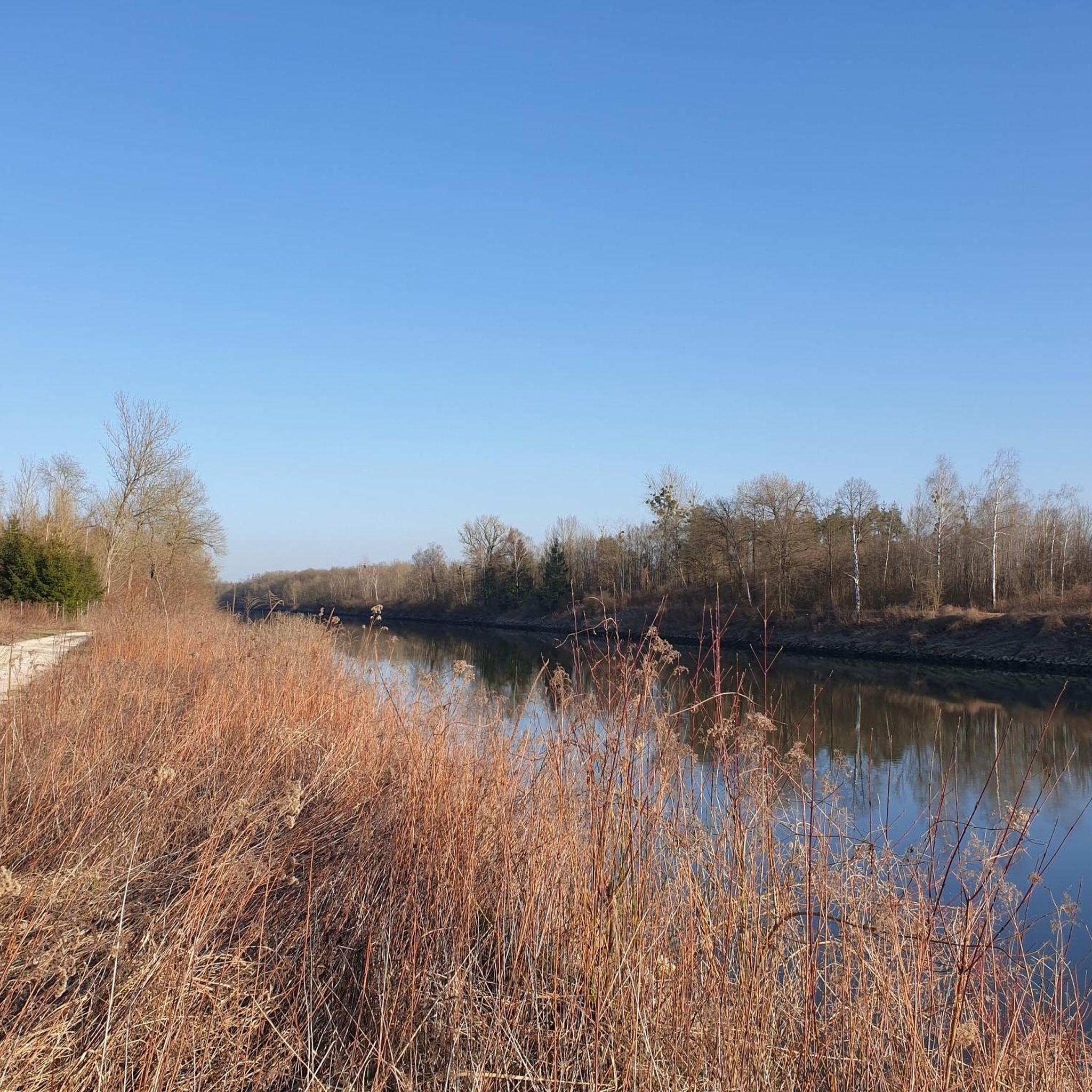
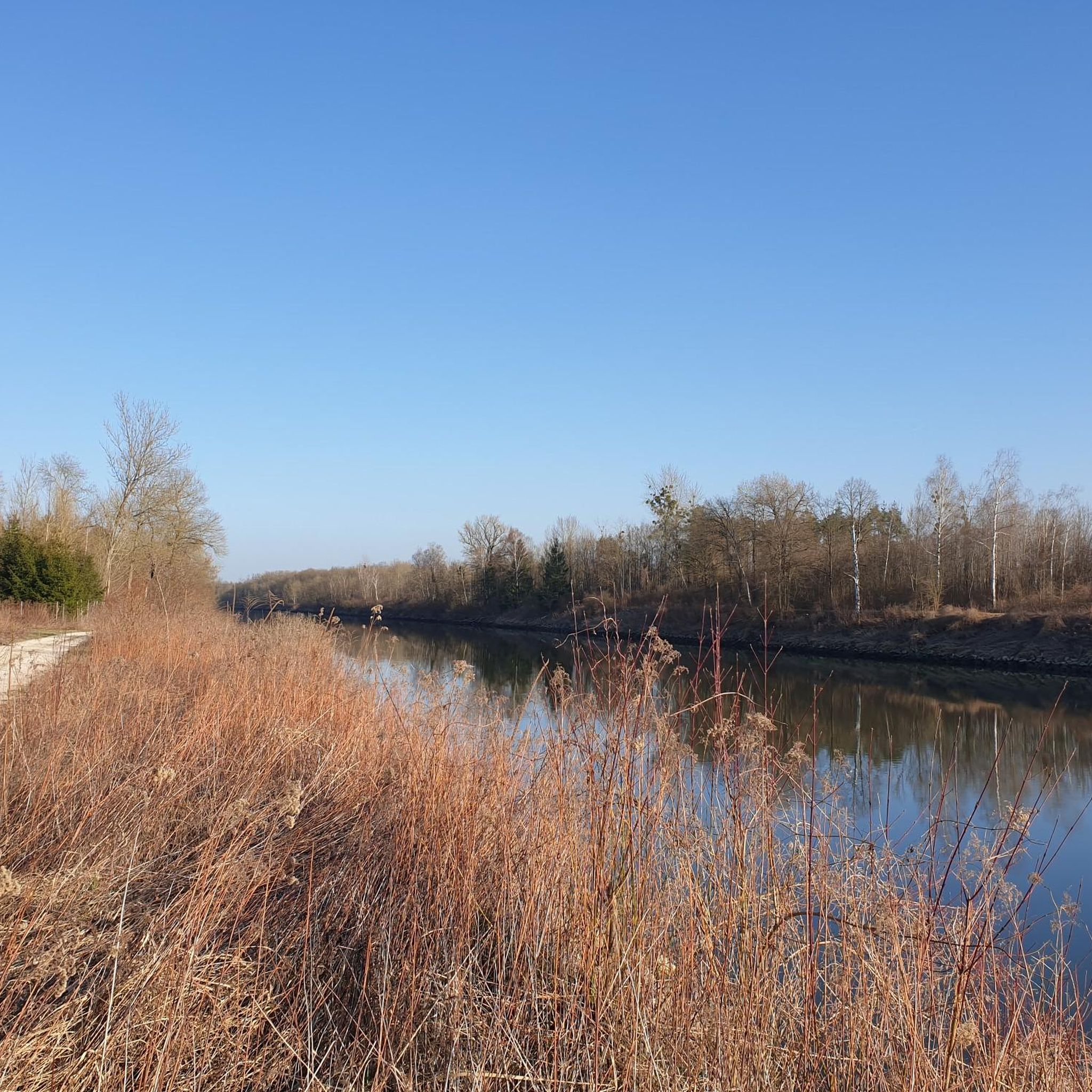
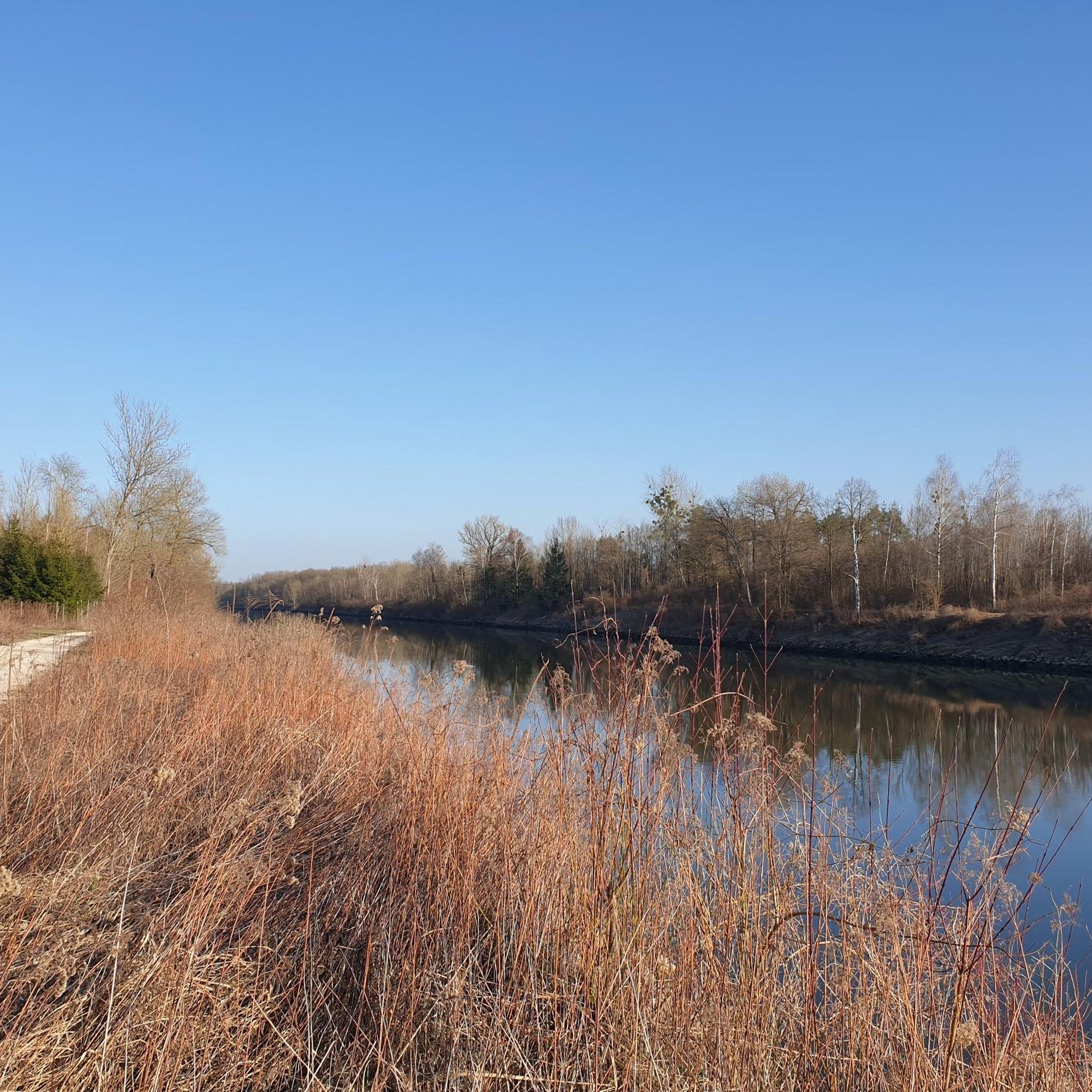
The tour leads right into an interesting section of the Donau-Auen (European protected area). You will pass an old fort surrounded by an oval moat and standing on an artificial island. There are waterfowl and beavers. Parts of the trail may be flooded after prolonged rainfall. In places, the path narrows to a narrow path, over which fallen trees lie and which is lined on the left and right by vegetation, some of which is tall. Long pants and tops with long sleeves and sturdy shoes are therefore recommended, also because of the many mosquitoes. The atmosphere is jungle-like. You should have very good local knowledge or a working navigation system (battery!), otherwise you can get quite lost.
1
0

Beautiful area here in the Auwald.
0
0
Frequently Asked Questions
What unique natural features can I explore in Stanglettenschütt?
Stanglettenschütt is characterized by its riverine environment and rich biodiversity, particularly along the Danube. You can explore significant alluvial forests, ancient trees like the Old black poplar with its strong, gnarled growth, and valuable biotopes such as the Jackl-Brenne Biotope, which is rich in diverse flora and fauna.
Are there any historical natural monuments in Stanglettenschütt?
Yes, the Moat of Fort Rosenschwaig is a natural monument with historical significance. It features a circular moat that once surrounded an artificial island with an old fort, now serving as a habitat for beavers and waterfowl within the Donau-Auen.
What kind of wildlife might I encounter in Stanglettenschütt's natural monuments?
The region's natural monuments, especially the alluvial forests and biotopes, are home to diverse wildlife. At the Jackl-Brenne Biotope, you might spot tree frogs, grass snakes, tree pipits, wrynecks, and various orchids. The Moat of Fort Rosenschwaig is known for beavers and waterfowl.
Are the natural monuments in Stanglettenschütt suitable for families?
Many areas are family-friendly. The Old black poplar and the Danube Flood Marker in the Riparian Forest are accessible and offer interesting sights for all ages. The Danube Floodplain Forest Revitalization Project also provides an educational experience about ecological efforts.
Can I bring my dog to the natural monuments in Stanglettenschütt?
While specific rules for each natural monument vary, generally, dogs are welcome on trails and in natural areas in Stanglettenschütt, provided they are kept on a leash and owners clean up after them. Always check local signage for any restrictions.
What is the best time of year to visit the natural monuments in Stanglettenschütt?
The natural monuments in Stanglettenschütt are beautiful year-round. Spring and autumn offer pleasant temperatures for exploring the alluvial forests and biotopes, with vibrant flora and fauna. Summer is ideal for enjoying the riverine environment, though be prepared for mosquitoes, especially after rainfall. Winter can offer a serene, quiet experience, but some paths might be muddy or flooded.
Are there hiking opportunities around the natural monuments in Stanglettenschütt?
Yes, the region offers various hiking opportunities. For example, you can find routes like the 'Grünau Hunting Lodge – View of the lake loop from Rohrenfeld' or the 'View of the Danube – View of the lake loop from Bergheim'. You can explore more hiking trails in the area by visiting the Hiking in Stanglettenschütt guide.
What other outdoor activities are available near Stanglettenschütt's natural monuments?
Beyond hiking, Stanglettenschütt offers excellent opportunities for cycling. You can find numerous routes for mountain biking and road cycling. For detailed routes, check out the MTB Trails in Stanglettenschütt guide and the Road Cycling Routes in Stanglettenschütt guide.
How difficult are the trails or areas around Stanglettenschütt's natural monuments?
The difficulty varies. Some areas, like the Jackl-Brenne Biotope, are considered intermediate. The Moat of Fort Rosenschwaig can be challenging, with paths narrowing, fallen trees, and potential flooding, making long pants and sturdy shoes advisable. Many family-friendly spots are generally easy to navigate.
Are there any hidden gems among the natural monuments in Stanglettenschütt?
The Jackl-Brenne Biotope, though well-known locally, is a rich natural treasure that flows completely hidden in the Donauaue, offering a paradise for beavers and a diverse ecosystem that feels like a hidden gem to many visitors.
What are the parking options for visiting the natural monuments in Stanglettenschütt?
Specific parking information for each natural monument is best checked locally or on detailed route descriptions. Generally, parking is available at trailheads or designated areas near popular natural sites. Public transport options might also be available to some locations.
Are there cafes or accommodation options near the natural monuments in Stanglettenschütt?
While the guide focuses on the natural monuments themselves, the surrounding region of Stanglettenschütt, particularly towns and villages along the Danube, offers various cafes, restaurants, and accommodation options. It's advisable to check for specific amenities in nearby settlements before your visit.
Most popular routes in Stanglettenschütt
Most popular attractions in Stanglettenschütt

Get inspired with the komoot mobile app


