Top 3 Natural Monuments around São Bernardo
Best natural monuments around São Bernardo offer diverse natural landscapes for exploration. The region, while known for its urban development, also features significant natural areas. These areas include important conservation units and ecological sites. Visitors can find opportunities for outdoor activities within these natural settings.
Best natural monuments around São Bernardo
- The most popular natural monuments is Aveiro Lagoon - Mira Channel, a river that is a shallow coastal lagoon extending for 45 kilometers. It is divided into three…
Last updated: June 29, 2026
Aveiro Lagoon - Mira Channel
Highlight • River
Translated by Google •
Tip by

View of the Salt Pans, Rua do Sal
Highlight • Viewpoint
Translated by Google •
Tip by

Sign up now to discover places like this
Get recommendations on the best single tracks, peaks, & plenty of other exciting outdoor places.
Sign up for free
Information point - São Jacinto Nature Reserve
Highlight • Rest Area
Tip by

Aveiro Municipal Environmental Interpretation Center (CMIA)
Highlight • Rest Area
Translated by Google •
Tip by

Start today with a free account
Your next adventure awaits.
Login or Signup
Tips from the Community

Salt mining in the Aveiro region dates back to a time before the Ria de Aveiro itself existed, with the first written document about Aveiro salt production dating back to before the founding of the nation. Over the centuries, the instability of the inlet (isolation from the sea) was a decisive factor in the variation in the number and production of salt pans. This resulted in periods of decline interspersed with periods of great favorability for production. This occurred in 1572, when, given the favorable condition of the inlet and the high and progressive commercial and maritime index, Aveiro became one of the best ports in Portugal, with a significant increase in salt trade and cod fishing. In 1808, the new inlet (an artificial system that allows seawater to enter) was finally opened, a fact of exceptional importance for the future of Aveiro and the entire region. (Source: Wikipedia) (Source: Wikipedia)⁶
13
0

The CMIA ("Centro Municipal de Interpretacao Ambiental") is located right on the edge of the extensive saltworks landscape. It offers an interesting and varied exhibition with stuffed birds and other animal species, well-made and helpful display boards and other displays. The expert staff are happy to help with many further questions. From the walkable roof of the center there are great views of the extensive wetlands of the original saltworks landscape. Binoculars are also available. Outside there are covered table groups for resting and some educational games.
2
1

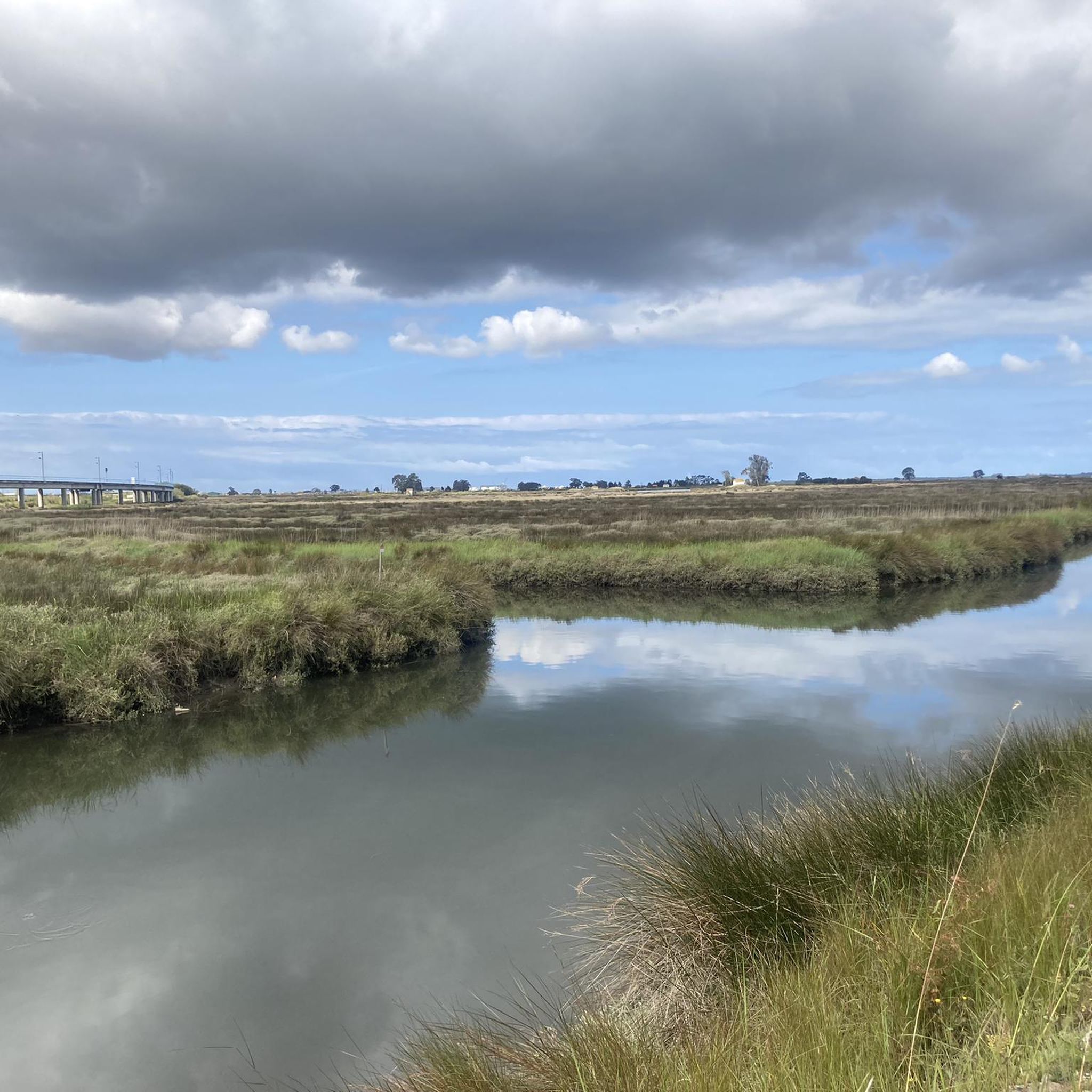
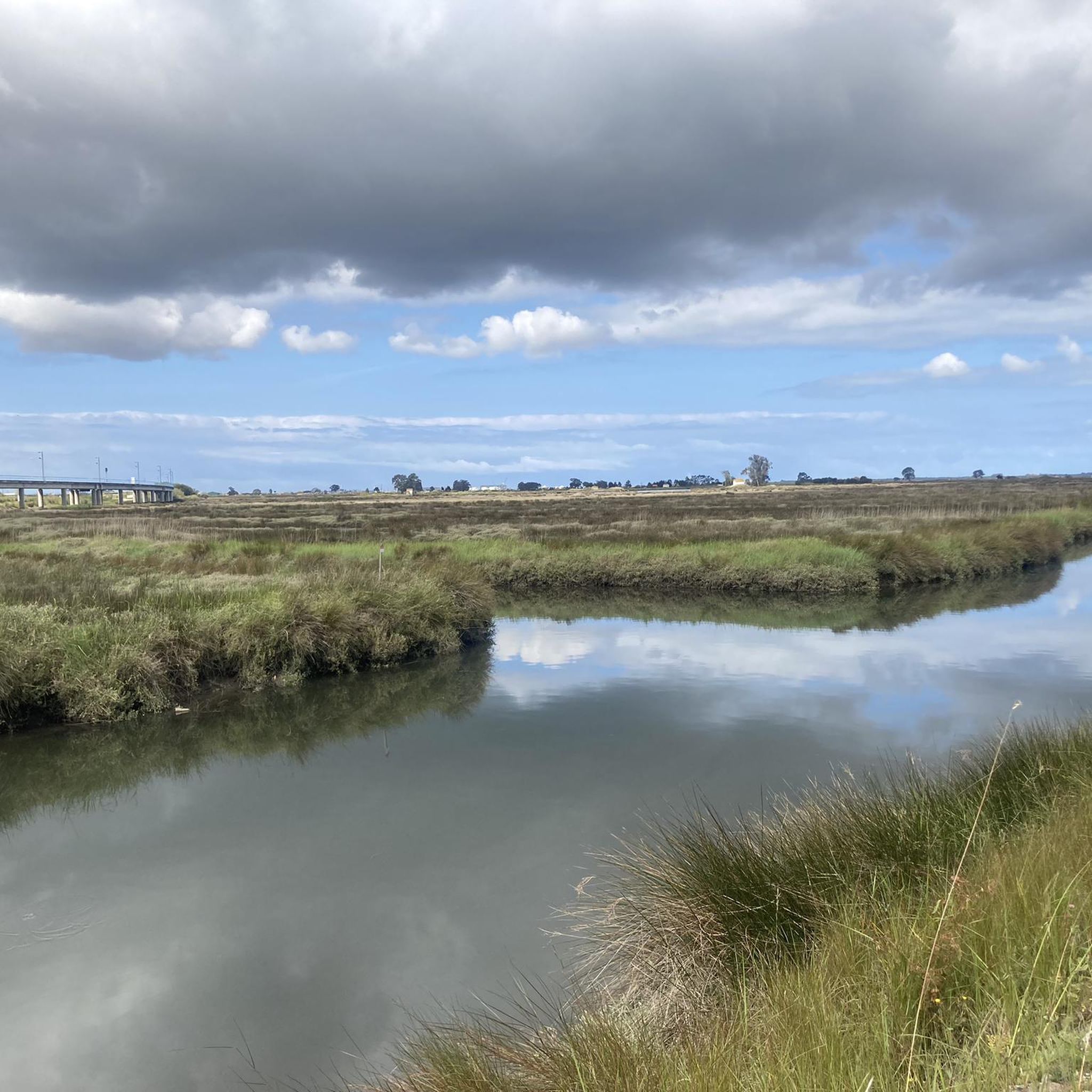
The Ria de Aveiro (also known as Foz do Vouga) is a shallow coastal lagoon in the Aveiro region, extending for 45 kilometers. It covers two districts and several locations, including Aveiro, Ílhavo and Mira. It is divided into three main channels, one of which is the Canal de Mira, location of the bridge in question.
0
0

Trailhead with info, restrooms, picnic tables. The trails into the reserve are not mean for bikes, and standard tires would have difficulties on the sandy soft sections. Note the resident mosquito population can be fierce due to the nearby wet areas.
1
0
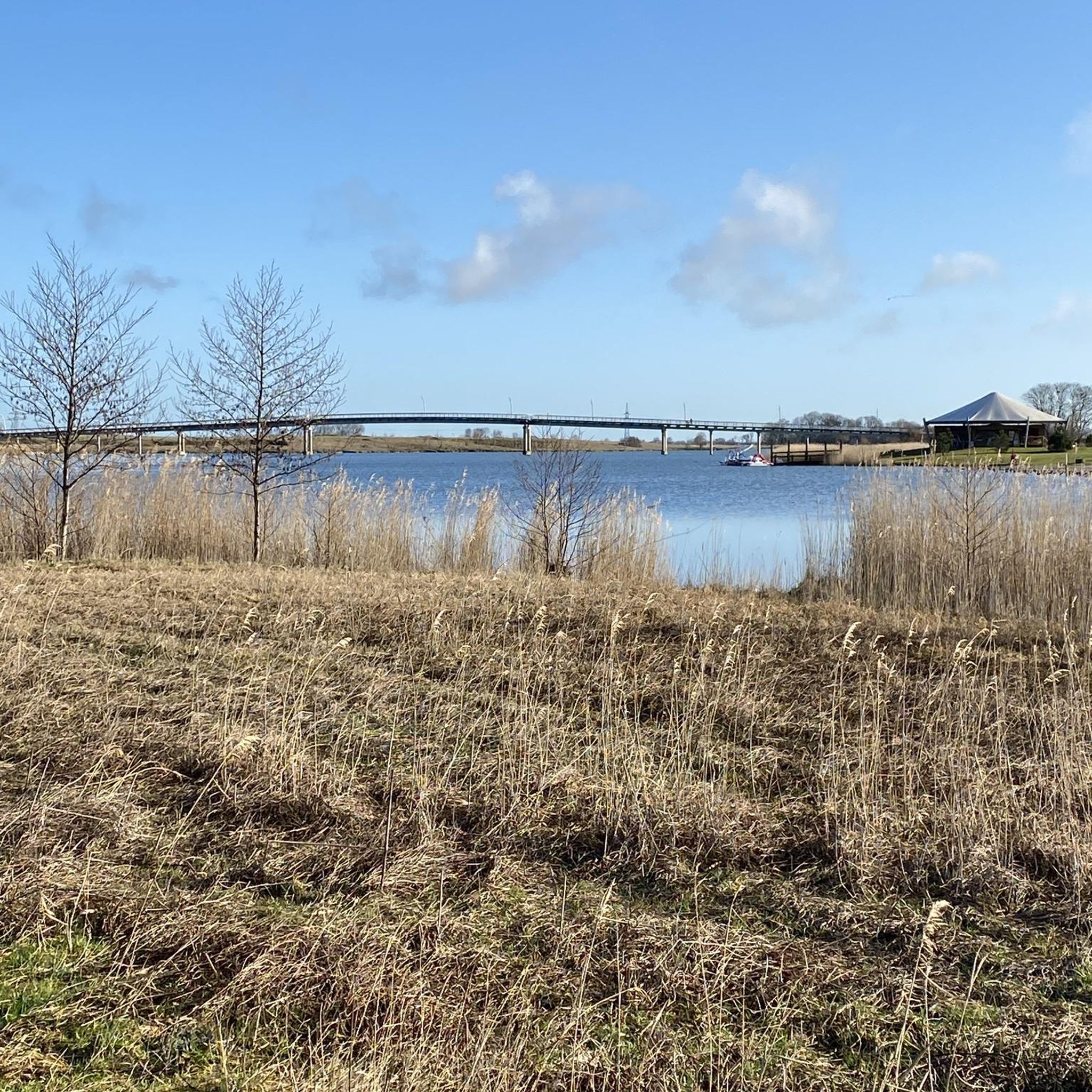
The bridge crosses the beautiful long extension of the coastal lagoon, stretching along the Lagoon from Aveiro to Vagueira
1
0
Frequently Asked Questions
What are the main natural monuments to visit around São Bernardo do Campo?
The primary natural monuments in the region are the Parque Natural Municipal Estoril, located within São Bernardo do Campo, and the Parque Estadual Serra do Mar – Núcleo Curucutu, which is a significant natural area in the broader region, encompassing parts of neighboring municipalities.
What kind of natural features can I expect to see at Parque Natural Municipal Estoril?
Parque Natural Municipal Estoril is a conservation unit protecting fragments of the Atlantic Forest and the serene waters of Represa Billings. You'll find lush forest, diverse flora and fauna, and the expansive reservoir, which is crucial for local water resources.
Are there family-friendly activities available at Parque Natural Municipal Estoril?
Yes, Parque Natural Municipal Estoril is very family-friendly. It features a municipal zoo, walking trails suitable for all ages, a cable car ride with panoramic views, and picnic areas. They also host regular environmental education activities and workshops, especially on weekends.
What makes Parque Estadual Serra do Mar – Núcleo Curucutu an important natural monument?
Núcleo Curucutu is vital for protecting the Atlantic Forest biome, especially its unique nebular fields. It also safeguards the springs and headwaters of rivers that supply major reservoirs, providing water to millions. The area is rich in biodiversity, with over 350 bird species and various mammals.
Can I go hiking or explore trails at Núcleo Curucutu of Serra do Mar State Park?
Absolutely. Núcleo Curucutu offers trails like the Trilha do Mirante and Trilha da Bica. These trails provide opportunities to immerse yourself in the preserved Atlantic Forest and, on clear days, even catch glimpses of the coastline.
What kind of wildlife can be observed in the natural monuments around São Bernardo do Campo?
At Parque Natural Municipal Estoril, you can see around 270 animals of 70 species in its zoo, including endangered ones like the jaguarundi and giant anteater. Núcleo Curucutu is a haven for over 350 bird species, including the Murucututu owl, and larger mammals like peccaries, monkeys, tapirs, and occasionally even jaguars and maned wolves.
What are the water-based activities available at Parque Natural Municipal Estoril?
Visitors to Parque Natural Municipal Estoril can enjoy the waters of Represa Billings. Options include paddleboats, stand-up paddleboarding, and kayaking, offering a unique way to experience the reservoir's tranquility.
Is there an entrance fee for Parque Natural Municipal Estoril or Núcleo Curucutu?
For current information on entrance fees for Parque Natural Municipal Estoril, it's best to check their official channels. For Núcleo Curucutu, you can find details on the state park's website: Parque Estadual Serra do Mar – Núcleo Curucutu.
What is the best time of year to visit the natural monuments in this region?
The region generally experiences a tropical climate. Visiting during the drier, cooler months (typically May to September) might offer more comfortable conditions for exploring trails and outdoor activities, with less humidity and fewer chances of heavy rainfall.
Are there any educational opportunities at these natural monuments?
Yes, Parque Natural Municipal Estoril regularly holds environmental education activities and workshops, especially on weekends. It also features a school nursery and a sensory garden. Núcleo Curucutu, as a conservation unit, also provides valuable insights into the Atlantic Forest ecosystem.
How can I get to Parque Natural Municipal Estoril using public transport?
Parque Natural Municipal Estoril is located within São Bernardo do Campo, and local bus services typically connect to the park. It's advisable to check local public transport routes and schedules for the most up-to-date information on reaching the park.
Are the natural monuments around São Bernardo do Campo suitable for a day trip?
Both Parque Natural Municipal Estoril and Núcleo Curucutu are excellent destinations for a day trip. Parque Estoril offers a blend of recreation and nature close to the city, while Núcleo Curucutu provides a deeper immersion into the preserved Atlantic Forest, ideal for nature enthusiasts and hikers.
Most popular attractions around São Bernardo

Get inspired with the komoot mobile app


Explore more
Extend your search for the best caves by checking out these guides of the top ones around São Bernardo:
