Top 9 Natural Monuments around gmina Bolesławiec
Best natural monuments around gmina Bolesławiec include a diverse range of geological formations and ancient trees. The region features unique sandstone rock formations, inland sand dunes, and protected arboreal specimens. These natural features offer insights into the area's geological history and ecological value. The landscape provides opportunities to explore varied natural environments.
Best natural monuments around gmina Bolesławiec
- The most popular natural monuments is Lwówek Rocks, a group of sandstone rock formations. It consists of interesting rock formations and labyrinths with cliffs up to 30 meters high.
- Another must-see spot is Pustynia Kozłowska, an area of exposed sand dunes. These dunes were formed after the last ice age and are located within the Lower Silesian Forests.
- Visitors also love Dzban and Elephant's Bottom Sandstone Rocks, two interesting rock formations. They are situated next to a small reservoir, with an observation deck nearby offering views of the rocks and the "lagoon."
- gmina Bolesławiec is known for its sandstone rock formations, sand dunes, and ancient trees. The area offers a variety of natural monuments to see and explore, showcasing diverse geological and arboreal features.
- The natural monuments around gmina Bolesławiec are appreciated by the komoot community, with more than 10 photos and 14 upvotes.
Last updated: June 29, 2026
Pustynia Kozłowska
Highlight • Natural Monument
The dunes in the Lower Silesian Forests are the product of aeolian processes, they were formed in the period after the end of the last ice age until they were covered with vegetation.
The creation of the Kozłowska Desert was caused by the activity of a Soviet military training ground, operating until 1992, when the dune served as a shield for rockets and artillery shells.
Translated by Google •
Tip by

Lwówek Rocks
Highlight • Natural Monument
pl.wikipedia.org/wiki/Szwajcaria_Lw%C3%B3wecka
Translated by Google •
Tip by

Sign up now to discover places like this
Get recommendations on the best single tracks, peaks, & plenty of other exciting outdoor places.
Sign up for free
Lwóweckie Skały
Highlight • Natural Monument
Translated by Google •
Tip by

Dzban and Elephant's Bottom Sandstone Rocks
Highlight • Natural Monument
Translated by Google •
Tip by

Silesian Ramparts
Highlight • Historical Site
These are the until-recently-mysterious Silesian Ramparts, built in the 14th and 15th centuries on the border of the former Duchy of Głogów. The medieval Szprotawa District (districtus sprotaviensis) bordered the Duchy of Żagań to the west and the Duchy of Jawor to the south.
The structure was enormous considering the local conditions. A system of ramparts and ditches was painstakingly constructed over several dozen kilometers, terminating at rivers or marshes. Sometimes the fortifications were so strong that they consisted of up to four adjacent ramparts. Hedges were planted and maintained on their crests to prevent sudden intrusions into the duchy. To give you an idea, at some sites the fortification system was over 40 meters wide with the height of the ramparts being about 2.5 meters!
Translated by Google •
Tip by

Sign up for free to discover even more natural monuments around gmina Bolesławiec.
Sign up for free
Already have an account?
Start today with a free account
Your next adventure awaits.
Login or Signup

Tips from the Community

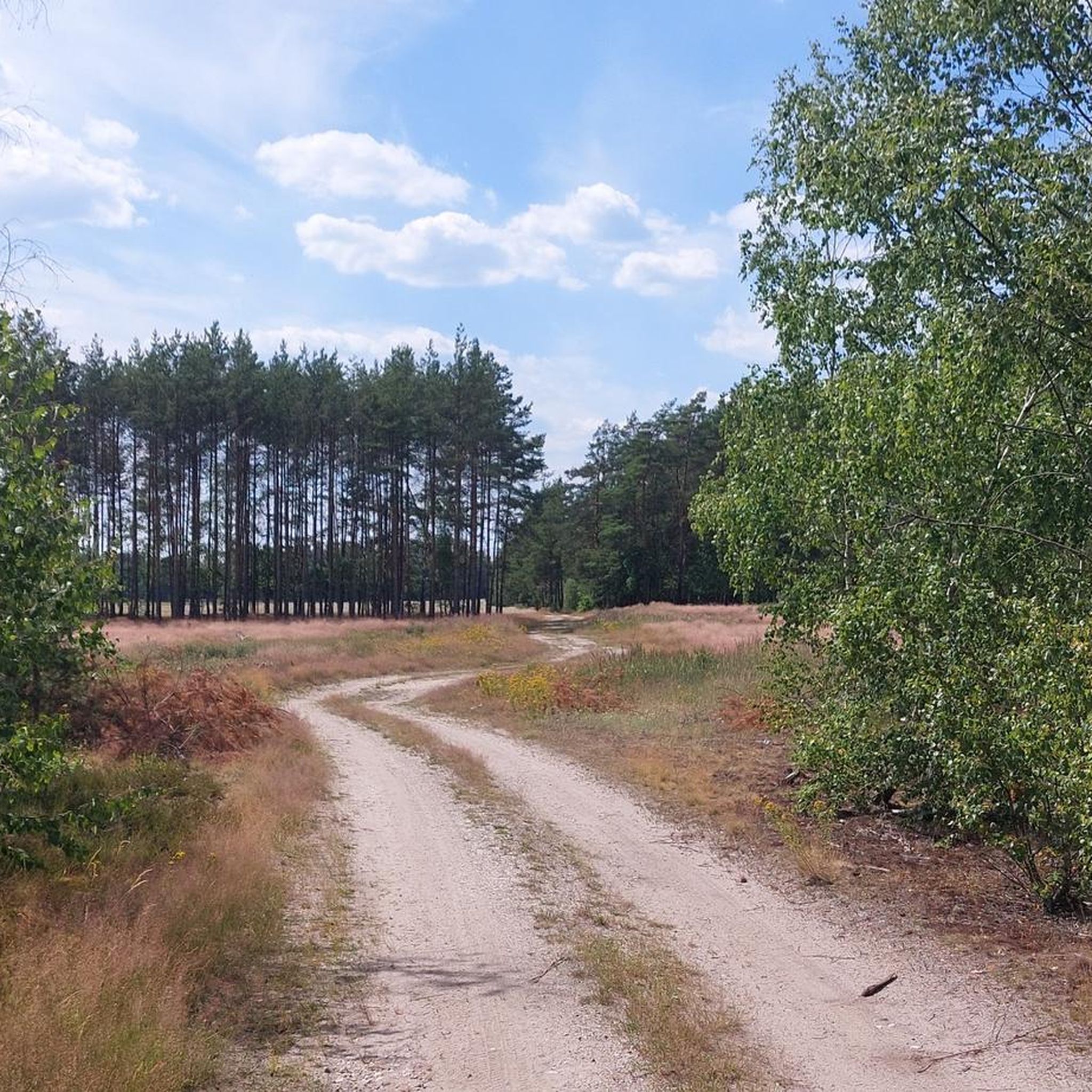
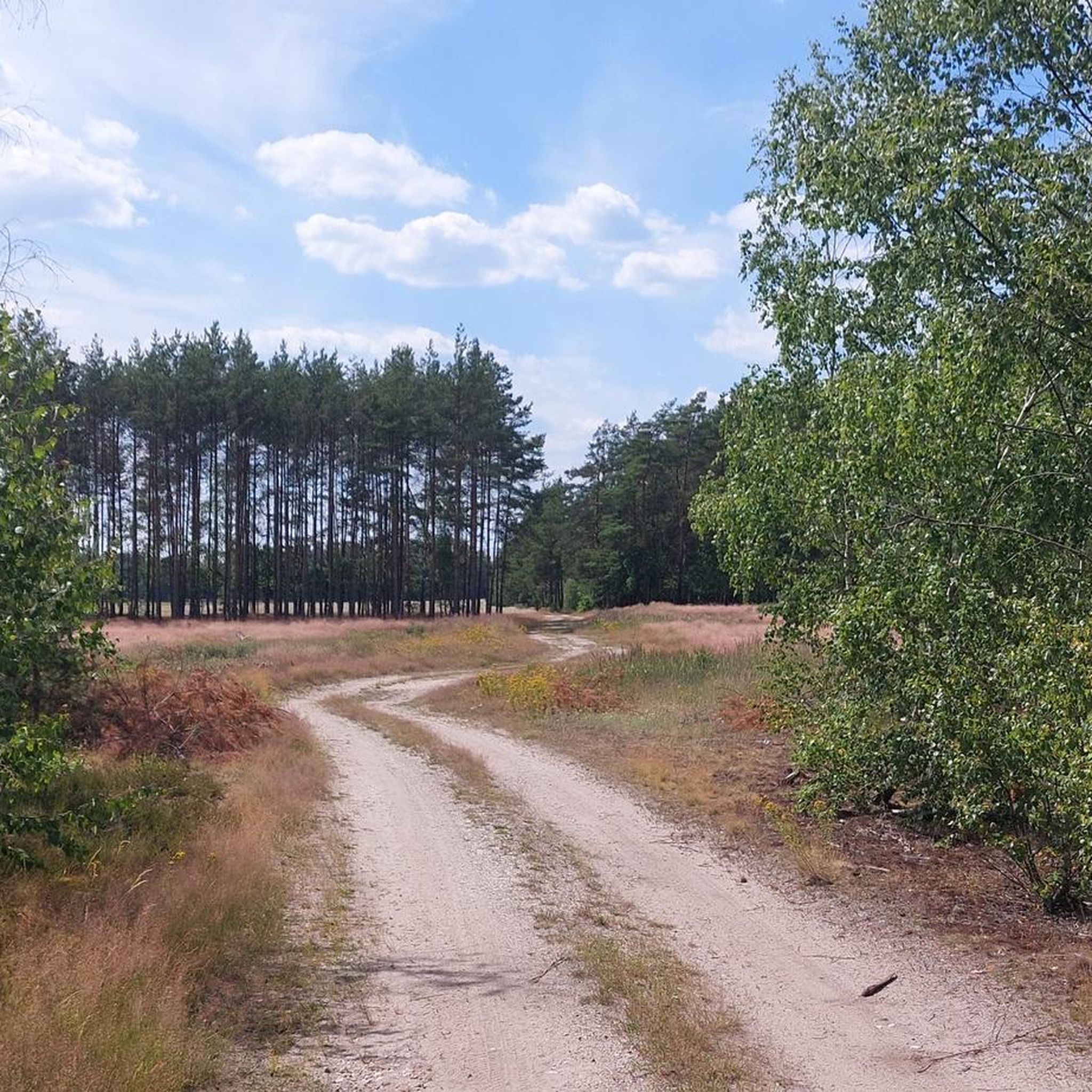
The fastest route is from Leszno Górne. A little further from Przemków. Whichever route you choose, you'll still be riding on excellent gravel road.
2
0
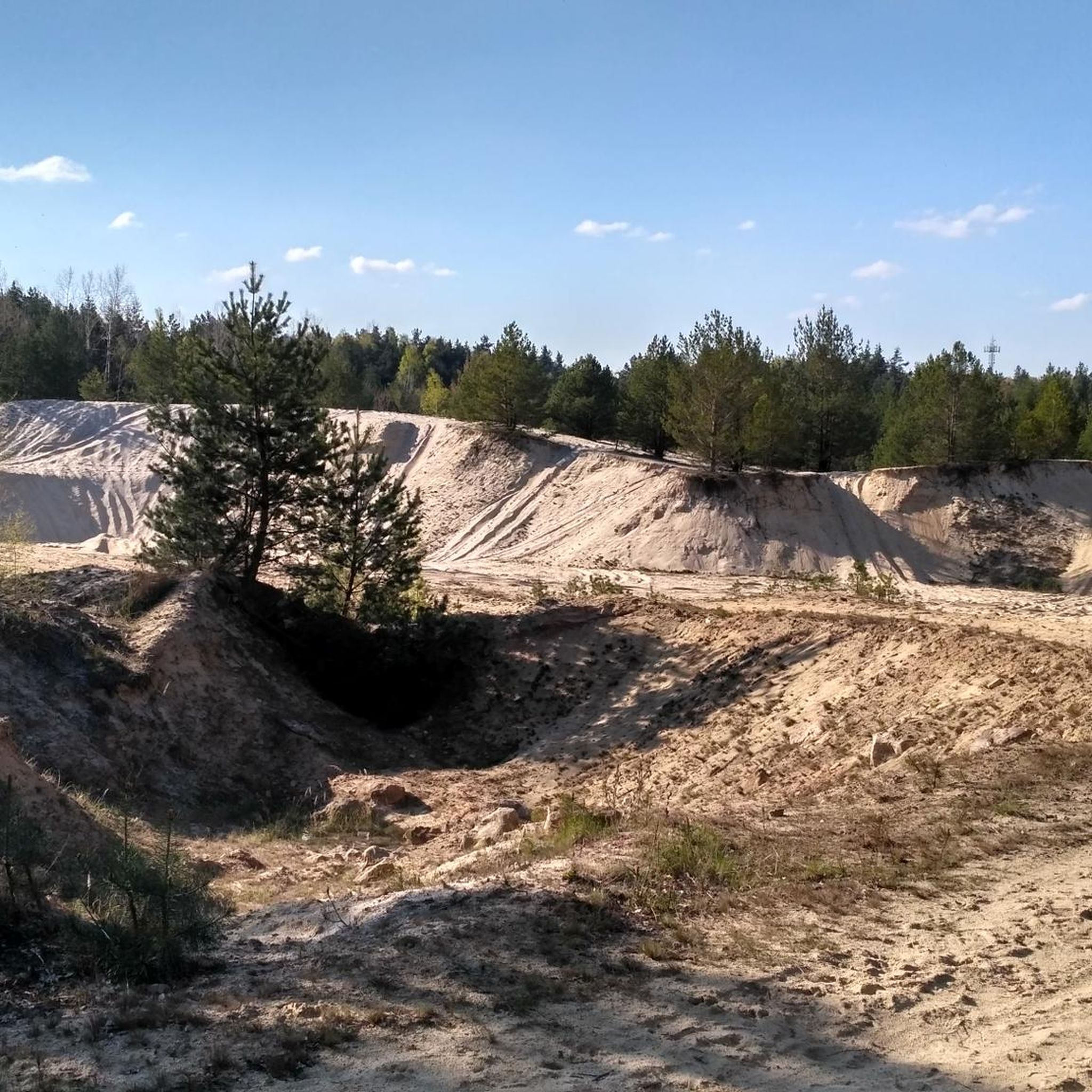
The Kozłowska Desert is an area of exposed sand dunes located in the Lower Silesian Voivodeship, within the Lower Silesian Forest, approximately 17 km southeast of Szprotawa. The formation of the Kozłowska Desert was influenced by the activities of a German, and later Soviet, military training ground, which operated until 1992, when the dune served as a shield for rockets and artillery shells. At that time, the bare areas of exposed sand covered over 100 hectares. After 1992, vegetation succession occurred, but a section of the desert is undergoing conservation efforts to preserve its existing terrain.
1
0

The Silesian Ramparts are the longest archaeological site in Poland. This medieval structure is considered the equivalent of the famous Great Wall of China. These are the until-recently-mysterious Silesian Ramparts, built in the 14th and 15th centuries on the border of the former Duchy of Głogów. The medieval Szprotawa District (districtus sprotaviensis) bordered the Duchy of Żagań to the west and the Duchy of Jawor to the south. The structure was enormous considering the local conditions. A system of ramparts and ditches was painstakingly constructed over several dozen kilometers, terminating at rivers or marshes. Sometimes the fortifications were so strong that they consisted of up to four adjacent ramparts. Hedges were planted and maintained on their crests to prevent sudden intrusions into the duchy. To give you an idea, at some sites the fortification system was over 40 meters wide with the height of the ramparts being about 2.5 meters!
0
0

Lwóweckie Skały is a picturesque group of rock formations located on the outskirts of Lwówek Śląski, in the Kaczawskie Mountains. It is made up of unique sandstone monadnocks, which have been shaped by erosion over the centuries, giving them fanciful shapes. The most famous of them are Szwajcaria Lwówek and the rocks in the area of Pałka and Wzgórza Skałka. This place is perfect for a short hike, as well as a bike route, especially for people who like light off-road challenges. It is worth taking solid shoes, because the paths can be rocky, and from some of the rocks there are beautiful views of the Bóbr Valley and the surroundings of Lwówek Śląski.
2
0

Kozłowska Desert - an area of exposed sand dunes located in the Lower Silesian Voivodeship, in the Lower Silesian Forests, located approximately 17 km southeast of Szprotawa. The dunes in the Lower Silesian Forests are the product of aeolian processes, they were formed in the period after the end of the last ice age until they were covered with vegetation. The creation of the Kozłowska Desert was caused by the activity of a Soviet military training ground, operating until 1992, when the dune served as a shield for rockets and artillery shells.
2
0

Lwówecké Rocks (Czech: Lwówecké Švýcarsko, German: Löwenberger Schweiz) – a group of sandstone rock formations in Lwówek Śląski, located in the Bóbr Valley Landscape Park, resembling the structures that built the Table Mountains. Löwenberger Schweiz is located southeast of the city center at an altitude of 250-260 m above sea level. It consists of interesting rock formations and labyrinths with cliffs up to 30 m high. https://pl.wikipedia.org/wiki/Szwajcaria_Lw%C3%B3wecka
3
0


Two interesting rocks are located in a beautiful hidden corner next to a small reservoir by a hydroelectric plant. Nearby there is a small observation deck overlooking the "lagoon" and the rocks.
0
0
Frequently Asked Questions
What types of natural monuments can I explore in Gmina Bolesławiec?
Gmina Bolesławiec offers a diverse range of natural monuments. You can discover impressive sandstone rock formations, unique inland sand dunes, and numerous ancient, protected trees like oaks and lindens. These features showcase the region's geological history and rich arboreal heritage.
Are there any unique geological features to see in the area?
Yes, the region is known for its distinctive geological formations. You can visit the Lwówek Rocks, a group of sandstone formations with cliffs up to 30 meters high, resembling the Table Mountains. Another unique spot is Pustynia Kozłowska, an area of exposed sand dunes formed after the last ice age, located within the Lower Silesian Forests.
Where can I find impressive ancient trees in Gmina Bolesławiec?
Gmina Bolesławiec is home to many ancient and protected trees. Notable examples include the 'Tomek' and 'Anita' oaks in Nowe Jaroszowice, and the 'Hetman' and 'Wiktoria' oaks in Kruszyn, some of which are centuries old. You can also find ancient lindens like 'Dzika' in Bolesławice and 'Leśna Pani' near the A-4 motorway, which was officially recognized as a natural monument in 1994.
What are some of the most popular natural monuments in the region?
Among the most popular natural monuments are the Lwówek Rocks, known for their interesting rock formations and labyrinths. Visitors also highly recommend Pustynia Kozłowska, the exposed sand dunes, and the Dzban and Elephant's Bottom Sandstone Rocks, which are situated next to a small reservoir with an observation deck.
What outdoor activities can I do near these natural monuments?
The area around Gmina Bolesławiec offers various outdoor activities. You can find numerous routes for hiking, running, and gravel biking. For example, there are several hiking trails around Pustynia Kozłowska, and the Lwóweckie Skały are perfect for short hikes or bike rides. You can explore more options in the Hiking around gmina Bolesławiec, Running Trails around gmina Bolesławiec, and Gravel biking around gmina Bolesławiec guides.
Are there any family-friendly natural monuments in the Bolesławiec area?
Many of the natural monuments, particularly the ancient trees and accessible rock formations, can be enjoyed by families. The Dzban and Elephant's Bottom Sandstone Rocks, with their nearby reservoir and observation deck, offer an engaging spot for all ages. Exploring the sand dunes at Pustynia Kozłowska can also be a unique experience for children.
What is the best time to visit the natural monuments in Gmina Bolesławiec?
The natural monuments can be visited year-round, but the best time often depends on your interests. For enjoying the vibrant heathlands, especially the Cietrzewiowe Heather Moorland, August and September are ideal during the blooming season. Spring and autumn offer pleasant temperatures for hiking and exploring the rock formations and ancient trees, with beautiful foliage in the fall.
Can I visit natural monuments that have historical significance?
Yes, several natural monuments are located near historical sites, adding to their appeal. For instance, the 'Strażnik' oak, planted in 1744, grows near the ruins of an evangelical church in Stare Jaroszowice. In Ocice, the 'Weteran' oak stands near former manor farm buildings of a 16th-century Renaissance manor. In Kraszowice, the 'Haneczka' linden is found behind the ruins of another 16th-century Renaissance manor, blending natural beauty with historical context.
Are there any natural monuments that offer viewpoints?
Yes, several locations provide excellent viewpoints. The Lwówek Rocks and Lwóweckie Skały offer scenic vistas, particularly of the Bóbr Valley. Additionally, near the Dzban and Elephant's Bottom Sandstone Rocks, there's a small observation deck overlooking the 'lagoon' and the rock formations.
What is the Cietrzewiowe Heather Moorland and where is it located?
The Cietrzewiowe Heather Moorland is an ecological use area within the Przemkowski Landscape Park, located about 30 km northeast of Bolesławiec. It covers a vast area of heath, inland dunes, and sandy areas with psammophilous vegetation, formed as a result of deforestation in a former military training ground. It's a significant natural area known for its unique ecosystem.
What do visitors enjoy most about the natural monuments in Gmina Bolesławiec?
Visitors appreciate the remarkable age and impressive size of the ancient trees, which offer a glimpse into the region's natural heritage. The unique geological formations like the sandstone rocks and sand dunes provide varied landscapes for exploration. Many find tranquility and a sense of connection to nature, often combined with the historical context of nearby ruins or old settlements.
Most popular routes around gmina Bolesławiec
Most popular attractions around gmina Bolesławiec

Get inspired with the komoot mobile app


Explore more
Extend your search for the best caves by checking out these guides of the top ones around gmina Bolesławiec:
