Top 8 Natural Monuments around The Municipal District of Laytown — Bettystown
Natural monuments around The Municipal District of Laytown — Bettystown offer a diverse landscape along Ireland's east coast in County Meath. This area features expansive coastlines, significant dune systems, and rich estuarine ecosystems. The region is characterized by its blend of coastal natural features and ancient historical sites recognized for their natural monument status. Visitors can explore a variety of habitats, from sandy beaches to protected wetlands and ancient megalithic structures.
Best natural monuments around The Municipal District of Laytown…
Last updated: May 17, 2026
Newgrange Passage Tomb
Highlight • Historical Site
Translated by Google •
Tip by

Knowth Megalithic Tombs
Highlight • Historical Site
Translated by Google •
Tip by
Sign up now to discover places like this
Get recommendations on the best single tracks, peaks, & plenty of other exciting outdoor places.
Sign up for free
Brú na Bóinne
Highlight • Historical Site
Translated by Google •
Tip by

Knowth Passage Tomb and Megalithic Art
Highlight • Historical Site
Translated by Google •
Tip by

Dowth Passage Tomb
Highlight • Historical Site
heritageireland.ie/places-to-visit/bru-na-boinne-visitor-centre-newgrange-and-knowth
“… Dowth … Visitors wishing to see Dowth can access the exterior of the monument directly …
Tip by

Ben Head Cliffs
Highlight • Climb
Tip by

Ben Head
Highlight • Viewpoint
Tip by
Start today with a free account
Your next adventure awaits.
Login or Signup
Popular around The Municipal District of Laytown — Bettystown
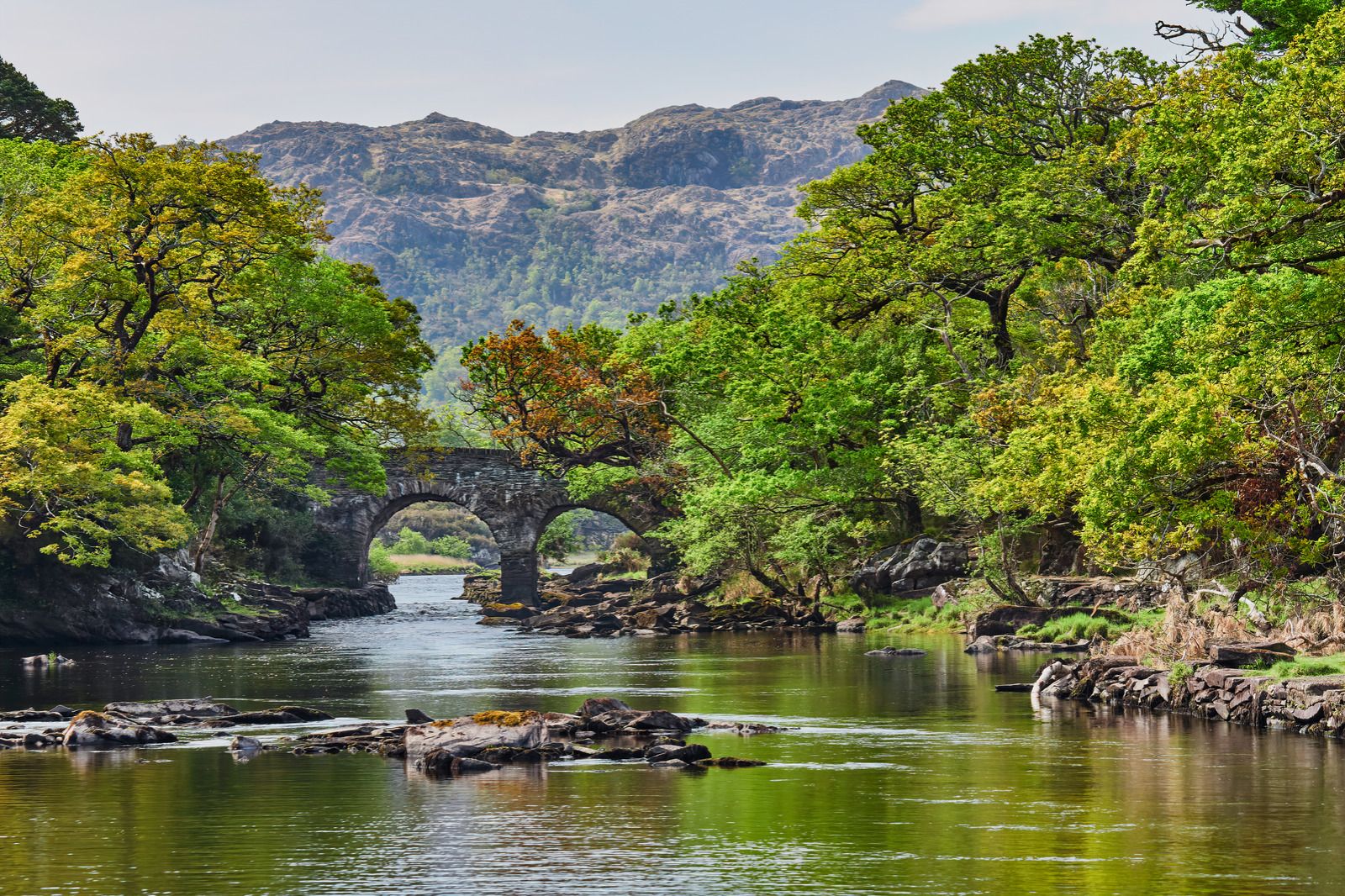
Follow the water - Along Ireland's rivers and lakes
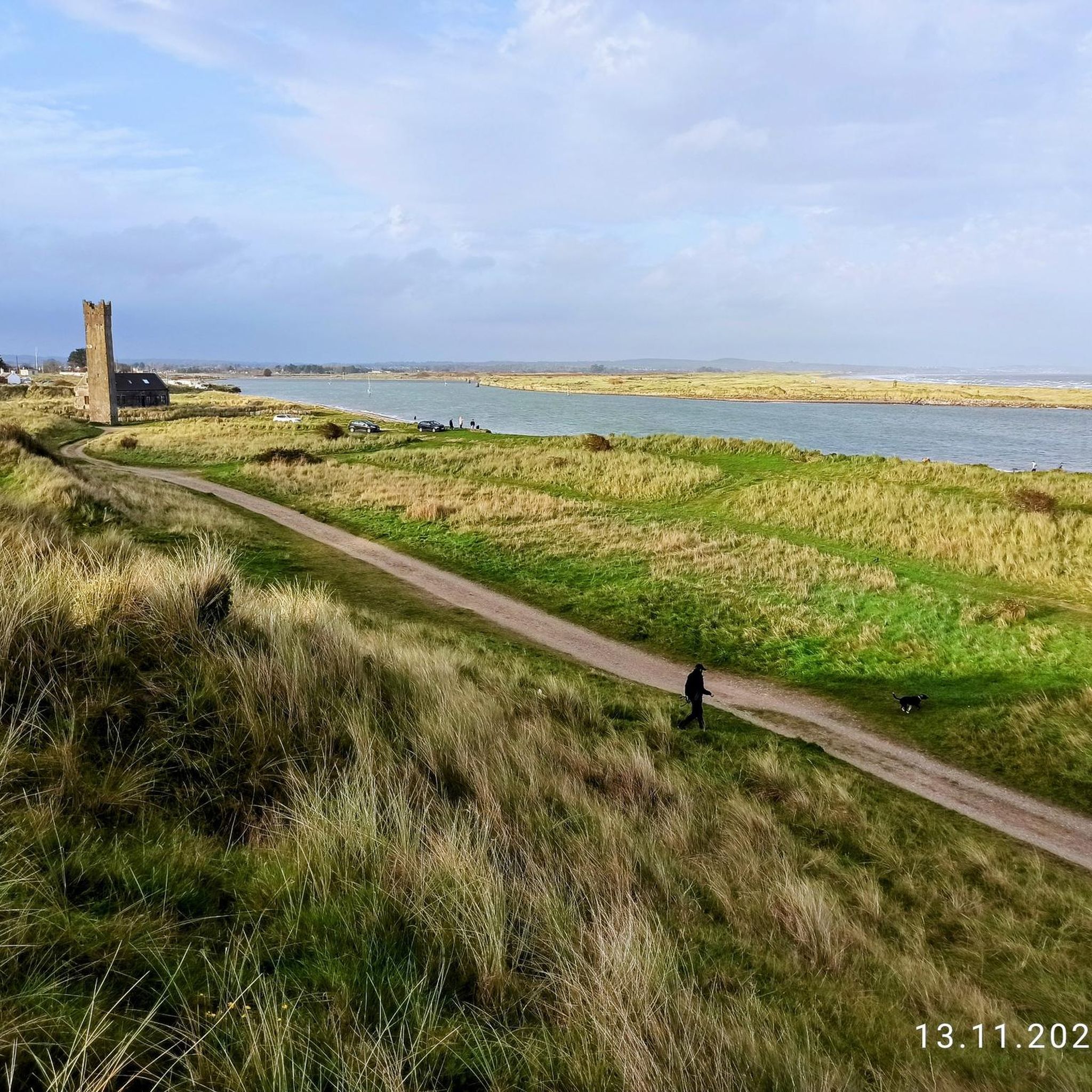
Hiking around The Municipal District of Laytown — Bettystown
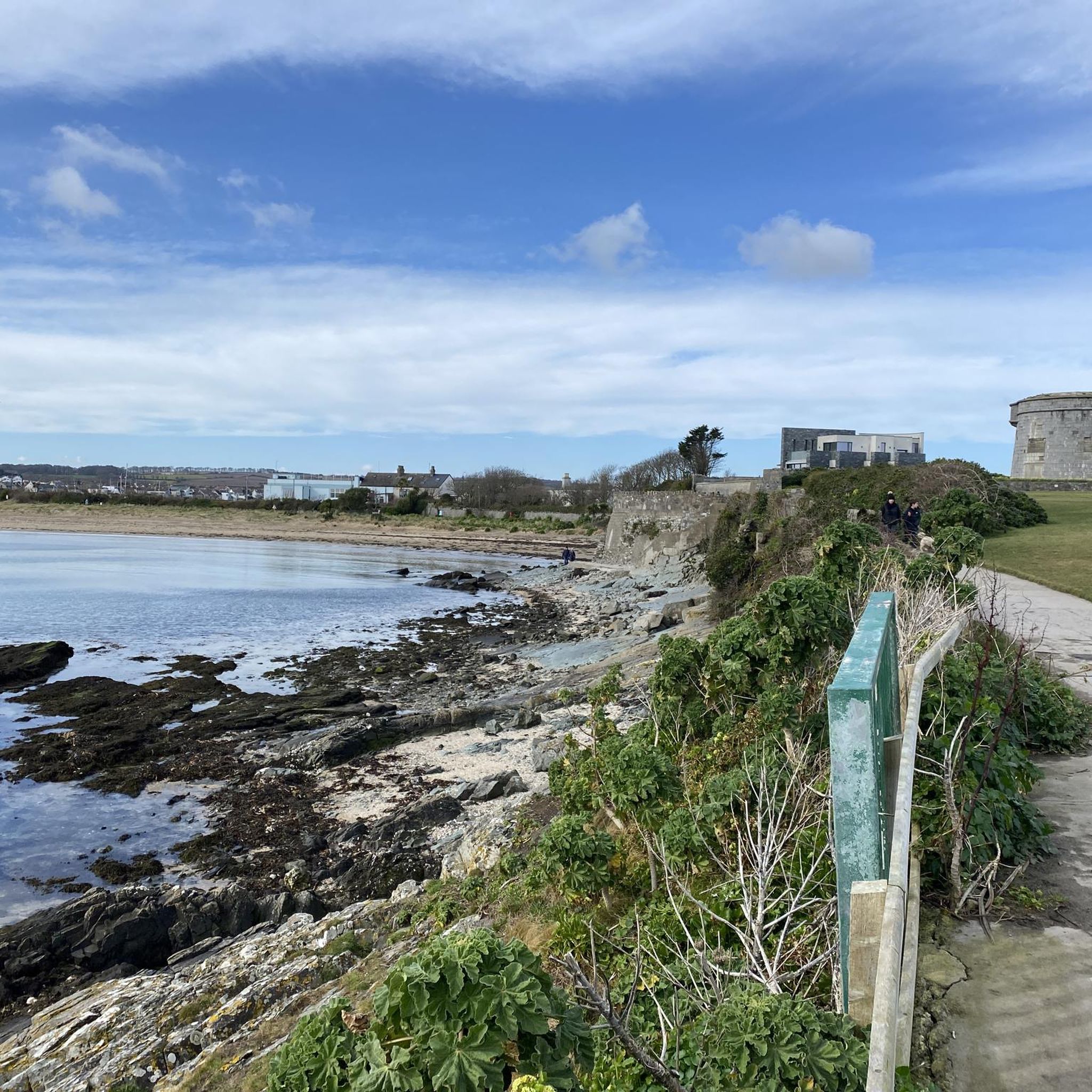
Running Trails around The Municipal District of Laytown — Bettystown
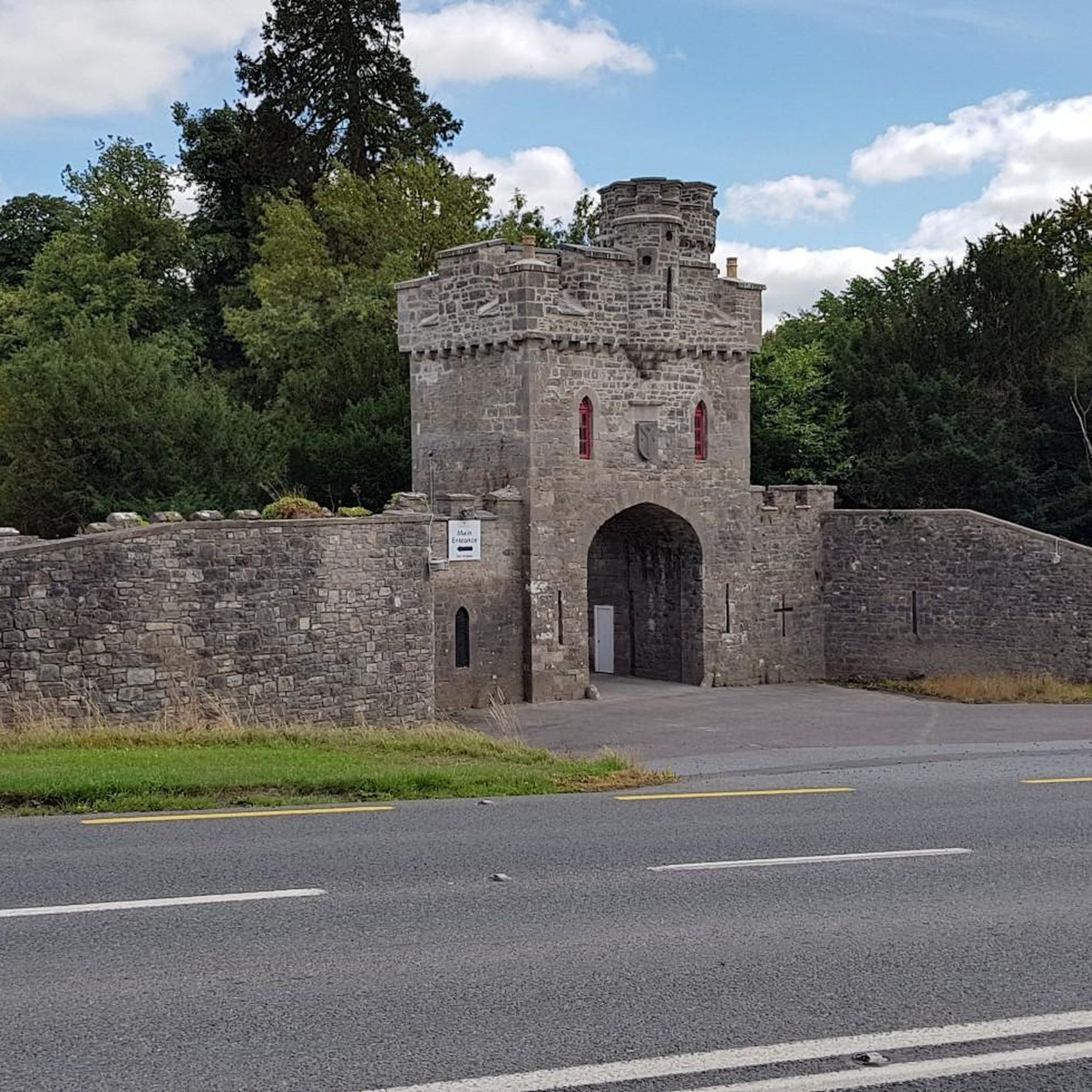
Road Cycling Routes around The Municipal District of Laytown — Bettystown
Cycling around The Municipal District of Laytown — Bettystown
Other adventures around The Municipal District of Laytown — Bettystown

Tips from the Community

Older than Stonehenge and the pyramids, this monument stands in the green countryside of County Meath and tells stories of a time long gone. The journey here takes you along quiet roads along the Boyne until you finally stand in front of the massive burial mound. The intricate decorations on the stones and the special architecture of the cross-shaped chamber are impressive. It is amazing how people back then were able to create such precise construction without modern tools. If you take a break here, you can feel the special energy of the place - as if history itself is whispering through the wind. A detour is worthwhile, especially if you want to incorporate a little culture into your cycling tour. The journey is easy and there are plenty of places to park your bike and explore the area.
1
0

Underground secrets... Newgrange isn't the only passage tomb in Ireland, of course. There are two more in Brú na Bóinne. Along with the nearby Knowth and Dowth tombs, Newgrange has been a UNESCO World Heritage Site since 1993. Not bad for a site that was once doomed to become a quarry! Nearby, at Oldcastle in County Meath, you'll find a lesser-known collection of passage tombs. Around a handful of hills in Loughcrew are several cairns dating back to around 3200 BC. More mysterious and difficult to reach, exploring them is even more like Indiana Jones. If you get the feeling you're being watched, you might be right. About 60km away, on the summit of Slieve Gullion in County Armagh, the passage of another tomb points directly towards Loughcrew. The two cairns at Slieve Gullion are located on either side of the summit lake. The southern grave is said to be aligned with the sunset on the winter solstice. In good weather you can even see Dublin Bay from here. (Source: https://www.ireland.com/de-de/magazine/built-heritage/newgrange/)
2
1
5,000 years. That makes Newgrange older than Stonehenge. It's also older than the Egyptian pyramids. But over the past five millennia, the passage tomb has lost none of its fascination. But let's start from the beginning: There is no direct access to Newgrange. If you're driving, don't let your sat nav take you to Brú na Bóinne/Boyne Valley (latitude 53.694567, longitude 6.4463). The visitor center there sells tickets and you can take a shuttle bus for a guided tour. If you don't have a car, that's no problem either: you can book a day trip from Dublin. Arriving at the iconic tomb is an overwhelming experience. You stand in front of an 80m wide mound, lined with decorated stones and covered in white Wicklow quartzite. A guide tells you about the myths and history behind the landmark. Newgrange could have been a tomb or a temple. Nobody knows for sure. The truth will remain hidden forever. (Source:https://www.ireland.com/de-de/magazine/built-heritage/newgrange/)
2
1
Newgrange was built by a farming community that prospered on the fertile soils of the Boyne Valley. Knowth and Dowth are similar mounds that, along with Newgrange, have been designated UNESCO World Heritage Sites. Archaeologists classified Newgrange as a passage tomb, but today Newgrange is recognized as much more than a passage tomb. The term "ancient temple" is more accurate, a place of astrological, spiritual, religious and ceremonial significance, just as today's cathedrals are places of prestige and worship where dignitaries can be laid to rest. Newgrange is a large kidney-shaped mound covering an area of over an acre, supported at the base by 97 kerbstones, some of which are richly decorated with megalithic art. The 19 m (62 ft) long inner passage leads to a cruciform chamber with a corbelled roof. The amount of time and effort that went into building Newgrange suggests a well-organized society with specialized groups responsible for different aspects of construction. Newgrange is part of a complex of monuments built along a bend in the River Boyne, commonly known as Brú na Bóinne. The other two main monuments are Knowth (the largest) and Dowth, but there are up to 35 smaller mounds throughout the area. (Source: https://www.newgrange.com/)
4
0
interesting @Christian427: I was there with a friend in 1995. We were even able to spend the night on the lawn next door. A great experience with a couple and in the morning after breakfast together we went on a tour of Newgrange. Today we were there: a mega visitor center, but with (entrance fee: 5 euros) it was quite OK and really well prepared. However, we were on our way back to Dublin and the next bus didn't leave for 1.5 hours later. It would not be possible to visit from the inside, only from the outside (according to the lady at the ticket office). The shuttle bus tour would be just over 50 minutes and with a stopover around 2 hours (but can only be booked online in advance). You don't have to/can't book the visitor center alone online.
3
0

In 1994 I was in Newgrange and Knoth. Back then I could just drive to Newgrange, park my bike right at the entrance of the site and buy a ticket in a small booth for little money - very simple. Even in 2017 this was no longer possible - just driving there. There was a visitor center, located south of Newgrange - with admission and bus transfer to Newgrange and Knoth. It is possible to book only Newgrange or only Knoth - or both together. Everything planned - small groups and a tour every half hour... I got a sticker on my jacket - which told me when it was my turn and which bus I had to board... In Newgrange then the same game - small groups - clearly well-organized who was up next... Also the further bus transfer to Knoth - my group got 10 minutes to walk around the site alone - the bus was already moving on. Knoth has become great - the whole thing beautifully restored! In 1994 Knoth was still a construction site - there was nothing to see then. Here too, unfortunately, only a short time to walk around alone - the bus was already ready for the return trip to the visitor center... But it was nice! I will definitely come by again!
3
0

The World Heritage Property of Brú na Bóinne is Ireland’s richest archaeological landscape and is situated within a bend in the River Boyne. Brú na Bóinne is famous for the spectacular prehistoric passage tombs of Knowth, Newgrange and Dowth which were built circa 3200BC. These ceremonial structures are among the most important Neolithic sites in the world and contain the largest collection of megalithic art in Western Europe. (https://heritageireland.ie/places-to-visit/bru-na-boinne-visitor-centre-newgrange-knowth-and-dowth/)
3
0

Office of Public Works (Brú na Bóinne Visitor Centre (Newgrange and Knowth), 2023-12-22): https://heritageireland.ie/places-to-visit/bru-na-boinne-visitor-centre-newgrange-and-knowth/ “… Dowth … Visitors wishing to see Dowth can access the exterior of the monument directly via the N51. There is no access via the Visitor Centre.” Wikipedia (Newgrange (Irish: Sí an Bhrú), 2023-12-22): https://en.m.wikipedia.org/wiki/Dowth https://de.m.wikipedia.org/wiki/Dowth Wikipedia (List of National Monuments in County Meath, 2023-12-22): https://en.m.wikipedia.org/wiki/List_of_National_Monuments_in_County_Meath “National Monument 652 … Dowth Passage Tomb …” TheIrishRoadTrip ("A Guide To Visiting The Ancient Dowth In Meath”, 2023-12-22): https://www.theirishroadtrip.com/dowth/ “… 3. Parking (warning!) …”
2
0
Frequently Asked Questions
What are the most significant natural monuments in the Laytown — Bettystown area?
The region offers a blend of ancient historical sites and stunning natural features. Key natural monuments include the prehistoric sites of Newgrange Passage Tomb and Knowth Megalithic Tombs, both part of the UNESCO World Heritage Site of Brú na Bóinne. You can also explore coastal features like Ben Head Cliffs, offering panoramic views of the Irish coastline.
What kind of natural landscapes can I expect to see around Laytown — Bettystown?
The area is rich in diverse natural landscapes. You'll find expansive golden sand beaches like Laytown and Bettystown, significant dune systems such as 'The Cups' at Mornington Beach, and the ecologically important River Nanny Estuary with its salt marsh and mud flats. Woodlands, meadows, and river walks are also accessible, for example, at the Sonairte Visitor Eco-Centre.
Are there family-friendly natural monuments or activities in the region?
Yes, many natural monuments are suitable for families. The expansive Laytown and Bettystown Beaches are ideal for swimming, sunbathing, and beachcombing. The nature trail at Sonairte Visitor Eco-Centre offers accessible walks and activities like pond dipping and bird watching. The ancient sites of Newgrange Passage Tomb and Knowth Megalithic Tombs are also marked as family-friendly, providing an educational experience.
What are the best natural features for birdwatching?
The River Nanny Estuary is a prime location for birdwatching, especially during winter months, supporting a wide array of bird life including Shelduck, Heron, and Little Egrets. The Sonairte Visitor Eco-Centre also features a dedicated bird hide for discreet observation of birds and small mammals along the River Nanny.
Can I explore sand dunes in the Laytown — Bettystown area?
Absolutely. Mornington Beach is known for its extensive system of sand dunes, locally called 'The Cups.' These dunes are a protected habitat with diverse plant and animal species, and designated walking trails allow visitors to explore their tranquil natural beauty.
What outdoor activities can I do near these natural monuments?
Beyond exploring the monuments themselves, the region offers various outdoor activities. You can enjoy cycling on routes like the 'Newgrange Passage Tomb – Boyne River Greenway loop' or the 'Boyne Viaduct loop'. For hikers, there are easy trails such as the 'Dunmoe Castle Ruins – Boyne Greenway Cycle Path loop'. You can find more details on these activities in the cycling guide and easy hikes guide for the area.
Are there any natural monuments with historical significance?
Yes, the area is renowned for its ancient historical sites that also hold natural monument status. The most prominent are the Neolithic passage tombs of Newgrange, Knowth, and Dowth, all part of the Brú na Bóinne complex. These sites offer deep insights into ancient Ireland and its prehistoric landscapes.
What is the best time to visit the natural monuments in Laytown — Bettystown?
The region's natural monuments can be enjoyed year-round. Coastal areas like Laytown and Bettystown Beaches offer stunning sunrises, particularly during autumn and winter. For birdwatching at the River Nanny Estuary, the winter months are especially rewarding due to the prominence of migratory birds. Always check local weather conditions before your visit.
Are there any accessible nature trails or walks?
The Sonairte Visitor Eco-Centre and Gardens offers a nature trail and river walk that provides an accessible way to experience the area's natural habitats. This trail meanders through woodlands, meadows, and alongside the tidal River Nanny, showcasing diverse ecosystems.
What do visitors enjoy most about the natural monuments in this district?
Visitors frequently appreciate the blend of ancient history and natural beauty. The prehistoric sites like Newgrange and Knowth are highly valued for their historical significance and the insights they offer into ancient Ireland. The coastal cliffs and expansive beaches are also popular for their scenic views and opportunities for peaceful strolls and outdoor activities.
Can I visit the interior of the ancient passage tombs?
Access to the interior of some passage tombs, such as Newgrange Passage Tomb, is possible but often requires booking tickets in advance due to limited availability. For Knowth Megalithic Tombs, you can explore the main mound, but interior access may be restricted. Dowth Passage Tomb is generally viewed from the outside.
Are there opportunities for water sports near the natural monuments?
Yes, the coastal and estuarine areas provide opportunities for water activities. The calm waters of Laytown and Bettystown Beaches are suitable for paddle boarding when the sea is calm. The River Nanny Estuary also offers opportunities for kayaking, allowing you to explore its unique ecosystem from the water.
Most popular routes around The Municipal District of Laytown — Bettystown
Most popular attractions around The Municipal District of Laytown — Bettystown

Get inspired with the komoot mobile app


