Top 20 Natural Monuments around okres Karlovy Vary
Best natural monuments around okres Karlovy Vary showcase the region's diverse geological and ecological heritage. This area in the Czech Republic features unique landscapes, geological formations, and habitats for various species. Visitors can explore ancient volcanic activity, unique wetland ecosystems, and dramatic rock formations. The district offers numerous natural attractions for outdoor enthusiasts.
Best natural monuments around okres Karlovy Vary
- The most popular natural monuments is Wolfspinge Gorge, a gorge that serves as a good example of historic tin…
Last updated: June 29, 2026
Park Colonnade (Sadová kolonáda)
Highlight • Monument
Translated by Google •
Tip by

Božídarské Rašeliniště Boardwalk
Highlight (Segment) • Trail
Translated by Google •
Tip by

Sign up now to discover places like this
Get recommendations on the best single tracks, peaks, & plenty of other exciting outdoor places.
Sign up for free
Eispinge (Ice Pit)
Highlight • Gorge
Translated by Google •
Tip by

Wolfspinge Gorge
Highlight • Gorge
Translated by Google •
Tip by
Božídarské Peat Bog (Boží Dar Peat Bog)
Highlight • Natural Monument
Translated by Google •
Tip by

Hot Spring (Vřídlo), Karlovy Vary
Highlight • Natural Monument
Translated by Google •
Tip by

Zechengrund nature reserve
Highlight • Natural
Translated by Google •
Tip by

Zechengrund Nature Reserve
Highlight • Natural Monument
A wonderful climb!
Translated by Google •
Tip by

Vřídlo Geyser (Hot Spring) — Karlovy Vary
Highlight • Natural Monument
Translated by Google •
Tip by
Zechengrund Nature Reserve
Highlight • Natural Monument
Translated by Google •
Tip by

Sign up for free to discover even more natural monuments around okres Karlovy Vary.
Sign up for free
Already have an account?
Start today with a free account
Your next adventure awaits.
Login or Signup
Popular around okres Karlovy Vary
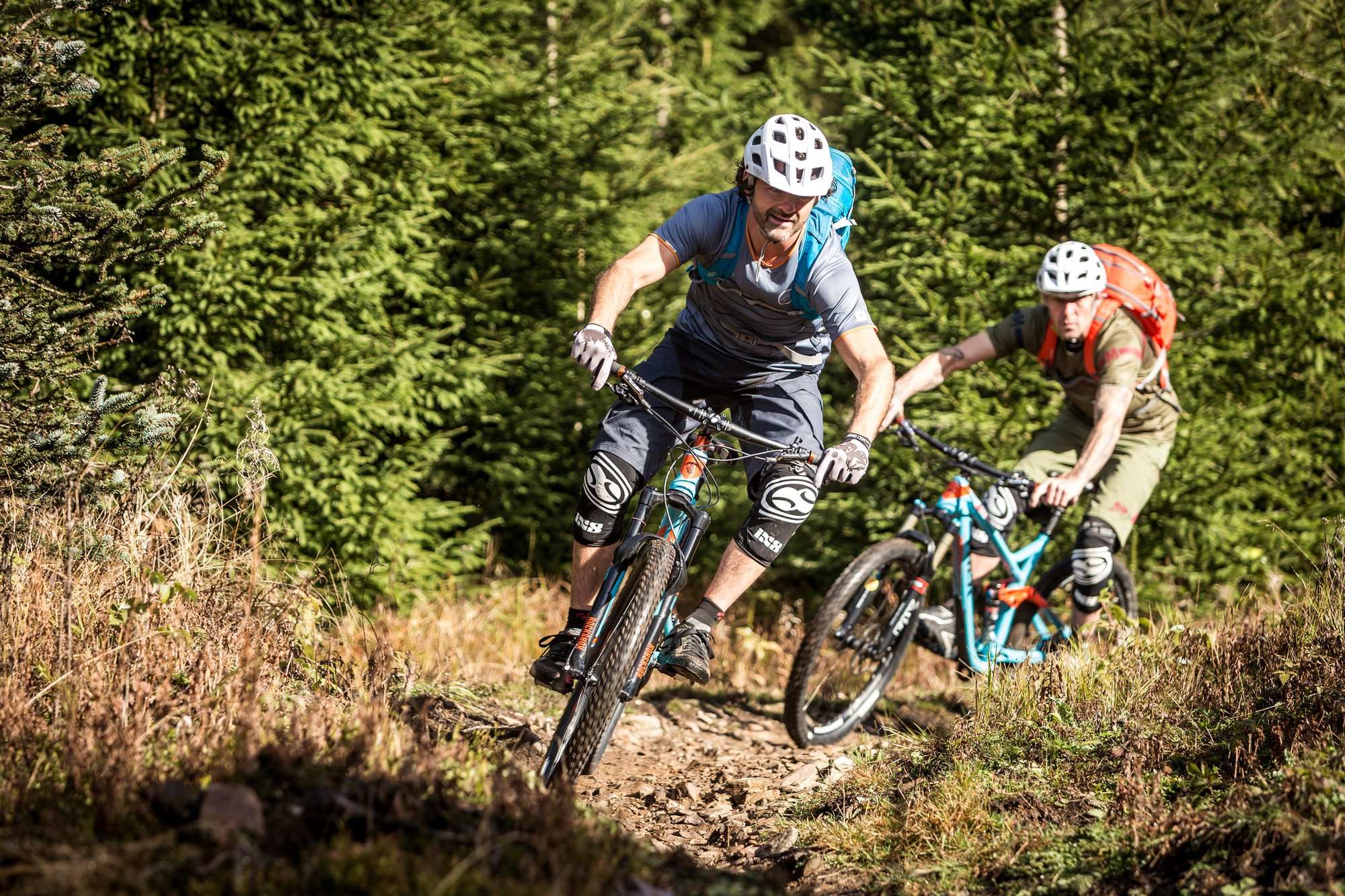
The Stoneman Trail in the Ore Mountains
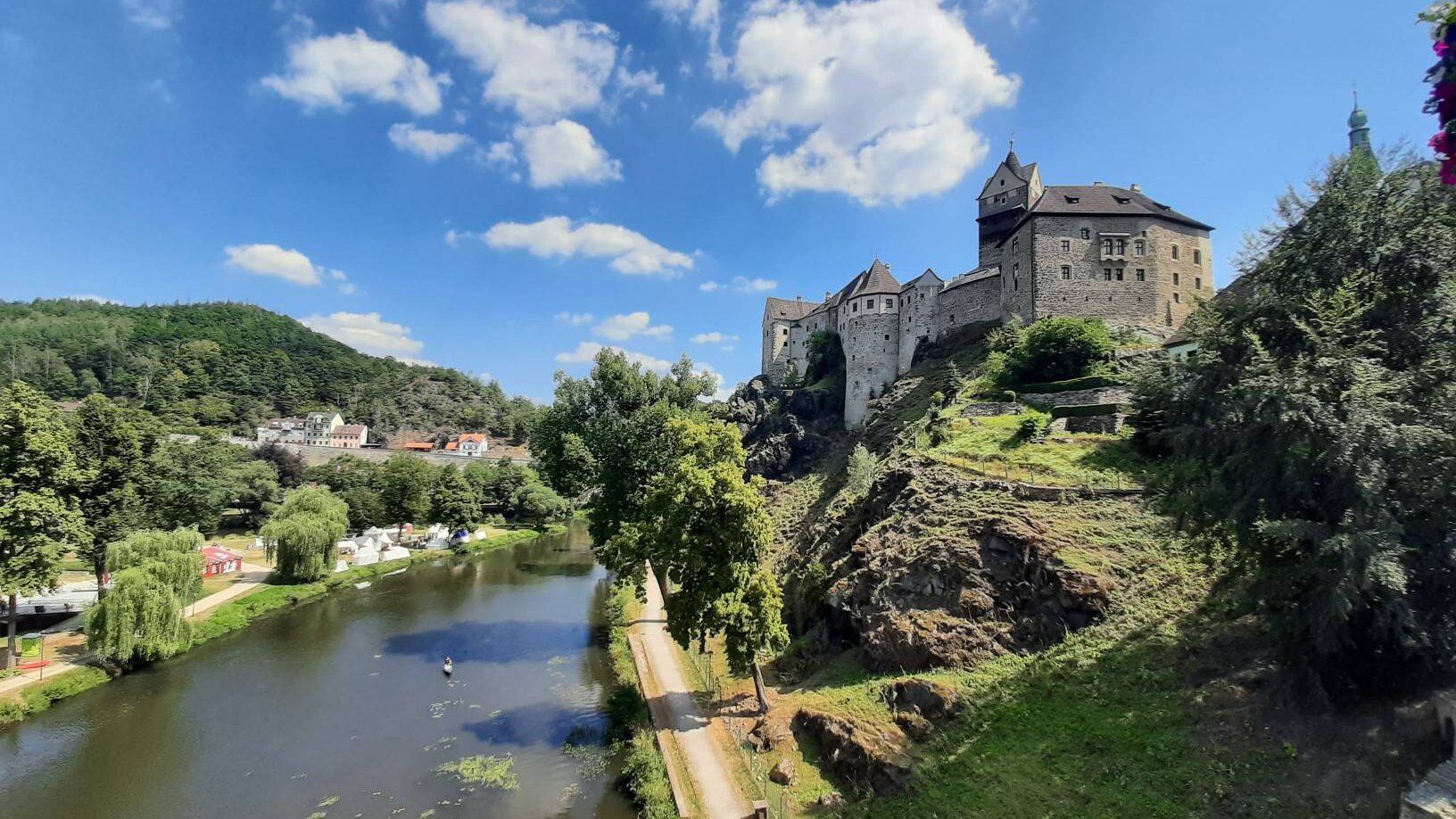
Through the heart of Europe – riding the Euregio Egrensis
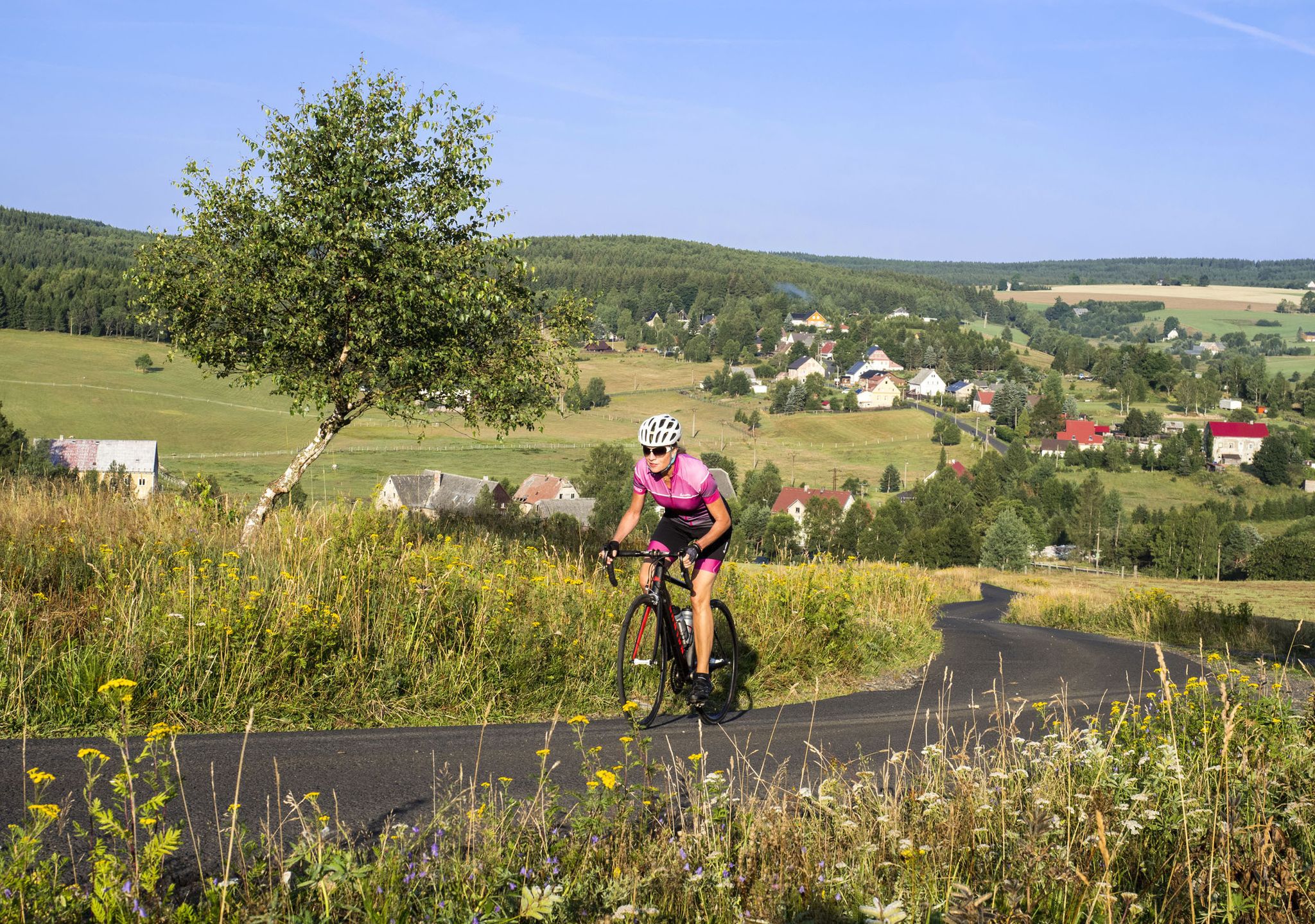
Erzgebirge: On the tracks of the Stoneman-Miriquidi
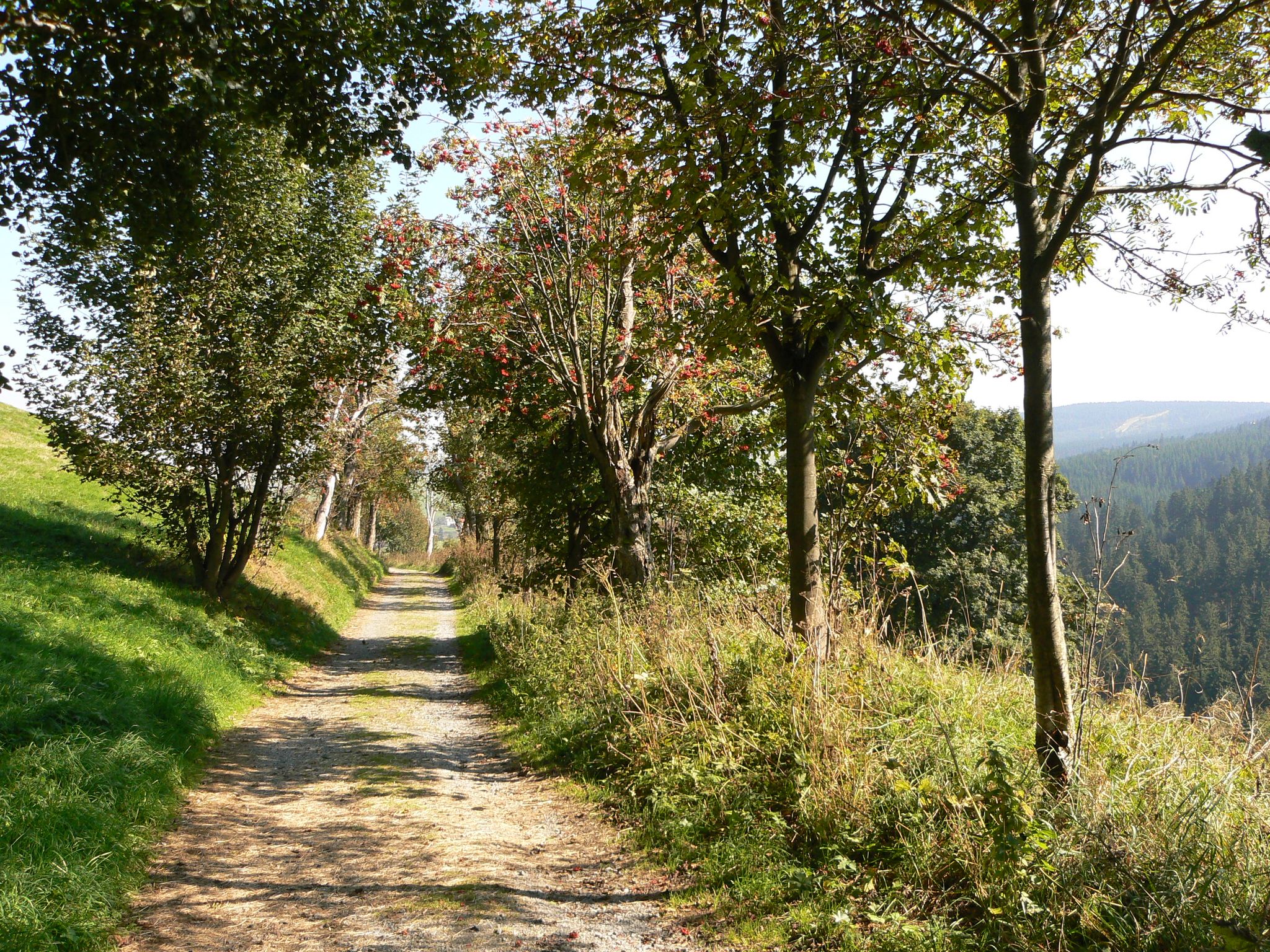
The Anton-Günther-Trail — a long weekend in the Ore Mountains
Fernwanderwege im Erzgebirge
Hiking around okres Karlovy Vary
Cycling around okres Karlovy Vary
MTB Trails around okres Karlovy Vary
Running Trails around okres Karlovy Vary
Road Cycling Routes around okres Karlovy Vary
Other adventures around okres Karlovy Vary


Tips from the Community

The Zechengrund is characterized by high-montane to subalpine vegetation. Plant species that are becoming increasingly rare today can be found here, such as alpine lettuce and whorled willowherb. Numerous animal species, such as the adder, the ring ouzel, and the white-banded black butterfly, live in the Zechengrund Nature Reserve. During our short hike, the animals had sought safe hiding places from the rain; we didn't even hear a single bird.
0
0
The former "Zechengrund" nature reserve (NSG) and five other individual protected areas in the Oberwiesenthal area were integrated into the newly designated "Fichtelberg" nature reserve (209 hectares) in 2008. In 1925, the Saxon Heritage Protection Association, as the owner, placed 37 hectares under protection. This was followed on September 11, 1967, by an expansion to 41.33 hectares by the GDR's Agricultural Council. In 1992, a maintenance and development plan was drawn up, including expansion above Poststraße and below the Postsäule (post column). The total area of the Zechengrund now amounted to approximately 63.5 hectares, which was integrated as a sub-area into the "Fichtelbergwiesen" protected natural area (FFH) (231 hectares) in March 1999.
1
0
The Zechengrund is one of the oldest nature reserves in Saxony. Since 1912, attempts have been made to implement the first conservation efforts here. For this purpose, land was purchased to preserve its natural beauty. The Zechengrund is characterized by high-montane to subalpine vegetation. Plant species that are becoming increasingly rare today can be found here, such as alpine lettuce and whorled willowherb. Numerous animal species, such as the adder, the ring ouzel, and the white-banded black butterfly, live in the Zechengrund Nature Reserve. During our short hike, the animals had sought safe hiding places from the rain; we didn't even hear a single bird.
1
0

The Zechengrund Nature Reserve lies in the deep valley between Fichtelberg (Germany) and Keilberg (Czech Republic). A beautiful hiking area along the Pohlbach stream. Many benches and information signs are found along the route. Narrow hiking trails and an interesting flora. For me, it's an absolute highlight near Oberwiesenthal.
1
0

Since 1977, a 3.2-kilometer-long nature trail on wooden planks has led through the Božídarské rašeliniště peat bog nature reserve. It features twelve stations with information panels. The 11.61-square-kilometer area has been protected since 1965. It encompasses a series of raised bogs with spruce, pine, Scots pine, dwarf birch, heaths, and meadows. A carnivorous plant characteristic of peat bogs, the round-leaved sundew, also grows here. The largest peat bog in the Ore Mountains lies at an elevation of 940 to 1116 meters; its specific mountain climate creates challenging conditions for animals and plants.
13
2

Idyllic path along the Pöhlabach
0
0

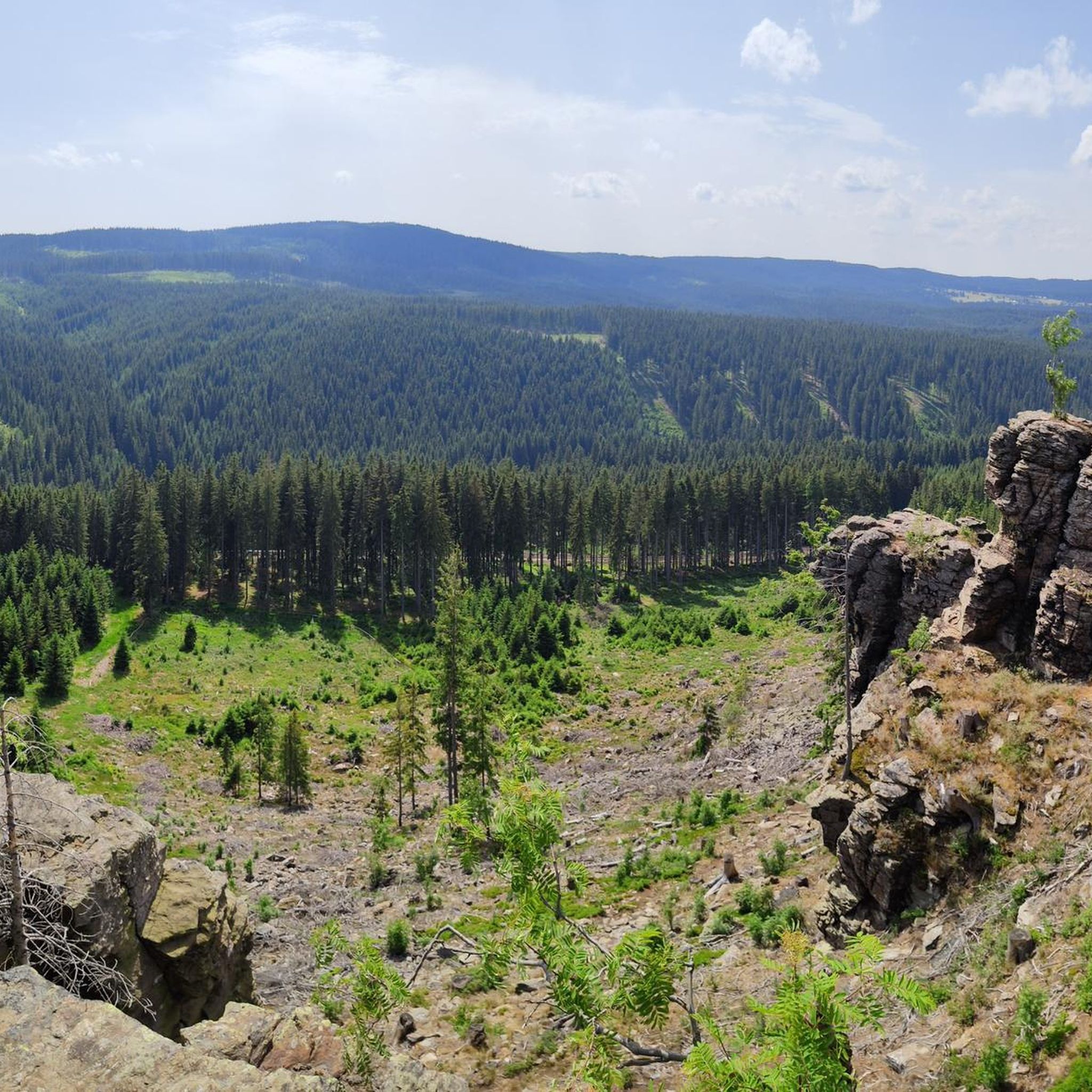
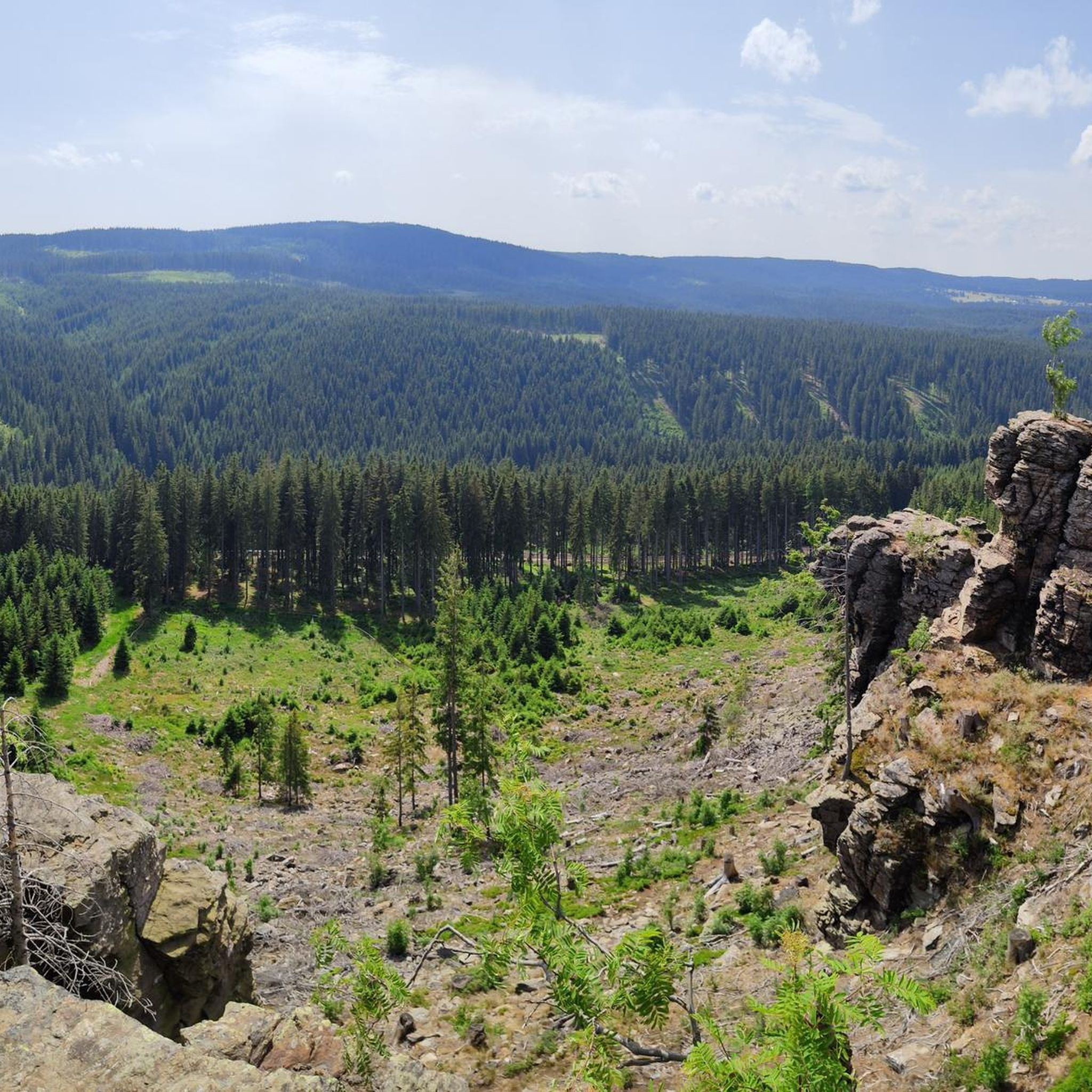
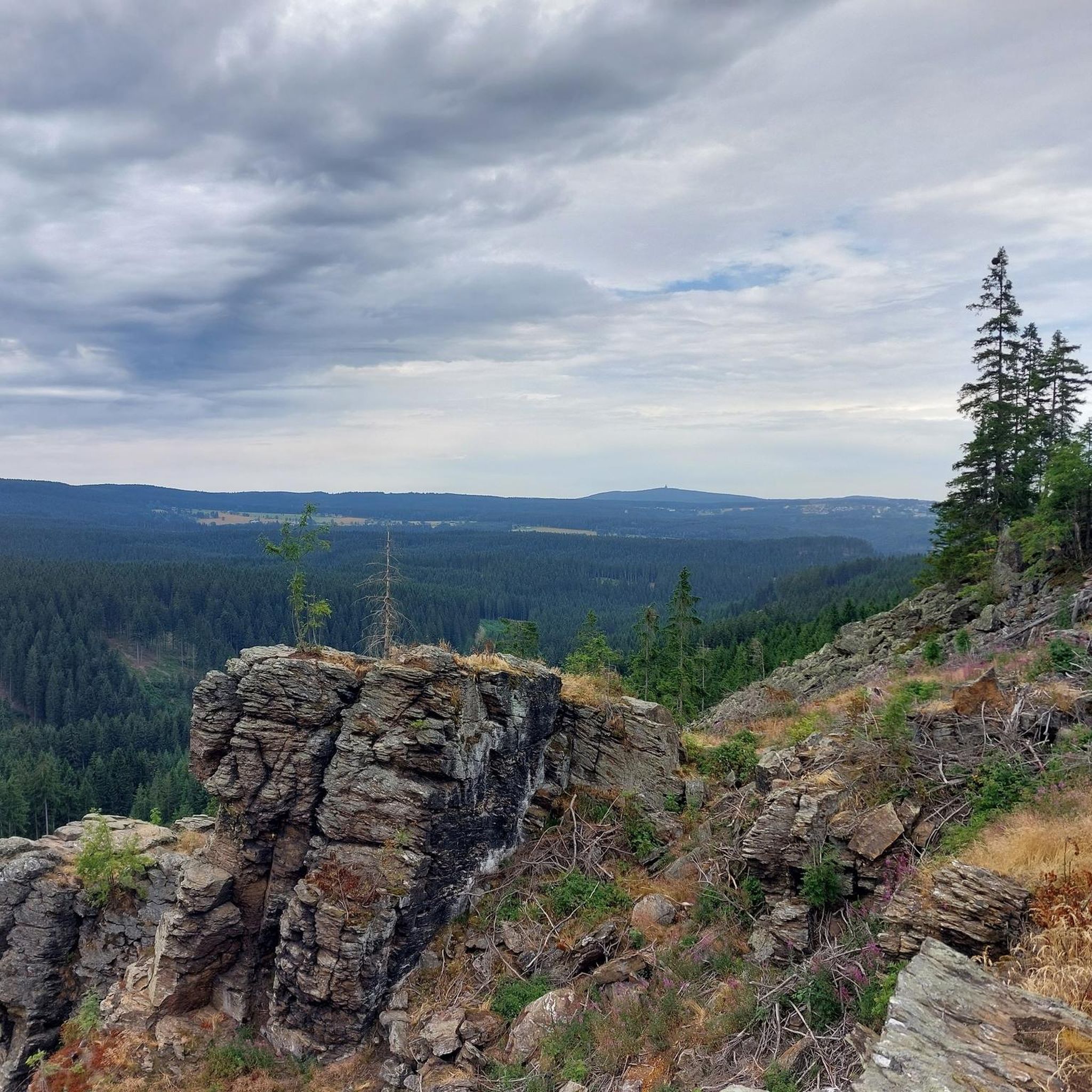
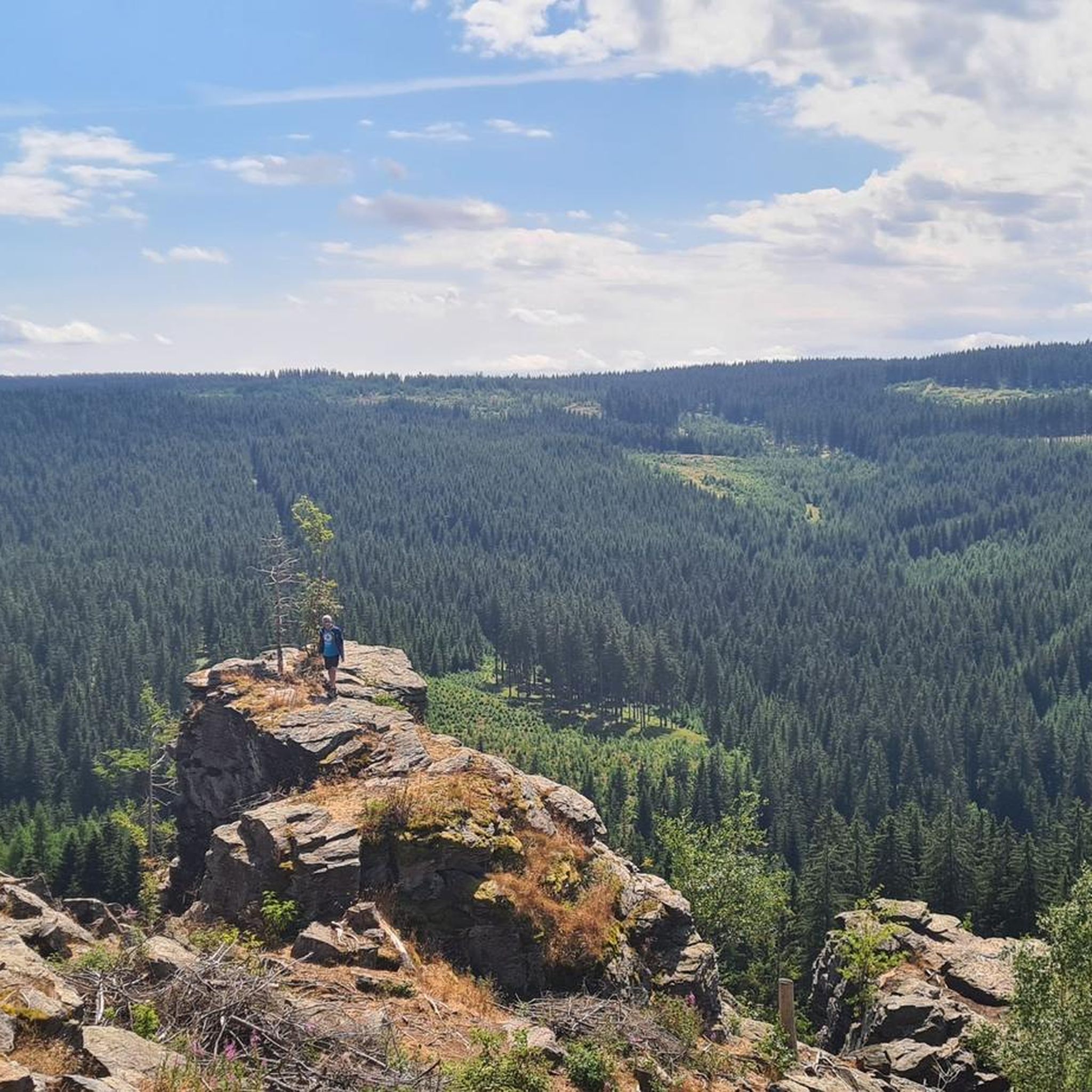
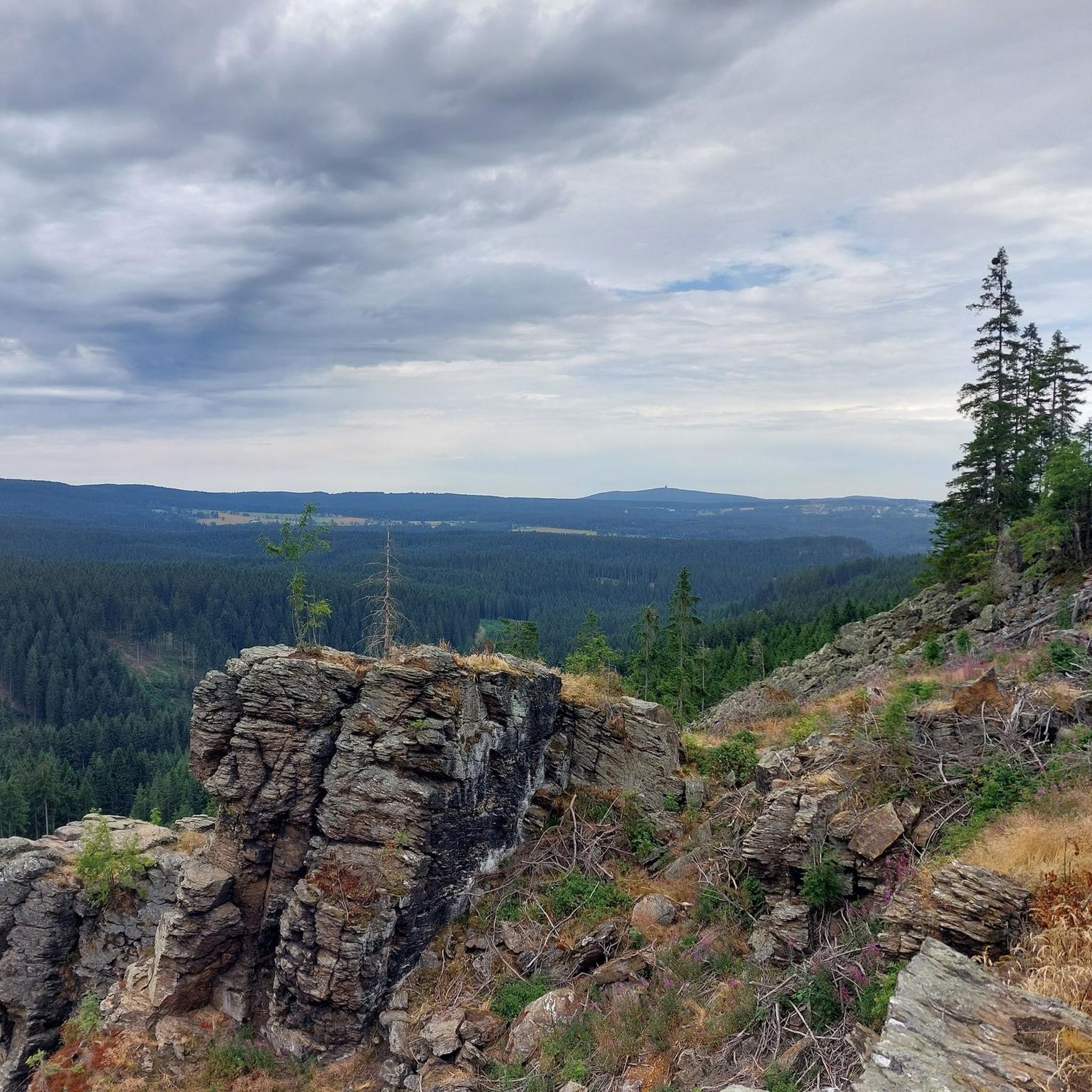
The Wolfspinge is a collapsed historic ore mine just below the summit of the Plattenberg. A fascinating geo- and biotope (together with the neighboring Eispinge)
2
0

a very nice corner
1
2
Frequently Asked Questions
What types of natural monuments can I explore in the Karlovy Vary District?
The Karlovy Vary District offers a diverse range of natural monuments, including dramatic rock formations like Wolfspinge Gorge and Svatošské skály, unique wetland ecosystems such as Božídarské Peat Bog, and geological marvels like the basalt columns at Čedičové varhany u Hlinek. You can also find gorges formed by historical mining, such as Eispinge (Ice Pit), which often retains ice until late summer.
Are there any family-friendly natural monuments or trails in the area?
Yes, several natural monuments are suitable for families. The Božídarské Rašeliniště Boardwalk offers a 3.2-kilometer nature trail on wooden planks through the peat bog, perfect for an easy and educational outing. The Božídarské Peat Bog itself is also considered family-friendly, providing a unique landscape to explore. Additionally, the Zechengrund nature reserve is a good option for families.
What kind of geological formations are prominent in the Karlovy Vary District?
The region is rich in geological formations. You can witness impressive granite rock formations at Svatošské skály, often called the 'Petrified Wedding,' and fascinating basalt columns resembling a giant pipe organ at Čedičové varhany u Hlinek, a result of ancient volcanic activity. The district also features several gorges, such as Wolfspinge Gorge and Eispinge (Ice Pit), which are remnants of historical tin ore mining.
Can I find hiking trails near these natural monuments?
Absolutely. Many natural monuments are integrated into hiking networks. For instance, the area around Svatošské skály is popular for hiking along the Ohře River. The Božídarské Rašeliniště Boardwalk is a dedicated nature trail. You can find various hiking options, including easy hikes, around the region. For more detailed routes, explore the Easy hikes around okres Karlovy Vary guide.
What outdoor activities are available besides hiking?
Beyond hiking, the Karlovy Vary District offers several outdoor activities. The Ohře River near Svatošské skály is popular for kayaking. The region also has numerous routes for road cycling, with options ranging from moderate to difficult. You can explore these in the Road Cycling Routes around okres Karlovy Vary guide. Some areas also feature challenging terrain suitable for more adventurous exploration.
Are there any natural monuments with historical significance?
Yes, several natural monuments in the Karlovy Vary District have historical connections. Wolfspinge Gorge is a prime example, showcasing the impact of historic tin ore mining in the Ore Mountains. Similarly, Eispinge (Ice Pit) was created by the mining of the Georg ore vein. Even the Park Colonnade, while man-made, is categorized as a natural monument due to its integration with the natural springs and historical context of the spa town.
What is the best time of year to visit the natural monuments in Karlovy Vary District?
The best time to visit largely depends on the activities you plan. Spring and autumn offer pleasant temperatures for hiking and exploring the diverse flora and fauna. Summer is ideal for kayaking on the Ohře River and enjoying the educational trails. Even in winter, some areas like the Eispinge (Ice Pit) can be fascinating, often retaining ice until late summer, making for unique winter hiking experiences.
Are there viewpoints offering panoramic scenery?
Yes, the region boasts several spots with excellent views. Jelení Skok (Chamois Statue) is a well-known viewpoint. Šemnická skála also offers prominent rock formations with panoramic views of the surrounding countryside. The Božídarské Peat Bog and Božídarské Rašeliniště Boardwalk also provide scenic vistas of the unique wetland landscape.
What do visitors particularly enjoy about the natural monuments here?
Visitors frequently praise the unique geological features and the opportunities for outdoor activities. The impressive gorges like Wolfspinge Gorge are often highlighted for their visual impact and historical context. The Božídarské Peat Bog and its boardwalk are loved for their tranquil beauty and educational value, allowing a close look at rare ecosystems. Many appreciate the well-maintained trails and the chance to experience unspoiled nature.
Are there any challenging trails or natural monuments for experienced adventurers?
For those seeking a challenge, the Karlovy Vary District offers options like the Eispinge (Ice Pit) and the Descent to Ledová jáma (Ice Gorge), both categorized as challenging. These sites often involve steep descents and rugged terrain, providing a more adventurous experience for experienced hikers and explorers.
Is it possible to visit these natural monuments with a dog?
While specific regulations can vary by individual site, many natural areas in the Karlovy Vary District are generally dog-friendly, especially on marked trails. It's always recommended to keep dogs on a leash to protect wildlife and ensure a pleasant experience for all visitors. The Božídarské Rašeliniště Boardwalk, for example, is a popular spot where dogs are often seen accompanying their owners.
Most popular routes around okres Karlovy Vary
Most popular attractions around okres Karlovy Vary

Get inspired with the komoot mobile app


Didn’t find what you were looking for?
Find even more amazing natural monuments around okres Karlovy Vary by checking out the top Highlights region by region:
Explore more
Extend your search for the best caves by checking out these guides of the top ones around okres Karlovy Vary:
