Top 5 Natural Monuments in Cucamonga Wilderness
Best natural monuments in Cucamonga Wilderness are found within a 12,500-acre preserve in the San Gabriel Mountains. This area features steep, rugged terrain and sub-alpine forests. Elevations reach nearly 9,000 feet, providing dramatic vistas. The wilderness offers a rich natural experience for those exploring its geographic features.
Best natural monuments in Cucamonga Wilderness
- The most popular natural monuments is Cucamonga Peak, a summit that offers expansive views that can stretch to the Pacific Ocean. It is a popular and…
Last updated: June 29, 2026
Cucamonga Peak
Highlight • Summit
Tip by

Icehouse Saddle
Highlight • Mountain Pass
Tip by
Sign up now to discover places like this
Get recommendations on the best single tracks, peaks, & plenty of other exciting outdoor places.
Sign up for free
Timber Mountain
Highlight • Summit
Tip by

Telegraph Peak
Highlight • Summit
Tip by
Icehouse Canyon Trail, Cucamonga Wilderness
Highlight • Trail
Tip by

Sign up for free to discover even more natural monuments in Cucamonga Wilderness.
Sign up for free
Already have an account?
Start today with a free account
Your next adventure awaits.
Login or Signup
Popular around Cucamonga Wilderness

Tips from the Community

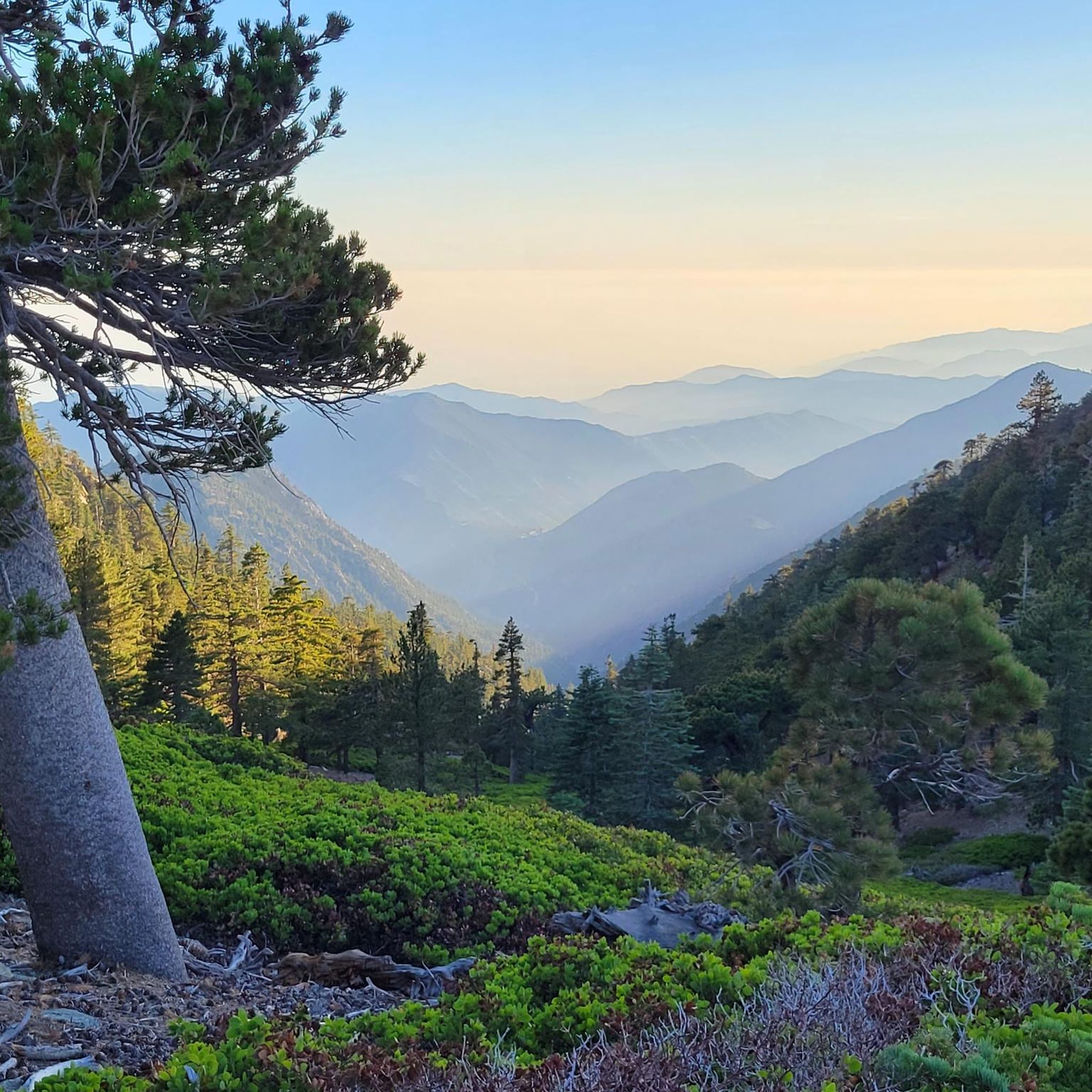
At 8,989 feet, Telegraph Peak is one of the highest summits in this part of the Cucamonga Wilderness. The running about 7,000 feet is technical and tough, but the views from the top are worth the power-hiking it takes to reach the summit.
0
0
Timber Mountain is an 8,307-foot peak right on the border of Angeles National Forest and San Bernardino National Forest. This peak is a remote-feeling peak in the Cucamonga Wilderness since the summit is at the end of a dead-end trail.
0
0
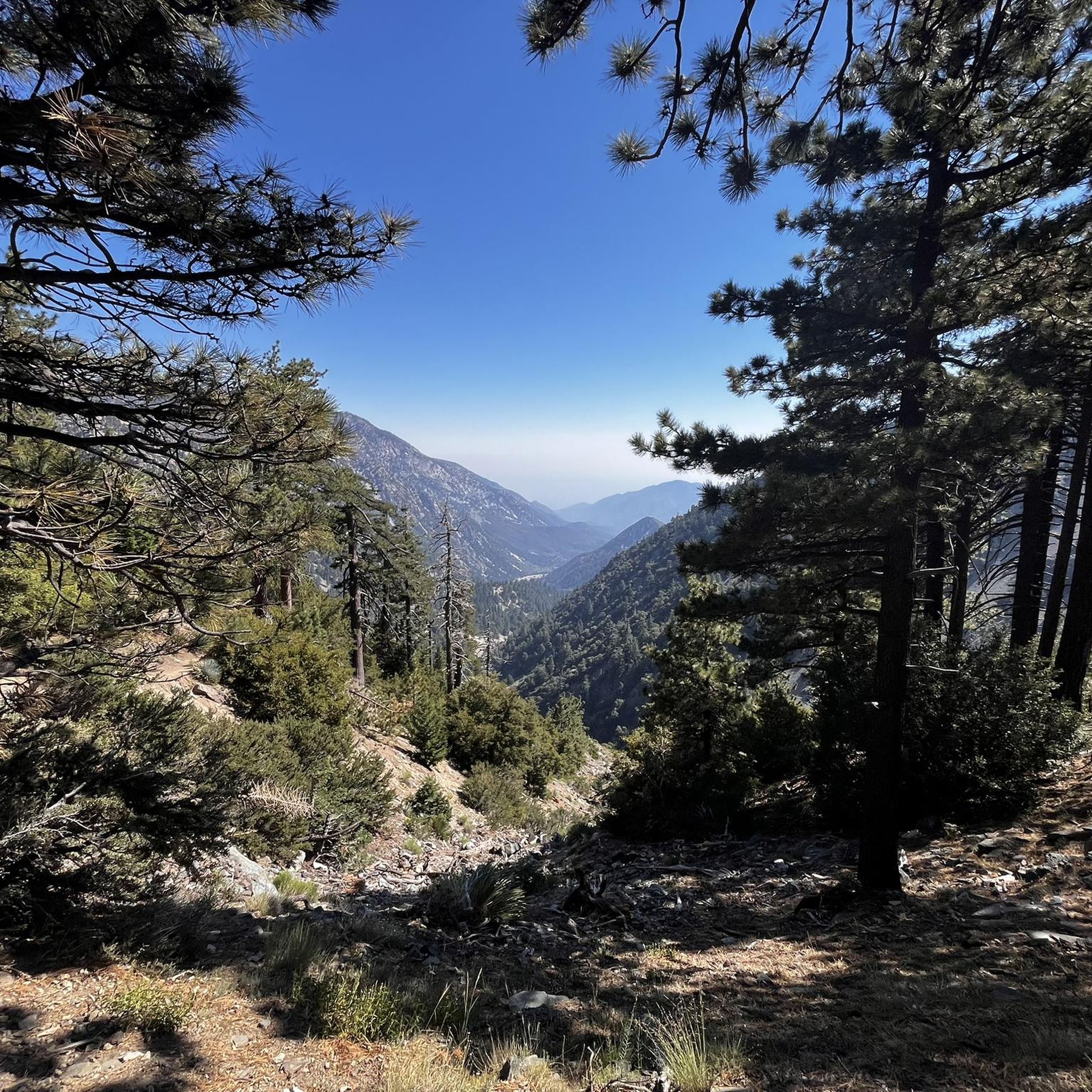
Cucamonga Peak rises up to 8,862 feet and is one of the most popular peaks that you can access from the Icehouse Canyon Trail. You get an awesome view of the San Gabriel range from the peak, which you should only attempt to run up in the dry season.
0
0
The Cucamonga Wilderness encompasses over 12,000 acres of mountains, valleys, and rivers in Angeles National Forest and San Bernardino National Forest. Being a wilderness area, some of the trails are more primitive than city trails, but you are surrounded by wildlife and nature as you run through the mountains. Keep in mind that running in the Cucamonga Wilderness requires a free permit.
0
0

Timber Mountain is at an elevation of 8,307 feet and is four miles southeast of Mount Baldy. It is not the highest peak in the local area, but hikers often describe it as one of the more remote-feeling peaks.
0
0
Telegraph Peak sits at an elevation of 8,989 feet, and can be reached by the Three Ts Trail. Hikers can get a great view of Telegraph Peak from Devil's Backbone Trail.
0
0

Reaching the summit of Cucamonga you know you worked hard! But look around and enjoy the majestic views over the San Gabriel mountains from one of the highest peaks within the mountain range. Bring appropriate gear if you hike in winter conditions. If you hike from the Icehouse Canyon Trailhead please obtain your wilderness permit from the Angeles National Forest, Baldy Ranger Station. If you prefer ascending via Middle Fork Trail, you can obtain the permit from the San Bernardino National Forest, Lytle Creek Ranger Station.
1
0
Whatever your goal for today might be – Cucamonga Peak or any other scenic summit in the Cucamonga Wilderness – this junction is a perfect spot to take a break and eat some snacks. Gain some strength for your way up the beautiful mountains.
3
0
Frequently Asked Questions
What are some of the most prominent natural monuments in Cucamonga Wilderness?
The Cucamonga Wilderness is home to several striking natural monuments. Among the most prominent are Cucamonga Peak, an iconic summit offering expansive views, and Telegraph Peak, which stands as the highest point within the wilderness. Icehouse Saddle is also a key natural feature, serving as a central junction for various routes to surrounding peaks.
What kind of views can I expect from the natural monuments in Cucamonga Wilderness?
From natural monuments like Cucamonga Peak, you can expect majestic, expansive views over the San Gabriel Mountains that, on clear days, can stretch all the way to the Pacific Ocean. Telegraph Peak also offers unparalleled views across the rugged wilderness landscape.
Are permits required to hike to natural monuments in Cucamonga Wilderness?
Yes, permits are required for hiking in the Cucamonga Wilderness. For example, if you hike to Cucamonga Peak from the Icehouse Canyon Trailhead, you need to obtain a wilderness permit from the Angeles National Forest, Baldy Ranger Station. Similarly, a free permit is needed for the strenuous hike to Bighorn Peak.
What are the typical trail difficulties for reaching these natural monuments?
Many trails leading to the natural monuments in Cucamonga Wilderness are considered challenging. For instance, the ascent to Cucamonga Peak from Icehouse Canyon is an 11.6-mile hike with over 4,300 feet in elevation gain. The hike to Bighorn Peak is also described as strenuous. However, the wilderness offers diverse opportunities, including scenic canyon trails that may be less demanding.
What is the best time of year to visit the natural monuments in Cucamonga Wilderness?
The dry season is generally recommended for visiting the natural monuments, especially for challenging hikes to peaks like Cucamonga Peak. If you plan to hike in winter conditions, appropriate gear is essential due to the high elevations and potential for snow.
What unique natural features can I find in Icehouse Canyon?
Icehouse Canyon is a lush, shaded canyon known for its scenic streams and old-growth trees. It provides a refreshing environment with a perennial stream. Historically, ice was harvested here, giving it the moniker 'the essence of cool.' It also serves as a popular starting point for many trails into the wilderness, leading to Icehouse Saddle.
Are there natural monuments that offer more solitude?
Yes, if you're seeking solitude, Bighorn Peak is an excellent choice. It sees fewer visitors than other nearby summits, offering a more remote experience from its 8,441-foot summit. Similarly, Timber Mountain is described as one of the more remote-feeling peaks in the area.
What wildlife might I encounter near the natural monuments?
The Cucamonga Wilderness supports a variety of wildlife. Visitors might encounter deer, bobcats, black bears, and Nelson bighorn sheep while exploring the natural monuments and trails.
What outdoor activities can I do near these natural monuments?
Beyond visiting the natural monuments themselves, the Cucamonga Wilderness offers extensive opportunities for outdoor activities. You can find numerous hiking routes, including difficult trails like the Cucamonga Peak via Icehouse Canyon Trail Loop. There are also running trails and road cycling routes available in the region.
What are some popular hiking routes to access the natural monuments?
Many popular hiking routes lead to the natural monuments. The Icehouse Canyon Trail is a well-trafficked path that leads to Icehouse Saddle, which is a central junction for routes to peaks like Cucamonga Peak and Telegraph Peak. You can find more details on these and other hiking trails in the area.
What makes <a href="https://www.komoot.com/highlight/4211088" target="_blank" rel="noopener">Icehouse Saddle</a> a significant natural monument?
Icehouse Saddle is a significant mountain pass because it serves as a central junction for various routes leading to the surrounding peaks, including Cucamonga Peak. It's a popular spot for hikers to take a break and refuel before continuing their ascent to the summits.
Are there any natural monuments that are part of a larger hiking challenge?
Yes, Cucamonga Peak is an iconic summit often included in the 'SoCal Six-Pack of Peaks,' a series of challenging summits used by hikers to train for more strenuous treks like the John Muir Trail or Mount Whitney.
Most popular attractions in Cucamonga Wilderness

Get inspired with the komoot mobile app


Explore more
Extend your search for the best caves by checking out these guides of the top ones in Cucamonga Wilderness:
