Top 7 Natural Monuments around Twentynine Palms
Best natural monuments around Twentynine Palms serve as a gateway to the Mojave Desert's notable natural features. The region primarily encompasses areas within Joshua Tree National Park and the nearby Mojave Trails National Monument. These locations present unique geological formations, diverse ecosystems, and desert landscapes. The area offers opportunities to explore distinct desert environments.
Best natural monuments around Twentynine Palms
- The most popular natural monuments is Skull Rock, a natural monument that is a rock shaped remarkably like a…
Last updated: May 12, 2026
Skull Rock
Highlight • Natural Monument
Seeing-usa.com/sightseeing/california/joshua-tree-national-park.html
Translated by Google •
Tip by

Split Rock
Highlight (Segment) • Natural Monument
Tip by

Sign up now to discover places like this
Get recommendations on the best single tracks, peaks, & plenty of other exciting outdoor places.
Sign up for free
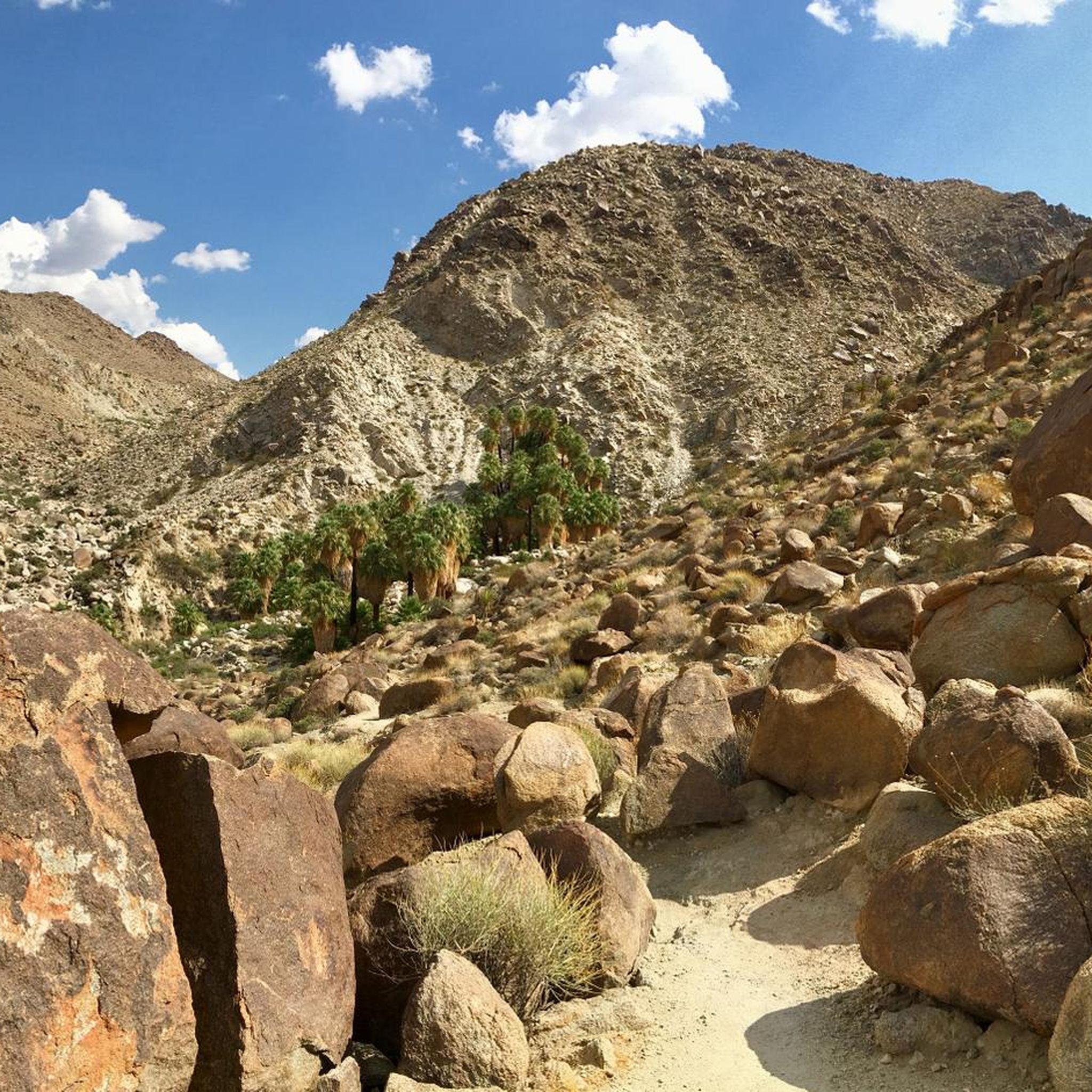
Forty-Nine Palms Canyon
Highlight (Segment) • Natural Monument
Translated by Google •
Tip by

Heart Rock (Joshua Tree National Park)
Highlight • Natural Monument
Translated by Google •
Tip by

Face Rock
Highlight • Natural Monument
Translated by Google •
Tip by

Sign up for free to discover even more natural monuments around Twentynine Palms.
Sign up for free
Already have an account?
Start today with a free account
Your next adventure awaits.
Login or Signup
Popular around Twentynine Palms
Tips from the Community

If you want to see the face on the rock, you have to position yourself properly, because it is only visible from one side :)
0
0
It's easy to miss it because it's at the very beginning of the trail :)
0
0
Probably the most crowded place in Joshua Tree NP - and that's because the skull is right next to the parking lot.
0
0
The rock heart looks best from a distance - photos taken right next to the rock aren't that great :)
0
0

Skull Rock lives up to its name with two hollowed out holes in the shape of eyes. In addition to the eponymous rock, you can take the Skull Rock Nature Trail to see Elephant Rock and other geologic formations that have been eroded into the rocks over millennia.
0
0

Frequently Asked Questions
What are some of the most popular natural monuments to visit around Twentynine Palms?
The region offers several popular natural monuments, primarily within Joshua Tree National Park. Visitors frequently enjoy Skull Rock, known for its distinctive skull-like shape, and Heart Rock, a unique formation shaped like a heart. Another favorite is Split Rock, a large boulder that has split down the middle, offering fascinating geological views. The Forty-Nine Palms Canyon oasis is also a highly appreciated spot.
What unique geological features can I expect to see in the natural monuments near Twentynine Palms?
The natural monuments around Twentynine Palms are renowned for their unique geological formations. Within Joshua Tree National Park, you'll find surreal rock formations like Skull Rock and Split Rock, shaped by millions of years of erosion. The park is also famous for its iconic Joshua trees. East of Twentynine Palms, the Mojave Trails National Monument features the 10,000-year-old extinct volcano of Amboy Crater and the sweeping Cadiz Dunes Wilderness, showcasing ancient lava flows and vast sand dunes.
Are there family-friendly natural monuments or trails near Twentynine Palms?
Yes, several natural monuments offer family-friendly experiences. Skull Rock in Joshua Tree National Park is easily accessible and features a 1.7-mile nature trail that's suitable for families. Hidden Valley also offers a short, scenic loop trail. When planning, always consider the desert environment and ensure you bring plenty of water, especially with children.
What is the best time of year to visit the natural monuments around Twentynine Palms?
The temperate weather in spring and fall makes these seasons ideal for visiting the natural monuments, particularly Joshua Tree National Park, for outdoor activities like hiking and rock climbing. If you plan to visit Amboy Crater in the Mojave Trails National Monument, late fall through early spring is recommended due to extreme summer heat.
What kind of hiking opportunities are available near these natural monuments?
There are numerous hiking opportunities. For example, the Forty-Nine Palms Canyon trail leads to a beautiful oasis. The Skull Rock area offers a 1.7-mile nature trail, and a trail around Split Rock allows for exploration of the geology. For more options, you can explore various hiking routes in the area, including easy, moderate, and difficult trails. Find more details on Hiking around Twentynine Palms and Easy hikes around Twentynine Palms.
Are there any less crowded natural monuments or areas to explore for solitude?
While Joshua Tree National Park can be popular, the vastness of the Mojave Trails National Monument, located just east of Twentynine Palms, offers opportunities for solitude. The Cadiz Dunes Wilderness within this monument spans nearly 20,000 acres and provides a remote desert experience with ever-changing contours and patterns, ideal for those seeking tranquility away from crowds.
Can I go stargazing at the natural monuments near Twentynine Palms?
Yes, both Joshua Tree National Park and the Mojave Trails National Monument are excellent locations for stargazing. These areas are known for their exceptionally dark night skies, making them prime spots to observe celestial phenomena. Amboy Crater, within the Mojave Trails National Monument, is specifically highlighted as a great location for stargazing.
What other outdoor activities can I do near the natural monuments?
Beyond hiking, the region offers world-class opportunities for rock climbing and bouldering, especially within Joshua Tree National Park. Camping is also a popular activity, allowing visitors to fully immerse themselves in the desert environment. You can also find various running routes, such as the Fortynine Palms Oasis loop, detailed in the Running Trails around Twentynine Palms guide.
Are there any specific viewpoints to experience the desert landscapes?
Many natural monuments offer stunning viewpoints. The Forty-Nine Palms Canyon trail, for instance, provides views of a hidden oasis. Within Joshua Tree National Park, Keys View offers panoramic vistas of the Coachella Valley. The unique rock formations like Skull Rock and Heart Rock are also popular spots for scenic views and photography.
What should I pack for a visit to the natural monuments?
Given the desert environment, it's crucial to pack plenty of water, especially if you plan to hike. Sun protection, including hats, sunglasses, and sunscreen, is essential. Sturdy hiking shoes are recommended for navigating rocky and sandy trails. Layered clothing is also advisable, as desert temperatures can fluctuate significantly between day and night.
Are permits required for hiking in Joshua Tree National Park?
While general entry into Joshua Tree National Park requires a fee, most day hikes do not require specific permits beyond park entrance. However, for certain activities like backcountry camping or specific climbing areas, permits may be necessary. It's always best to check the official National Park Service website for the most current regulations regarding permits and fees before your visit.
What is the significance of the Joshua trees in the park?
The Joshua trees (Yucca brevifolia) are the park's namesake and a defining feature of the Mojave Desert ecosystem within Joshua Tree National Park. These iconic, spiky-branched yuccas are unique to the region and contribute to the surreal landscape. Early Mormon settlers are believed to have likened their appearance to the biblical Joshua reaching to the sky.
Most popular routes around Twentynine Palms
Most popular attractions around Twentynine Palms

Get inspired with the komoot mobile app


Explore more
Extend your search for the best caves by checking out these guides of the top ones around Twentynine Palms:
