Top 8 Natural Monuments in Mark Twain National Forest
Natural monuments in Mark Twain National Forest offer a diverse landscape in Missouri, characterized by unique geological features, significant hydrological elements, and varied ecosystems. This vast expanse provides opportunities to explore ancient landforms, powerful springs, and scenic rivers. The forest's natural areas are preserved for their ecological value and provide a setting for outdoor activities.
Best natural monuments in Mark Twain National Forest
- The most popular natural monuments is Ozark Trail: Karkaghne Section, a trail that spans roughly 29…
Last updated: July 8, 2026
Greer Springs Recreation Area
Highlight • Natural Monument
Tip by

Big Spring Spur Trailhead
Highlight • Trail
Tip by
Sign up now to discover places like this
Get recommendations on the best single tracks, peaks, & plenty of other exciting outdoor places.
Sign up for free
Ozark Trail: Karkaghne Section
Highlight (Segment) • Trail
Tip by
Eleven Point River
Highlight • River
Tip by
Overlook
Highlight • Viewpoint
Tip by

Sign up for free to discover even more natural monuments in Mark Twain National Forest.
Sign up for free
Already have an account?
Start today with a free account
Your next adventure awaits.
Login or Signup
Popular around Mark Twain National Forest

Other adventures in Mark Twain National Forest

Tips from the Community

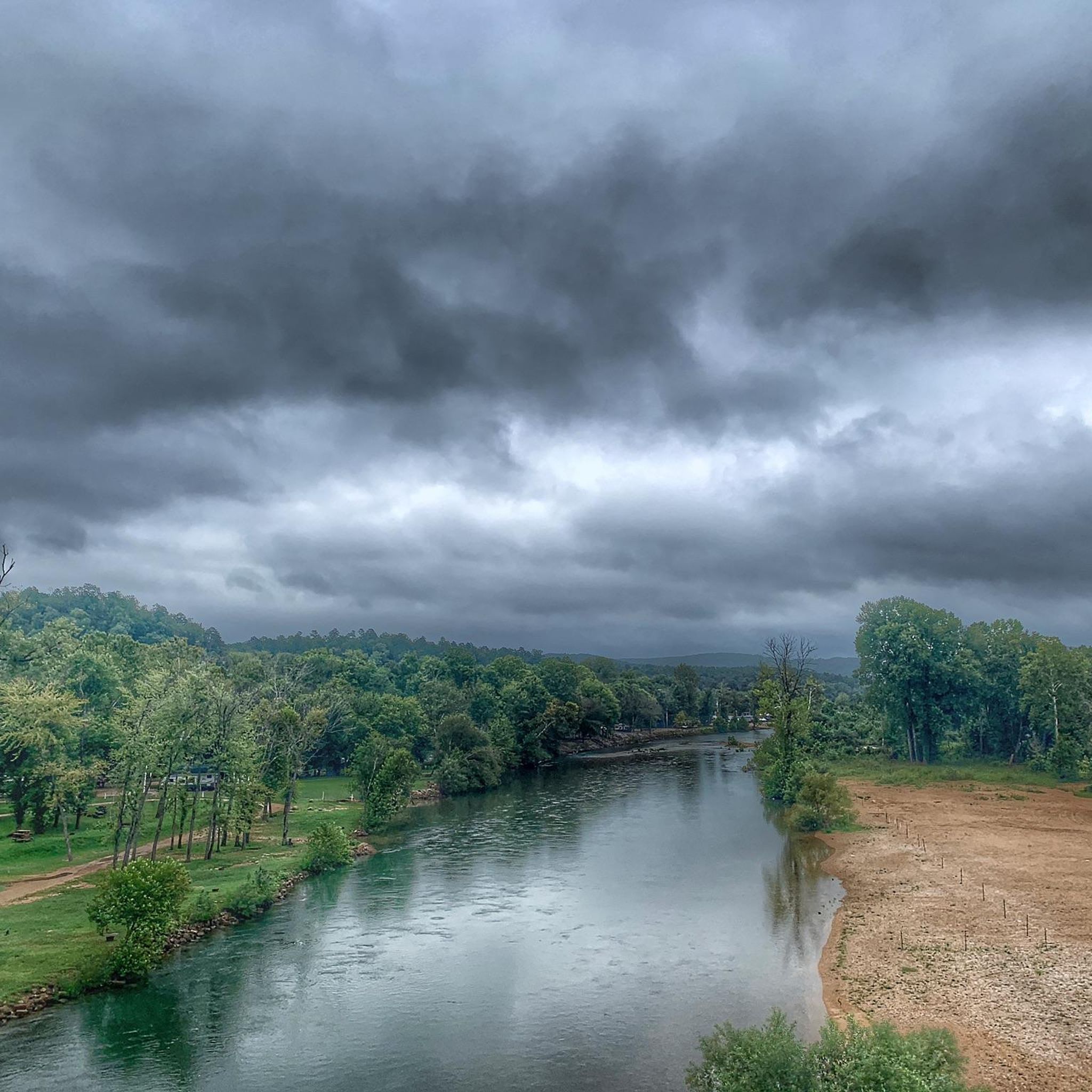
The Eleven Point River is beautiful and flows through the heart of the Ozarks, carving a scenic path past dolomite bluffs, deep pools, and spring-fed tributaries—including Greer Spring, which doubles its volume and transforms it into a cold-water haven for trout. Designated in 1968 as one of the original National Wild and Scenic Rivers, its 44-mile protected stretch offers solitude and Class I-II paddling, making it a popular spot for anglers, canoeists, and nature lovers.
0
0
Greer Springs Recreation Area features a short, shaded trail that descends to Missouri’s second-largest spring, where 220 million gallons of icy water surge daily from a cave and underground aquifer. The hike winds through old-growth hardwoods and pines, with dogwoods, sassafras, and impressive rock formations lining the canyon, making it a favorite for photographers and nature lovers. While the spring itself is off-limits for fishing or wading, Greer Crossing offers campsites, picnic areas, and river access for paddling and trout fishing along the Eleven Point National Scenic River.
0
0
The Big Spring Spur branches off the Between the Rivers Section of the OT that runs just over seven miles through quiet forest and rocky creek beds. Though moderately challenging, the trail provides access to Big Spring—the largest freshwater spring in North America. Navigation can be tricky due to sparse blazes and overgrown stretches, so an offline komoot GPS route or detailed map is a good idea. Additionally, the trail also leads to Big Springs Lodge and campground, which makes the detour well worth the trek if you're looking for an overnight stay during a long hike.
0
0
The Karkaghne Section of the Ozark Trail spans roughly 29 miles, connecting Sutton Bluff to Highway 72. It winds along forested ridgelines and dips into hollows, crossing the West Fork of the Black River and Bee Fork, with a scenic spur to Grasshopper Hollow—the largest fen complex in non-glaciated North America. Known for its solitude, moderate difficulty, and seasonal water gaps, it’s a fantastic stretch for experienced backpackers and nature lovers to enjoy this beautiful corner of Mark Twain National Forest.
0
0

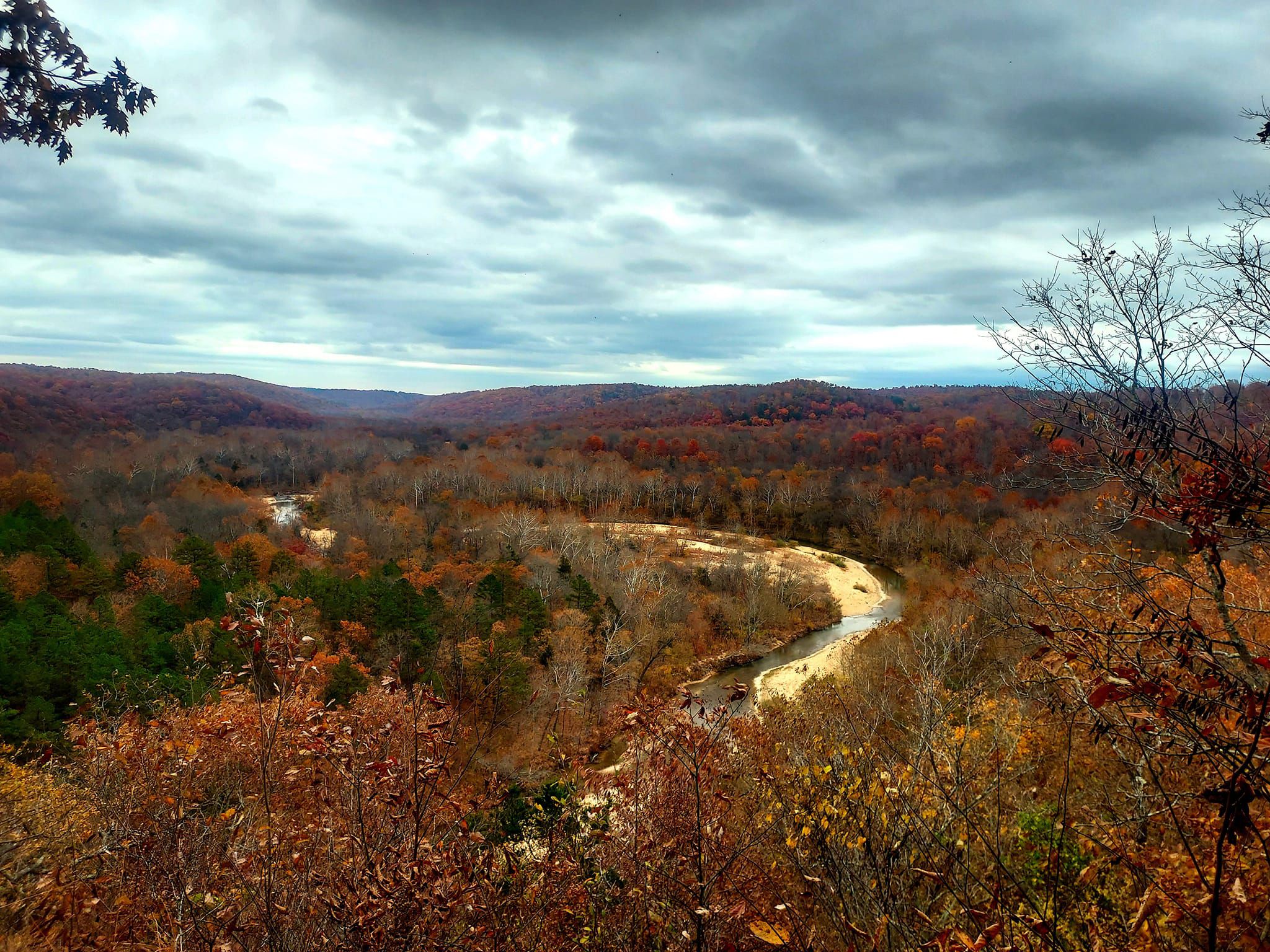
This is one of the many overlooks in this rugged wilderness that provides a great view over and through the forest.
0
0
Frequently Asked Questions
What unique geological features can I explore in Mark Twain National Forest?
Mark Twain National Forest is rich in diverse geological formations. You can visit the Greer Springs Recreation Area, home to Missouri's second-largest spring, which gushes from a cave and underground aquifer, surrounded by impressive rock formations. Another notable area is the Bell Mountain Wilderness, part of the ancient St. Francois Mountains, offering rugged terrain and ancient geological features.
Are there any historical sites among the natural monuments in Mark Twain National Forest?
Yes, the Falling Spring and Mill site offers a unique blend of natural beauty and historical significance. Here, you'll find a picturesque spring forming a pond, with water cascading from a rock. The site also features a historic log cabin over 100 years old and the Falling Spring Mill, which historically used the spring's power for various tasks, providing a glimpse into the region's past.
What are some family-friendly natural attractions in Mark Twain National Forest?
Many natural monuments in the forest are suitable for families. The Greer Springs Recreation Area has a short, shaded trail leading to the spring, perfect for a family walk. The Falling Spring and Mill site is also a tranquil spot for a picnic. Additionally, sections of the Ozark Trail offer easier day hikes that families can enjoy.
What outdoor activities can I do near these natural monuments?
The Mark Twain National Forest offers a wide range of outdoor activities. You can find numerous running trails, including easy and moderate loops, as detailed in the Running Trails in Mark Twain National Forest guide. For cyclists, there are road cycling routes available, with options for various distances and difficulties, which you can explore in the Road Cycling Routes in Mark Twain National Forest guide.
Are there hiking trails near these natural monuments?
Absolutely. The Ozark Trail itself traverses over 350 miles through the Ozark Highlands, offering diverse landscapes for both day hikes and multi-day backpacking. For those interested in waterfalls, the Waterfall hikes in Mark Twain National Forest guide provides routes like the Hercules Glade Backpacking Loop and Coy Bald Trail, which feature scenic cascades.
What is the Eleven Point National Wild and Scenic River known for?
The Eleven Point River is a 44-mile free-flowing river designated as a National Wild and Scenic River. It's celebrated for its crystal-clear waters, largely undeveloped shoreline, and picturesque journey through the Ozark hills. It's an ideal spot for canoeing, kayaking, and trout fishing, offering a peaceful and scenic outdoor experience.
What do visitors enjoy most about the natural monuments in Mark Twain National Forest?
Visitors particularly appreciate the serene beauty and the powerful natural springs. The Greer Springs Recreation Area is a favorite for photographers and nature lovers due to its scenic beauty and the sheer volume of the spring's output. The solitude of trails like the Ozark Trail: Karkaghne Section and the expansive views from various Overlooks are also highly valued by the komoot community.
Are there any natural monuments with significant springs in the forest?
Yes, Mark Twain National Forest is renowned for its powerful springs. The Greer Springs Recreation Area features Missouri’s second-largest spring, gushing 220 million gallons of icy water daily. Additionally, the Big Spring Spur Trailhead provides access to Big Spring, which is the largest freshwater spring in North America, making these hydrological features truly impressive.
Can I bring my dog to the natural monuments and trails?
Many areas within Mark Twain National Forest are dog-friendly. For instance, the Greer Springs Recreation Area, Big Spring Spur Trailhead, and the Ozark Trail: Karkaghne Section are all listed as dog-friendly. It's always a good idea to keep your dog on a leash and follow Leave No Trace principles.
What is the best time to visit the natural monuments in Mark Twain National Forest?
The Mark Twain National Forest offers beauty throughout the year, but spring and fall are particularly popular. Spring brings blooming dogwoods and sassafras, while fall showcases vibrant foliage. Summer is great for water activities on the Eleven Point River, and winter offers a quiet, rugged experience for those prepared for colder conditions.
Are there any viewpoints offering expansive forest views?
Yes, the forest features numerous scenic overlooks. One such Overlook provides expansive views over and through the rugged wilderness. These viewpoints are excellent spots to appreciate the vastness and beauty of the Mark Twain National Forest landscape.
Most popular routes in Mark Twain National Forest
Most popular attractions in Mark Twain National Forest

Get inspired with the komoot mobile app


Explore more
Extend your search for the best caves by checking out these guides of the top ones in Mark Twain National Forest:
