Umpqua National Forest
Umpqua National Forest
Top 13 Natural Monuments in Umpqua National Forest
Best natural monuments in Umpqua National Forest are characterized by rugged mountains, sparkling rivers, and deep canyons. This verdant expanse in southwest Oregon is known for its diverse natural features, including numerous waterfalls, hot springs, and volcanic formations. The landscape, shaped by ancient lava flows and glaciers, offers a variety of geological features for exploration.
Best natural monuments in Umpqua National Forest
- The most popular natural monuments is Toketee Falls, a waterfall that drops around 120 feet (37 m)…
Last updated: August 18, 2026
Toketee Falls
Highlight • Waterfall
Tip by

Mount Thielsen Summit
Highlight • Summit
Informally known as Big …
Tip by
Sign up now to discover places like this
Get recommendations on the best single tracks, peaks, & plenty of other exciting outdoor places.
Sign up for free
Umpqua Hot Springs
Highlight • Natural Monument
Tip by
Crater Lake NP boundary & PCT trailhead
Highlight • Trail
Tip by

North Umpqua River
Highlight • River
Tip by

Sign up for free to discover even more natural monuments in Umpqua National Forest.
Sign up for free
Already have an account?
Start today with a free account
Your next adventure awaits.
Login or Signup
Popular around Umpqua National Forest
Other adventures in Umpqua National Forest


Tips from the Community

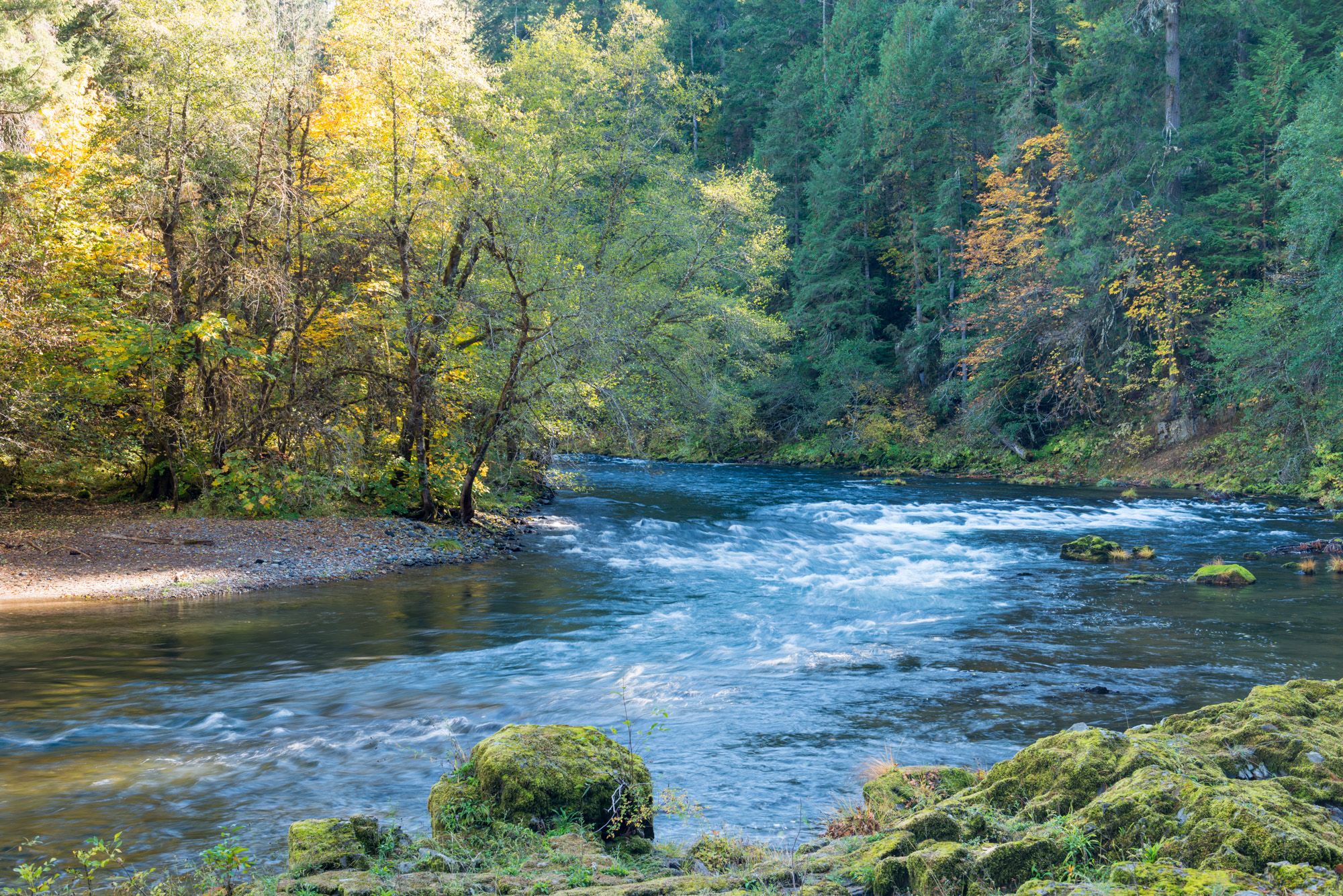
Designated as a "Wild and Scenic River" the North Umpqua is 106 miles of pristine waters flowing over towering waterfalls, through narrow canyons, and along old growth riparian forests. As you look at the sparkling river you can see the true meaning of the word Umpqua, which means "dancing waters" in the local Native language.
0
0

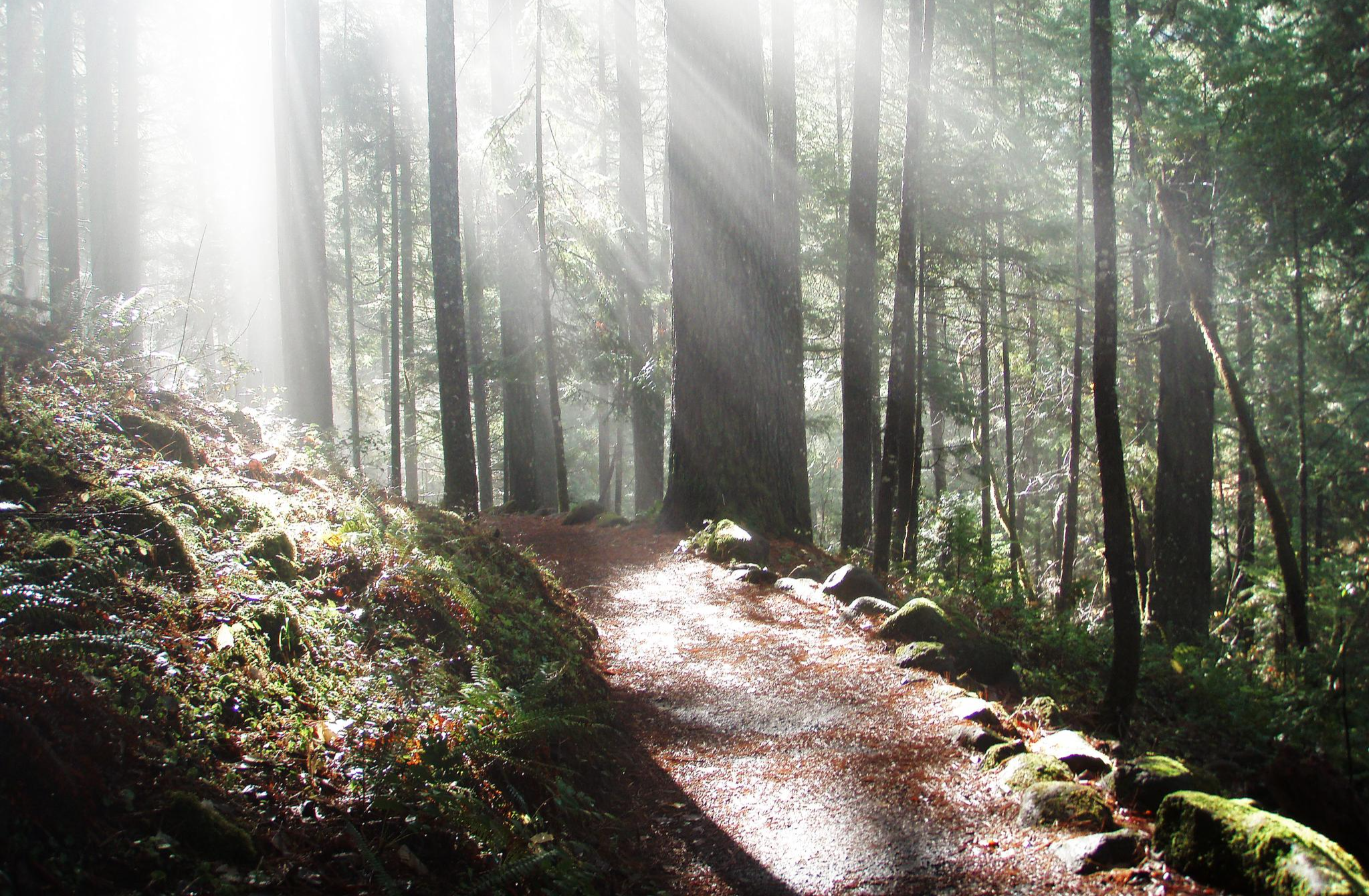
Toketee Falls is the first waterfall that you will encounter on the Sweet Creek Falls Trail. Similar to the other waterfalls, Toketee Falls is found in a lush green environment, surrounded by mossy rocks and ferns.
0
0

These day-use only 'tubs' are naturally formed and overlook the North Umpqua Wild and Scenic River. The water is seeping out of an active fault, resulting in water between 100° and 115° F (37.7° and 46° C). Keep an eye out for Surprise Falls across the river and know that nudity isn't uncommon at the tubs.
1
0
Dropping around 120 ft (37 m) Toketee Falls is fed by the North Umpqua River and derives from the Chinook word meaning 'pretty' or 'graceful'.
0
0
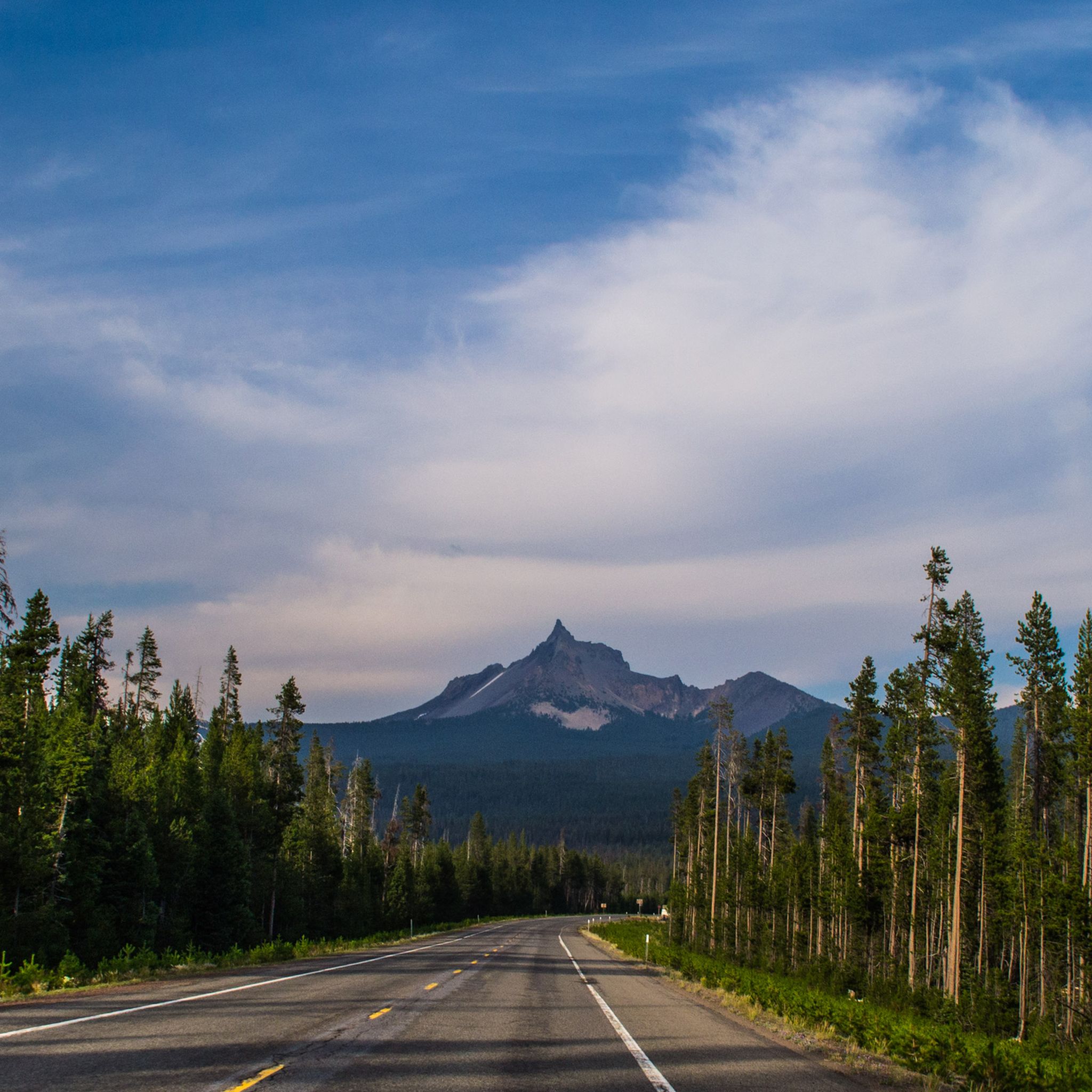
Around 290,000 years old the extinct shield volcano known as Mount Thielsen stands out as a prominent landmark with an elevation of 9,184 ft (2,799 m). Informally known as Big Cowhorn, Polish explorer Jon Hurlburt renamed the volcano after Hans Thielsen, a railroad engineer and builder. The Klamath name for the peak is hisc’akwaleeʔas. It is said that the horn-like spire of Mount Thielsen is struck by lightning more often than any other High Cascade peak, hence the nickname, The Lightning Rod of the Cascades!
0
0

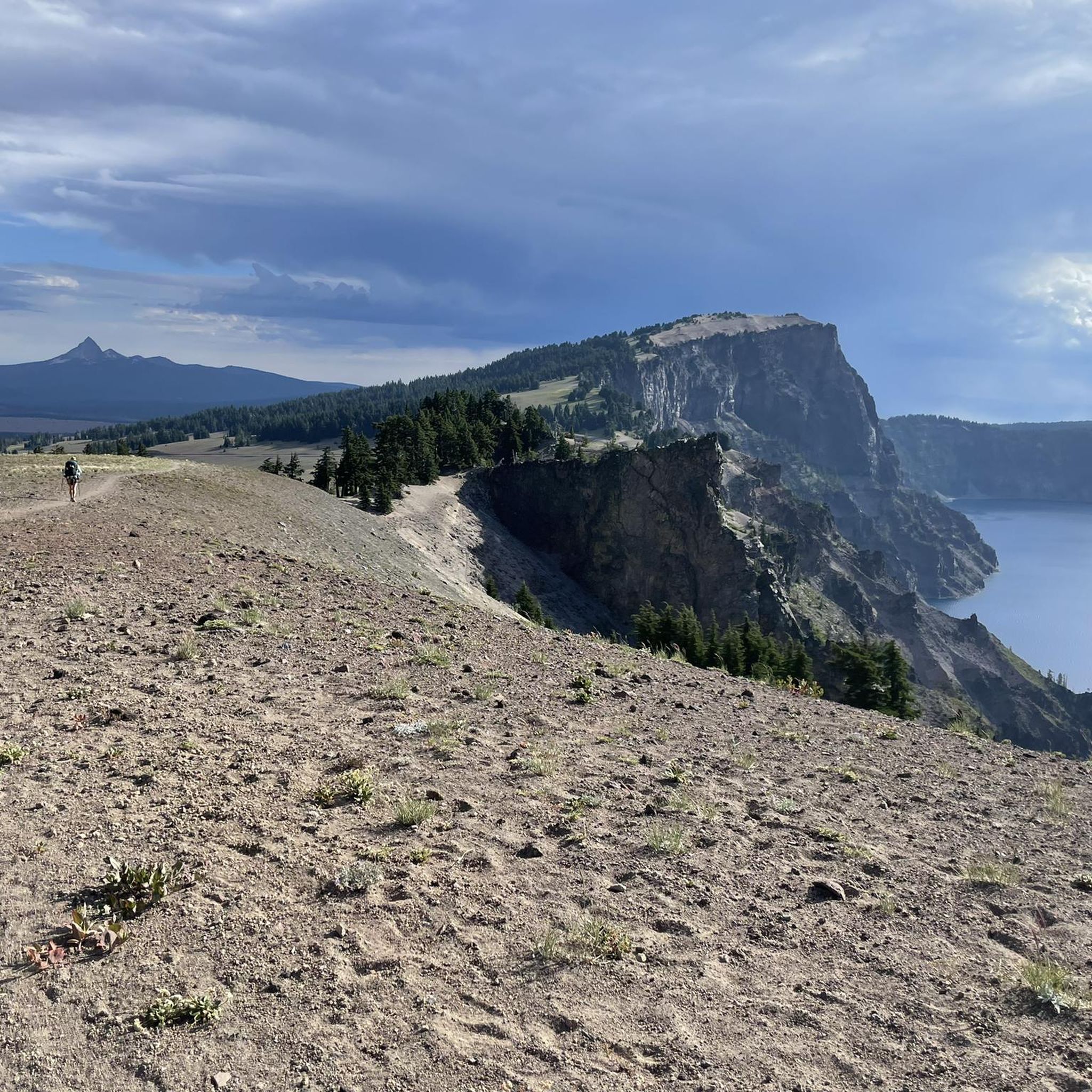
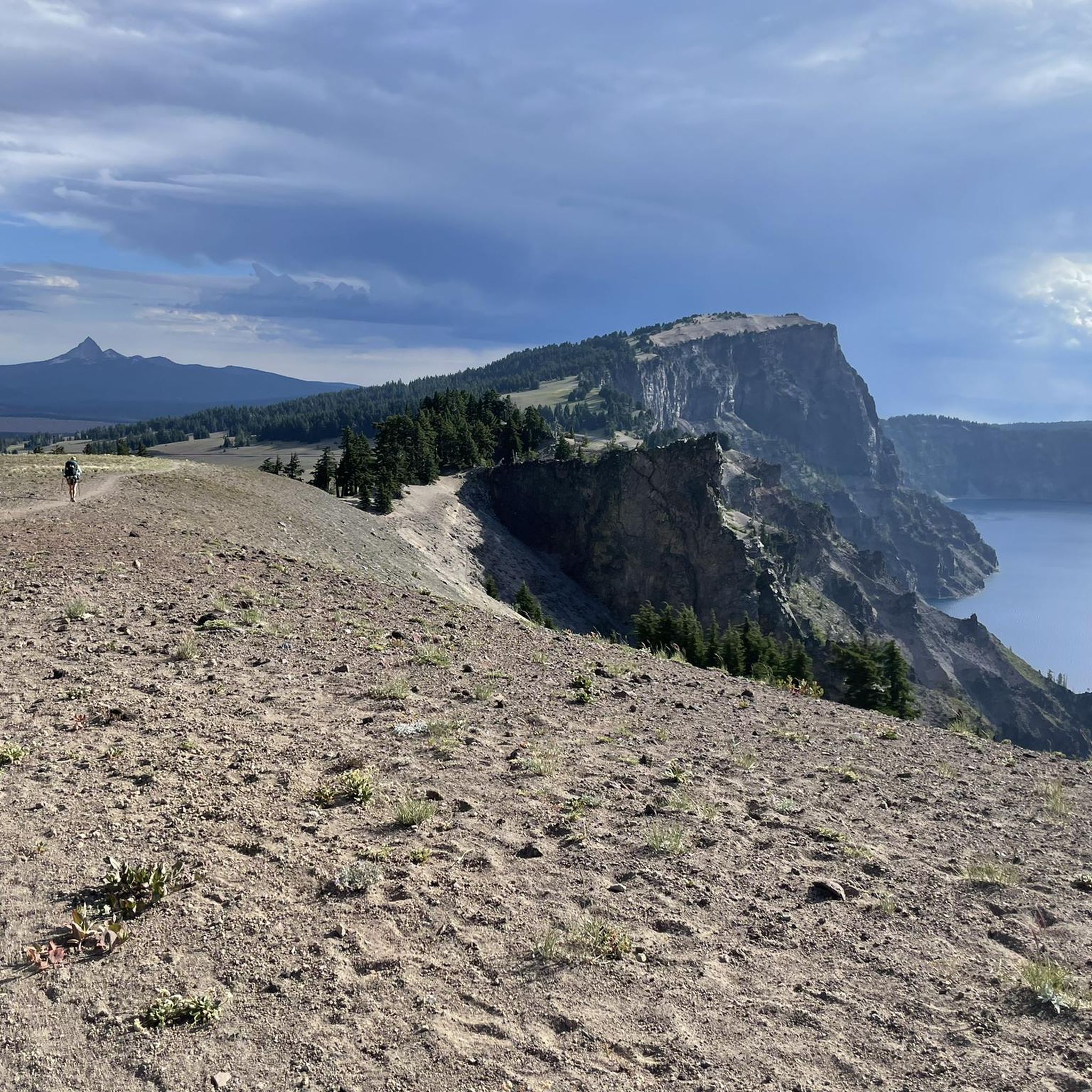
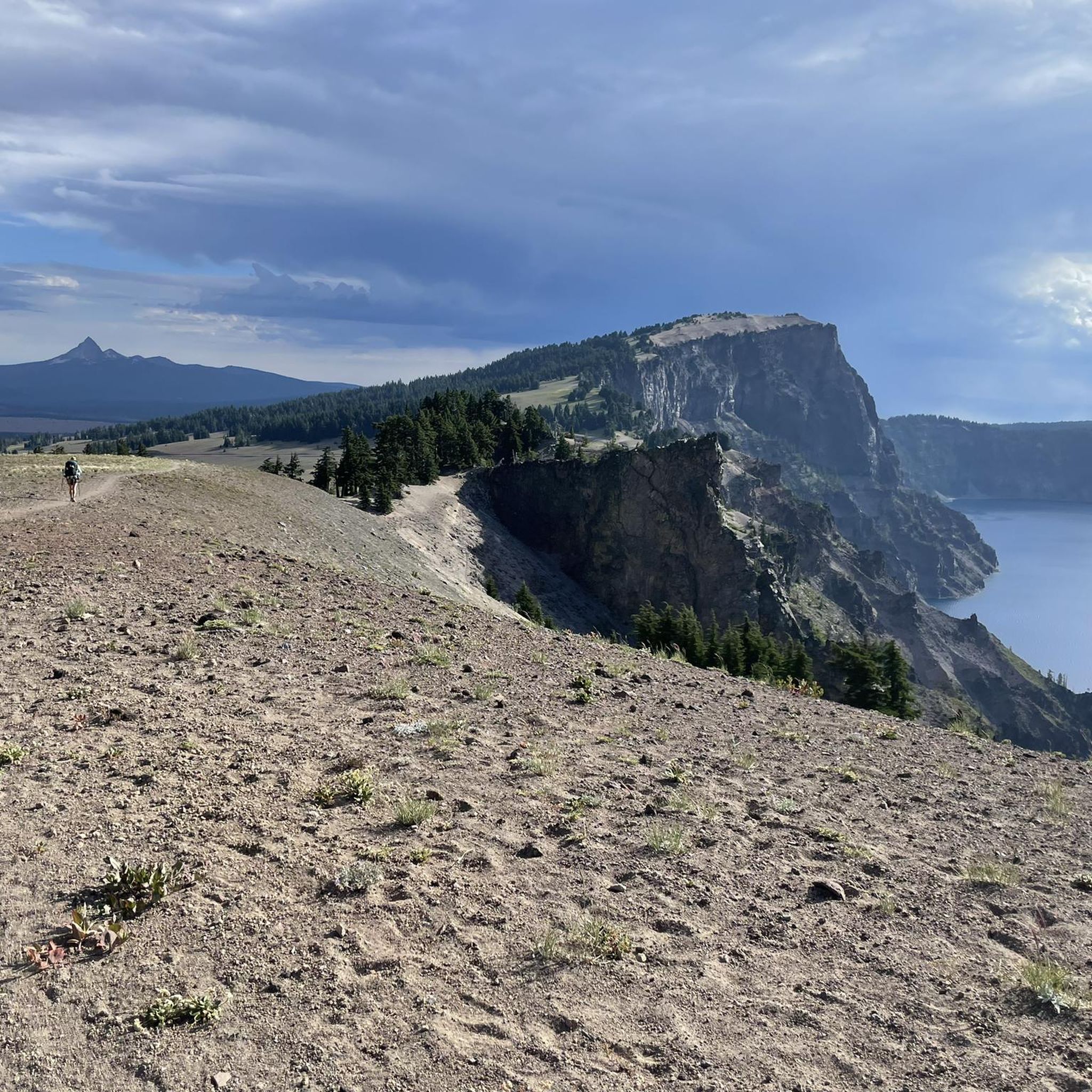
Highway 138 is the northern boundary of Crater Lake National Park. It is also a trailhead for the Pacific Crest Trail. You will find a trail register next to the trailhead. This is also a good location to hitch into Chemult.
6
0
Frequently Asked Questions
What are some of the most popular natural monuments in Umpqua National Forest?
Among the most visited natural monuments are Toketee Falls, known for its two-tiered drop over basalt columns, and Umpqua Hot Springs, offering natural soaking pools. The rugged peak of Mount Thielsen Wilderness also draws many visitors seeking panoramic views.
Are there family-friendly natural monuments in Umpqua National Forest?
Yes, several natural monuments are suitable for families. The short, accessible hike to Umpqua Hot Springs is a great option. Additionally, the Soda Springs Trailhead & Day Use Area provides interpretive signs and restrooms, making it a convenient stop for families to learn about the local environment.
What kind of geological features can I expect to see in Umpqua National Forest?
Umpqua National Forest is rich in geological diversity, shaped by ancient volcanic activity and glaciers. You'll encounter towering basalt columns at waterfalls like Toketee Falls, and travertine-ringed pools at Umpqua Hot Springs, where water seeps from an active fault. The jagged spire of Mount Thielsen is a prominent volcanic feature.
What is the tallest waterfall in Umpqua National Forest?
Watson Falls holds the distinction of being the tallest waterfall in Umpqua National Forest, plunging an impressive 293 feet. A short 0.8-mile roundtrip trail leads through a mossy forest to a viewing bridge, offering close-up views of its powerful spray.
What outdoor activities can I do near these natural monuments?
The region around Umpqua National Forest's natural monuments offers a wide range of outdoor activities. You can explore numerous hiking trails, enjoy road cycling or mountain biking on routes like those found in the Road Cycling Routes in Umpqua National Forest or MTB Trails in Umpqua National Forest guides. The North Umpqua River is also excellent for fishing and whitewater rafting.
Are there any less crowded natural attractions to visit?
While popular spots like Toketee Falls can draw crowds, exploring other waterfalls such as Susan Creek Falls, Fall Creek Falls, Clearwater Falls, or Grotto Falls (where you can walk behind the cascade) can offer a more serene experience. The vastness of the Mount Thielsen Wilderness also provides opportunities for solitude on its longer trails.
What is the best time of year to visit Umpqua National Forest's natural monuments?
The best time to visit is generally during the spring, summer, and fall months. Spring offers lush greenery and full waterfalls from snowmelt, while summer provides warm weather for hiking and water activities. Fall brings vibrant foliage. Visiting closer to the end of the day can enhance the experience at places like Toketee Falls, as sunlight illuminates the canyon.
Can I bring my dog to the natural monuments?
Many trails and natural areas within Umpqua National Forest are dog-friendly, including the area around Umpqua Hot Springs and the Soda Springs Trailhead & Day Use Area. Always ensure your dog is on a leash and follow Leave No Trace principles to protect the natural environment and wildlife.
Are there any notable rivers or lakes in the area?
The North Umpqua River is a significant natural feature, designated as a "Wild and Scenic River" and renowned for its fishing and whitewater opportunities. Diamond Lake, situated near Crater Lake National Park, is another scenic highlight, perfect for kayaking, paddleboarding, and enjoying views of Mount Thielsen and Mount Bailey.
What are the hiking difficulties like for trails to these natural monuments?
Hiking difficulties vary. The trail to Toketee Falls is a well-maintained 0.9-mile roundtrip but features many stairs. The hike to Umpqua Hot Springs is a shorter 0.5-mile trek. For a more challenging experience, the hike to the tip of Mount Thielsen is just over 9 miles round trip, offering rewarding panoramic views.
Where can I find parking and trailheads for these natural features?
Designated parking areas and trailheads are available for most natural monuments. For example, the Soda Springs Trailhead & Day Use Area offers parking and access to trails, complete with restrooms. Specific parking information is usually available at the entrance to each site or on local forest service maps.
Are permits required to visit the natural monuments?
Generally, permits are not required for day-use visits to most natural monuments in Umpqua National Forest. However, some areas, especially those with developed facilities or for overnight camping, might require fees or permits. It's always advisable to check the Umpqua National Forest website for the most current regulations before your visit.
What makes the North Umpqua River special?
The North Umpqua River is designated as a "Wild and Scenic River" for its pristine waters, flowing over waterfalls and through narrow canyons. It's particularly renowned for its outstanding fishing environments, especially for steelhead, Chinook, and Coho salmon, and offers diverse whitewater rafting challenges.
Most popular routes in Umpqua National Forest
Most popular attractions in Umpqua National Forest

Get inspired with the komoot mobile app


