Kaibab National Forest
Kaibab National Forest
Top 18 Natural Monuments in Kaibab National Forest
Best natural monuments in Kaibab National Forest include a variety of geological features and culturally significant sites. This vast expanse borders the Grand Canyon, offering diverse ecosystems and elevated viewpoints. The forest's terrain ranges from 3,000 feet to over 10,000 feet, contributing to varied habitats. Visitors can explore ancient geological layers and sites with historical significance.
Best natural monuments in Kaibab National Forest
- The most popular natural monuments is Kendrick Peak, a summit that offers great views from the…
Last updated: September 28, 2026
Fence Point
Highlight • Viewpoint
Tip by

Kendrick Peak
Highlight • Summit
Tip by

Sign up now to discover places like this
Get recommendations on the best single tracks, peaks, & plenty of other exciting outdoor places.
Baaj Nwaavjo I'tah Kukveni – Ancestral Footprints of the Grand Canyon National Monument
Highlight • Natural Monument
Tip by

Keyhole Sink Waterfall and Petroglyphs
Highlight • Waterfall
Tip by

Monument Point
Highlight • Viewpoint
Tip by
Sign up for free to discover even more natural monuments in Kaibab National Forest.
Already have an account?
Start today with a free account
Your next adventure awaits.
Popular around Kaibab National Forest
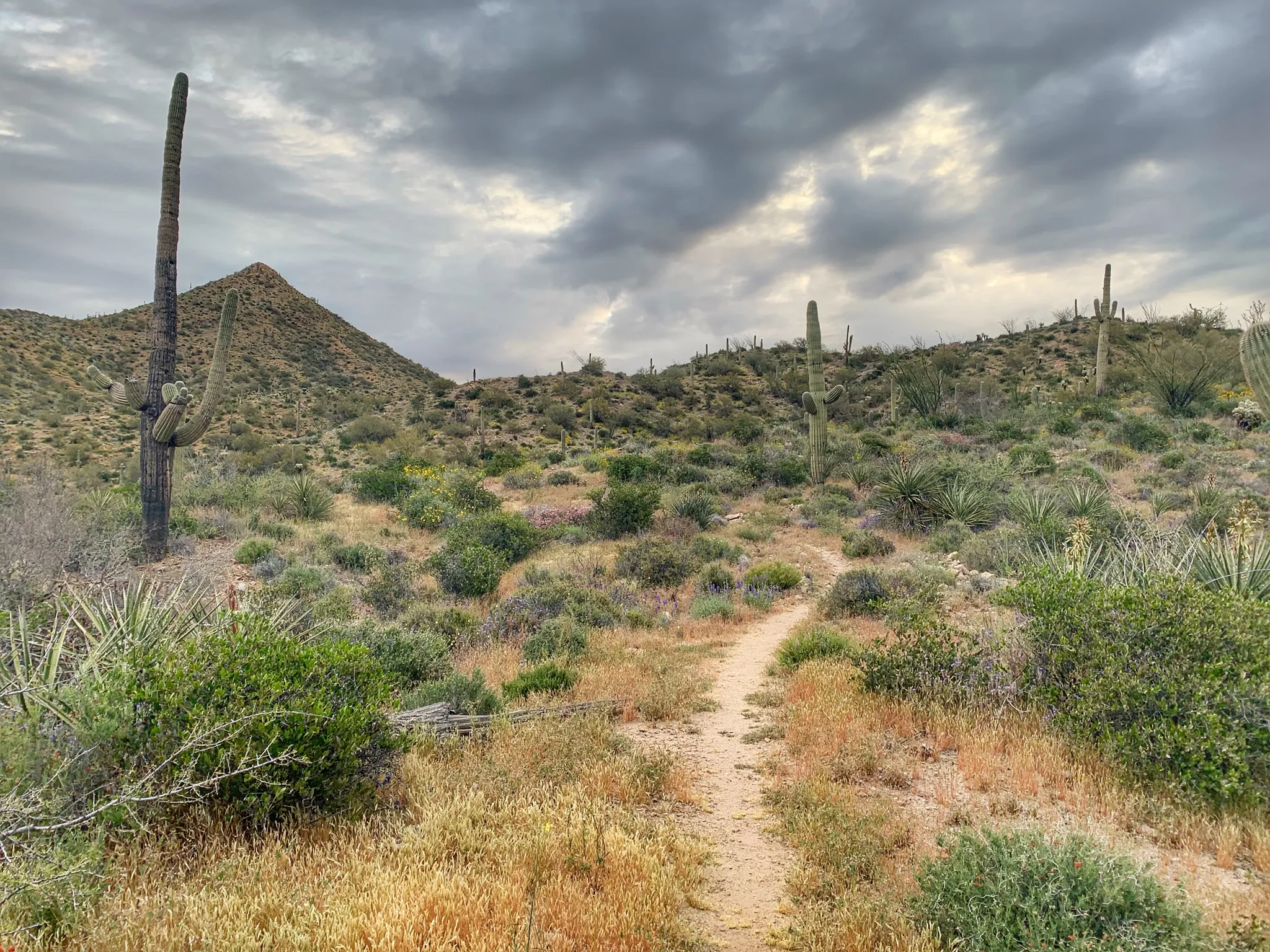
Arizona Trail — A beautiful 800-mile struggle
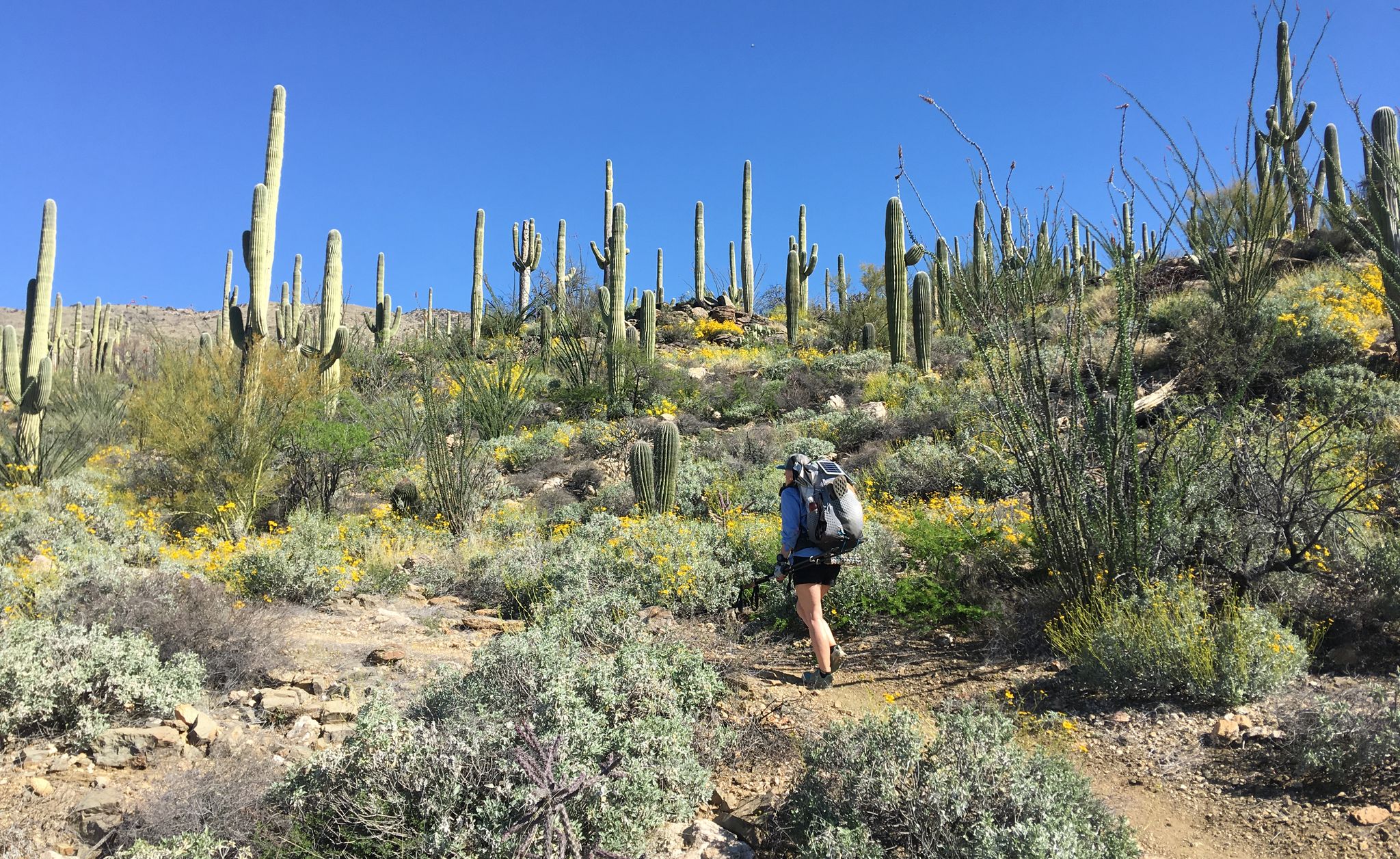
The Arizona Trail — From Mexico to Utah in 43 days
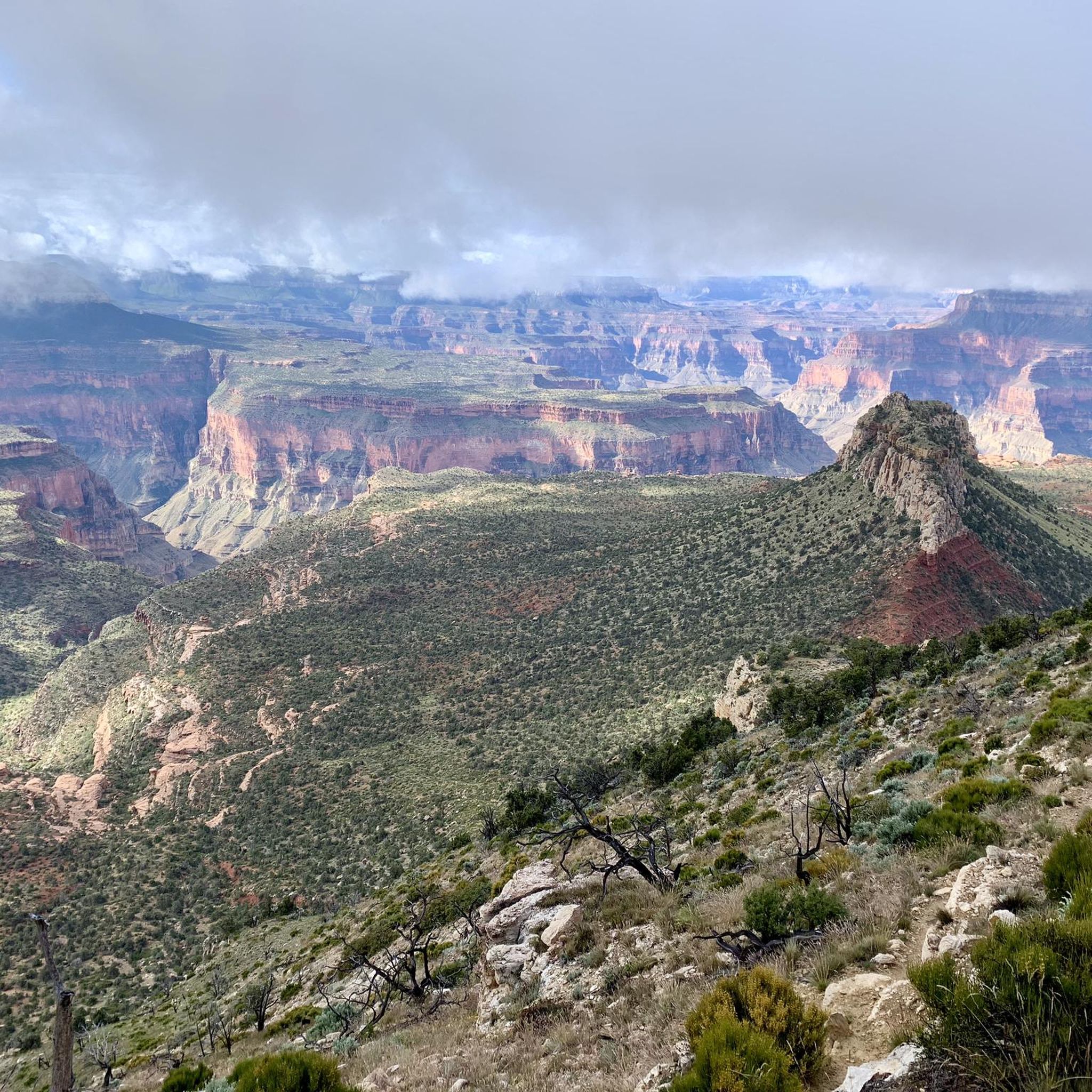
Hiking in Kaibab National Forest
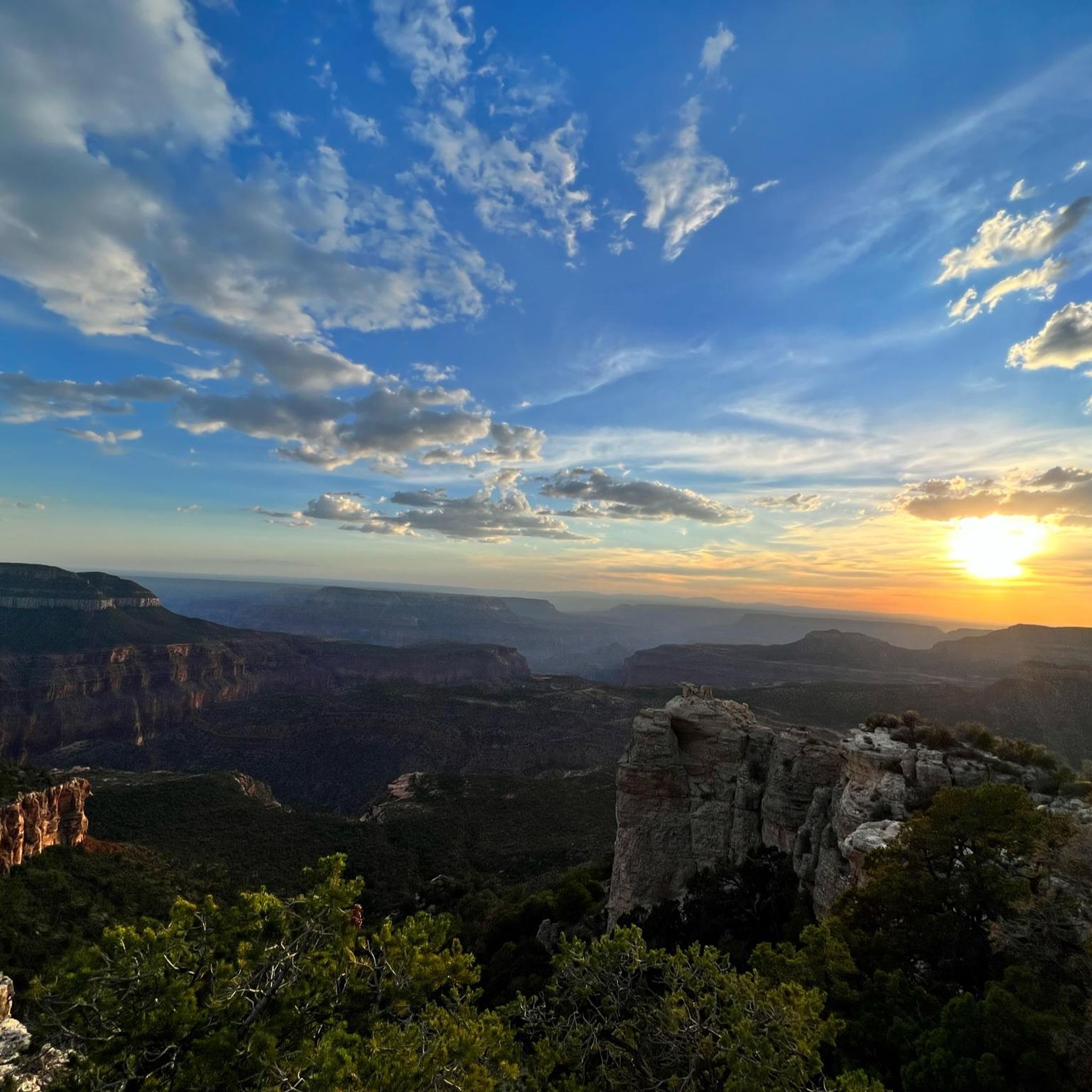
MTB Trails in Kaibab National Forest
Road Cycling Routes in Kaibab National Forest
Cycling in Kaibab National Forest
Running Trails in Kaibab National Forest

Gravel biking in Kaibab National Forest


Tips from the Community

Baaj Nwaavjo I'tah Kukveni protects over 900,000 acres of ancestral lands surrounding the Grand Canyon, sacred to 13 tribal nations. Its name—Havasupai and Hopi for "where Indigenous peoples roam" and "our ancestral footprints"—honors deep cultural ties. The monument preserves sacred sites, rare wildlife, and vital watersheds through tribal and federal collaboration. The open plateaus, canyons, and expansive desert views are truly breathtaking.
0
0

There's a parking lot near Fence Point, which also features an optional spur to the point itself—with its sparkling view west into the Grand Canyon and of Steamboat Mountain.
0
0

Follow an easy trail to arrive at this tucked away box canyon. The basalt rock here has old markings (petroglyphs) etched into it, made by artisans roughly 1000 years ago.
1
0

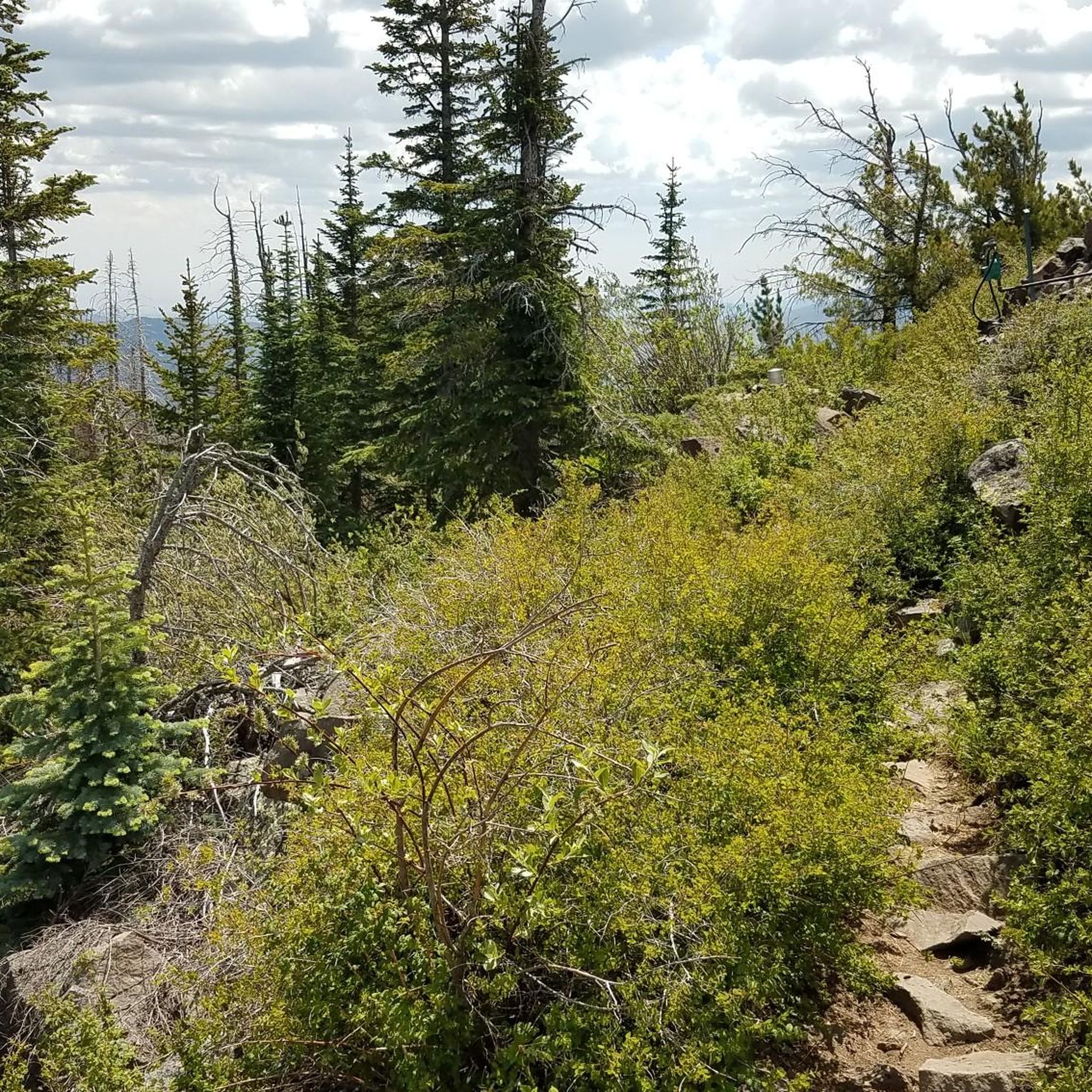
Kendrick Peak is one of those spectacular mountains rising up from the highland plane in Northern Arizona. If you have a chance, hike it for great views that truly take you out of the ordinary world to experience nature in its unsullied glory.
4
0

This is one of five "Points" along the Rainbow Rim Trail. There is a perfect spot where you can pitch your tent right at the edge of the Grand Canyon. Enjoy a stunning sunset!
2
0
Great views into the canyon with Surprise Valley with its impressive rock formations like Bridgers Knoll.
4
0
Frequently Asked Questions
What are some of the unique natural features in Kaibab National Forest?
Kaibab National Forest, bordering the Grand Canyon, offers a variety of unique natural features. You can explore prominent summits like Kendrick Peak, which provides expansive views, or dramatic viewpoints such as Fence Point and Locust Point, offering stunning vistas of the Grand Canyon. The forest also features unique geological formations like the Kaibab Limestone, which forms the Grand Canyon's rim and contains ancient marine fossils, and the intriguing Keyhole Sink Waterfall and Petroglyphs, a sinkhole with historical carvings.
Are there any historical or culturally significant natural monuments to visit?
Yes, Kaibab National Forest is rich in both natural and cultural history. A significant site is Baaj Nwaavjo I'tah Kukveni – Ancestral Footprints of the Grand Canyon National Monument, which preserves over 900,000 acres of ancestral lands sacred to 13 tribal nations. This monument, including sites like Red Butte, highlights the deep Indigenous heritage and the importance of preserving these landscapes. Additionally, Keyhole Sink Waterfall and Petroglyphs features ancient petroglyphs carved into basalt rock roughly 1000 years ago, offering a tangible connection to the region's past inhabitants.
Which natural monuments are suitable for families?
For families, Keyhole Sink Waterfall and Petroglyphs is an excellent choice. It features an easy 2-mile round trip hike to a unique sinkhole with ancient petroglyphs, making it accessible and engaging for all ages. The site also serves as a watering hole, offering opportunities to observe local wildlife.
What kind of views can I expect from the natural monuments?
The natural monuments in Kaibab National Forest offer breathtaking panoramic views, particularly of the Grand Canyon. From viewpoints like Fence Point and Locust Point along the Rainbow Rim Trail, you can witness the immense scale and intricate geological layers of the canyon. Summits such as Kendrick Peak provide expansive vistas across the northern Arizona highland plain, offering a true sense of nature's grandeur.
Are there opportunities for hiking near these natural monuments?
Yes, Kaibab National Forest provides numerous hiking opportunities near its natural monuments. For instance, the Sycamore Rim Trail offers an 11-mile hike through the spectacular Sycamore Canyon, which includes Sycamore Point and Sycamore Falls. You can also find various hiking trails throughout the forest, including sections of the Arizona National Scenic Trail. For more detailed hiking routes, explore the hiking guides for Kaibab National Forest.
What geological features define the Kaibab National Forest region?
The Kaibab National Forest region is primarily defined by its dramatic geological features, most notably its proximity to the Grand Canyon. The uppermost rock layer, known as Kaibab Limestone, forms the rim of the Grand Canyon and is extensively present throughout the forest. This 'dirty limestone' is rich in fossils of ancient marine organisms, indicating the area was once a tropical seabed approximately 270 million years ago. Other features include deep canyons like Sycamore Canyon and unique sinkholes such as Keyhole Sink, all shaped by millions of years of natural processes.
What wildlife might I encounter around the natural monuments?
Kaibab National Forest is home to diverse wildlife. Visitors exploring the natural monuments might encounter elk, mule deer, and the unique Kaibab squirrel, which is endemic to the North Rim of the Grand Canyon. Areas like Keyhole Sink, which serves as a watering hole, are particularly good for wildlife observation. The varied elevations and habitats, from ponderosa pine forests to alpine meadows, support a rich array of species.
What is the best time of year to visit the natural monuments in Kaibab National Forest?
The best time to visit the natural monuments in Kaibab National Forest generally depends on the specific monument and desired activities. Spring and fall offer pleasant temperatures for hiking and exploring, with vibrant foliage in autumn. During spring, Sycamore Falls presents a mesmerizing display of cascading water due to snowmelt. Summer is popular but can be warm, especially at lower elevations. Some areas, particularly the North Rim of the Grand Canyon and higher elevations, may be inaccessible or have limited services during winter due to snow.
Are there cycling routes available near the natural monuments?
Yes, Kaibab National Forest offers various cycling routes that allow you to explore the natural monuments and surrounding areas. You can find mountain biking trails like the Rainbow Rim Trail, which passes by viewpoints such as Fence Point and Locust Point. There are also road cycling and touring bicycle routes available. For detailed information on routes and their difficulty, you can check the MTB Trails, Road Cycling Routes, and Cycling guides for Kaibab National Forest.
What do visitors particularly enjoy about the natural monuments here?
Visitors to Kaibab National Forest particularly enjoy the stunning, expansive views of the Grand Canyon from various points, especially during sunsets. The opportunity to pitch a tent right at the edge of the canyon, as described for Fence Point, is a highlight for many. The sense of experiencing nature in its 'unsullied glory' from summits like Kendrick Peak is also highly appreciated. The historical significance of sites like Keyhole Sink Waterfall and Petroglyphs, with its ancient carvings, also captivates visitors.
Can I camp near any of the natural monuments?
Yes, camping opportunities exist near some natural monuments. For example, Fence Point, a viewpoint along the Rainbow Rim Trail, offers perfect spots to pitch a tent right at the edge of the Grand Canyon, allowing visitors to enjoy stunning sunsets directly from their campsite.
Are there any natural monuments that are less crowded or 'hidden gems'?
While the Grand Canyon itself draws many visitors, exploring the broader Kaibab National Forest can lead to less crowded experiences. Keyhole Sink Waterfall and Petroglyphs, accessible via an easy trail, is often considered a hidden gem, offering a tranquil setting and a glimpse into ancient history without the large crowds. The forest's vastness also allows for discovering quieter spots away from the main viewpoints.
Most popular routes in Kaibab National Forest
Most popular attractions in Kaibab National Forest

Get inspired with the komoot mobile app


Explore more
Extend your search for the best caves by checking out these guides of the top ones in Kaibab National Forest:
