Top 8 Natural Monuments in Everglades National Park
Best natural monuments in Everglades National Park showcase a vast subtropical wilderness, recognized as an International Biosphere Reserve and a UNESCO World Heritage Site. The park features diverse landscapes, including expansive sawgrass prairies, tropical hardwood hammocks, and coastal mangrove islands. These natural features highlight the unique ecosystems and abundant wildlife of the region. The Everglades is a critical wetland of international importance, offering varied environments for exploration.
Best natural monuments in Everglades National Park
- The most popular natural monuments is…
Last updated: June 24, 2026
Shark Valley Visitor Center
Highlight • Rest Area
Tip by

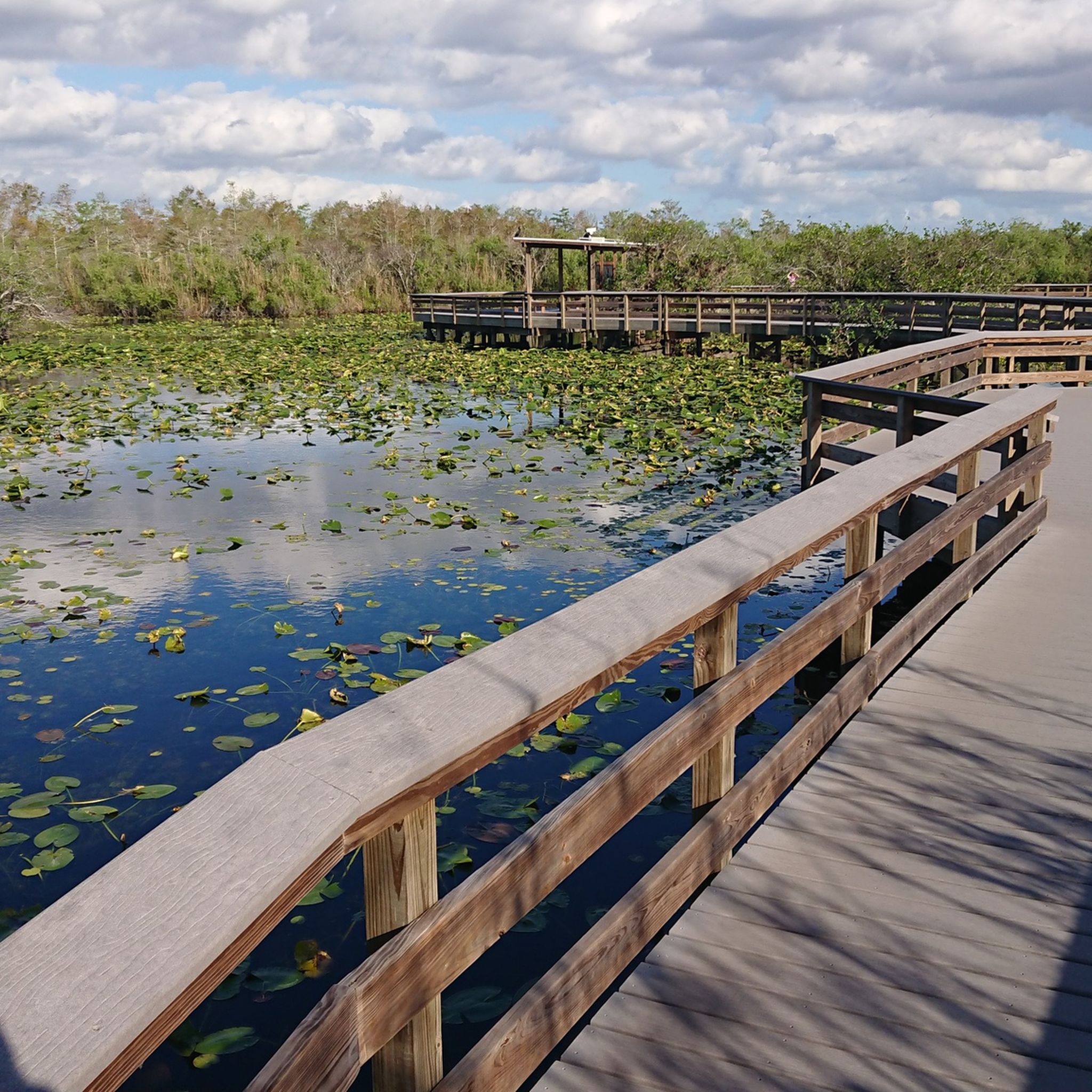
Pinelands Trail, Everglades National Park
Highlight • Trail
Translated by Google •
Tip by

Sign up now to discover places like this
Get recommendations on the best single tracks, peaks, & plenty of other exciting outdoor places.
Sign up for free
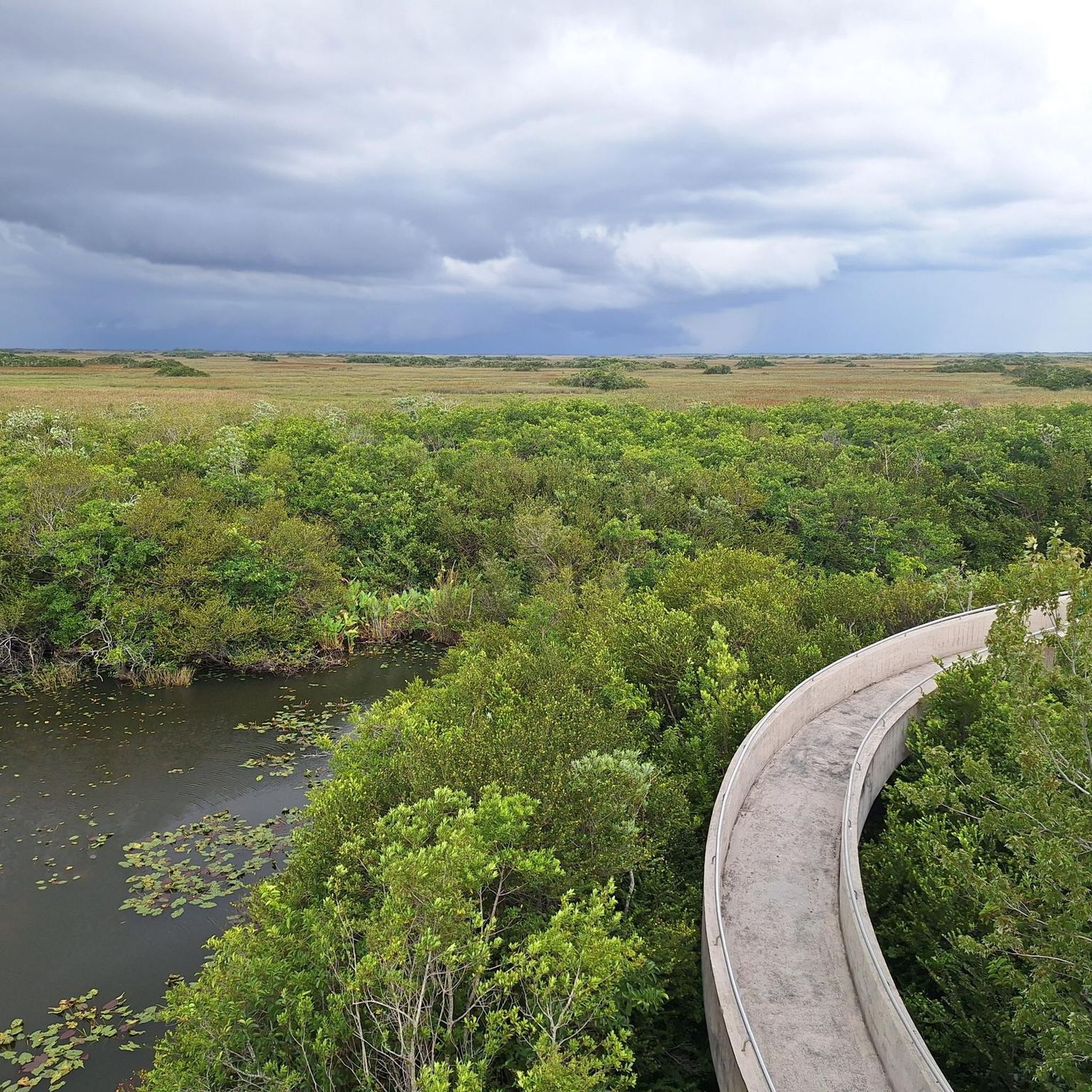
Shark Valley Observation Tower
Highlight • Viewpoint
Tip by
Gumbo Limbo Trail
Highlight (Segment) • Trail
Translated by Google •
Tip by

Royal Palm Visitor Center
Highlight • Rest Area
Tip by
Sign up for free to discover even more natural monuments in Everglades National Park.
Sign up for free
Already have an account?
Start today with a free account
Your next adventure awaits.
Login or Signup



Other adventures in Everglades National Park


Tips from the Community

Very beautiful area
3
0

Hiking and cycling tours can be started from here. There is a bike rental service on site, but unfortunately it is not particularly cheap.
1
0

A Great View above the Everglades - 22 Miles in the middle of Nowhere Beautiful view above the Everglades - 22 miles in the middle of nature
1
0
Visitor Center with Ranger Infos, Little shop, and Tour Start
0
0

The tours start from here, seating in the shade and red rooms are available.
0
0
Nice trail, mosquito protection recommended!
0
0

It is a good place to get information about the conditions of the trails and also about the flora and fauna of the area. You can also pick up some snacks from here. There is bikes available for renting.
0
0

This trail leads to the observation deck of the Shark Valley Observation Tower, the highest accessible point in all of Everglades National Park. Climb to the top and enjoy the panoramic views of the Everglades for miles.
1
0
Frequently Asked Questions
What unique natural features can I expect to see in Everglades National Park?
Everglades National Park is a vast subtropical wilderness showcasing diverse natural features. You can explore the expansive sawgrass prairies, often called the 'river of grass,' particularly visible from areas like Shark Valley or Pa-Hay-Okee Overlook. The park also features dense tropical hardwood hammocks, such as the one found at Mahogany Hammock Trail, characterized by ancient mahogany trees and unique flora. Along the Gulf Coast, the Ten Thousand Islands offer a complex network of mangrove-formed islands and seagrass beds.
Where are the best places to observe wildlife in the Everglades' natural monuments?
For exceptional wildlife viewing, Shark Valley Visitor Center is highly recommended. Here, you can frequently spot alligators, various bird species like ibis and roseate spoonbills, and even white-tailed deer. The Royal Palm Visitor Center, which provides access to the Gumbo Limbo and Anhinga trails, is another very popular spot for seeing alligators and birds. The Ten Thousand Islands area is ideal for marine wildlife, including dolphins and a wide array of seabirds like ospreys and pelicans.
Are there family-friendly natural monuments in Everglades National Park?
Yes, several natural monuments are great for families. Shark Valley Visitor Center offers a 15-mile loop that can be explored by walking, biking, or a narrated tram tour, making it accessible for all ages. The Gumbo Limbo Trail and Pinelands Trail are short, easy walks through unique forest environments, perfect for younger visitors. The Royal Palm Visitor Center is also a popular starting point for family-friendly wildlife viewing trails.
Which natural monuments in Everglades National Park are wheelchair accessible?
Several natural monuments offer wheelchair accessibility. The Mahogany Hammock Trail features a wheelchair-accessible boardwalk that winds through a dense tropical hardwood forest. Pa-Hay-Okee Overlook also provides an easily accessible boardwalk leading to an elevated observation platform with sweeping views of the sawgrass prairie. Additionally, the tram tour at Shark Valley Visitor Center is wheelchair friendly, allowing access to the observation tower.
When is the best time to visit the natural monuments in Everglades National Park?
The best time to visit the natural monuments in Everglades National Park is generally during the dry season, which runs from November to April. During this period, temperatures are milder, humidity is lower, and mosquitoes are less prevalent. Wildlife viewing is also often enhanced as animals congregate around remaining water sources. The rainy season (May to October) brings higher temperatures, humidity, and more mosquitoes, though it also showcases the park's lush growth.
What kind of hiking trails can I find near these natural monuments?
You'll find a variety of hiking trails near the natural monuments, ranging from short boardwalks to longer loops. For easy hikes, consider the Mahogany Hammock Trail, Pinelands Trail, or the Gumbo Limbo Trail, all offering immersive experiences into different ecosystems. The 15-mile paved loop at Shark Valley is popular for walking and biking. For more options, you can explore various hiking routes in Everglades National Park.
What are some unique plant species I might encounter at the natural monuments?
The natural monuments are home to unique flora adapted to the Everglades' environment. At Mahogany Hammock Trail, you can see ancient mahogany trees, gumbo-limbo trees, and strangler figs, along with colorful bromeliads. The Pinelands Trail features typical Floridian vegetation like pine trees and palms, as well as interesting solution holes formed in the limestone. Pa-Hay-Okee Overlook offers views of dwarf cypress trees, magnolia, air plants, and string lilies.
What do visitors enjoy most about the natural monuments in Everglades National Park?
Visitors frequently highlight the immersive wildlife viewing opportunities, especially spotting alligators and diverse birdlife, often from boardwalks or tram tours. The unique ecosystems, such as the dense tropical hardwood hammocks and the vast sawgrass prairies, are also highly appreciated for their beauty and ecological significance. Many enjoy the accessibility of trails and viewpoints, making it easy to experience the park's natural wonders. The remote location of some areas, like Mahogany Hammock, is also valued for stargazing.
Are there opportunities for cycling near the natural monuments?
Yes, cycling is a popular activity, especially at Shark Valley Visitor Center. You can rent bikes there or bring your own to traverse the 15-mile paved loop road, which offers excellent opportunities for wildlife viewing and leads to an observation tower. While dedicated cycling routes directly within other natural monuments might be limited to boardwalks, the park offers various running and multi-use trails that can be suitable for cycling.
How long does it typically take to explore a natural monument like Shark Valley or Mahogany Hammock?
The time required varies depending on the monument and your chosen activity. For Shark Valley Visitor Center, a tram tour typically lasts about two hours, while cycling the 15-mile loop can take 2-3 hours, allowing for stops. Walking the loop would take significantly longer. The Mahogany Hammock Trail is a shorter boardwalk, usually taking 30-60 minutes to explore at a leisurely pace. Pa-Hay-Okee Overlook is a quick stop, often 15-30 minutes, for panoramic views.
What should I bring for a day trip to the natural monuments in Everglades National Park?
For a comfortable day trip, it's essential to bring plenty of water, especially since water is not available at all locations (e.g., Shark Valley observation tower). Sun protection, including sunscreen, a hat, and sunglasses, is crucial due to the open environment. Insect repellent is highly recommended, particularly during the warmer, wetter months. Comfortable walking shoes are a must, and binoculars can greatly enhance wildlife viewing. Snacks are also advisable, as food options can be limited within the park.
Are there any historical or cultural aspects associated with the natural monuments?
While the primary focus of these natural monuments is ecological, the Everglades region itself holds significant cultural and historical importance. The name Pa-Hay-Okee, for instance, means 'grassy waters' in the Mikasuki language, reflecting the deep connection of indigenous peoples to this landscape. The entire Everglades National Park is recognized as a UNESCO World Heritage Site and an International Biosphere Reserve, acknowledging its global significance and the need for its preservation, which includes its rich natural and cultural heritage. You can learn more about its international recognition on the UNESCO website.
Most popular routes in Everglades National Park
Most popular attractions in Everglades National Park

Get inspired with the komoot mobile app


Explore more
Extend your search for the best caves by checking out these guides of the top ones in Everglades National Park:
