Top 18 Natural Monuments around Penibetica
Best natural monuments around Penibetica are found within the southernmost mountain ranges of the Baetic System in the southern Iberian Peninsula. This region features unique geological formations, diverse ecosystems, and significant cultural heritage. The landscape offers a variety of natural features, from karstic formations to river canyons and high peaks. These protected areas provide opportunities to explore the natural environment of Andalusia.
Best natural monuments around Penibetica
- The most popular natural monuments is Limestone formations and caves in the Bailón…
Last updated: July 6, 2026
Zuheros Castle
Highlight • Castle
Translated by Google •
Tip by

Views over the Laguna del Conde
Highlight • Viewpoint
Translated by Google •
Tip by

Sign up now to discover places like this
Get recommendations on the best single tracks, peaks, & plenty of other exciting outdoor places.
Sign up for free
Chorreras de la Fuenseca
Highlight • Waterfall
Translated by Google •
Tip by

Limestone formations and caves in the Bailón Canyon
Highlight • Canyon
Translated by Google •
Tip by
Las Chorreras Waterfall
Highlight • Waterfall
Translated by Google •
Tip by
Puerto del Cerezo
Highlight • Mountain Pass
Translated by Google •
Tip by

Bat Cave
Highlight • Cave
Translated by Google •
Tip by

Poljé of the Nava de Cabra
Highlight (Segment) • Natural Monument
Translated by Google •
Tip by
Bailón River Canyon Viewpoint
Highlight • Viewpoint
Translated by Google •
Tip by
Pico de la Tiñosa
Highlight • Summit
Translated by Google •
Tip by
Sign up for free to discover even more natural monuments around Penibetica.
Sign up for free
Already have an account?
Start today with a free account
Your next adventure awaits.
Login or Signup


Tips from the Community

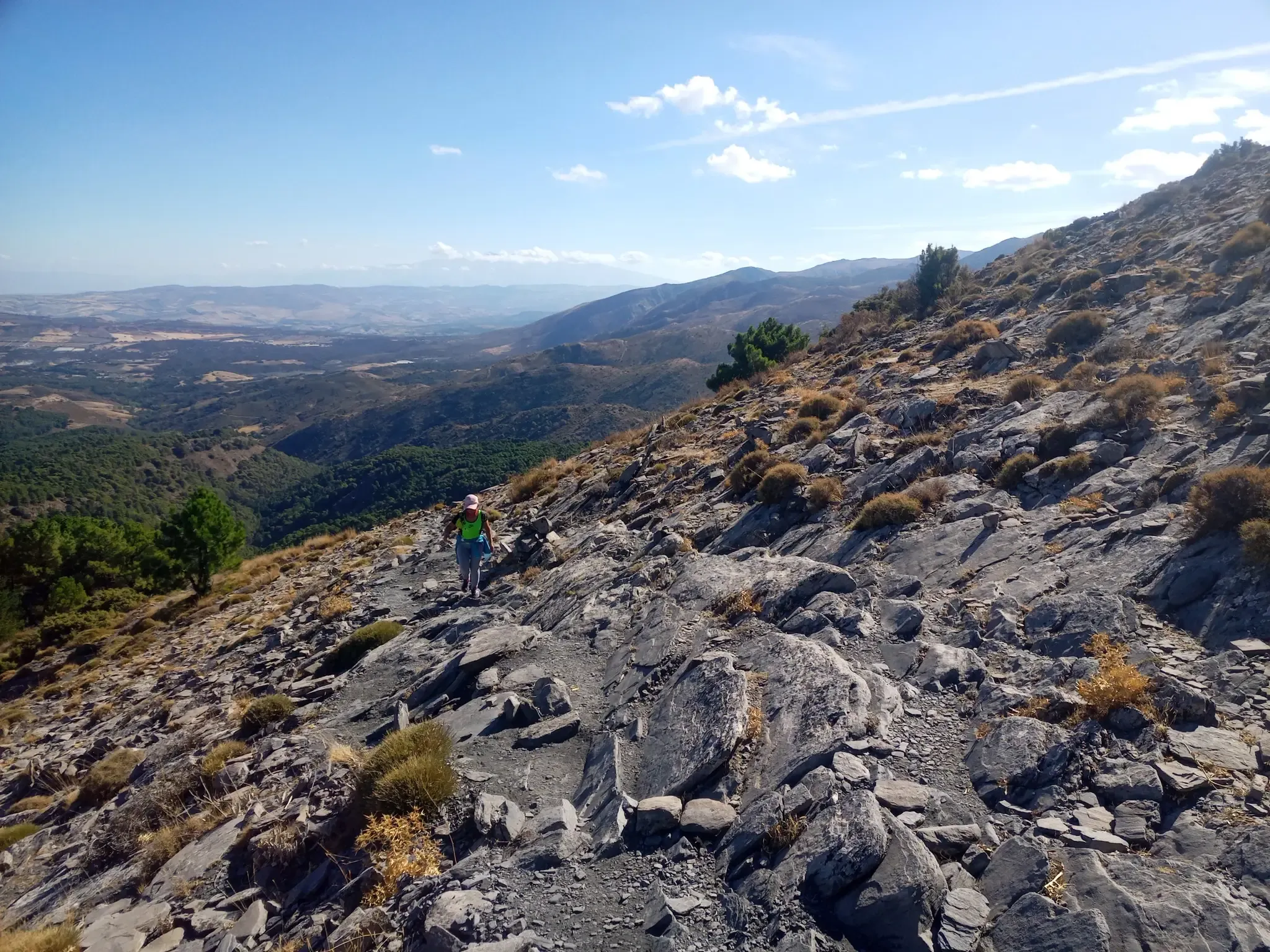
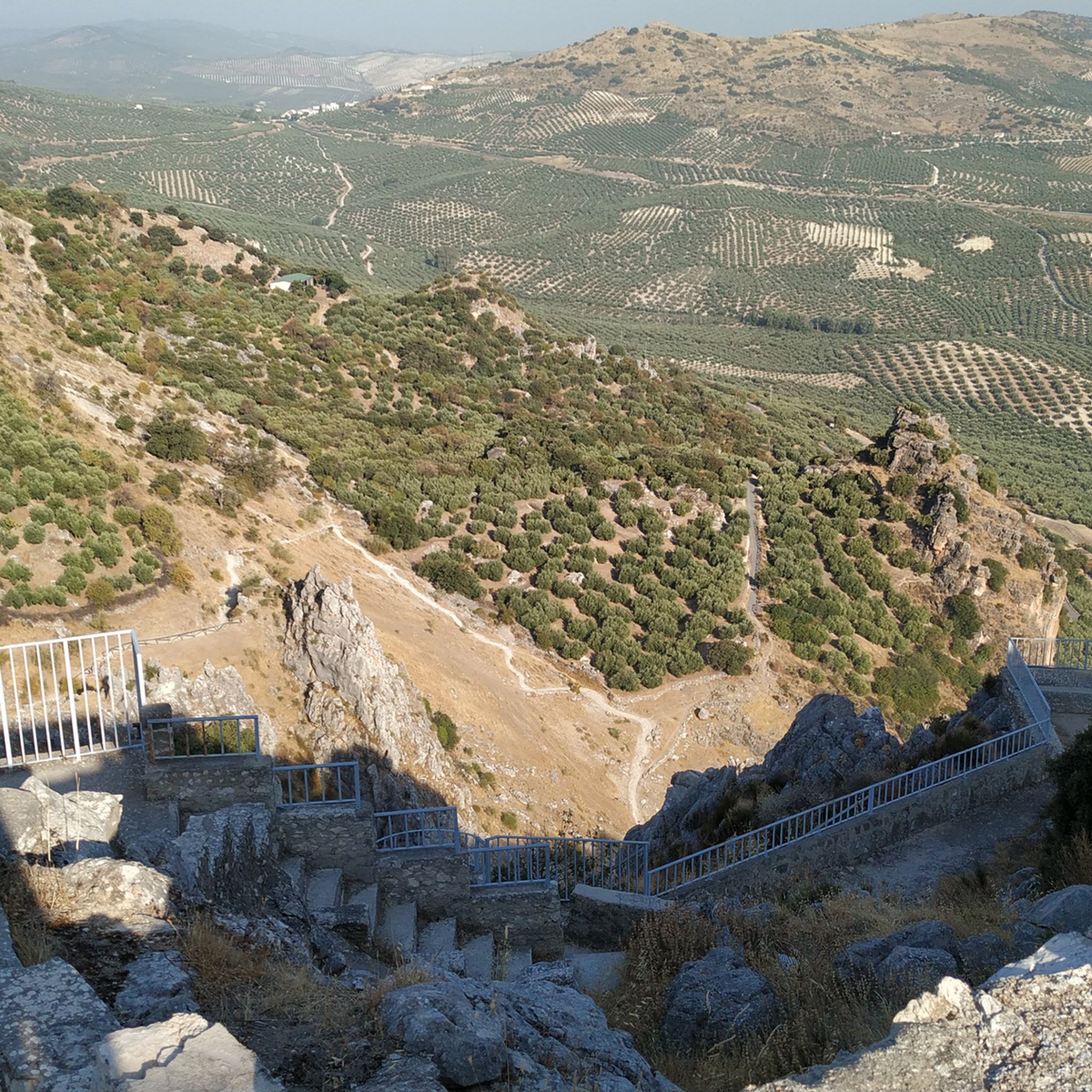
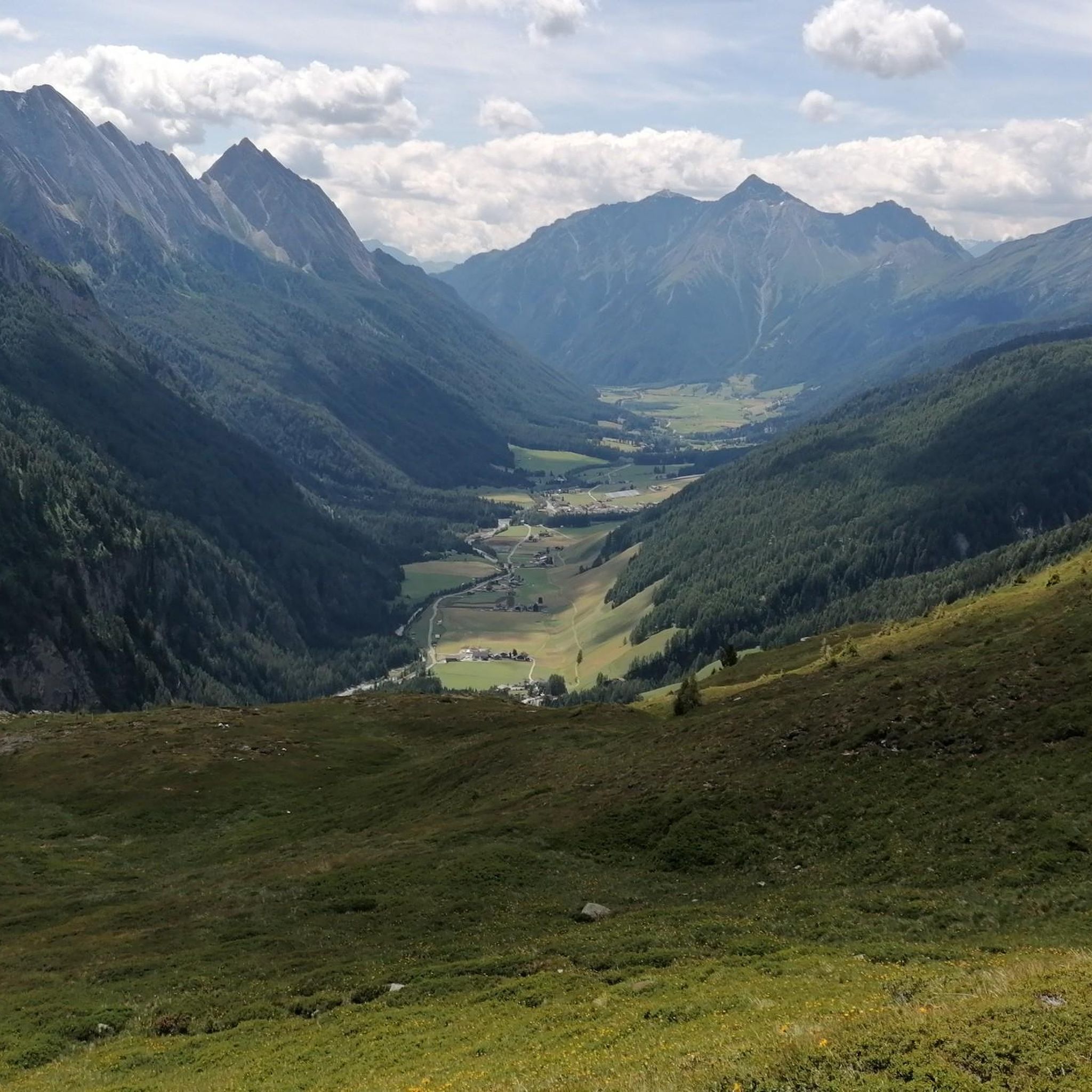
Once you reach the top and arrive at this point, you’re rewarded with an incredible feeling and truly breathtaking views.
0
0


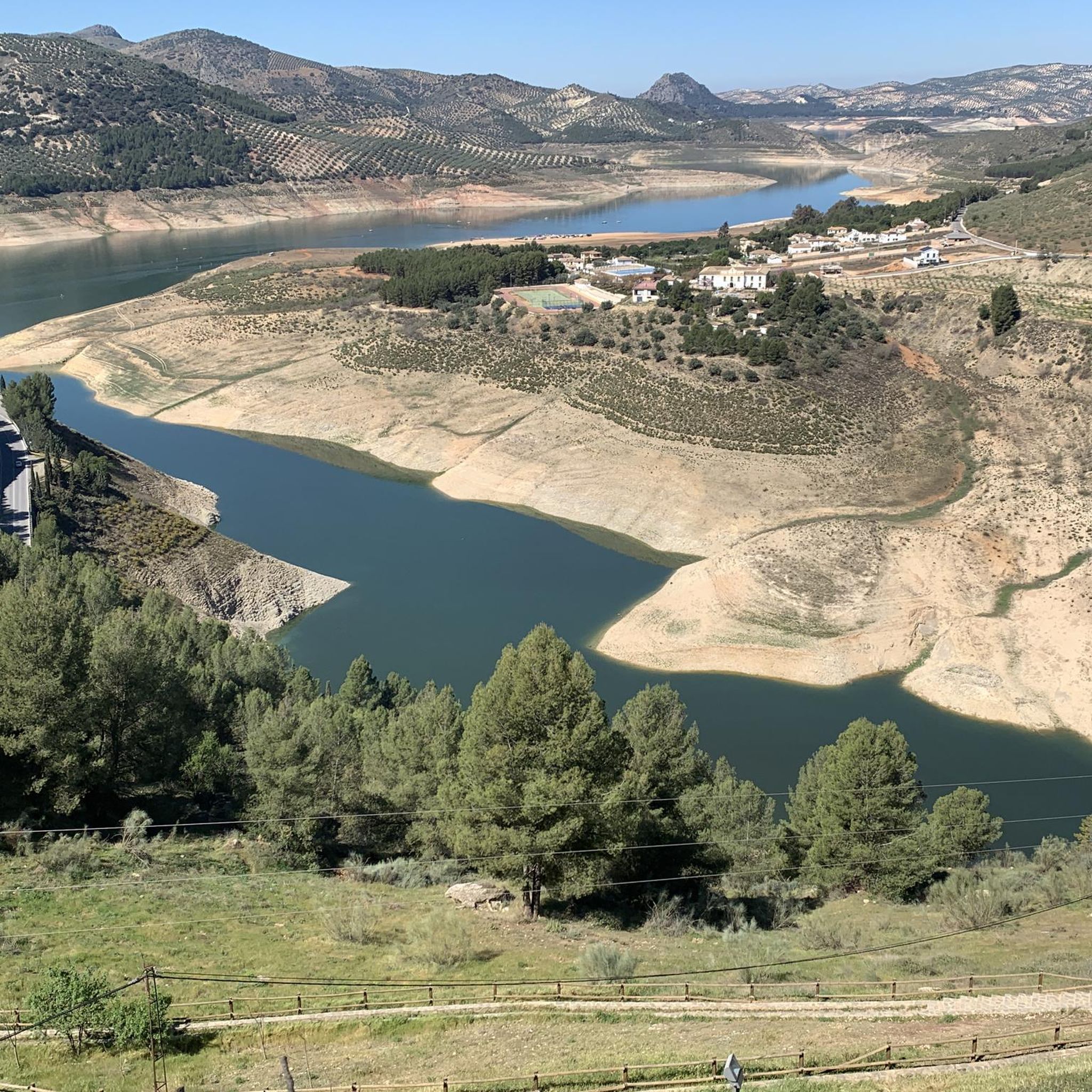
The Laguna del Conde (also known as Laguna del Salobral) is an important wetland that serves as a habitat for numerous bird species such as flamingos, cormorants, and ducks. Along the Vía Verde, there are viewpoints from which visitors can observe the wildlife.
1
0

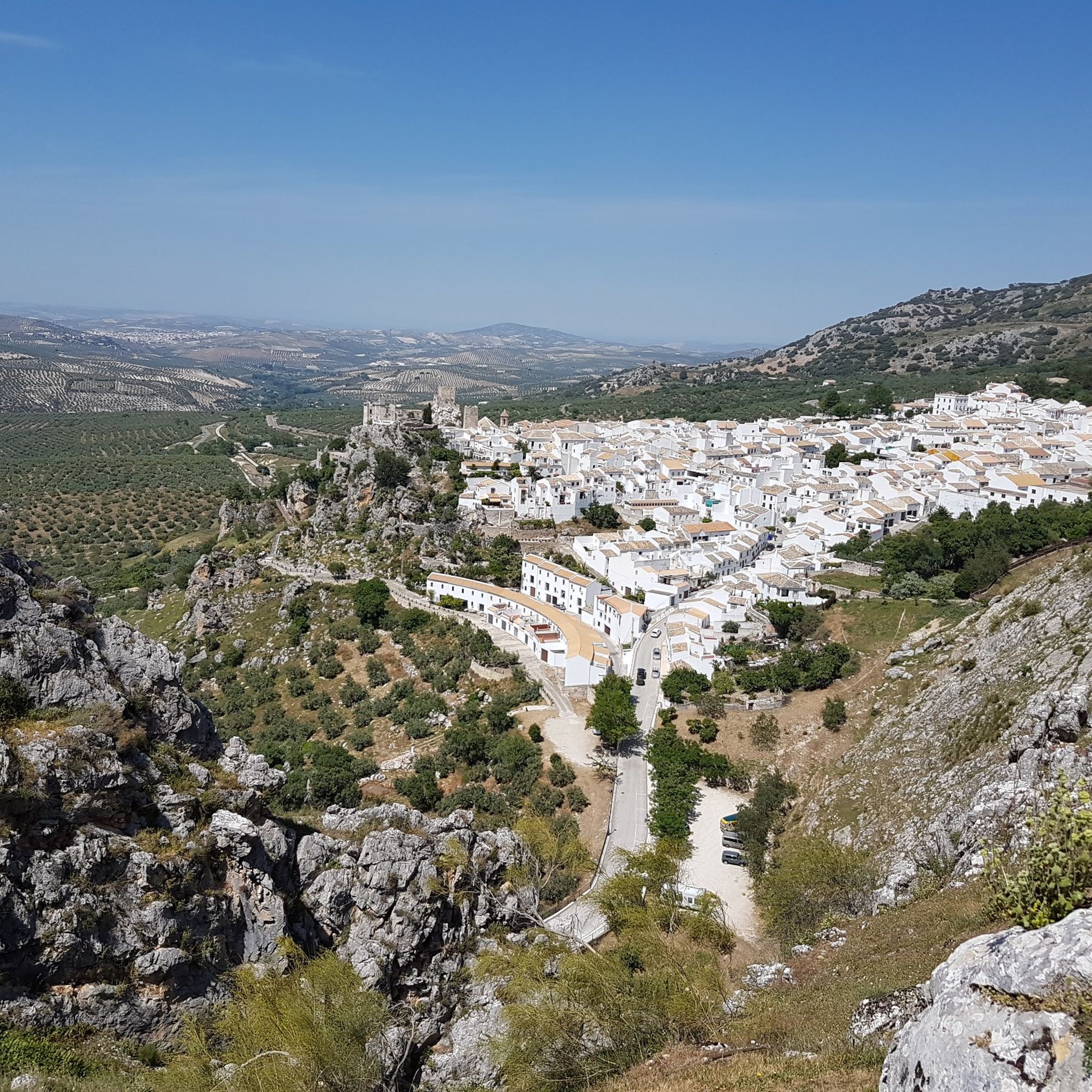
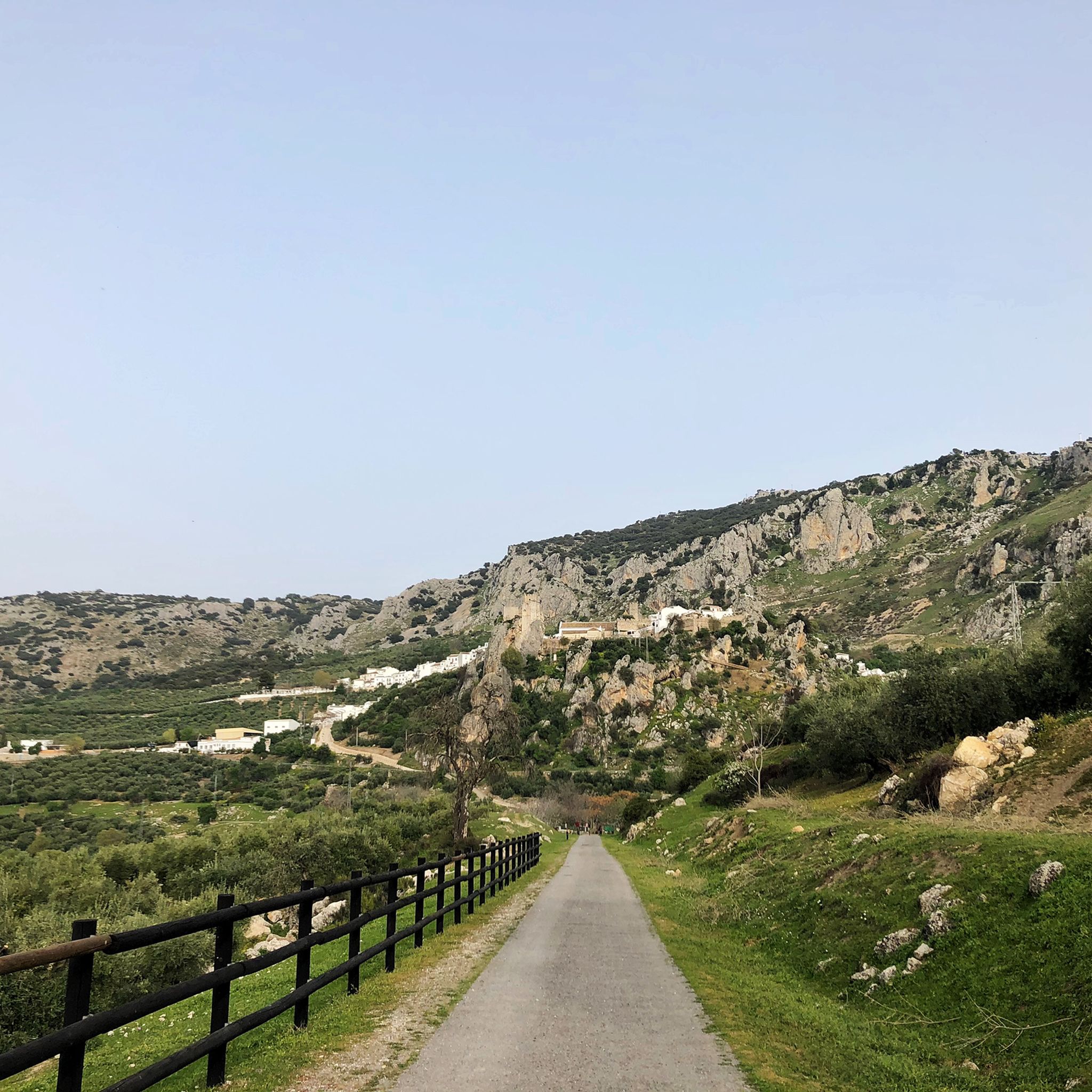
El Castillo de Zuheros is a historic fortress in the small municipality of Zuheros. The castle sits spectacularly on a rock and has become a landmark of the region. The castle's origins date back to the Moors in the 9th century. It was strategically built on a limestone cliff to control and defend the region. Its location made it almost impregnable.
0
0
The Lagoon del Conde or Salobral Lagoon is a temporary lagoon that reaches a maximum flood level in spring and subsides in summer. The lagoon is filled by rainfall that falls directly on the surface of the lagoon and by surface runoff from its catchment area, particularly from the Carrascón stream. The lagoon is on the migratory route that many birds follow towards the African continent in northeastern Europe. Like the rest of the wetland areas south of Córdoba, the Salobral Lagoon is integrated into the European Natura 2000 network.
10
0
El Castillo de Zuheros stands spectacularly on a rock and offers impressive views of the Sierra Subbética. The castle is a major landmark in the region. The castle's origins date back to the Moors in the 9th century. It was strategically built on a limestone cliff to control and defend the region. Its location made it almost impregnable. It was part of a network of castles designed to secure Moorish influence in Andalusia. In 1240, Zuheros was conquered by the troops of Ferdinand III of Castile. The castle passed into Christian ownership and was integrated into the kingdom's defensive structure. With the end of its military importance in the region, after the conquest of Granada in 1492, the castle began to decline in importance. Parts of the complex were destroyed by earthquakes and neglect over the centuries. In 1964, the towers were reconstructed as they can be seen in their current form. The ruins of the castle are now one of the main attractions of Zuheros and can be visited.
9
0

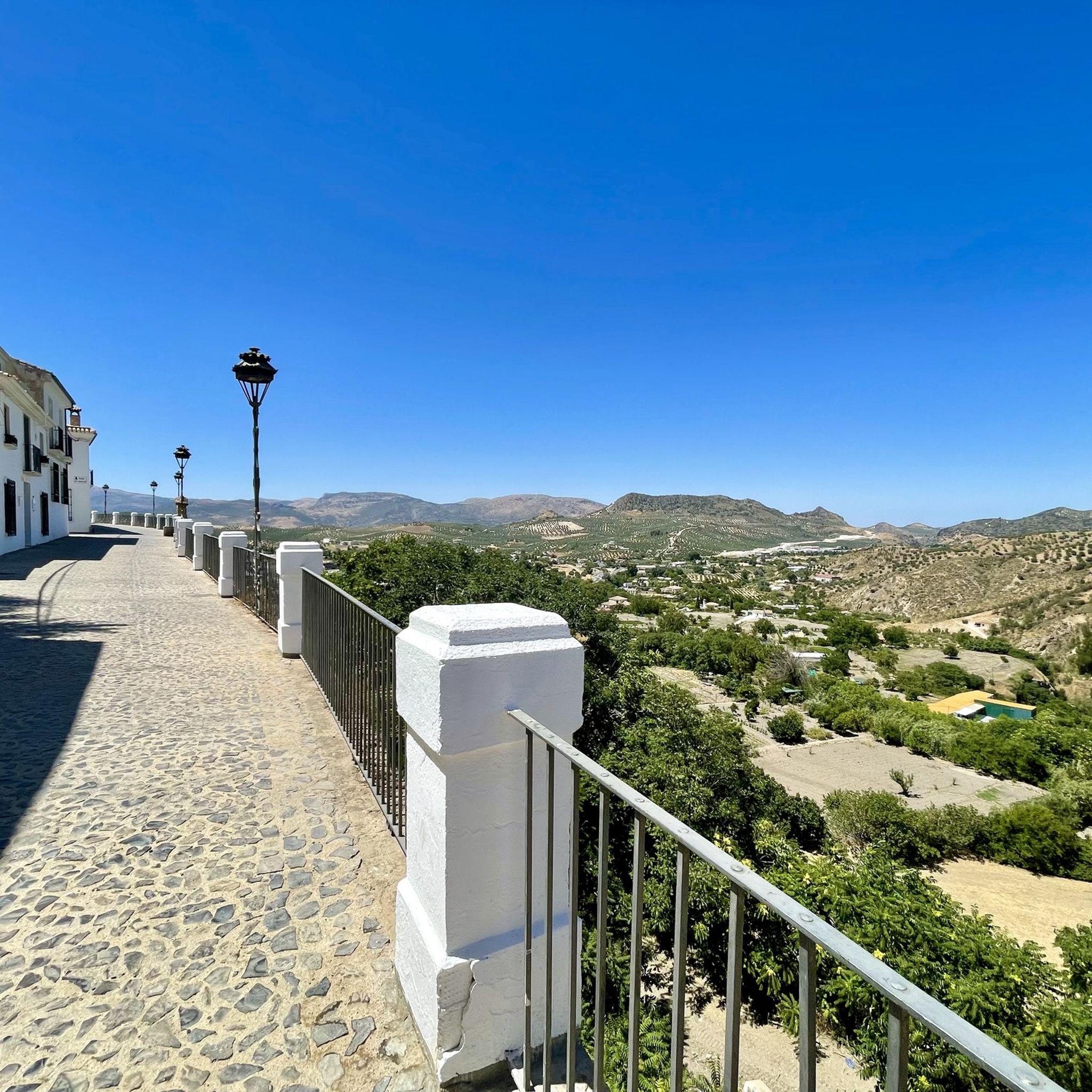
The remains date from two different periods. The massive, crenellated square tower is of Moorish origin, while the remains of the Renaissance palace date from the 16th century. At the same time, the Plaza de la Paz offers a natural viewpoint (622m), with shooting views** over the hills with their carpet of olive groves and Baena in the background.
11
0
This lagoon, which belongs to the municipality of Luque, is the largest of all the seasonal waters in the province of Córdoba, with a surface area of 46.6 hectares. It was declared a nature reserve in 1989 due to its special value as a wintering and breeding ground for migratory birds. Due to the gentle slope of the terrain and its shallow depth, the wetland is home to numerous wading birds that use the lagoon as a passage and breeding area. The main bird species are the black-winged stilt, the European lapwing, the curlew, the teal, the white-headed duck, the Kentish plover, the tern and the Montagu's harrier, among many other species.
10
1
Frequently Asked Questions
What unique geological formations can I explore in the Penibetic System?
The Penibetic System is rich in unique geological features. You can explore the impressive karstic landscape of El Torcal de Antequera, home to the distinctive "El Tornillo" rock formation, shaped by millions of years of erosion. Another notable site is the Limestone formations and caves in the Bailón Canyon, where the Bailón River has carved spectacular rock walls. Additionally, the Poljé of the Nava de Cabra offers a unique insight into large, flat valley-shaped depressions characteristic of karst areas.
Are there any significant historical or archaeological sites among the natural monuments?
Yes, several natural monuments in the Penibetic System also hold historical and archaeological significance. The Cueva de Nerja is not only a geological wonder with its massive speleothems but also an important archaeological site with ancient cave paintings and prehistoric remains. You can also visit Zuheros Castle, a medieval fortress of Muslim origin perched on a cliff, offering historical context and panoramic views. The Peña de Castril also has historical remnants, including an Arab castle, on its slopes.
What are some family-friendly natural monuments to visit in the Penibetic System?
For families, the Penibetic System offers several accessible and engaging natural monuments. The Fuente de los Cien Caños, the source of the Guadalhorce River, is a popular recreational area with numerous springs, ideal for a refreshing outing. The Bailón River Canyon Viewpoint provides easy access to stunning canyon views. Additionally, the Views over the Laguna del Conde offer a serene lake setting suitable for all ages.
Where can I find impressive waterfalls or water features in the region?
The Penibetic System features several beautiful waterfalls and water-related natural monuments. The Infiernos de Loja, a picturesque section of the Genil River, is known for its striking waterfalls, including the "Cola de Caballo" (Horse's Tail) cascade, and unique travertine formations. You can also visit Chorreras de la Fuenseca and Las Chorreras Waterfall for more impressive water displays.
Are there opportunities for hiking near these natural monuments?
Yes, the Penibetic System offers extensive hiking opportunities. Many natural monuments are integrated into or are starting points for trails. For instance, you can find routes like the "Río Bailón Canyon Trail" near the Limestone formations and caves in the Bailón Canyon. The Sierra de las Nieves National Park, home to the Pinsapo de las Escaleretas, provides magnificent hiking through ancient pinsapar forests. You can explore various hiking options in the region by checking out the Hiking around Penibetica guide.
What kind of unique flora and fauna can I expect to see?
The natural monuments in the Penibetic System are home to diverse ecosystems. The Pinsapo de las Escaleretas is a prime example, protecting an ancient Spanish fir, a botanical relic. The surrounding Sierra de las Nieves is rich in flora like rockrose and juniper, and wildlife such as mountain goats. The Peña de Castril supports unique flora like the Cazorla violet and fauna including kestrels and griffon vultures. The Arrecife Barrera de Posidonia is a crucial marine ecosystem, providing refuge for over 800 marine species.
Are there any coastal or marine natural monuments?
Yes, the Penibetic System extends to the coast, offering unique marine natural monuments. The Duna de Bolonia in Tarifa is an impressive active sand dune constantly shaped by winds, located near the well-preserved Roman archaeological site of Baelo Claudia. Further east, the Arrecife Barrera de Posidonia in Roquetas de Mar is a unique underwater barrier reef formed by Posidonia oceanica meadows, vital for marine biodiversity and coastal protection, offering excellent snorkeling and diving opportunities.
What are the highest points or best viewpoints in the Penibetic System?
For panoramic views, the Penibetic System offers several high points and dedicated viewpoints. Pico de la Tiñosa is the highest peak in the province of Córdoba, offering challenging climbs with rewarding vistas. The Peña de Castril provides excellent panoramic views of the Sierra de Castril Natural Park and surrounding depressions from its summit. Additionally, Puerto del Cerezo is a mountain pass that serves as a great viewpoint.
Can I find easy hiking routes near the natural monuments?
Absolutely. Many natural monuments are accessible via easy trails. For instance, the Fuente de los Cien Caños has routes that follow the nascent Guadalhorce River, suitable for leisurely walks. You can find several easy routes in the region, such as the "Enrique Triano Trail" or various loops around Iznájar Village. For more options, consult the Easy hikes around Penibetica guide.
What do visitors particularly enjoy about the natural monuments in Penibetica?
Visitors frequently praise the stunning natural beauty and the sense of discovery. For example, the Limestone formations and caves in the Bailón Canyon are appreciated for their impressive rock walls and interesting views. The challenging climb to Pico de la Tiñosa is often described as difficult but ultimately rewarding for its beautiful views. The historical context and panoramic views from Zuheros Castle are also highly valued.
Are there opportunities for cycling near these natural monuments?
Yes, the Penibetic System offers various cycling routes that pass near or through areas with natural monuments. You can find routes like the "Sierras Subbéticas and Aceite Greenway Loop" or tours around the Embalse de Iznájar. These routes often provide scenic views of the natural landscape. For detailed cycling options, refer to the Cycling around Penibetica guide.
Most popular routes around Penibetica
Most popular attractions around Penibetica

Get inspired with the komoot mobile app


Didn’t find what you were looking for?
Find even more amazing natural monuments around Penibetica by checking out the top Highlights region by region:
Explore more
Extend your search for the best caves by checking out these guides of the top ones around Penibetica:
