Top 4 Mountain Passes around Tudanca-Cabuerniga
Best mountain passes around Tudanca-Cabuerniga are located in Cantabria, Spain, within the Cantabrian Mountains. This region features elevated areas and passes that connect valleys and provide access to natural parks. The area is characterized by its mountain scenery, traditional villages, and historical significance. It serves as a gateway to exploring the Saja-Besaya Natural Park and other natural features.
Best mountain passes around Tudanca-Cabuerniga
- The most popular mountain passes is Collada de Carmona, a mountain pass that rises to 601…
Last updated: May 26, 2026
El Moral Plateau
Highlight • Viewpoint
Translated by Google •
Tip by

Collada de Carmona
Highlight • Mountain Pass
Translated by Google •
Tip by

Sign up now to discover places like this
Get recommendations on the best single tracks, peaks, & plenty of other exciting outdoor places.
Sign up for free
Linares to La Hermida Mountain Road
Highlight (Segment) • Mountain Pass
Translated by Google •
Tip by

Collado de Ozalba
Highlight • Mountain Pass
Translated by Google •
Tip by
Collado de Monte Aa
Highlight • Mountain Pass
Along the route we will find …
Translated by Google •
Tip by

Alto del Tambuey
Highlight • Mountain Pass
Translated by Google •
Tip by
Collado Abellán
Highlight • Mountain Pass
Translated by Google •
Tip by

Start today with a free account
Your next adventure awaits.
Login or Signup
Popular around Tudanca-Cabuerniga
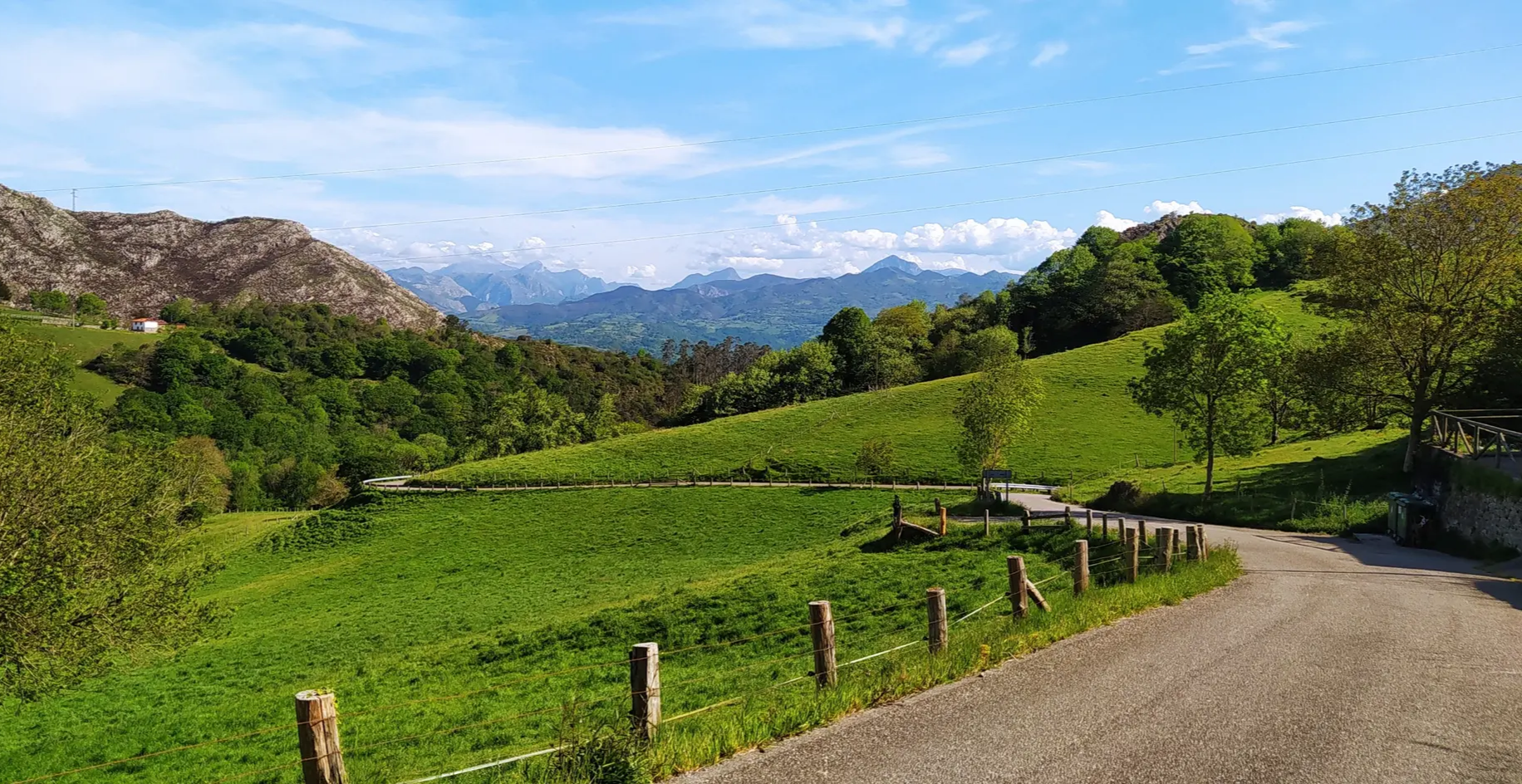
Great mountain passes of Picos de Europa on road bikes
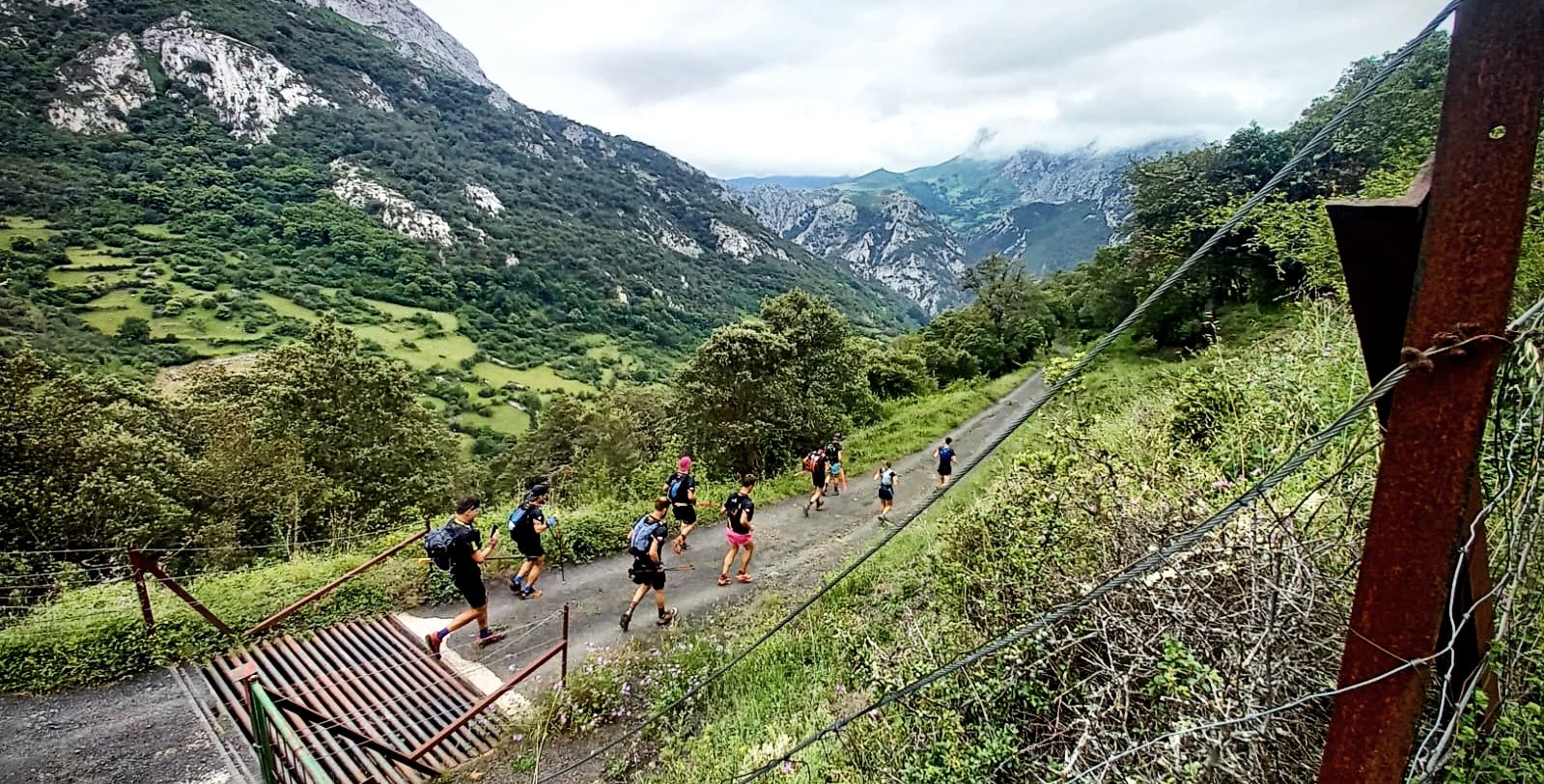
A pilgrim adventure – Spain’s Lebaniego Challenge
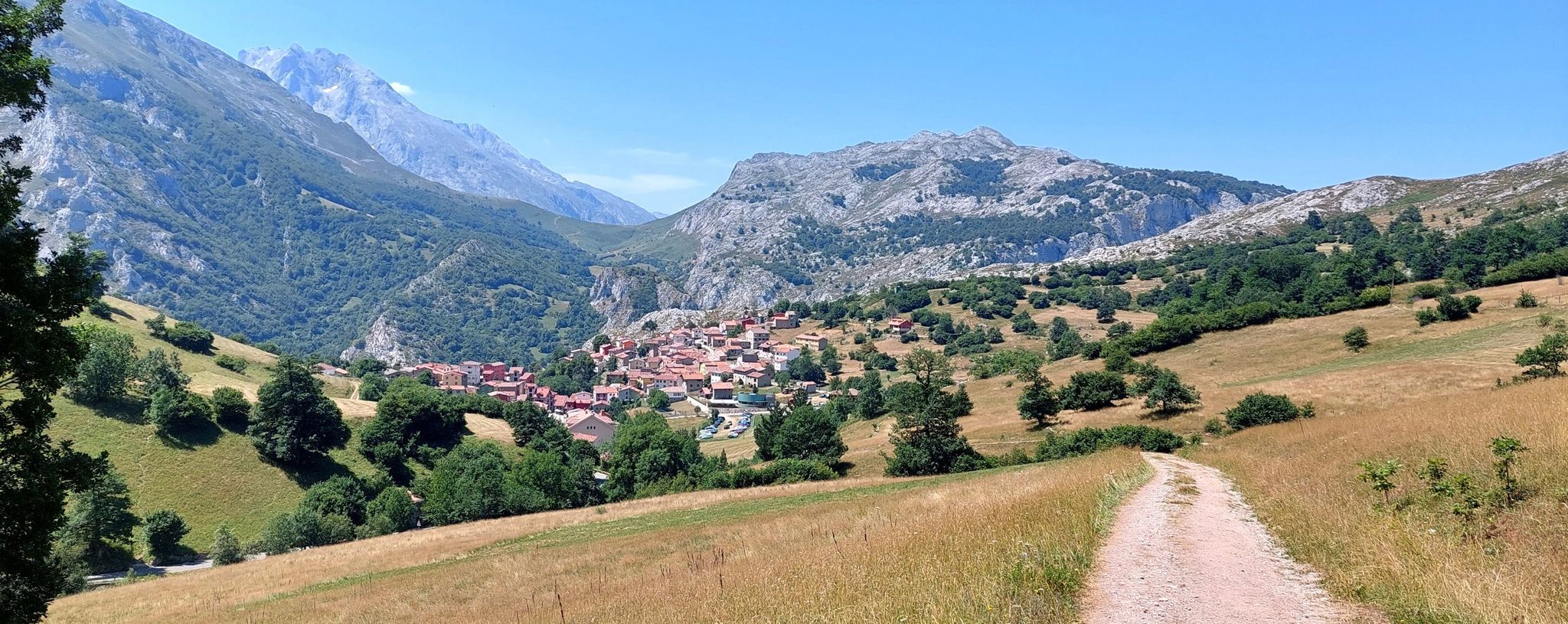
Between valleys and villages – Saja Reserve Trail (GR 71)
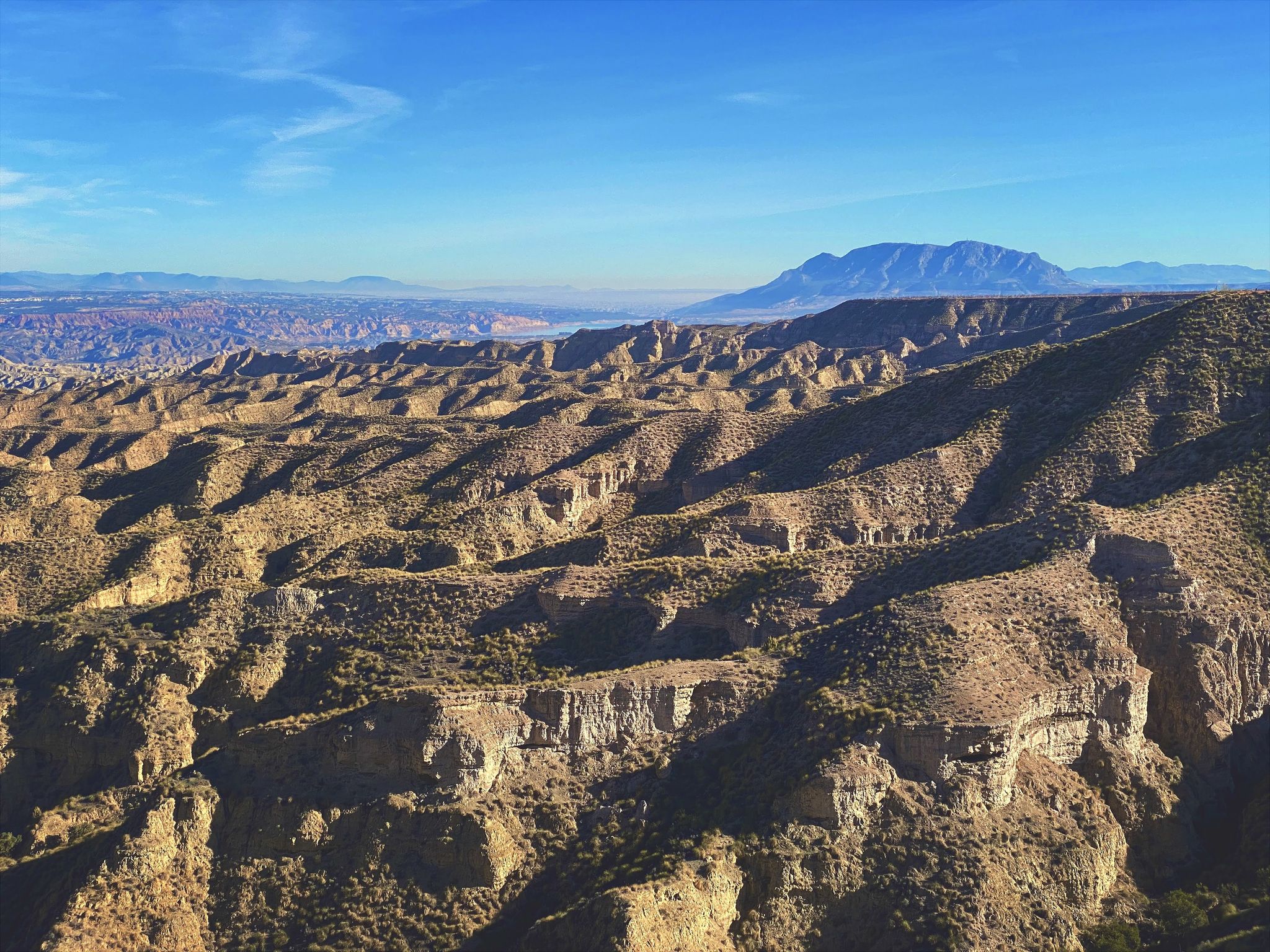
Discover Spain by gravel — a selection of must-see routes
Hiking around Tudanca-Cabuerniga
Road Cycling Routes around Tudanca-Cabuerniga
MTB Trails around Tudanca-Cabuerniga
Cycling around Tudanca-Cabuerniga
Running Trails around Tudanca-Cabuerniga

Gravel biking around Tudanca-Cabuerniga
Other adventures around Tudanca-Cabuerniga


Tips from the Community

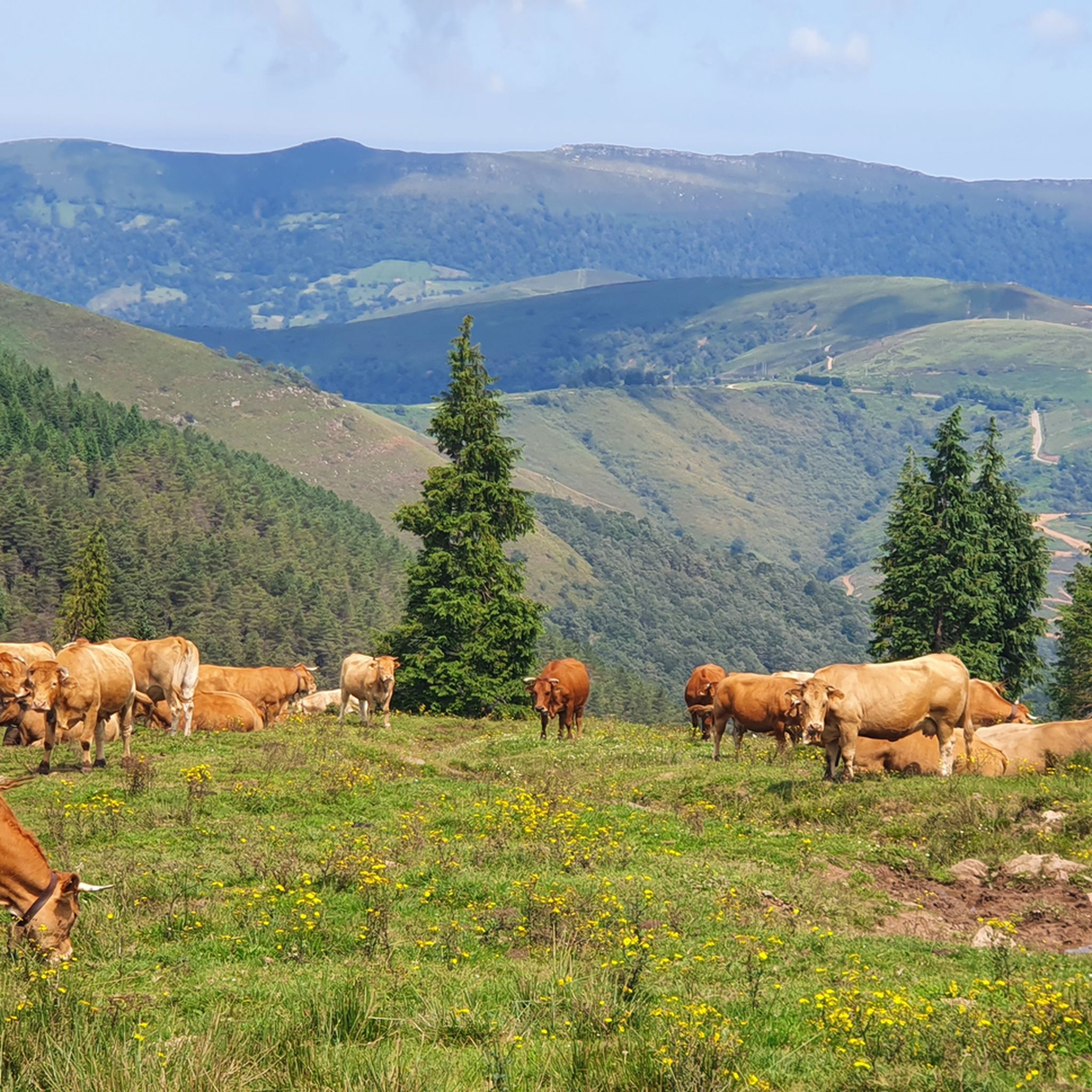
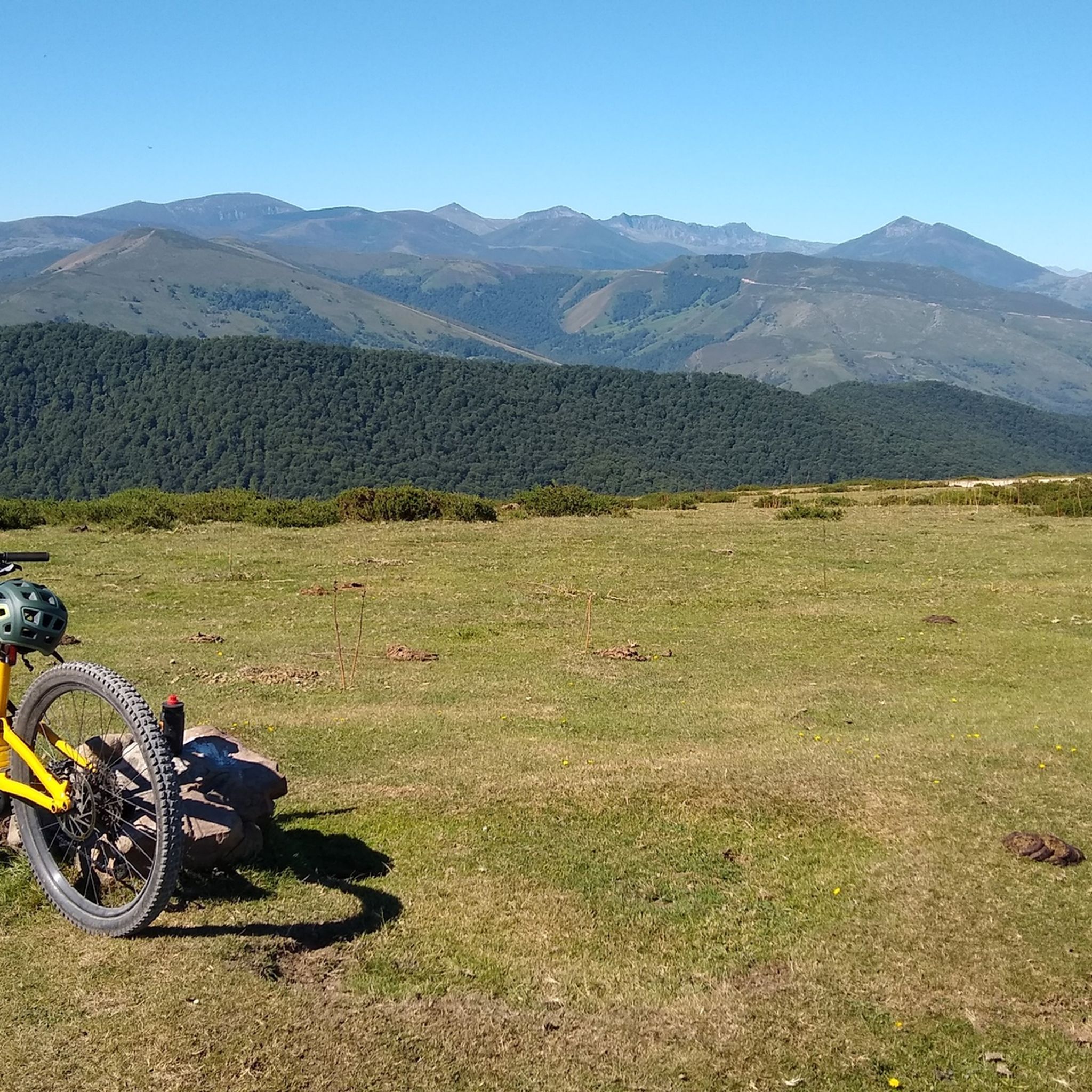
After a beautiful gravel climb, you reach this plateau with stunning views (including the Picos de Europa in the distance). The path then continues for a long time at altitude, with many cows and horses. Take a look: https://www.youtube.com/watch?v=OgEcgF17RDw
0
0
Indeed, a beautiful spot with breathtaking views, both towards the Picos de Europa and other Cantabrian mountains. The (gravel) road there is also stunning; just take a look: https://www.youtube.com/watch?v=OgEcgF17RDw
0
0

From Los Tojos (636 m) and Colsa (729 m) the rope is gained at the Venta Vieja pass (1152 m), where one of the many inns that awaited the traveller along the way was located.
0
0
A hill located below the summit of the same name as the Saja reserve, resting on a ridge of gentle elevations above the Cabuérniga valley. These Saja mountains are often known as the Sierra de Bárcena Mayor, due to the town that lies at its feet at an altitude of 534 metres. In ancient times, the so-called Camino de Castilla or Reinosa road crossed this ridge towards the lands of Campoo. From Los Tojos (636 m) and Colsa (729 m) the ridge was reached at the Venta Vieja hill (1152 m), where one of the many inns that awaited the traveller along the way was located.
0
0
The Collada de Carmona is a mountain pass in the Cantabrian mountain range located in western Cantabria.[1] It rises to 601 m above sea level and links the towns of Valle to the east and Carmona to the west, both belonging to the municipality of Cabuérniga.
0
0
The Monte Aa Pass is a very beautiful climb with spectacular landscapes. The pass is located on the mountain that separates Carmona from Ruente. Along the route we will find different trees catalogued within the Inventory of Singular Trees of Cantabria. These are spectacular specimens of oak and beech. The Monte Aa forest is made up of a mature oak forest dominated by oaks. To a lesser extent, there are beeches, sessile oaks and oaks. The abundance of holly trees is remarkable. As for the fauna that inhabits it, birds such as the goshawk, the sparrowhawk, the black kite, the common buzzard, the common kestrel, the woodpecker and other forest birds stand out. Mammals such as the roe deer, the deer or the badger and carnivores such as the marten or the polecat.
2
0

The Abellán pass (also called the Joza de Abellón pass) is reached by a steep track. From this point, the views of the Peña Sagra mountain range, with the Cornón standing out from the rest of the peaks, are impressive.
0
0
Frequently Asked Questions
What are some of the most scenic mountain passes in the Tudanca-Cabuerniga region?
The region offers several passes with stunning views. Collada de Carmona is known for its spectacular vistas and serves as a watershed divide between the Saja and Nansa rivers. Another highly rated spot is El Moral Plateau, a high mountain plateau accessible by a forest track, offering expansive landscapes and views towards the Picos de Europa.
Are there mountain passes in the region with historical significance?
Yes, Collada de Carmona has historical importance, with archaeological remains of a Roman camp from the 1st century BC discovered nearby. The pass is also referenced in traditional Cantabrian songs, and the nearby village of Carmona is a Historic-Artistic Site known for its traditional architecture.
What kind of natural features can I expect to see around these mountain passes?
The passes are set amidst diverse natural beauty. Collada de Brenes, for instance, is integrated into the Saja-Besaya Natural Park, characterized by Cantabrian forests with chestnut and hazelnut trees, and rich wildlife including wolves, deer, and wild boar. Peña Labra offers panoramic views of the Cantabrian interior, the Picos de Europa, and the Montaña Palentina Natural Park.
What outdoor activities can I do near the mountain passes in Tudanca-Cabuerniga?
The region is excellent for various outdoor activities. You can find numerous road cycling routes, such as the challenging Piedrasluengas and Collado de Hoz Loop, or explore MTB trails like the El Moral Plateau – Collada de Carmona loop. For runners, there are trails like the Ruta de los Puentes. You can find more details on these activities in the Road Cycling, MTB, and Running guides for the area.
Which mountain passes are popular for cycling?
Collada de Carmona is renowned among cyclists and has been featured in the Vuelta a España. Collado de Ozalba is another popular climb with multiple ascent routes. Collada de Brenes is also a favored spot for both road cycling and mountain biking, having been part of several regional cycling competitions.
Are there any easy walks or family-friendly options around the mountain passes?
While many routes involve significant climbs, some areas offer more accessible paths. For instance, the circular route encompassing Tres Mares, Peña Labra, and Fuente del Chivo is described as a moderate 10 km hike without technical difficulties, suitable for those looking for a less strenuous experience. Always check specific route details for suitability.
What is the best time to visit the mountain passes in Tudanca-Cabuerniga?
The best time to visit generally depends on your planned activities. Spring and autumn offer pleasant temperatures for hiking and cycling, with vibrant foliage or blooming wildflowers. Summer is also popular, though some passes can be quite warm. For winter sports, areas like Peña Labra near the Alto Campoo ski station are ideal.
What kind of wildlife can be observed in the mountain pass areas?
The Saja-Besaya Natural Park, which includes Collada de Brenes, is home to rich wildlife. You might spot wolves, deer, and wild boar. The Monte Aa forest, near Collado de Monte Aa, is known for birds like goshawks, sparrowhawks, and woodpeckers, as well as mammals such as roe deer, deer, and badgers.
Are there any unique geological features or viewpoints worth visiting?
Peña Labra is a prominent peak offering expansive panoramic views and is close to the Pico Tres Mares (Three Seas Peak), a unique hydrological point where water flows into three different seas. El Moral Plateau also provides breathtaking views towards the Picos de Europa and other Cantabrian mountains.
What do visitors particularly enjoy about the mountain passes in Tudanca-Cabuerniga?
Visitors frequently praise the spectacular views and the tranquility of the mountain scenery. Many enjoy the well-maintained roads and paths for biking, often noting the lack of traffic. The traditional villages, like Carmona near Collada de Carmona, are also a significant draw, offering a glimpse into local culture and architecture.
Are there any challenging mountain roads for experienced cyclists?
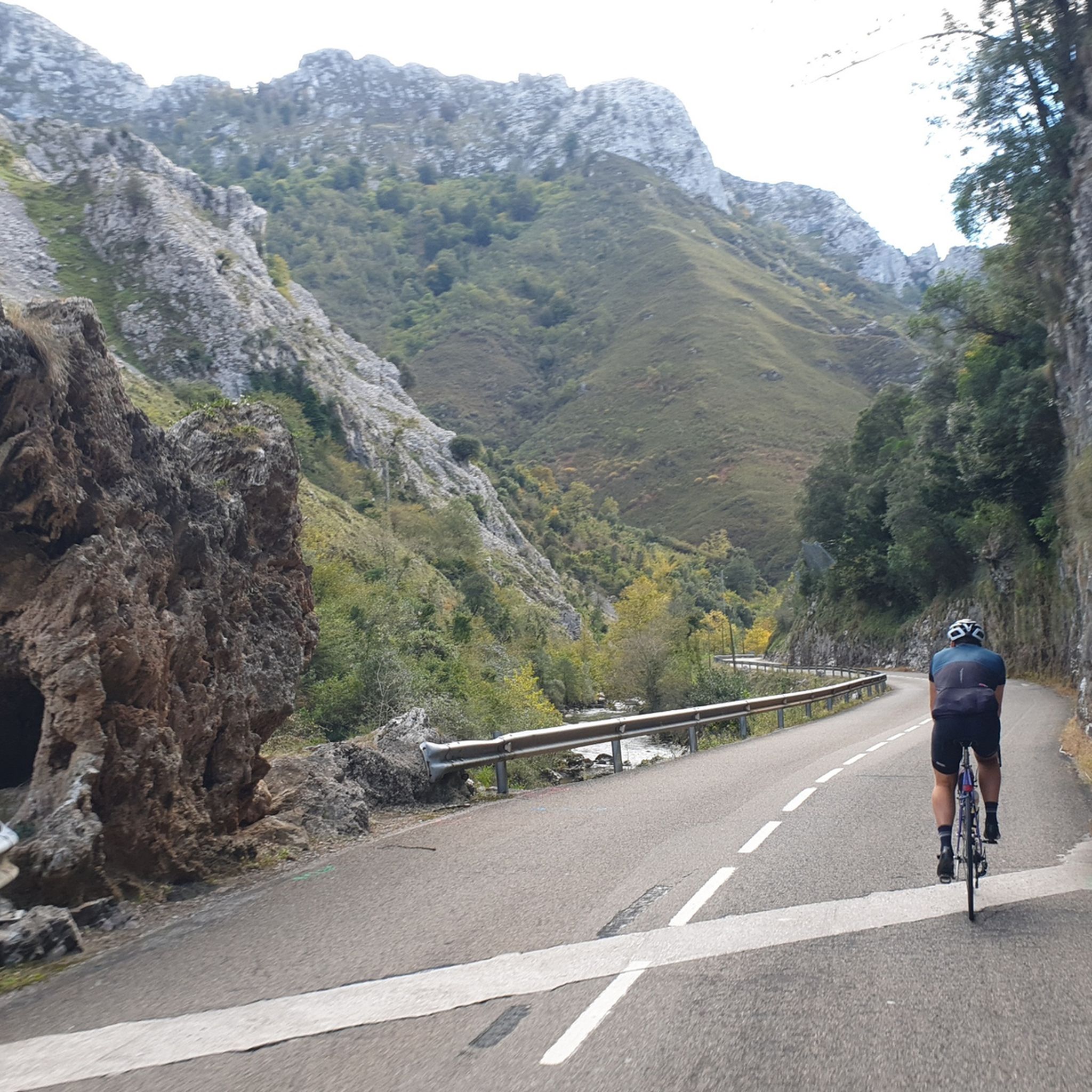
Absolutely. The ascent to Collada de Brenes can be challenging, with sections having steep gradients of up to 15%. The section between Linares and La Hermida, part of the Linares to La Hermida Mountain Road, is a winding route with many serpentines that offers a rewarding challenge for experienced cyclists.
Most popular routes around Tudanca-Cabuerniga
Most popular attractions around Tudanca-Cabuerniga

Get inspired with the komoot mobile app


Didn’t find what you were looking for?
Find even more amazing mountain passes around Tudanca-Cabuerniga organized by region:
Explore more
See even more epic mountain passes by checking out these guides around Tudanca-Cabuerniga:
