Top 20 Natural Monuments around Waalre
Best natural monuments around Waalre include diverse natural areas, offering a blend of ecological richness and tranquil landscapes. Waalre, known for its commitment to diverse tree planting, features significant natural sites such as river valleys, fens, and forests. These areas provide opportunities for appreciating local flora and fauna and engaging in various outdoor recreational pursuits. The region's natural heritage offers varied landscapes for exploration.
Best natural monuments around Waalre
- The most popular natural monuments is Valkenhorst Heath, an other…
Last updated: August 16, 2026
Bronze Age Burial Mounds at Vessem
Highlight • Historical Site
Translated by Google •
Tip by

Roof of Brabant
Highlight • Climb
Translated by Google •
Tip by

Sign up now to discover places like this
Get recommendations on the best single tracks, peaks, & plenty of other exciting outdoor places.
Sign up for free
Valkenhorst Heath
Highlight • Natural
Translated by Google •
Tip by

Meeuwven
Highlight • Lake
Translated by Google •
Tip by

Re-meandering Warmbeek
Highlight • River
Translated by Google •
Tip by

Sign up for free to discover even more natural monuments around Waalre.
Sign up for free
Already have an account?
Start today with a free account
Your next adventure awaits.
Login or Signup
Tips from the Community

The burial mounds near Vessem are among the oldest visible traces of habitation in this region and date back to the Bronze Age (approx. 2000–800 BC). These low, round mounds were erected as burial sites and are often still subtly recognizable in the landscape. In the Bronze Age, it was customary to cremate the deceased. The ashes were then buried in an urn or directly in the ground, after which a mound of sand and turf was placed over it. Sometimes multiple burials were made in one burial mound, causing it to grow over time. The burial mounds are often located on higher sandy soils, as near Vessem, because these spots were dry and clearly visible in the landscape. They probably served not only a funerary purpose but also as markers of territory or important routes. Many burial mounds have been flattened over the centuries by agriculture and forestry, but a number have been preserved and today form a valuable archaeological monument. During a walk, they are sometimes only visible as slight elevations in the forest — silent witnesses to thousands of years of human history. A special element in the landscape, where nature and prehistory literally come together.
1
0
The Roof of Brabant, located on the Gulberg near Nuenen/Mierlo, is an artificial hill that emerged from a former landfill and is now one of the region's most striking landmarks. With a summit of approximately 60 meters, the hill offers a panoramic view rarely found anywhere else in Brabant. From the summit, you can look out over the Luchense Heide, the surrounding forest, the Eindhoven Canal, and, on a clear day, even as far as Eindhoven and Helmond. The slopes of the Gulberg are covered with rugged grass and shrubs, making the area a habitat for birds and small mammals. The summit is regularly visited by hikers, runners, and mountain bikers, but it remains a place where you literally stand above the landscape. The contrast between the natural environment and its industrial origins makes it a unique viewpoint that is always worth pausing for a moment.
1
0


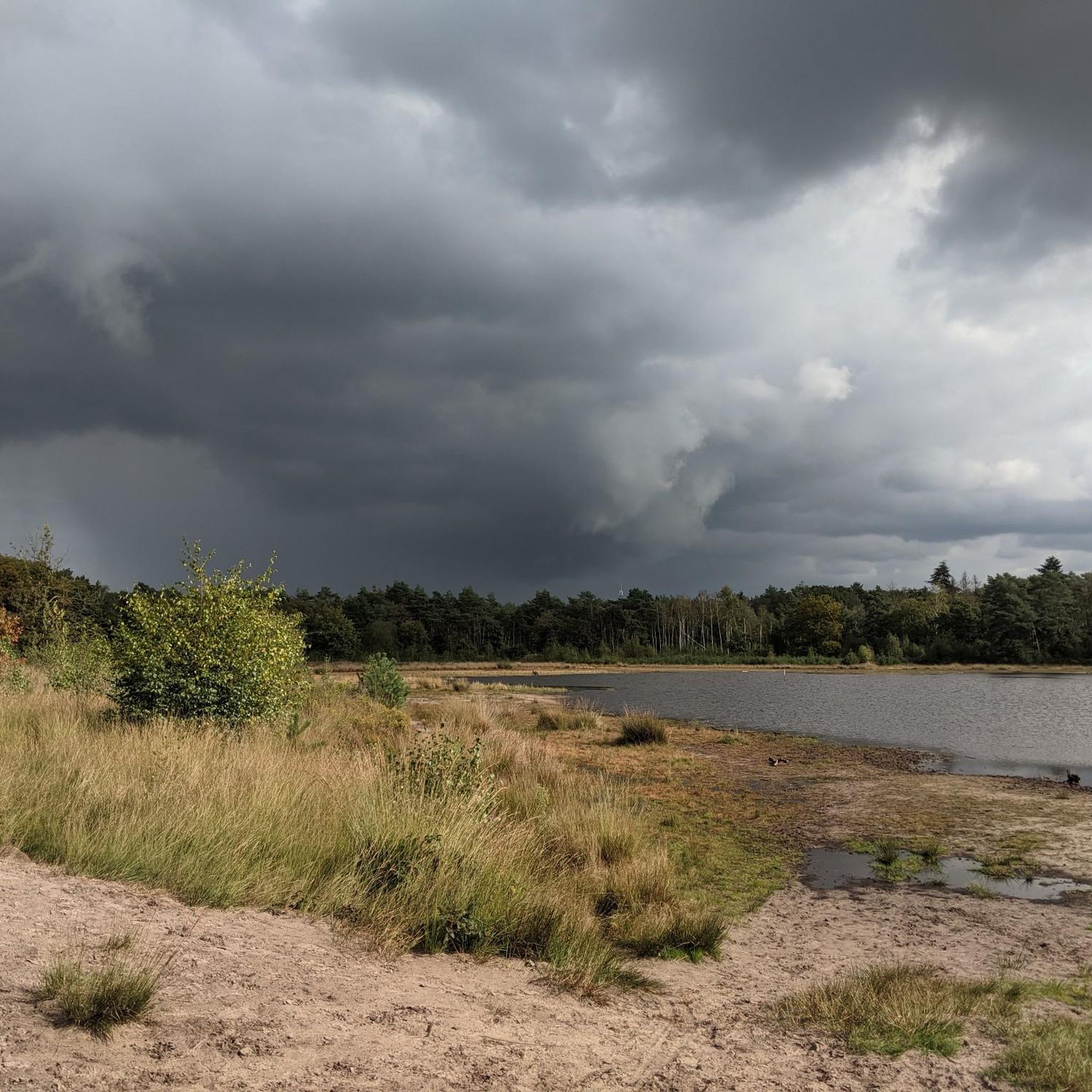
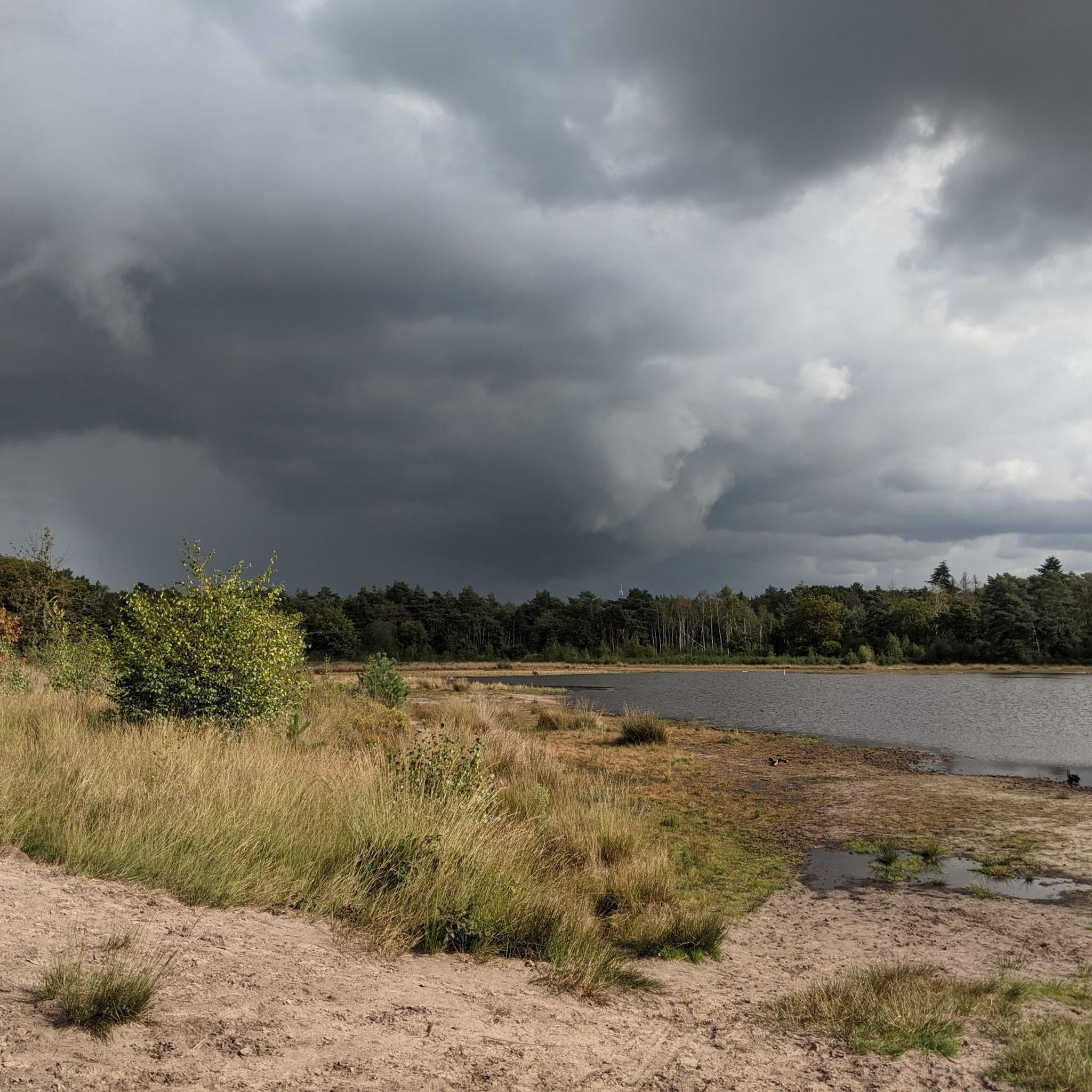
Quite a beautiful pond, especially on weekdays, because it is much quieter there and you can enjoy this beautiful part more.
0
0

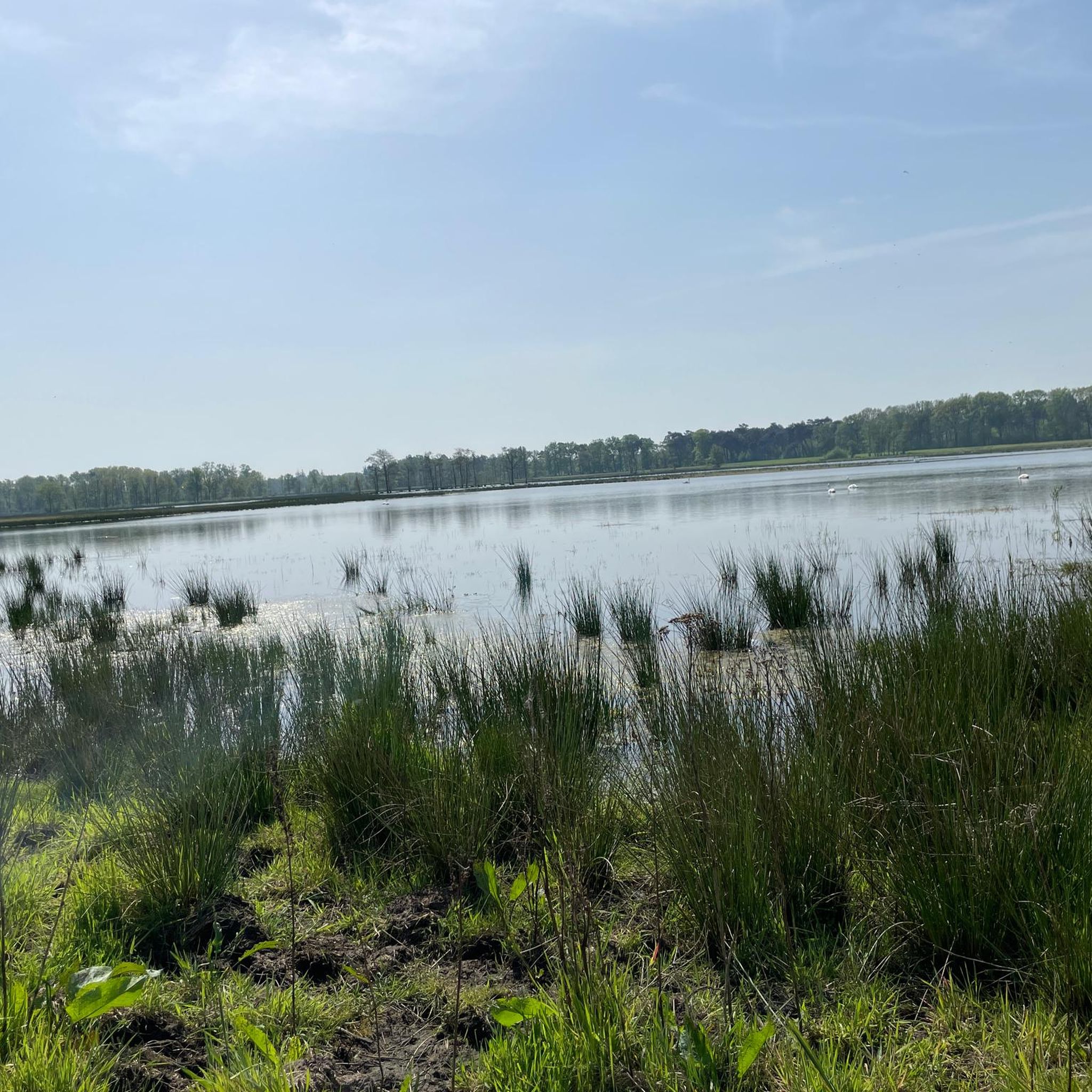
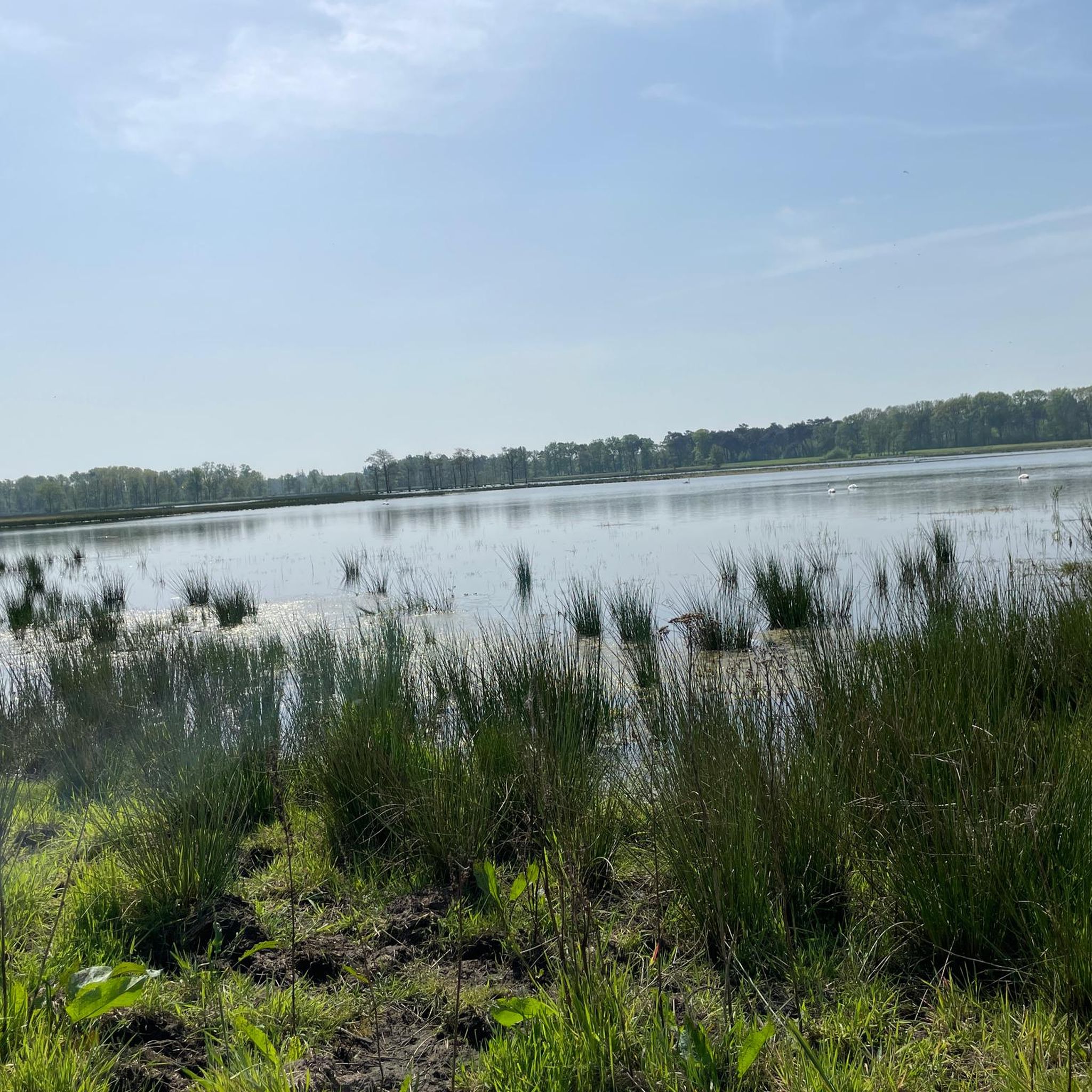
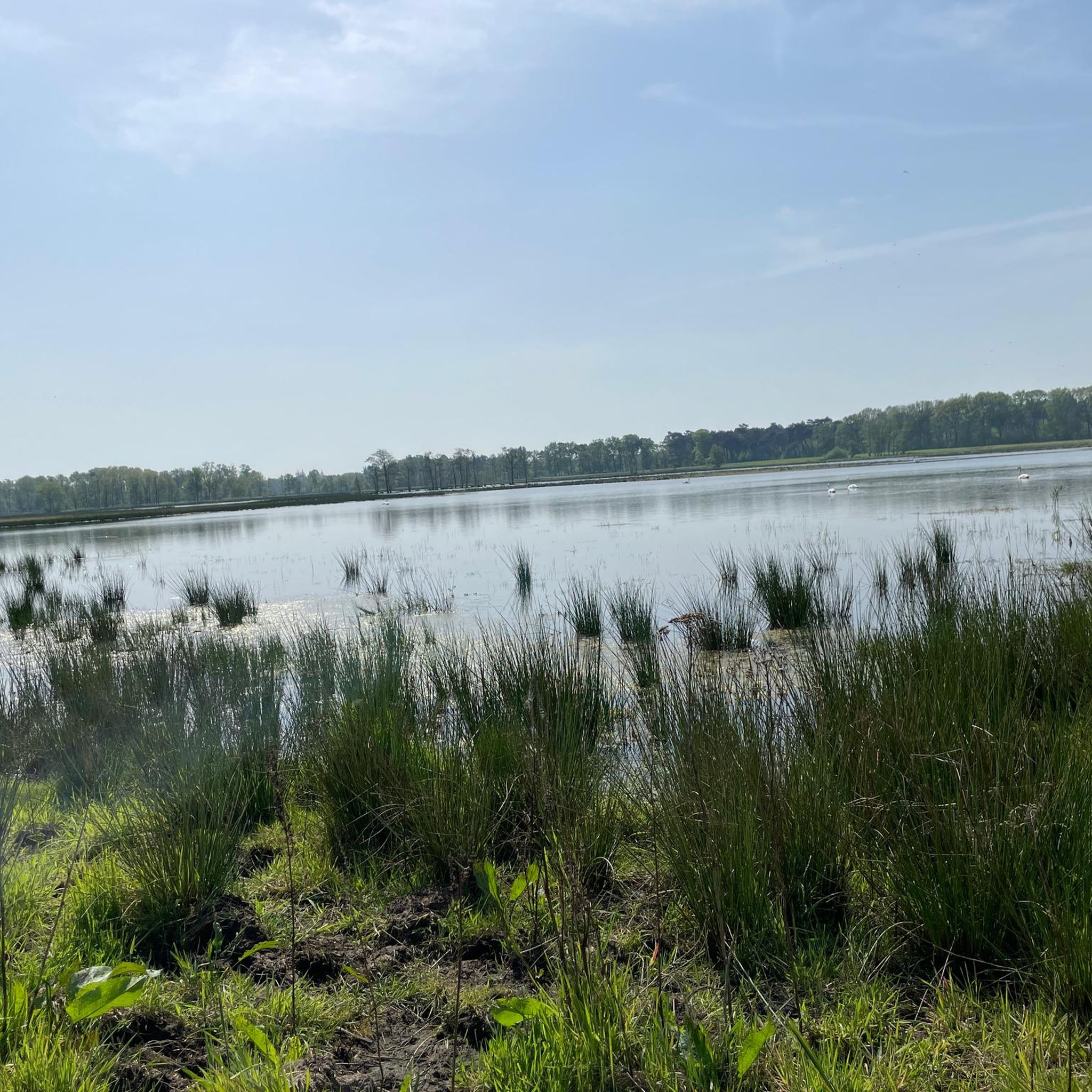
The Meeuwven is located just outside Aalst, on the Hutdijk. It is a nutrient-poor lake that depends on rainwater. After a dry summer, it is almost empty. The name has nothing to do with seabirds; rather, it is a corruption of "Nieuwven" (New Marsh) due to the marsh. Before the Napoleonic era, this was the name of the lake. The name may have changed due to a cartographer's misplacement.
9
0

In 2022, the re-meandering of the Warmbeek at the Achelse Kluis was completed over a length of approximately 1.7 kilometres. The objectives are the same as for almost all re-meandering and can be read on the information board. You can see the results.
6
0

The Warmbeek has a reasonable structural quality from the Zuid-Willemsvaart but still had a straightened and deepened route at the Achelse Kluis in Achel. With the re-meandering in 2022, the Warmbeek became approximately 700m longer. With this, VMM restored the natural water storage in the valley and typical stream habitats for a species-rich fauna and flora were created. This area functions again as a floodable valley that buffers extra water and therefore contributes to a climate-robust landscape.
6
0

nice route. Jan 2025 lots of puddles and mud on the walking path
3
0
Frequently Asked Questions
What are some popular natural monuments for hiking around Waalre?
For hiking, consider exploring the diverse landscapes of the Valkenhorst Heath, which features a varied forest area and a large heathland. Another excellent option is the area around Meeuwven, a striking fen surrounded by forests and heathlands, offering pleasant walks. You can find more hiking routes in the region by visiting the Hiking around Waalre guide.
Are there any natural monuments with historical significance in Waalre?
Yes, the area of Falconry on the Groote Heide is a natural monument with historical ties. It features an information board detailing the history of falconry, a practice once associated with wealthy noblemen in this heathland habitat.
Which natural monuments are suitable for families with children?
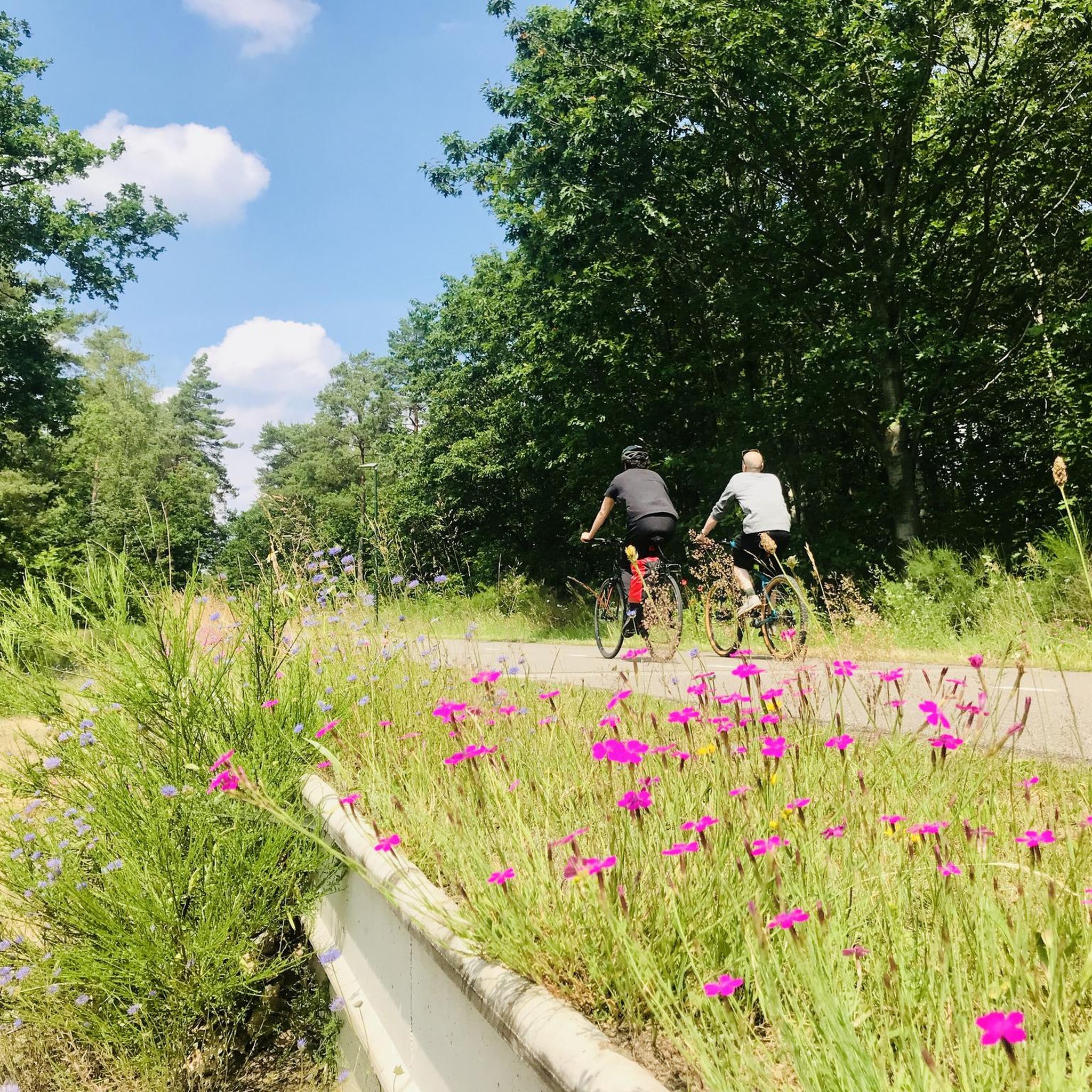
Several natural monuments around Waalre are family-friendly. Valkenhorst Heath offers a beautiful railway cycle path and varied terrain. Meeuwven is known for its climbing trees and a picnic table, making it ideal for a family outing. The Roof of Brabant also welcomes families and offers a nice view.
What kind of natural features can I expect to see in Waalre's natural monuments?
Waalre's natural monuments boast a variety of features. You can find extensive heathlands at Valkenhorst Heath and Falconry on the Groote Heide. The Meeuwven is a striking fen, while the Re-meandering Warmbeek showcases a restored river ecosystem. The region also features diverse forests, river valleys like the Dommeldal, and various fens within the Gemeentebossen.
Are there opportunities for cycling near the natural monuments?
Absolutely. The Valkenhorst Heath includes a beautiful railway cycle path. For those seeking a challenge, the Roof of Brabant is suitable for both mountain bikes and gravel bikes. You can explore more cycling routes in the area by checking out the Cycling around Waalre guide.
Where can I find viewpoints or scenic spots among Waalre's natural monuments?
The Roof of Brabant offers a nice view from the Gulbergen estate. Additionally, areas like the Spinsterberg within Valkenhorst Heath provide higher, slightly hilly terrain that can offer scenic vistas. The Meeuwven also provides tranquil views of the fen and surrounding nature.
What is the best time of year to visit the natural monuments in Waalre?
The natural monuments in Waalre offer beauty throughout the year. Spring and summer are ideal for enjoying lush greenery and blooming heathlands. Autumn brings vibrant colors to the forests, while winter can transform the fens, like Meeuwven, into potential ice-skating spots if conditions allow. The heathlands, such as Valkenhorst, are particularly stunning when the heather is in bloom.
Are there any natural monuments in Waalre that have undergone ecological restoration?
Yes, the Re-meandering Warmbeek is a prime example of ecological restoration. This project involved restoring the river's natural course, which had previously been straightened. This effort has re-established floodable valley areas and created habitats for diverse flora and fauna, including rare species like the European protected brook lamprey.
Can I observe wildlife in Waalre's natural areas?
Waalre's natural areas are rich in biodiversity. The Dommeldal and Tongelreepdal river valleys are excellent for observing local flora and fauna. The Meeuwven is known for its sweet gale, a protected plant, and visitors have reported hearing frogs. The Falconry on the Groote Heide is named for the falcons that inhabit the heathland.
Are there any easy walking routes suitable for all abilities near Waalre's natural monuments?
Many of Waalre's natural areas, including the Gemeentebossen and the Burgemeester Ossepark, offer accessible paths for walking. The blue-marked trails around Meeuwven, starting from Café De Hut van Mie Pils, are generally relaxing walks. For specific easy routes, you can consult the Hiking around Waalre guide, which lists several easy-grade options.
What are the Gemeentebossen (Municipal Forests) and what do they offer?
The Gemeentebossen, predominantly south of Aalst and east of Waalre, are municipal forests characterized by several beautiful fens, including Meertjesven, Blokven, Vliegenven, and Gemeentehuisven. These forests, historically pine plantations, are being transformed into biodiverse mixed forests. They are crisscrossed with routes ideal for walking, cycling, and horse riding, and include the Gildebos with its historical ties to Waalre's guilds.
What is the Meeris and what activities can be done there?
Waterplas De Meeris, also known as 'Gat van Waalre,' is a deep lake formed by sand extraction. Despite its origins, it maintains remarkable clarity and supports diverse aquatic plants. It's a favored destination for walkers and anglers. Adjacent to the lake is the Meelberg heathland, offering additional natural scenery for exploration.
Most popular attractions around Waalre

Get inspired with the komoot mobile app


Explore more
Extend your search for the best caves by checking out these guides of the top ones around Waalre:
