Top 20 Natural Monuments around Seixal
Best natural monuments around Seixal include a variety of natural features and viewpoints. The region offers diverse landscapes, from volcanic formations in Madeira to estuarine biodiversity on the Setúbal Peninsula. These areas provide opportunities to explore unique geological formations and significant ecological sites. Seixal's natural attractions cater to those interested in varied outdoor experiences.
Best natural monuments around Seixal
- The most popular natural monument is Eduardo VII Park Viewpoint, a viewpoint that offers expansive city views. This large park…
Last updated: August 16, 2026
Monument to the Overseas Combatants 🏛️ Belém
Highlight • Monument
Translated by Google •
Tip by

Eduardo VII Park Viewpoint
Highlight • Viewpoint
Translated by Google •
Tip by

Sign up now to discover places like this
Get recommendations on the best single tracks, peaks, & plenty of other exciting outdoor places.
Sign up for free
Sanctuary of Christ the King (Santuário de Cristo Rei)
Highlight • Monument
Translated by Google •
Tip by

University of Lisbon Botanical Garden
Highlight • Forest
Translated by Google •
Tip by
Formosinho Peak
Highlight • Summit
A very tough climb, an even tougher descent... Not accessible to everyone...
Translated by Google •
Tip by

Sign up for free to discover even more natural monuments around Seixal.
Sign up for free
Already have an account?
Start today with a free account
Your next adventure awaits.
Login or Signup
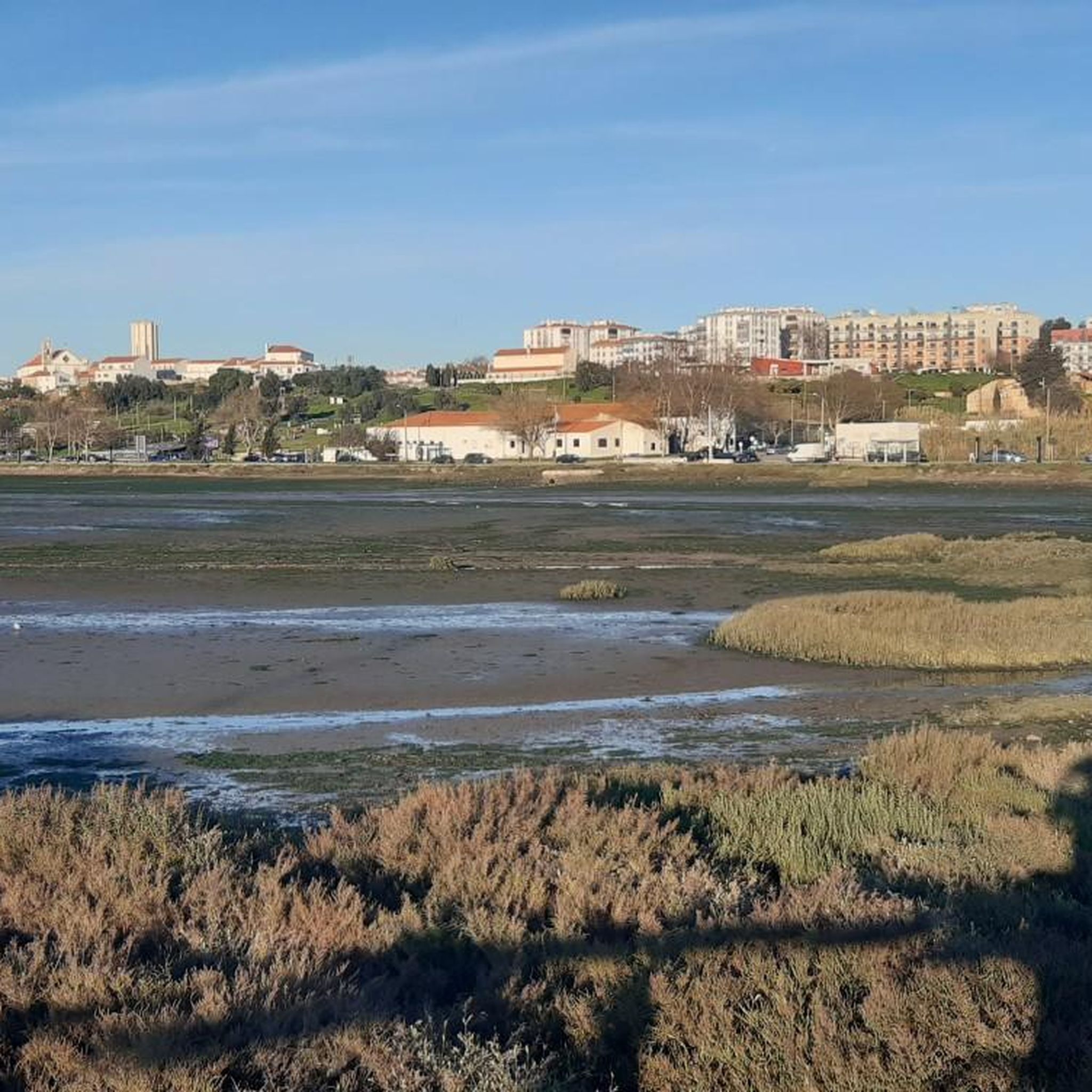
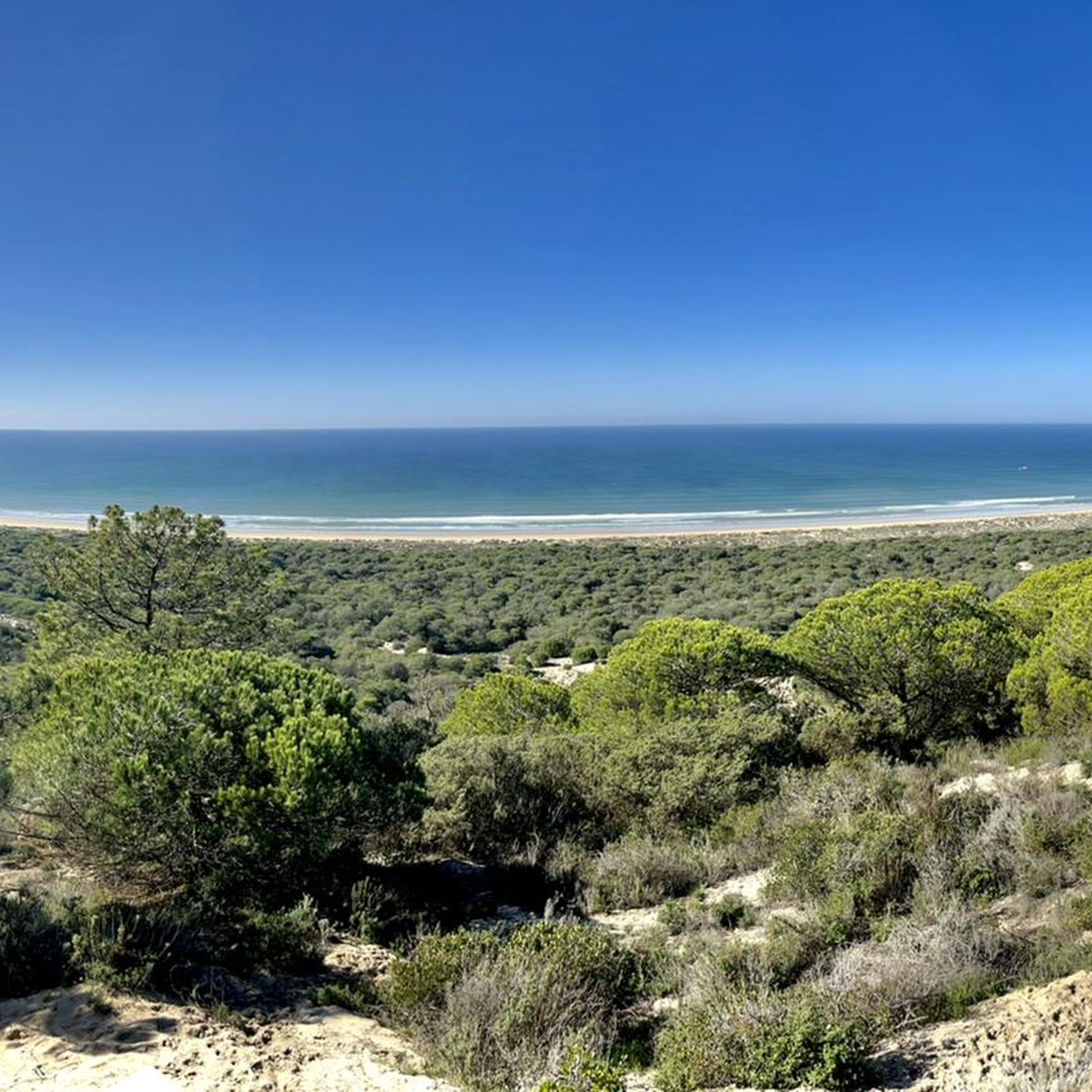
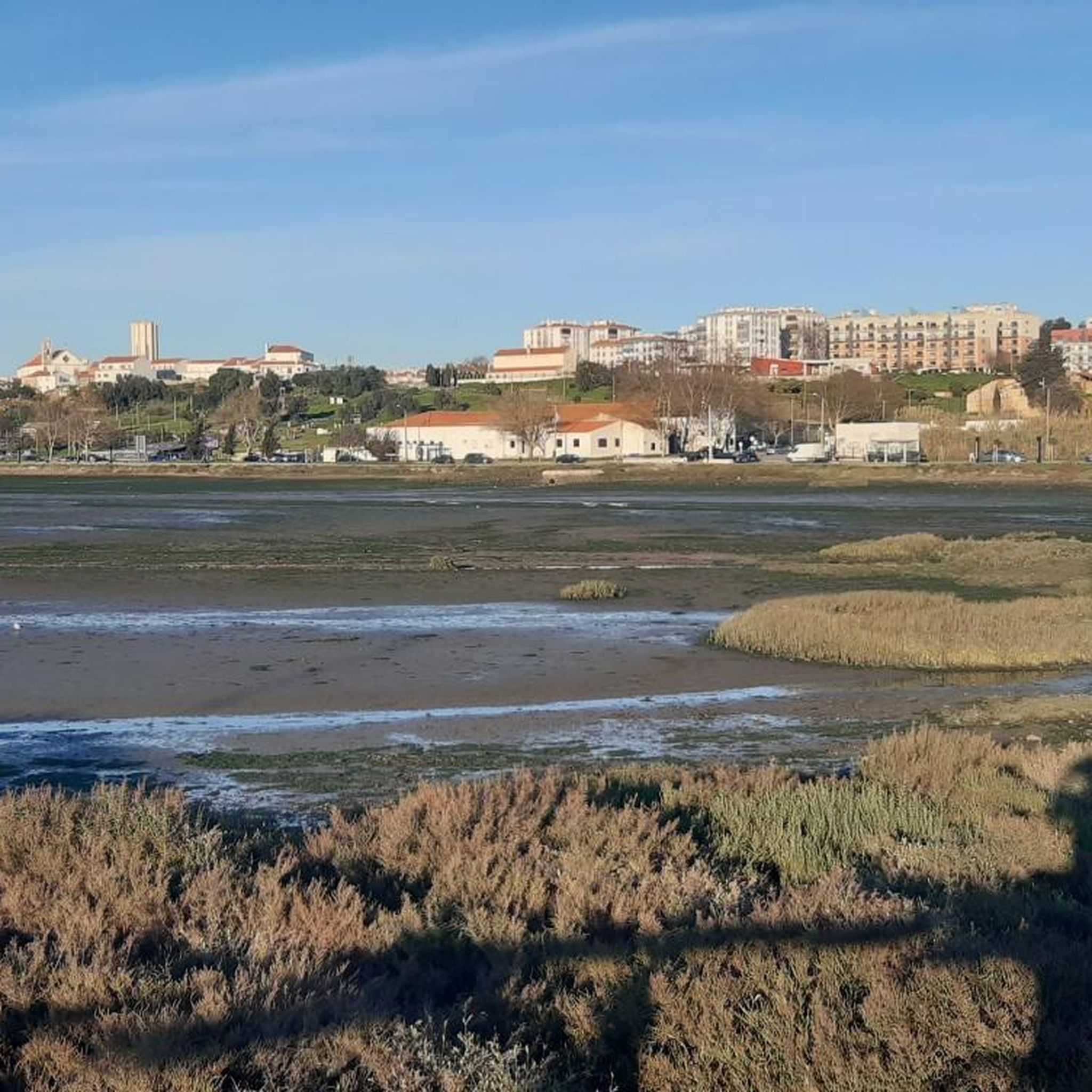
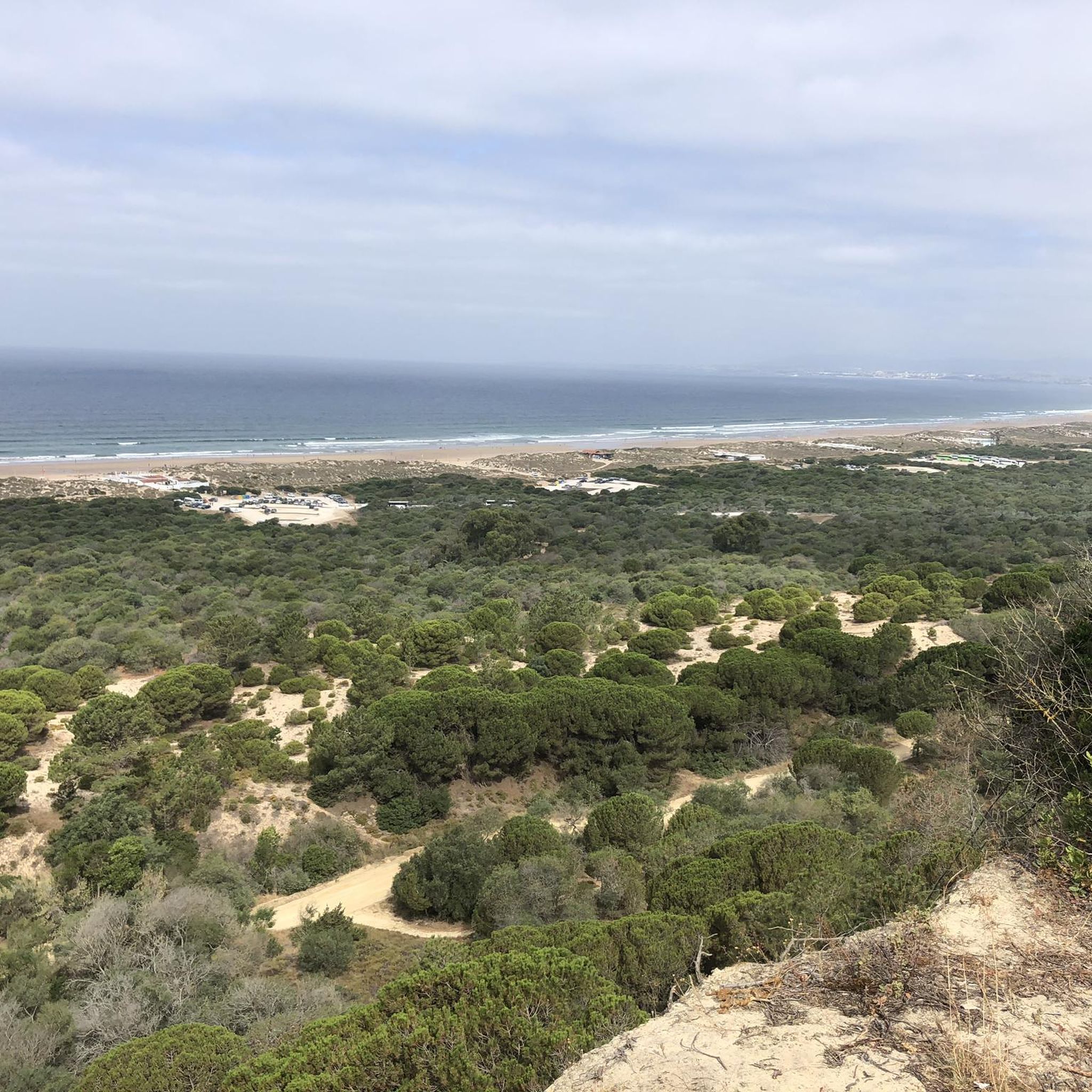
Tips from the Community

Located in the Belem district, it was inaugurated in 1994 to honor the Portuguese soldiers (10,000) who fought and died in the colonial wars.
2
0

Eduardo VII Park stretches like a large green ribbon up the hill, offering plenty of space to breathe with its lawns and paths. From the top, you have a stunning view across Avenida da Liberdade all the way down to the Tagus River. Perfect for a quiet break, a picnic, or a relaxing stroll in nature right in the heart of Lisbon.
4
1

The Lisbon Botanical Garden, located in the parish of São Mamede, is one of the city's oldest and most important green spaces, with a rich history linked to scientific research and botanical conservation. Founded in 1873 at the initiative of Count Ficalho and Andrade Corvo, professors at the Lisbon Polytechnic School. Officially inaugurated in 1878, it was conceived as a scientific garden to support teaching and research in botany. It is part of the National Museum of Natural History and Science of the University of Lisbon.
3
0
The Monument to Overseas Combatants is a solemn tribute to the Portuguese soldiers who lost their lives during the Portuguese Colonial War (also known as the Overseas War), which took place between 1961 and 1974 in Africa.
21
0
Eduardo VII Park is one of Lisbon's most iconic green spaces, located just north of Marquis of Pombal Square and Avenida da Liberdade. It's an ideal place to stroll, relax, and enjoy spectacular views of the city.
10
0

Don't miss the opportunity to sign the summit book. The summit book is located in the small plastic container with the green lid, covered with a stone.
2
0

Lisbon's central park was named as a tribute to the English monarch Edward VII, who visited Lisbon in 1903, five centuries after the Anglo-Portuguese Alliance. It ascends one of the city's hills and provides a wonderful view from the top. It's made up of symmetrical box hedging and a variety of plants, most of them found inside a cool and heated greenhouse from the 1930s, which is filled with exotic species from tropical climates. This greenhouse is one of the most important green spaces in Lisbon, considered an authentic living museum, with its small lakes and waterfalls, statuary, and hundreds of species of plants.
6
0
In a botanical garden, plants are kept looking as close as possible to what they would have in nature, without excessive human intervention (for example, pruning or cutting dry leaves). On the other hand, this ‘hands-off’ option encourages small ecosystems where insects and small animals, other plants, fungi and lichens, which are extremely important for urban biodiversity, live. In the summer, we only water what is essential. Water is a precious commodity, especially in a country like Portugal. Therefore, it is possible that water circulation is limited and that the undergrowth may become drier, especially in the summer. This is a deliberate option that does not put the plants at risk. The presence of the Garden in the heart of Lisbon mitigates the effects of rising temperatures, promoting its own microclimate and the capture of carbon dioxide.
0
1
Frequently Asked Questions
What are the most popular natural monuments around Seixal?
Visitors frequently enjoy the expansive city views from Eduardo VII Park Viewpoint. Another highly appreciated spot is the University of Lisbon Botanical Garden, recognized for its scientific research and botanical conservation. For those seeking a challenge and extensive views, Formosinho Peak in the Serra da Arrábida is a favorite.
Are there family-friendly natural monuments in the Seixal area?
Yes, several natural monuments around Seixal are suitable for families. The Eduardo VII Park Viewpoint offers a large green space and city views, perfect for a family stroll. The University of Lisbon Botanical Garden is also family-friendly, providing a serene environment to explore nature. Additionally, the Baía do Seixal is excellent for birdwatching, which can be an engaging activity for all ages.
What unique natural features can I explore in Seixal?
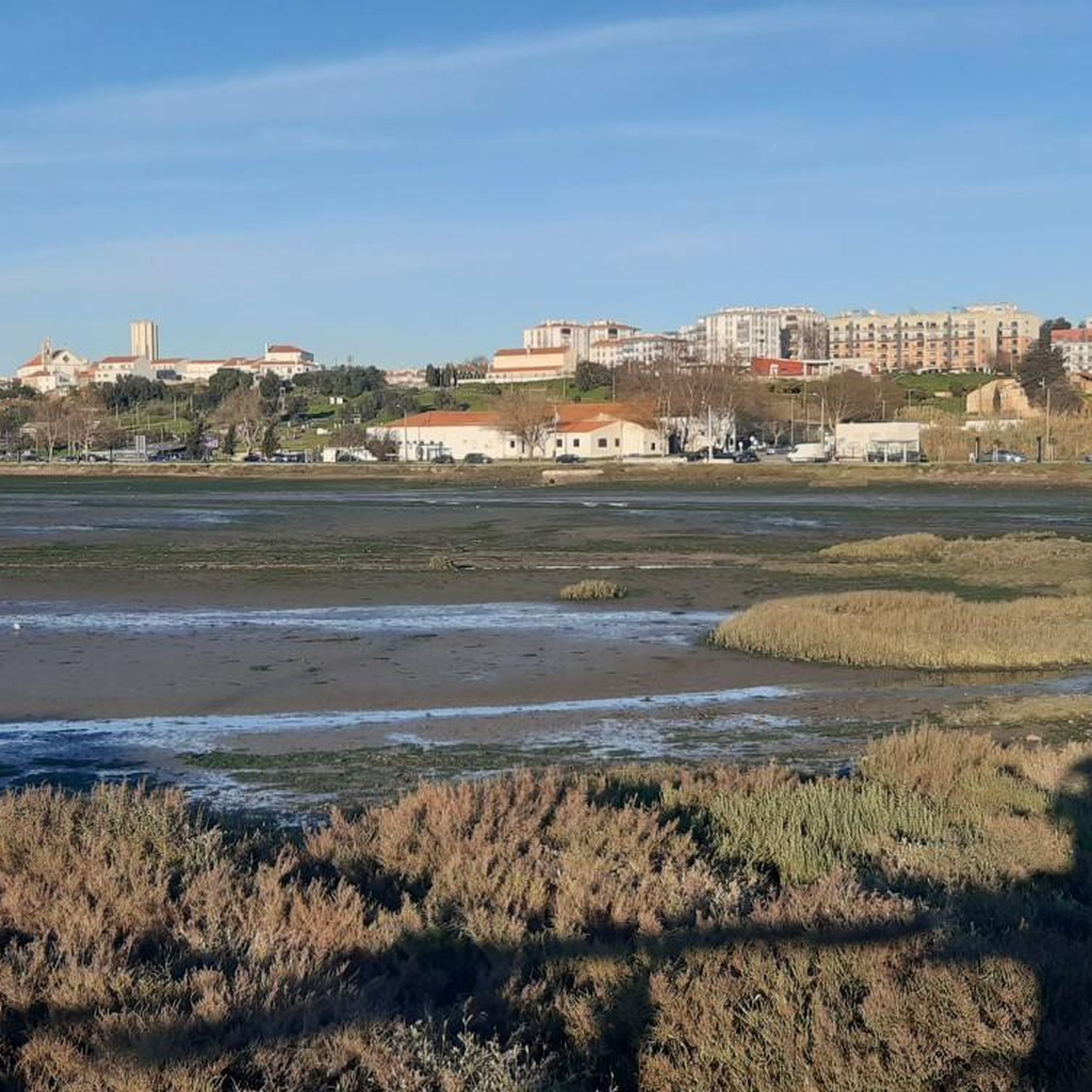
The Seixal municipality on the Setúbal Peninsula is home to the Baía do Seixal, a significant part of the Tagus estuary. This area is classified as a National Ecological Reserve, boasting high biodiversity and exceptional landscape quality, making it ideal for birdwatching. Nearby, the Parque Natural da Arrábida offers stunning blue seas, white chalk cliffs, and lush green vegetation, protecting a rare example of Mediterranean maquis in Portugal.
What outdoor activities can I do near the natural monuments around Seixal?
The region offers a variety of outdoor activities. You can find numerous hiking trails, from easy to challenging, particularly in the Parque Natural da Arrábida. For cycling enthusiasts, there are many routes available, including road cycling and touring bicycle options. Explore more options on the Hiking around Seixal guide or the Cycling around Seixal guide.
Are there any challenging natural monuments for experienced hikers?
Absolutely. Formosinho Peak, the highest point in the Serra da Arrábida, offers challenging terrain and extensive views. The route to the summit is considered to be of the highest difficulty, involving steep inclines, gravel areas, and even some rock climbing, making it suitable for experienced hikers seeking a mountaineering-like experience.
Where can I go birdwatching near Seixal?
The Baía do Seixal, part of the Tagus estuary, is an important wetland area nationally and European-wide, making it an excellent location for birdwatching. You can spot migratory birds like herons and kingfishers, and occasionally even flamingo colonies, due to its rich biological heritage.
What is the best time to visit the natural areas around Seixal?
The natural areas around Seixal, particularly the Baía do Seixal and Parque Natural da Arrábida, can be enjoyed year-round. Spring and autumn offer pleasant temperatures for hiking and exploring. For birdwatching in the Baía do Seixal, migratory seasons (spring and autumn) might offer more diverse sightings. Summer is ideal for enjoying the beaches within Arrábida Natural Park.
Are there any natural monuments with historical significance?
While primarily natural, the Moinho de Maré de Corroios (Corroios Tide Mill) is deeply integrated with its natural surroundings within the Tagus estuary. This 15th-century tide mill showcases an early form of sustainable energy use and is classified as a Public Interest Property. It has been adapted into an ecomuseum, allowing visitors to learn about its history and the technology that harnessed tidal energy, set against the backdrop of a protected salt marsh.
What kind of views can I expect from the viewpoints around Seixal?
The viewpoints around Seixal offer diverse and spectacular panoramas. From Eduardo VII Park Viewpoint, you get expansive city views of Lisbon. Formosinho Peak in Serra da Arrábida provides extensive views connecting the Sado estuary to the Tagus and the Atlantic Ocean. The Parque Natural da Arrábida itself offers breathtaking vistas where the blue of the sea contrasts with white chalk cliffs and lush green mountains.
Can I find beaches with unique characteristics near Seixal?
While the municipality of Seixal on the Setúbal Peninsula is known for its estuary, the nearby Parque Natural da Arrábida boasts beaches like Figueirinha, Galapos, and Portinho da Arrábida, renowned for their fine sand and transparent waters. If considering the broader region of Portugal, Seixal in Madeira is famous for its Praia do Porto do Seixal (Black Sand Beach), known for its striking black sand and lush green cliffs.
Are there any natural pools to visit?
If you are referring to Seixal in Madeira, the Seixal Natural Pools (Poça das Lesmas) are a prime attraction. These incredible volcanic, lava-rock tidal pools, some natural and some enhanced, feature a giant lava arch under which visitors can swim, offering a unique experience with dark rocks contrasting with turquoise waters.
What is special about the University of Lisbon Botanical Garden?
The University of Lisbon Botanical Garden is one of the city's oldest and most important green spaces, founded in 1873. It is recognized for its rich history linked to scientific research and botanical conservation. The garden maintains plants in a natural state, fostering small ecosystems that support urban biodiversity, and practices sustainable watering, especially during summer.
Most popular attractions around Seixal

Get inspired with the komoot mobile app


Explore more
Extend your search for the best caves by checking out these guides of the top ones around Seixal:
