Top 6 Natural Monuments around Coux-Et-Bigaroque-Mouzens
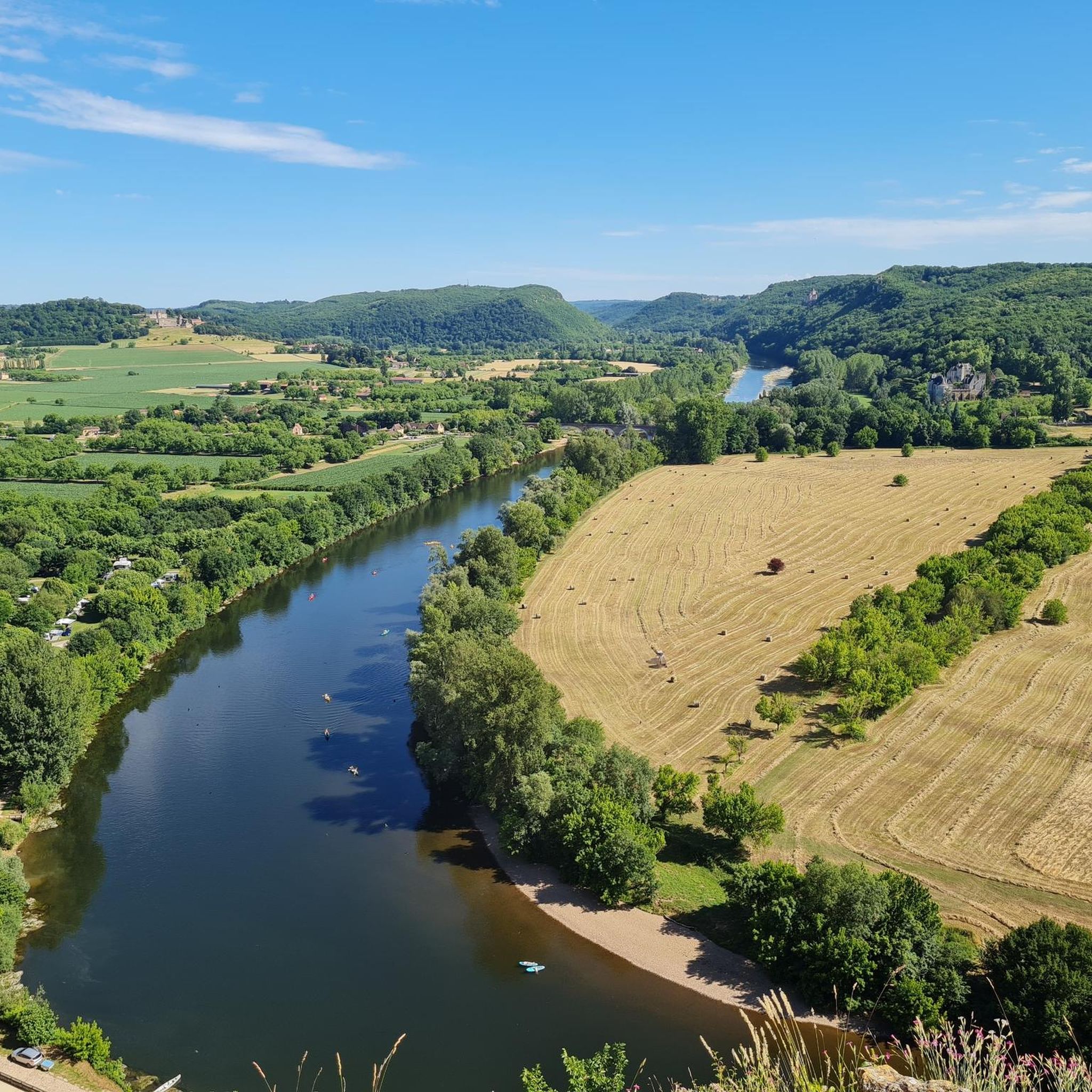
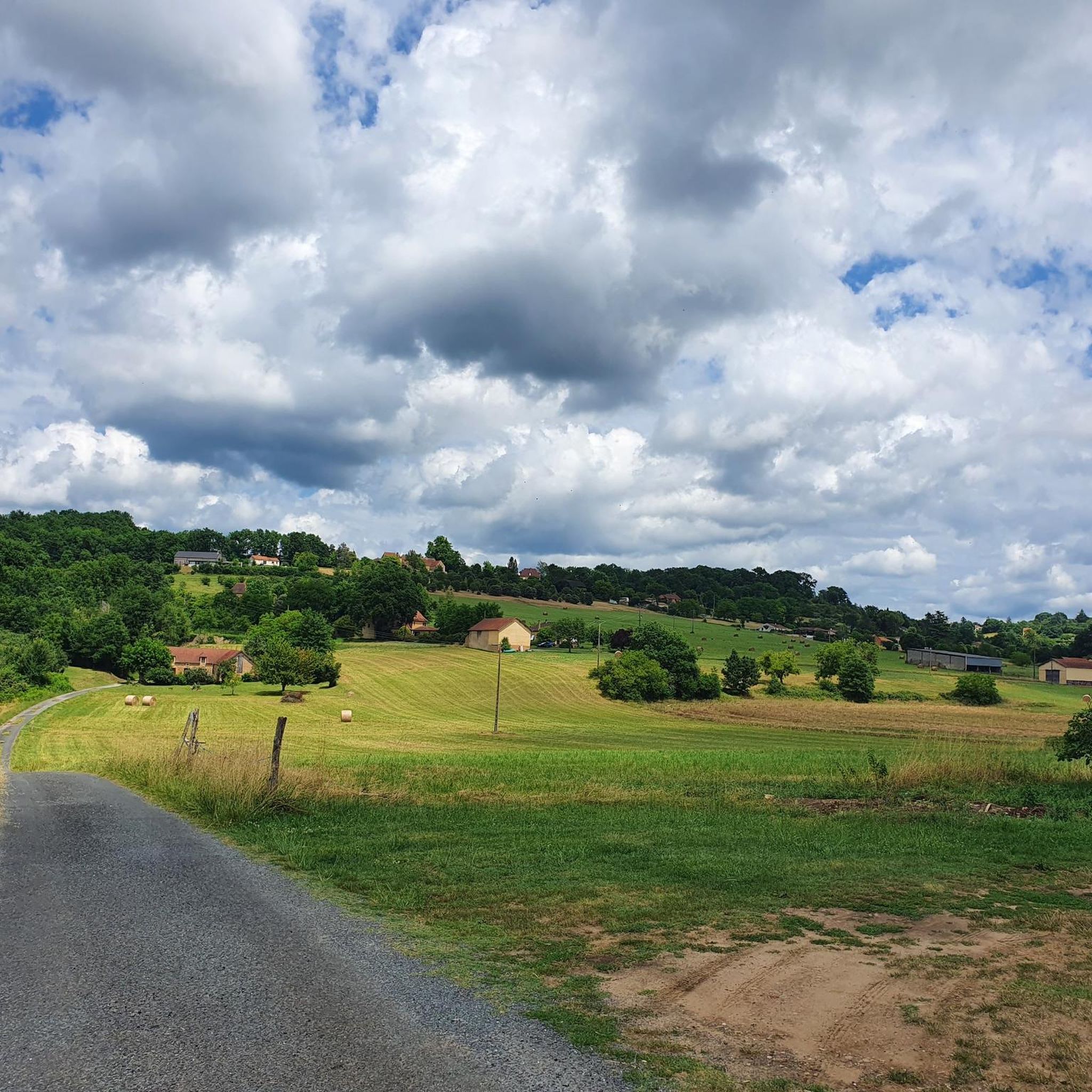
Best natural monuments around Coux-Et-Bigaroque-Mouzens are shaped by the Dordogne River and its surrounding hilly terrain in France's Périgord Noir region. The area's natural attractions include the Dordogne River valley, a UNESCO Biosphere Reserve, and significant geological sites. This landscape offers diverse features such as fertile floodplains, wooded hills, and limestone cliffs. The region provides opportunities for appreciating varied natural scenery and exploring geological marvels.
Best natural monuments around Coux-Et-Bigaroque-Mouzens
- The most popular natural monuments is Les Eyzies-de-Tayac, a…
Last updated: July 6, 2026
Les Eyzies-de-Tayac
Highlight • Historical Site
Translated by Google •
Tip by

Cluzeaux de Campagne
Highlight • Cave
Translated by Google •
Tip by

Sign up now to discover places like this
Get recommendations on the best single tracks, peaks, & plenty of other exciting outdoor places.
Sign up for free
Font de Gaume Cave
Highlight • Cave
You must book in advance to be able to visit it.
Translated by Google •
Tip by
Cro-Magnon Rock Shelter
Highlight • Cave
Translated by Google •
Tip by

Confluence of the Dordogne and Vézère at Limeuil
Highlight • River
Translated by Google •
Tip by

Start today with a free account
Your next adventure awaits.
Login or Signup
Popular around Coux-Et-Bigaroque-Mouzens

Tips from the Community

This museum is certainly interesting, unfortunately we didn't have enough time
0
0
Impressive are the dwellings in the rocks and the houses from the rocks
0
0

Welcome to the capital of prehistory! This is the nickname given to this modest village which follows the course of the Vézère. It must be said that the extraordinary sites that you can visit are numerous. In addition to the very richly supplied national museum, I encourage you to go to the Pôle de la préhistoire. Building entirely dedicated to this science and free. Find out about all the prehistoric marvels that can be admired in and around the town. They are not missing. It is not without reason that the Vézère valley has been nicknamed the valley of man.
2
1

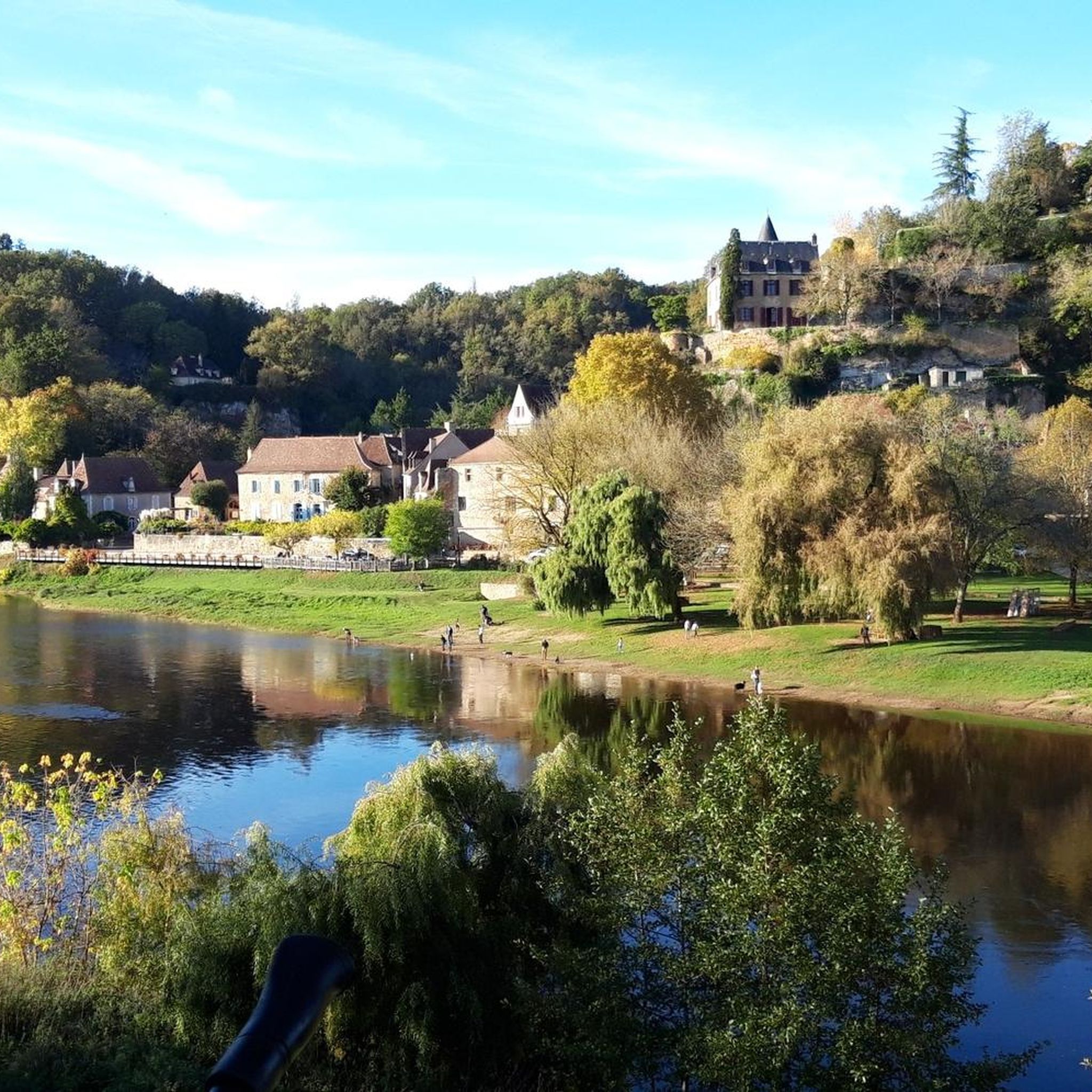
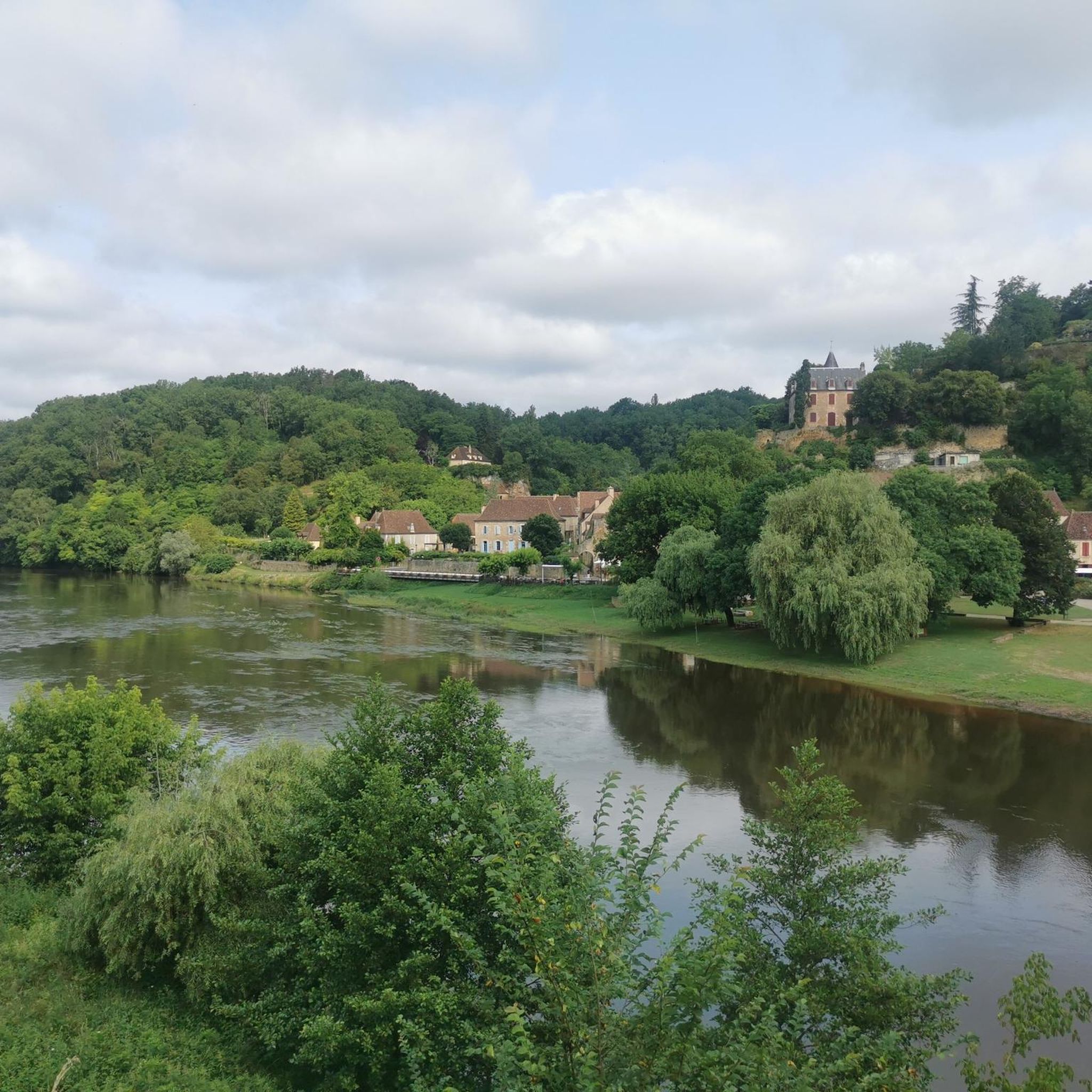
A magnificent place in the Dordogne. Here the Dordogne joins the Vezere. In summer, lots of kayaking activities
0
0

One of the most beautiful places in the Dordogne
0
0

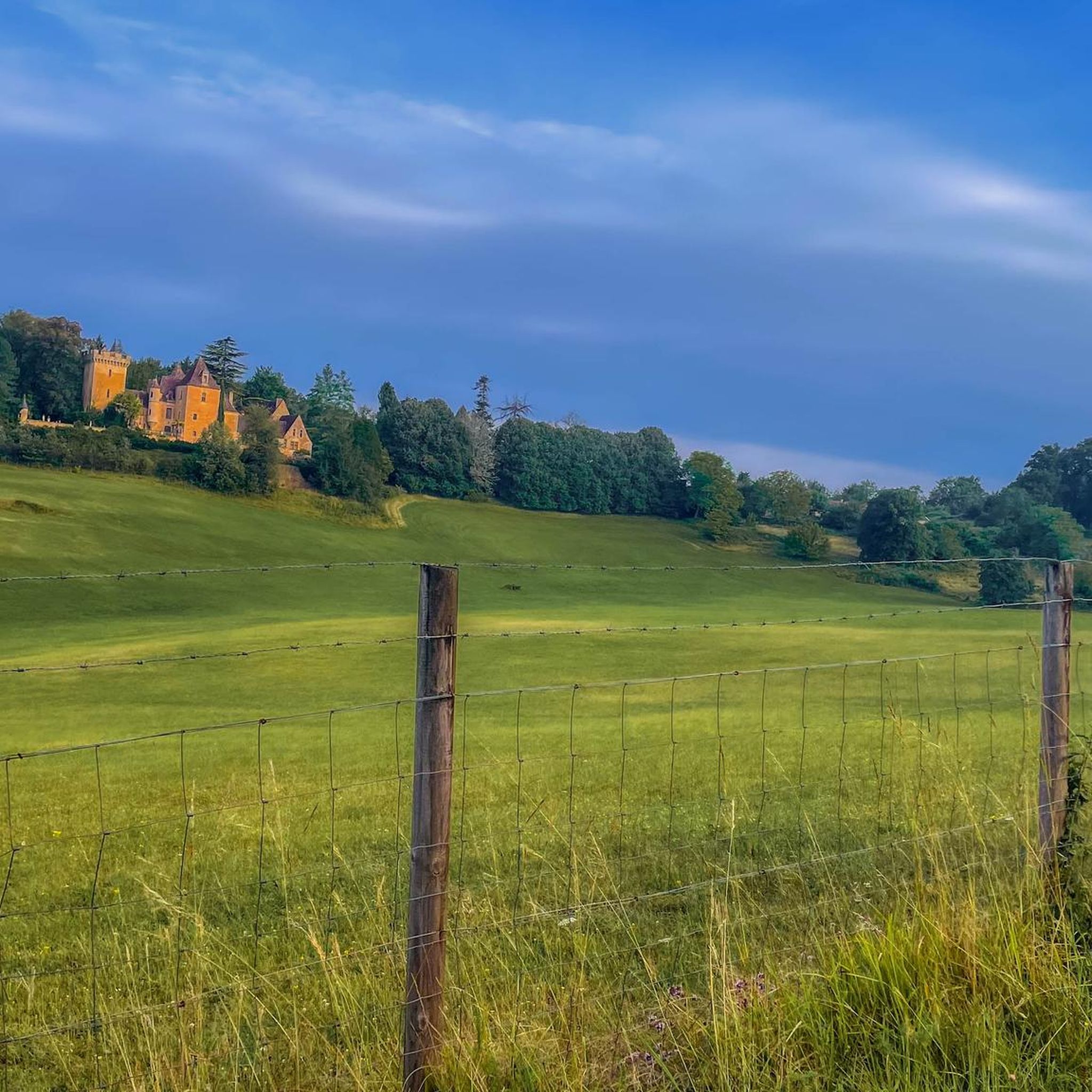
Near the grounds of the Château de Campagne, in the extension of the Ladies' Staircase, are the Cluzeaux. Dating back to the early Middle Ages, their exact purpose remains a mystery...food storage or housing?
1
0

Absolutely worth seeing rock formation with houses that were built into the rock.
0
0

The mecca for Paleolithic people. There are some caves with paintings to admire. The museum is also recommended.
0
0
Frequently Asked Questions
What are the most popular natural monuments around Coux-Et-Bigaroque-Mouzens?
The region offers a variety of highly-rated natural monuments. Among the most popular are Les Eyzies-de-Tayac, known as the capital of prehistory with numerous extraordinary sites and a rich national museum. Visitors also frequently explore the mysterious Cluzeaux de Campagne, ancient cave structures near the Château de Campagne, and the renowned Font de Gaume Cave, famous for its rare polychrome paintings of bison.
What natural features can I expect to see in the Coux-Et-Bigaroque-Mouzens area?
The natural landscape is deeply shaped by the majestic Dordogne River and its surrounding hilly terrain. You'll find a variety of features including fertile floodplains, wooded hills, and impressive limestone cliffs. The region is also rich in geological sites, particularly caves, which showcase unique formations and prehistoric art.
Are there any unique geological sites to explore near Coux-Et-Bigaroque-Mouzens?
Yes, beyond the immediate commune, the nearby Maxange Caves (Les Grottes de Maxange) are a highly notable geological wonder. Discovered in 2000, these caves are renowned for their eccentric and crystalline formations, often called the 'Cave of the Stars' due to their shimmering concretions. Within the commune's vicinity, the Font de Gaume Cave also presents unique geological features alongside its prehistoric art.
What historical natural monuments can I visit in the region?
The area is rich in historical natural monuments. Les Eyzies-de-Tayac is a prime example, considered the capital of prehistory. You can also visit the Font de Gaume Cave, which features rare Paleolithic polychrome paintings. Another significant site is the Cro-Magnon Rock Shelter, where the first remains of Cro-Magnon man were discovered.
Are there family-friendly natural monuments around Coux-Et-Bigaroque-Mouzens?
Absolutely. The Confluence of the Dordogne and Vézère at Limeuil is a magnificent and family-friendly spot where the two rivers meet. It's ideal for enjoying scenic views and water activities, especially kayaking in summer. Many of the caves, like the Maxange Caves, also offer engaging experiences for families.
What outdoor activities can I do near these natural monuments?
The region offers a wide range of outdoor activities. You can enjoy running on trails like the 'Forest Path loop from Coux et Bigaroque-Mouzens' or 'Running loop from Coux-et-Bigaroque'. Mountain biking is popular with routes such as 'Village of Limeuil – The Vézère at Le Bugue loop'. Road cycling is also an option, with routes like 'The Vézère at Le Bugue – Bridge loop'. For more details on these and other routes, explore the Running Trails, MTB Trails, and Road Cycling Routes guides.
Can I engage in water sports on the Dordogne River?
Yes, the Dordogne River is excellent for water sports. Its clean, warm waters, particularly in July and August, make it ideal for swimming, canoeing, and kayaking. The gentle meanders of the river provide a serene setting for these activities, with many picturesque villages and natural sights along its banks.
What makes the Dordogne River a significant natural monument?
The Dordogne River is a crucial natural monument, bordering Coux-Et-Bigaroque-Mouzens for seven kilometers. Its basin was designated a UNESCO Biosphere Reserve in 2012, recognizing its outstanding natural heritage and diverse landscapes. It's known for its unspoiled scenery, rich flora and fauna, including rare species like the European otter, and its importance for both ecological balance and human recreation.
What is the best time to visit the natural monuments in Coux-Et-Bigaroque-Mouzens?
The summer months, particularly July and August, are ideal for enjoying the Dordogne River, as its waters are clean and warm, perfect for swimming and water sports. For exploring caves and historical sites, spring and autumn offer pleasant temperatures for walking and fewer crowds. The region's natural beauty can be appreciated year-round, but specific activities might be seasonal.
Are there any caves with prehistoric art in the area?
Yes, the Font de Gaume Cave is a significant site featuring rare polychrome paintings of bison, offering a direct glimpse into Paleolithic art. It's important to book your visit in advance for this particular cave. The broader area around Les Eyzies-de-Tayac is also renowned for its numerous prehistoric sites and cave art.
What do visitors enjoy most about the natural monuments in this area?
Visitors particularly appreciate the rich blend of natural beauty and historical significance. The stunning views of the Dordogne Valley, the unique geological formations within the caves, and the profound connection to prehistory found at sites like Les Eyzies-de-Tayac are frequently highlighted. The opportunity for diverse outdoor activities along the river and through the hills also adds to the appeal.
Are there opportunities for wildlife spotting near the natural monuments?
Yes, the Dordogne River and its wetlands are a haven for rich flora and fauna. The river basin, a UNESCO Biosphere Reserve, supports diverse ecosystems where you might spot various bird species and even rare animals such as the European otter. Exploring the wooded hills and riverbanks offers the best chances for wildlife observation.
Most popular routes around Coux-Et-Bigaroque-Mouzens
Most popular attractions around Coux-Et-Bigaroque-Mouzens

Get inspired with the komoot mobile app


Explore more
Extend your search for the best caves by checking out these guides of the top ones around Coux-Et-Bigaroque-Mouzens:
