Top 5 Natural Monuments around Condé-En-Normandie
Best natural monuments around Condé-En-Normandie are found within the Suisse Normande region, characterized by its rugged landscapes and the Orne river valley. This area features diverse ecosystems, including rocky escarpments, forests, and river gorges. The natural monuments here offer opportunities to explore significant ecological sites and historical landmarks. The region's terrain provides varied natural settings for outdoor activities.
Best natural monuments around Condé-En-Normandie
- The most popular natural monuments is View of the Orne Valley, a viewpoint that offers views…
Last updated: July 6, 2026
Mount Pinçon
Highlight • Summit
Translated by Google •
Tip by

Mont de Cerisy and Castle Ruins
Highlight • Castle
Translated by Google •
Tip by

Sign up now to discover places like this
Get recommendations on the best single tracks, peaks, & plenty of other exciting outdoor places.
Sign up for free
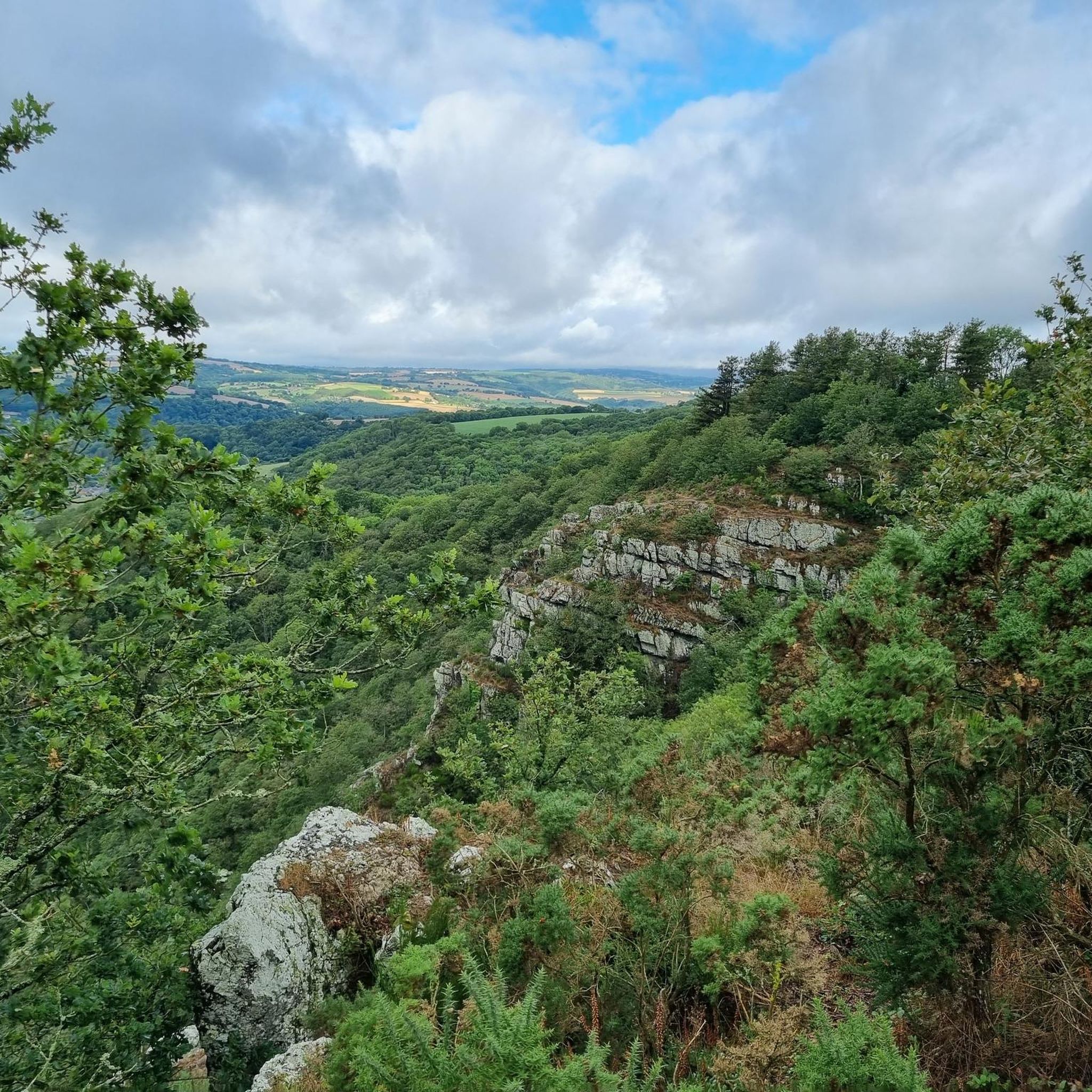
View of the Orne Valley
Highlight (Segment) • Viewpoint
Translated by Google •
Tip by
Millennial Yew of Estry
Highlight • Natural Monument
Translated by Google •
Tip by

The Plumaudière Megaliths
Highlight • Natural Monument
Translated by Google •
Tip by
Start today with a free account
Your next adventure awaits.
Login or Signup

Tips from the Community


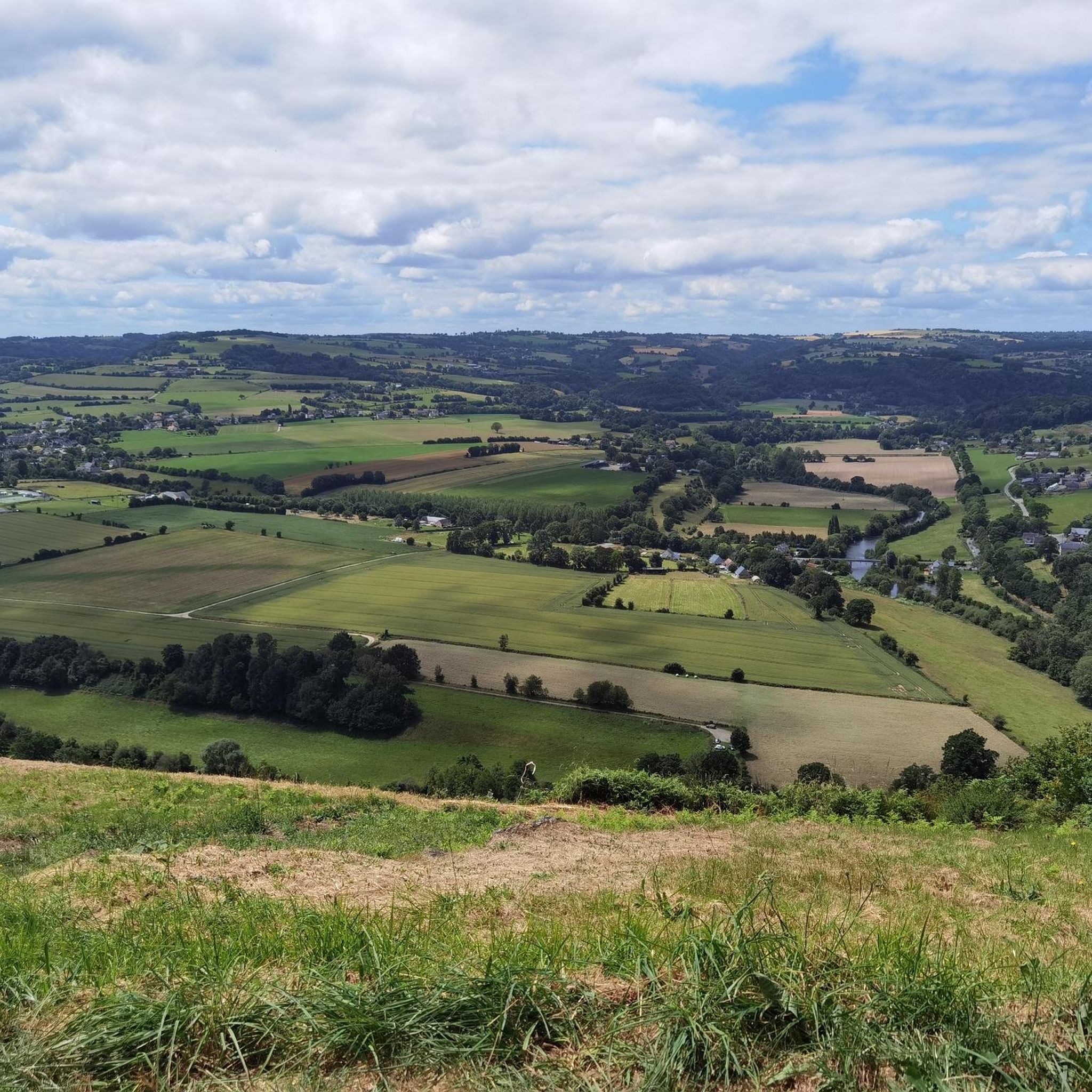
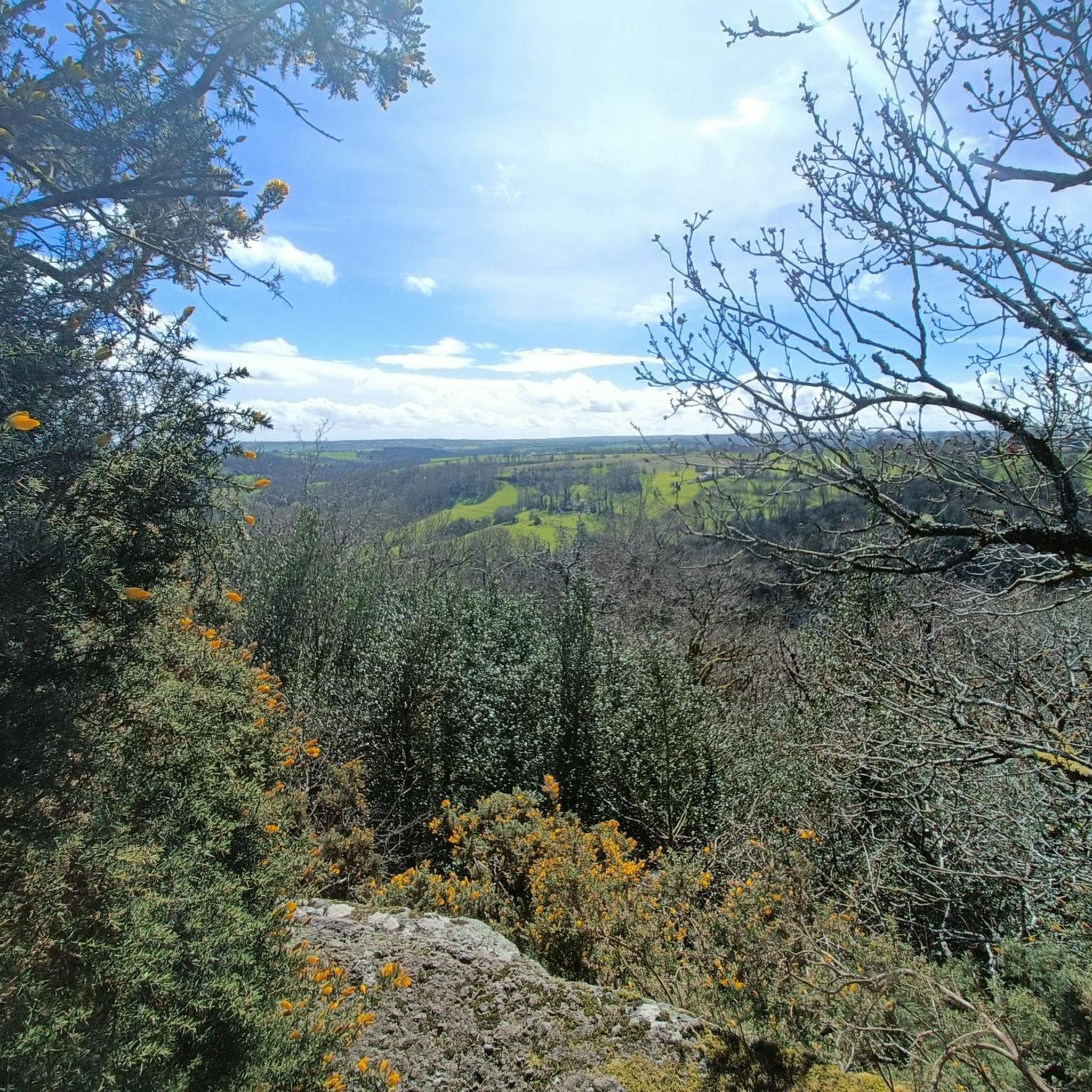
In early spring, the view is clear because the trees have no leaves yet.
0
0

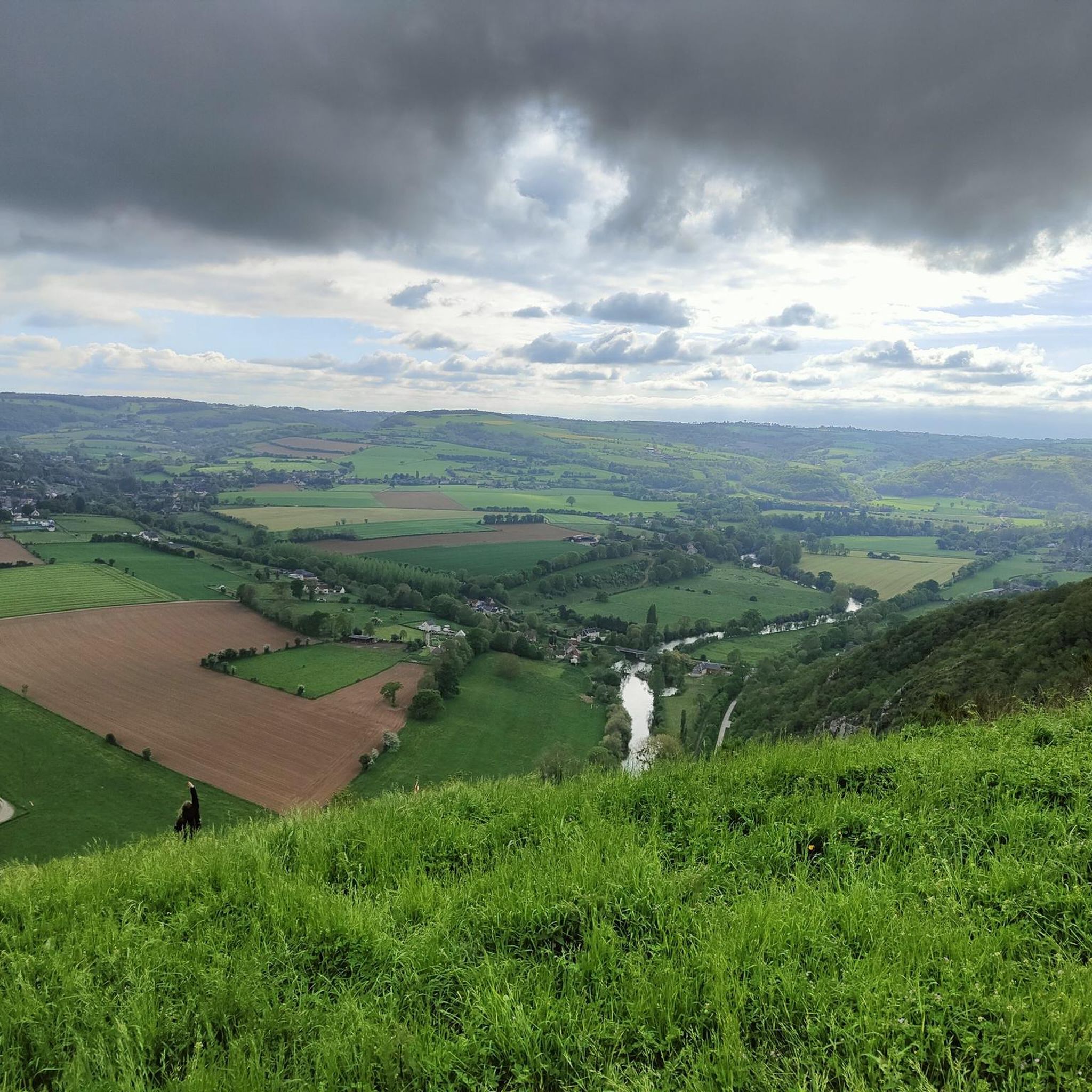
The Mont Pinçon memorial is the highest point in the Calvados department. This site was the scene of a fierce battle during World War II, when British troops captured a German radio station and observation tower located atop the hill. You can discover this history by reading the stele of the 13/18th Royal Hussars, a pink granite monument sculpted by Alain Head and inaugurated in 1996. You can also enjoy the natural beauty and panoramic views of Mont Pinçon, which is part of the Armorican massif and constitutes an ecologically sensitive area. The Mont Pinçon memorial is a privileged place to discover the past and present of Normandy.
2
0

Beautiful site with a view of the Normandy bocage.
0
0

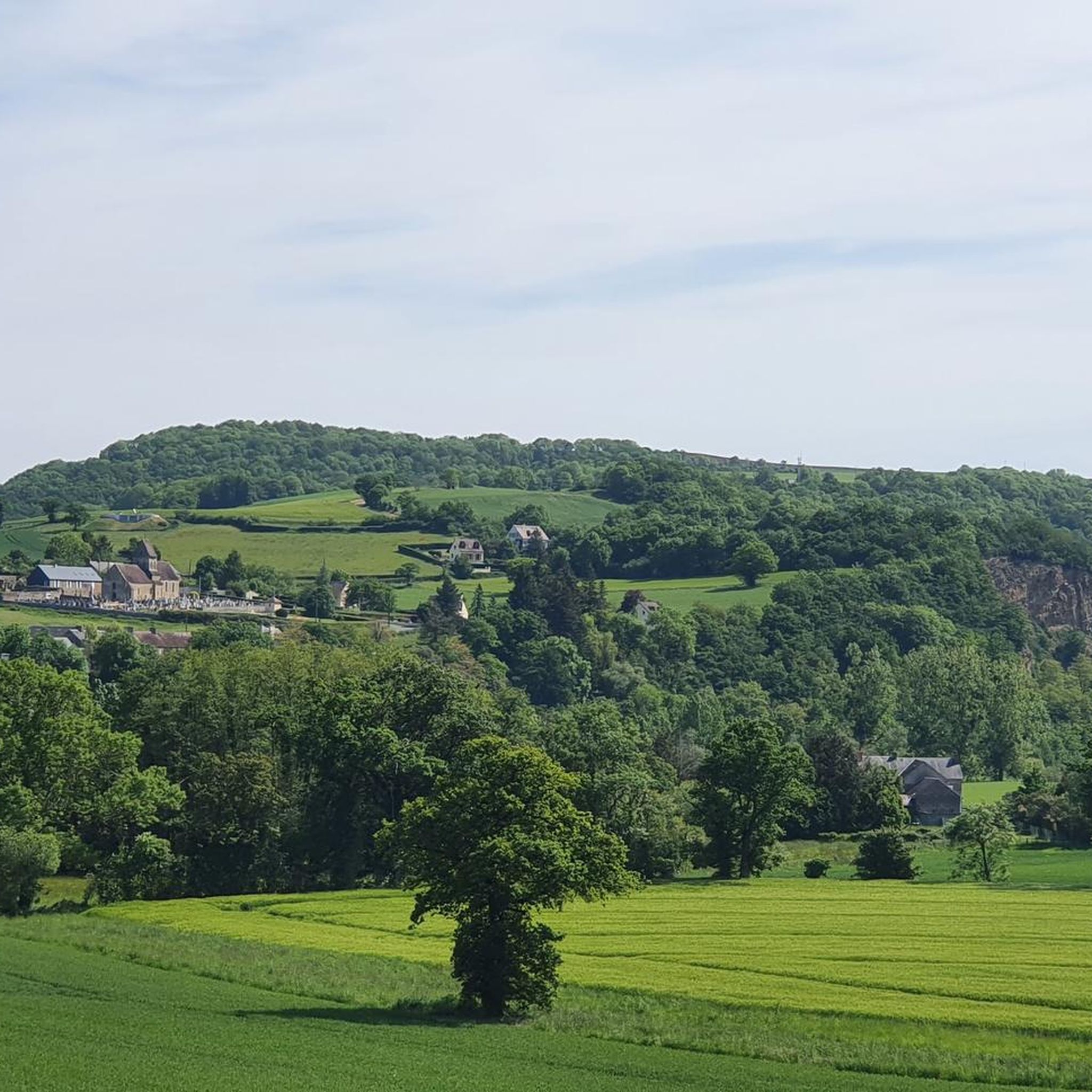
... of the bag of stones that the devil let in anger plant itself in the field of Houx, for lack of being able to bring down the priory of Plessis-Grimoult
0
0
Classified among the remarkable trees of France by the association "ARBRES", it is recognized as one of the oldest in metropolitan France, with an estimated dating between 1400 and 1800 years. Difficult to know with more precision because it is hollow. You can easily enter it for ten people, you will even see it house the crib at Christmas. Initially venerated as a pagan symbol of the passage from life to death, this funerary yew could have seen Clovis, it especially saw an imposing church erected at its foot. It was spared by the Revolution (testimonials from that time would report that he saved the church and the village from lightning more than once) and suffered significant damage in August 1944 when the cemetery was the site of a terrible tank battle which set fire to and felled the church. The solidarity at the end of the war (local and also more distant coming from Pontvallain, 72) allowed the reconstruction of the village; from these treatments the yew was able to start afresh. It is nonetheless threatened by a water stress that is clearly visible today. Reliable witness to a long and rich past, the millennial yew tree of Estry questions us about what we are preparing to show it for the centuries to come. As of today, he is alerting us to the climate challenge.
0
0
Classified among the remarkable trees of France by the association A.R.B.R.E.S and recognized as one of the oldest trees in metropolitan France (dating estimated between 1400 and 1800 years)
0
0
Les Rochers des Parcs has a fantastic course for running and enjoying these wooded and steep slopes with breathtaking views, especially of the nearby viaduct.
2
0
Frequently Asked Questions
What are some of the most scenic viewpoints in the Condé-En-Normandie area?
For breathtaking panoramas, visit Mount Pinçon, the highest point in Calvados, offering expansive views of the surrounding landscape. Another excellent spot is the View of the Orne Valley, which provides stunning vistas of wooded, steep slopes and a nearby viaduct, especially clear in early spring before the trees fully leaf out. The Rochers de la Houle also features a "route des crêtes" with superb panoramas of Suisse Normande.
Are there any natural monuments with historical significance around Condé-En-Normandie?
Yes, several natural monuments in the region have historical ties. Mount Pinçon, for instance, hosts a military memorial at its summit, commemorating its role in World War II. The Millennial Yew of Estry is a remarkable tree, estimated to be between 1400 and 1800 years old, with a rich history as a pagan symbol and a witness to significant events like WWII. Additionally, The Plumaudière Megaliths are ancient historical sites with local legends.
What kind of outdoor activities can I do near the natural monuments in Condé-En-Normandie?
The Suisse Normande region, where these natural monuments are located, is ideal for various outdoor activities. You can find numerous routes for running, road cycling, and general cycling. For example, explore the running trails around Condé-En-Normandie, or discover the scenic road cycling routes. The Rochers des Parcs, specifically, is a popular spot for climbing, offering 120 routes, and features paths overlooking the cliff for hiking.
Are there family-friendly natural monuments to visit?
Absolutely. The Mont de Cerisy and Castle Ruins is considered family-friendly, offering a 100-hectare forest massif to explore and the remains of a castle. The Millennial Yew of Estry is also family-friendly, where you can even enter the hollow trunk of the ancient tree. The Plumaudière Megaliths offer an interesting historical stop for families as well.
What unique natural features can be found in the Suisse Normande area around Condé-En-Normandie?
The region is characterized by its rugged landscapes and the Orne river valley. You can find rocky escarpments like the Rochers des Parcs, which boast diverse ecosystems including heaths, dry lawns, and slope forests. The Orne river runs at the foot of the abrupt rocks of Les Rochers de la Houle, dominated by the prominent Pain de Sucre. The area also features the pink granite mountain of Mont de Cerisy and ancient trees like the Millennial Yew of Estry.
What is the best time of year to visit the natural monuments in Suisse Normande?
While the natural monuments can be enjoyed year-round, early spring is particularly good for clear views, especially at the View of the Orne Valley, as the trees have not yet fully leafed out. May is also a beautiful time to visit Mont de Cerisy, when thousands of rhododendrons spectacularly color the mountain with shades of pink and purple.
Are there any specific hiking trails or paths to explore the natural monuments?
Yes, the Rochers des Parcs, which includes the area around the View of the Orne Valley, offers fantastic courses for running and enjoying wooded, steep slopes. There are also trails along the Orne river near the Rochers de la Houle and Pain de Sucre, which are part of a sensitive natural area. For more general cycling and running, you can explore various cycling routes around Condé-En-Normandie.
What makes the Rochers des Parcs an important natural site?
The Rochers des Parcs are an emblematic site of Suisse-Normande, recognized as part of the Sensitive Natural Areas of Calvados. They are significant ecologically, featuring diverse ecosystems such as heaths, dry lawns, and slope forests. Beyond their ecological value, they are also a popular destination for outdoor activities, including climbing with 120 available routes, and offer paths with views overlooking the cliff.
Can I find any unique geological formations in the area?
Yes, the region is known for its distinctive geology. Mont de Cerisy is a mountain made of pink granite, culminating at 276 meters. The Rochers des Parcs and Rochers de la Houle are characterized by their rocky escarpments and abrupt rock formations, shaped by the Orne river, offering dramatic landscapes.
What do visitors particularly enjoy about the natural monuments around Condé-En-Normandie?
Visitors appreciate the magnificent panoramic views, especially from spots like Mount Pinçon and the View of the Orne Valley. The historical significance of sites like the Millennial Yew of Estry and the military memorial on Mount Pinçon also captivate many. The opportunity to explore diverse natural settings, from forests to river gorges, and engage in activities like hiking and climbing, is also highly valued by the komoot community.
Are there any specific natural monuments recognized for their heritage status?
Yes, the Rochers de la Houle and Pain de Sucre, with the Orne river running at their base, have been recognized among the natural sites and monuments since 1908, highlighting their long-standing cultural and natural importance in the region.
Most popular routes around Condé-En-Normandie
Most popular attractions around Condé-En-Normandie

Get inspired with the komoot mobile app


Explore more
Extend your search for the best caves by checking out these guides of the top ones around Condé-En-Normandie:
