Top 10 Natural Monuments around Mézilhac
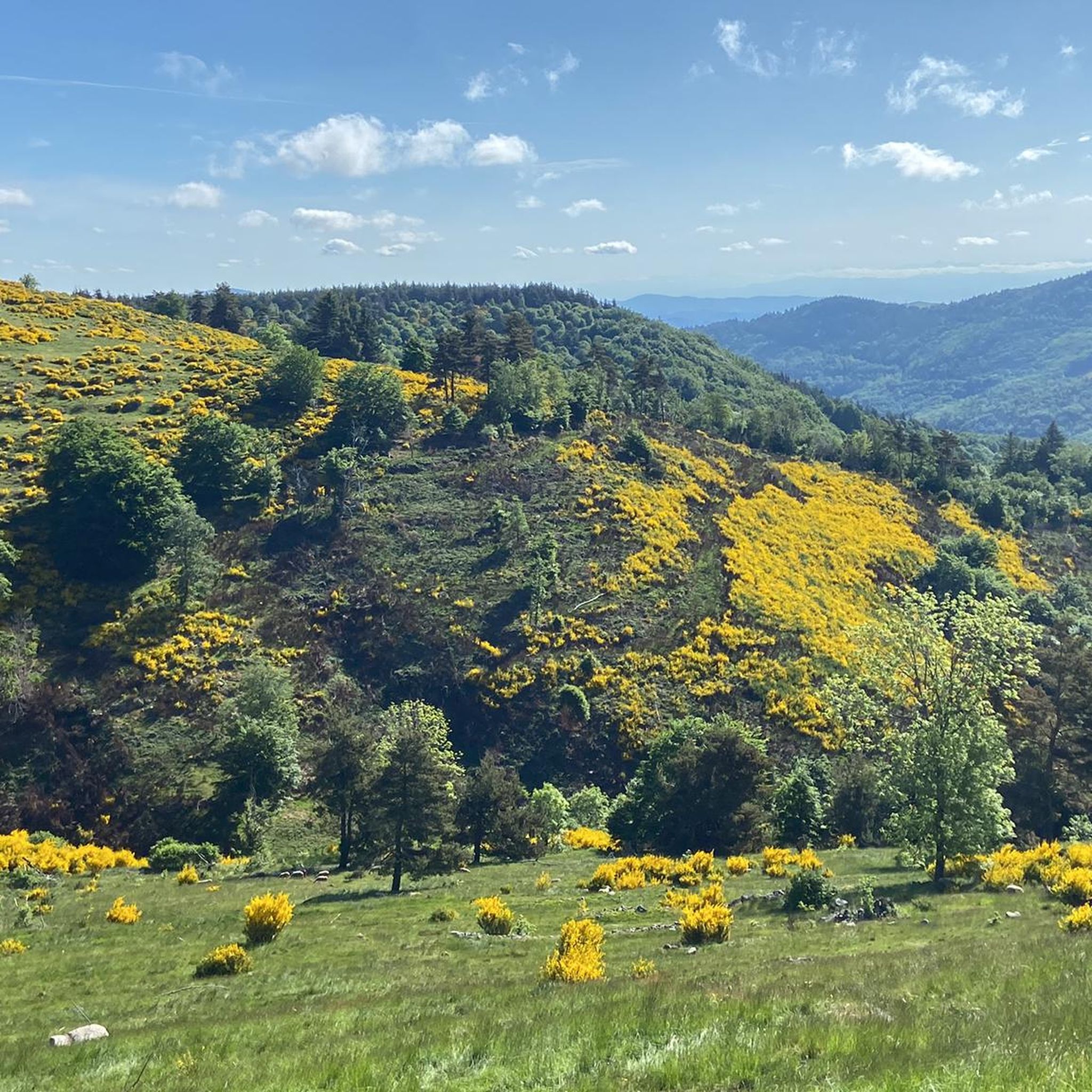
Best natural monuments around Mézilhac are found within the Monts d'Ardèche Regional Nature Park, a UNESCO Global Geopark. This region is characterized by its volcanic geology, featuring over 50 volcanoes and diverse landscapes. Major rivers like the Ardèche, Eyrieux, and Doux also shape the terrain. The area offers a rich geological heritage and varied ecosystems for exploration.
Best natural monuments around Mézilhac
- The most popular natural monuments is Mount Gerbier de Jonc, a summit of volcanic origin. This peak is notable as the official source of the Loire River and offers panoramic views.
- Another must-see spot is Ray-Pic Waterfall, a natural waterfall and volcanic site. Visitors can expect to see impressive basalt columns formed by ancient lava flows.
- Visitors also love Tchier de Borée, an artistic site made with carved stones. This location provides a viewpoint with views of the village of Borée and Mont Mézenc.
- Mézilhac is known for its volcanic summits, waterfalls, and unique geological formations. The region offers a variety of natural monuments to see and explore, from river sources to ancient lava flows.
- The natural monuments around Mézilhac are appreciated by the komoot community, with over 110 upvotes and 60 photos shared by visitors.
Last updated: August 29, 2026
Mount Gerbier de Jonc
Highlight • Summit
At the height of the mountain lies an important watershed: the official source of the Loire is located here, and not far away rises the Ardèche, which winds its way through the department of the same name towards the Rhône.
Even if there is a lot going on here, the climb is worth it and is also recommended with children.
Translated by Google •
Tip by

Ray-Pic Waterfall
Highlight • Waterfall
Translated by Google •
Tip by

Sign up now to discover places like this
Get recommendations on the best single tracks, peaks, & plenty of other exciting outdoor places.
Sign up for free
Tchier de Borée
Highlight • Monument
Translated by Google •
Tip by

Suc de Sara
Highlight • Mountain Hut
Translated by Google •
Tip by
La Volane River
Highlight • River
Translated by Google •
Tip by

Sign up for free to discover even more natural monuments around Mézilhac.
Sign up for free
Already have an account?
Start today with a free account
Your next adventure awaits.
Login or Signup

Tips from the Community

The Tchier de Borée is a contemporary artwork situated in the heart of the volcanic landscapes of the Boutières region. Created in 2008 by Fabienne Versé and Serge Boyer, this megalithic installation comprises 70 standing stones arranged in a circle 80 meters in diameter. Each stone bears a symbol or message: runes, astrological signs, natural elements (air, water, fire, earth), winds, mythology… The word “Tchier” (from the local dialect) means “pile of stones”: a tribute to stone, time, and the memory of the land. https://www.montagnedardeche.com/patrimoine-culturel/tchier-de-boree-2634/
0
0

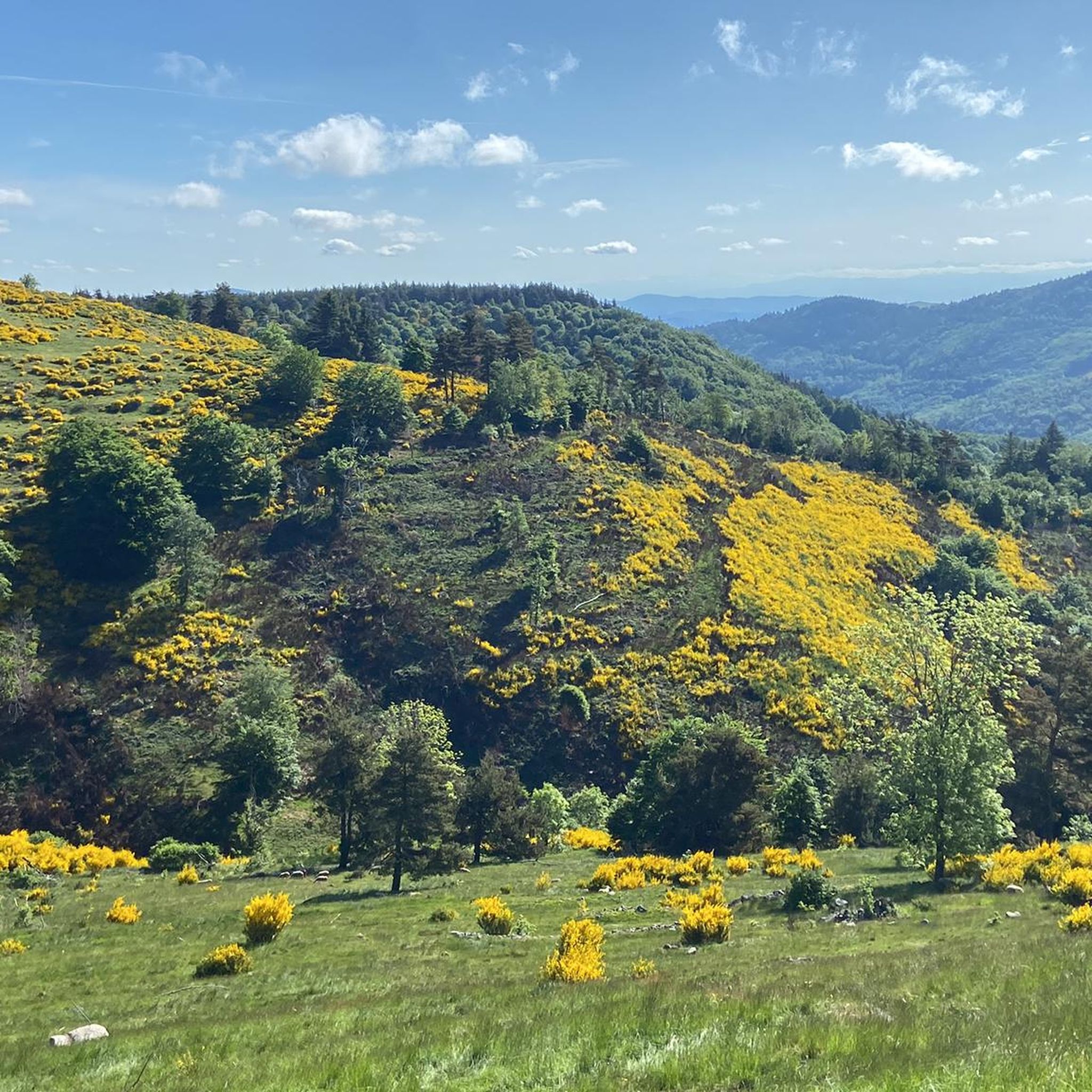
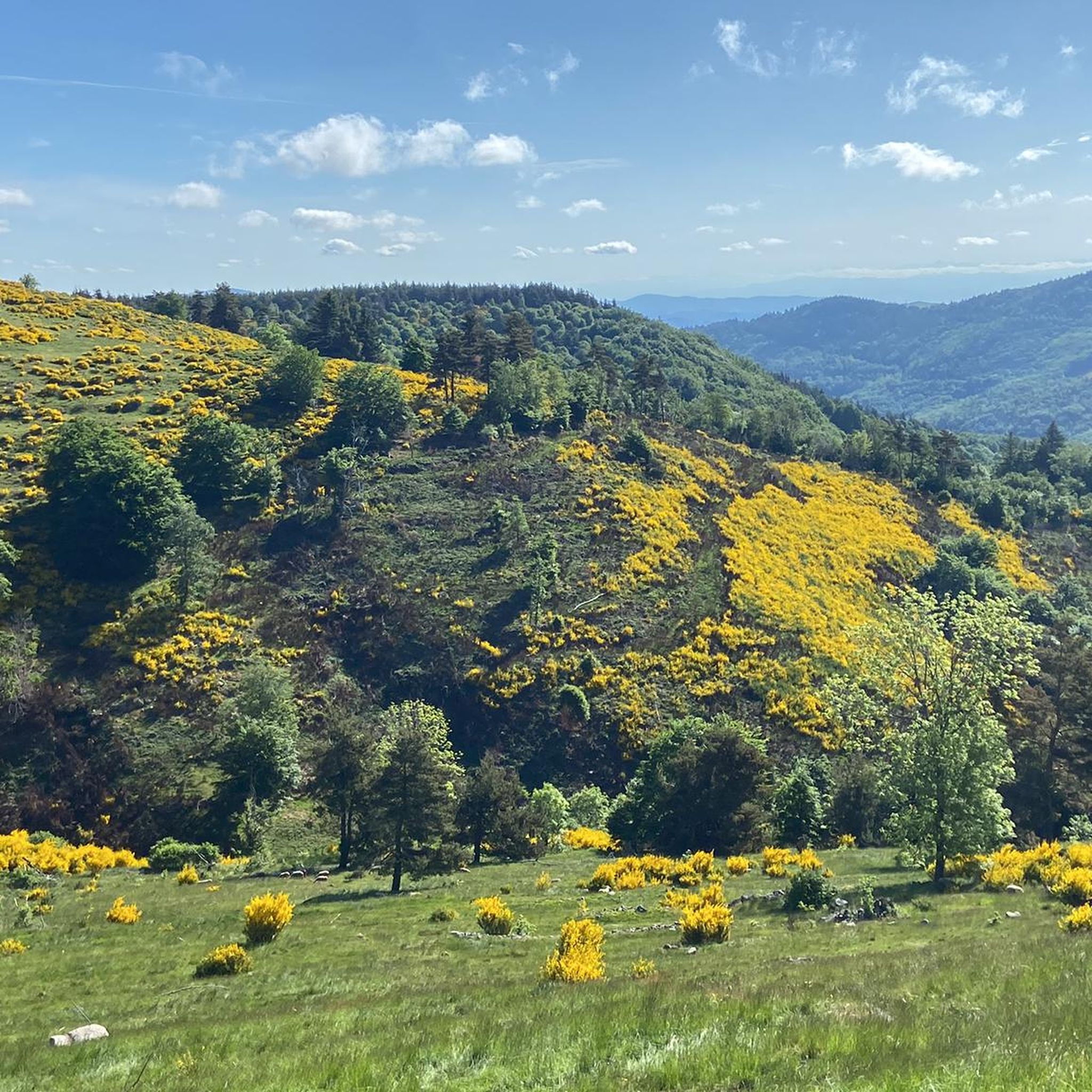
One of the most beautiful viewpoints in the region with the village of Borée, at the foot of the Sucs and Mont Mézenc
0
0

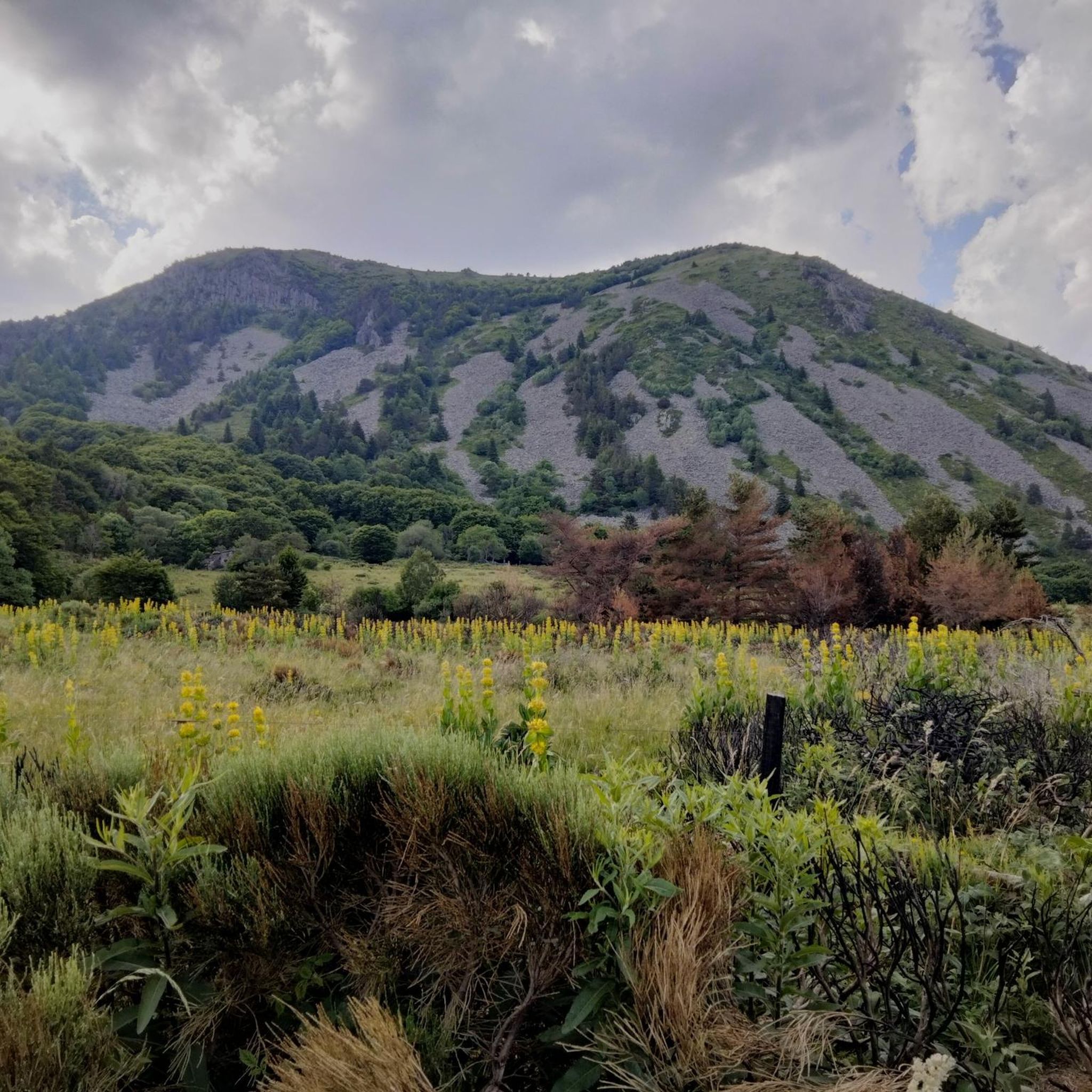
Mont Gerbier-de-Jonc is one of the highest peaks of the Monts d'Ardèche in the south-eastern Massif Central. The mountain itself is a striking, extinct volcanic cone with a good view over the Massif Central. The ascent and descent require some fitness and good footwear. There are a few short climbing rocks that cannot be avoided. But the view is worth it.
0
0

Contemporary work by Fabienne and Serge Boÿer: Glypheins sculptors. 70 stones engraved with symbols, myths of the country of Boutières, allegory. The cultural history of the high country of Boutières is told through nine themes: memory, reflection and philosophers, secrets and desires, travelers and pilgrims, astronomers and cartographers.
0
0
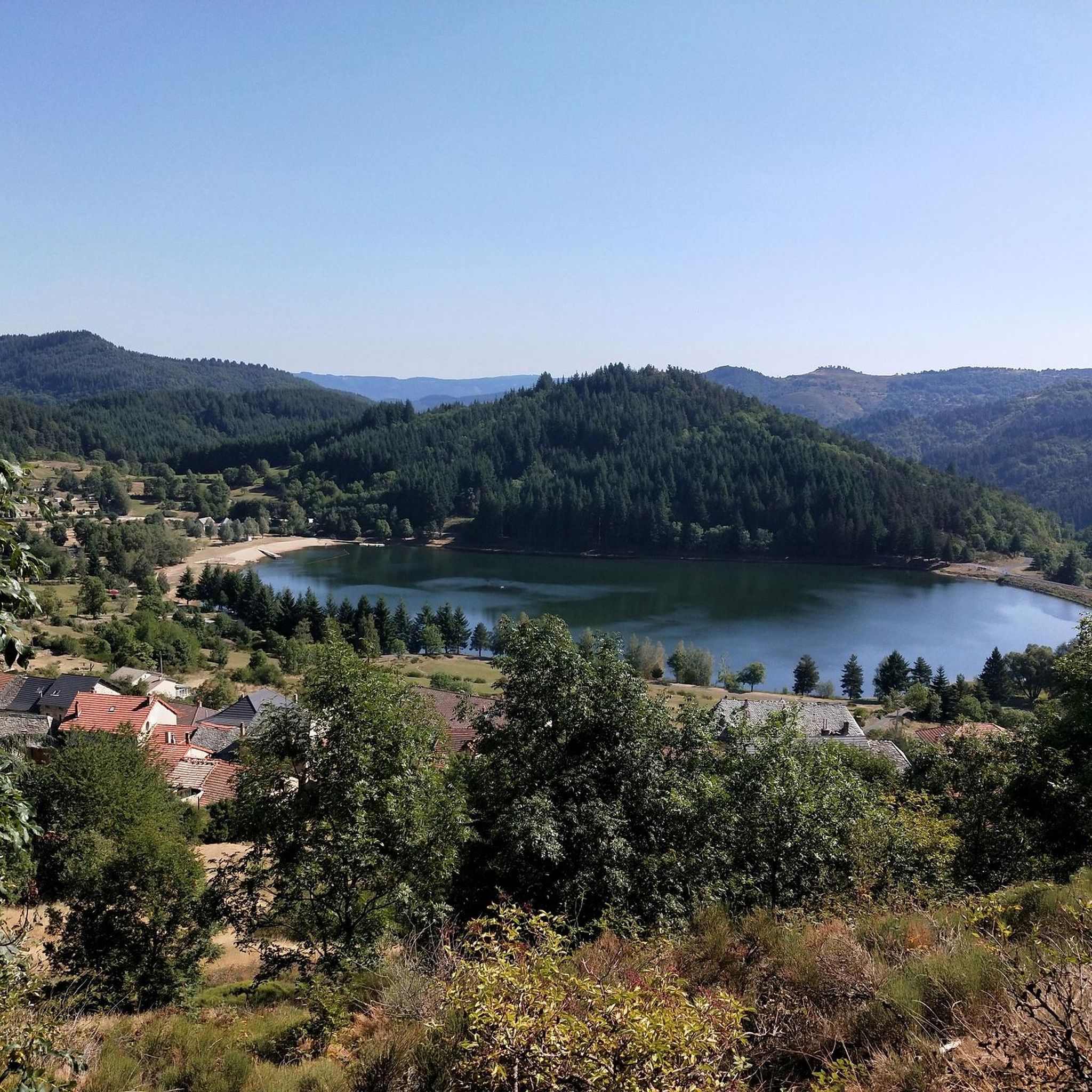
La Volane is one of the prettiest rivers in the Ardèche. Here, you can take a short break, lying by the water, and cool off in the clear water.
1
0

Unfortunately, swimming is forbidden
2
0

The Suc de Sara is a summit of volcanic origin located at 1,521 m. No surface volcanic activity has taken place on this peak, but it was created as a result of an underground magma chamber 6-8 million years ago. Fragments of concentric rings are all that remain to suggest its existence. From this summit, the view is magnificent.
2
0
The Suc de Sara is a summit of volcanic origin located at 1,521 m. No surface volcanic activity has taken place on this peak, but it was created as a result of an underground magma chamber 6-8 million years ago. Fragments of concentric rings are all that remain to suggest its existence. From this summit, the view is magnificent.
2
0
Frequently Asked Questions
What unique natural features can I explore around Mézilhac?
The region around Mézilhac, nestled within the Monts d'Ardèche Regional Nature Park, is renowned for its volcanic geology. You can discover over 50 volcanoes, dramatic basalt columns, and the sources of major rivers. Notable features include the impressive basalt formations at Ray-Pic Waterfall, and the volcanic peaks like Mount Gerbier de Jonc and Suc de Sara.
Are there family-friendly natural monuments to visit near Mézilhac?
Yes, several natural sites are suitable for families. The Source de Loire, the official source of the Loire River, is a gentle and educational spot. Additionally, the climb up Mount Gerbier de Jonc is often enjoyed by children due to its narrow path and slight climbing sections, offering a rewarding view from the top.
What kind of outdoor activities can I do near these natural monuments?
The Monts d'Ardèche Regional Nature Park offers extensive opportunities for outdoor activities. You can enjoy hiking on over 4,000 km of trails, cycling, and running. For specific routes, explore the hiking routes around Mézilhac, cycling tours around Mézilhac, or running trails around Mézilhac.
What is the best time to visit the natural monuments around Mézilhac?
The Monts d'Ardèche region is beautiful year-round, but for hiking and exploring, late spring (May-June) and early autumn (September-October) offer pleasant temperatures and vibrant landscapes. Summer can be warm, but the higher elevations provide cooler conditions. Winter offers a different experience, especially in the snowy peaks of Mount Mézenc, but some trails may be less accessible.
Are there any viewpoints offering panoramic scenery?
Absolutely. The region is rich in stunning viewpoints. From the summit of Mount Gerbier de Jonc, you get panoramic views of the surrounding volcanic landscape. Tchier de Borée also provides a superb vista of the village of Borée with Mont Mézenc in the background. The Suc de Sara offers a breathtaking 360-degree view from its volcanic summit.
Can I bring my dog on trails to the natural monuments?
Generally, dogs are welcome on many trails within the Monts d'Ardèche Regional Nature Park, but it's always best to keep them on a leash, especially in areas with wildlife or livestock. Specific regulations might apply to certain protected areas or during certain seasons, so check local signage. For example, the climb to Mount Gerbier de Jonc is popular with dogs.
What is the geological significance of the natural monuments in this area?
The Monts d'Ardèche Regional Nature Park is a UNESCO Global Geopark, highlighting its internationally important geological heritage. The area is characterized by its volcanic past, with over 50 volcanoes. Sites like Ray-Pic Waterfall showcase impressive basalt columns formed by ancient lava flows, while peaks like Suc de Sara are remnants of underground magma chambers, offering a glimpse into millions of years of geological history.
Are there any cultural or historical sites integrated with the natural landscape?
Yes, the region blends natural beauty with cultural heritage. Tchier de Borée is an artistic site featuring carved stones that tell the cultural history of the Boutières region, set against a stunning natural backdrop. The chestnut groves throughout the park also represent a significant cultural and natural heritage, shaped by centuries of human interaction with the land.
What are the typical hiking difficulties for trails leading to these natural monuments?
Hiking difficulties vary. Many trails are considered intermediate, such as those leading to Mount Gerbier de Jonc, Ray-Pic Waterfall, and Suc de Sara. While some paths can be technical or involve slight climbing, they are generally safe and rewarding. There are also easy options, like the short loop around Suc de Montivernoux, and more challenging difficult routes for experienced hikers.
Where can I find information about public transport or parking near the natural monuments?
Public transport options to Mézilhac and surrounding natural sites can be limited, so driving is often the most convenient way to access many locations. Parking is typically available near popular natural monuments like Mount Gerbier de Jonc and Ray-Pic Waterfall. It's advisable to check local tourist information for specific parking details and any seasonal restrictions.
What do visitors enjoy most about the natural monuments around Mézilhac?
Visitors frequently praise the 'wild beauty' and 'unspoilt nature' of the Monts d'Ardèche. The unique volcanic landscapes, such as the basalt columns at Ray-Pic Waterfall, and the panoramic views from summits like Mount Gerbier de Jonc, are highly appreciated. The opportunity for diverse outdoor activities and the rich biodiversity also contribute to a memorable experience.
Are there any hidden natural gems worth discovering near Mézilhac?
While the main highlights are well-known, the entire Monts d'Ardèche Regional Nature Park is full of smaller, less-trafficked natural wonders. Exploring the extensive network of hiking trails can lead you to secluded mountain streams, ancient chestnut groves, and quiet viewpoints that offer a sense of untouched nature. The park's status as a UNESCO Geopark means that even seemingly ordinary landscapes hold significant geological interest.
Most popular attractions around Mézilhac

Get inspired with the komoot mobile app


Explore more
Extend your search for the best caves by checking out these guides of the top ones around Mézilhac:
