Top 17 Natural Monuments around Gruissan
Best natural monuments around Gruissan offer a diverse range of natural features within the Occitanie region of France. The area is characterized by its coastal lagoons, salt marshes, and the rugged La Clape Massif. These sites provide varied ecosystems and landscapes, including unique geological formations and habitats for numerous bird species. Gruissan's natural environment is recognized for its biodiversity and opportunities for outdoor exploration.
Best natural monuments around Gruissan
- The most popular natural monuments is Œil Doux Sinkhole, a…
Last updated: August 15, 2026
Œil Doux Sinkhole
Highlight • Lake
Translated by Google •
Tip by

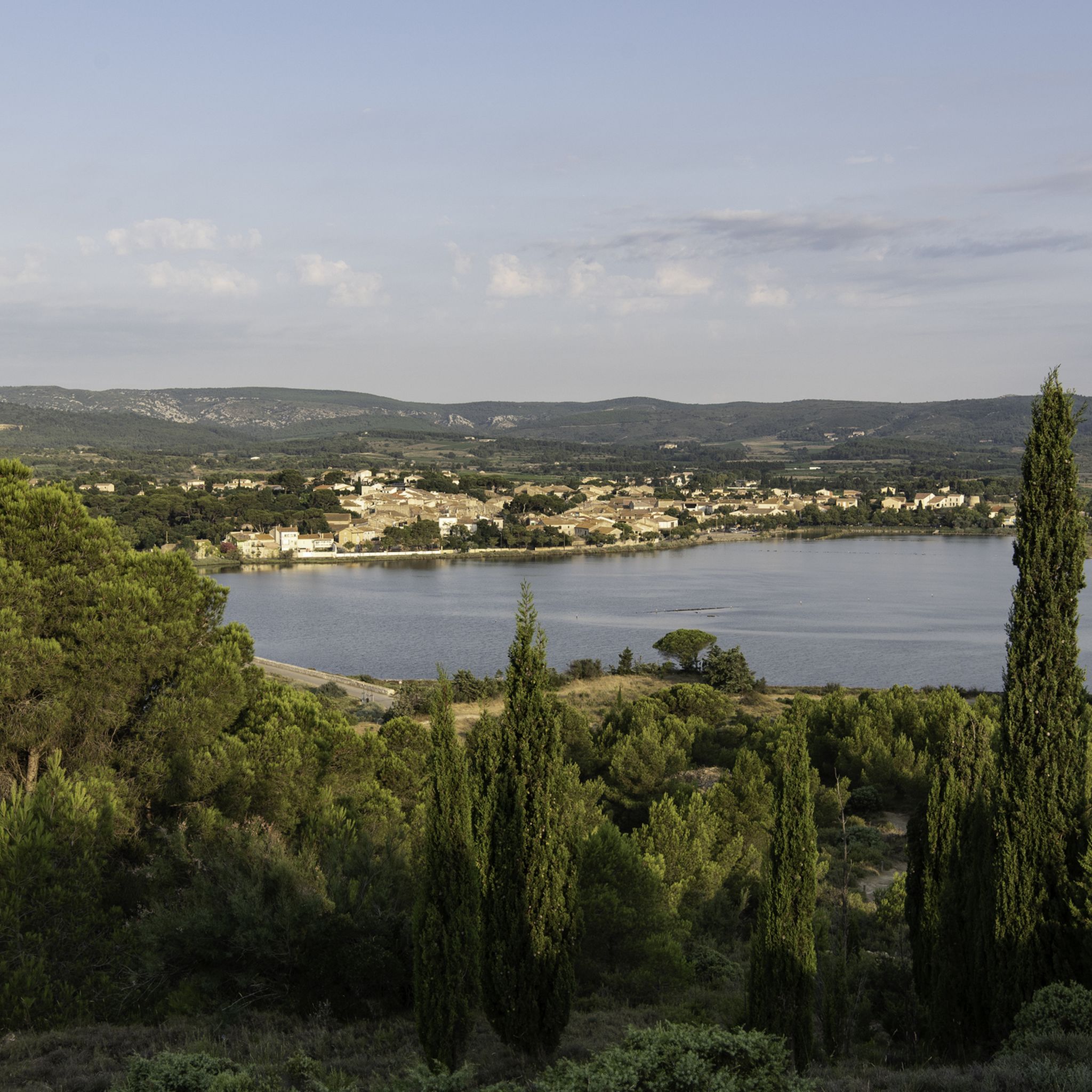
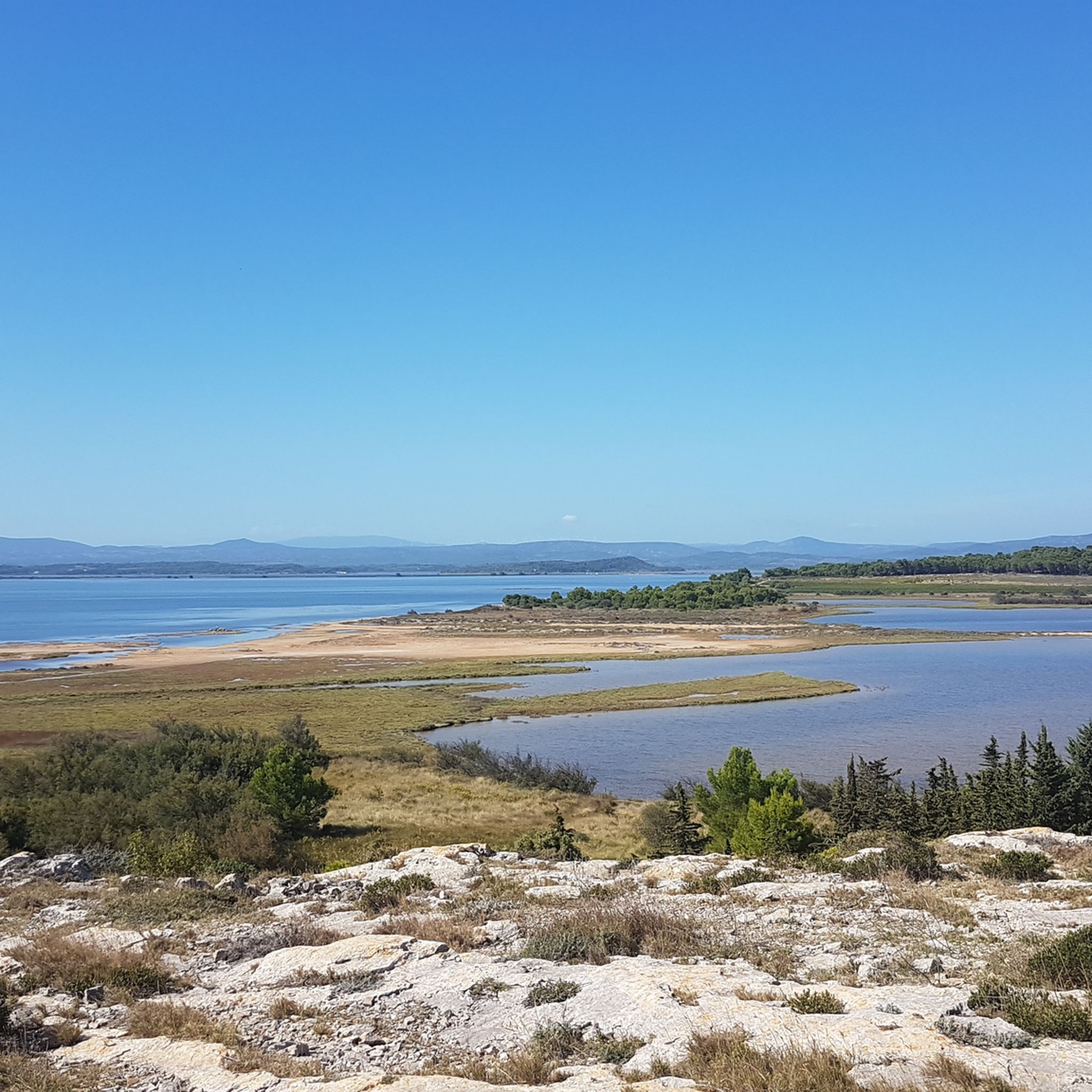
Gruissan Lagoon
Highlight • Lake
Translated by Google •
Tip by

Sign up now to discover places like this
Get recommendations on the best single tracks, peaks, & plenty of other exciting outdoor places.
Sign up for free
Grouzade Cave
Highlight • Cave
Translated by Google •
Tip by
Trou de la Crouzade Trail
Highlight • Gorge
Translated by Google •
Tip by

La Clape Lookout Tower
Highlight • Viewpoint
Translated by Google •
Tip by
Sign up for free to discover even more natural monuments around Gruissan.
Sign up for free
Already have an account?
Start today with a free account
Your next adventure awaits.
Login or Signup
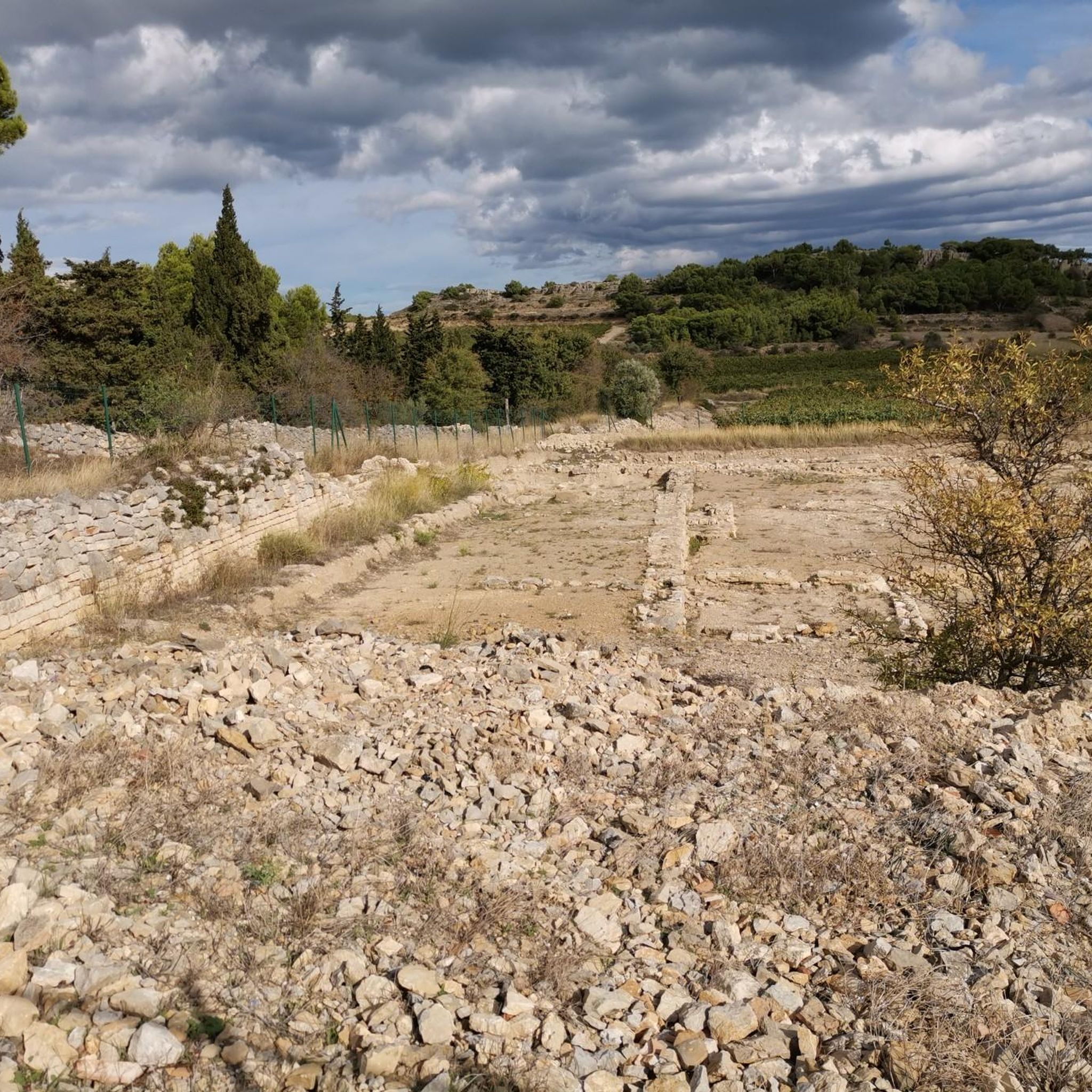
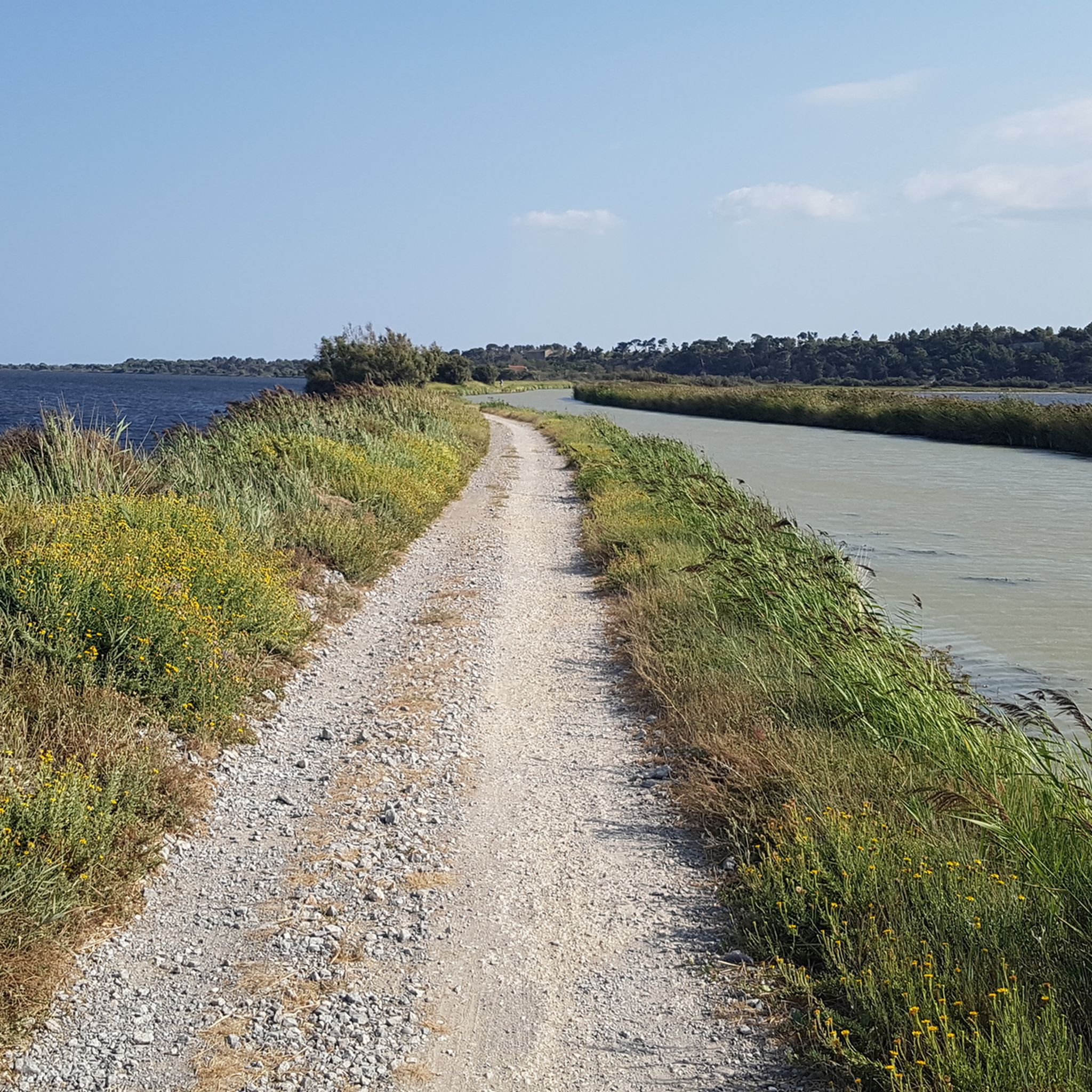
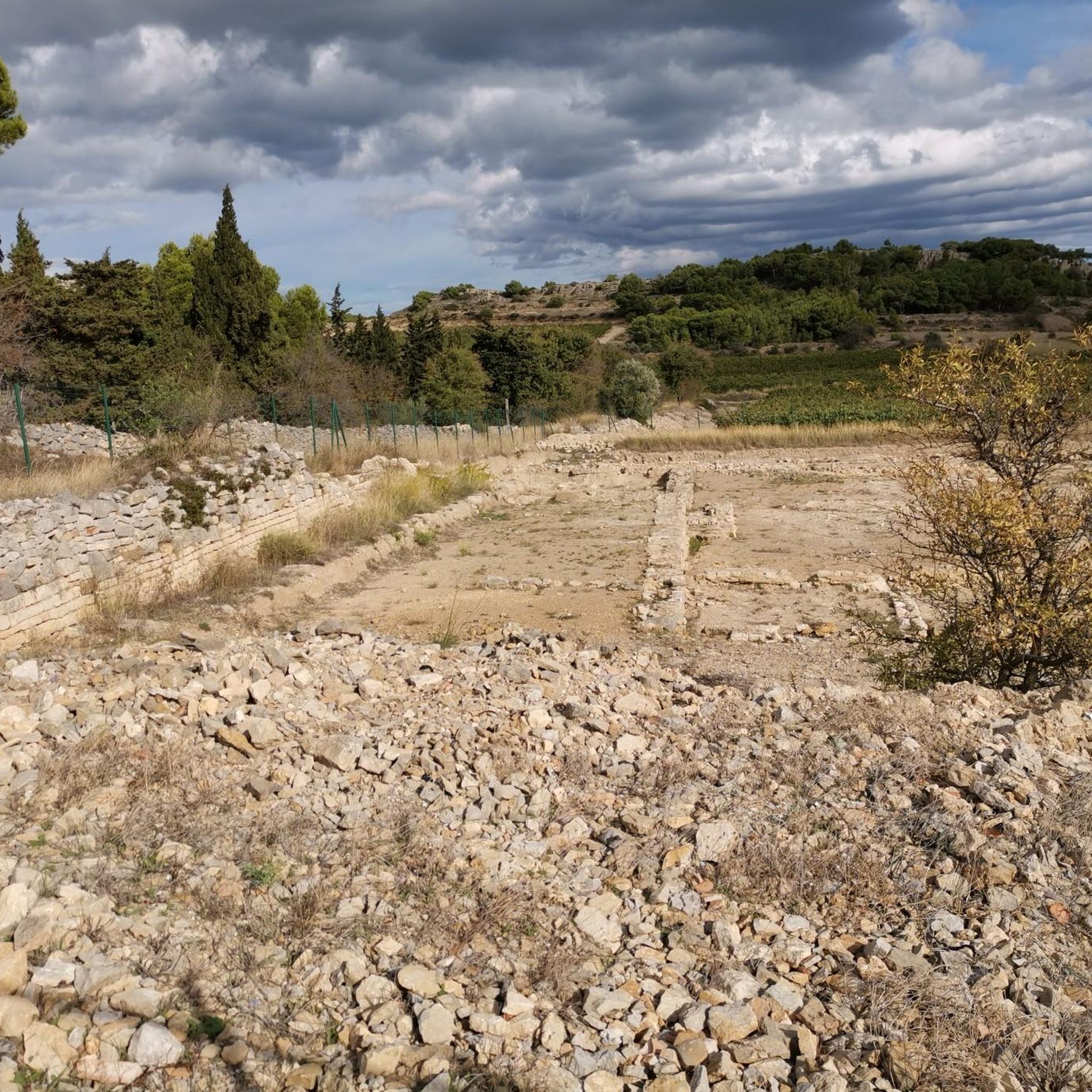



Tips from the Community

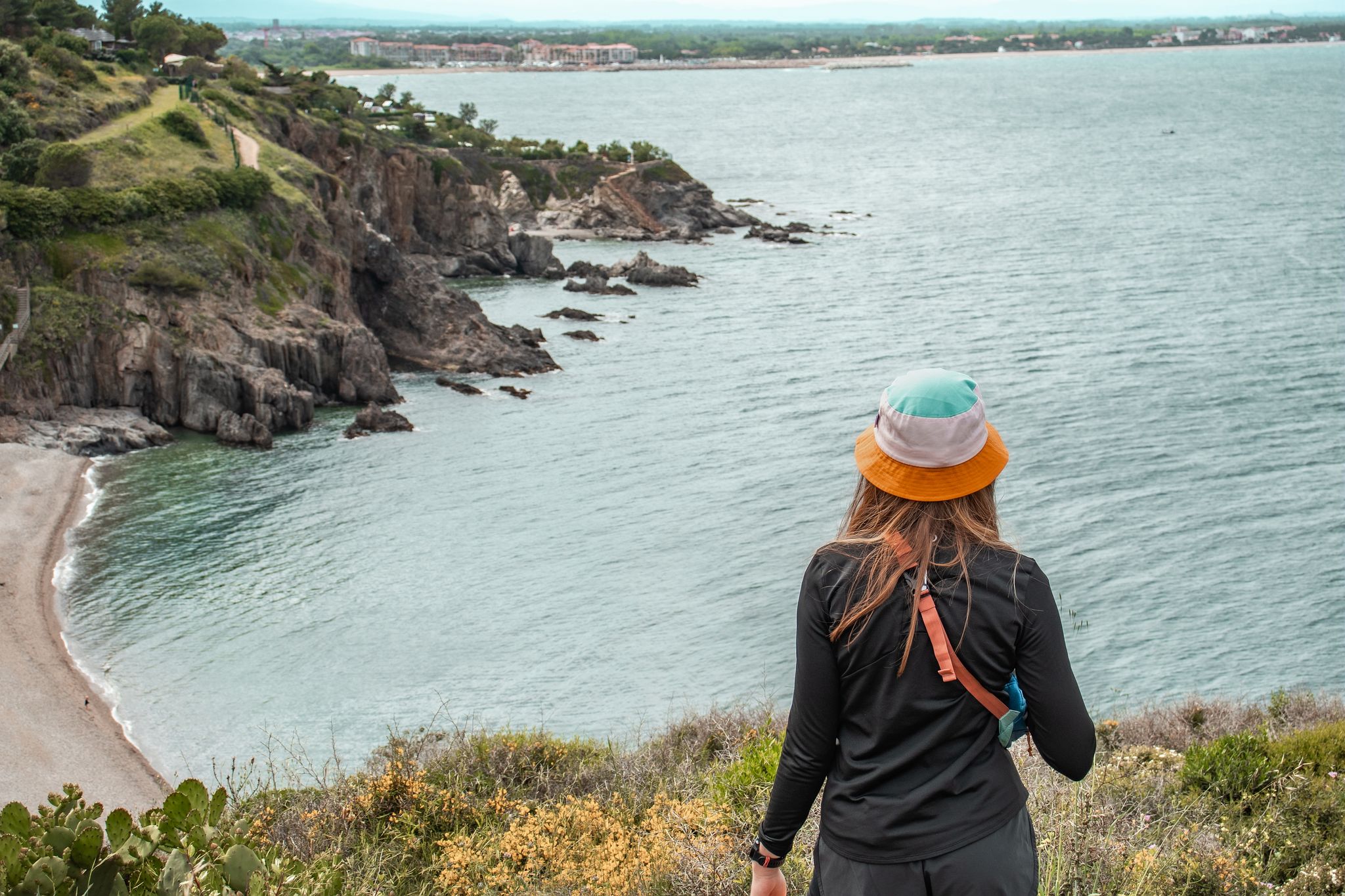
a 180° panoramic view - FRONT OF THE SEA !!!
1
0

Way up to the cave is at least grade medium. Be careful when wet
0
0

From below it looks good, but is walled up and closed
0
0


A superb site, this path which passes near the Trou de la Crouzade!
0
0

It's bricked up, but the size can be guessed at a bit.
22
1
Nice walk. There is a lot going on on the paths on public holidays, weekends and holidays.
26
0
Frequently Asked Questions
What are the most popular natural monuments to visit in Gruissan?
Among the most appreciated natural monuments in Gruissan are the Œil Doux Sinkhole, known for its distinctive natural beauty and views, and the Gruissan Lagoon, a tranquil brackish water lake system perfect for relaxation and bird watching. Visitors also frequently enjoy the Bridge Between the Ponds in Parc Naturel Régional de la Narbonnaise en Méditerranée for its excellent birdwatching opportunities.
Are there family-friendly natural monuments around Gruissan?
Yes, the Gruissan Lagoon is considered family-friendly, offering a tranquil setting for relaxation and bird watching. The Salt Marshes are also a great option for families, providing a visually striking experience with their pink hues and opportunities to learn about traditional salt harvesting and observe flamingos.
What kind of wildlife can I observe at Gruissan's natural monuments?
Gruissan's natural monuments are rich in wildlife, especially birds. At the Bridge Between the Ponds and the Etang de Gruissan, you can spot migrating birds like flamingos, oystercatchers, avocets, terns, and various gulls. The La Clape Massif is a significant migratory corridor for over 350 bird species, making it an ideal spot for birdwatching. The Salt Marshes are also home to flamingos, whose pink feathers come from their diet of carotene-rich shrimp.
What unique geological features can be found in Gruissan?
Gruissan is home to several unique geological features. The Œil Doux Sinkhole is a notable natural lake with a distinctive appearance. The Gruissan Lagoon features interesting salt formations due to strong sunlight. The La Clape Massif, formerly an island, is a 'pile of stones' as its Occitan name suggests, offering diverse landscapes and ancient vineyards. You can also explore the Grouzade Cave and the Trou de la Crouzade Trail, which features a wine gorge and steep paths.
Are there hiking opportunities near Gruissan's natural monuments?
Yes, the region offers numerous hiking opportunities. The La Clape Massif is a haven for outdoor enthusiasts with outstanding hiking trails. For specific routes, you can explore various options in the Hiking around Gruissan guide, including easy trails like the Étang de Gruissan and Les Goules Trail, or moderate options like the Tour of the Étang de Gruissan via La Capoulade.
Can I go mountain biking near the natural monuments?
Absolutely. The La Clape Massif offers excellent mountain biking trails with breathtaking panoramic views. For detailed routes, refer to the MTB Trails around Gruissan guide, which includes routes like 'Single track S1 – San Marino Salt Works loop' and 'Singletrack in La Clape – Close watch loop'.
What is the best time to visit Gruissan's natural monuments?
The best time to visit Gruissan's natural monuments largely depends on your preferred activities. Spring and autumn offer pleasant temperatures for hiking and cycling. Summer is ideal for water activities in the lagoons, but some areas like the Œil Doux Sinkhole might be temporarily closed due to forest fire risks. Birdwatching is excellent during migratory seasons in spring and autumn.
Are there any historical elements to discover within Gruissan's natural monuments?
Yes, the La Clape Massif offers glimpses of historical elements, including ancient vineyards dating back to Roman times. The Gruissan Salt Marshes also have a rich history, with traditional salt harvesting practices dating back to 100 BC, offering insight into the region's long-standing connection to salt production.
What activities can I do at the Etang de Gruissan?
The Etang de Gruissan (lagoons) provides a tranquil setting for activities such as bird watching, observing various passerines and waders. It's also a great spot for paddleboarding, allowing visitors to experience the natural beauty from a unique perspective. The area is perfect for a relaxing walk, with paths around the brackish water lakes.
What makes Gruissan's Salt Marshes unique?
Gruissan's Salt Marshes, also known as 'the pink lake,' are unique for their distinctive pink hues, caused by a micro-alga called Dunaliella salina. This visually striking natural spectacle covers over 322 hectares and offers insight into traditional salt harvesting. It's an excellent location for photography and bird watching, particularly for observing flamingos whose pink feathers come from their diet in these waters.
Are there any challenging trails for experienced hikers or mountain bikers?
For those seeking a challenge, the Trou de la Crouzade Trail is noted as challenging, featuring a steep stone staircase and a narrow path along a slope. For mountain biking, the La Clape Massif offers various moderate to challenging routes. You can find more challenging options in the MTB Trails around Gruissan guide.
What kind of flora can be found in the La Clape Massif?
The La Clape Massif boasts diverse flora, including rare plant species like the Great Statice. Visitors can also enjoy the scents of broom, cistus, thyme, and Aleppo pine throughout the massif. Its wetlands, with fluctuating salinity, create a mosaic of exceptional natural habitats.
Most popular routes around Gruissan
Most popular attractions around Gruissan

Get inspired with the komoot mobile app


Explore more
Extend your search for the best caves by checking out these guides of the top ones around Gruissan:
