The best road cycling routes around Gruissan
4.2
(267)
6,826
riders
32
rides
Road cycling routes around Gruissan traverse a diverse landscape, situated between the Mediterranean Sea and the scrubland of the Aude department. The terrain features the Massif de la Clape, a preserved natural area with hills and vineyards, alongside sparkling lagoons and extensive salt marshes. Coastal roads offer views of the sea, while inland routes wind through agricultural areas and natural parks. This variety provides options for different cycling preferences and skill levels.
Best road cycling routes around Gruissan
- The most…
Last updated: October 24, 2026
4.3
(21)
353
riders
62.2km
02:28
220m
220m
Moderate road ride. Good fitness required. Some segments of this route may be unpaved and difficult to ride.
4.2
(9)
444
riders
42.3km
01:49
270m
270m
Easy road ride. Mostly well-paved surfaces and easy to ride.

4.5
(6)
181
riders
43.6km
01:47
130m
130m
Easy road ride. Mostly well-paved surfaces and easy to ride.
5.0
(2)
76
riders
59.9km
02:28
240m
240m
Moderate road ride. Good fitness required. Mostly well-paved surfaces and easy to ride.
5.0
(1)
40
riders
94.6km
04:08
360m
360m
Moderate road ride. Good fitness required. Some segments of this route may be unpaved and difficult to ride.
Get access to more routes and recommendations from other explorers.
Already have an account?
Our route recommendations are based on thousands of hikes, rides, and runs completed by other people on komoot.
Start today with a free account
Your next adventure awaits.



Tips from the Community


Unfortunately, access and entrance to the church were locked.
0
0

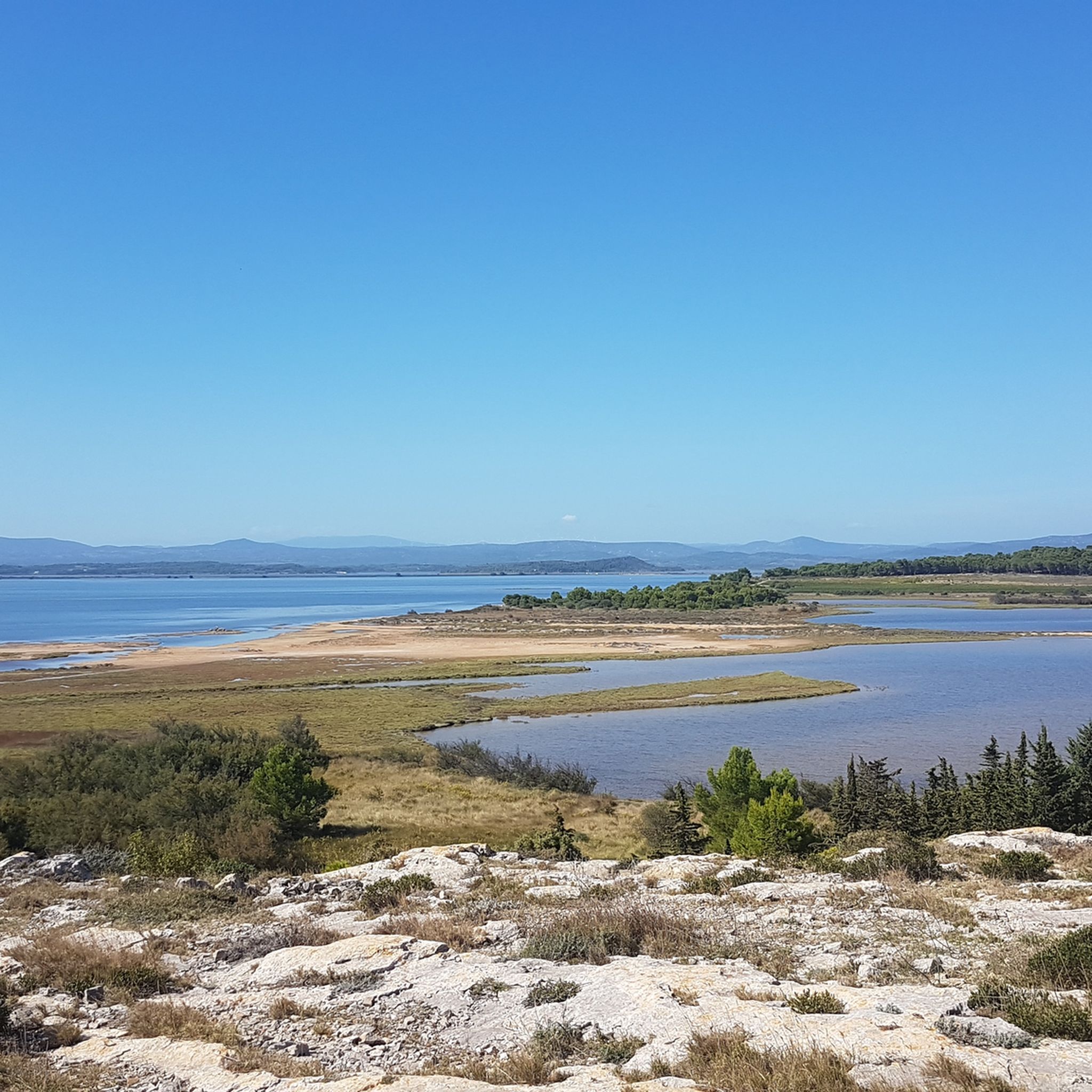
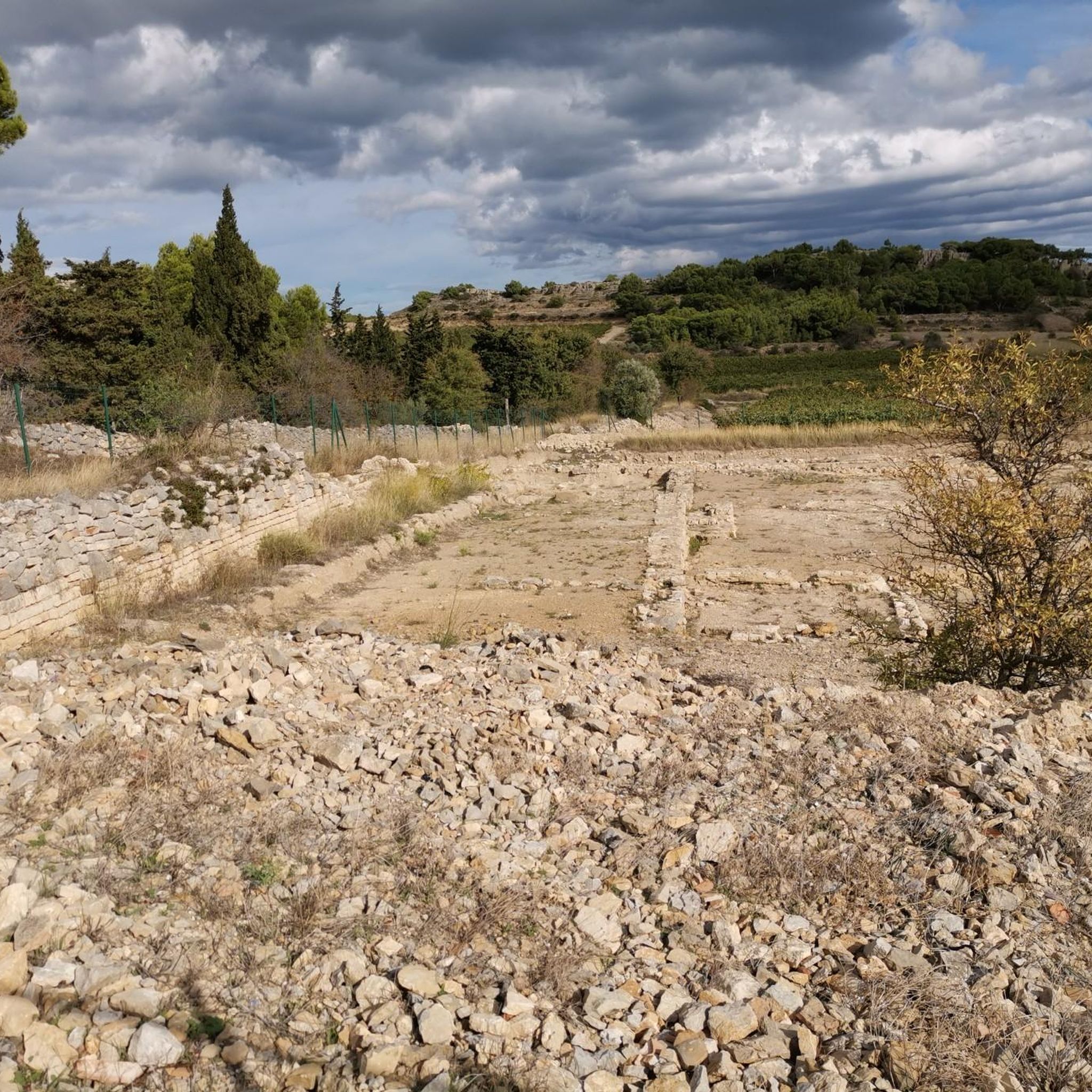
In the heart of the Saint-Martin island vineyard, archaeological excavations reveal the remains of an important ancient and medieval coastal settlement. Occupied from the 2nd century BC until the Central Middle Ages, between the 10th and 13th centuries, the site is part of the vast port system of Narbo Martius, modern-day Narbonne. Its position at the entrance to the lagoon made it possible to control trade between the Mediterranean maritime world and the lagoon routes leading to Narbonne. The remains bear witness to significant occupation from the Roman era, notably a large public building with a central courtyard of approximately 2,500 m², built at the beginning of the 1st century AD and probably linked to the administrative and commercial functions of the port. Excavations have also uncovered a large tower near the old shoreline, which could correspond to a lighthouse guiding ships into the lagoon. Two large cisterns at its base also attest to the importance of the freshwater supply. The site is still under excavation, as part of the research program dedicated to the ancient ports of Narbonne.
3
0
Dominating the old village, the Tour Barberousse is the main vestige of the former fortified castle of Gruissan. A first fortification is attested as early as 1084, but the current tower belongs to the development of the castle in the 13th century: a document from 1247 mentions the construction of a tower near the entrance, which would be the one preserved today. The name "Barberousse" is, however, more recent and its origin remains uncertain. One should not see in it the trace of a passage of the famous Ottoman corsair Khayr ad-Dîn Barberousse, who died in 1546, long after the construction of the tower. The Heritage Inventory rather suggests a possible confusion with Gaspard Dot, known as "Barbe Roussette" or "Barberousse", a corsair active in the Gulf of Lion at the end of the 16th century.
2
0
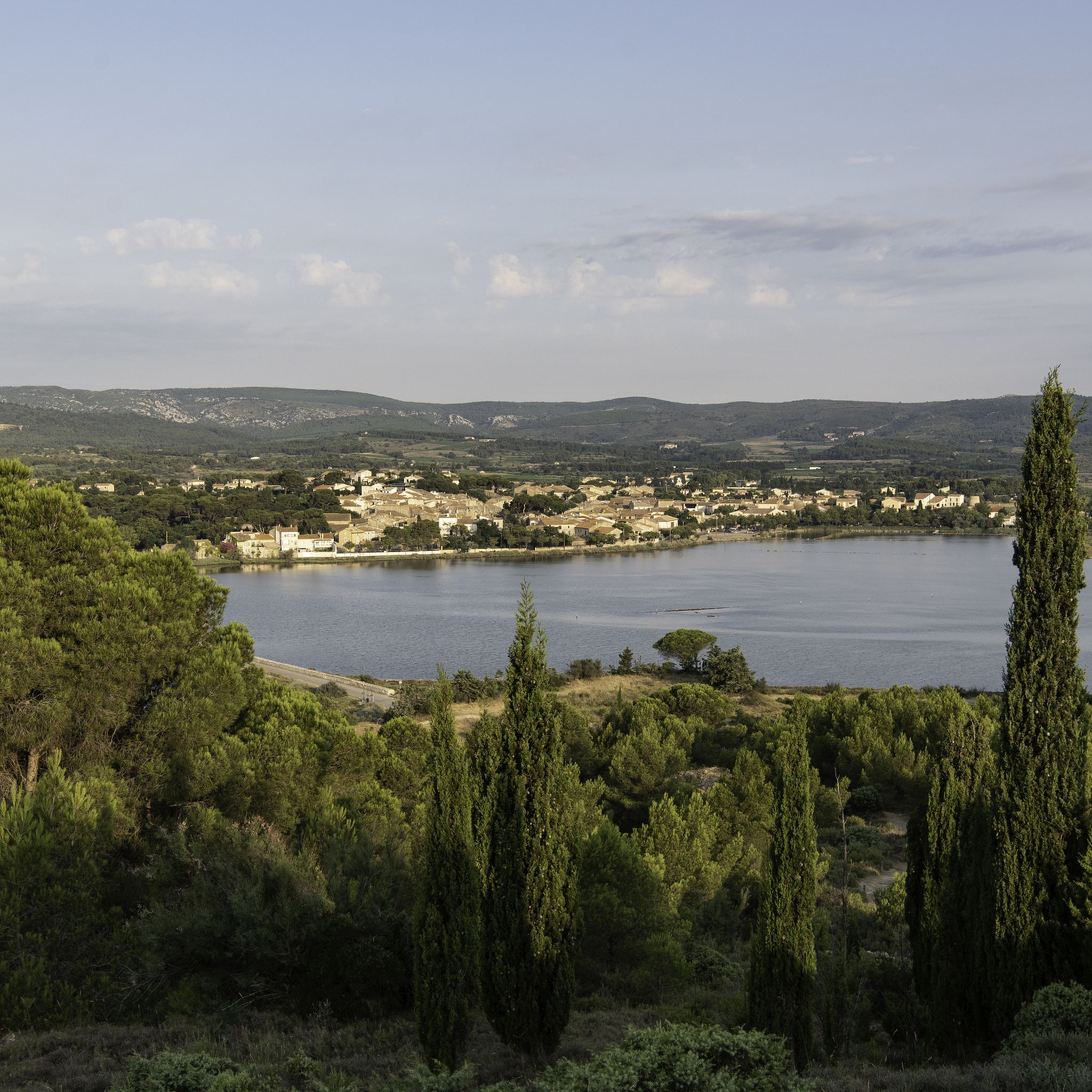
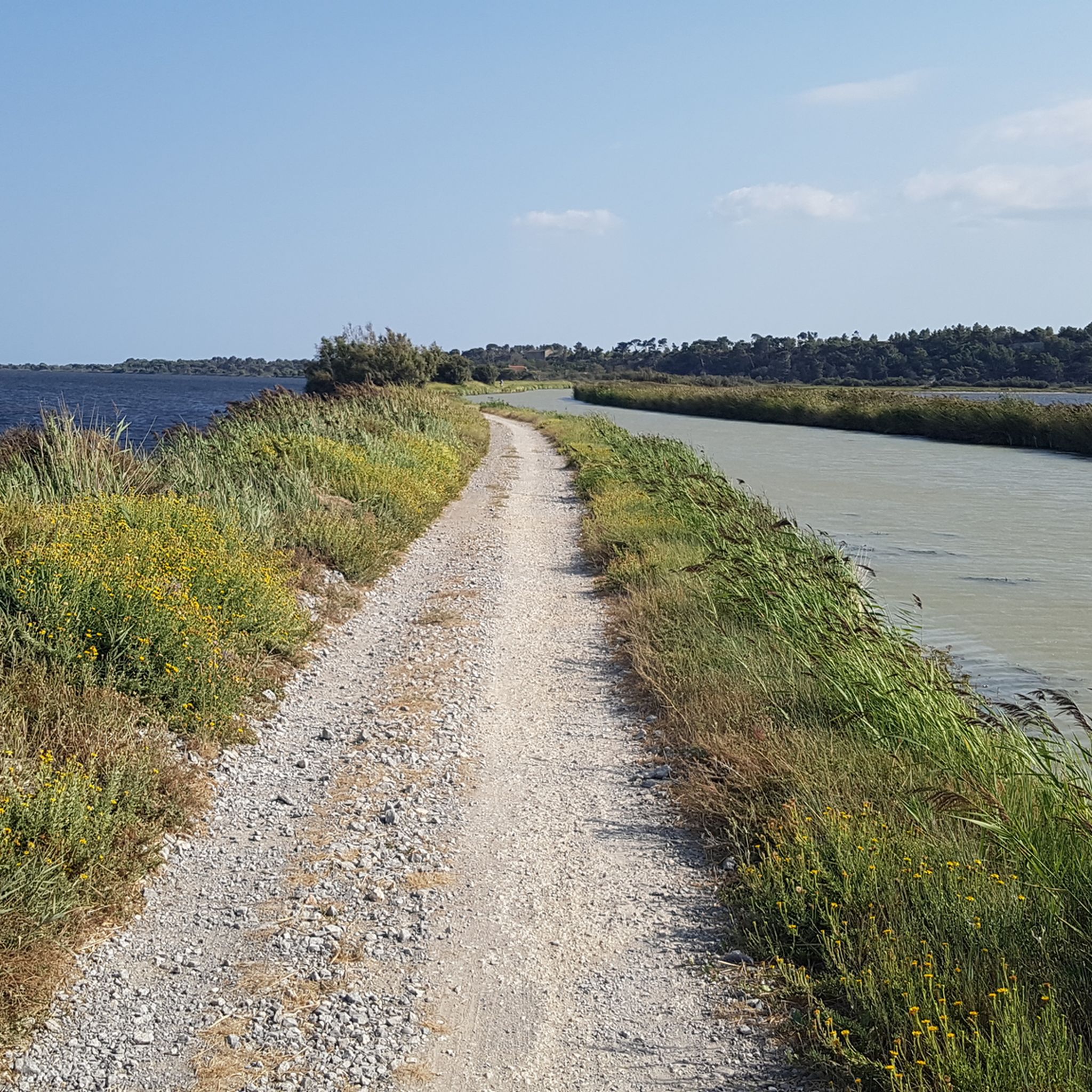
With an average depth of only 55 cm, the Étang de Gruissan is more of a lagoon than a true "lake". Its brackish waters depend on exchanges between the sea, canals, and watershed, while winds can significantly alter its functioning. It is part of the six lagoons of the Narbonne complex, protected notably for the richness of their wetlands and their importance for birds. A few kilometers away, the remains of Île Saint-Martin recall another era: between the 2nd century BC and Roman antiquity, these lagoons were part of Narbonne's vast port system.
3
0

This road connects beautiful vineyards with the Mediterranean coast, creating an unforgettable landscape combination.
0
0

Located just between Narbonne-Plage and Saint-Pierre la mer, this pretty marina can accommodate 600 boats.
0
0

The pond can be easily circumnavigated by bike, it is worth it
0
0
Frequently Asked Questions
What kind of terrain can I expect on road cycling routes around Gruissan?
Road cycling around Gruissan offers a diverse landscape. You'll find routes traversing the Massif de la Clape, which features hills and vineyards, alongside picturesque lagoons and extensive salt marshes. Coastal roads provide refreshing sea views, while inland routes wind through agricultural areas and natural parks. This variety ensures options for different cycling preferences and skill levels.
Are there road cycling routes suitable for beginners or those looking for an easy ride in Gruissan?
Yes, Gruissan offers several easy road cycling routes. For a relaxed ride through the local landscape with relatively flat terrain, consider the Taff retour loop from Place de la Jonque, an easy 42.4 km path. The region has 15 easy routes in total, perfect for a gentle exploration.
What about more challenging road cycling routes in Gruissan?
For those seeking more challenging rides, Gruissan has routes with significant elevation gains, particularly within the Massif de la Clape. While most routes are moderate, there are 3 difficult routes available. A moderate option that includes hills and scenic views is the Barberousse Tower – Scenic Road Along the Hills loop from Gruissan, a 77.8 km trail.
What natural features and landmarks can I see along the road cycling routes in Gruissan?
Gruissan's routes offer stunning natural beauty and historical landmarks. You can cycle past the sparkling Gruissan Lagoon, explore the unique landscapes of the salt marshes, or ride through vineyards in the Massif de la Clape. The historic Barberousse Tower is also a prominent feature on some routes, offering panoramic views. Other points of interest include the Œil Doux Sinkhole and the Notre-Dame des Auzils Chapel.
When is the best time of year for road cycling in Gruissan?
The most popular times for road cycling in Gruissan are typically June and September. During these months, the weather is generally pleasant, offering ideal conditions for exploring the diverse landscapes without the peak summer heat or cooler temperatures of other seasons.
Are there any circular road cycling routes around Gruissan?
Yes, many of the road cycling routes in Gruissan are designed as loops, allowing you to start and finish at the same point. Examples include the popular Massif de la Clape – Port du Chichoulet loop from Les Ayguades and the Barberousse Tower – Gruissan Lagoon loop from Ilot 8 des Pluviers, which offers a moderate 44.7 km ride.
What do other road cyclists enjoy the most about road cycling in Gruissan?
The road cycling routes in Gruissan are highly rated by the komoot community, with an average score of 4.4 stars from more than 60 reviews. Cyclists often praise the varied terrain, which includes coastal sections, vineyard-lined roads, and the scenic Massif de la Clape, providing a rich and engaging experience for all skill levels.
Are there family-friendly road cycling options in Gruissan?
Gruissan is committed to 'soft mobility' and offers dedicated cycle paths within the town, making it easy to navigate from the Plage des Chalets to the village center and the port. Many of the easy and moderate routes, especially those with flatter terrain around the lagoons, are suitable for families looking for a pleasant ride together.
Is it possible to rent bikes in Gruissan?
Yes, bike rental services are available in Gruissan. You can find various types of bikes, including road bikes, electric bikes, and even tandems, making it convenient to explore the region even if you don't bring your own equipment.
How many road cycling routes are available in the Gruissan area?
There are over 40 road cycling routes to explore around Gruissan, catering to various skill levels. This extensive network includes dedicated cycle paths and road cycling routes, ensuring plenty of options for your rides.
Are there any routes that offer views of the Mediterranean Sea?
Absolutely. Many routes in Gruissan connect to coastal sections, offering refreshing sea breezes and scenic views of the Mediterranean. You can enjoy rides along the coast, connecting Gruissan to Narbonne Plage and Saint-Pierre, or explore areas like the Plage des Chalets, known for its unique houses on stilts.
Can I find routes that pass through vineyards in Gruissan?
Yes, the region around Gruissan is rich in vineyards, particularly within the Massif de la Clape. Many road cycling routes weave through these picturesque wine-producing landscapes, offering the opportunity to enjoy the scenery and potentially visit local wineries.
Most popular attractions around Gruissan

Get inspired with the komoot mobile app


Explore more
Browse the best Road cycling routes in other regions.
