Top 6 Natural Monuments around Châteauneuf-Val-Saint-Donat
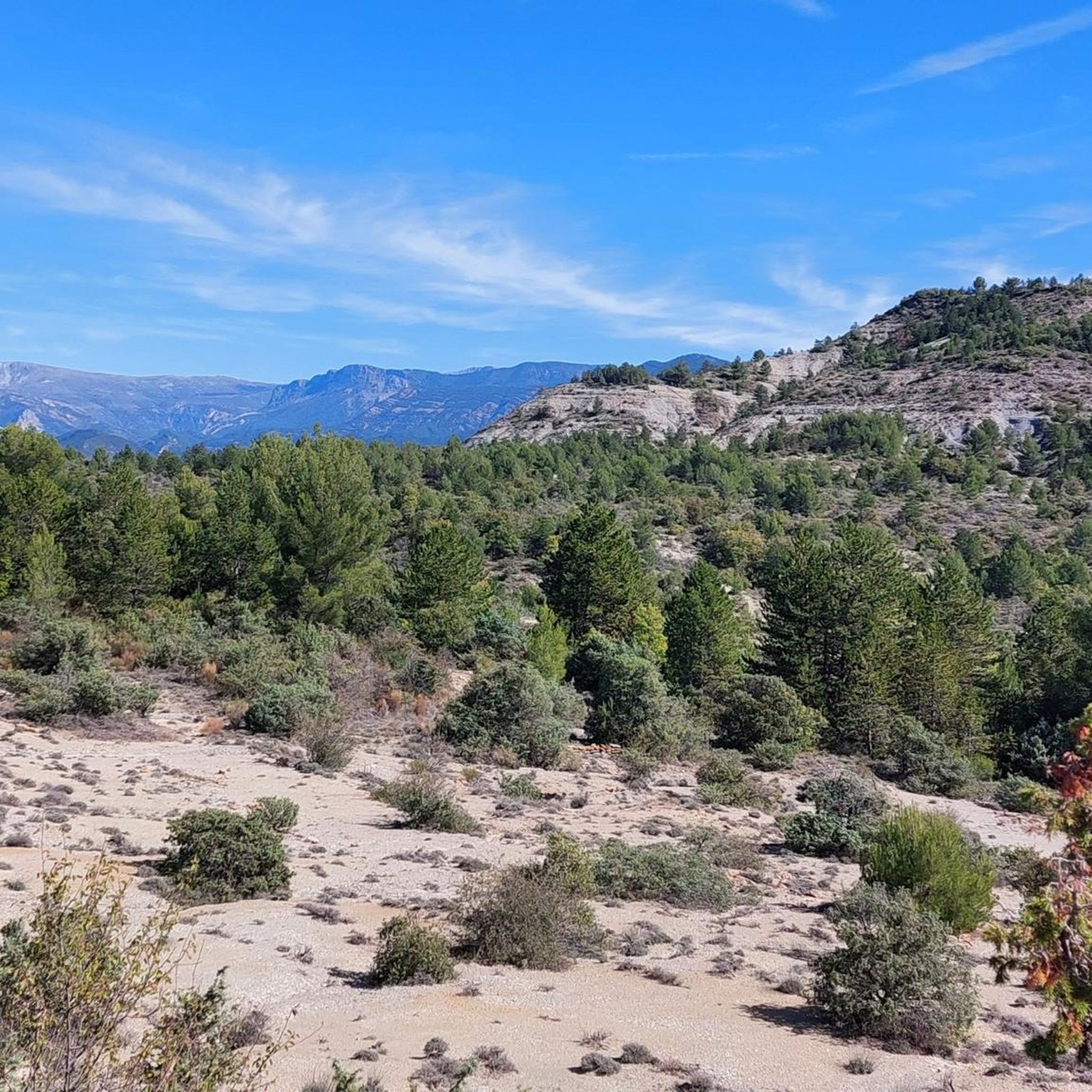
Best natural monuments around Châteauneuf-Val-Saint-Donat are found in a region characterized by its authentic rural charm, featuring fields of wheat, olive trees, and lavender. The village is situated at the foot of the Montagne de Lure, offering diverse landscapes and opportunities for outdoor activities. This area provides access to significant geological formations and extensive plateaus, making it a base for exploring Provence's natural features. The broader geological context, shaped by the Alpine orogeny, contributes to the region's varied and beautiful…
Last updated: July 5, 2026
The Penitents of Les Mées
Highlight (Segment) • Natural Monument
Translated by Google •
Tip by

The Pénitents of Les Mées
Highlight • Natural Monument
Translated by Google •
Tip by

Sign up now to discover places like this
Get recommendations on the best single tracks, peaks, & plenty of other exciting outdoor places.
Sign up for free
View of Sisteron and the Rocher de la Baume
Highlight • Viewpoint
Translated by Google •
Tip by

Pénitents des Mées Trail
Highlight • Trail
Translated by Google •
Tip by
Cliffs Trail
Highlight (Segment) • Trail
Translated by Google •
Tip by

Sign up for free to discover even more natural monuments around Châteauneuf-Val-Saint-Donat.
Sign up for free
Already have an account?
Start today with a free account
Your next adventure awaits.
Login or Signup
Popular around Châteauneuf-Val-Saint-Donat

Tips from the Community

A Citadel placed on the rock itself and which dominates the entire valley
0
0

very pleasant no particular difficulty
0
0

The spectacular Pénitents were sculpted by erosion in the pudding, a rock made up of pebbles torn from the Alps during their elevation and dumped here by rivers over a period ranging from 2 to 12 million years. Legend has it that these are monks who were petrified because they turned around when beautiful Moorish women passed by...
2
2

The narrow gorge with the stone arch bridge in Sisteron is great to look at and a natural phenomenon.
3
2

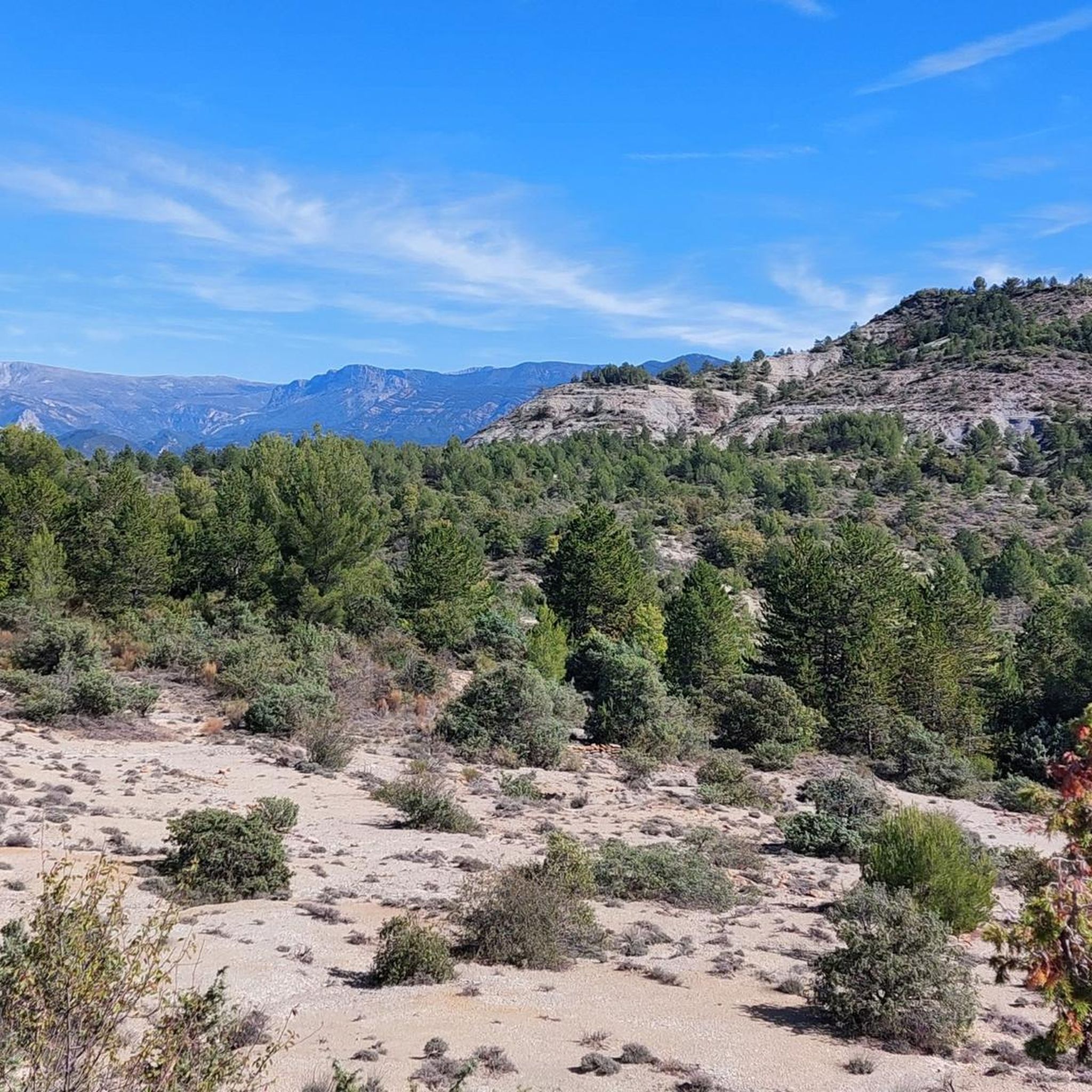
On the high plateau of the monastery there is a rock trail that leads directly along the slope or the rocks of the slope. There are fantastic views along the route.
2
0

Provence starts from here. An impressive fortress
1
1

Very spectacular hike above the cliffs of Les Mees, with great views. However, good sure-footedness (sturdy shoes) and a head for heights are absolutely necessary!
2
0

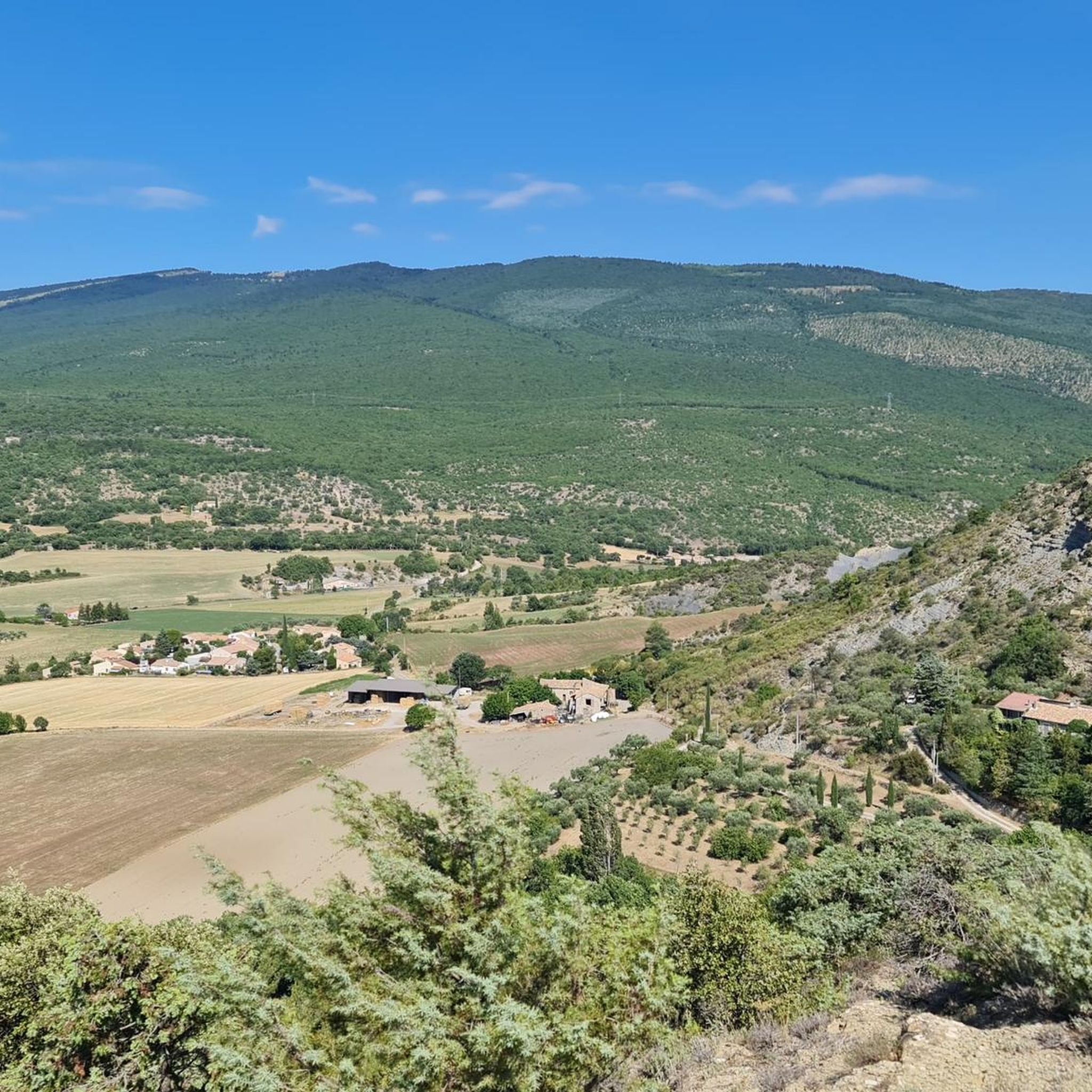
From time immemorial and at least since Roman times, Sisteron has been considered a strategic point, with its rocky outcrop overlooking the valley which opens the passage between Provence and Dauphiné. Throughout the ages men have devised plans, built and fortified the walls of the city. "It is the most powerful fortress of my kingdom" said Henri IV of the Citadel of Sisteron. But of the fortifications of the Middle Ages, there now remains only a keep, a walkway from the 12th century, and ramparts from the 14th century. In 1692, Vauban undertook plans to modernize and strengthen the fortress which would give it its current silhouette. In the middle of the 19th century, an impressive underground staircase was dug into the rock to connect it to the city. Damaged by bombing in 1944, the fortress was again restored in the 20th century. Thus, the citadel dominating Sisteron, which we can currently admire, is the result of a set of works from very different periods, and the substrate of more than eight centuries of architecture and history. Opposite the citadel, on the other bank of the Durance, stands the rock of La Baume, made up of vertical strata and folds of limestone. Passing through a cave in the rock, it is possible to reach the top of the mountain on foot. The site is also conducive to the practice of via ferrata with walls spaced about ten meters apart. The mountain of La Baume is also pierced by a tunnel which allows the A51 motorway to cross it from side to side. You won't necessarily see it on your bike, but you will notice it if you drive around.
1
0
Frequently Asked Questions
What are the most distinctive natural monuments to visit near Châteauneuf-Val-Saint-Donat?
One of the most distinctive natural monuments is The Penitents of Les Mées, known for its tall, eroded rock pillars resembling robed figures. Another notable site is the View of Sisteron and the Rocher de la Baume, offering panoramic views of Sisteron and its unique, vertically layered rock formation.
Are there any family-friendly natural monuments or viewpoints in the area?
Yes, the View of Sisteron and the Rocher de la Baume is considered family-friendly and offers a historical context with its connection to Napoleon. While some trails can be challenging, many viewpoints offer accessible spots for families to enjoy the scenery.
What kind of geological formations can I expect to see around Châteauneuf-Val-Saint-Donat?
The region is rich in unique geological formations. The most famous are The Penitents of Les Mées, spectacular rock pillars sculpted by millions of years of erosion from pudding rock. You can also observe the vertically layered Rocher de la Baume near Sisteron, and the broader geological context of Provence, shaped by the Alpine orogeny, contributes to diverse landscapes including karst phenomena in areas like the Gorges du Verdon.
What are the best times of year to visit the natural monuments?
The spring and early summer (mid-June to mid-July) are particularly beautiful, especially for viewing the extensive lavender fields on the Plateau de Valensole. Autumn also offers pleasant weather for hiking and exploring the diverse landscapes of the Montagne de Lure and the regional natural parks.
Are there opportunities for hiking or trail walking near these natural monuments?
Absolutely. The Pénitents des Mées Trail offers a pleasant walk with glimpses of the geological formations. For more challenging options, the The Penitents of Les Mées area itself has difficult trails requiring surefootedness. The Montagne de Lure also provides diverse landscapes for hiking. You can find more running trails in the area by visiting our guide to Running Trails around Châteauneuf-Val-Saint-Donat.
What other outdoor activities can I do near the natural monuments?
Beyond hiking, the Montagne de Lure offers excellent opportunities for cycling. The nearby Regional Natural Parks, such as the Parc Naturel Régional du Verdon and the Parc Naturel Régional du Luberon, are ideal for mountain biking and horseback riding. The Gorges du Verdon, though a bit further, is perfect for kayaking and swimming in its turquoise waters. Explore more options in our guides for Road Cycling Routes and MTB Trails around Châteauneuf-Val-Saint-Donat.
Where can I find panoramic views of the surrounding landscape?
For breathtaking panoramic views, visit the View from the Pas de la Graille, a mountain pass at 1597m offering wide vistas of the surrounding mountains and villages. The Cliffs Trail also provides fantastic views along its route.
What are the Montagne de Lure and the Plateau de Valensole known for?
The Montagne de Lure, situated at the foot of Châteauneuf-Val-Saint-Donat, is known for its diverse landscapes, wooded massifs, and green expanses, offering great hiking and cycling. The Plateau de Valensole is renowned for its extensive lavender fields, which create a stunning purple spectacle during blooming season (mid-June to mid-July) and offer panoramic views.
What do visitors say about the natural monuments in this region?
Visitors frequently appreciate the unique geological formations and the stunning panoramic views. Many highlight the spectacular nature of The Penitents of Les Mées and the pleasant walking experience on trails like the Pénitents des Mées Trail. The area is well-loved by the komoot community, with over 90 upvotes and more than 120 photos shared.
Are there any natural parks nearby that I can explore?
Yes, Châteauneuf-Val-Saint-Donat is strategically located near two significant Regional Natural Parks: the Parc Naturel Régional du Verdon and the Parc Naturel Régional du Luberon. These parks are dedicated to preserving their natural environments and offer a wealth of outdoor activities across their rugged mountains, extensive plateaus, and vineyard-lined slopes.
What is the Gorges du Verdon, and how far is it from Châteauneuf-Val-Saint-Donat?
The Gorges du Verdon, often called the 'Grand Canyon of Europe,' is one of France's most captivating geological sites, featuring cliffs up to 700 meters deep carved by the Verdon River. While a bit further afield from Châteauneuf-Val-Saint-Donat, it is an emblematic natural feature of the region, known for its turquoise waters ideal for kayaking and swimming.
Most popular routes around Châteauneuf-Val-Saint-Donat
Most popular attractions around Châteauneuf-Val-Saint-Donat

Get inspired with the komoot mobile app


Explore more
Extend your search for the best caves by checking out these guides of the top ones around Châteauneuf-Val-Saint-Donat:
