Top 8 Natural Monuments around Obersulzbach
Best natural monuments around Obersulzbach include a variety of geological formations, historical sites, and water features within a diverse landscape. This region offers opportunities to explore caves, viewpoints, and unique rock formations. The area is characterized by its natural beauty and diverse ecosystems, providing a range of outdoor experiences.
Best natural monuments around Obersulzbach
- The most popular natural monuments is Grotte d'Amour, a cave that offers a nice resting place with seating. It is a beautiful piece of nature.
- Another must-see spot is Ochsenstall Rock, a rock formation that may have served as a shelter for herdsmen. This very beautiful rock formation can provide shelter with seating during rain.
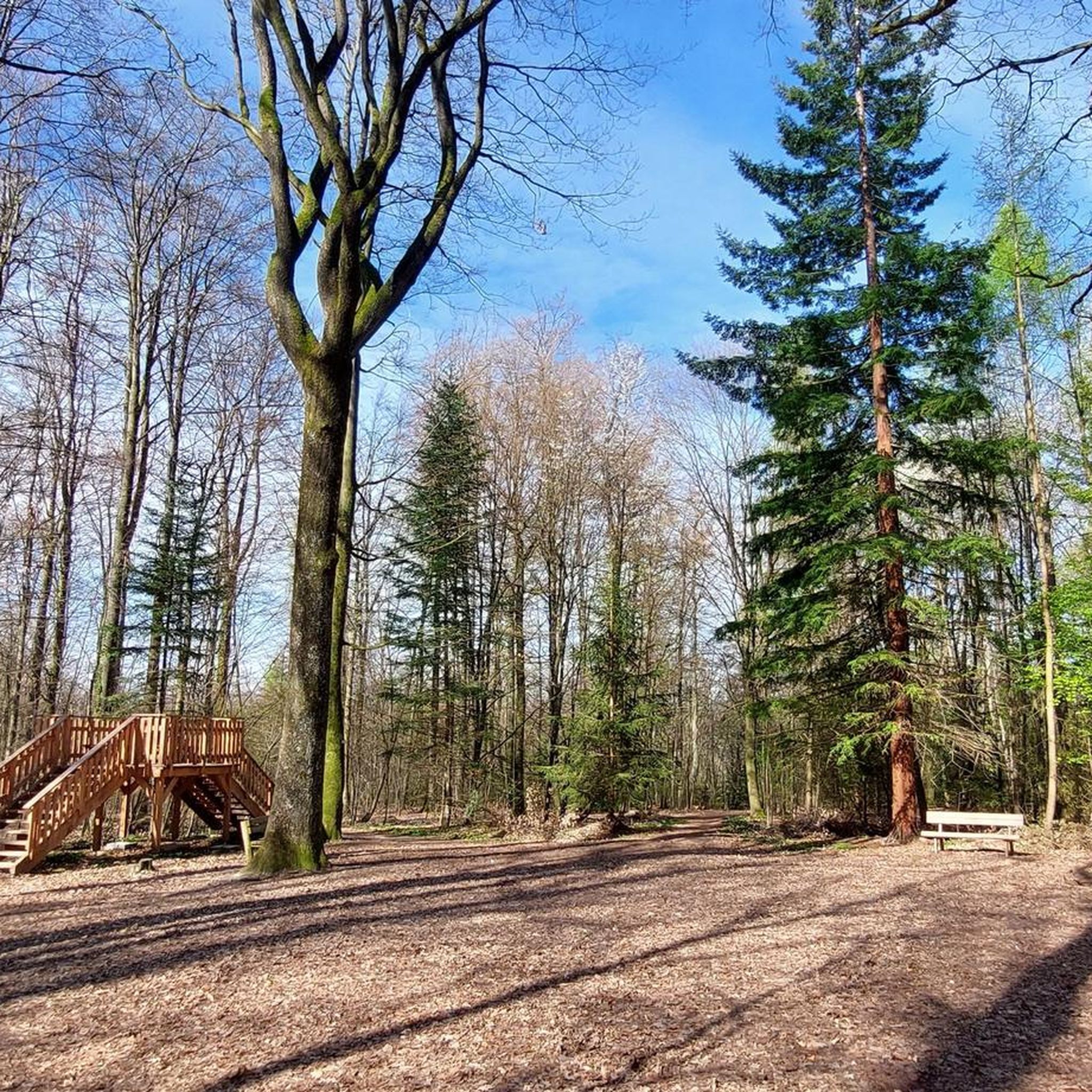
- Visitors also love Englishberg West Viewpoint, a viewpoint offering views to the Vosges. This mountain features great views and fascinating rock formations.
- Obersulzbach is known for its caves, viewpoints, and lakes. The region offers a variety of natural monuments to see and explore, from rock formations to historical sites.
- The natural monuments around Obersulzbach are appreciated by the komoot community, with more than 150 upvotes and 70 photos shared by visitors.
Last updated: May 24, 2026
Ochsenstall Rock
Highlight • Cave
Translated by Google •
Tip by

Grotte d'Amour
Highlight • Cave
How can you be so ignorant and put a pile of shit garnished with lots of speed right behind the rocks 😡😡
Translated by Google •
Tip by

Sign up now to discover places like this
Get recommendations on the best single tracks, peaks, & plenty of other exciting outdoor places.
Sign up for free
Little Meisenbach Castle
Highlight • Castle
Translated by Google •
Tip by

Lach Pond
Highlight • Lake
Translated by Google •
Tip by

Englishberg West Viewpoint
Highlight • Viewpoint
Translated by Google •
Tip by

Sign up for free to discover even more natural monuments around Obersulzbach.
Sign up for free
Already have an account?
Start today with a free account
Your next adventure awaits.
Login or Signup

Tips from the Community

Although the few remaining ruins of this structure are called a castle, it appears that the site was first used as a Roman temple and then as a Christian church. Nearby are superb rock formations typical of the Northern Vosges Mountains.
1
0

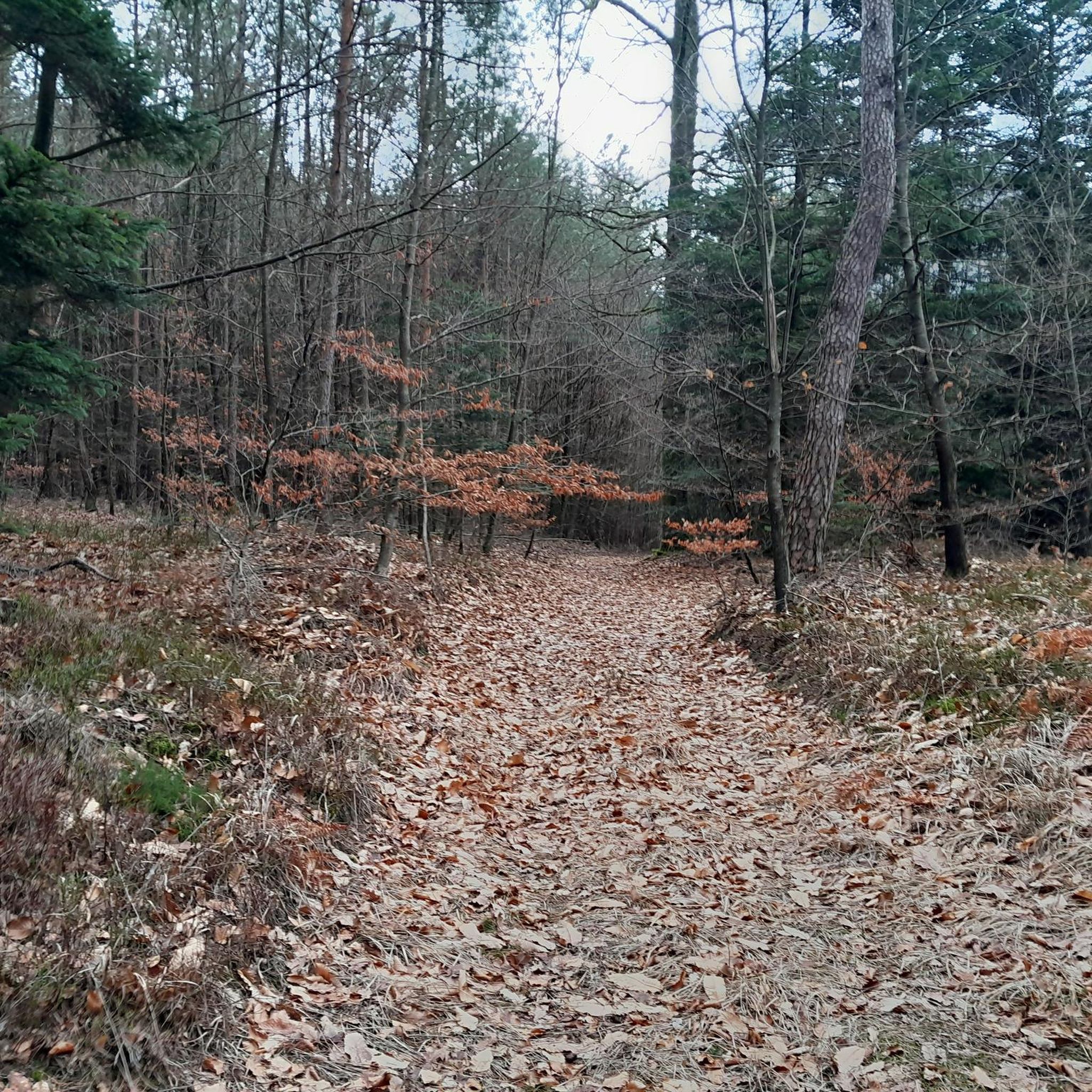
Very beautiful places in the calm of the forest
0
0

The remains are not the ruins of a small castle, as the popular name might suggest, but rather the remains of a Roman or Gallo-Roman sanctuary from the 2nd century, with a second phase of use in the 4th century. It may have later been used as a Christian church. In Curt Mündel's guide to the Vosges Mountains (1911 edition), the ruins are referred to as "Meisenbacher Schlössel," and the rock below as "Ochsenstall" (Oxen Stable), probably because the rock overhang was formerly used as a shelter for cattle.
0
0

The Ochsenstall Rock offers an exhilarating mountain biking experience with its rugged terrain and steep slopes. The highlight of your ride is the Ochsenstall Cave, an intriguing little cavern located beneath the rock formations. This cave, carved out by natural forces, offers a moment of exploration and a unique view of the surrounding landscape. It is the perfect place to take a break.
1
0

A beautiful place. What I don't understand: How can you be so ignorant and put a pile of shit garnished with lots of speed right behind the rocks 😡😡
6
1

the climb is a bit technical but doable. Beautiful viewpoint and benches to rest. On the way, very beautiful rocks 👍
0
0

Very beautiful place, you can take shelter there in case of bad weather and eat a bite on the huge Vosges sandstone table. The hike all around is nice and easy. The trails are almost all clear.
0
0

I was there after a period of heavy rain and the pond was well filled. The trees were reflected in the water. At this point, the most beautiful highlight of the entire tour. The trees were reflected in the water
0
0
Frequently Asked Questions
What are the most popular natural monuments around Obersulzbach?
The Obersulzbachtal, located within the Hohe Tauern National Park, is renowned for its glacial landscapes and powerful waterfalls. Key natural monuments include the impressive Gamseck-Fall and Seebachfall waterfalls, the vast Obersulzbach-Kees Glacier, and the serene Seebach Lake. For a family-friendly option, the revitalized Blausee offers a unique amphibian biotope.
Are there family-friendly natural monuments around Obersulzbach?
Yes, the Blausee is an excellent choice for families. This revitalized lake, located near the entrance to the National Park, features secured play areas in the glacial stream, toilets, and rest areas. It's also a vibrant amphibian biotope, making it an engaging spot for children to observe nature.
What natural features can I see in the Obersulzbachtal?
The Obersulzbachtal offers a diverse range of natural features shaped by glacial activity. You can witness powerful waterfalls like the Gamseck-Fall and Seebachfall, explore the expansive Obersulzbach-Kees Glacier and its forefield, and discover pristine alpine lakes such as Seebach Lake and Blausee. The broader Sulzbachtäler Wilderness Area also features numerous peaks exceeding 3,000 meters.
What historical or geological insights can I gain from visiting these natural monuments?
The Obersulzbachtal is a living testament to glacial history. The Obersulzbach-Kees Glacier, the largest in the Venediger Group, has a nature trail in its forefield that illustrates its retreat since 1850, showcasing moraines and glacial striations. This offers a unique opportunity to understand the dynamic changes of a glacier and its impact on the landscape.
What kind of wildlife can I expect to see in the Sulzbachtäler Wilderness Area?
The expansive Sulzbachtäler Wilderness Area, encompassing both Obersulzbachtal and Untersulzbachtal, is a habitat for diverse alpine wildlife. Visitors often have the chance to spot ibex, chamois, marmots, and even majestic bearded vultures, making it an exceptional area for nature observation.
Are there hiking trails near the natural monuments in Obersulzbach?
Yes, the Obersulzbachtal is crisscrossed with hiking trails. The Gamseck-Fall and Seebachfall waterfalls are easily accessible via hiking paths near the Berndlalm. Reaching Seebach Lake from Hopffeldboden involves a challenging but rewarding trail. For more options, you can explore running trails around Obersulzbach, which often pass by natural attractions.
What outdoor activities can I do near these natural monuments?
Beyond hiking to the natural monuments themselves, the Obersulzbachtal and surrounding areas offer a variety of outdoor activities. You can find numerous running trails, road cycling routes, and gravel biking routes that allow you to explore the stunning alpine landscape.
What is the best time to visit the glaciers and waterfalls in Obersulzbachtal?
The best time to visit the glaciers and waterfalls in Obersulzbachtal is typically during the warmer months, from late spring to early autumn (June to September). During this period, trails are generally clear of snow, and the waterfalls are at their most powerful due to melting snow and ice. The glacier forefield trail is also most accessible then.
Is the Untersulzbach Falls also part of the Obersulzbachtal natural monuments?
While technically located in the neighboring Untersulzbachtal, the Untersulzbach Falls are a significant natural monument in the broader Sulzbach area. This thundering waterfall plunges over a 50-meter rock step, creating a spectacular sight within a diverse forest environment. You can find more information about the area at nationalpark.at.
What do visitors enjoy most about the natural monuments in Obersulzbachtal?
Visitors consistently praise the Obersulzbachtal for its stunning natural beauty and the powerful forces of nature on display. The sheer scale of the waterfalls, the dramatic glacial landscapes, and the tranquility of the alpine lakes are frequently highlighted. The opportunity to observe diverse ecosystems and wildlife in a pristine environment is also a major draw.
Are there any natural monuments that offer shelter from the weather?
While the natural monuments in the Austrian Obersulzbachtal are primarily outdoor features, some areas like the Blausee offer rest areas. For a unique experience, the Grotte d'Amour, a cave in a different Obersulzbach region, provides a nice resting place with seating that can protect against wind and weather.
Can I find viewpoints with panoramic views among the natural monuments?
Yes, the Obersulzbachtal offers magnificent views, particularly from higher elevations. Seebach Lake, for instance, rewards visitors with stunning vistas of the Grossvenediger massif. In another Obersulzbach region, the Englishberg West Viewpoint is known for its great views and fascinating rock formations.
Most popular routes around Obersulzbach
Most popular attractions around Obersulzbach

Get inspired with the komoot mobile app


Explore more
Extend your search for the best caves by checking out these guides of the top ones around Obersulzbach:
