Top 5 Natural Monuments around Saint-Michel-De-Montjoie
Best natural monuments around Saint-Michel-De-Montjoie are characterized by the significant granite massif, including the "Bleu de Vire" granite, which has shaped the local landscape and industry. The region offers a blend of geological features, artificial lakes, and scenic trails through its Norman countryside. These sites provide opportunities for exploring the area's natural heritage and engaging in outdoor activities. The terrain includes varied landscapes, from open meadows with granite outcrops to dense forests and water bodies.
Best natural monuments around Saint-Michel-De-Montjoie
…Last updated: July 4, 2026
Lac du Gast
Highlight • Lake
Translated by Google •
Tip by

Hameau Les Nouettes
Highlight • Natural
Translated by Google •
Tip by
Sign up now to discover places like this
Get recommendations on the best single tracks, peaks, & plenty of other exciting outdoor places.
Sign up for free
Ornithological Reserve
Highlight • Lake
Translated by Google •
Tip by
Étang de Coulanges
Highlight • Lake
Vissière forest road, the Coulanges pond is only accessible on foot or by mountain …
Translated by Google •
Tip by
Granite Route
Highlight • Trail
Translated by Google •
Tip by
Sign up for free to discover even more natural monuments around Saint-Michel-De-Montjoie.
Sign up for free
Already have an account?
Start today with a free account
Your next adventure awaits.
Login or Signup
Popular around Saint-Michel-De-Montjoie


Tips from the Community

Binoculars are recommended
1
0

Great habitat for waterfowl. Binoculars are worth it!
2
0

we really liked this passage in osmosis with nature, trees, rock, really beautiful....👏😉👍
3
0

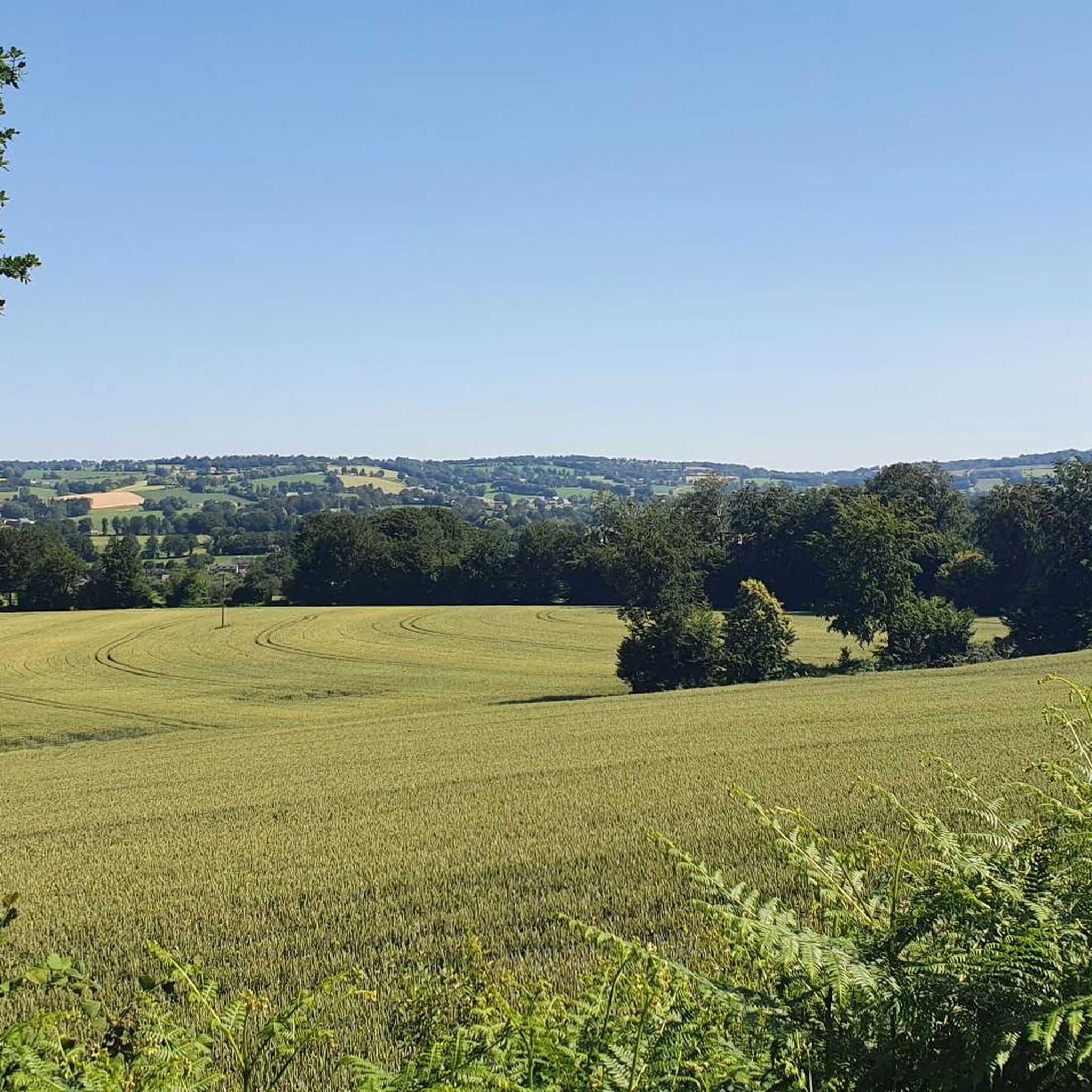
There, the meadows are dotted with granite balls called "oxen". Large granite blocks with rounded shapes outcrop there. They result from the weathering of the granite into balls under the action of infiltration water.
2
0
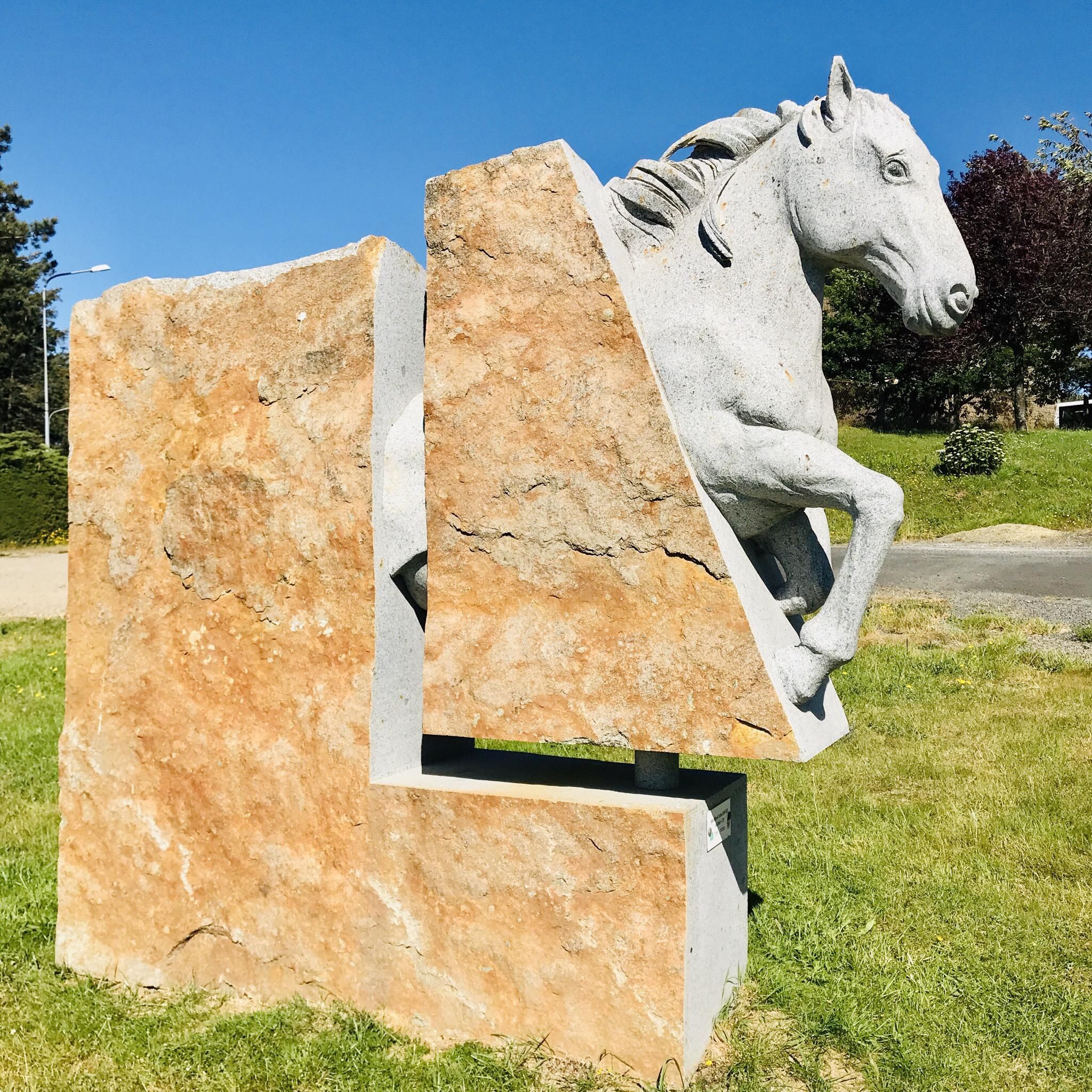
Today, only one quarry still extracts the “Bleu de Vire” granite. It is used to produce cobblestones for pedestrian areas in cities, tombstones for funerary monuments and for high technology (space conquest, robotics). Hikers will encounter pierced granite stones along this route.
2
0
Well hidden in the forest of Saint-Sever, between the Tranchée de la Garde Bourgeoise and the Vissière forest road, the Coulanges pond is only accessible on foot or by mountain bike. If fishing is prohibited there, a dike makes it possible to retain the water and to obtain a beautiful view of the body of water. A forest shelter and a picnic area have been set up to take advantage of this haven of peace.
4
0
the ornithological reserve of 4 hectares is of remarkable interest thanks to many species nesting in the wetlands: great crested grebe, little grebe, mallard duck, coot, lesser plover or even the reed bunting. Three observatories have been installed on the edge of the lake to better admire these birds without disturbing them.
2
0
Frequently Asked Questions
What are the main geological features to explore around Saint-Michel-de-Montjoie?
The region is renowned for its significant granite massif, particularly the "Bleu de Vire" granite. You can explore sites like Hameau Les Nouettes, where meadows are dotted with large, rounded granite blocks called "oxen" formed by natural weathering. The Granite Route also showcases the historical importance of granite extraction, with hikers encountering pierced granite stones along the way. The Parc-musée du Granit (Granite Park-Museum) offers insight into the geological heritage and quarrying history.
Are there any natural monuments suitable for families?
Yes, several natural monuments are family-friendly. Lac du Gast is a beautiful lake that serves as a drinking water reserve and a habitat for waterfowl, offering a peaceful setting. The Ornithological Reserve, with its observatories, is perfect for families interested in birdwatching. Additionally, Hameau Les Nouettes provides an interesting geological experience with its unique granite formations.
Where can I observe wildlife, especially birds, near Saint-Michel-de-Montjoie?
The Ornithological Reserve is an excellent spot for birdwatching, supporting various waterfowl species like great crested grebes, mallard ducks, and reed buntings. Three observatories are installed for better viewing without disturbance. Lac du Gast is also a significant habitat for waterfowl, making it another great location to spot birds.
What kind of hiking trails can I find near these natural monuments?
The region offers a variety of hiking trails through its 'Norman nature,' including pleasant walks through woods and along paths. For example, you can find routes like 'Hameau Les Nouettes – Montjoie Wood loop from Saint-Pois' (13.17 km, moderate) or 'The Pierre Zure Stream loop from Lingeard' (3.94 km, easy). You can explore more options on the Hiking around Saint-Michel-De-Montjoie guide.
Is there a place to learn about the region's granite history?
Yes, the Parc-musée du Granit (Granite Park-Museum) is dedicated to the region's rich history of granite extraction and its geological heritage. You can explore a reconstructed quarry, view ancient tools, and see over 130 sculpted pieces. The Granite Route also offers a historical perspective on the use of "Bleu de Vire" granite.
Can I go cycling or walking around a lake?
Yes, Lac de la Dathée, a substantial artificial lake near Saint-Michel-de-Montjoie, features a developed path perfect for walking or cycling around its perimeter. It's a popular spot for leisurely strolls and bike rides in a serene natural setting. You can find cycling routes in the Gravel biking around Saint-Michel-De-Montjoie guide.
Are there any hidden natural gems worth discovering?
The Étang de Coulanges is a hidden gem nestled in the forest of Saint-Sever. It's only accessible on foot or by mountain bike, offering a peaceful haven with a beautiful view from its dike. A forest shelter and picnic area are available for visitors.
What is the significance of Lac du Gast?
Lac du Gast is a crucial drinking water reserve, covering 66 hectares and located near the source of the Sienne river. Approximately 16,000 m³ of water are withdrawn daily to supply drinking water. Beyond its utility, it's also a significant habitat for waterfowl, making it a valuable ecological site.
Are there any viewpoints with scenic vistas?
Yes, the Ornithological Reserve offers viewpoints from its observatories overlooking the lake and its birdlife. The Étang de Coulanges also provides a beautiful view of the water body from its dike. On clear days, some local hiking trails even offer glimpses of the iconic Mont Saint-Michel in the distance.
What outdoor activities are available besides hiking?
Beyond hiking, the area around Saint-Michel-de-Montjoie is excellent for cycling. You can find various routes for gravel biking and mountain biking. Lac de la Dathée is particularly popular for walking and cycling around its perimeter.
What makes the Mont Saint-Michel Bay a notable natural landmark in the broader region?
While not directly in Saint-Michel-de-Montjoie, Mont Saint-Michel is a significant natural landmark visible from some local viewpoints. It's renowned for its unique geology, built on a hard granite outcrop that has withstood the extreme tidal ranges of its bay. The bay's powerful natural environment has profoundly shaped the history and character of this UNESCO World Heritage site. You can learn more about it on the UNESCO website.
What do visitors enjoy most about the natural monuments around Saint-Michel-de-Montjoie?
Visitors appreciate the blend of natural beauty and tranquility. Many enjoy the peaceful passages in osmosis with nature, featuring trees and rocks, as noted for Lac du Gast. The opportunity to observe waterfowl at sites like the Ornithological Reserve is also a highlight, with binoculars often recommended for the best experience.
Most popular routes around Saint-Michel-De-Montjoie
Most popular attractions around Saint-Michel-De-Montjoie

Get inspired with the komoot mobile app


Explore more
Extend your search for the best caves by checking out these guides of the top ones around Saint-Michel-De-Montjoie:
